Cracking a skill-specific interview, like one for Promotional Activities and Outreach, requires understanding the nuances of the role. In this blog, we present the questions you’re most likely to encounter, along with insights into how to answer them effectively. Let’s ensure you’re ready to make a strong impression.
Questions Asked in Promotional Activities and Outreach Interview
Q 1. Describe your experience developing and implementing promotional campaigns.
Developing and implementing promotional campaigns involves a strategic process, from initial concept to final analysis. It begins with a deep understanding of the product or service, the target audience, and the overall marketing objectives. I typically follow a structured approach:
- Market Research & Analysis: Understanding the competitive landscape, identifying target demographics, and analyzing market trends are crucial first steps. For example, I recently conducted thorough research into the preferences of millennial consumers before launching a social media campaign for a new sustainable fashion brand.
- Defining Objectives & KPIs: Clear, measurable, achievable, relevant, and time-bound (SMART) goals are essential. This might include increasing brand awareness by 20% or driving a 15% increase in website traffic within three months.
- Strategy Development: This stage focuses on crafting the messaging, selecting appropriate channels, and outlining the campaign timeline. For a recent B2B campaign, we opted for a content marketing strategy involving webinars and white papers, targeting key decision-makers.
- Campaign Execution: This involves the actual implementation of the promotional activities across chosen channels. This could encompass social media posts, email marketing, influencer collaborations, paid advertising, and public relations efforts.
- Monitoring & Evaluation: Ongoing tracking and analysis of campaign performance are vital to make adjustments during the campaign and for future improvements. This might involve daily monitoring of social media engagement or weekly analysis of email open rates and click-through rates.
Throughout the process, I prioritize collaboration with cross-functional teams, including marketing, sales, and creative teams, to ensure a cohesive and effective campaign.
Q 2. How do you measure the success of a promotional campaign?
Measuring the success of a promotional campaign requires a multifaceted approach, relying on both quantitative and qualitative data. It’s not enough to simply look at one metric; a holistic view is necessary.
- Quantitative Metrics: These are easily measurable numbers, like website traffic, sales conversions, social media engagement (likes, shares, comments), reach, and email open/click-through rates. For instance, a successful social media campaign might demonstrate a significant increase in follower count and website referrals.
- Qualitative Metrics: These measure the less tangible aspects of the campaign, such as brand awareness, customer sentiment, and media coverage. Customer surveys, focus groups, and social media listening tools can provide valuable insights into these aspects. For example, positive sentiment analysis from social media monitoring can indicate a successful brand perception campaign.
- Return on Investment (ROI): Calculating the return on investment is crucial to understand the overall financial success of the campaign. This involves comparing the cost of the campaign against the revenue generated.
By analyzing both quantitative and qualitative data, a comprehensive picture of campaign success can be obtained. This allows for a more accurate evaluation and informs future campaigns.
Q 3. What metrics are most important to you when evaluating outreach effectiveness?
When evaluating outreach effectiveness, the most important metrics for me are those that directly relate to the campaign objectives. However, some key metrics consistently prove valuable:
- Reach and Impressions: How many people were exposed to the promotional message? This is especially relevant for brand awareness campaigns. Tools like Google Analytics and social media analytics platforms provide this information.
- Engagement: How did the audience interact with the message? This could include likes, shares, comments, retweets, clicks, and time spent on content. High engagement often indicates a resonant message.
- Conversion Rate: What percentage of people exposed to the message took the desired action (e.g., made a purchase, signed up for a newsletter)? This is a critical metric for campaigns focused on driving sales or lead generation.
- Customer Acquisition Cost (CAC): How much did it cost to acquire a new customer through this outreach effort? This helps assess the efficiency of the outreach strategy.
- Brand Sentiment: What is the overall tone and attitude towards the brand after the outreach? Monitoring social media mentions and conducting sentiment analysis provides valuable insights.
These metrics, when analyzed together, offer a clear picture of the effectiveness of outreach efforts, guiding future optimizations.
Q 4. Explain your experience with budgeting and resource allocation for promotional activities.
Budgeting and resource allocation for promotional activities require careful planning and a deep understanding of the campaign’s goals and potential ROI. I typically follow these steps:
- Define the Budget: The overall budget is determined based on the campaign’s objectives and available resources. This might involve working with stakeholders to secure necessary funding.
- Allocate Resources: The budget is then allocated across various activities, including channel costs (e.g., advertising, influencer marketing, event sponsorships), content creation, personnel time, and analytics tools. I use a spreadsheet to meticulously track this allocation.
- Prioritize Channels: Based on the target audience and campaign goals, certain channels will be prioritized. For example, a campaign targeting young adults might allocate a larger portion of the budget to social media advertising compared to print media.
- Track Spending: Throughout the campaign, spending is closely monitored against the budget to identify potential overruns or areas for cost optimization.
- Post-Campaign Analysis: After the campaign, a thorough analysis of spending is conducted to determine the return on investment and optimize future budget allocation.
For example, in a recent campaign, I successfully reallocated funds from underperforming print advertisements to high-performing social media ads, leading to a significant increase in conversions with the same overall budget.
Q 5. How do you identify and target your key audiences for promotional efforts?
Identifying and targeting key audiences is critical for effective promotional campaigns. I employ a multi-pronged approach:
- Market Research: Through surveys, focus groups, and data analysis, I gain a deep understanding of potential customer segments, their demographics, psychographics, needs, and behaviors.
- Customer Segmentation: Based on the research, I segment the audience into distinct groups based on shared characteristics. This allows for tailored messaging and channel selection.
- Persona Development: Creating detailed customer personas helps visualize the ideal customer, allowing for more focused messaging and creative development.
- Channel Selection: Different channels are more effective in reaching specific segments. For example, LinkedIn might be ideal for reaching professionals, while Instagram might be better for targeting younger demographics.
- Targeting Options: Many digital channels offer precise targeting options, allowing you to reach specific demographics, interests, and behaviors. I leverage these tools to refine my reach and maximize ROI.
For instance, when launching a new fitness app, we targeted fitness enthusiasts on social media platforms using location-based targeting, interest-based targeting (e.g., fitness, healthy eating), and demographic targeting (age and gender).
Q 6. Describe your experience with different promotional channels (e.g., social media, email, print).
My experience encompasses a wide range of promotional channels, each with its strengths and weaknesses:
- Social Media Marketing: I’m proficient in using platforms like Facebook, Instagram, Twitter, LinkedIn, and TikTok to create engaging content, run targeted advertising campaigns, and build brand communities. I understand the nuances of each platform and tailor my strategy accordingly.
- Email Marketing: I develop and implement email campaigns that nurture leads, promote products or services, and build customer relationships. I focus on creating compelling subject lines, personalized messaging, and effective calls to action. I also prioritize email deliverability and list segmentation for optimal results.
- Print Media: While its importance has decreased in recent years, I still utilize print media strategically, particularly for specific target audiences or niche campaigns. This might include brochures, flyers, or magazine advertisements.
- Content Marketing: I create high-quality, valuable content (blog posts, articles, videos, infographics) to attract and engage target audiences. This improves SEO and brand credibility.
- Paid Advertising: I leverage platforms like Google Ads and social media advertising to run targeted campaigns, reaching specific demographics and interests. I utilize A/B testing to continually optimize campaign performance.
I understand that the most effective promotional strategy often involves a multi-channel approach, combining various channels to maximize reach and impact. For example, I frequently leverage social media to drive traffic to email landing pages, creating a synergistic effect across different channels.
Q 7. How do you handle unexpected challenges or setbacks during a promotional campaign?
Unexpected challenges are inevitable in promotional campaigns. My approach involves proactive planning, flexible strategies, and effective communication:
- Contingency Planning: I build contingency plans into my campaigns, anticipating potential problems and developing solutions in advance. This might include backup plans for various scenarios, such as a sudden change in market conditions or a technical failure.
- Data-Driven Decision Making: Regular monitoring and analysis allow for quick identification of problems. I use data to inform adjustments to the campaign strategy, ensuring we adapt to changing conditions effectively.
- Team Collaboration: Open communication and collaboration within the team are essential for addressing challenges effectively. Regular meetings and updates keep everyone informed and ensure coordinated problem-solving.
- Problem-Solving Framework: I follow a structured approach to problem-solving, identifying the root cause of the issue, exploring possible solutions, implementing the chosen solution, and monitoring its effectiveness.
- Post-Mortem Analysis: After the campaign, I conduct a thorough analysis of both successes and failures. This helps identify areas for improvement in future campaigns and prevents similar setbacks from occurring again.
For example, during a recent campaign, we encountered a sudden drop in website traffic due to an unexpected algorithm change. By quickly analyzing the data and adjusting our SEO strategy, we were able to mitigate the impact and recover within a few days.
Q 8. What is your experience with crisis communication and managing negative publicity?
Crisis communication is about swiftly and effectively managing negative events that can damage an organization’s reputation. My approach involves a four-step process: Preparation, Response, Recovery, and Evaluation.
Preparation involves proactively identifying potential crises and developing a communication plan. This includes designating spokespeople, creating pre-approved messaging, and establishing communication channels. For example, I once helped a client develop a crisis communication plan that included pre-written social media posts and press releases for various scenarios, from product recalls to data breaches.
Response is about immediate action. We must acknowledge the problem, express empathy, and offer solutions. Transparency is key. During a food contamination scare at a previous company, I immediately engaged with concerned customers through social media, actively addressing their questions and concerns, and worked closely with the production team to provide updates on the investigation.
Recovery focuses on rebuilding trust and repairing the damage. This might involve implementing corrective actions, offering compensation, and engaging in community outreach. Post-incident, we’ll reassess the damage done to our reputation and implement strategies like positive press releases or community involvement to regain trust.
Evaluation is crucial for learning from mistakes and improving future responses. We meticulously review the situation and identify areas for improvement in our crisis management plan.
Q 9. How do you build and maintain relationships with media outlets or influencers?
Building and maintaining relationships with media outlets and influencers requires consistent effort and genuine connection. It’s not about transactional relationships; it’s about building trust and providing value.
I start by identifying key media contacts and influencers relevant to our target audience. This involves researching their past work, understanding their audience, and identifying potential areas of collaboration. For example, if we’re launching a new eco-friendly product, I would target environmental journalists and influencers known for their advocacy in that field.
I then reach out to them with personalized pitches, offering exclusive information or insights relevant to their audience. Avoid generic emails; tailor your message to their specific interests. I also prioritize building genuine relationships by attending industry events, engaging with their content, and offering assistance where possible. It’s about being helpful and becoming a reliable source of information, not just someone who constantly asks for coverage.
Maintaining relationships means regular follow-up, keeping them informed of relevant developments, and offering exclusive access to events or interviews. Strong media relationships are essential for securing positive coverage and building brand credibility.
Q 10. Describe your experience creating engaging and persuasive marketing materials.
Creating engaging and persuasive marketing materials requires a deep understanding of the target audience and a clear message. I leverage storytelling and compelling visuals to connect with consumers emotionally and intellectually. My approach is data-driven; I always conduct thorough market research to understand the audience’s needs and preferences.
For example, when developing a brochure for a new financial product, I focused on creating a clear and concise message that addressed the concerns of the target audience. We used visuals to showcase the benefits of the product, and we incorporated customer testimonials to build trust. The resulting brochure was highly effective at driving leads and sales.
I consider all aspects of design—typography, imagery, and layout—to ensure the material is visually appealing and easy to understand. I utilize various marketing platforms depending on the campaign and target audience: social media campaigns, email marketing, print materials, and digital content.
Q 11. What is your experience with A/B testing and optimizing marketing campaigns?
A/B testing is a crucial part of optimizing marketing campaigns. It involves comparing two versions of a marketing element (e.g., subject lines, headlines, calls to action) to see which performs better. For example, I might test two different email subject lines to see which one has a higher open rate. Or I might test different ad creatives on social media platforms.
The process typically involves selecting a metric to measure (e.g., click-through rate, conversion rate), creating two versions of the element, and then randomly assigning users to each version. After sufficient data is collected, we analyze the results and determine which version is more effective. Example: A/B testing two different versions of a landing page, measuring conversion rates. Version A: Headline - 'Save 20%'; Version B: Headline - 'Limited-Time Offer'.
This iterative process allows us to continuously refine and improve our marketing campaigns, maximizing their impact and return on investment. I use various analytics tools like Google Analytics and marketing automation platforms to track campaign performance and conduct A/B testing.
Q 12. How do you stay up-to-date on the latest trends in marketing and promotions?
Staying current in marketing and promotions requires continuous learning and engagement with the industry. I subscribe to relevant industry publications, attend conferences and webinars, and follow key influencers and thought leaders on social media. I actively participate in online communities and forums to learn from the experiences of other professionals.
I regularly analyze marketing campaign data and case studies from successful companies. This allows me to identify best practices and adapt them to my own work. For example, I recently attended a conference on neuromarketing, which provided insights into consumer behavior and how to craft more persuasive marketing messages.
Furthermore, I leverage data analytics tools to track the effectiveness of marketing campaigns. This allows me to identify areas for improvement and to stay ahead of the curve. I see industry trends and adapt our strategies accordingly to ensure we’re always employing best practices.
Q 13. How would you adapt your outreach strategy for different target demographics?
Adapting outreach strategies for different target demographics requires a nuanced understanding of each group’s unique characteristics, values, and communication preferences. This involves researching their demographics, psychographics, and online behavior.
For example, a marketing campaign targeting Gen Z might utilize short-form video content on platforms like TikTok and Instagram, employing informal language and trending hashtags. Conversely, a campaign targeting Baby Boomers might leverage traditional media like print advertising and email marketing, using a more formal tone.
I tailor messaging, channels, and creative assets to resonate with each group’s specific needs and interests. For instance, I might use different imagery, language, and calls to action depending on the target demographic. This ensures that the message is relevant and engaging for each audience, maximizing the chances of success.
Q 14. Describe your experience collaborating with cross-functional teams on marketing projects.
Collaboration is vital in marketing. I have extensive experience working with cross-functional teams, including sales, product development, and design. My approach emphasizes clear communication, shared goals, and mutual respect. I believe in establishing clear roles and responsibilities from the outset of a project, utilizing project management tools to maintain transparency and facilitate seamless collaboration.
For example, during the launch of a new software application, I worked closely with the product development team to understand the technical aspects of the product and ensure that our marketing messaging accurately reflected its capabilities. I collaborated with the sales team to develop sales enablement materials and to align our marketing efforts with their sales strategies. We frequently held team meetings to discuss progress and to address any challenges, and employed project management software to track progress, deadlines and allocated resources.
Effective communication is critical; I utilize regular updates, feedback sessions, and collaborative tools to ensure everyone is aligned and informed. Strong teamwork ensures successful marketing projects and campaigns.
Q 15. Explain your experience with data analysis and using data to inform marketing decisions.
Data analysis is the cornerstone of effective marketing. I leverage data to understand audience behavior, campaign performance, and ultimately, optimize marketing strategies for maximum impact. My process typically involves several steps:
- Data Collection: Gathering data from various sources like website analytics (Google Analytics), CRM systems, social media platforms, and marketing automation tools.
- Data Cleaning and Preparation: Ensuring data accuracy and consistency by removing duplicates, handling missing values, and transforming data into a usable format.
- Data Analysis: Utilizing tools like Excel, R, or Python to perform descriptive and inferential statistical analysis. This involves calculating key metrics like conversion rates, customer lifetime value (CLTV), and return on investment (ROI). I also utilize segmentation and cohort analysis to understand different customer groups.
- Data Visualization: Creating clear and concise visualizations (charts, graphs, dashboards) to communicate findings effectively to stakeholders. This helps to quickly identify trends and patterns.
- Actionable Insights: Translating data insights into specific, measurable, achievable, relevant, and time-bound (SMART) marketing actions. For example, if data shows a high bounce rate on a specific landing page, we might redesign the page for improved user experience.
For example, in a recent campaign for a tech startup, analyzing website traffic data revealed a significant drop-off in the checkout process. By investigating further, we identified a confusing payment form as the main culprit. A redesigned form led to a 25% increase in conversion rates.
Career Expert Tips:
- Ace those interviews! Prepare effectively by reviewing the Top 50 Most Common Interview Questions on ResumeGemini.
- Navigate your job search with confidence! Explore a wide range of Career Tips on ResumeGemini. Learn about common challenges and recommendations to overcome them.
- Craft the perfect resume! Master the Art of Resume Writing with ResumeGemini’s guide. Showcase your unique qualifications and achievements effectively.
- Don’t miss out on holiday savings! Build your dream resume with ResumeGemini’s ATS optimized templates.
Q 16. What is your preferred method for tracking campaign ROI?
My preferred method for tracking campaign ROI is a multi-faceted approach that combines various metrics and attribution models. I don’t rely on a single metric, instead opting for a holistic view.
- Direct Attribution: Tracking conversions directly linked to specific marketing activities, like clicks from a paid ad leading to a purchase. This is usually measured through unique tracking parameters in URLs or through conversion tracking pixels on websites.
- Multi-Touch Attribution (MTA): Acknowledging that a customer’s journey rarely involves a single touchpoint. MTA models assign credit for conversions across multiple channels and touchpoints, giving a more accurate picture of campaign effectiveness. For example, a customer might see a social media ad, read a blog post, and then finally make a purchase through an email campaign. MTA models account for all these interactions.
- Marketing Automation Tools: Leveraging tools like HubSpot or Marketo to automatically track campaign performance and attribute conversions to specific channels and campaigns.
- Custom Dashboards: Creating custom dashboards to visualize ROI data, allowing for quick identification of high-performing and underperforming campaigns.
It’s crucial to define clear KPIs (Key Performance Indicators) upfront to ensure accurate measurement. For example, if the goal is brand awareness, ROI might be measured through changes in social media mentions or website traffic, rather than just direct sales.
Q 17. How do you ensure brand consistency across all promotional channels?
Brand consistency is paramount for building a strong brand identity and customer trust. I ensure this consistency across all channels through:
- Brand Guidelines Document: Creating and distributing a comprehensive brand guidelines document that outlines brand voice, visual identity (logo usage, color palette, typography), and messaging standards.
- Template Creation: Developing standardized templates for various marketing materials (email newsletters, social media posts, website content) to maintain a consistent look and feel.
- Regular Audits: Conducting periodic audits of all marketing channels to identify and rectify any inconsistencies in branding.
- Centralized Content Repository: Utilizing a central content repository (like a brand portal or a shared drive) to store and manage all brand assets, ensuring everyone uses the most up-to-date versions.
- Training and Communication: Providing regular training to team members on brand guidelines and best practices for maintaining consistency.
For example, if our brand guidelines specify a specific font and color palette, I ensure that all marketing materials, regardless of the channel, adhere to these specifications. This consistency reinforces brand recognition and strengthens customer relationships.
Q 18. Describe a time you successfully launched a new promotional initiative.
I successfully launched a new loyalty program for a retail client. The challenge was to increase customer retention and average order value. The initiative involved several key steps:
- Market Research: We conducted thorough research to understand customer preferences and identify potential rewards that would resonate with them.
- Program Design: We designed a tiered loyalty program with varying rewards based on spending levels, including exclusive discounts, early access to sales, and birthday gifts.
- Technology Implementation: We integrated the loyalty program with the client’s existing CRM and POS systems to ensure seamless tracking and redemption of points.
- Marketing and Communication: We launched a comprehensive marketing campaign to promote the new program, utilizing email marketing, social media, in-store promotions, and website updates.
- Monitoring and Optimization: We continuously monitored the program’s performance, tracking key metrics like membership growth, redemption rates, and increased customer lifetime value. We made adjustments based on the data collected, ensuring the program remained effective and engaging.
The results were impressive. We saw a 15% increase in customer retention within six months and a 10% increase in average order value. The success of this launch demonstrated the importance of strategic planning, data-driven decision-making, and consistent monitoring and optimization.
Q 19. How do you handle conflicts or disagreements with team members during a campaign?
Conflicts are inevitable in team settings, especially during high-pressure campaign launches. My approach focuses on open communication and collaborative problem-solving. I believe in:
- Active Listening: Understanding each team member’s perspective and concerns before offering solutions.
- Facilitated Discussion: Creating a safe space for open discussion where everyone feels comfortable expressing their views.
- Focus on Shared Goals: Reminding the team of the overall campaign objectives to keep everyone aligned.
- Compromise and Collaboration: Finding mutually agreeable solutions that address the concerns of all parties involved.
- Documentation: Keeping detailed records of decisions made and agreed-upon actions.
In one instance, we had a disagreement on the messaging strategy for a social media campaign. By facilitating a discussion, we identified the underlying concerns, which stemmed from different interpretations of our target audience. Through collaboration, we developed a messaging strategy that incorporated elements from both perspectives, resulting in a more effective campaign.
Q 20. What is your experience with using marketing automation tools?
I have extensive experience with marketing automation tools, including HubSpot, Marketo, and Pardot. These tools are essential for streamlining marketing processes and improving efficiency. My experience encompasses:
- Email Marketing Automation: Creating automated email sequences for lead nurturing, onboarding new customers, and re-engagement campaigns.
- Workflow Automation: Automating repetitive tasks such as lead scoring, segmentation, and campaign tracking.
- Social Media Management: Using automation tools to schedule posts and monitor social media activity.
- Data Integration: Connecting marketing automation tools with CRM systems and other data sources to create a unified view of customer interactions.
- Reporting and Analytics: Utilizing built-in analytics dashboards to monitor campaign performance and identify areas for improvement.
For instance, I used HubSpot to build a sophisticated lead nurturing workflow that automatically segmented leads based on their website activity and sent them targeted email content. This resulted in a significant improvement in lead conversion rates.
Q 21. Explain your experience with content marketing and content promotion.
Content marketing and content promotion are intertwined strategies I use to engage audiences and drive results. Content marketing focuses on creating valuable, relevant, and consistent content to attract and retain a clearly defined audience — and, ultimately, to drive profitable customer action. Content promotion is the process of distributing that content to reach a wider audience.
- Content Strategy Development: Defining target audience, identifying content formats (blog posts, videos, infographics, etc.), and establishing a content calendar.
- Content Creation: Working with writers, designers, and videographers to produce high-quality content that aligns with brand messaging and audience interests.
- SEO Optimization: Optimizing content for search engines to improve organic search visibility.
- Content Promotion: Utilizing various channels for distribution, including social media marketing, email marketing, paid advertising, and influencer outreach.
- Performance Analysis: Tracking key metrics such as website traffic, engagement, and conversions to measure content effectiveness and optimize future strategies.
For a client in the healthcare industry, I developed a content strategy focused on creating educational blog posts and videos about preventative health measures. We then promoted this content through targeted social media advertising and email campaigns. This resulted in a significant increase in website traffic and lead generation.
Q 22. How do you measure the effectiveness of social media marketing campaigns?
Measuring the effectiveness of social media marketing campaigns requires a multi-faceted approach. It’s not just about vanity metrics like likes and shares; true effectiveness is tied to achieving your campaign’s objectives. We need to define clear, measurable goals upfront – increased brand awareness, lead generation, website traffic, or sales.
Key Metrics and How to Measure Them:
- Reach and Impressions: How many unique users saw your content? This is readily available on most social media platforms.
- Engagement: Likes, comments, shares, and click-through rates (CTR) indicate audience interest. A high CTR suggests compelling content.
- Website Traffic: Use UTM parameters in your social media links to track traffic originating from specific posts or campaigns using Google Analytics. This helps assess how well social media drives website activity.
- Conversions: Did your campaign lead to sales, lead form submissions, or other desired actions? Track these conversions directly through your website analytics and CRM.
- Brand Sentiment: Monitor mentions of your brand to gauge public perception. Are people talking positively or negatively about your brand? Tools like Brandwatch or Talkwalker can help.
- Return on Investment (ROI): Ultimately, we need to calculate the return on the investment made in the campaign. This involves comparing the costs of the campaign against the revenue or other benefits generated.
Example: Let’s say our goal is to increase website traffic. We can track UTM-tagged links from our social media posts to see the number of clicks and visits they generate. A low CTR might indicate our content isn’t resonating with the audience, while a high bounce rate from the landing page suggests the landing page isn’t effective. We can adjust our content and landing page accordingly.
Q 23. Describe your experience with event planning and execution.
I have extensive experience in event planning and execution, from small-scale workshops to large-scale conferences. My role typically involves the entire process: from concept development and budgeting to on-site management and post-event analysis.
My approach includes:
- Defining Objectives: Clearly articulating the goals of the event – networking, lead generation, brand awareness, etc.
- Budgeting and Resource Allocation: Creating a detailed budget and securing necessary resources like venue, catering, speakers, and marketing materials.
- Vendor Management: Selecting and managing vendors to ensure smooth execution within budget and schedule.
- Logistics and Operations: Handling registration, seating arrangements, technical support, and on-site logistics.
- Marketing and Promotion: Developing and executing a comprehensive marketing plan to drive attendance.
- Post-Event Analysis: Evaluating the success of the event against its objectives, collecting feedback, and identifying areas for improvement in future events.
Example: For a recent product launch event, I managed a team to plan, market, and execute the entire event. This included securing a venue, coordinating catering, arranging for keynote speakers, designing marketing materials, and managing registration. We exceeded our attendance goals and generated a significant number of leads, demonstrating the effectiveness of our planning and execution.
Q 24. What is your understanding of different marketing campaign strategies (e.g., push vs. pull)?
Marketing campaign strategies can be broadly categorized as ‘push’ and ‘pull’. They represent different approaches to reaching your target audience.
- Push Marketing: This is an outbound approach where you actively push your message to the audience. Think of traditional advertising like TV commercials, print ads, or direct mail. You’re essentially interrupting the audience’s experience to deliver your message. It’s less targeted and often requires a larger budget.
- Pull Marketing: This is an inbound approach where you create valuable content that attracts your target audience. Examples include SEO optimization, content marketing (blog posts, white papers, videos), social media engagement, and email marketing. The audience actively seeks out your information, making it a more targeted and cost-effective strategy in many cases.
In practice: Most successful campaigns employ a combination of both push and pull strategies. A push strategy might generate initial awareness, while a pull strategy nurtures leads and builds relationships.
Example: A company launching a new product might use a push strategy with TV commercials to create initial awareness (push). Then, they might use pull strategies like creating informative blog posts and offering downloadable resources on their website to attract potential customers who are actively researching the product category (pull).
Q 25. How do you use analytics to identify areas for improvement in promotional campaigns?
Analytics are crucial for identifying areas for improvement in promotional campaigns. By analyzing campaign data, we can understand what worked, what didn’t, and how to optimize for better results.
Key Steps:
- Define Key Performance Indicators (KPIs): Before launching a campaign, define the KPIs that will measure success (e.g., website traffic, conversion rates, engagement metrics).
- Collect Data: Utilize analytics platforms such as Google Analytics, social media analytics dashboards, and CRM systems to collect data on various campaign aspects.
- Analyze Data: Identify trends and patterns in the data. Look for areas where the campaign underperformed. For example, a low click-through rate on a specific ad might indicate a problem with the ad creative or targeting.
- Identify Areas for Improvement: Based on the analysis, pinpoint specific areas that need improvement. This might involve tweaking the messaging, improving targeting, optimizing the landing page, or adjusting the budget allocation.
- Iterate and Optimize: Implement changes based on the analysis and track the impact of these changes. This iterative process allows for continuous improvement.
Example: If we find a low conversion rate on a landing page, we might A/B test different versions of the page to see which one performs better. We might also analyze user behavior on the page to identify friction points that are preventing conversions.
Q 26. How do you ensure ethical and legal compliance in your promotional activities?
Ethical and legal compliance is paramount in promotional activities. Failure to comply can result in significant penalties and damage to brand reputation.
Key Considerations:
- Truth in Advertising: All claims made in promotional materials must be truthful, accurate, and substantiated. Avoid making misleading or exaggerated claims.
- Privacy Laws: Comply with relevant data privacy laws like GDPR (General Data Protection Regulation) and CCPA (California Consumer Privacy Act). Obtain consent for data collection and ensure data security.
- Spam Laws: Avoid sending unsolicited emails or messages. Obtain explicit consent for email marketing and provide easy unsubscribe options.
- Intellectual Property Rights: Ensure that all promotional materials respect intellectual property rights, including copyrights, trademarks, and patents.
- Contests and Sweepstakes: Comply with all applicable rules and regulations governing contests and sweepstakes. Disclose all rules and eligibility criteria clearly.
- Accessibility: Ensure all promotional materials are accessible to people with disabilities, following WCAG (Web Content Accessibility Guidelines).
Example: Before launching an email marketing campaign, we ensure we have obtained explicit consent from recipients. We clearly state our privacy policy and provide a prominent unsubscribe link in every email. We also ensure our ads accurately reflect the product or service being offered and avoid misleading claims.
Q 27. Describe a time you had to adapt your promotional strategy due to changing market conditions.
During a product launch campaign, we initially focused on a high-budget television advertising campaign targeting a broad demographic. However, early sales data revealed that our target market was much more niche than anticipated. The broad reach TV campaign wasn’t delivering the ROI we expected, while our social media efforts were far more effective at reaching the precise customer profile.
Adaptation Strategy:
- Reduced TV Spending: We significantly reduced our investment in TV advertising.
- Increased Social Media Investment: We reallocated the budget to enhance our social media campaigns, focusing on highly targeted advertising and engaging content tailored to the specific interests and demographics of our niche market.
- Influencer Marketing: We collaborated with influencers within our niche market to reach a more engaged audience.
- Content Optimization: We revised our marketing messages to resonate more effectively with our defined target audience.
The revised strategy resulted in a significant improvement in ROI. By quickly recognizing the misalignment between our initial strategy and market response, and adapting swiftly, we were able to achieve our campaign objectives. This experience highlighted the importance of ongoing monitoring and data-driven decision-making in promotional campaigns.
Q 28. How do you prioritize tasks and manage multiple promotional projects simultaneously?
Managing multiple promotional projects simultaneously requires effective prioritization and time management. I use a combination of strategies to stay organized and meet deadlines.
My approach includes:
- Prioritization Matrix: I use a prioritization matrix (like Eisenhower Matrix) to categorize tasks based on urgency and importance. This helps me focus on the most critical tasks first.
- Project Management Tools: I rely on project management software like Asana or Trello to track tasks, deadlines, and progress across multiple projects. This provides a centralized view of all ongoing activities.
- Time Blocking: I allocate specific time blocks for each project, ensuring focused work on individual tasks without distractions.
- Delegation: I delegate tasks where possible, empowering team members and optimizing resource allocation.
- Regular Check-ins: I schedule regular check-in meetings with team members to monitor progress, address challenges, and ensure alignment across projects.
- Communication: Maintaining clear and consistent communication with stakeholders and team members is key to keeping everyone informed and aligned.
Example: When managing three simultaneous campaigns (a product launch, a webinar series, and a social media contest), I would first use a prioritization matrix to identify the most urgent and important tasks across each. Then, I would allocate specific time blocks for each project in my calendar and use project management software to track deadlines and delegate tasks where necessary. Regular check-ins with my team help ensure everyone is on track and any roadblocks are addressed promptly.
Key Topics to Learn for Promotional Activities and Outreach Interview
- Campaign Strategy & Planning: Understanding the process of developing a comprehensive promotional strategy, including target audience identification, campaign goals, budget allocation, and key performance indicators (KPIs).
- Marketing Channels & Tactics: Practical application of various marketing channels like social media, email marketing, content marketing, public relations, and event planning. Knowing the strengths and weaknesses of each and how to integrate them effectively.
- Budget Management & ROI: Demonstrating an understanding of tracking campaign expenses, analyzing ROI, and justifying budget requests based on data and projected results.
- Content Creation & Management: Developing engaging and persuasive content across various platforms, including writing compelling copy, designing visually appealing materials, and managing content calendars.
- Data Analysis & Reporting: Proficiency in analyzing campaign performance data, identifying trends, drawing insights, and presenting findings to stakeholders clearly and concisely.
- Collaboration & Teamwork: Highlighting experience working effectively with cross-functional teams (design, sales, marketing, etc.) to achieve shared goals.
- Crisis Communication & Management: Understanding how to handle potential negative publicity or unexpected challenges during a campaign.
- Legal & Ethical Considerations: Awareness of relevant advertising laws and ethical practices related to promotional activities.
Next Steps
Mastering Promotional Activities and Outreach is crucial for career advancement in today’s competitive market. Strong promotional skills translate to increased revenue generation, brand building, and market share growth for any organization. To significantly boost your job prospects, crafting an ATS-friendly resume is essential. This ensures your qualifications are accurately captured by applicant tracking systems. We highly recommend using ResumeGemini to build a professional and effective resume that highlights your skills and experience in the best possible light. ResumeGemini provides examples of resumes tailored to Promotional Activities and Outreach to help you create a compelling application.
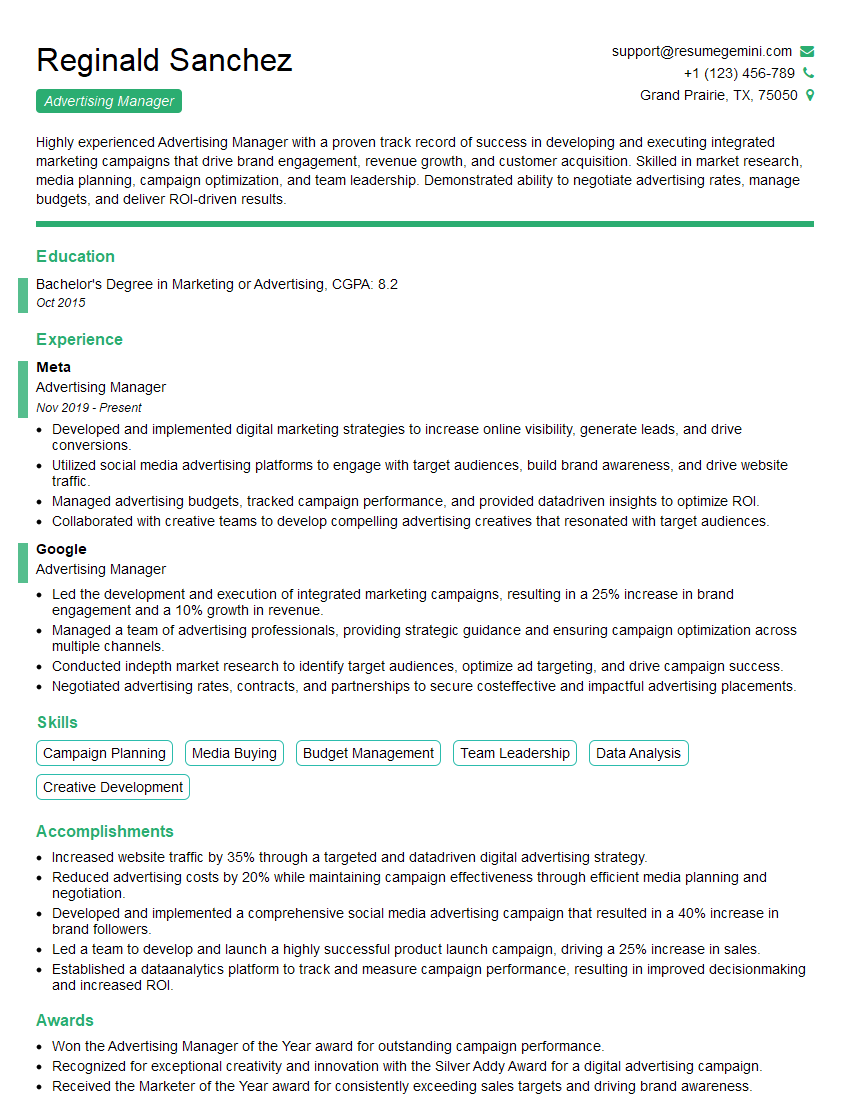
Advertising Manager Resume Sample
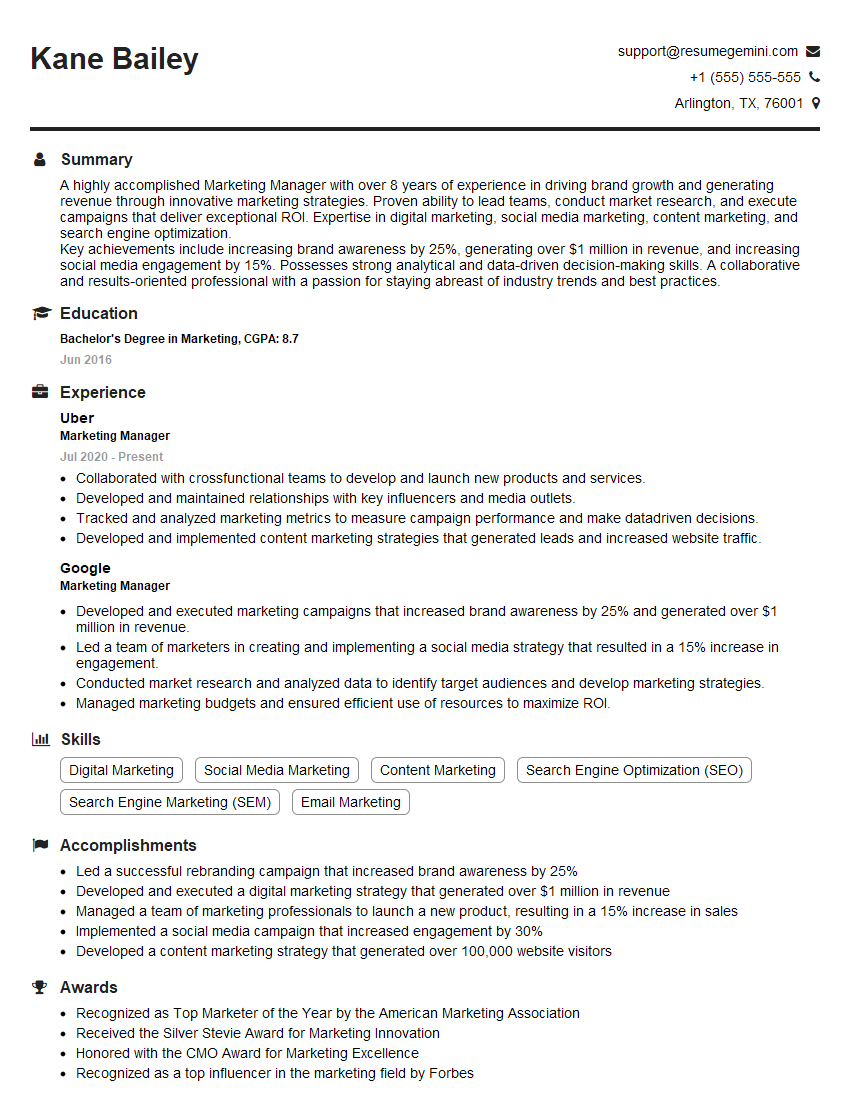
Marketing Manager Resume Sample
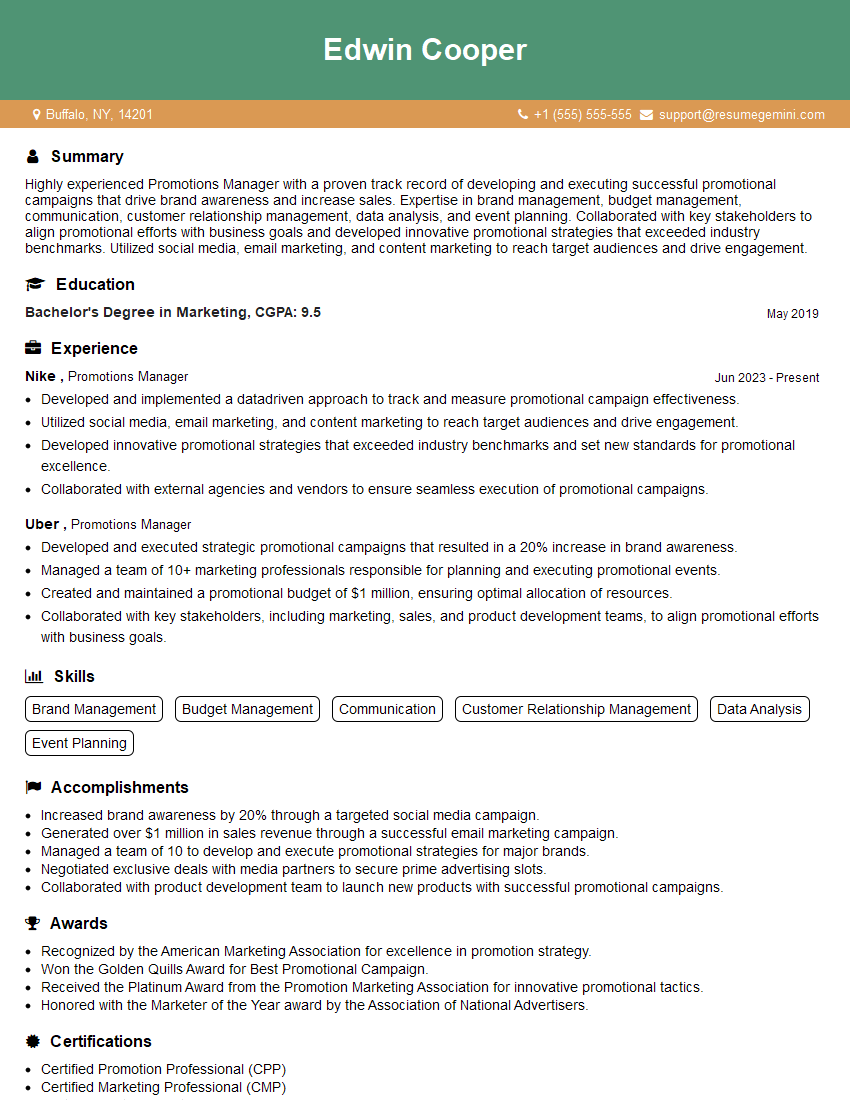
Promotions Manager Resume Sample
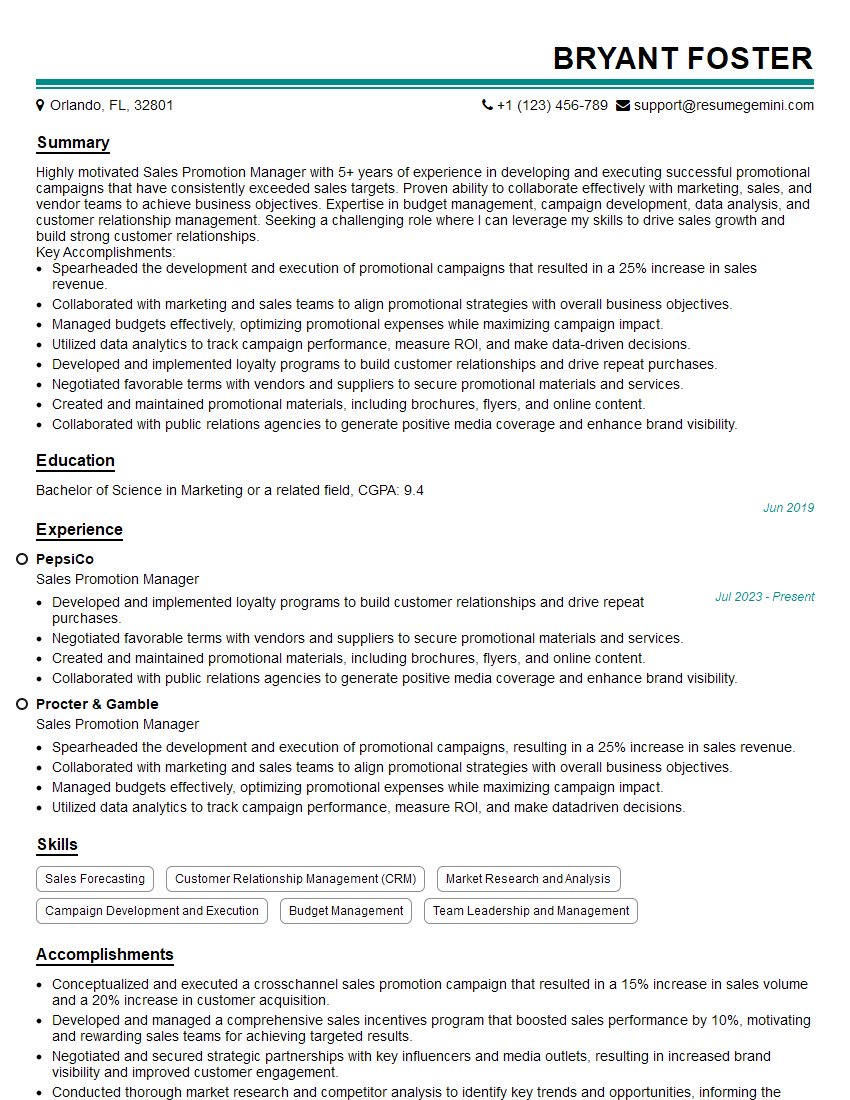
Sales Promotion Manager Resume Sample
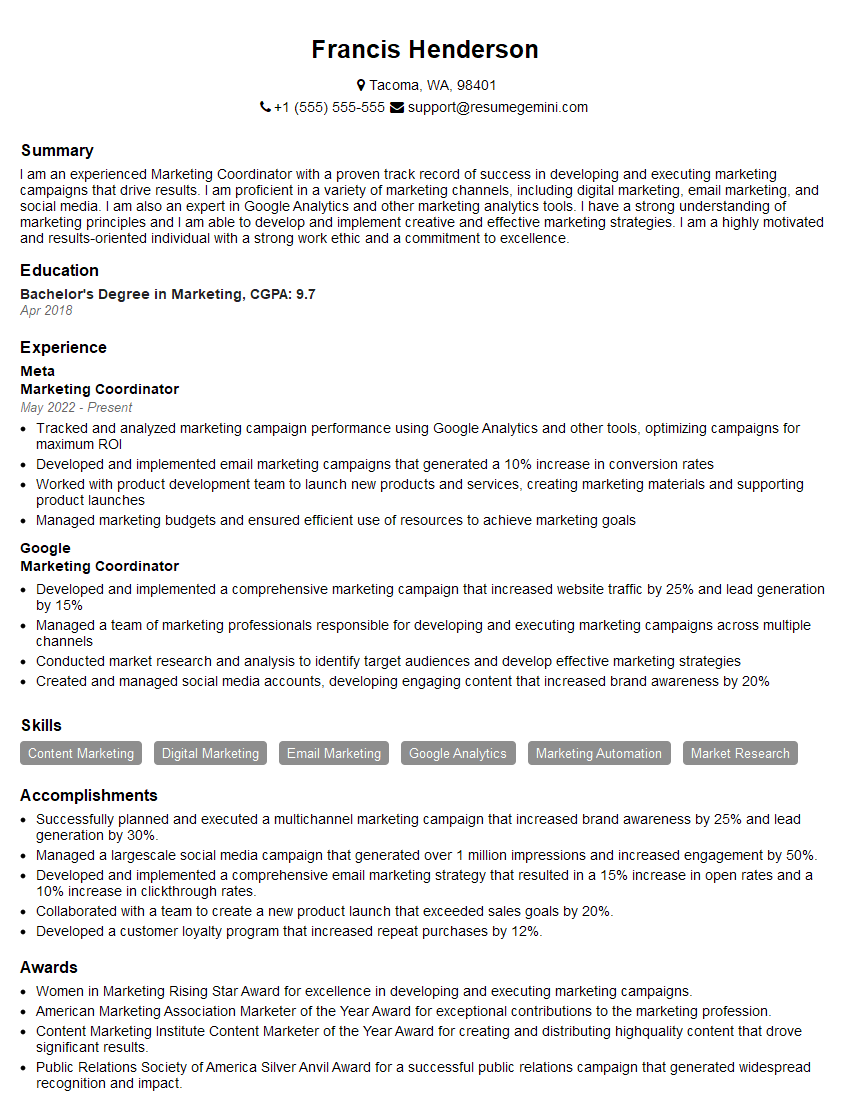
Marketing Coordinator Resume Sample

Communications Manager Resume Sample

Marketing Communications Manager Resume Sample
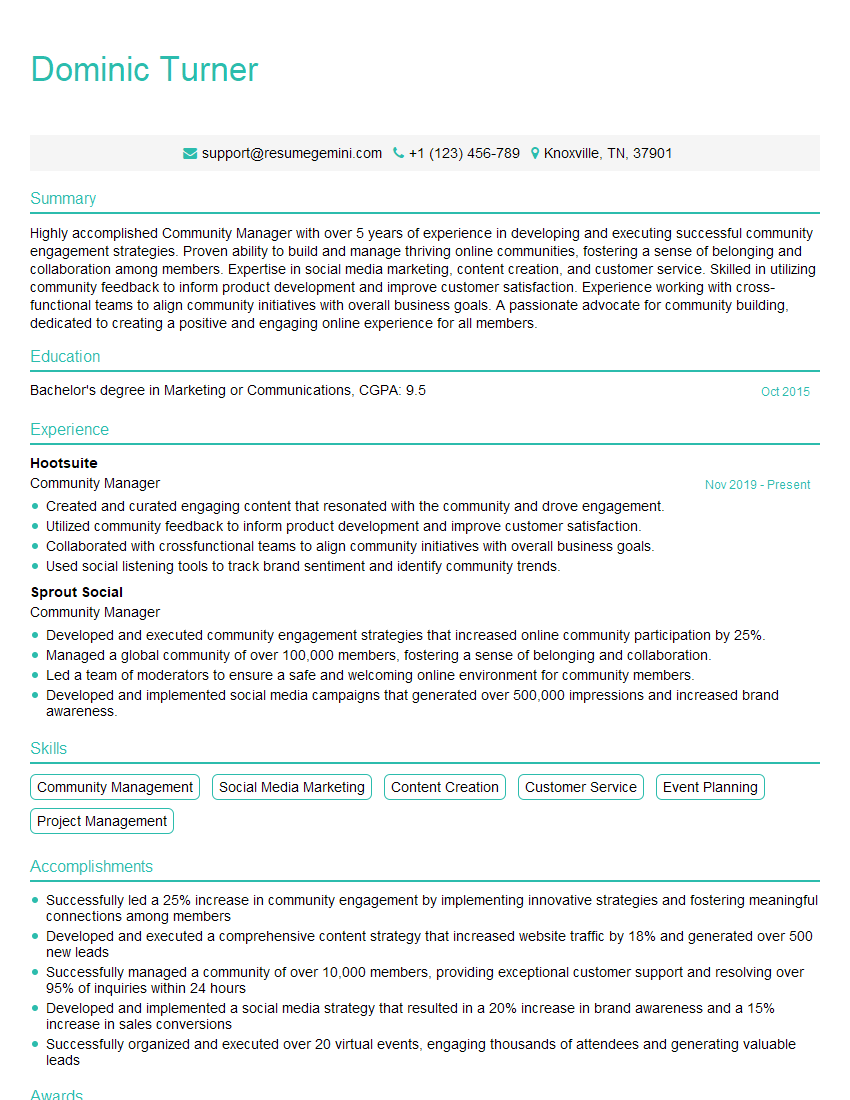
Community Manager Resume Sample
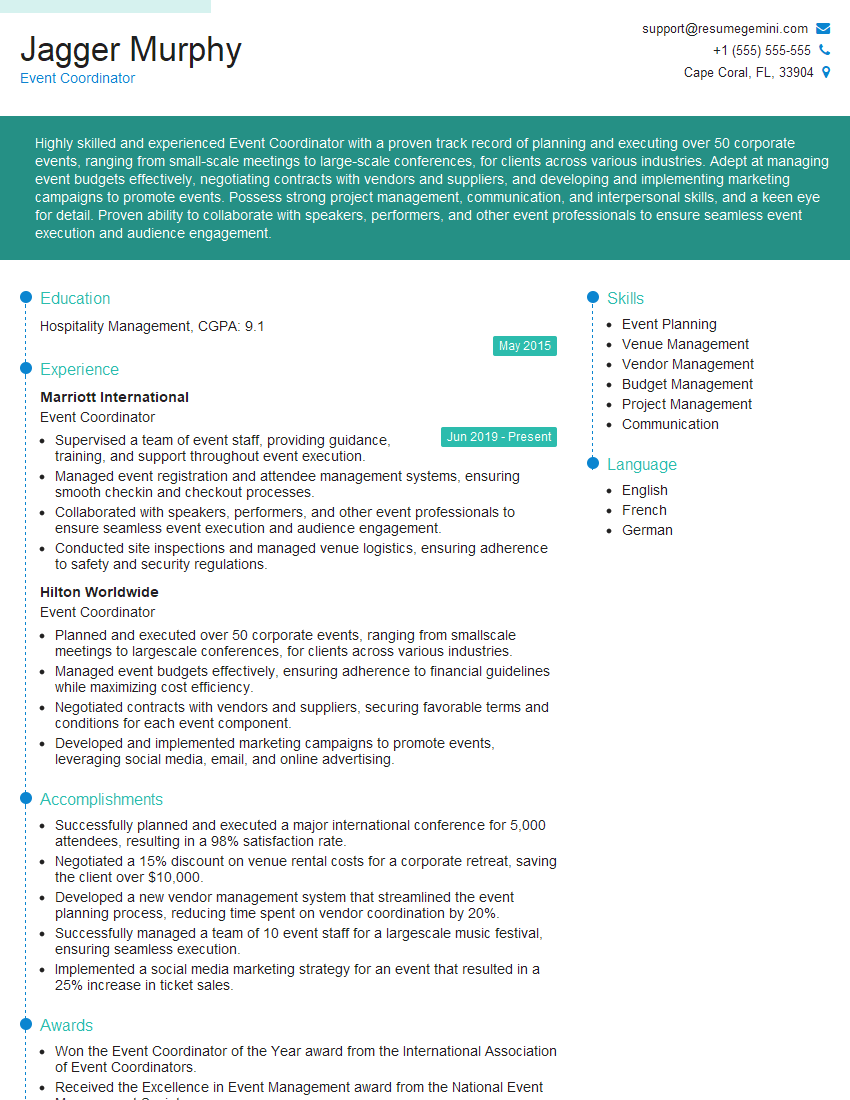
Event Coordinator Resume Sample
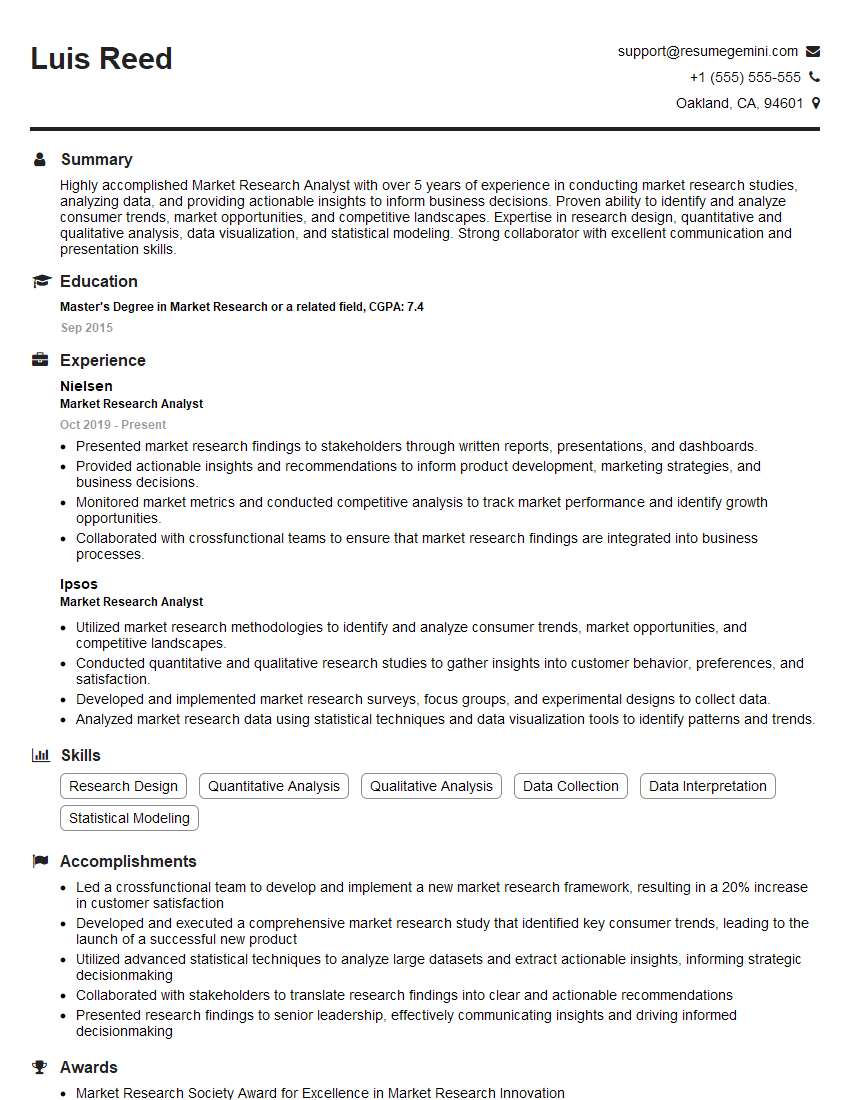
Market Research Analyst Resume Sample
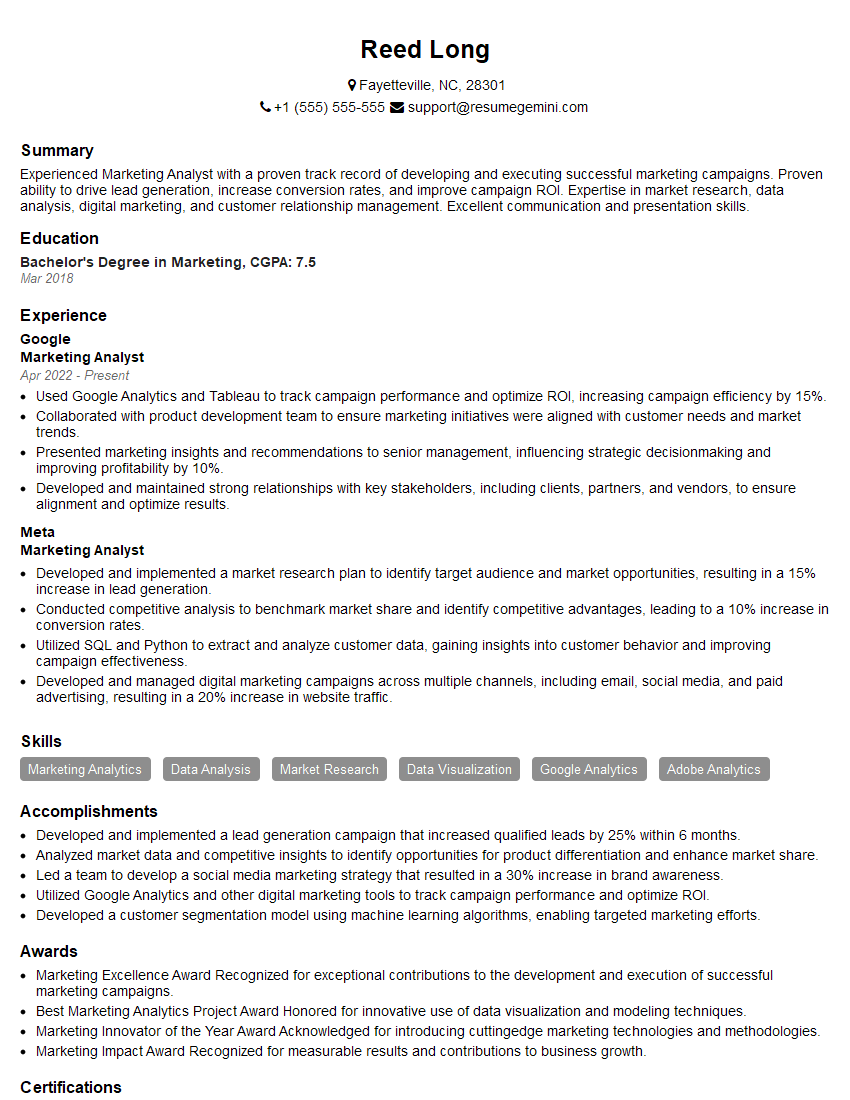
Marketing Analyst Resume Sample
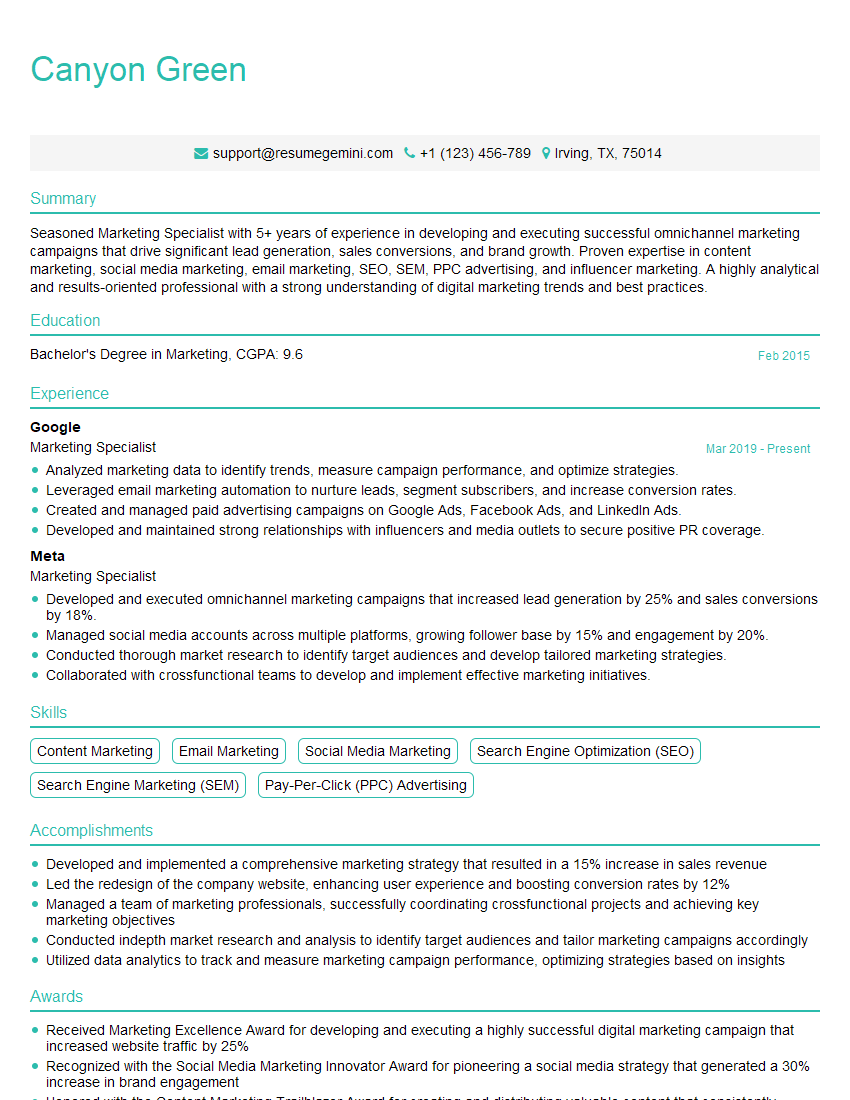
Marketing Specialist Resume Sample

Social Media Manager Resume Sample

Outreach Specialist Resume Sample
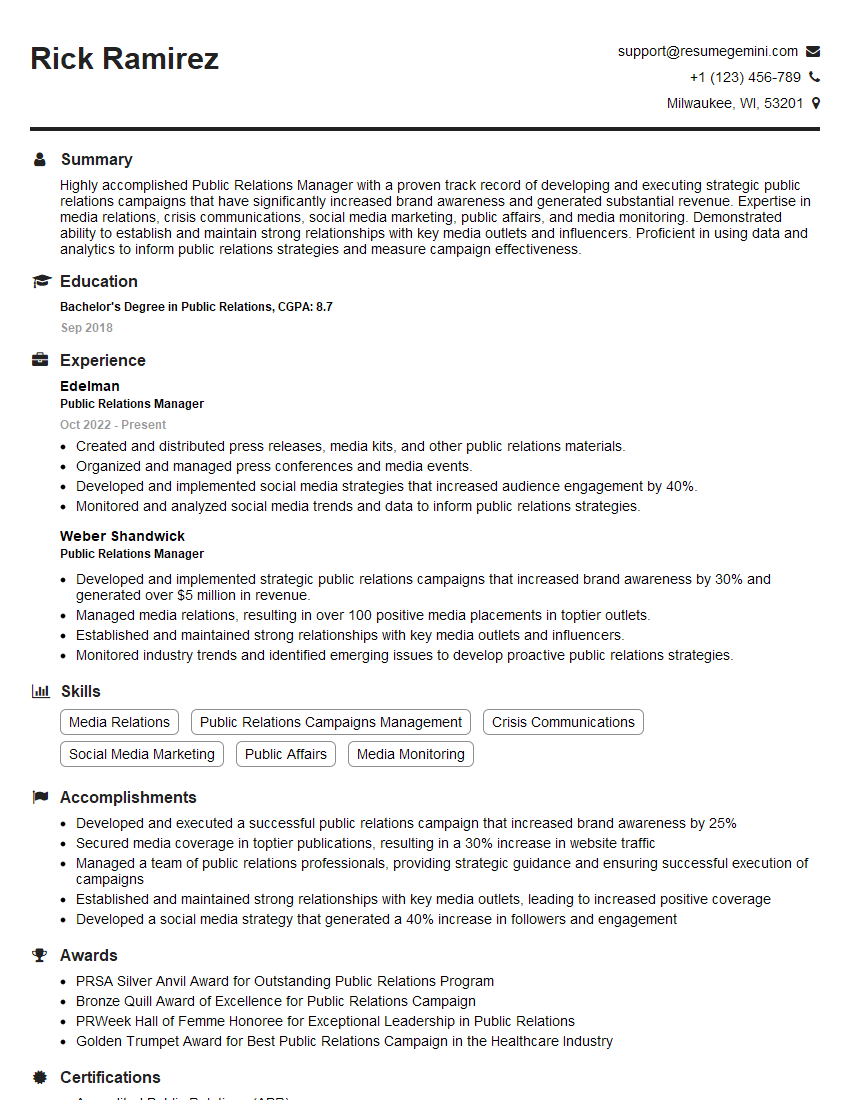
Public Relations Manager Resume Sample
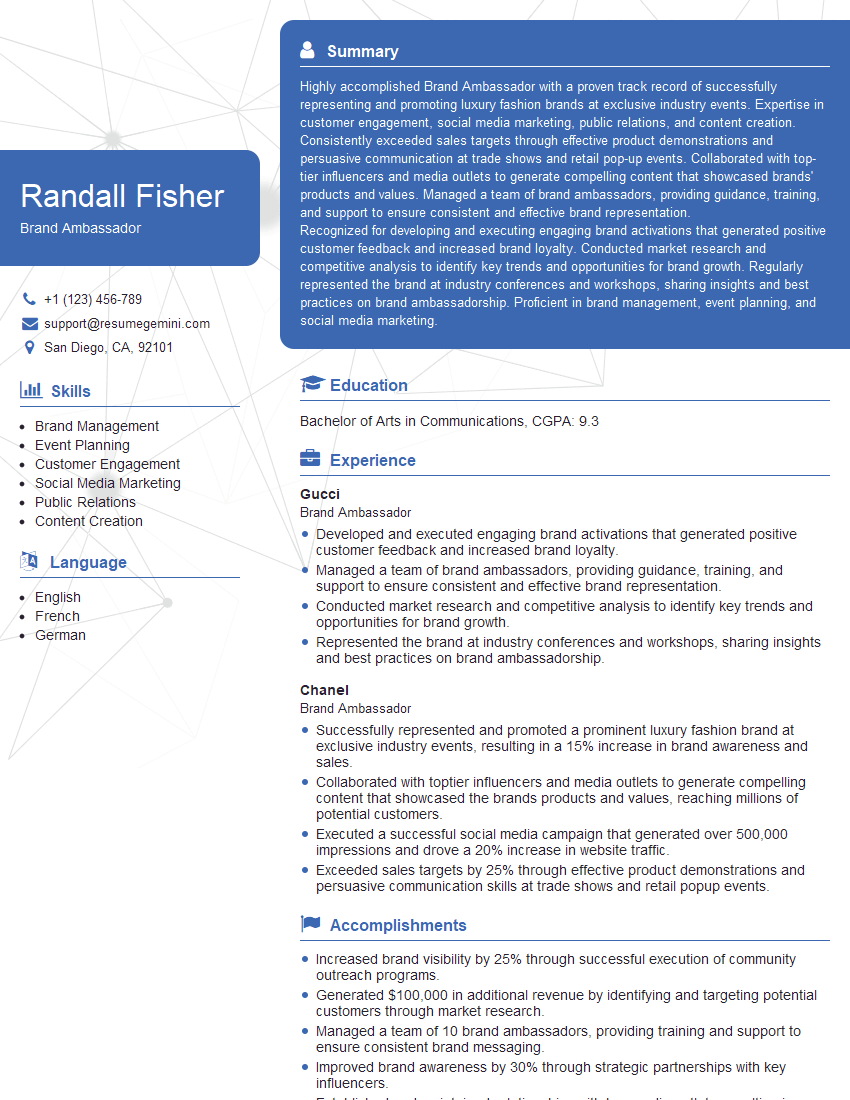
Brand Ambassador Resume Sample
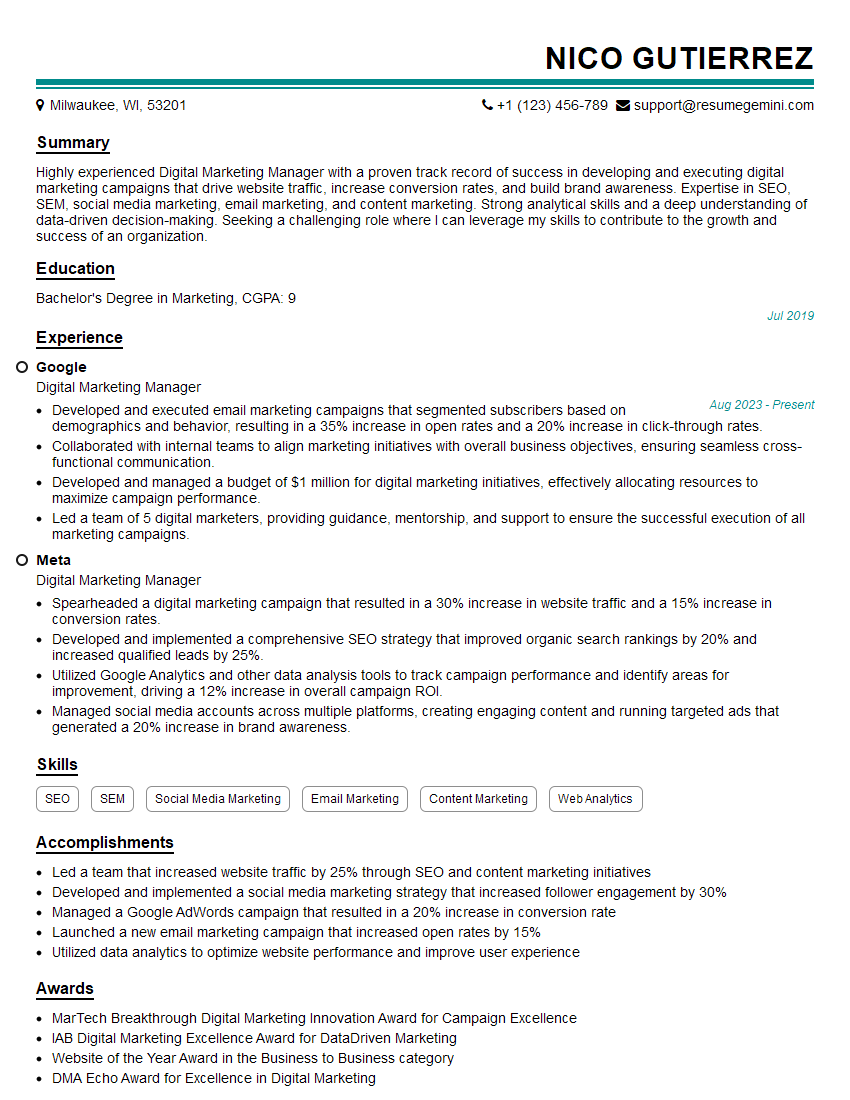
Digital Marketing Manager Resume Sample
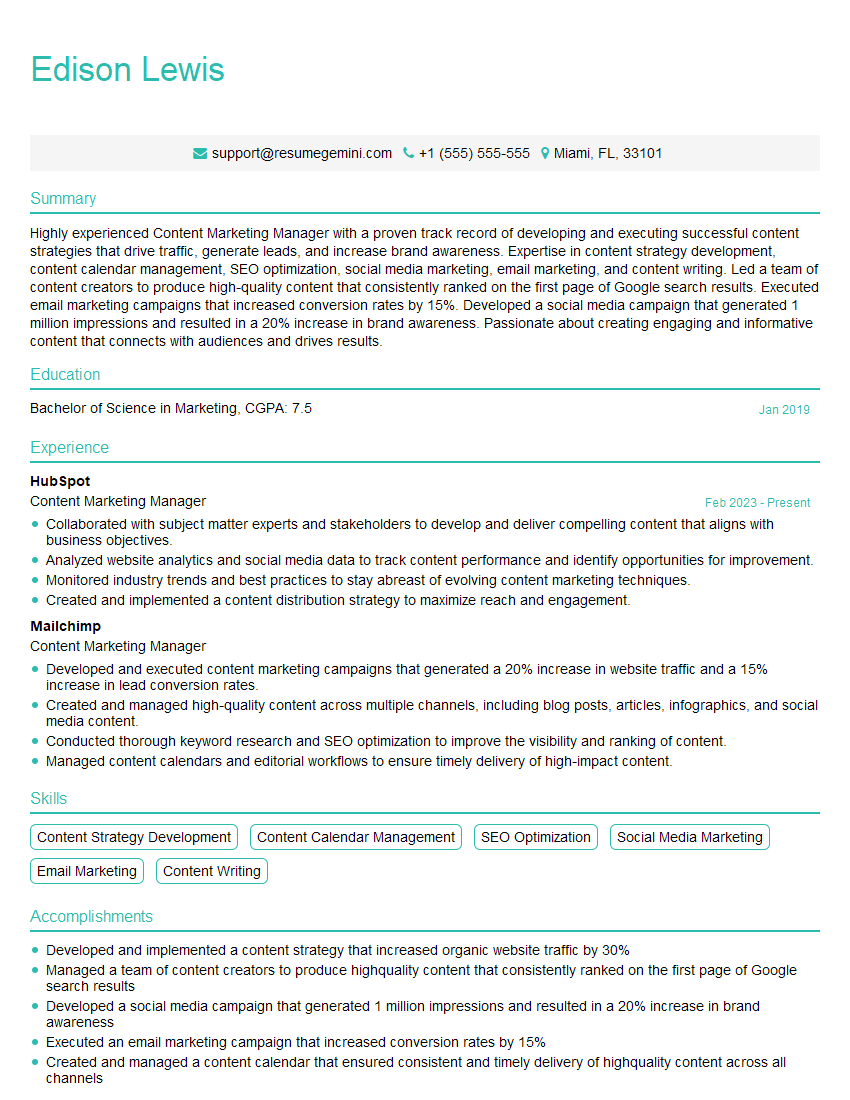
Content Marketing Manager Resume Sample

Search Engine Optimization (SEO) Specialist Resume Sample
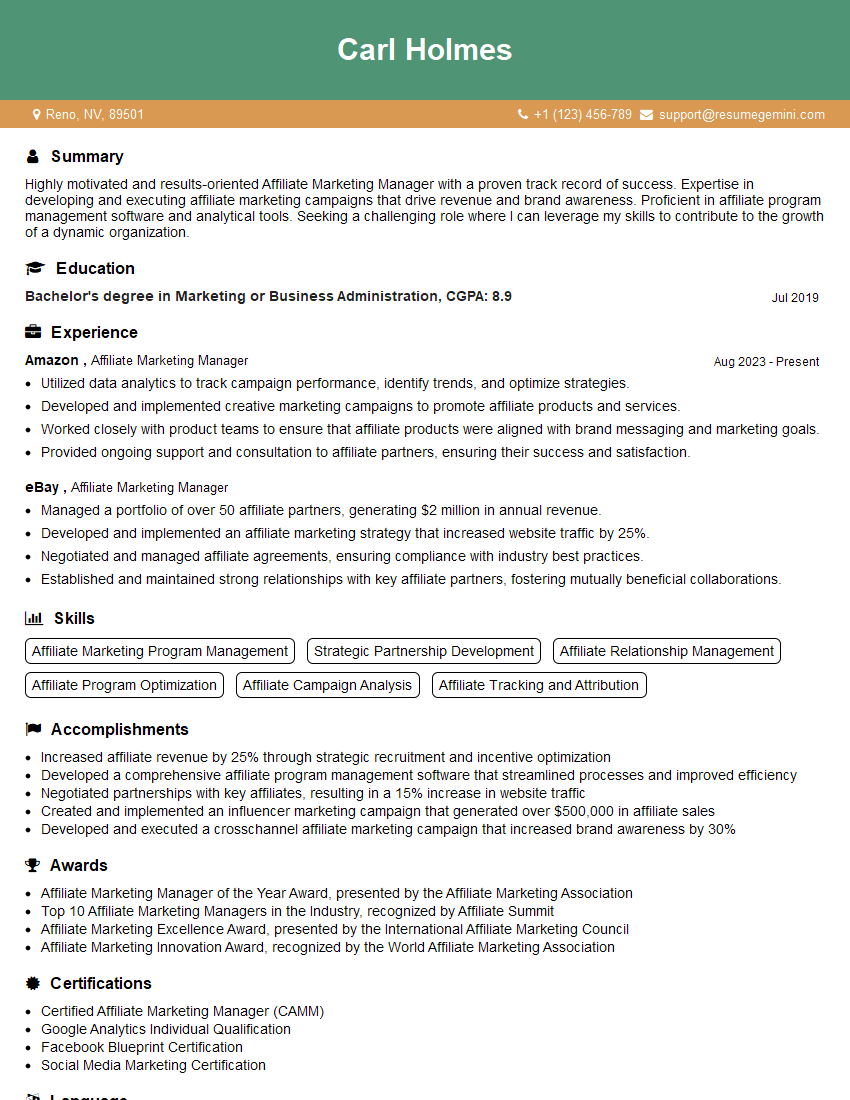
Affiliate Marketing Manager Resume Sample
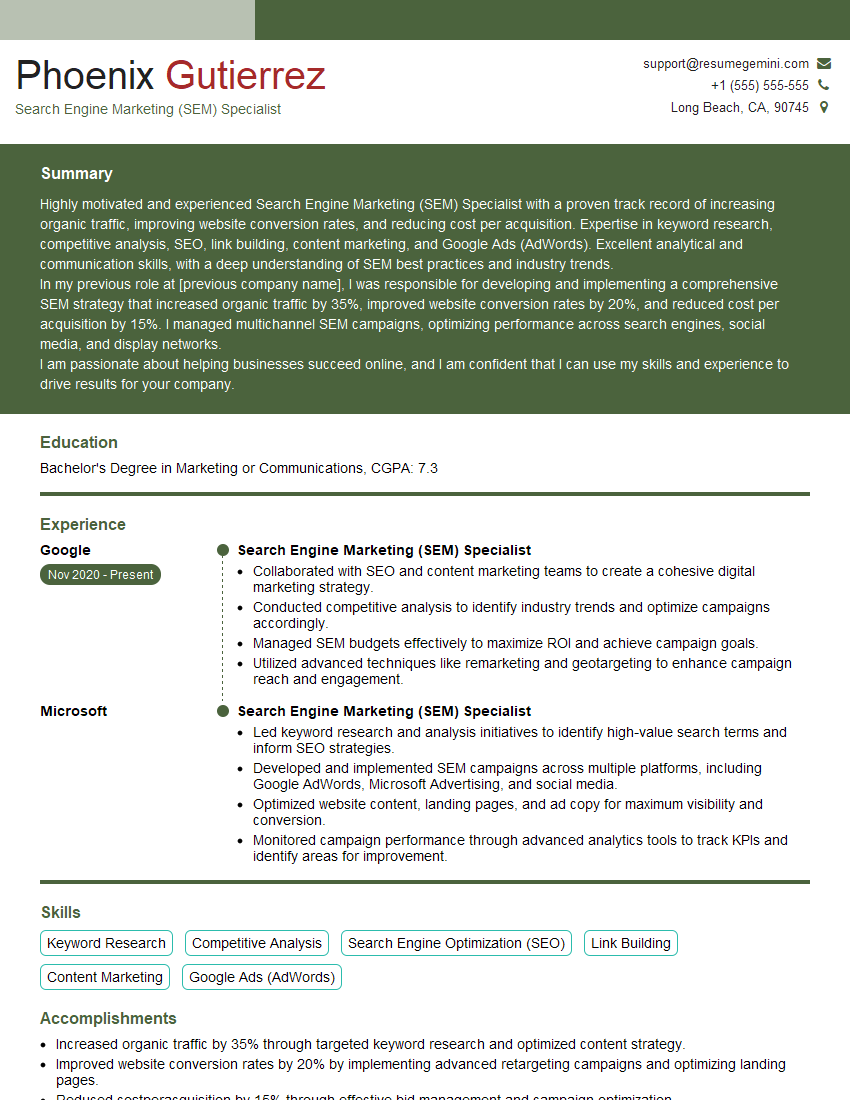
Search Engine Marketing (SEM) Specialist Resume Sample

Influencer Marketing Manager Resume Sample
- Advertising Manager
- Marketing Manager
- Promotions Manager
- Sales Promotion Manager
- Marketing Coordinator
- Communications Manager
- Marketing Communications Manager
- Community Manager
- Event Coordinator
- Market Research Analyst
- Marketing Analyst
- Marketing Specialist
- Social Media Manager
- Outreach Specialist
- Public Relations Manager
- Brand Ambassador
- Digital Marketing Manager
- Content Marketing Manager
- Search Engine Optimization (SEO) Specialist
- Affiliate Marketing Manager
- Search Engine Marketing (SEM) Specialist
- Influencer Marketing Manager
Explore more articles
Users Rating of Our Blogs
Share Your Experience
We value your feedback! Please rate our content and share your thoughts (optional).
What Readers Say About Our Blog
Very informative content, great job.
good