Feeling uncertain about what to expect in your upcoming interview? We’ve got you covered! This blog highlights the most important Quality Management Certification (optional) interview questions and provides actionable advice to help you stand out as the ideal candidate. Let’s pave the way for your success.
Questions Asked in Quality Management Certification (optional) Interview
Q 1. Explain the differences between Quality Assurance and Quality Control.
Quality Assurance (QA) and Quality Control (QC) are often confused, but they represent distinct yet complementary approaches to quality management. Think of QA as preventative and QC as reactive.
Quality Assurance focuses on establishing a structured system to prevent defects from occurring in the first place. It involves proactive processes, documentation, and training to ensure that the entire process is designed to meet quality standards. This includes defining quality standards, selecting appropriate materials and processes, and monitoring the effectiveness of the overall system. For example, a QA team might implement a robust design review process to catch potential flaws before production even begins.
Quality Control, on the other hand, is a reactive process focused on identifying and correcting defects after they have occurred. QC uses inspections, testing, and other verification methods to ensure products or services conform to established quality standards. An example would be a QC inspector checking finished products for defects before they are shipped to the customer.
In short: QA prevents problems; QC detects and corrects them. A robust quality management system needs both.
Q 2. Describe your experience with ISO 9001.
I have extensive experience with ISO 9001, having been involved in the implementation and maintenance of the standard in several organizations. In my previous role at [Previous Company Name], I led the team through the initial certification process, which involved a comprehensive gap analysis, documenting our existing processes, and aligning them with the ISO 9001 requirements. This included developing and implementing a quality management system (QMS), conducting internal audits, and managing corrective and preventive actions (CAPA).
My responsibilities extended to managing the annual surveillance audits and the recertification audit. We consistently achieved compliance and improved several key performance indicators (KPIs), such as reduced defect rates and improved customer satisfaction. The experience provided me with a thorough understanding of the standard’s principles, clauses, and application in a practical setting. I’m confident in my ability to lead and support ISO 9001 implementation in any organization.
Q 3. What are the key principles of Total Quality Management (TQM)?
Total Quality Management (TQM) is a holistic approach to managing an organization, centered around continuous improvement and customer satisfaction. It’s not just a set of tools; it’s a philosophy that permeates every level of the organization.
- Customer Focus: Understanding and exceeding customer expectations is paramount.
- Continuous Improvement (Kaizen): Constantly seeking ways to enhance processes and products.
- Employee Empowerment: Empowering employees to identify and solve problems.
- Process Approach: Focusing on optimizing processes to achieve desired outcomes.
- Fact-Based Decision Making: Using data and analysis to guide decisions.
- Management Commitment: Top-level leadership actively supports and drives the TQM initiative.
- Mutual Benefit: Fostering collaborative relationships between the organization, its employees, suppliers, and customers.
Imagine a restaurant implementing TQM: They’d solicit customer feedback regularly, empower their chefs to suggest improvements, track food waste data to optimize ordering, and rigorously train staff to ensure consistent quality of service. This holistic approach ensures that all aspects work together for overall success.
Q 4. How would you implement a continuous improvement program?
Implementing a continuous improvement program requires a structured approach. I would start by:
- Defining Goals and Objectives: Clearly outlining what we aim to achieve, perhaps focusing on reducing defect rates, improving cycle times, or increasing customer satisfaction. These need to be measurable and time-bound.
- Identifying Improvement Areas: Conducting thorough process analysis, using tools like value stream mapping, to pinpoint bottlenecks or inefficiencies. Data analysis from metrics like defect rates and customer feedback is crucial.
- Selecting Improvement Methods: Choosing the appropriate tools and methodologies, such as Lean, Six Sigma (DMAIC or DMADV), or Kaizen events, depending on the nature of the improvement needed.
- Implementing Changes: Pilot testing changes on a small scale before full-scale implementation to mitigate risks and gauge effectiveness.
- Monitoring and Evaluating Results: Tracking key performance indicators (KPIs) to measure the impact of the changes and make adjustments as needed. Regular reviews are vital.
- Standardizing Improvements: Documenting successful changes and integrating them into standard operating procedures (SOPs) to ensure consistency and sustainability.
This iterative process ensures that improvements are sustainable and contribute to long-term organizational success. Regular feedback loops and employee involvement are key to creating a culture of continuous improvement.
Q 5. Explain the DMAIC methodology.
DMAIC is a structured problem-solving methodology used in Six Sigma, focusing on improving existing processes. It stands for Define, Measure, Analyze, Improve, and Control.
- Define: Clearly define the problem, its scope, and the project goals. This often involves setting SMART (Specific, Measurable, Achievable, Relevant, Time-bound) goals.
- Measure: Collect data to understand the current process performance and identify key metrics. This stage involves identifying the process variables and collecting baseline data.
- Analyze: Analyze the data to identify the root causes of the problem. Tools like Pareto charts, fishbone diagrams, and statistical process control charts are often used.
- Improve: Develop and implement solutions to address the root causes identified in the analysis phase. This often involves brainstorming, experimentation, and pilot testing.
- Control: Monitor the improved process to ensure the gains are sustained and prevent regression. This typically involves establishing control charts and regular monitoring of key metrics.
For instance, if a manufacturing process is producing too many defective parts, DMAIC would be used to identify the root causes (e.g., faulty equipment, inadequate training), implement corrective actions (e.g., equipment repair, employee retraining), and then monitor the process to maintain the improved performance.
Q 6. Describe your experience with root cause analysis.
Root cause analysis (RCA) is a crucial tool for identifying the underlying reasons behind problems, rather than just addressing the symptoms. I have extensive experience applying various RCA techniques, including the 5 Whys, fishbone diagrams (Ishikawa diagrams), and Fault Tree Analysis (FTA).
In a previous project, we experienced a significant increase in customer complaints regarding a specific product. Using the 5 Whys technique, we systematically delved into the issue: Why were customers complaining? Because the product was malfunctioning. Why was it malfunctioning? Because a key component was failing. Why was the component failing? Because of a defect in the manufacturing process. Why was there a defect? Because of inadequate quality control checks. This led us to implement stricter quality control at the manufacturing stage, effectively resolving the issue.
The choice of RCA technique depends on the complexity of the problem. Simple issues might respond well to the 5 Whys, while more complex situations may require more sophisticated methods like FTA.
Q 7. How do you handle conflict resolution in a quality management setting?
Conflict resolution in a quality management setting requires a balanced approach that prioritizes objective problem-solving while maintaining positive working relationships. My approach focuses on:
- Active Listening: Understanding all perspectives involved in the conflict. This includes actively listening to understand the concerns and viewpoints of all parties.
- Identifying the Root Cause: Moving beyond the surface-level disagreement to uncover the underlying issues contributing to the conflict. This might involve collaborative brainstorming or data analysis.
- Collaborative Problem Solving: Working with all stakeholders to develop mutually agreeable solutions. This is a key step in the process.
- Fair and Objective Decision Making: Making decisions based on facts and data, rather than personal biases or opinions. This enhances the trust and confidence of the involved parties.
- Documentation: Recording the conflict, the agreed-upon solutions, and any follow-up actions. This maintains transparency and ensures accountability.
It’s important to remember that conflict isn’t inherently negative. It can highlight process weaknesses or communication breakdowns. By effectively addressing conflicts, we can improve our processes and strengthen our team.
Q 8. What are the common quality control tools and techniques you are familiar with?
Quality control relies on a toolbox of techniques to ensure products or services meet predefined standards. I’m proficient in many, including:
- Control Charts: These visually represent data over time, helping identify trends and variations from the desired mean. For example, a control chart monitoring the weight of a manufactured product can quickly alert us to deviations indicating a machine malfunction or material inconsistency.
- Check Sheets: Simple, yet effective for collecting data systematically. Think of a checklist used to verify that all steps in a manufacturing process are followed.
- Pareto Charts: These prioritize problems by visualizing the frequency of defects or issues. The ’80/20 rule’ often applies – 80% of problems stem from 20% of causes. This helps focus improvement efforts.
- Histograms: These display the distribution of data, helping visualize the range and frequency of measurements. Understanding this distribution is crucial for determining process capability.
- Cause-and-Effect Diagrams (Fishbone Diagrams): Used to brainstorm potential root causes of a problem. It’s particularly useful in identifying contributing factors systematically.
- Scatter Diagrams: Show the correlation between two variables. For example, we could use a scatter diagram to determine the relationship between machine speed and defect rate.
These tools are not used in isolation; I frequently combine them for a comprehensive analysis. For instance, I might use a check sheet to collect data, then plot it on a control chart and Pareto chart to identify trends and prioritize corrective actions.
Q 9. Explain your experience with process mapping and flowcharting.
Process mapping and flowcharting are fundamental to understanding and improving workflows. I have extensive experience creating various types of maps, including SIPOC (Suppliers, Inputs, Process, Outputs, Customers) diagrams and detailed process flowcharts using tools like Lucidchart and Visio.
In a previous role at a logistics company, I mapped out the entire order fulfillment process, from order placement to delivery. This revealed several bottlenecks, including inefficient warehouse layout and a lack of clear communication between departments. By creating a new flowchart incorporating solutions – such as optimized warehouse organization and streamlined communication protocols – we were able to reduce order processing time by 20% and improve customer satisfaction scores significantly.
My process mapping also includes documenting standard operating procedures (SOPs). I ensure these are clear, concise, and easily understood by all team members, supporting consistent, quality work. I regularly update these maps as processes change to ensure they reflect current reality.
Q 10. How do you measure the effectiveness of a quality management system?
Measuring the effectiveness of a quality management system (QMS) requires a multi-faceted approach. Key performance indicators (KPIs) are crucial. These can include:
- Defect rates: Tracking the number of defects per unit produced or service provided.
- Customer satisfaction scores: Gathering feedback through surveys or reviews.
- Compliance rates: Monitoring adherence to regulations and internal standards.
- Process cycle times: Measuring the time required to complete a process.
- Cost of quality: Assessing the financial impact of defects and non-conformances.
- Employee satisfaction related to quality: Gauging employee engagement and buy-in.
Regular audits, both internal and external, are essential. These audits validate the system’s effectiveness and identify areas needing improvement. Data analysis is key – identifying trends in KPI data allows for proactive improvements, rather than simply reacting to problems.
For instance, in a previous project involving a software development team, we tracked bug reports, customer feedback, and code quality metrics. A significant drop in customer satisfaction revealed a correlation with an increase in bugs. This allowed us to target resources towards improved testing processes, resulting in increased customer satisfaction and a reduced number of post-release bugs.
Q 11. Describe your experience with auditing processes and procedures.
My auditing experience spans various industries, encompassing both internal and external audits. I’m adept at conducting audits according to established standards like ISO 9001 (Quality Management Systems). This includes planning the audit scope, developing audit checklists, conducting interviews, reviewing documentation, and identifying non-conformances.
The auditing process I follow involves:
- Planning: Defining the audit scope, objectives, and timeline.
- Documentation Review: Examining relevant documents to understand processes and compliance status.
- On-site Observation: Directly observing processes to identify discrepancies between documented procedures and actual practices.
- Interviews: Gathering information from employees involved in the processes.
- Non-conformity Reporting: Documenting any deviations from standards or procedures.
- Report Generation: Summarizing findings and recommendations for corrective actions.
- Follow-up: Ensuring that corrective actions are implemented and effective.
For example, during an audit of a manufacturing facility, I identified a gap in the calibration process for critical measuring equipment. This highlighted a potential risk to product quality. My report detailed the issue, proposed solutions, and monitored corrective action implementation until compliance was assured.
Q 12. How do you prioritize conflicting quality requirements?
Prioritizing conflicting quality requirements is a common challenge. It requires a structured approach. I usually utilize a prioritization matrix that considers several factors:
- Criticality: How essential is each requirement to the product or service’s core functionality and safety?
- Risk: What are the potential consequences of not meeting each requirement?
- Feasibility: How difficult and costly is it to meet each requirement?
- Customer Value: How important is each requirement to the customer?
By assigning weights to these factors, we can create a weighted score for each requirement. This allows for a data-driven decision about which requirements to prioritize. It’s crucial to involve stakeholders in this process, ensuring buy-in and transparency.
Sometimes, negotiation and compromise are necessary. For example, a project might require high performance and low cost, which can conflict. We might explore alternative solutions, such as prioritizing performance for the core features while optimizing cost for less crucial functionalities.
Q 13. How do you ensure compliance with regulatory requirements?
Ensuring regulatory compliance requires a proactive and systematic approach. Understanding relevant regulations is paramount. This involves staying updated on changes and regularly reviewing documents for compliance.
Key strategies include:
- Regular Compliance Audits: Conducting internal audits to identify any areas of non-compliance.
- Documentation Management: Maintaining comprehensive records of compliance activities.
- Training and Awareness: Ensuring employees are aware of their responsibilities related to compliance.
- Gap Analysis: Regularly comparing current practices to regulatory requirements to identify areas needing improvement.
- Proactive Monitoring: Staying informed about changes in regulations and adapting processes accordingly.
In a medical device manufacturing company, we implemented a robust system of document control, including version control and approval processes. This, combined with regular audits and employee training, ensured consistent adherence to FDA regulations and minimized the risk of non-compliance.
Q 14. Describe a time you identified a process improvement opportunity.
In a previous role managing a customer service team, we noticed high call volume related to a specific product’s recurring issue. While the immediate solution was addressing each individual call, I recognized an underlying process inefficiency.
By analyzing call logs and customer feedback, I identified that the issue stemmed from inadequate product instructions. My team and I collaborated on revising the instructions, simplifying the language and adding clear visual aids. The result was a significant reduction in customer service calls related to that product, freeing up resources and improving overall customer satisfaction. This demonstrated the impact of a seemingly small process improvement on both efficiency and customer experience.
Q 15. What are your strengths and weaknesses in quality management?
My greatest strength in quality management lies in my ability to blend a deep understanding of statistical methods with a practical, hands-on approach. I’m adept at identifying root causes of quality issues, not just symptoms. I excel at developing and implementing effective corrective and preventive actions (CAPA). For example, in a previous role, we saw a spike in customer returns due to a seemingly minor packaging flaw. Using statistical process control (SPC), I was able to isolate the root cause to a newly implemented packaging machine setting. This led to a quick adjustment and a significant reduction in returns, boosting customer satisfaction and saving the company significant costs.
My area for improvement is delegation. While I am capable of handling many tasks simultaneously, I sometimes struggle to effectively delegate responsibility, delaying project completion. I am actively working to improve in this area by implementing more structured project management techniques and fostering a stronger sense of empowerment within my teams.
Career Expert Tips:
- Ace those interviews! Prepare effectively by reviewing the Top 50 Most Common Interview Questions on ResumeGemini.
- Navigate your job search with confidence! Explore a wide range of Career Tips on ResumeGemini. Learn about common challenges and recommendations to overcome them.
- Craft the perfect resume! Master the Art of Resume Writing with ResumeGemini’s guide. Showcase your unique qualifications and achievements effectively.
- Don’t miss out on holiday savings! Build your dream resume with ResumeGemini’s ATS optimized templates.
Q 16. How do you manage a team focused on quality improvement?
Managing a quality improvement team requires a collaborative and empowering leadership style. I focus on creating a culture of continuous improvement where team members feel valued and empowered to contribute. This starts by clearly defining roles and responsibilities, establishing open communication channels, and setting shared goals. I utilize tools like Kanban boards or agile methodologies to track progress and ensure transparency. Regular team meetings, both formal and informal, are crucial for brainstorming, problem-solving, and celebrating successes. Furthermore, I prioritize providing constructive feedback and development opportunities to enhance individual skills and boost morale. For instance, I’ve successfully mentored junior team members in implementing Lean methodologies, leading to measurable efficiency improvements in our processes.
Q 17. What is your experience with statistical process control (SPC)?
My experience with Statistical Process Control (SPC) is extensive. I’m proficient in using control charts like X-bar and R charts, p-charts, and c-charts to monitor process variation and identify potential issues. I understand the importance of establishing control limits, interpreting chart patterns, and using SPC data to drive process improvements. For instance, in a previous project, we used control charts to monitor the defect rate of a manufacturing process. By analyzing the data, we identified a period of instability and were able to pinpoint the root cause to a malfunctioning machine. Addressing this issue prevented further defects and significantly improved the overall product quality.
I also have experience with advanced SPC techniques, such as process capability analysis (Cpk and Ppk) and using statistical software packages like Minitab.
Q 18. Explain your understanding of risk management in quality control.
Risk management in quality control involves proactively identifying, assessing, and mitigating potential threats that could negatively impact product or service quality. This includes conducting risk assessments using tools like Failure Mode and Effects Analysis (FMEA) to identify potential failure modes, their severity, occurrence, and detectability. Based on this analysis, we prioritize risks and implement appropriate control measures to reduce their likelihood or impact. For example, during the development phase of a new product, we performed a thorough FMEA, identifying potential issues with the supplier’s raw materials. This led us to implement stricter quality control measures at the incoming inspection stage, significantly reducing the risk of defects.
Risk management is an ongoing process that necessitates continuous monitoring and reassessment. It’s essential to adapt and update the risk management plan as needed based on the evolving circumstances and new information.
Q 19. How do you handle customer complaints related to quality issues?
Handling customer complaints related to quality issues requires a systematic and empathetic approach. My first step involves actively listening to the customer’s concerns, acknowledging their frustration, and assuring them that their issue will be addressed promptly. I gather detailed information about the complaint, including the specific product or service involved, the nature of the defect, and the impact on the customer. Next, I investigate the root cause of the problem, analyzing the information collected and potentially involving other teams. Depending on the severity, we implement immediate corrective actions, such as product replacement or a refund. Finally, we implement preventive actions to stop similar issues from happening again. For instance, a complaint about a faulty component led to a thorough review of our supplier’s processes and a change in our material sourcing policy.
Following up with the customer after the issue has been resolved is equally crucial to demonstrate our commitment to customer satisfaction.
Q 20. What is your experience with corrective and preventive actions (CAPA)?
Corrective and Preventive Actions (CAPA) is a systematic process for identifying, analyzing, and preventing the recurrence of quality defects. My experience involves leading CAPA investigations and implementing effective solutions across various industries. The process typically involves defining the problem, conducting a root cause analysis (using tools like fishbone diagrams or 5 Whys), developing corrective actions to address the immediate problem, and implementing preventive actions to prevent recurrence. I document the entire CAPA process meticulously, including all findings, actions taken, and effectiveness verification. For example, in a situation where there was a sudden increase in product failures, the CAPA process involved identifying the root cause as a faulty component, implementing a replacement for the faulty part, and updating our supplier management procedures to prevent using this faulty component in the future. The effectiveness of the CAPA was regularly monitored to ensure the problem remained resolved.
Q 21. How do you measure customer satisfaction related to quality?
Measuring customer satisfaction related to quality involves employing several methods to gather data and insights. Surveys, both online and offline, are a common approach, allowing for the collection of feedback on product performance, reliability, and overall experience. Customer feedback forms, comments from social media, and reviews are also invaluable sources of information. Additionally, analyzing return rates, warranty claims, and complaint data provides quantitative measures of quality performance. We can use these data to calculate Net Promoter Score (NPS) and Customer Satisfaction (CSAT) scores, both key indicators of customer sentiment related to our products or services. For example, we consistently monitor NPS and CSAT scores and use the feedback received to continuously improve our product design, manufacturing processes, and customer support systems.
Q 22. Describe your experience with implementing a quality management system.
Implementing a Quality Management System (QMS) is like building a sturdy house: you need a solid foundation, well-defined blueprints, and consistent construction. My experience involves leading and participating in the implementation of ISO 9001-compliant QMS across multiple organizations. This includes conducting gap analyses to identify areas for improvement, developing and documenting processes, defining roles and responsibilities, and implementing training programs. For example, in my previous role at a medical device company, we implemented a new QMS to meet stricter regulatory requirements. This involved a thorough review of existing processes, the development of new Standard Operating Procedures (SOPs), and the establishment of a robust internal audit program. The result was a significant improvement in product quality, reduced non-conformances, and increased customer satisfaction.
The process typically involves several key phases: planning, implementation, verification, and maintenance. Each phase requires meticulous attention to detail and collaboration across different departments. Successfully implementing a QMS involves more than just documentation; it’s about fostering a culture of continuous improvement where quality is everyone’s responsibility.
Q 23. How do you ensure data integrity in quality management processes?
Data integrity is paramount in quality management. Think of it as the bedrock of truth upon which all decisions are made. Ensuring data integrity involves several crucial steps. First, we establish clear data governance procedures, defining who is responsible for collecting, storing, and managing data. This includes defining data access permissions and control processes to prevent unauthorized modification or deletion. Second, we utilize validated systems and processes for data collection and entry. This might involve using barcodes, electronic data capture (EDC) systems, or other automated methods to minimize human error. Third, we regularly conduct data audits and validation checks to confirm accuracy and completeness. This may involve comparing data from multiple sources or performing statistical analysis to identify outliers or inconsistencies. Finally, comprehensive documentation and traceability are critical to ensuring that data can be tracked throughout its lifecycle. For instance, if a discrepancy is found, we need to be able to trace the data back to its source to understand the root cause and take corrective action.
Q 24. What are your preferred methods for documenting quality processes?
My preferred methods for documenting quality processes combine the strengths of both paper-based and digital systems. While a completely paperless system sounds ideal, a practical approach balances electronic documentation with carefully controlled paper-based records. For example, I favor utilizing a combination of enterprise resource planning (ERP) systems, document management systems, and SOP templates. ERP systems provide centralized data storage and process tracking, while document management systems offer version control and accessibility. Well-structured SOPs, written in clear and concise language, provide detailed step-by-step instructions for performing critical processes. This approach helps ensure that information is readily accessible, version controlled, auditable, and easy to update. We also maintain a document control system, assigning unique identification numbers and revision control to every document, tracking changes and approvals throughout the lifecycle.
Q 25. How familiar are you with different quality certifications (e.g., AS9100, IATF 16949)?
I am very familiar with various quality certifications, including AS9100 (aerospace), IATF 16949 (automotive), and ISO 9001 (general quality management). My experience includes working directly with companies implementing and maintaining these standards. I understand the specific requirements, audit processes, and the differences in emphasis between these standards. For example, AS9100 has a strong focus on safety and traceability within the aerospace industry, while IATF 16949 emphasizes risk management and continuous improvement within automotive manufacturing. Each standard provides a robust framework for building a strong quality management system, but their specifics tailor them to the needs and risks of their respective industries. I’ve been involved in internal audits and supported companies through external certification audits for all three standards mentioned above.
Q 26. Describe your experience with using quality management software.
I have extensive experience using various quality management software (QMS) platforms, including both cloud-based and on-premise solutions. My experience spans from implementing and configuring the software to training users and generating reports. The software I’m most proficient with includes [mention specific software if comfortable, otherwise omit]. The key benefits of using QMS software include improved efficiency, reduced paperwork, enhanced data analysis capabilities, and better collaboration across teams. For example, in a previous project, we implemented a cloud-based QMS to manage non-conformances, corrective actions, and preventive actions (CAPA). This resulted in a significant reduction in the time it took to resolve issues, improved visibility into CAPA activities, and enhanced communication across the organization. I am adept at selecting appropriate software based on organizational needs and integrating it with existing systems.
Q 27. How do you stay up-to-date on the latest trends and best practices in quality management?
Staying current in the dynamic field of quality management requires a multi-pronged approach. I regularly attend industry conferences and webinars, participate in professional organizations such as ASQ (American Society for Quality), and actively read industry publications and journals. Networking with other quality professionals through online forums and professional groups provides invaluable insights and perspectives. Furthermore, I continuously seek opportunities for professional development, pursuing advanced training and certifications to enhance my expertise. This proactive approach ensures that my knowledge remains current, allowing me to apply the latest trends and best practices to my work and contribute innovative solutions.
Q 28. Explain your experience with lean manufacturing principles.
Lean manufacturing principles focus on eliminating waste and maximizing value for the customer. I’ve applied lean concepts in various settings, from streamlining production processes to improving office workflows. My experience includes facilitating Kaizen events, implementing 5S methodologies (Sort, Set in Order, Shine, Standardize, Sustain), and using value stream mapping to identify and eliminate bottlenecks. For example, in one project, we used value stream mapping to analyze a complex manufacturing process, identifying several areas where lead times could be significantly reduced. By implementing changes based on the value stream map, we achieved a 20% reduction in lead time and a corresponding increase in efficiency. Lean is more than just a set of tools; it’s a philosophy of continuous improvement that requires a commitment to problem-solving and a focus on customer value.
Key Topics to Learn for Quality Management Certification Interview
Acing your Quality Management Certification interview requires a solid understanding of both theory and practical application. Focus your preparation on these key areas:
- Quality Management Principles: Understand the core principles of quality management, including total quality management (TQM), continuous improvement (Kaizen), and Six Sigma methodologies. Explore their historical context and evolution.
- Quality Control Tools and Techniques: Master the application of various statistical process control (SPC) tools, such as control charts, Pareto analysis, and cause-and-effect diagrams. Be prepared to discuss how you’d use these tools to analyze data and identify areas for improvement in real-world scenarios.
- ISO Standards and Regulations: Familiarize yourself with relevant ISO standards (e.g., ISO 9001) and their implications for quality management systems. Practice explaining how these standards are implemented and audited.
- Risk Management and Problem Solving: Develop a strong understanding of risk assessment and mitigation techniques. Be ready to discuss your approach to identifying, analyzing, and addressing potential quality issues using methodologies like FMEA (Failure Mode and Effects Analysis).
- Process Improvement Methodologies: Demonstrate familiarity with various process improvement methodologies like Lean, DMAIC (Define, Measure, Analyze, Improve, Control), and other relevant frameworks. Be able to articulate how you would apply these to streamline processes and enhance efficiency.
- Communication and Teamwork: Quality management often involves collaboration. Be prepared to discuss your experience working in teams, communicating effectively with stakeholders, and leading quality initiatives.
Next Steps
Earning a Quality Management Certification significantly enhances your career prospects, opening doors to leadership roles and higher earning potential. To maximize your job search success, it’s crucial to present your skills and experience effectively. An ATS-friendly resume is key to getting your application noticed. We highly recommend using ResumeGemini to create a professional and impactful resume that highlights your qualifications. ResumeGemini provides examples of resumes tailored to Quality Management Certification holders, ensuring you present yourself in the best possible light. Take advantage of this resource to boost your job search and land your dream role!
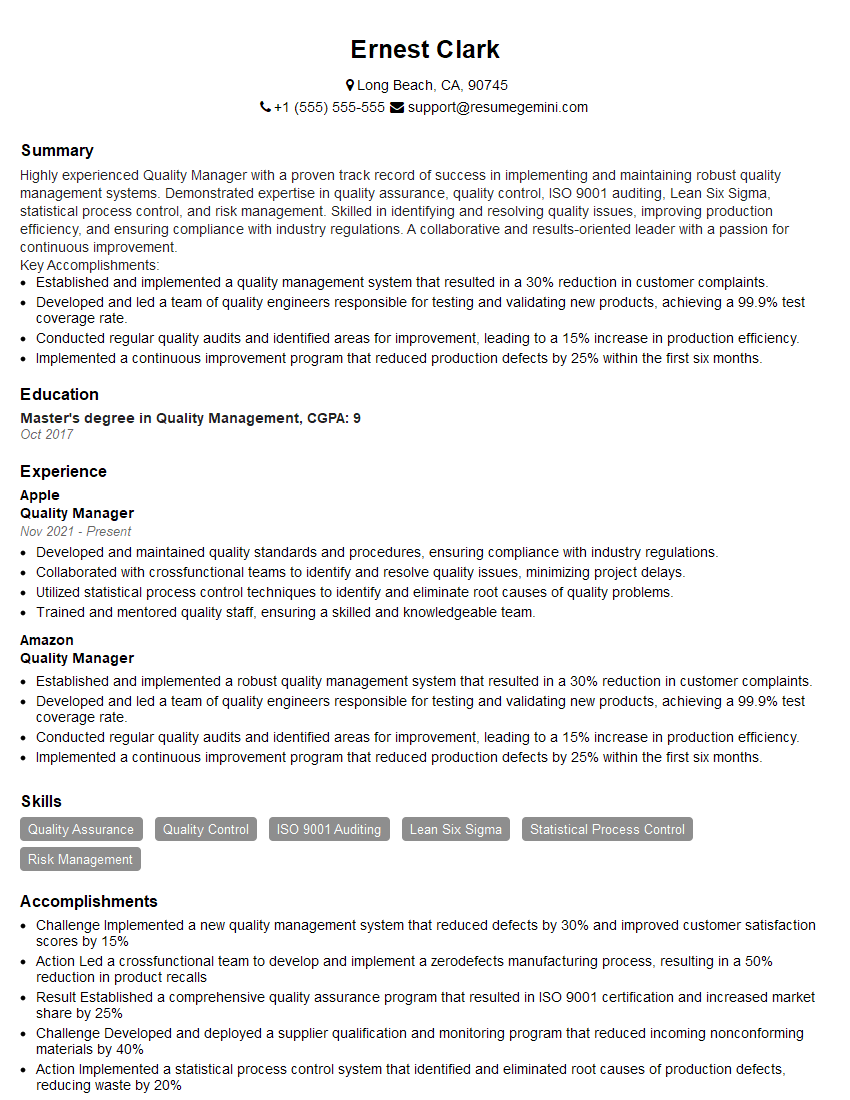
Quality Manager Resume Sample
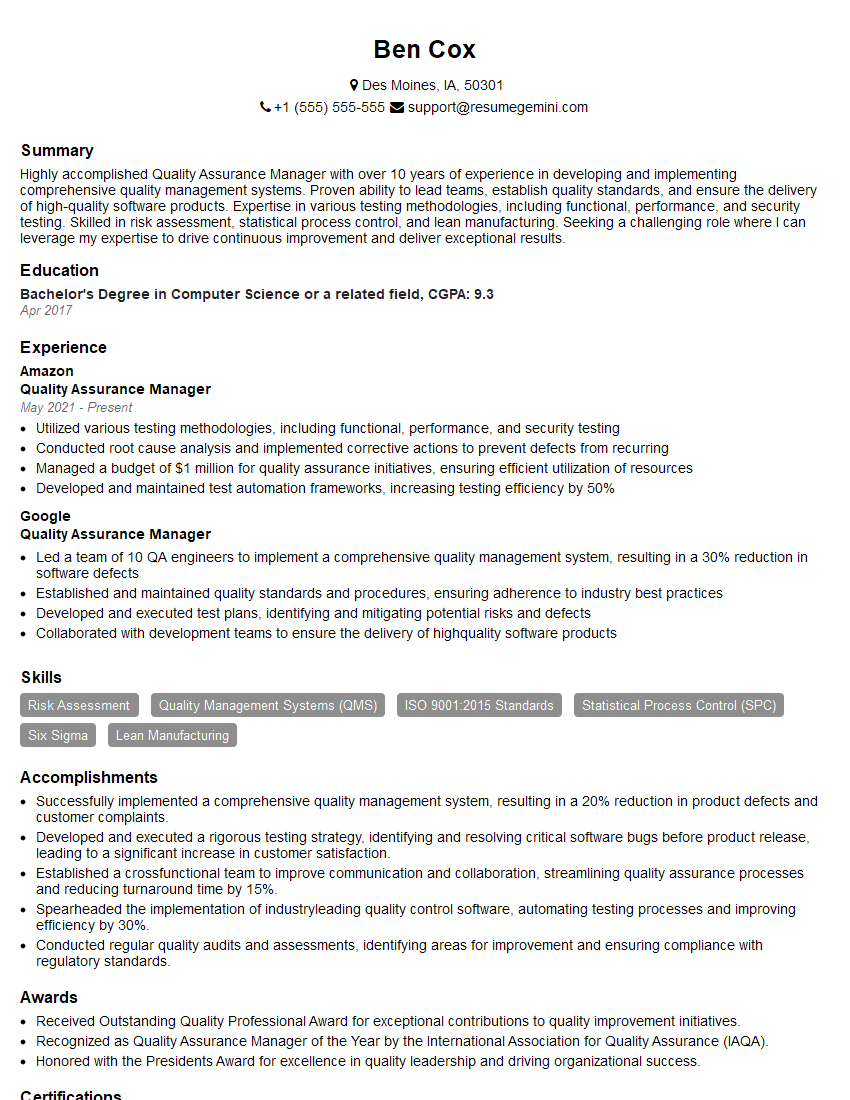
Quality Assurance Manager Resume Sample
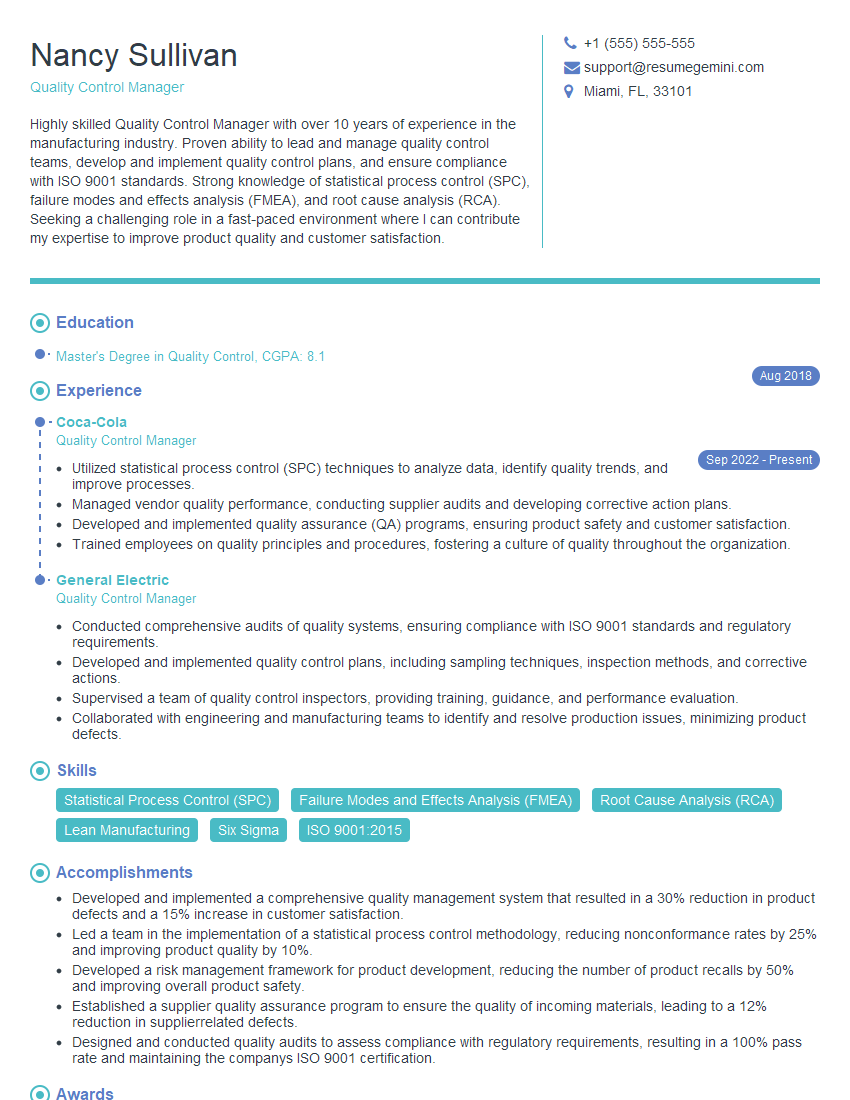
Quality Control Manager Resume Sample
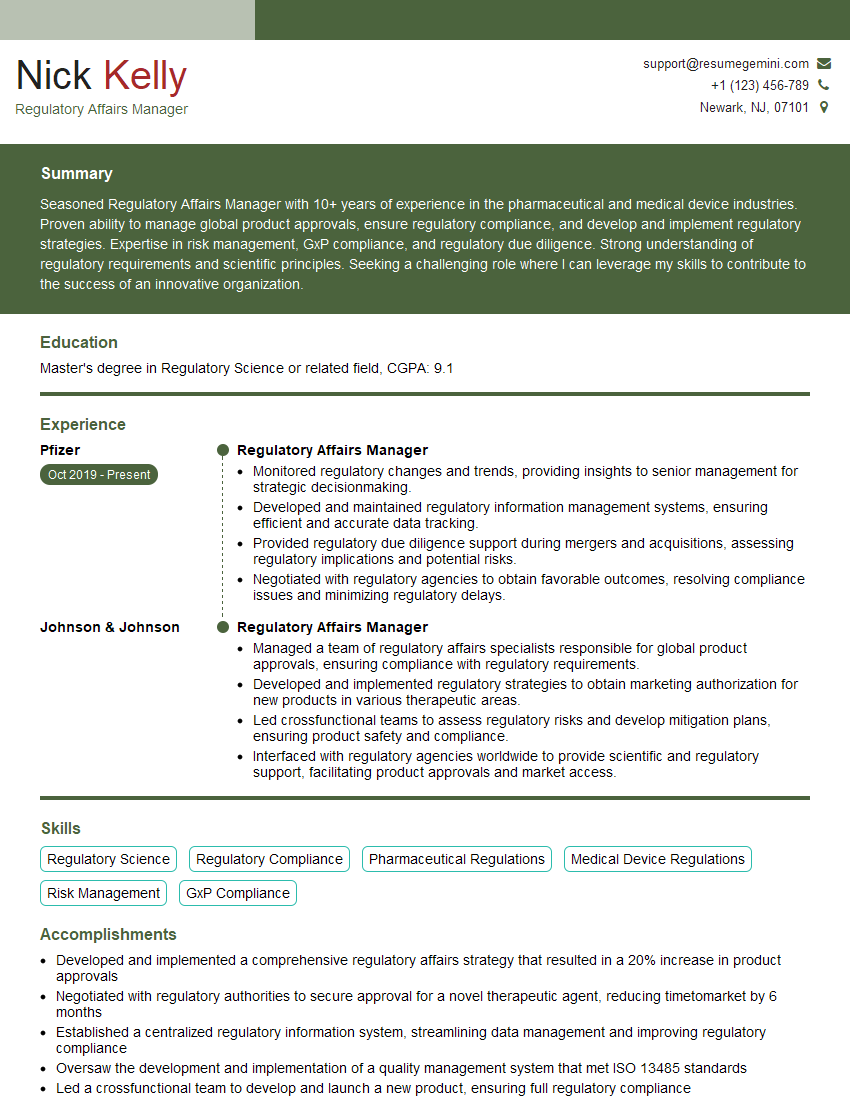
Regulatory Affairs Manager Resume Sample
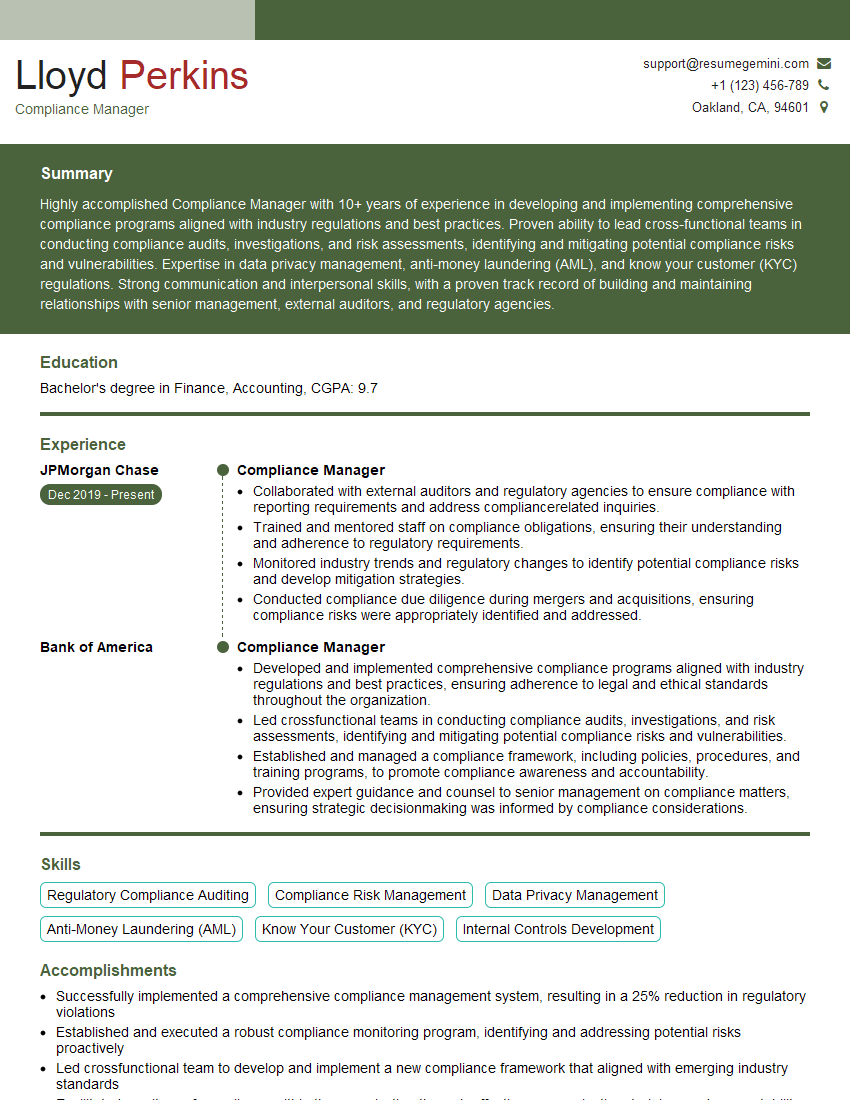
Compliance Manager Resume Sample
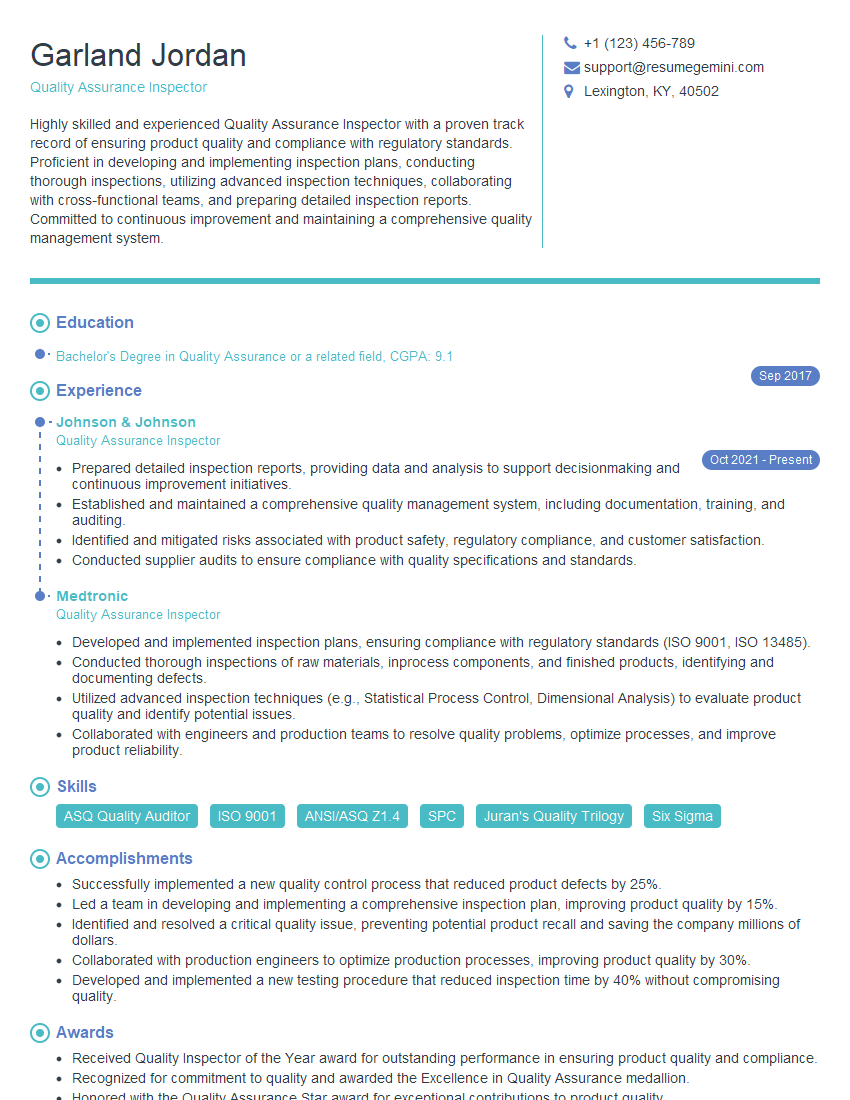
Quality Assurance Inspector Resume Sample
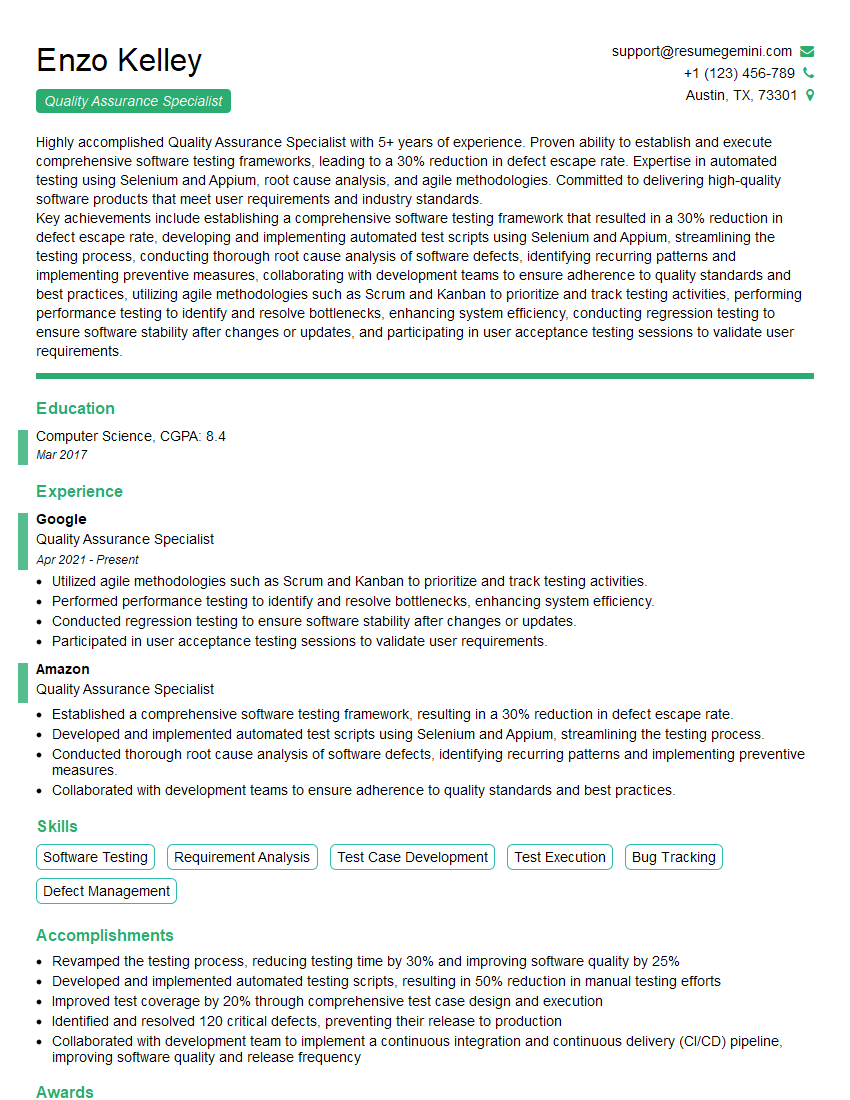
Quality Assurance Specialist Resume Sample
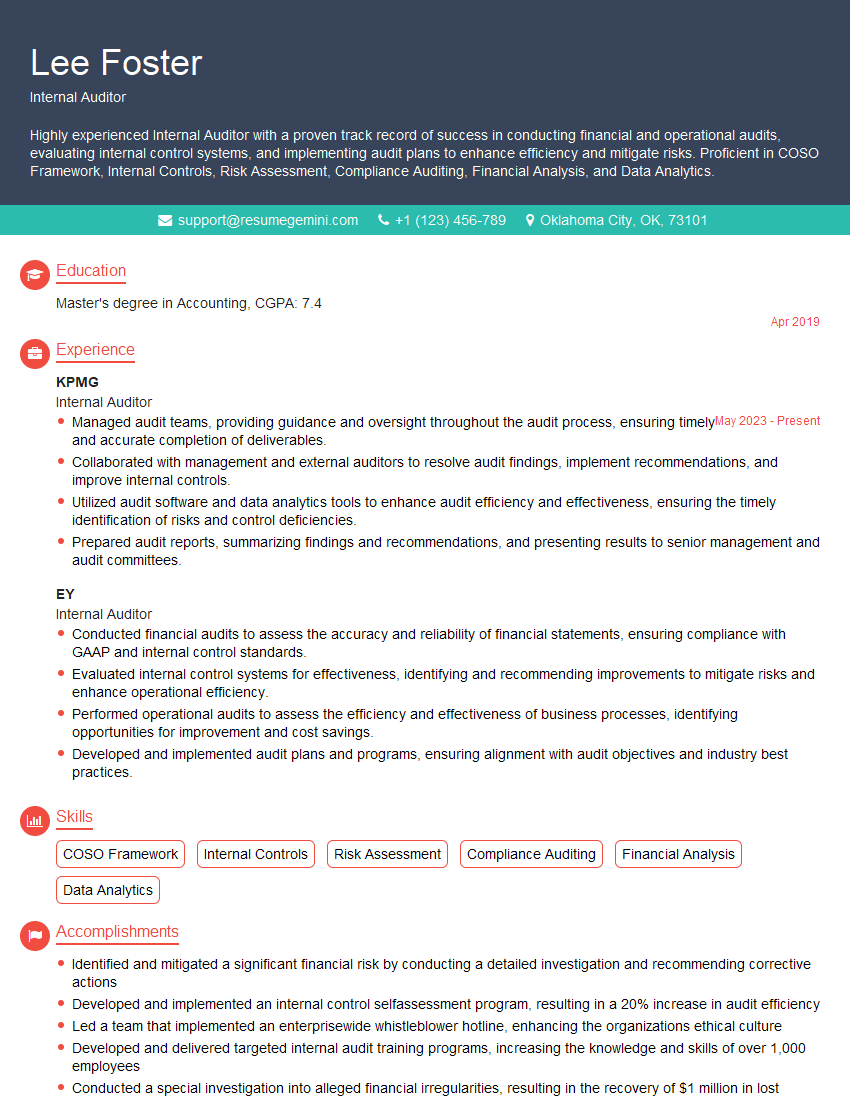
Internal Auditor Resume Sample
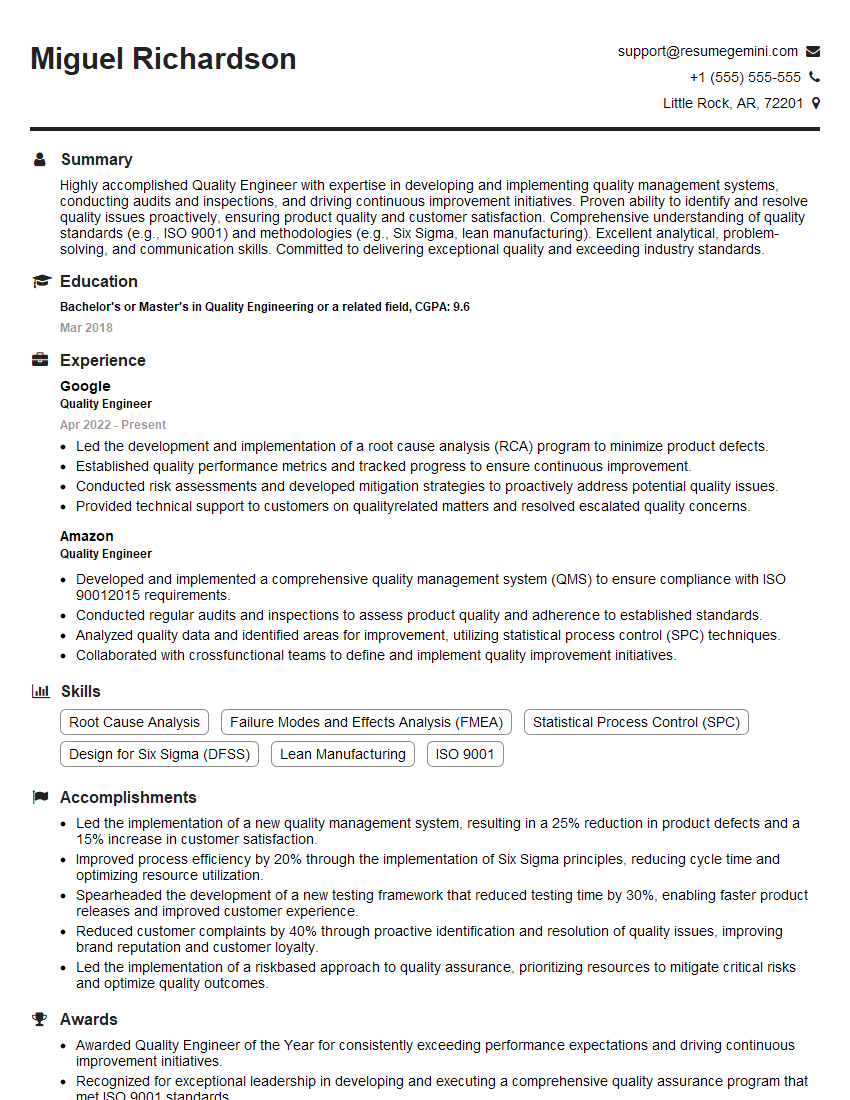
Quality Engineer Resume Sample
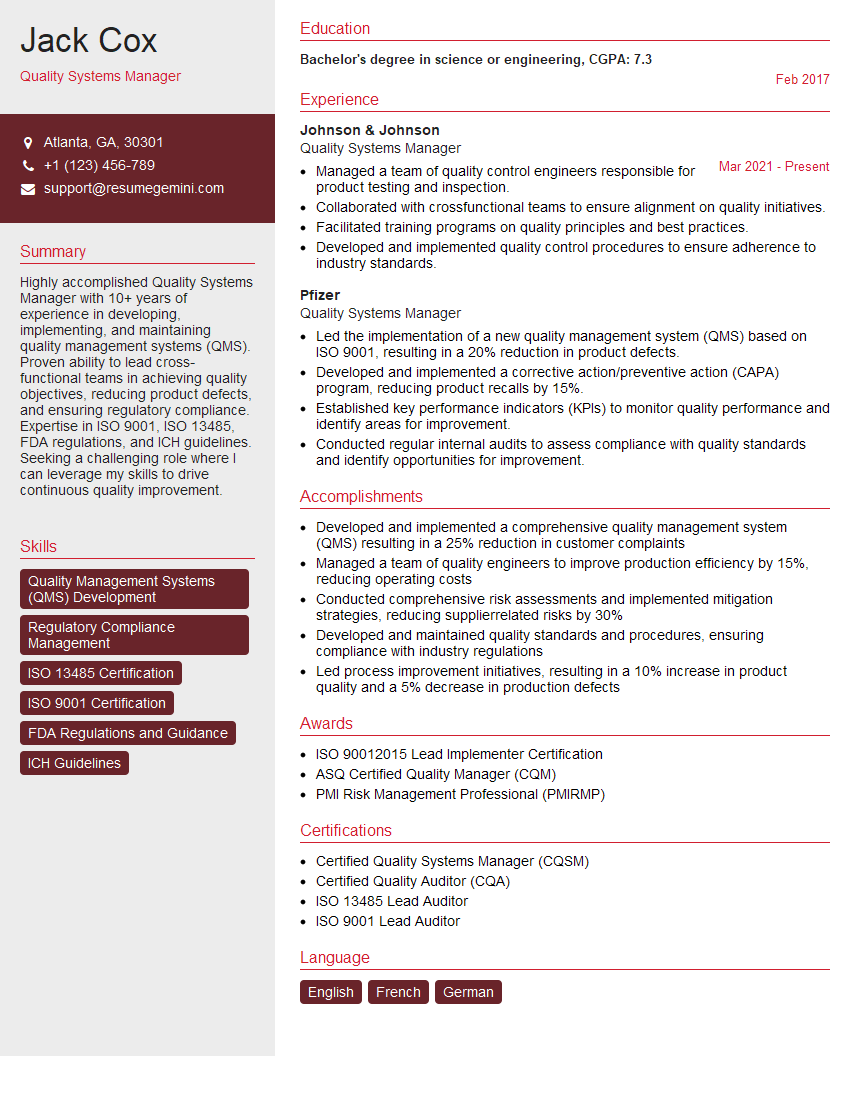
Quality Systems Manager Resume Sample
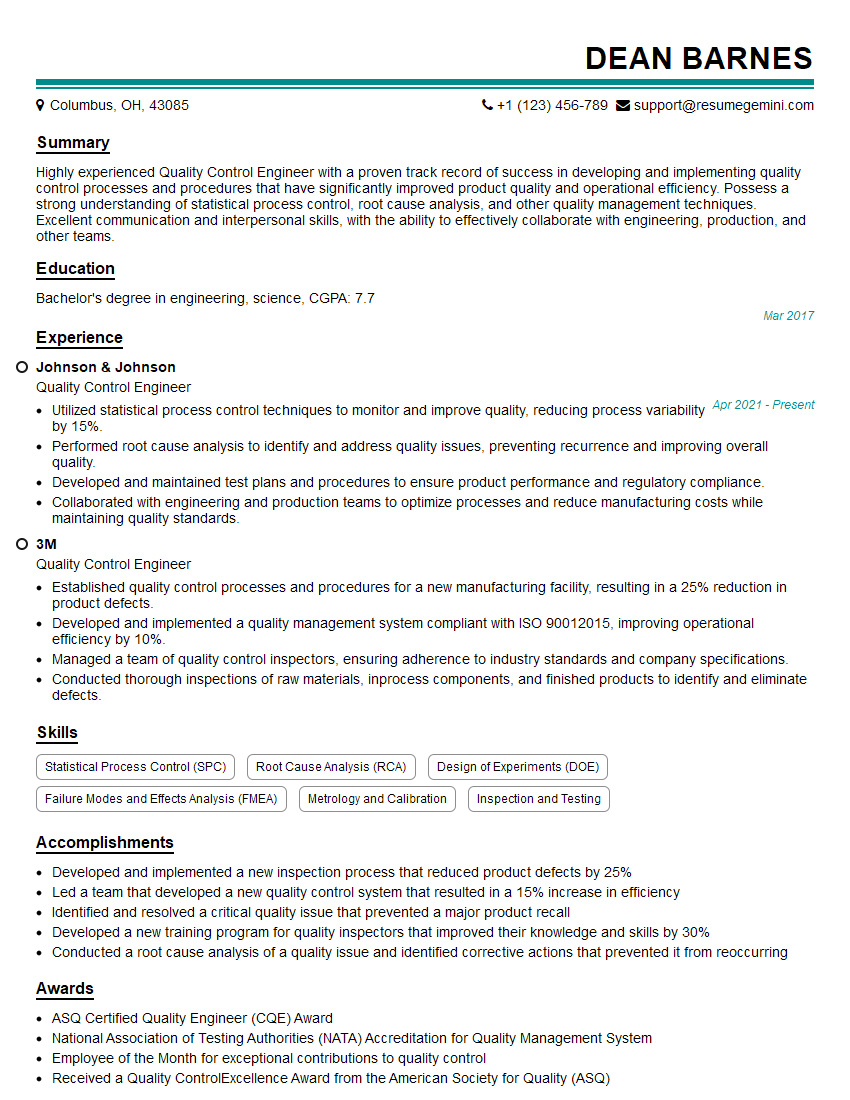
Quality Control Engineer Resume Sample
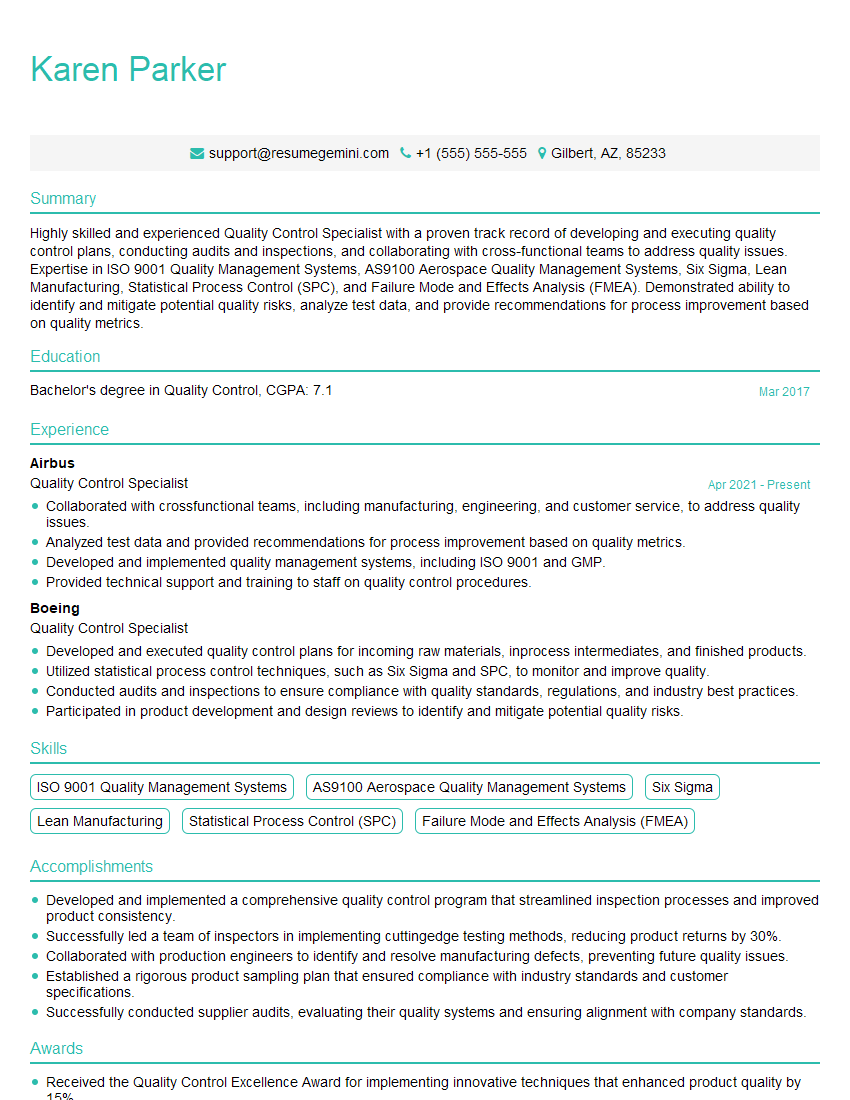
Quality Control Specialist Resume Sample
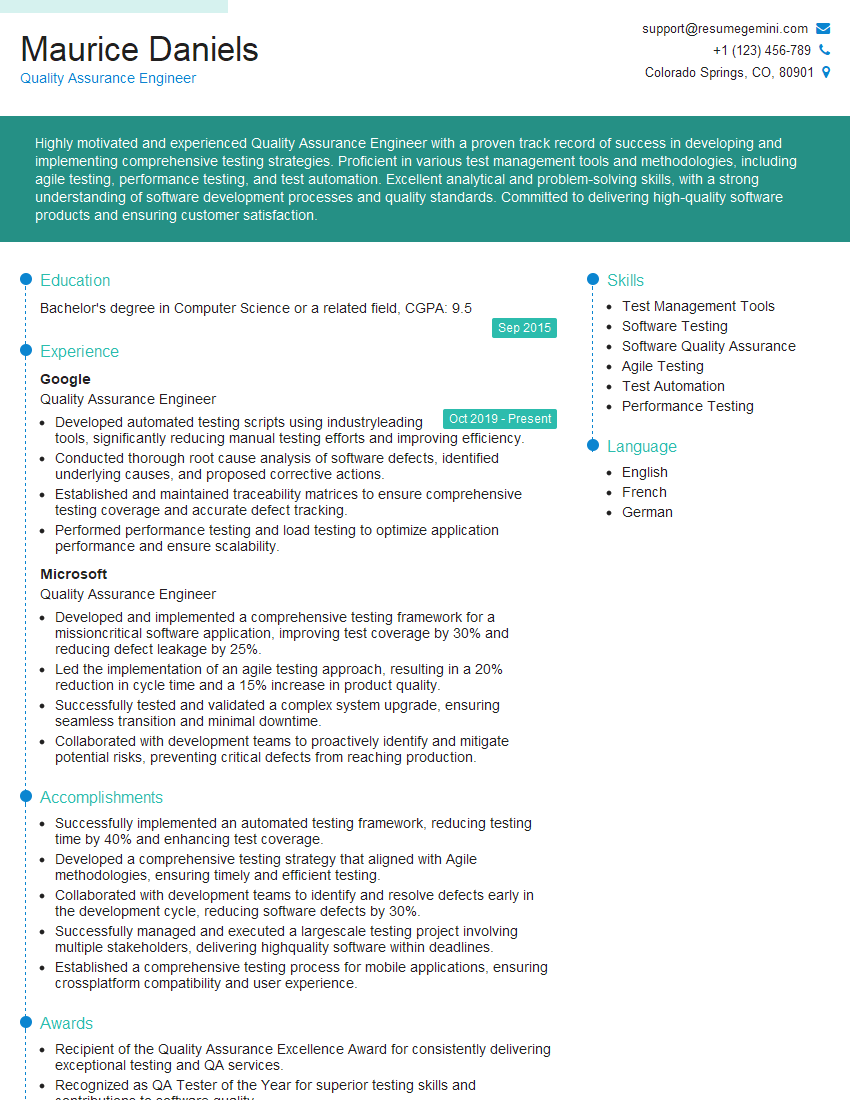
Quality Assurance Engineer Resume Sample
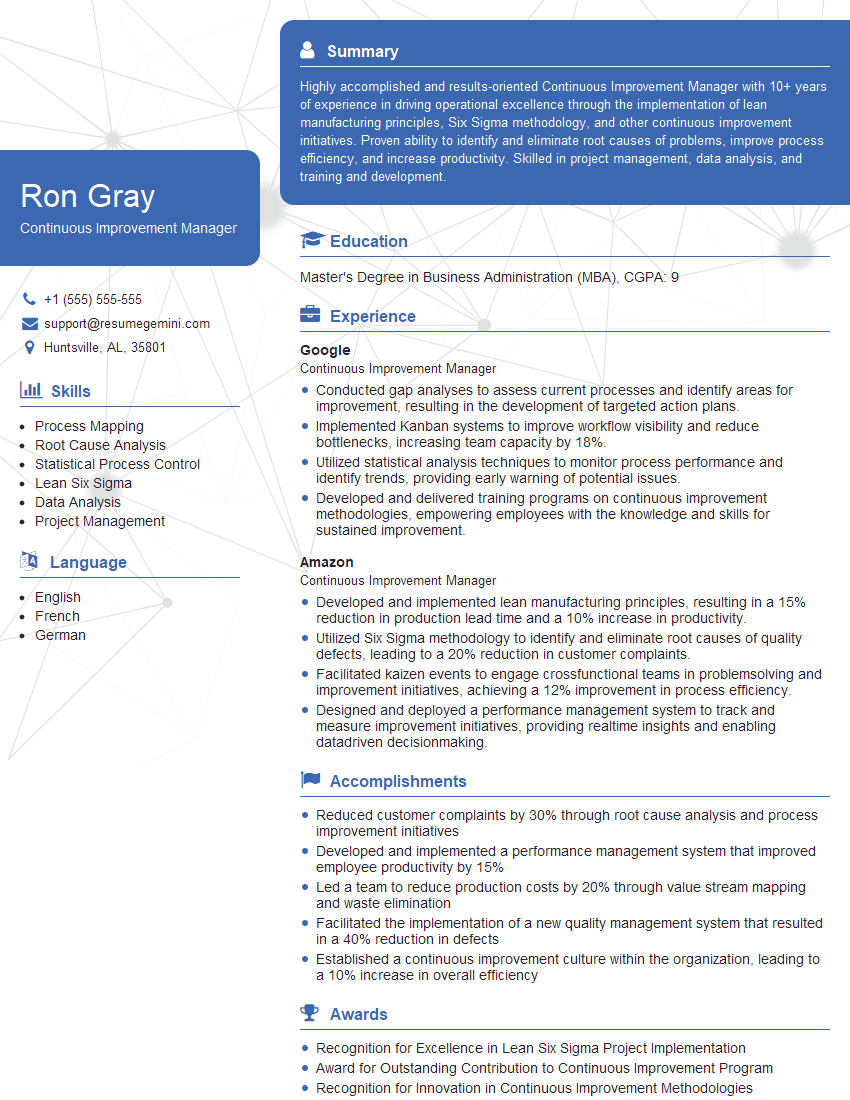
Continuous Improvement Manager Resume Sample
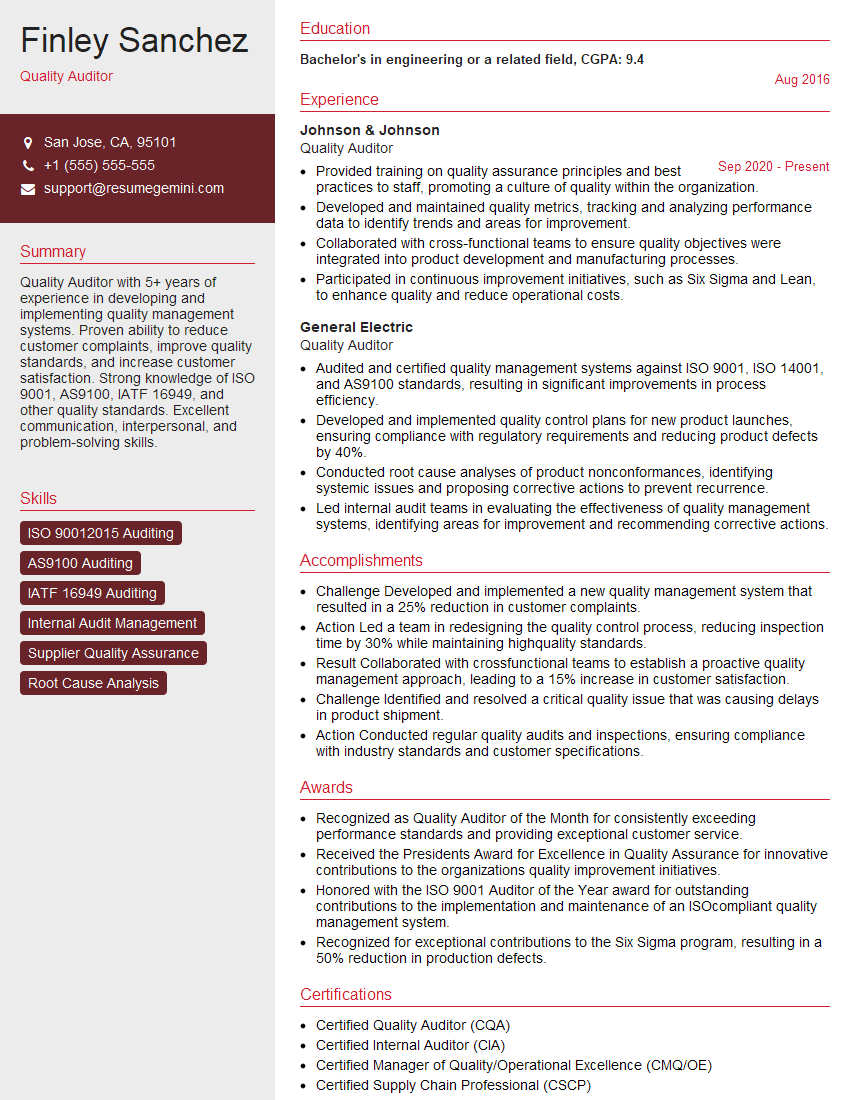
Quality Auditor Resume Sample
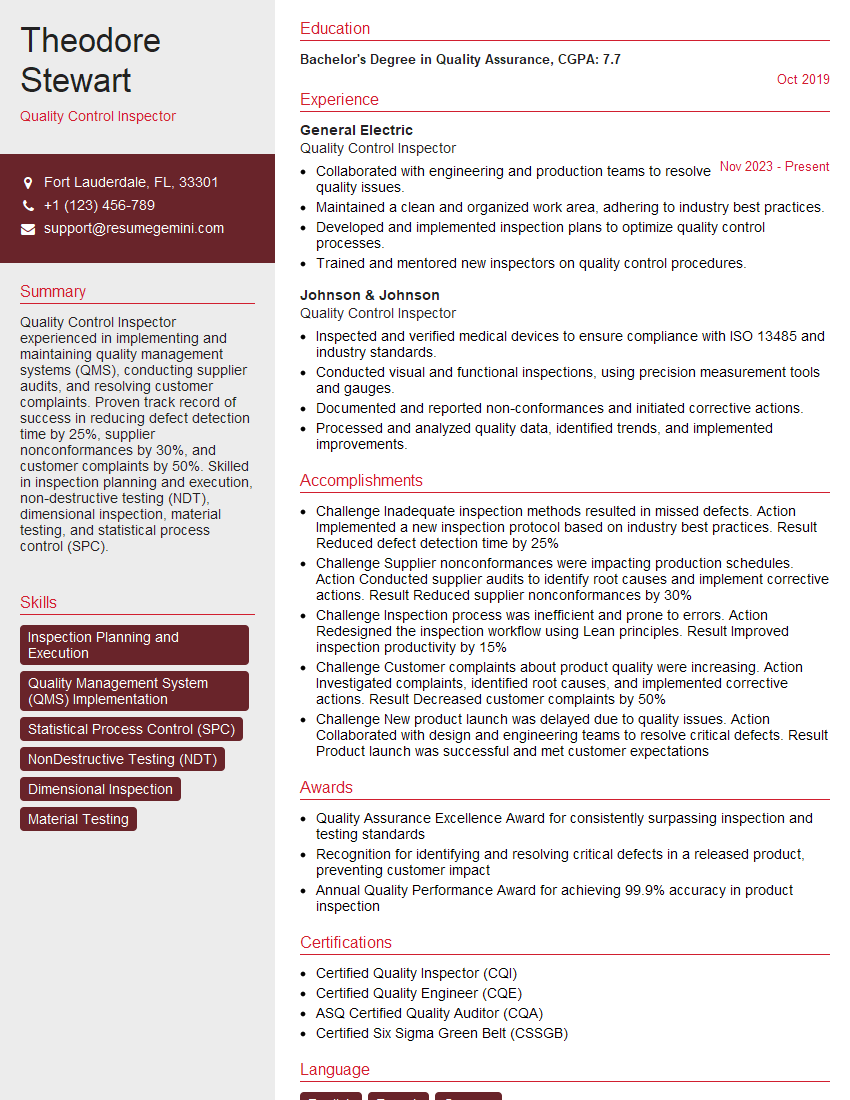
Quality Control Inspector Resume Sample
- Quality Manager
- Quality Assurance Manager
- Quality Control Manager
- Regulatory Affairs Manager
- Compliance Manager
- Quality Assurance Inspector
- Quality Assurance Specialist
- Internal Auditor
- Quality Engineer
- Quality Systems Manager
- Quality Control Engineer
- Quality Control Specialist
- Quality Assurance Engineer
- Continuous Improvement Manager
- Quality Auditor
- Quality Control Inspector
Explore more articles
Users Rating of Our Blogs
Share Your Experience
We value your feedback! Please rate our content and share your thoughts (optional).
What Readers Say About Our Blog
Very informative content, great job.
good