Interviews are more than just a Q&A session—they’re a chance to prove your worth. This blog dives into essential Record Keeping and Inventory Control interview questions and expert tips to help you align your answers with what hiring managers are looking for. Start preparing to shine!
Questions Asked in Record Keeping and Inventory Control Interview
Q 1. Explain the importance of accurate record keeping in inventory control.
Accurate record keeping is the bedrock of effective inventory control. Think of it like this: you can’t manage what you can’t measure. Without precise records, you’re flying blind, potentially leading to significant financial losses. Accurate records provide a clear picture of your inventory levels, allowing for informed decisions about purchasing, production, and sales.
For example, imagine a bakery without accurate tracking of flour. They might run out during peak hours, leading to lost sales and unhappy customers. Conversely, overstocking flour could lead to spoilage and wasted resources. Accurate records prevent both scenarios.
- Reduced Stockouts: Prevents lost sales and customer dissatisfaction.
- Minimized Waste: Prevents spoilage and obsolescence of perishable goods.
- Improved Forecasting: Enables better prediction of future demand.
- Enhanced Efficiency: Streamlines operations and reduces administrative burden.
- Accurate Financial Reporting: Ensures correct valuation of inventory and accurate financial statements.
Q 2. Describe your experience with different inventory management systems (e.g., FIFO, LIFO).
I have extensive experience with various inventory management systems, including FIFO (First-In, First-Out) and LIFO (Last-In, First-Out). The choice of system often depends on the nature of the inventory. FIFO assumes that the oldest items are sold first, which is ideal for perishable goods. This minimizes spoilage and ensures the freshest products are delivered to customers.
LIFO, on the other hand, assumes that the newest items are sold first. This can be advantageous for tax purposes in some cases (though it is less frequently used due to accounting standards changes), as it can result in lower taxable income during periods of inflation, but it can be less efficient for managing perishable goods. I’ve also worked with weighted-average costing, where the cost of goods sold is calculated using the average cost of all items in inventory. This simplifies accounting, but may not accurately reflect the true cost of individual items.
In my previous role at a manufacturing company, we used FIFO for raw materials and LIFO for finished goods. This allowed us to effectively manage the shelf life of our materials while optimizing our tax strategy. The choice was driven by a thorough cost-benefit analysis considering both operational efficiency and tax implications.
Q 3. How do you handle discrepancies between physical inventory and system records?
Discrepancies between physical inventory and system records are inevitable, but they need to be addressed promptly and systematically. My approach involves a multi-step process:
- Investigation: I start by identifying the nature and extent of the discrepancy. Is it a small difference or a significant one? Is it consistent across multiple items, or isolated to a few?
- Root Cause Analysis: This step is critical. Possible causes include data entry errors, theft, damage, inaccurate counts during physical inventory, or system glitches. I meticulously examine all potential causes.
- Corrective Actions: Once the root cause is identified, I implement corrective actions. This might involve retraining staff on data entry procedures, improving physical inventory counting techniques, upgrading inventory management software, or reinforcing security measures.
- Documentation: All discrepancies, investigations, and corrective actions are thoroughly documented to prevent future occurrences and provide a trail for auditing purposes.
- Reconciliation: Finally, I reconcile the physical inventory with the system records, updating the system to reflect the accurate count.
For example, if a discrepancy was due to damaged goods, I would adjust the inventory records accordingly and initiate procedures for disposal or write-off.
Q 4. What methods do you use to track inventory levels and prevent stockouts?
Effective inventory tracking and stockout prevention rely on a combination of methods:
- Reorder Point System: This involves setting a minimum inventory level for each item. When the inventory level falls below the reorder point, an automatic order is triggered. This ensures sufficient stock is always on hand.
- Just-in-Time (JIT) Inventory: This method minimizes inventory holding costs by ordering materials only when they are needed for production. It’s highly effective for reducing storage costs but requires precise demand forecasting and reliable supplier relationships.
- Inventory Management Software: Software systems offer real-time visibility into inventory levels, provide alerts for low stock, and automate many inventory management processes. They are essential for businesses of any significant size.
- Demand Forecasting: Accurate sales forecasting is crucial for anticipating future demand and preventing stockouts. Various forecasting techniques, including statistical methods, can be employed.
- Regular Inventory Reviews: Periodic reviews of inventory levels help to identify slow-moving or obsolete items and adjust purchasing strategies accordingly.
In practice, I would typically use a combination of these methods, tailoring the approach to the specific needs of the organization and the characteristics of the inventory.
Q 5. Explain your experience with cycle counting and its benefits.
Cycle counting is a continuous inventory verification process where a small portion of the inventory is counted regularly, rather than performing a full physical inventory count annually. It’s a much more efficient and accurate method than relying solely on annual counts.
The benefits are numerous:
- Increased Accuracy: Regularly counting smaller sections minimizes the risk of large discrepancies found in annual counts.
- Improved Efficiency: Counting a small portion of inventory daily or weekly is less disruptive to operations than a full inventory count.
- Early Detection of Discrepancies: Identifies errors or inconsistencies promptly, allowing for faster corrective actions.
- Reduced Downtime: Continuous cycle counting minimizes the time required for full inventory counts.
- Better Inventory Visibility: Provides continuous insights into inventory accuracy and helps identify areas for improvement.
In a previous role, implementing cycle counting reduced our annual inventory discrepancies by 40% and significantly improved the accuracy of our inventory reports.
Q 6. How do you ensure the accuracy and integrity of inventory data?
Ensuring the accuracy and integrity of inventory data requires a multi-faceted approach.
- Data Validation: Implement checks and balances to verify the accuracy of data entry. This could include double-checking entries, using automated data validation tools, and regularly reviewing reports for inconsistencies.
- Access Control: Restrict access to inventory data to authorized personnel only. This prevents unauthorized modifications or deletions.
- Regular Audits: Conduct regular internal audits to verify the accuracy of inventory records and identify areas for improvement. These audits should be documented and reviewed by management.
- Training and Procedures: Proper training of staff on inventory management procedures is crucial. Clear, documented procedures should be in place for all inventory-related activities.
- System Maintenance: Regularly maintain and update inventory management software and hardware to ensure optimal performance and prevent data loss.
Maintaining data integrity is an ongoing process, requiring constant vigilance and attention to detail. Think of it like a gardener carefully tending their garden – consistent effort is needed to achieve and maintain a healthy, productive environment.
Q 7. Describe your experience with barcode scanning and RFID technology.
I have significant experience with barcode scanning and RFID (Radio-Frequency Identification) technology. Barcode scanners are a fundamental tool for improving efficiency and accuracy in inventory management. They automate the data entry process, minimizing human error and speeding up the counting process.
RFID technology offers even greater capabilities. RFID tags can be attached to individual items, providing real-time tracking of inventory movement. This allows for better inventory visibility and enables the automation of various inventory management processes. RFID is particularly beneficial for managing high-value or high-volume items, as well as items with high turnover.
For example, in a previous project at a large distribution center, we implemented RFID technology to track high-value electronics. This resulted in a significant reduction in stock loss and improved inventory accuracy. We were able to track items from the moment they arrived at the warehouse until they shipped to customers. While the initial investment in RFID infrastructure was significant, the return on investment was substantial.
Q 8. How do you manage obsolete or damaged inventory?
Managing obsolete or damaged inventory involves a multi-step process aimed at minimizing losses and maintaining accurate records. First, we need a robust system for identifying these items. This often involves regular stock checks, potentially aided by barcode scanning or RFID technology, flagging items past their expiration date or showing signs of damage. Once identified, we segregate them from active inventory to prevent accidental use or sale.
Next, we assess the potential for salvage or repurposing. Can damaged goods be repaired? Can obsolete items be used in other processes or sold at a discounted price? For example, in a retail setting, slightly damaged clothing might be sold at a clearance sale, while outdated electronics might be scrapped for valuable components.
Finally, if salvage is impossible, a formal disposal process is necessary. This could involve donating usable items to charity, safely disposing of hazardous materials according to environmental regulations, or selling the scrap materials to a recycling center. Maintaining detailed records throughout this entire process is critical, documenting the quantity, condition, disposal method, and any associated costs or revenue. This not only ensures compliance but also provides valuable data for future inventory planning and minimizing waste.
Q 9. How do you prioritize tasks when managing a large inventory?
Prioritizing tasks in inventory management, especially with large volumes, requires a strategic approach. I typically utilize a combination of methods, including the Pareto principle (80/20 rule) and urgency/importance matrix. The 80/20 rule helps identify the 20% of items contributing to 80% of the value or demand. These high-value items naturally receive priority in terms of monitoring, replenishment, and security.
The urgency/importance matrix helps categorize tasks into four quadrants: Urgent and Important (immediate action), Important but Not Urgent (planning and prevention), Urgent but Not Important (delegation or automation), and Neither Urgent nor Important (elimination). This framework helps avoid firefighting and focus on strategic activities like forecasting and process optimization. For instance, addressing a stockout of a high-demand item is urgent and important, while reviewing and updating inventory classifications is important but can be scheduled.
Furthermore, utilizing inventory management software with features like automated alerts and reporting systems can streamline prioritization by highlighting critical issues – for example, low stock levels for fast-moving items or impending expiration dates of perishable goods. This data-driven approach ensures efficiency and reduces the risk of stockouts or spoilage.
Q 10. Explain your experience with inventory forecasting and planning.
Inventory forecasting and planning are crucial for maintaining optimal stock levels and minimizing waste. My experience encompasses various forecasting techniques, from simple moving averages and exponential smoothing to more sophisticated methods like ARIMA (Autoregressive Integrated Moving Average) modeling. The choice of technique depends on factors like data availability, product demand patterns, and the level of accuracy required.
For example, in a business with relatively stable demand, a simple moving average might suffice. However, for products with seasonal fluctuations or unpredictable demand, more advanced time-series models like ARIMA might be necessary. Accurate forecasting considers historical data, current market trends, promotional plans, and external factors such as economic conditions and seasonality.
Beyond forecasting, effective inventory planning involves creating a detailed inventory plan that sets target stock levels, reorder points, and safety stock levels for each item. This plan takes into account lead times, demand variability, storage capacity, and budgetary constraints. Regular review and adjustment of the plan are essential to respond to changing market conditions and optimize inventory performance. For instance, I’ve successfully implemented safety stock adjustments to mitigate potential disruptions caused by supplier delays.
Q 11. Describe your experience using inventory management software.
I have extensive experience utilizing various inventory management software solutions, including both cloud-based and on-premise systems. My experience spans from basic systems used for tracking inventory levels and generating reports to advanced enterprise resource planning (ERP) systems with integrated inventory modules. My familiarity extends to popular systems such as SAP, Oracle, and NetSuite, as well as smaller, specialized inventory management software.
My proficiency includes data entry, report generation, inventory optimization, and system integration with other business processes like procurement and sales. For example, I successfully implemented a new inventory management system that automated the ordering process, reducing lead times and eliminating manual errors. In another instance, I integrated our inventory system with our e-commerce platform, enabling real-time inventory visibility and improved customer service. The key for me is selecting and using the software that best fits the specific needs and size of the business, tailoring its features to optimize efficiency and accuracy.
Q 12. How do you ensure compliance with inventory-related regulations?
Ensuring compliance with inventory-related regulations is paramount. This involves a thorough understanding of applicable laws and industry standards related to product safety, labeling, storage, and disposal. For example, handling of hazardous materials requires strict adherence to regulations like OSHA (Occupational Safety and Health Administration) guidelines. Similarly, industries like pharmaceuticals and food and beverage must comply with stringent regulations concerning traceability, expiry dates, and storage conditions.
My approach involves a proactive strategy: firstly, regularly reviewing and updating our knowledge of relevant regulations. Secondly, implementing internal controls and procedures that ensure compliance, such as proper labeling and tracking of materials, regular inventory audits, and documented disposal procedures. Thirdly, maintaining detailed records that allow for easy traceability of inventory throughout its lifecycle. Finally, conducting regular internal audits to identify and correct any non-compliance issues. This proactive approach not only avoids penalties but also enhances the overall integrity and reputation of the organization.
Q 13. How do you identify and address inventory shrinkage?
Inventory shrinkage, the loss of inventory due to theft, damage, or error, is a significant concern. Identifying and addressing it requires a systematic approach. I typically begin with analyzing inventory data to pinpoint areas with consistently high shrinkage rates. This may involve comparing physical inventory counts to recorded inventory levels. Discrepancies highlight potential problem areas, such as specific product categories, locations, or time periods.
Once potential areas are identified, I investigate the root causes. This could involve reviewing security measures, examining employee practices, investigating potential theft, and assessing the effectiveness of inventory control systems. For example, improving security cameras and implementing better access controls can help reduce theft. Implementing better receiving processes can reduce errors. Regularly reviewing inventory counts can also pinpoint losses early. Addressing the root causes is crucial; merely documenting shrinkage is insufficient. Corrective actions should be documented, implemented, and their effectiveness monitored. The goal is to establish a proactive system to prevent future shrinkage.
Q 14. What are some key performance indicators (KPIs) you track for inventory management?
Several key performance indicators (KPIs) are crucial for tracking the efficiency and effectiveness of inventory management. These metrics provide insights into areas for improvement and help measure the overall success of inventory strategies. Some of the most important KPIs I track include:
- Inventory Turnover Rate: Measures how efficiently inventory is sold. A higher rate generally indicates better inventory management.
- Carrying Costs: The total cost of storing and maintaining inventory, including warehousing, insurance, and obsolescence costs. This helps evaluate the efficiency of inventory storage.
- Stockout Rate: Percentage of times an item is out of stock when in demand. A high rate signals poor forecasting or supply chain issues.
- Fill Rate: The percentage of customer orders fulfilled from stock. A higher fill rate signifies better customer service.
- Inventory Accuracy: The difference between the recorded inventory and the actual physical inventory. High accuracy is essential for reliable decision-making.
- Shrinkage Rate: Percentage of inventory lost due to theft, damage, or errors, as discussed previously.
Regularly monitoring these KPIs allows for proactive adjustments to inventory management strategies, leading to improved efficiency, reduced costs, and enhanced customer satisfaction.
Q 15. How do you handle returns and damaged goods in your inventory?
Handling returns and damaged goods requires a systematic approach to maintain accurate inventory and minimize losses. The process begins with a thorough inspection of the returned or damaged item. We verify the reason for return (e.g., defect, wrong item, customer change of mind) and assess the condition of the product. This information is crucial for accurate record-keeping and potentially identifying systemic issues.
Depending on the reason and condition, several actions might be taken:
- Restocking: If the item is in perfect condition, it’s immediately returned to the main inventory after a quality check.
- Repair and Restocking: If repairable, the item is sent for repair, and after successful repair and quality assurance testing, it’s returned to inventory.
- Disposal or Salvage: Irreparable items are disposed of according to company policy and environmental regulations. This often involves documentation for tracking purposes. Salvageable parts might be extracted and reused or sold as scrap.
- Return to Supplier: Depending on the return policy and the reason for the return (e.g., defective item from the supplier), the item is returned to the supplier for credit or replacement.
Throughout the process, meticulous record-keeping is essential. We use a system that logs the item’s unique identifier, the return reason, the action taken, and the date. This detailed record allows for tracking return rates, identifying problematic products, and improving quality control procedures.
Career Expert Tips:
- Ace those interviews! Prepare effectively by reviewing the Top 50 Most Common Interview Questions on ResumeGemini.
- Navigate your job search with confidence! Explore a wide range of Career Tips on ResumeGemini. Learn about common challenges and recommendations to overcome them.
- Craft the perfect resume! Master the Art of Resume Writing with ResumeGemini’s guide. Showcase your unique qualifications and achievements effectively.
- Don’t miss out on holiday savings! Build your dream resume with ResumeGemini’s ATS optimized templates.
Q 16. Describe your experience with inventory reporting and analysis.
Inventory reporting and analysis is the cornerstone of effective inventory management. My experience involves generating various reports, ranging from simple stock level summaries to complex analyses of sales trends, turnover rates, and profitability. I’m proficient in using reporting tools and spreadsheets (like Excel and Google Sheets) to create visually appealing and insightful dashboards.
For instance, I’ve developed reports showing the top-selling and slow-moving items. This data is vital for informed decision-making about stock levels, procurement, and promotional strategies. Analyzing turnover rates helps to optimize inventory investment and minimize holding costs. We can also identify potential discrepancies by comparing physical counts against the system records, flagging areas that need immediate attention.
Furthermore, I have experience utilizing inventory management software which automatically generates key metrics and reports such as:
- Inventory Value Reports: Shows the total value of inventory on hand.
- Stock Turnover Reports: Tracks how quickly inventory is sold.
- ABC Analysis Reports: Classifies inventory items based on their value and consumption, enabling prioritized management.
The analysis of these reports provides critical data to improve forecasting accuracy and refine inventory control strategies.
Q 17. How do you collaborate with other departments to ensure efficient inventory management?
Collaboration is paramount in efficient inventory management. I work closely with various departments, including purchasing, sales, and operations, to ensure alignment and seamless processes.
With the purchasing department, we collaborate on forecasting demand, setting optimal stock levels, and negotiating favorable terms with suppliers. This helps to minimize stockouts and avoid overstocking. Regular communication ensures that purchasing orders align with forecasted demand and current inventory levels.
With the sales department, we share inventory data in real time to manage customer expectations and fulfill orders promptly. Understanding sales forecasts allows proactive inventory management, preventing potential stockouts and lost sales opportunities.
Finally, with the operations department, we coordinate logistics, warehouse management, and stock movement. This involves tracking shipments, managing storage space, and ensuring efficient handling of inventory.
I utilize tools like shared spreadsheets, collaborative project management software, and regular meetings to facilitate communication and collaboration. This ensures transparency, prevents information silos, and contributes to a streamlined inventory management process.
Q 18. How do you stay organized and manage your workload effectively in this role?
Staying organized and managing my workload effectively involves a multi-pronged approach. First, I prioritize tasks using methods like Eisenhower Matrix (urgent/important), ensuring that critical tasks are addressed first. This prevents fire-fighting and allows me to focus on proactive inventory management activities.
I utilize project management tools to track ongoing projects, deadlines, and progress. These tools (e.g., Asana, Trello) provide a clear overview of my responsibilities and help me stay on track. I also break down large tasks into smaller, manageable subtasks, making them less overwhelming and easier to accomplish.
Furthermore, regular review of my workload allows me to adjust priorities as needed. I dedicate specific time slots for particular tasks, promoting focused work and reducing interruptions. Finally, I maintain a well-organized digital and physical filing system for easy access to necessary information. This reduces time spent searching for documents, enhancing efficiency.
Q 19. What are your preferred methods for organizing and storing records?
My preferred methods for organizing and storing records are designed for efficiency and accessibility. I utilize a combination of digital and physical systems, depending on the nature of the record.
For digital records, I leverage a cloud-based storage system with a robust folder structure. Files are named consistently and descriptively, using keywords for easy searchability. Version control is essential to track changes and avoid confusion. I also use robust database management systems for transactional records.
Physical records are stored in clearly labeled filing cabinets or archival boxes, organized alphabetically or chronologically. A comprehensive indexing system allows for quick retrieval. We maintain a detailed inventory of both digital and physical records for audit trail purposes.
The choice of storage method depends on factors like frequency of access, security requirements, and the volume of records. For frequently accessed documents, digital storage provides quick access. Long-term archival materials might be stored physically, depending on the legal and regulatory requirements.
Q 20. How do you ensure data security and confidentiality in record keeping?
Data security and confidentiality are of utmost importance in record-keeping. We implement several measures to protect sensitive inventory data. Access to sensitive information is restricted to authorized personnel through the use of secure passwords and role-based access controls.
Regular backups of both digital and physical records are crucial in case of data loss or damage. We employ encryption to protect data in transit and at rest, ensuring confidentiality even in case of unauthorized access. All systems and software are kept up-to-date with the latest security patches.
We adhere strictly to data privacy regulations (like GDPR or CCPA), ensuring that personal information is handled responsibly and securely. Regular audits are conducted to assess the effectiveness of our security measures and identify any potential vulnerabilities. Employees are trained on data security best practices to foster a culture of security awareness.
Q 21. Describe a time you had to resolve a significant inventory discrepancy.
In a previous role, we experienced a significant inventory discrepancy for a high-demand product. The system reported significantly lower stock levels than the physical count revealed. This discrepancy could have resulted in stockouts and lost sales.
To resolve this, I initiated a thorough investigation, following these steps:
- Verification: We performed a second, independent physical count to confirm the initial discrepancy.
- Data Reconciliation: I carefully reviewed the system records, checking for potential data entry errors, system glitches, or discrepancies in transactions (e.g., unaccounted-for returns, transfers, or write-offs).
- Process Review: We examined the inventory management processes to identify any weaknesses that may have contributed to the discrepancy. This included checking procedures for receiving, storing, and dispensing inventory.
- Root Cause Analysis: We discovered a flaw in the system’s barcode scanning process. Occasionally, scans failed to register, resulting in an inaccurate inventory record.
- Corrective Action: The system was updated with improved error handling and validation, and staff received retraining on the correct scanning procedures.
By implementing these steps, we not only corrected the discrepancy but also improved the accuracy and reliability of our inventory management system, preventing similar occurrences in the future.
Q 22. How do you handle multiple inventory locations?
Managing inventory across multiple locations requires a robust system that provides a single source of truth. Think of it like managing a large library with branches – you need a central catalog but also the ability to track books at each individual branch. I typically employ a centralized inventory management system with features allowing for location-specific tracking. This system could be a dedicated software solution or a well-structured database.
Key features include:
- Location-specific tracking: Each item is assigned a unique identifier and location code, enabling precise tracking of stock levels at every location.
- Real-time updates: Transactions (like receiving, shipping, and internal transfers) are recorded instantly, ensuring data accuracy across all locations.
- Reporting and analysis capabilities: The system should provide reports on inventory levels, stock movements, and potential shortages, broken down by location.
- Automated alerts: Setting up thresholds for low stock levels triggers alerts, prompting timely replenishment decisions for each location.
For example, in a retail chain with multiple stores, the system would track the number of ‘blue t-shirts, size medium’ in each store individually while showing the total stock across all locations. This allows for efficient stock allocation, minimizing waste and ensuring customer demand is met.
Q 23. How would you improve the efficiency of an existing inventory management system?
Improving an existing inventory management system centers around identifying bottlenecks and inefficiencies. I approach this systematically, using a combination of data analysis and process optimization techniques. Imagine tuning up a car engine – you need to address each part to maximize performance.
My strategy would include:
- Data analysis: Analyzing historical data to identify slow-moving items, areas with high error rates in data entry, and patterns in stockouts or overstocking.
- Process mapping: Visually representing the inventory process to pinpoint inefficiencies and redundancies. This reveals areas needing streamlining or automation.
- Automation: Implementing automated tasks like stock level alerts, order placement, and reporting reduces manual work and errors.
- Improved data entry: Implementing barcode scanning or RFID technology to minimize manual data entry and increase accuracy.
- Employee training: Ensuring all users understand the system’s functionality and best practices for data entry and record-keeping.
- Regular system review: Scheduling regular reviews to assess the system’s performance and identify areas for further improvement.
For instance, if data analysis shows a high error rate in manual stock counting, I would recommend implementing barcode scanning, which is much faster and more accurate. Similarly, if stockouts are frequent for a particular item, adjusting safety stock levels based on historical demand patterns could solve this.
Q 24. What are the challenges of implementing a new inventory management system?
Implementing a new inventory management system presents numerous challenges. It’s akin to moving to a new house – a lot of planning and effort are needed for a smooth transition.
Key challenges include:
- Data migration: Transferring data from the old system to the new one accurately and efficiently can be complex and time-consuming. Errors during this process can be costly.
- Integration with existing systems: The new system needs seamless integration with other business systems, such as accounting and point-of-sale (POS) systems. Failure to do so can result in data silos and inconsistencies.
- User adoption: Training employees to use the new system effectively is crucial. Resistance to change can hinder the system’s successful implementation.
- Cost: The initial investment in software, hardware, and training can be substantial.
- System customization: Tailoring the system to the specific needs of the business requires careful planning and execution. A poorly customized system may not meet the organization’s needs.
- Testing and validation: Thorough testing is essential to identify and resolve bugs before full deployment.
For example, migrating historical inventory data might require significant data cleaning and validation to ensure accuracy. A poorly planned data migration can lead to data loss or inaccuracies, impacting decision-making.
Q 25. Describe your experience with auditing inventory records.
Auditing inventory records is a crucial process for ensuring data accuracy and compliance. It’s like a health check for your inventory system. I’ve extensive experience conducting both physical inventory counts and cycle counts, comparing them to the system records.
My auditing process typically involves:
- Planning: Defining the scope of the audit, selecting the appropriate audit techniques (physical count, cycle counting, or sampling), and establishing clear audit procedures.
- Data collection: Performing physical inventory counts, reviewing system records, and collecting supporting documentation.
- Variance analysis: Comparing physical counts to system records to identify variances and investigate their causes.
- Reporting: Documenting the audit findings, including variances, their causes, and recommendations for improvement.
- Follow-up: Implementing corrective actions based on the audit findings and monitoring the effectiveness of those actions.
In a past role, I identified a significant discrepancy between physical count and system records for a specific product. Through investigation, we found a coding error in the inventory management system, resulting in incorrect stock updates. This audit not only identified the error but also helped improve our system’s accuracy and prevent future discrepancies.
Q 26. How do you utilize data analytics to optimize inventory levels?
Data analytics plays a vital role in optimizing inventory levels. Think of it as having a crystal ball to predict future demand. By analyzing historical sales data, demand forecasts, lead times, and other relevant factors, we can make more informed decisions about ordering, storage, and stock levels.
Techniques I utilize include:
- Demand forecasting: Using statistical models (like moving averages or exponential smoothing) to predict future demand.
- Inventory turnover analysis: Identifying slow-moving and fast-moving items to optimize stock levels accordingly.
Inventory Turnover = Cost of Goods Sold / Average Inventory - ABC analysis: Classifying inventory items into categories (A, B, C) based on their value and importance. This allows prioritizing resources on high-value items.
- Safety stock calculation: Determining appropriate safety stock levels to account for unexpected demand fluctuations or lead time variations.
- Simulation modeling: Using simulation to test different inventory strategies and predict their impact on various key performance indicators (KPIs).
For example, if sales data shows a seasonal increase in demand for a particular item, I can adjust the safety stock levels accordingly, preventing stockouts during peak seasons.
Q 27. How do you ensure the accuracy of data entry during inventory processes?
Ensuring data accuracy during inventory processes is paramount. It’s the foundation of good inventory management. Think of it like building a house – you need a solid foundation for it to stand tall.
Strategies I use include:
- Barcode or RFID technology: Using scanners to automatically capture item information, minimizing manual data entry errors.
- Data validation rules: Implementing system checks that flag potentially incorrect data entries, such as negative stock levels or illogical quantities.
- Double-entry system: Using a system where data is entered twice by different individuals to verify accuracy.
- Regular data reconciliation: Periodically comparing the inventory system’s data with physical inventory counts to identify and correct discrepancies.
- Data entry training: Providing employees with thorough training on proper data entry procedures.
- Regular audits: Performing regular audits to verify data accuracy and identify areas for improvement.
For instance, setting up a data validation rule that prevents negative stock entries can significantly reduce errors caused by accidental over-shipments or incorrect returns.
Q 28. What is your experience with different inventory costing methods?
Different inventory costing methods impact the valuation of inventory and the cost of goods sold (COGS), influencing profitability. The choice of method depends on factors like the industry, inventory type, and management objectives.
My experience encompasses several common methods:
- First-In, First-Out (FIFO): Assumes the oldest items are sold first. This is suitable for perishable goods and industries with rapidly changing product lines. It provides a more accurate representation of current costs.
- Last-In, First-Out (LIFO): Assumes the newest items are sold first. This is less common now in many countries for financial reporting due to potential distortions in profitability during times of inflation. But it can be used for tax purposes in some locations.
- Weighted-Average Cost: Calculates the average cost of all items in inventory. This is simpler to implement than FIFO or LIFO but may not reflect the actual cost of goods sold.
- Specific Identification: Each item is tracked individually, allowing precise cost allocation. This method is typically used for high-value, unique items.
The choice of method has significant implications. For example, during periods of inflation, LIFO generally leads to a higher COGS and lower net income compared to FIFO.
Key Topics to Learn for Record Keeping and Inventory Control Interview
- Fundamentals of Record Keeping: Understanding different record-keeping methods (manual, digital), data accuracy and validation, compliance with industry regulations (e.g., HIPAA, GDPR, depending on the industry), and data security best practices.
- Inventory Management Systems: Familiarity with various inventory management software and techniques (FIFO, LIFO, weighted average cost), understanding their applications and limitations in different contexts, and proficiency in data entry and reporting.
- Inventory Control Techniques: Mastering inventory tracking methods, cycle counting procedures, and the ability to identify and resolve discrepancies. Understanding the impact of accurate inventory control on profitability and operational efficiency.
- Data Analysis and Reporting: Ability to interpret inventory data, identify trends, and generate reports to support decision-making. This includes understanding key performance indicators (KPIs) related to inventory management and record keeping.
- Problem-Solving and Troubleshooting: Demonstrating the ability to identify and resolve issues related to inventory discrepancies, data inaccuracies, and system malfunctions. Experience with implementing solutions to improve efficiency and accuracy.
- Warehouse Management (if applicable): Understanding warehouse layout, logistics, receiving, shipping, and stock organization. Familiarity with warehouse management systems (WMS).
Next Steps
Mastering Record Keeping and Inventory Control opens doors to diverse and rewarding career opportunities, offering stability and the chance to contribute significantly to an organization’s success. These skills are highly sought after across numerous industries, ensuring strong job prospects and potential for career advancement.
To significantly boost your job prospects, creating an Applicant Tracking System (ATS)-friendly resume is crucial. A well-structured and keyword-rich resume helps your application stand out and increases the likelihood of being selected for an interview.
We highly recommend using ResumeGemini to craft a professional and impactful resume. ResumeGemini provides a user-friendly platform and valuable resources to help you create an ATS-friendly resume that effectively showcases your skills and experience. Examples of resumes tailored to Record Keeping and Inventory Control are available within ResumeGemini to further guide your preparation.
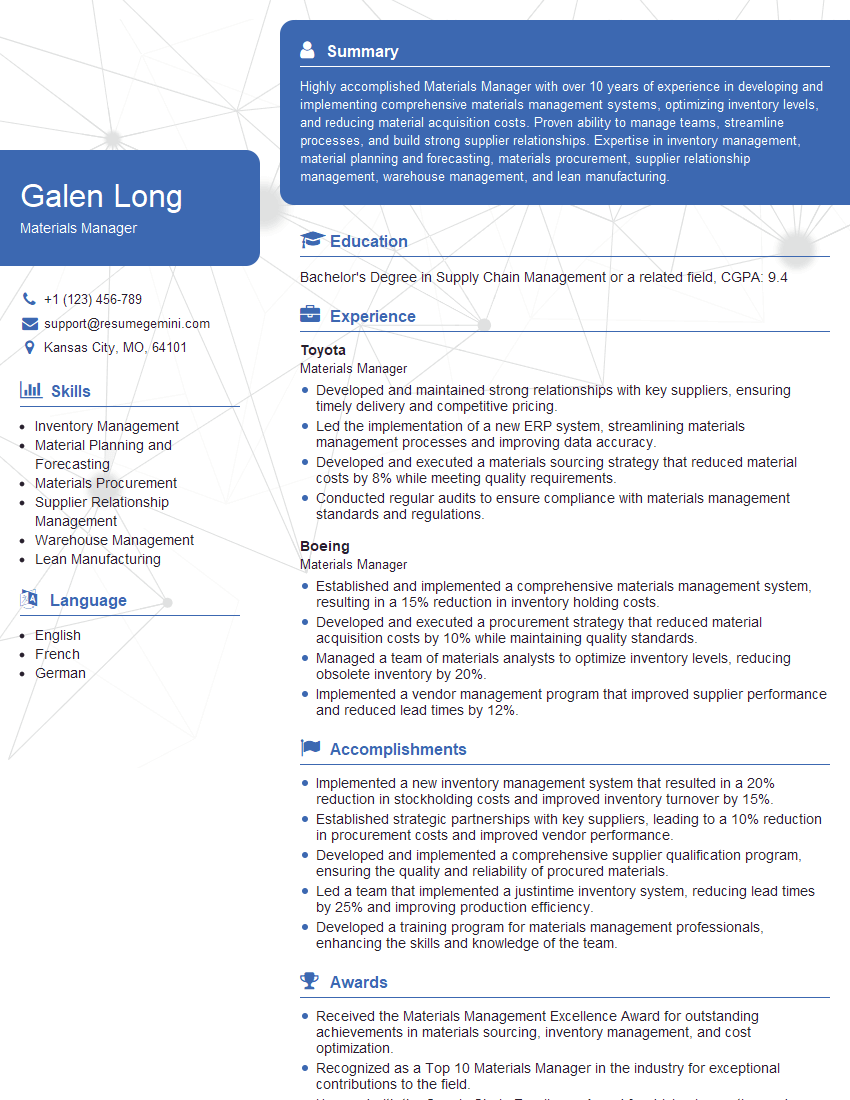
Materials Manager Resume Sample
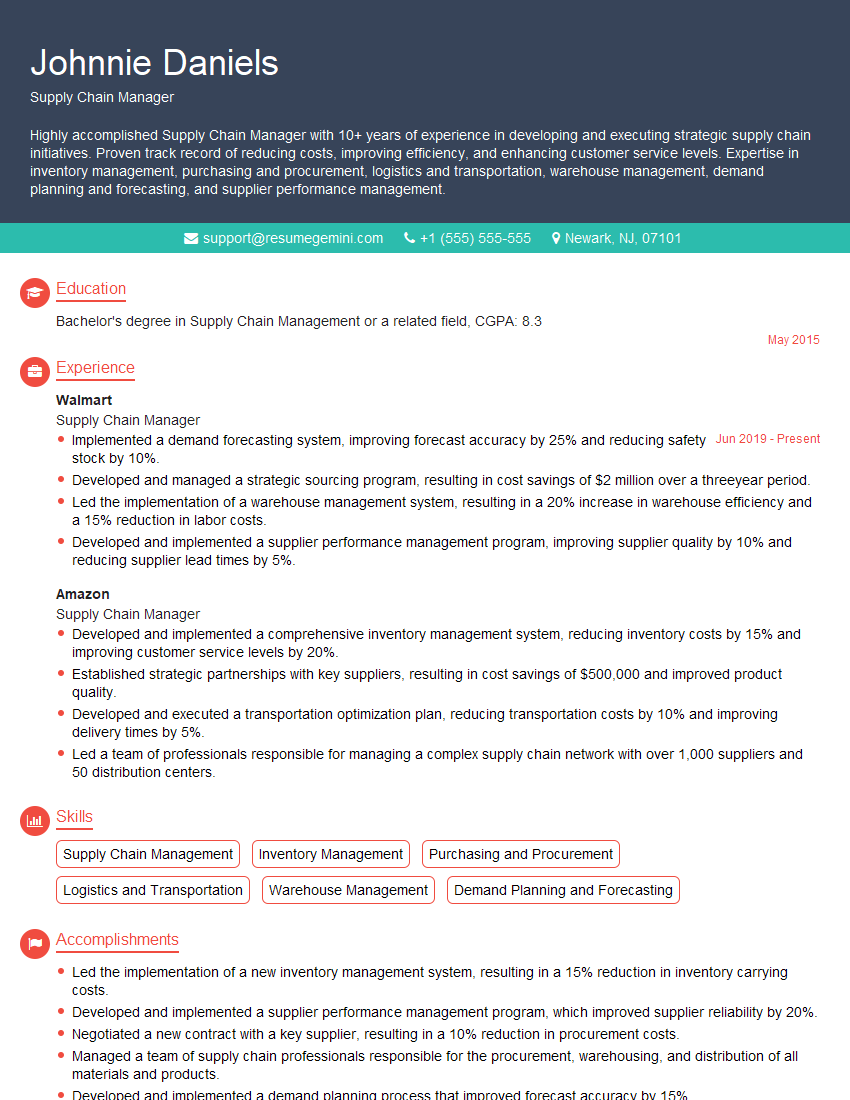
Supply Chain Manager Resume Sample
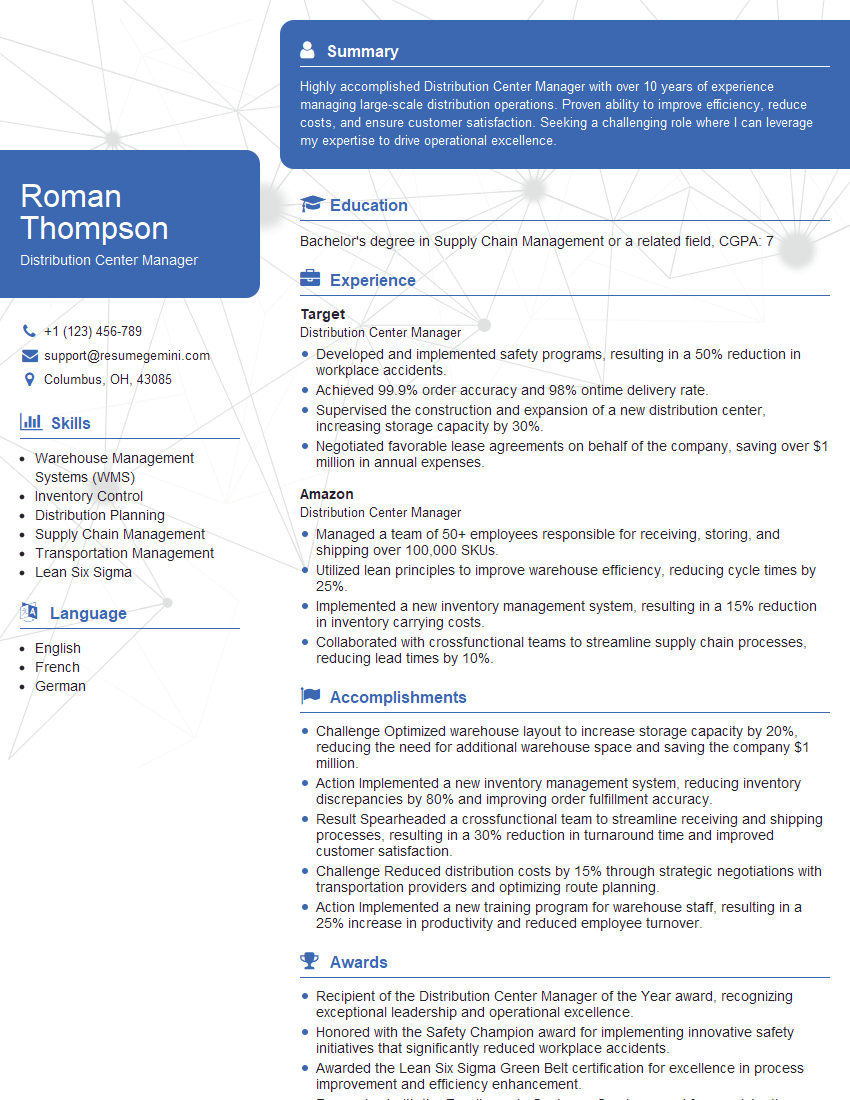
Distribution Center Manager Resume Sample
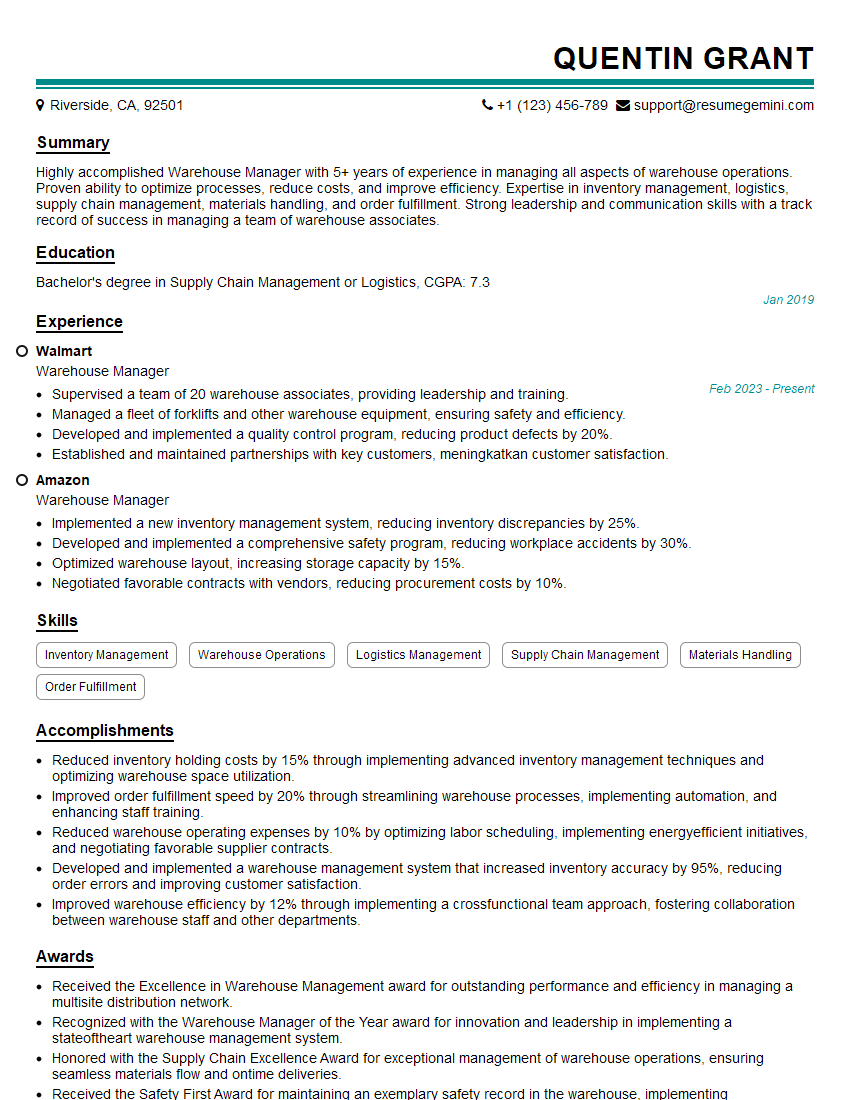
Warehouse Manager Resume Sample
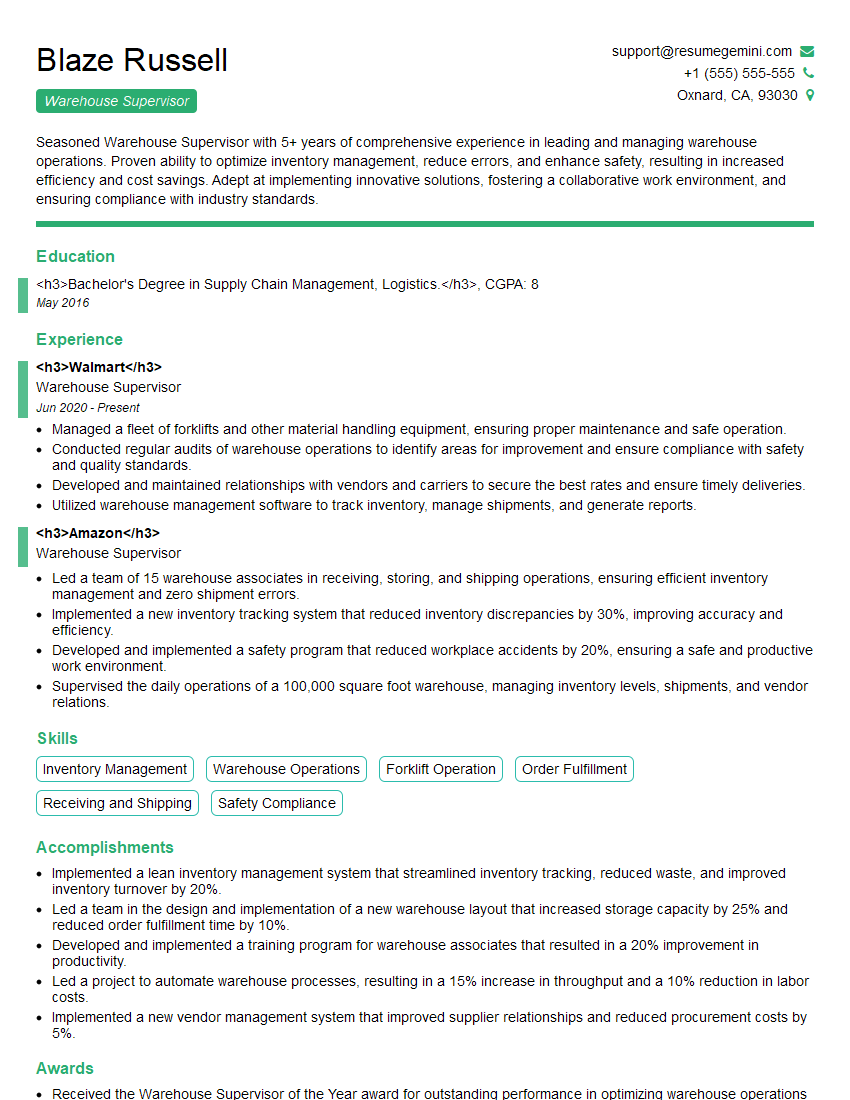
Warehouse Supervisor Resume Sample
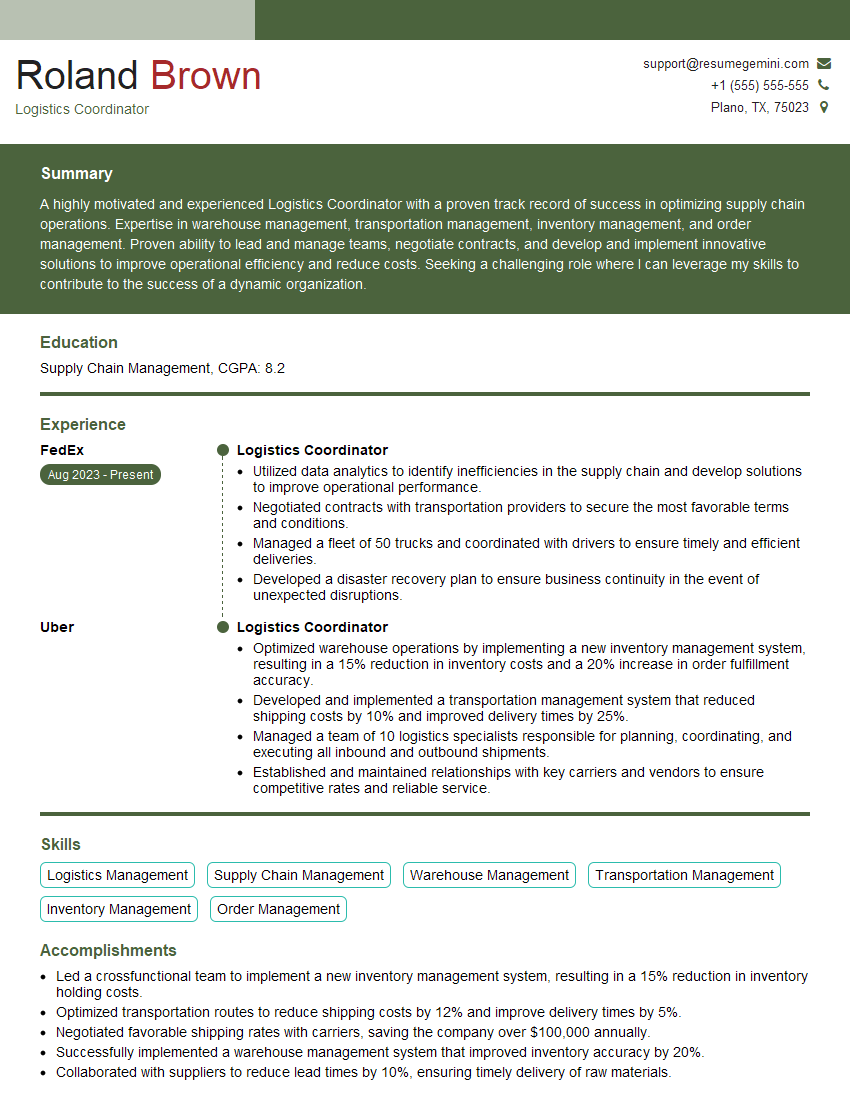
Logistics Coordinator Resume Sample
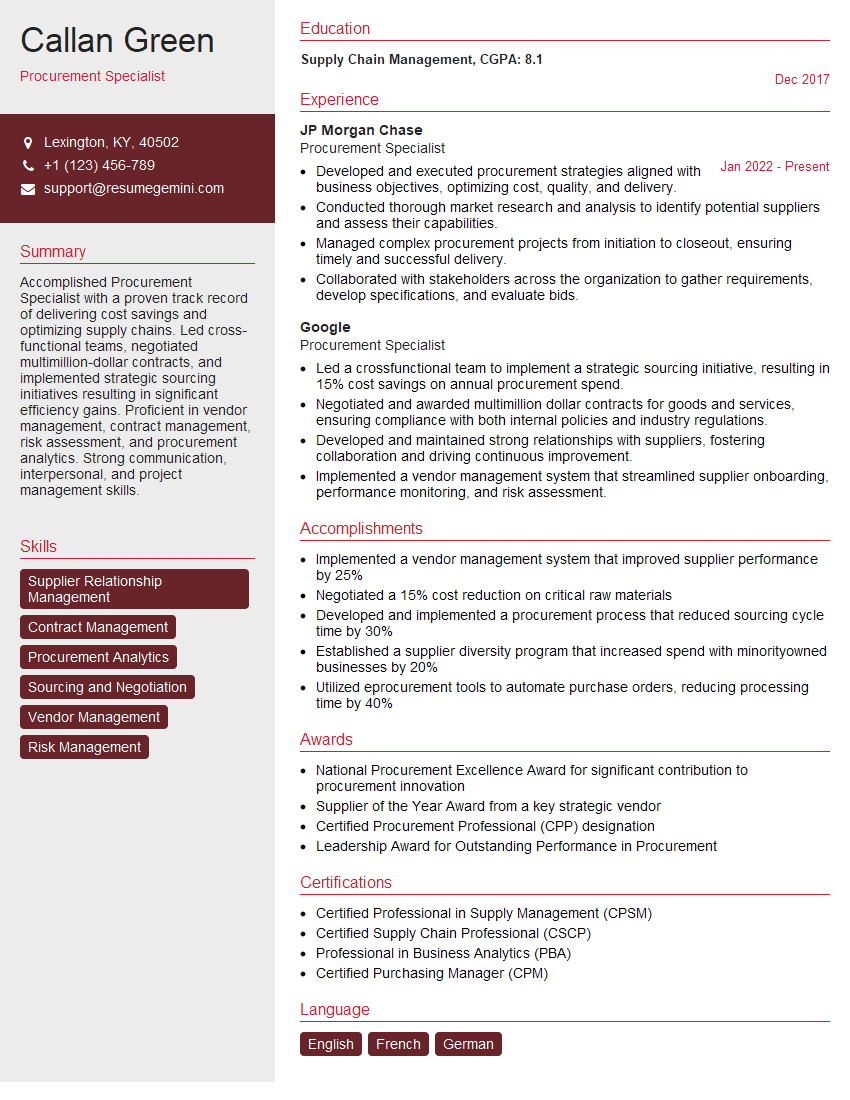
Procurement Specialist Resume Sample
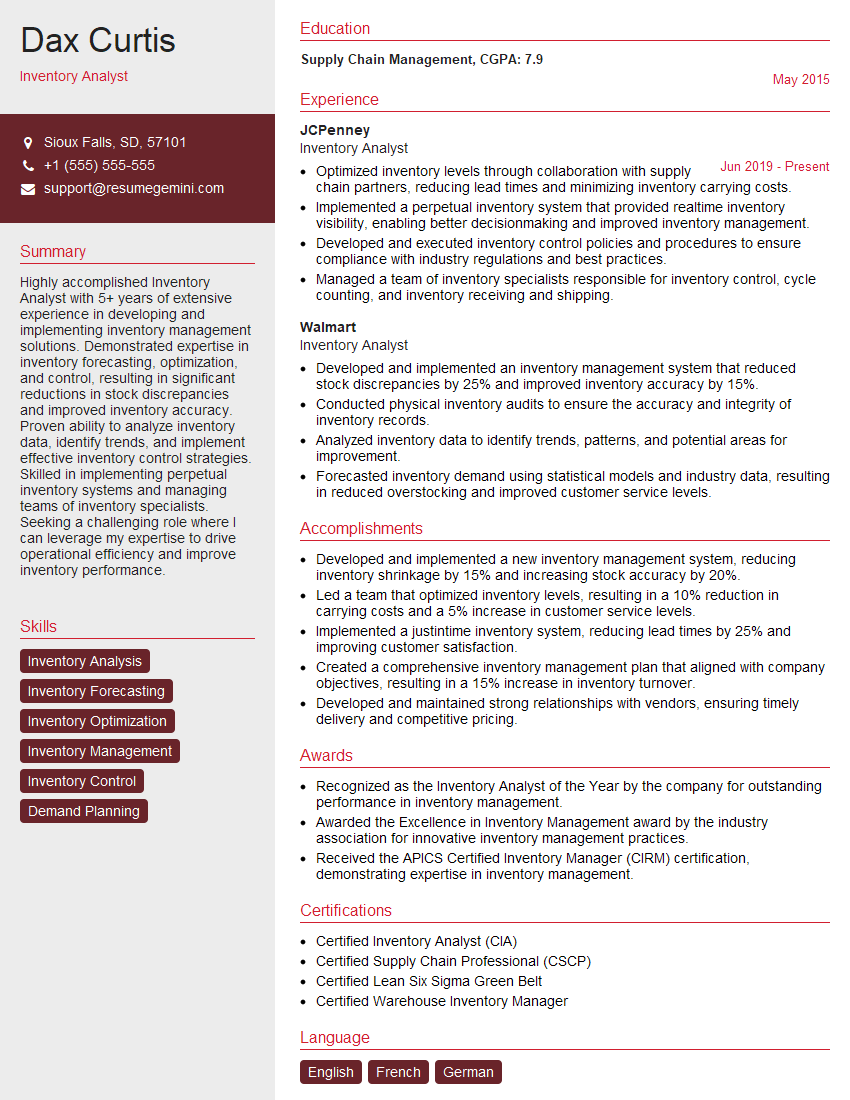
Inventory Analyst Resume Sample
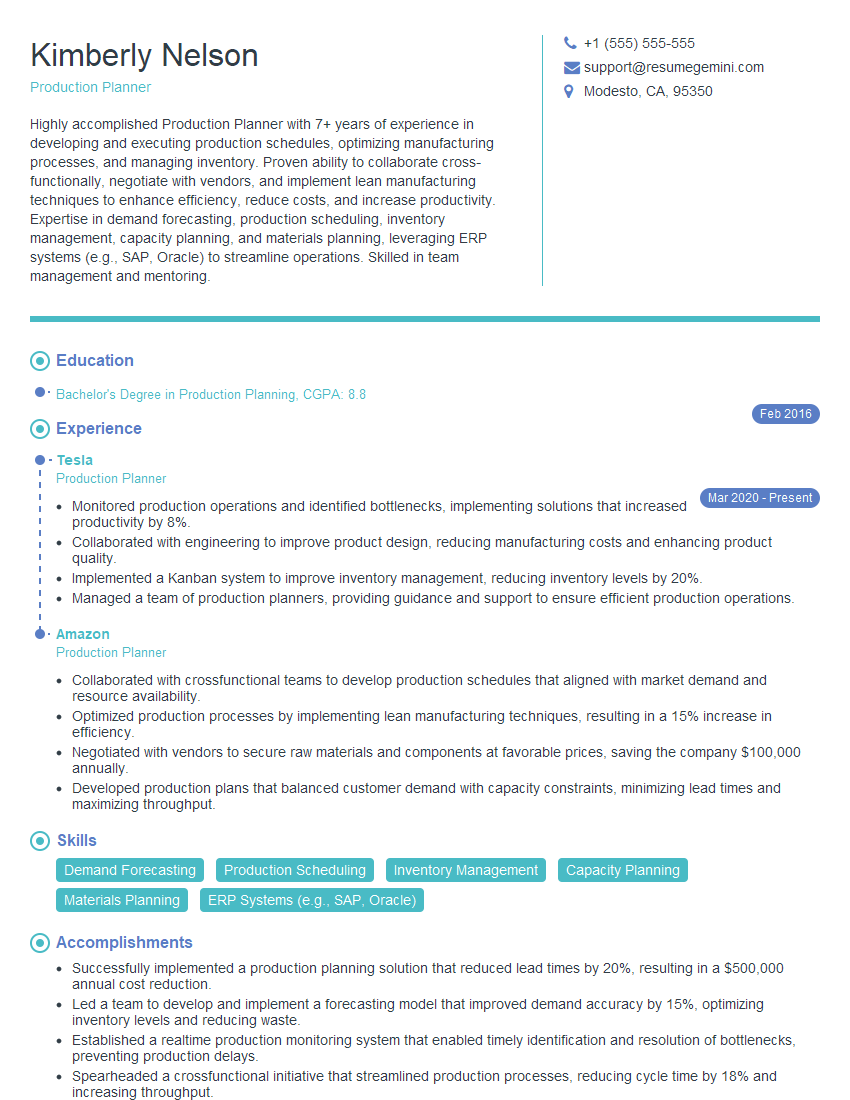
Production Planner Resume Sample

Inventory Manager Resume Sample
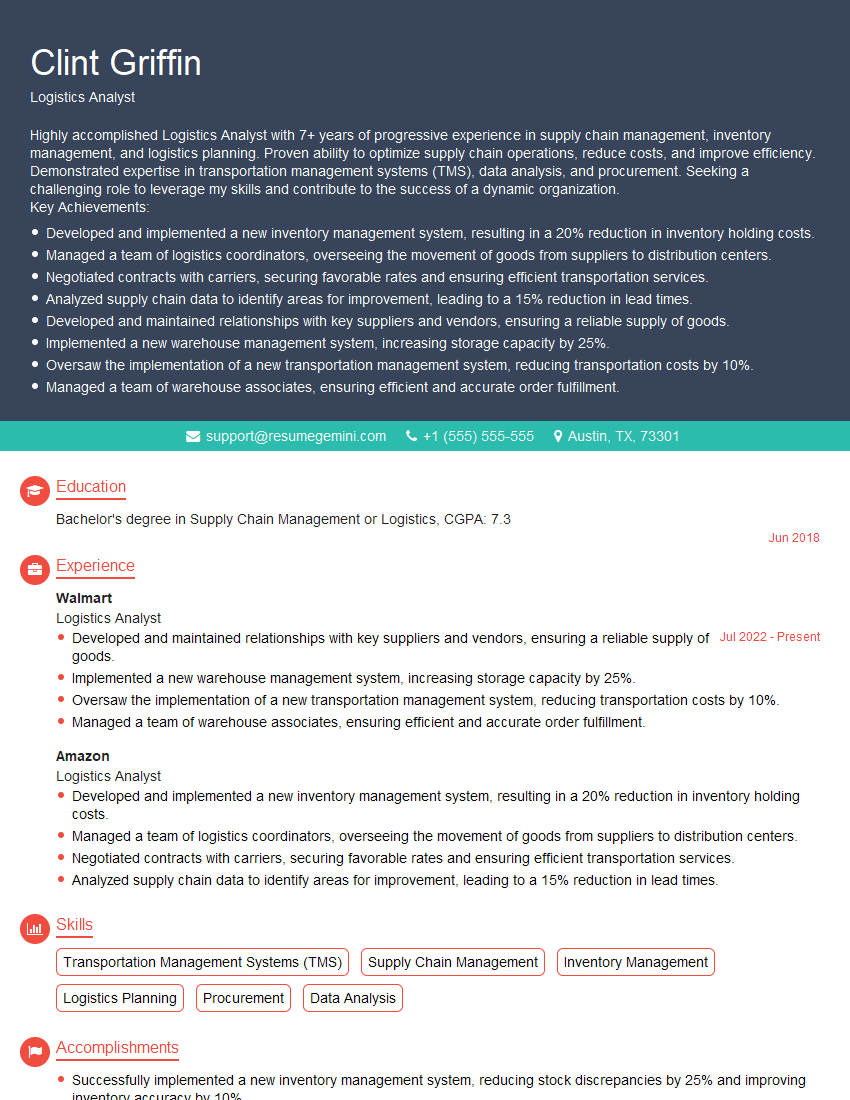
Logistics Analyst Resume Sample
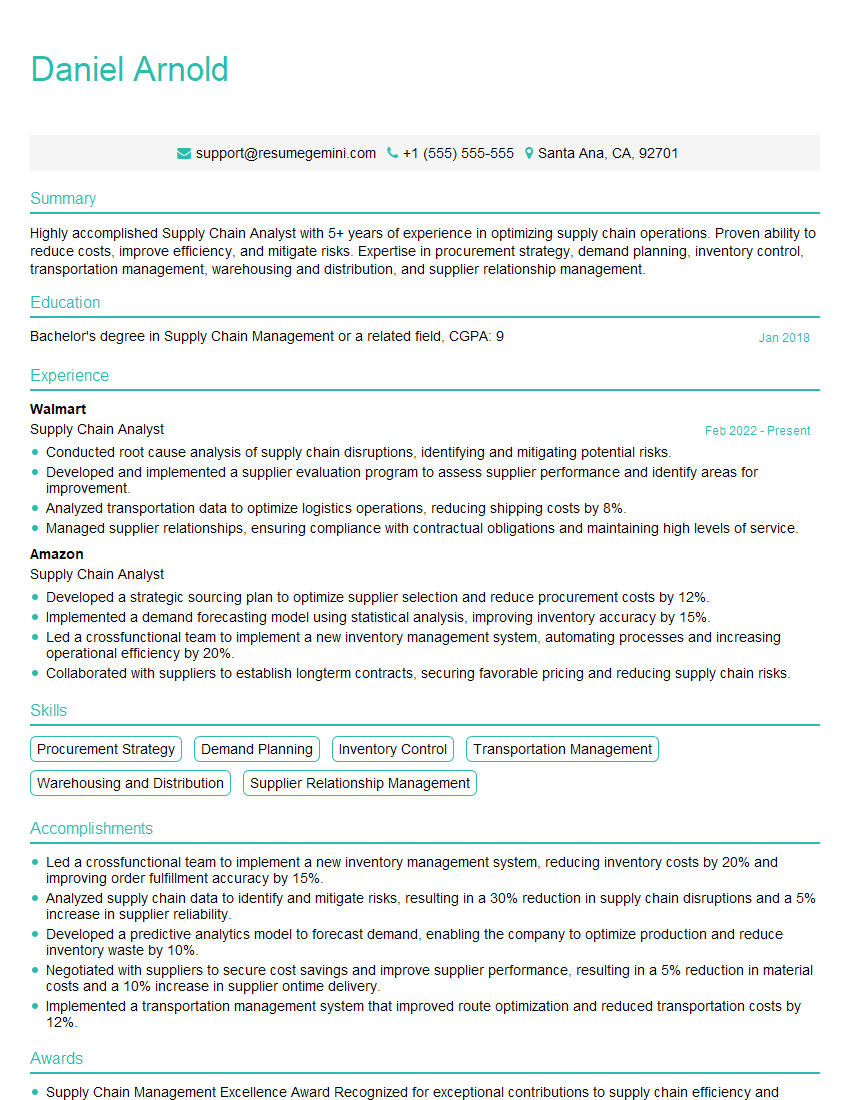
Supply Chain Analyst Resume Sample
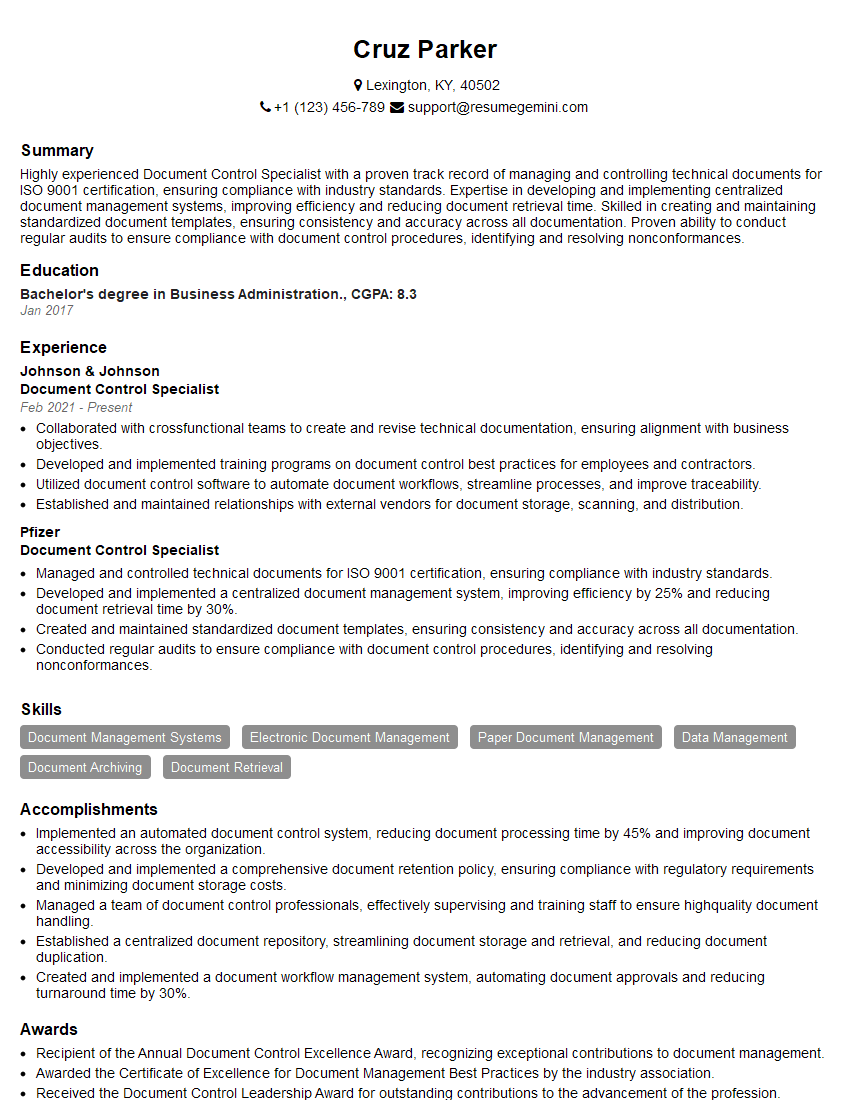
Document Control Specialist Resume Sample
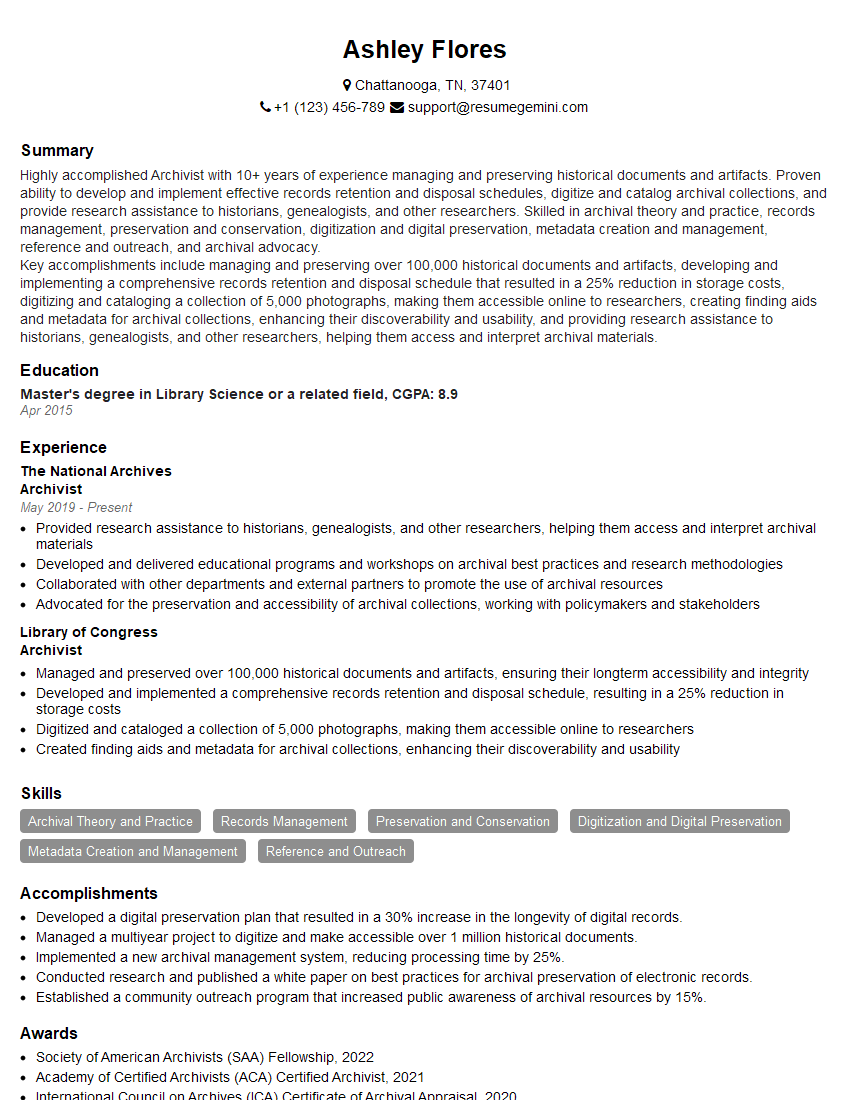
Archivist Resume Sample
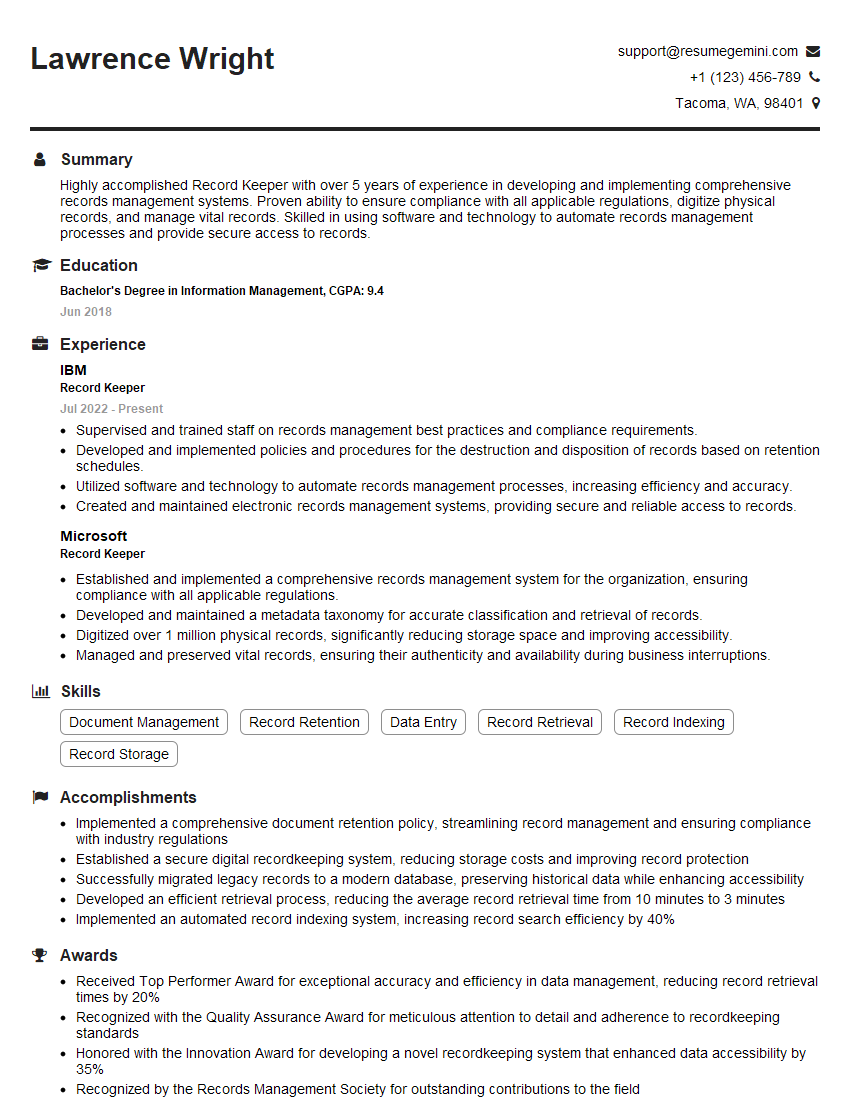
Record Keeper Resume Sample
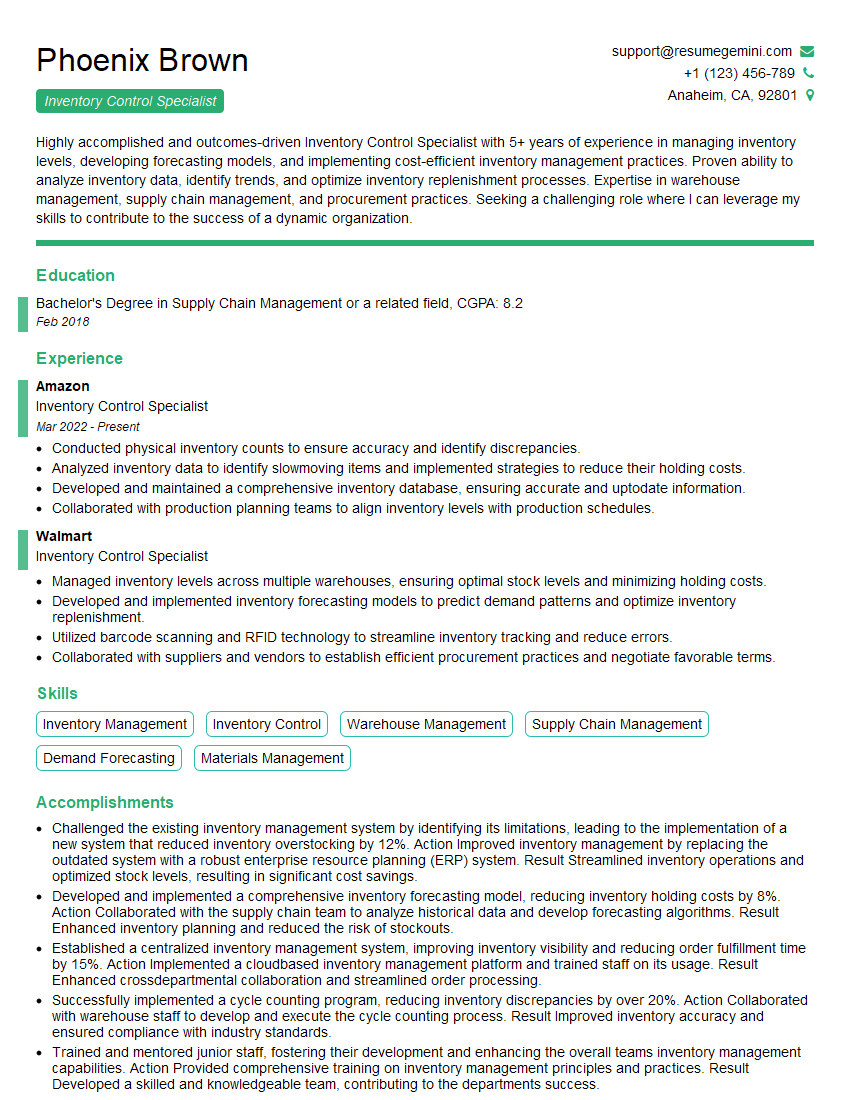
Inventory Control Specialist Resume Sample
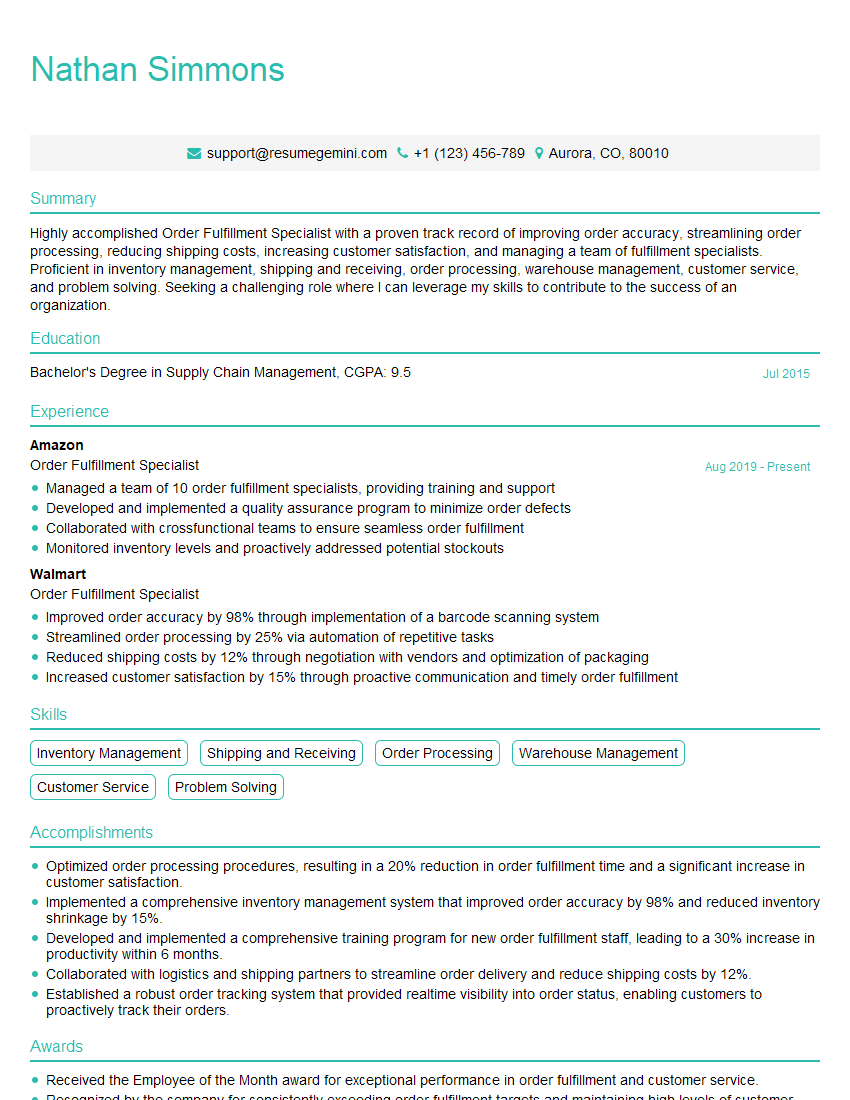
Order Fulfillment Specialist Resume Sample
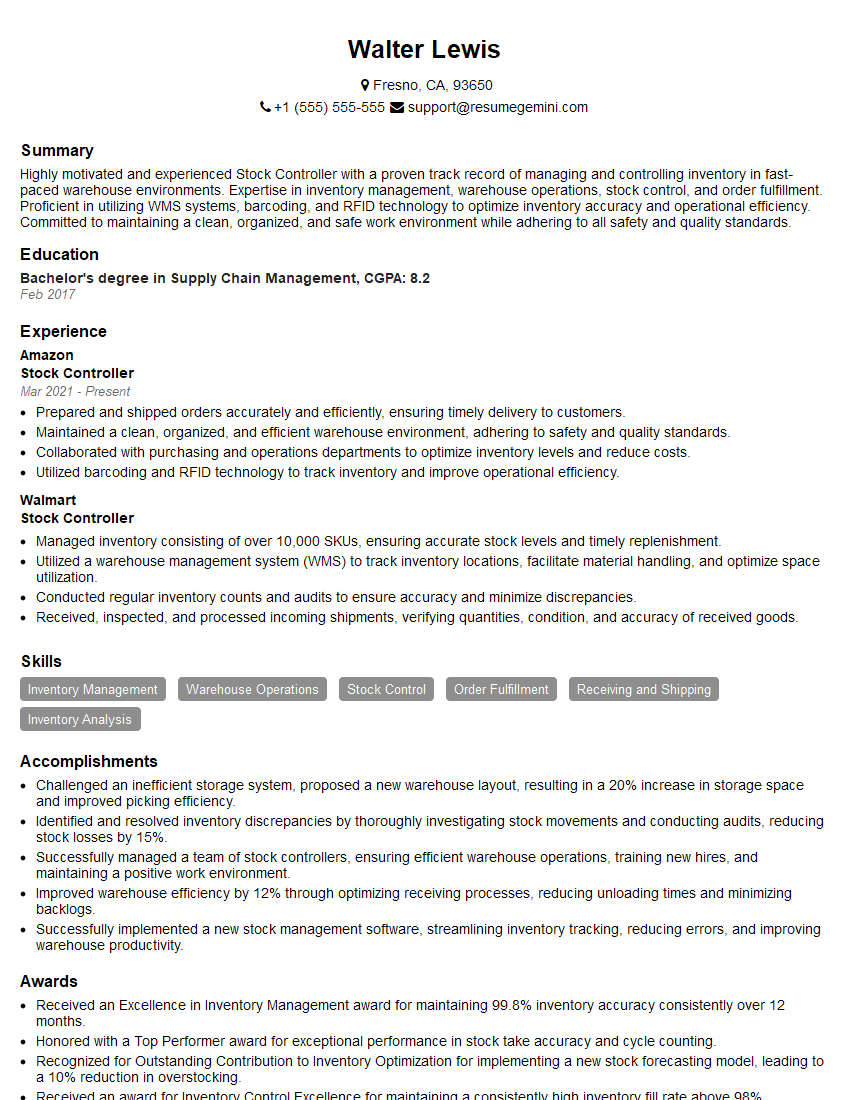
Stock Controller Resume Sample
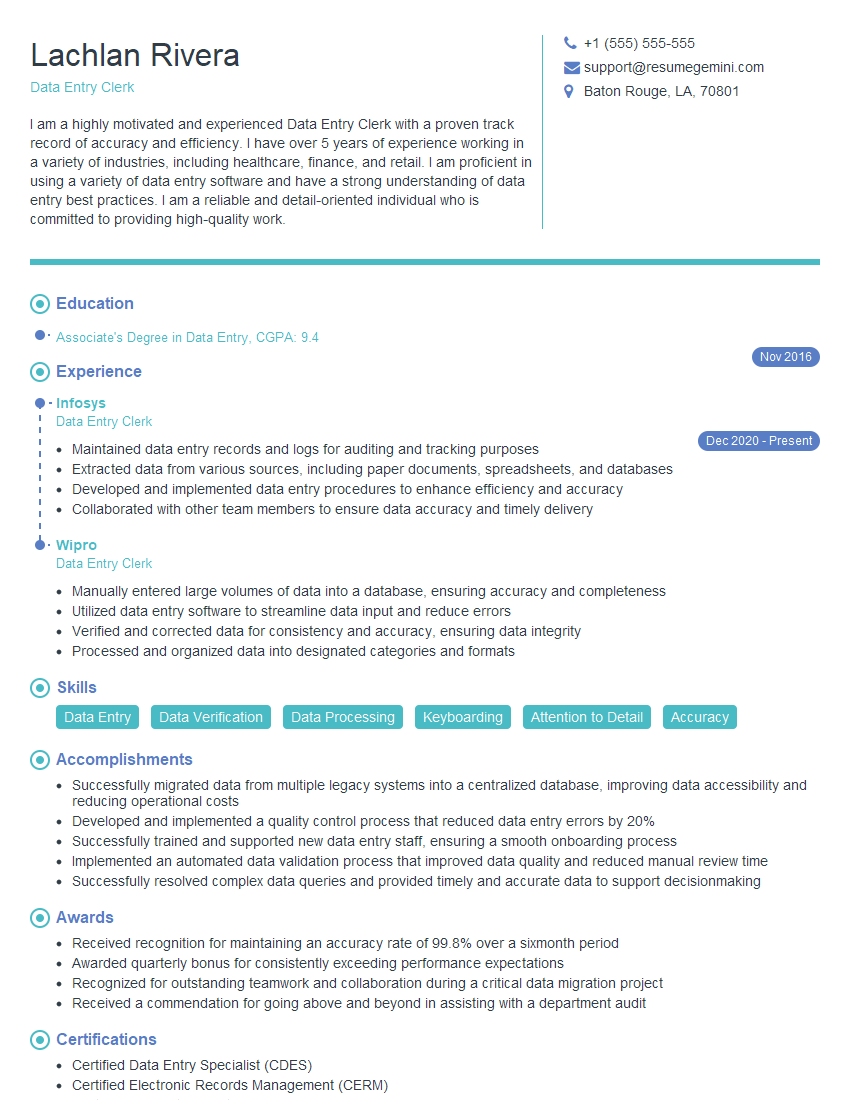
Data Entry Clerk Resume Sample
- Materials Manager
- Supply Chain Manager
- Distribution Center Manager
- Warehouse Manager
- Warehouse Supervisor
- Logistics Coordinator
- Procurement Specialist
- Inventory Analyst
- Production Planner
- Inventory Manager
- Logistics Analyst
- Supply Chain Analyst
- Document Control Specialist
- Archivist
- Record Keeper
- Inventory Control Specialist
- Order Fulfillment Specialist
- Stock Controller
- Data Entry Clerk
Explore more articles
Users Rating of Our Blogs
Share Your Experience
We value your feedback! Please rate our content and share your thoughts (optional).
What Readers Say About Our Blog
Very informative content, great job.
good