Cracking a skill-specific interview, like one for SAM, requires understanding the nuances of the role. In this blog, we present the questions you’re most likely to encounter, along with insights into how to answer them effectively. Let’s ensure you’re ready to make a strong impression.
Questions Asked in SAM Interview
Q 1. Explain the difference between SAM and ITAM.
While both SAM (Software Asset Management) and ITAM (IT Asset Management) aim to optimize the use of IT resources, they differ in scope. ITAM is the broader discipline encompassing the management of all IT assets – hardware, software, and services. SAM, on the other hand, is a subset of ITAM focusing specifically on software assets. Think of ITAM as the overarching strategy, and SAM as a crucial component within it. ITAM might track the lifecycle of servers, printers, and network devices, whereas SAM focuses on tracking software licenses, ensuring compliance, and optimizing software usage.
For example, an ITAM team might be responsible for tracking the warranty status of laptops, while the SAM team would be concerned with managing the licenses for the Microsoft Office suite installed on those laptops.
Q 2. Describe the SAM maturity model and its stages.
The SAM maturity model helps organizations assess their current SAM capabilities and identify areas for improvement. It typically progresses through several stages, though the exact names and number of stages vary depending on the framework used. A common representation includes:
- Reactive: In this initial stage, software license management is largely reactive. Compliance is often addressed only after a software audit or a significant compliance issue. There’s little to no proactive planning or monitoring.
- Defined: This stage involves establishing basic processes and procedures for software license management. There’s a designated individual or team responsible for SAM, and basic inventory and license tracking are implemented.
- Managed: At this stage, processes are documented and standardized. Regular reporting and analysis are conducted to identify potential risks and areas for improvement. Automation tools might be introduced to streamline tasks.
- Proactive: The organization anticipates and mitigates software license risks. Advanced analytics are used to optimize software usage and reduce unnecessary spending. Strong governance and compliance frameworks are in place.
- Optimizing: This represents the highest level of maturity. SAM is integrated seamlessly into the overall business strategy. Continuous improvement is emphasized, and the team uses advanced technologies and analytics to maximize the value of software investments.
Imagine a small business starting with a reactive approach, gradually evolving towards proactive management as it grows and understands the importance of optimizing software costs and avoiding legal risks.
Q 3. What are the key components of a successful SAM program?
A successful SAM program hinges on several key components:
- Inventory Management: Accurately identifying all software installed across the organization. This often involves using a combination of automated discovery tools and manual data collection.
- License Management: Tracking and reconciling software licenses with actual software usage. This involves understanding different license models (per-user, per-core, etc.).
- Contract Management: Centralizing and managing all software contracts and agreements to ensure compliance and optimize renewal terms.
- Policy and Procedure Development: Establishing clear guidelines for software acquisition, installation, and usage, ensuring compliance with licensing agreements.
- Reporting and Analytics: Regularly generating reports on software usage, license compliance, and cost savings to track progress and identify opportunities for improvement.
- Automation: Utilizing software tools to automate tasks like inventory scans, license reconciliation, and reporting.
- Dedicated Team: Having a dedicated team or individuals responsible for managing the SAM program is essential for its success.
A strong SAM program isn’t just about compliance; it’s about strategically managing software assets to maximize their value and minimize costs.
Q 4. How do you identify and mitigate software license risks?
Identifying and mitigating software license risks requires a multi-faceted approach:
- Regular Software Inventory Scans: Conduct automated scans to identify all installed software and compare it against licensed software. Discrepancies indicate potential risks.
- License Compliance Reviews: Regularly review licensing agreements to ensure compliance with terms and conditions. This includes understanding different license metrics (per-user, per-core, per-device).
- Vendor Communication: Maintain open communication with software vendors to clarify licensing terms and address any ambiguities.
- Software Usage Analysis: Analyze software usage patterns to identify underutilized or unnecessary software. This helps optimize licensing and reduce costs.
- Employee Training: Train employees on proper software usage and licensing policies to prevent accidental non-compliance.
- Implementation of SAM Tools: Use software asset management tools to automate inventory and license management, facilitating early detection of compliance issues.
For example, a regular scan might reveal that more instances of a particular application are running than licensed, indicating a potential risk of audit findings. Addressing this proactively minimizes the financial and reputational impact of a software audit.
Q 5. What are the different types of software licenses?
Software licenses come in various forms, each with its own terms and conditions. Some common types include:
- Perpetual Licenses: These grant the right to use the software indefinitely, typically with a one-time payment. However, maintenance and support contracts might be separate.
- Subscription Licenses: These licenses provide access to the software for a specific period, typically with recurring payments. They often include automatic updates and support.
- Concurrent Licenses: These allow a specific number of users to access the software simultaneously, regardless of the number of devices used.
- Per-Core Licenses: These licenses are priced based on the number of processor cores used by the software.
- Per-User Licenses: These licenses are priced per user who accesses the software, regardless of the number of devices they use.
- Volume Licensing Agreements: These agreements provide discounted pricing for organizations purchasing large quantities of software licenses.
Understanding the nuances of each license type is crucial for effective SAM. Using the wrong type of license can result in costly non-compliance issues.
Q 6. Explain the concept of true-up and how it’s performed.
A ‘true-up’ is a reconciliation process performed to ensure compliance with software licensing agreements. It typically occurs periodically (e.g., annually) and involves comparing the number of licenses purchased with the actual number of users or devices using the software. If the actual usage exceeds the number of licenses purchased, the organization needs to ‘true-up’ by purchasing additional licenses to avoid non-compliance.
The true-up process often involves:
- Collecting Usage Data: Gathering accurate data on software usage across the organization.
- Reconciling Usage with Licenses: Comparing usage data with the purchased licenses.
- Identifying Shortfalls: Identifying any discrepancies between usage and licenses.
- Purchasing Additional Licenses: Purchasing additional licenses to cover any shortfalls.
- Updating License Records: Updating license records to reflect the newly purchased licenses.
Imagine an organization with 100 licenses for a software but actual usage data indicates 120 users. The true-up would involve purchasing 20 additional licenses to meet compliance requirements.
Q 7. How do you handle software license audits?
Handling software license audits requires a proactive and well-organized approach:
- Preparation is Key: Before the audit begins, gather all relevant documentation including software inventory, license agreements, purchase orders, and usage reports. Maintain accurate records throughout the year to avoid scrambling during the audit.
- Collaboration with Auditors: Cooperate fully with the auditors and provide all the requested information in a timely manner. This fosters a more positive audit experience.
- Identify Discrepancies and Address Them Proactively: If discrepancies are identified, work with the auditors to understand the issues and develop a plan to address them. This demonstrates a commitment to compliance.
- Negotiation: In some cases, it’s possible to negotiate a settlement with the vendor to reduce the financial impact of any non-compliance findings.
- Post-Audit Review: After the audit, review the findings and implement corrective actions to prevent similar issues in the future.
A well-prepared organization can often minimize the financial and reputational impact of a software audit. Proactive SAM practices are essential to minimizing audit risks.
Q 8. Describe your experience with SAM tools and technologies.
My experience with SAM tools and technologies spans over eight years, encompassing various roles from SAM Analyst to Manager. I’ve worked extensively with leading SAM tools like Flexera One, Snow License Manager, and ServiceNow. My experience isn’t limited to simply using these tools; I deeply understand their underlying functionalities, including discovery, reconciliation, and reporting. I’ve implemented and managed these tools in diverse enterprise environments, including cloud and on-premises deployments. For example, in my previous role, I successfully implemented Flexera One, integrating it with our existing IT infrastructure to automate license discovery and reduce manual effort by over 60%. This involved extensive data mapping, user training, and ongoing performance monitoring. I’m also proficient in scripting languages like PowerShell to automate tasks and create custom reports tailored to specific business needs.
Beyond the tools, I possess a thorough understanding of different software licensing models (perpetual, subscription, cloud-based), metering techniques, and contract negotiation strategies. I am also familiar with industry best practices and compliance regulations, ensuring consistent adherence to licensing agreements.
Q 9. What metrics do you use to measure the success of a SAM program?
Measuring the success of a SAM program requires a multi-faceted approach, focusing on both financial and compliance aspects. Key metrics I utilize include:
- Cost Savings: This measures the reduction in software expenditure achieved through effective license optimization and negotiation. For example, identifying and eliminating redundant licenses or negotiating better pricing with vendors.
- License Compliance Rate: This is a critical metric, indicating the percentage of software deployments that are fully compliant with licensing agreements. A high compliance rate minimizes the risk of audits and associated penalties.
- Return on Investment (ROI): This metric quantifies the financial benefits of the SAM program relative to its costs. This includes factors like cost savings, reduced audit risk, and improved efficiency.
- Reduction in Software Asset Risk: This measures the decrease in risks associated with unlicensed software, such as security vulnerabilities, legal non-compliance, and financial penalties.
- Improved Software Asset Visibility: This metric reflects the improved understanding and control over the organization’s software assets. This often involves tracking software usage patterns and identifying underutilized or obsolete software.
I regularly track these metrics using dashboards and reporting functionalities within our SAM tools, providing regular updates to stakeholders on the program’s performance and progress. These reports are crucial for demonstrating the value and impact of the SAM program to senior management.
Q 10. How do you manage software license compliance across different departments?
Managing software license compliance across different departments requires a structured and collaborative approach. I typically employ a centralized SAM model, establishing clear policies and procedures that apply uniformly across the organization. This involves:
- Centralized Inventory: Utilizing SAM tools to create a single, accurate inventory of all software assets across all departments, eliminating data silos.
- Departmental Liaison: Assigning dedicated personnel in each department as SAM contacts. They act as the primary point of contact for license requests, reporting, and compliance issues.
- Regular Audits and Reporting: Conducting periodic audits of software usage in each department to identify compliance gaps. Regular reporting to departmental heads allows for proactive issue resolution.
- Standardized Procurement Processes: Implementing a standardized process for software acquisition, ensuring all purchases adhere to licensing requirements and are tracked properly within the SAM system.
- Training and Awareness: Providing regular training to employees on software license compliance policies and procedures.
Communication is key. I establish regular communication channels with departmental leads to discuss challenges, share best practices, and ensure alignment with organizational goals. For example, I might organize quarterly meetings with department heads to review compliance reports and discuss any emerging issues.
Q 11. What is your experience with different licensing models (e.g., perpetual, subscription)?
My experience with different licensing models is extensive. I’m well-versed in the nuances of perpetual, subscription, and cloud-based licensing.
- Perpetual Licenses: I understand the complexities of managing perpetual licenses, including understanding the scope of the license, ensuring proper deployment tracking and managing upgrades/maintenance contracts.
- Subscription Licenses: I’m adept at tracking subscription renewal dates, managing user assignments, and ensuring compliance with usage terms. Managing subscription licenses often involves careful tracking of user licenses and managing automated renewal processes.
- Cloud-Based Licenses: I possess experience in managing cloud-based licenses, including understanding consumption models (pay-as-you-go, tiered subscriptions), and monitoring usage to optimize costs and ensure compliance. This includes understanding the differences between various cloud service providers (CSPs) licensing models.
Understanding the implications of each licensing model is crucial for cost optimization and compliance. I’ve successfully negotiated license agreements that leverage the most cost-effective options for the organization while ensuring full compliance. For example, I once negotiated a significant discount on a perpetual license by consolidating several smaller licenses.
Q 12. Explain your process for identifying and remediating unlicensed software.
My process for identifying and remediating unlicensed software begins with proactive measures, followed by a structured remediation plan.
- Discovery: Utilizing automated discovery tools within our SAM system to scan endpoints for installed software. This often involves using agent-based and agentless discovery methods.
- Inventory Reconciliation: Comparing the discovered software inventory against our licensed software inventory to identify discrepancies. This helps pinpoint unlicensed software installations.
- Risk Assessment: Assessing the risk associated with each identified unlicensed software based on factors like business criticality, security vulnerabilities, and potential legal liabilities.
- Remediation Planning: Developing a remediation plan based on the risk assessment. This may involve purchasing licenses for critical software, uninstalling low-risk applications, or negotiating better terms with vendors.
- Implementation and Monitoring: Implementing the remediation plan, which may involve purchasing licenses, uninstalling software, or implementing usage restrictions. Ongoing monitoring ensures that unlicensed software doesn’t reappear.
Throughout this process, I maintain detailed documentation and reporting, providing regular updates to stakeholders on the progress and effectiveness of our remediation efforts. This methodical approach minimizes risk and ensures ongoing software license compliance.
Q 13. How do you handle software license reconciliation?
Software license reconciliation is a crucial process to ensure compliance and accuracy. My approach involves a continuous reconciliation process, not just a periodic exercise. It integrates with the discovery and remediation processes.
- Data Collection: Gathering license information from various sources—purchase orders, vendor agreements, and SAM tools.
- Data Cleaning and Standardization: Cleaning and standardizing the collected data to ensure consistency and accuracy. This includes dealing with variations in naming conventions and data formats.
- Matching and Reconciliation: Matching the collected license data with the software inventory data to identify discrepancies. This might involve using automated matching algorithms and manual review to resolve conflicts.
- Reporting and Analysis: Generating reports that highlight discrepancies, including unlicensed software, underutilized licenses, and expiring contracts. This allows for data-driven decision-making.
- Continuous Monitoring: Regularly repeating the reconciliation process to ensure that the software asset inventory is up-to-date and aligned with our licensing agreements.
I often use tools that can automate parts of this process, but a manual review is often necessary to ensure accuracy and handle exceptions. Regular reconciliation minimizes the risk of license compliance issues and informs strategic licensing decisions.
Q 14. How do you prioritize SAM initiatives based on risk and business value?
Prioritizing SAM initiatives requires a balanced approach, considering both risk and business value. I use a risk-based prioritization framework, integrating financial considerations to determine which initiatives to undertake first.
- Risk Assessment: Evaluating the potential risks associated with each SAM initiative, including the risk of non-compliance, security vulnerabilities, and financial penalties. This involves assessing the likelihood and impact of each risk.
- Business Value Assessment: Determining the potential benefits of each SAM initiative, including cost savings, improved efficiency, and reduced risk. This involves quantifying the potential return on investment (ROI).
- Prioritization Matrix: Creating a prioritization matrix that plots each initiative based on its risk and business value. Initiatives with high risk and high business value are prioritized first.
- Resource Allocation: Allocating resources (time, budget, personnel) to the prioritized initiatives. This ensures that the most critical and impactful initiatives are addressed first.
- Regular Review: Regularly reviewing the prioritization matrix and adjusting it as needed based on changes in risk profile or business priorities.
This framework ensures that our SAM efforts focus on the most critical areas, maximizing both risk reduction and value creation. For instance, addressing critical vulnerabilities in unlicensed software would be prioritized over optimizing licenses for less-critical applications.
Q 15. What is your experience with contract negotiation for software licenses?
Contract negotiation for software licenses requires a deep understanding of licensing models, pricing structures, and legal terms. My experience involves meticulously reviewing contracts to identify potential risks and opportunities. This includes analyzing license terms like the number of users, devices, or servers allowed, understanding maintenance and support clauses, and negotiating favorable pricing and terms. For example, in one instance, I successfully negotiated a significant discount on a large enterprise license agreement by leveraging our company’s volume purchasing power and negotiating a multi-year contract. Another instance involved clarifying ambiguous clauses related to software upgrades and ensuring the contract protected us from unexpected costs. I always strive for clear, concise language, ensuring full transparency and mitigating future disputes.
Career Expert Tips:
- Ace those interviews! Prepare effectively by reviewing the Top 50 Most Common Interview Questions on ResumeGemini.
- Navigate your job search with confidence! Explore a wide range of Career Tips on ResumeGemini. Learn about common challenges and recommendations to overcome them.
- Craft the perfect resume! Master the Art of Resume Writing with ResumeGemini’s guide. Showcase your unique qualifications and achievements effectively.
- Don’t miss out on holiday savings! Build your dream resume with ResumeGemini’s ATS optimized templates.
Q 16. How do you integrate SAM with other IT processes (e.g., procurement, IT service management)?
Integrating SAM with other IT processes is crucial for efficiency and accuracy. A well-integrated SAM program seamlessly interacts with procurement, IT service management (ITSM), and other relevant departments. For procurement, this means ensuring that software purchases align with existing licenses and avoiding duplicate purchases. With ITSM, it involves accurate software asset data feeding into service catalogs and incident management systems to improve problem resolution. For example, our SAM system automatically feeds software license data into our procurement system, preventing accidental overspending on duplicate software licenses. Similarly, our ITSM platform accesses our SAM database to identify the correct software versions and licenses during incident troubleshooting, significantly reducing resolution time. A well-defined workflow, often involving automated data transfer, is essential for effective integration.
Q 17. Describe your experience with reporting and dashboarding in SAM.
Reporting and dashboarding are essential for providing stakeholders with a clear overview of the software asset landscape and the effectiveness of the SAM program. My experience includes creating customized reports and dashboards showing key metrics such as license compliance rates, software usage trends, cost savings, and potential risks. These reports utilize different visualization techniques, such as charts, graphs, and tables, to present data in an easily understandable and actionable format. For example, I developed a dashboard that shows license utilization against allocated licenses, highlighting areas of potential overspending or under-utilization. Another report details the cost of software, broken down by department and application, allowing for better budget planning and resource allocation. I also use data-driven insights to improve efficiency and compliance in the SAM program.
Q 18. How do you communicate SAM findings and recommendations to stakeholders?
Communicating SAM findings and recommendations requires tailoring the message to the audience. For executive stakeholders, I focus on high-level summaries highlighting cost savings and risk mitigation. For IT managers, I provide detailed reports with actionable insights. I typically use a combination of visual aids, such as dashboards and presentations, as well as written reports that explain the data in a clear and concise manner. For example, to communicate the potential cost savings from license optimization, I presented a visual comparison of current spending versus projected spending after optimization. For technical teams, I use more technical reports highlighting specific compliance issues and recommendations for remediation. Active listening and addressing concerns are crucial for building trust and fostering collaboration.
Q 19. What are some common challenges in SAM implementation, and how have you overcome them?
Common challenges in SAM implementation include data inaccuracy, resistance to change, lack of automation, and keeping up with evolving software licensing models. To overcome these, I use a phased approach starting with data cleanup and standardization. I address resistance to change through strong stakeholder engagement and demonstrating the value of SAM. Automation is implemented using SAM tools to streamline data collection and reporting. To stay current with licensing changes, I maintain a close watch on industry news and trends. For example, one challenging project involved resolving discrepancies in license inventory data. We resolved this by implementing a standardized inventory process and regularly reconciling data with vendor information. Successfully tackling these challenges requires a combination of technical expertise, strong communication skills, and a data-driven approach.
Q 20. What is your experience with cloud-based software licensing?
Cloud-based software licensing presents unique challenges and opportunities. My experience includes managing licenses for SaaS, PaaS, and IaaS offerings. Understanding different cloud licensing models, like subscription-based models and consumption-based models, is crucial. It’s also important to track usage and ensure compliance with cloud vendor terms of service. For example, I worked on a project migrating our company’s on-premise applications to a cloud-based environment. This required a thorough review of existing on-premise licenses and careful planning to ensure compliant migration to cloud-based alternatives and avoiding license overspending. This includes a comprehensive understanding of cloud-specific licensing terms such as committed use discounts, pay-as-you-go models, and the impact of various service tiers on licensing costs.
Q 21. How do you ensure data accuracy in your SAM processes?
Ensuring data accuracy is paramount in SAM. My approach involves a multi-pronged strategy. First, establishing standardized data collection methods and regular data cleansing. Second, automated data collection from various sources, such as software inventory tools and vendor portals. Third, performing regular reconciliation of data with vendor records to validate accuracy. Fourth, establishing a feedback loop with IT teams to identify and correct inconsistencies. For instance, to ensure data accuracy in one project, we implemented automated software discovery tools to collect data directly from end-user systems, reducing manual data entry errors. We also introduced a regular data reconciliation process to ensure our inventory aligned with vendor license information, ultimately leading to improved accuracy and reduced license compliance risks.
Q 22. How do you manage changes to software licensing agreements?
Managing changes to software licensing agreements requires a systematic approach. It’s not just about updating a document; it’s about ensuring compliance and minimizing risk. My process starts with establishing a clear change management process, ideally integrated with the overall IT lifecycle.
- Notification and Communication: Any change, whether a renewal, addendum, or complete replacement, requires immediate communication across relevant teams (IT, legal, finance).
- Impact Assessment: We assess the impact of the change on our organization. This involves understanding the implications for existing deployments, budget, and compliance. For example, a new license agreement might require an inventory audit or changes to deployment procedures.
- Documentation and Version Control: All agreements and associated documentation are meticulously versioned and stored in a central, secure repository. This enables easy tracking of changes and facilitates audits.
- Training and Awareness: Users and IT staff need to be updated on changes in license terms and usage rights. This minimizes potential violations and ensures that the organization can effectively leverage the software.
- Regular Reviews: License agreements are regularly reviewed to stay abreast of any updates or changes from the vendor, ensuring continued compliance and optimizing costs.
For example, when a vendor announced a major change to their licensing terms, requiring a move from perpetual to subscription licensing, we conducted a comprehensive impact assessment, developed a migration plan, and proactively communicated the change to stakeholders, allowing time to budget for the transition.
Q 23. What is your experience with SAM frameworks like ISO 19770?
I have extensive experience with SAM frameworks, including ISO 19770. ISO 19770 provides a valuable framework for effectively managing software assets, especially around licensing. It provides a common language and set of processes for tracking, managing, and reporting on software licenses. My experience includes implementing and maintaining SAM processes aligned with ISO 19770 standards. This includes:
- Asset Identification and Discovery: Using automated tools to identify all software deployed across the organization, regardless of where it resides (servers, desktops, cloud environments).
- License Reconciliation: Matching identified software instances with actual license entitlements, to identify compliance gaps (over-licensing or under-licensing).
- Metrics and Reporting: Creating regular reports to monitor compliance and identify cost-saving opportunities. ISO 19770 provides guidance on the data to include in these reports.
- Risk Management: Identifying and mitigating risks associated with non-compliance, including legal and financial penalties.
In one specific case, by implementing a process based on ISO 19770-1 for software asset identification and 19770-2 for software license metrics, we were able to reduce our software licensing costs by 15% within a year, while significantly improving our compliance posture.
Q 24. How do you stay updated on the latest changes in software licensing and regulations?
Staying updated on software licensing and regulations is crucial in SAM. My strategy involves a multi-pronged approach:
- Vendor Communication: Directly engaging with software vendors to receive updates on license changes, new releases, and compliance requirements. This often involves joining vendor portals and subscribing to relevant newsletters.
- Industry Publications and Conferences: Following reputable industry publications and attending conferences focused on software licensing and SAM. This keeps me informed of best practices and emerging trends.
- Professional Organizations: Actively participating in professional organizations dedicated to SAM, leveraging their resources and networking opportunities. This allows for peer-to-peer learning and insights.
- Regulatory Monitoring: Keeping abreast of legislative changes related to software licensing and data privacy within the relevant jurisdictions. This is crucial for compliance.
- Online Resources: Monitoring industry blogs, websites, and online forums that specialize in software licensing news and updates.
This multifaceted approach allows me to anticipate changes, respond proactively to new regulations, and remain knowledgeable about best practices in the constantly evolving world of software licensing.
Q 25. Describe a time when you had to deal with a complex software licensing issue. How did you resolve it?
One particularly challenging case involved a complex licensing dispute with a major software vendor. We were audited and accused of exceeding our license entitlements for a critical database application. The vendor’s interpretation of the license agreement was highly restrictive and, frankly, debatable.
My approach involved a multi-step process:
- Thorough Audit of Our Own Records: We meticulously reviewed our own software deployment records, license agreements, and user access logs to gather irrefutable evidence supporting our position.
- Engagement with Legal Counsel: We consulted with legal experts specializing in software licensing to understand our legal options and ensure compliance with all legal processes.
- Negotiation with the Vendor: We engaged in constructive negotiations with the vendor, presenting our evidence and rationale. We highlighted areas of misinterpretation, and proposed a compromise that considered both their concerns and our organization’s needs.
- Documentation of All Interactions: Every interaction with the vendor, including emails, meeting notes, and agreements, was meticulously documented to create a comprehensive record of the process.
Ultimately, through careful documentation, reasoned negotiation, and the involvement of legal counsel, we reached a mutually agreeable resolution that avoided costly litigation and preserved our ongoing relationship with the vendor. The key was proactive documentation and a calm, collaborative approach to negotiation.
Q 26. What are your strategies for cost optimization in software licensing?
Cost optimization in software licensing is a continuous process. My strategies focus on several key areas:
- License Optimization: Regularly reviewing our software inventory and license entitlements to identify and eliminate redundant or underutilized licenses. This often involves consolidating licenses or negotiating better terms with vendors.
- Software Usage Monitoring: Utilizing software asset management tools to track actual software usage. This helps identify licenses that are underutilized, allowing us to right-size our licensing needs and avoid unnecessary spending.
- Negotiation with Vendors: Proactively negotiating with vendors for better pricing and licensing terms, such as volume discounts, or exploring different licensing models (e.g., subscription vs. perpetual).
- Cloud Migration Strategy: Evaluating opportunities to migrate to cloud-based software solutions. Cloud models often offer more flexible and cost-effective licensing options.
- Software Consolidation: Exploring opportunities to consolidate different software applications to reduce the number of licenses required. This could involve replacing multiple applications with a single, more comprehensive solution.
For example, by implementing a comprehensive software usage monitoring program, we identified a significant number of unused licenses for a particular application. This allowed us to negotiate a reduction in our annual licensing fees.
Q 27. How do you build and maintain relationships with software vendors?
Building and maintaining strong relationships with software vendors is crucial for effective SAM. My approach focuses on:
- Open Communication: Establishing open and transparent communication channels. This means regularly communicating our needs and expectations, and proactively addressing any issues or concerns.
- Relationship Building: Developing strong working relationships with key vendor contacts. This involves regular communication, building trust, and fostering mutual respect.
- Collaboration: Working collaboratively with vendors to find solutions that benefit both parties. This could involve joint problem-solving, exploring different licensing models, and negotiating favorable terms.
- Feedback and Recognition: Providing regular feedback to vendors, both positive and constructive. Recognizing and rewarding vendors for their responsiveness and support.
By cultivating these strong relationships, we can often secure better licensing terms, receive priority support, and gain early access to new technologies.
Q 28. Explain your understanding of the role of automation in SAM.
Automation plays a vital role in modern SAM, significantly improving efficiency and accuracy. Manual processes are time-consuming and prone to errors. Automation addresses these limitations.
- Automated Discovery: Software asset management tools can automatically discover software deployed across the entire IT infrastructure, including servers, desktops, and cloud environments. This eliminates manual inventory checks and ensures comprehensive coverage.
- Automated License Reconciliation: Automated tools compare the discovered software with license entitlements, quickly highlighting compliance gaps and potential risks. This accelerates the reconciliation process and reduces manual effort.
- Automated Reporting and Dashboards: Automated dashboards provide real-time insights into software usage, license compliance, and potential cost savings. This eliminates time spent compiling reports manually.
- Automated License Renewal Management: Automated systems can track license expiration dates and trigger alerts for renewals, ensuring that licenses don’t lapse and minimizing disruption.
Example: Using a SAM tool with API integration to automatically pull license data from vendor portals, streamlining the reconciliation process.
By automating these tasks, organizations can improve the accuracy and efficiency of their SAM processes, freeing up valuable time and resources for other critical tasks.
Key Topics to Learn for SAM Interview
- SAM Core Principles: Understand the fundamental concepts and philosophies behind SAM (assuming SAM is a defined system or methodology; replace with actual core principles if known).
- Data Modeling within SAM: Explore how data is structured and managed within the SAM framework. Practice creating and interpreting relevant diagrams.
- SAM Implementation Strategies: Learn about different approaches to implementing SAM, considering factors like scalability, security, and integration with existing systems.
- Troubleshooting and Problem Solving in SAM: Develop your ability to identify, diagnose, and resolve common issues related to SAM functionality and performance.
- Security Considerations in SAM: Understand the security implications of using SAM and best practices for protecting sensitive data.
- SAM Performance Optimization: Learn techniques for improving the efficiency and speed of SAM systems.
- Reporting and Analytics with SAM: Understand how to extract meaningful insights from SAM data to support decision-making.
- Integration with Other Systems: Explore how SAM interacts with other technologies and systems within a larger organizational context.
Next Steps
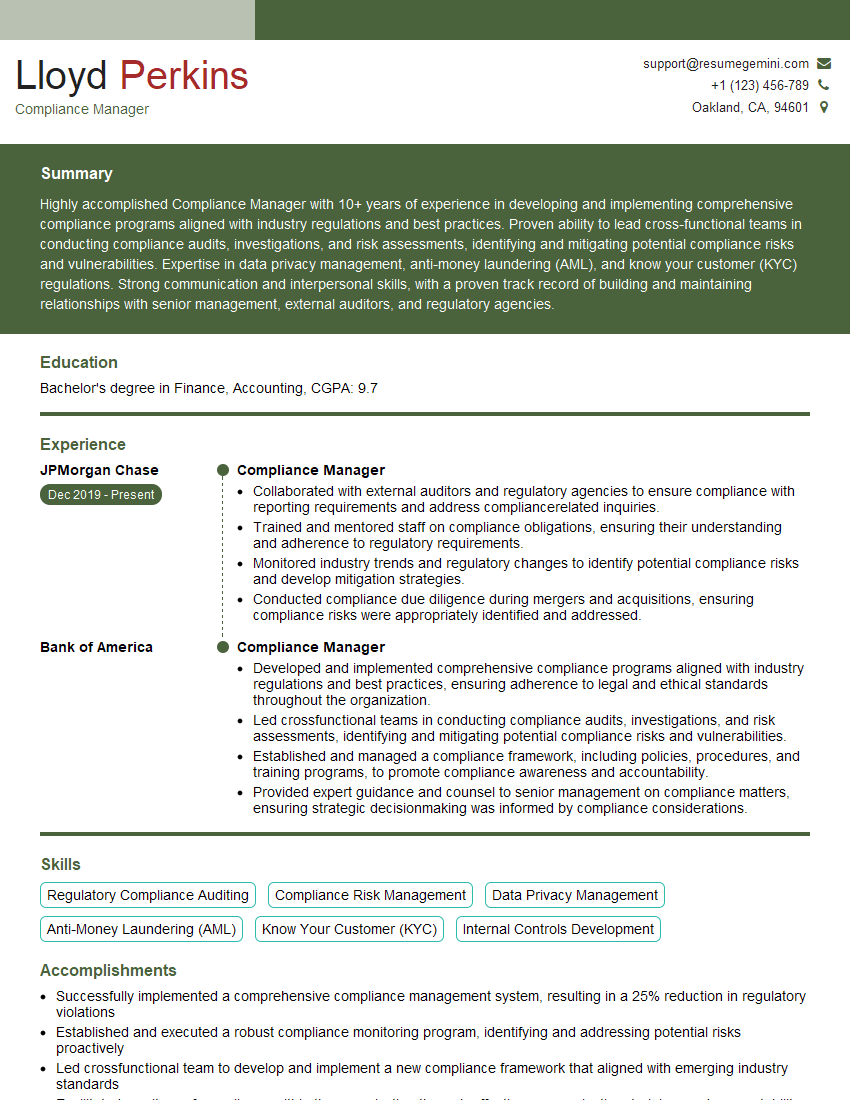
Mastering SAM opens doors to exciting career opportunities in a rapidly evolving technological landscape. A strong understanding of SAM demonstrates valuable skills highly sought after by employers. To significantly increase your chances of landing your dream job, focus on creating an ATS-friendly resume that showcases your SAM expertise effectively. ResumeGemini is a trusted resource that can help you build a professional and impactful resume. We provide examples of resumes tailored to SAM roles to guide you through the process. Take advantage of these resources to present yourself as the ideal candidate.
Explore more articles
Users Rating of Our Blogs
Share Your Experience
We value your feedback! Please rate our content and share your thoughts (optional).
What Readers Say About Our Blog
Very informative content, great job.
good