Interviews are opportunities to demonstrate your expertise, and this guide is here to help you shine. Explore the essential Satellite Communications (SATCOM) Operation interview questions that employers frequently ask, paired with strategies for crafting responses that set you apart from the competition.
Questions Asked in Satellite Communications (SATCOM) Operation Interview
Q 1. Explain the difference between geostationary and low Earth orbit satellites.
The primary difference between geostationary (GEO) and low Earth orbit (LEO) satellites lies in their altitude and resulting orbital characteristics. GEO satellites orbit at approximately 35,786 kilometers above the Earth’s equator, matching the Earth’s rotational speed. This means they appear stationary from a ground perspective, providing continuous coverage over a specific geographical region. Think of them as always hovering over the same point on Earth. In contrast, LEO satellites orbit much closer to the Earth, typically between 200 and 2,000 kilometers. Because of their lower altitude, they orbit much faster, requiring a network of multiple satellites to provide continuous global coverage. Imagine a constellation of satellites relaying data as they pass overhead.
This difference impacts several key aspects: latency (GEO has higher latency due to the longer signal path), coverage area (GEO provides wider coverage per satellite, while LEO requires more satellites for global coverage), and cost (LEO constellations tend to be more complex and potentially more expensive to deploy).
Q 2. Describe the different types of satellite communication links.
Satellite communication links can be categorized in several ways. One common classification is based on the type of connection:
- Point-to-point links: These are direct connections between a single earth station and a satellite, commonly used for dedicated high-bandwidth applications like television broadcasting or data transmission to remote locations. Think of a direct TV broadcast from a satellite to your home dish.
- Point-to-multipoint links: In this configuration, a single earth station communicates with multiple users simultaneously. This is utilized in services like satellite internet, where one satellite beams data to numerous individual user terminals.
- Mesh networks: These are more complex networks where satellites can communicate with each other and relay signals, increasing coverage and redundancy. This is becoming more relevant with large LEO constellations.
Another categorization considers the frequency band used, with each band having different characteristics impacting bandwidth, atmospheric attenuation, and other factors. Examples include Ku-band, Ka-band, and L-band.
Q 3. What are the key performance indicators (KPIs) for a satellite communication system?
Key Performance Indicators (KPIs) for a satellite communication system are crucial for assessing its performance and reliability. Some key KPIs include:
- Availability: The percentage of time the system is operational and available for use. High availability is paramount for mission-critical applications.
- Bit Error Rate (BER): The frequency of errors in the transmitted data. A lower BER indicates higher data integrity.
- Signal-to-Noise Ratio (SNR): The ratio of the desired signal power to the noise power. Higher SNR translates to better signal quality and reduces errors.
- Latency: The time delay in transmitting and receiving data. Low latency is crucial for real-time applications.
- Throughput: The amount of data transmitted per unit of time. High throughput is needed for applications with high data demands.
- Outage duration: Time the system is unavailable.
Regular monitoring of these KPIs is vital for proactive maintenance and ensuring optimal system performance.
Q 4. How do you troubleshoot a satellite link problem?
Troubleshooting a satellite link problem is a systematic process. It usually begins with identifying the symptoms – e.g., loss of signal, high BER, reduced throughput. The process then involves:
- Check the ground segment: Verify the health of the earth station equipment, including antennas, high-power amplifiers (HPAs), low-noise amplifiers (LNAs), and modems. A simple test might involve checking cable connections and power supplies.
- Check the satellite segment: This involves verifying the satellite’s health and status with the satellite operator. Problems could include transponder failures or anomalies in the satellite’s positioning.
- Analyze signal quality: Use monitoring tools to assess the SNR, BER, and carrier-to-noise ratio (C/N). These metrics reveal signal degradation or interference.
- Investigate atmospheric conditions: Rain fade or atmospheric attenuation can significantly impact signal quality, especially at higher frequencies.
- Check for interference: Interference from other signals can degrade the satellite link. Identify potential sources and mitigate their effects.
- Consult logs and documentation: System logs often provide valuable information to pinpoint the cause of problems.
A methodical approach, combining practical checks with data analysis, is crucial for efficient troubleshooting.
Q 5. Explain the concept of link budget analysis.
Link budget analysis is a crucial part of satellite communication system design. It’s a calculation that predicts the signal strength at the receiver, considering all gains and losses along the signal path. A positive link budget indicates sufficient signal strength for reliable communication. Conversely, a negative link budget indicates the signal will be too weak for proper operation.
The analysis involves calculating the power transmitted by the earth station, accounting for antenna gain, atmospheric losses (rain fade, etc.), free-space path loss (the signal’s attenuation over distance), antenna gain at the satellite, and finally, losses at the receiver. The result shows the received signal power, which is compared to the minimum signal strength required for acceptable performance. This ensures reliable communication can be achieved.
The equation, though complex, essentially involves adding gains and subtracting losses: Received Power = Transmitted Power + Gains - Losses
Q 6. What are the different types of modulation techniques used in satellite communications?
Several modulation techniques are used in satellite communications, each offering trade-offs between bandwidth efficiency, power efficiency, and robustness against noise and interference. Common techniques include:
- Frequency Shift Keying (FSK): Relatively simple but less bandwidth-efficient.
- Phase Shift Keying (PSK): More bandwidth-efficient than FSK, with variations like BPSK (Binary PSK), QPSK (Quadrature PSK), and higher-order PSK schemes offering increased data rates.
- Quadrature Amplitude Modulation (QAM): Combines amplitude and phase modulation, providing high spectral efficiency. 16-QAM, 64-QAM, and higher-order variations exist.
- Coded Modulation: Combines modulation with channel coding techniques (like convolutional codes or turbo codes) to improve error correction capabilities and robustness.
The choice of modulation depends on factors like available bandwidth, required data rate, desired error performance, and the overall system design constraints.
Q 7. Describe the function of a satellite ground station.
A satellite ground station serves as the interface between terrestrial networks and satellites. Its primary function is to transmit and receive signals to and from satellites. Key components and functions include:
- Antenna system: A large parabolic antenna focuses the signal towards the satellite, increasing gain and reducing signal loss. The antenna’s size and design dictate the signal strength and beamwidth.
- High-Power Amplifier (HPA): Amplifies the transmitted signal to reach the satellite.
- Low-Noise Amplifier (LNA): Amplifies the weak received signal from the satellite to improve the signal-to-noise ratio.
- Modulator/Demodulator (Modem): Modulates the data onto the carrier signal for transmission and demodulates the received signal to recover the data.
- Tracking system: Keeps the antenna accurately pointed at the satellite, compensating for the Earth’s rotation and satellite movement (important for non-GEO satellites).
- Control and monitoring systems: Manage and monitor the operation of the ground station equipment.
Ground stations come in various sizes and complexities, depending on the application and the type of satellite being used.
Q 8. What are the challenges associated with satellite communication in remote areas?
Satellite communication in remote areas faces unique challenges primarily due to geographical limitations and infrastructure scarcity. Think of providing internet to a remote village in the Amazon rainforest – laying fiber optic cables is impractical and expensive.
- Limited Infrastructure: The lack of terrestrial infrastructure like fiber optic cables or robust cellular networks necessitates reliance on satellite technology, but this can lead to higher latency (delay) and lower bandwidth.
- Signal Propagation Issues: Atmospheric conditions, terrain obstructions (mountains, dense forests), and even rain can significantly weaken the satellite signal, leading to signal degradation and data loss. This is especially problematic in areas with heavy rainfall or dense cloud cover.
- Cost and Accessibility: Satellite equipment and services are often more expensive than terrestrial alternatives, making them less accessible to individuals and organizations with limited budgets. Furthermore, specialized technical expertise might be required for installation and maintenance, which can be scarce in remote locations.
- Regulatory Hurdles: Obtaining the necessary licenses and permits to operate satellite communication systems can be complex and time-consuming, particularly in regions with strict regulatory frameworks.
- Power Requirements: Maintaining uninterrupted power supply for satellite ground stations can be a significant challenge in remote areas where grid electricity is unavailable or unreliable. This necessitates reliance on backup power sources like generators, which add to both costs and maintenance needs.
Q 9. Explain the role of error correction coding in satellite communications.
Error correction coding is crucial in satellite communications because signals transmitted over long distances through space are susceptible to noise and interference, leading to bit errors. Imagine sending a message across a noisy radio; parts of the message might be garbled. Error correction codes act like a ‘spell-check’ for these transmissions.
These codes add redundant information to the original data before transmission. At the receiving end, the decoder uses this extra information to detect and correct errors that occurred during transmission. Common techniques include:
- Forward Error Correction (FEC): FEC codes, like Reed-Solomon and Turbo codes, add redundancy to the message itself, allowing the receiver to correct errors without requesting retransmission. This is particularly useful in scenarios with high latency, where retransmission would be impractical.
- Automatic Repeat Request (ARQ): ARQ involves requesting retransmission of data packets if errors are detected. This is effective but requires a return channel and adds latency.
Choosing the appropriate error correction code depends on factors like the desired bit error rate (BER), available bandwidth, and latency requirements. For example, a high-bandwidth application like video streaming might tolerate a higher BER and utilize a less powerful FEC code, while a low-bandwidth application requiring high reliability, such as a critical data transmission, would necessitate a more robust FEC code.
Q 10. How do you ensure the security of satellite communication links?
Securing satellite communication links is paramount to protect sensitive data from unauthorized access and interception. Just as you use a password to protect your computer, various techniques are employed to secure satellite communications.
- Encryption: This is the foundation of secure satellite communication. Encryption algorithms, such as AES (Advanced Encryption Standard), scramble the data before transmission, rendering it unintelligible to eavesdroppers. The recipient then uses a corresponding decryption key to recover the original data.
- Authentication: This verifies the identity of the communicating parties, preventing impersonation. Digital signatures and certificates are commonly used to authenticate users and devices.
- Access Control: Restricting access to the satellite network and resources based on user roles and permissions is essential. This involves implementing robust authentication mechanisms and authorization policies.
- Data Integrity Checks: These ensure that data hasn’t been altered during transmission. Techniques like hash functions and checksums are used to detect any modifications.
- Physical Security: This involves protecting the ground stations and satellite equipment from physical theft or sabotage. This includes measures like secure facilities, access control systems, and surveillance.
A layered security approach combining these techniques provides robust protection for satellite communication links, ensuring confidentiality, integrity, and availability of the transmitted data.
Q 11. What are the different types of satellite antennas and their applications?
Satellite antennas come in various shapes and sizes, each designed for specific applications. Think of them as the ‘eyes’ of the satellite system, receiving and transmitting signals.
- Parabolic Antennas (Dish Antennas): These are the most common type, characterized by their parabolic reflector that focuses the signal towards a feed horn. They offer high gain and narrow beamwidth, making them suitable for point-to-point communications and direct broadcast satellite (DBS) services.
- Cassegrain Antennas: These are a variation of parabolic antennas using a secondary reflector to focus the signal onto the feed horn, allowing for a more compact design.
- Horn Antennas: These are simple antennas with a horn-shaped aperture. They provide a wider beamwidth than parabolic antennas and are used in applications where a wide coverage area is needed.
- Phased Array Antennas: These use multiple radiating elements that can electronically steer the beam, allowing for agile beamforming and dynamic beam shaping. This is beneficial for applications such as satellite mobile communication and tracking.
- Reflector Antennas (Offset, Gregorian, etc.): These offer different reflector configurations to optimize performance for specific applications, like improving blockage of the feed horn or increasing efficiency.
The choice of antenna depends on factors such as frequency, required gain, beamwidth, coverage area, and cost. For instance, a DBS service would use a high-gain parabolic antenna for precise signal reception, while a satellite mobile communication system might employ a phased array antenna for flexible beam steering.
Q 12. Describe the process of satellite uplink and downlink.
Satellite uplink and downlink are the two essential processes in satellite communication. Think of it like sending a letter: uplink is like posting the letter, while downlink is like receiving the reply.
Uplink: This involves transmitting signals from a ground station (earth) to a satellite. The signal is amplified by a high-power amplifier (HPA) and transmitted via a transmitting antenna towards the satellite. The satellite’s receiver then captures the signal.
Downlink: This involves transmitting signals from the satellite to a ground station. The satellite’s transponder receives the uplink signal, processes it (frequency translation), and amplifies it before transmitting it back to Earth via a transmitting antenna. Ground stations receive this signal using a receiving antenna.
The process involves precise frequency coordination, power control, and signal tracking. Consider factors such as signal attenuation (loss of strength) due to atmospheric effects and distance. Both uplink and downlink operate within specific frequency bands, governed by international regulations.
Q 13. What are the advantages and disadvantages of using satellite communication compared to terrestrial communication?
Satellite and terrestrial communication each offer distinct advantages and disadvantages, making the best choice dependent on the specific needs of the application.
Satellite Communication:
- Advantages: Wide area coverage, especially in remote or sparsely populated regions; global reach; relatively quick deployment compared to laying extensive terrestrial infrastructure.
- Disadvantages: Higher latency (delay) than terrestrial systems; susceptible to atmospheric conditions; higher cost of equipment and services; potential for signal interference and jamming.
Terrestrial Communication:
- Advantages: Lower latency; generally lower cost; higher bandwidth potential; more stable and reliable in many areas.
- Disadvantages: Limited coverage area; infrastructure intensive; difficult and expensive to deploy in remote areas; susceptible to physical damage and natural disasters affecting terrestrial infrastructure.
For example, global navigation satellite systems (GNSS) like GPS rely on satellite communication for worldwide positioning, while local phone calls typically utilize terrestrial networks.
Q 14. Explain the concept of frequency reuse in satellite communication systems.
Frequency reuse in satellite communication systems is a technique that increases the system’s capacity by allowing the same frequency band to be used by multiple transponders on the satellite or by multiple ground stations. Think of it like having multiple channels on a television – each channel uses a different frequency, but multiple channels can be available at the same time.
This is achieved through spatial separation of the beams. The satellite’s antenna is designed to create multiple, non-overlapping beams, each using the same frequency but directed to different geographical areas. The key is to ensure that the beams are sufficiently spaced to prevent interference. Different polarization techniques can also be employed to separate beams within the same frequency band.
Frequency reuse significantly increases the spectral efficiency of a satellite system, allowing more users to access the satellite resources and improve the overall communication capacity. However, careful planning and antenna design are crucial to minimize interference between the reused frequency bands.
Q 15. How do you manage interference in a satellite communication network?
Managing interference in a satellite communication network is crucial for maintaining signal quality and preventing service disruptions. Interference can stem from various sources, including terrestrial microwave links, other satellites operating in the same frequency band, and even atmospheric conditions. Effective interference management involves a multi-pronged approach:
- Frequency Coordination: This is paramount. International organizations like the International Telecommunication Union (ITU) allocate frequency bands to different satellite operators, minimizing the chances of overlapping signals. Careful planning and adherence to these allocations are essential.
- Antenna Design and Placement: Highly directional antennas with narrow beamwidths help focus the signal and reduce the chances of interference. Precise antenna pointing and location selection are critical to avoid interference sources.
- Power Control: Adjusting the transmit power of the satellite and earth stations can optimize signal strength while minimizing interference. This involves balancing signal quality with the need to avoid overwhelming neighboring frequency bands.
- Signal Processing Techniques: Advanced signal processing techniques, such as equalization and interference cancellation, can help mitigate the impact of interference on received signals. These techniques employ algorithms to identify and suppress unwanted signals.
- Coordination with Other Operators: Open communication and collaboration with other satellite operators sharing the same frequency bands are vital. This allows for proactive identification and resolution of potential interference issues.
For example, imagine two satellite operators launching satellites in geostationary orbit, aiming for similar geographic coverage. Without proper frequency coordination, their signals could interfere, degrading service for both operators’ customers. Effective management, including pre-launch planning, ensures minimal impact.
Career Expert Tips:
- Ace those interviews! Prepare effectively by reviewing the Top 50 Most Common Interview Questions on ResumeGemini.
- Navigate your job search with confidence! Explore a wide range of Career Tips on ResumeGemini. Learn about common challenges and recommendations to overcome them.
- Craft the perfect resume! Master the Art of Resume Writing with ResumeGemini’s guide. Showcase your unique qualifications and achievements effectively.
- Don’t miss out on holiday savings! Build your dream resume with ResumeGemini’s ATS optimized templates.
Q 16. What are the environmental factors affecting satellite communications?
Several environmental factors significantly impact satellite communications. These factors can cause signal degradation, attenuation, and even complete signal loss:
- Rain Attenuation: Rainfall absorbs and scatters microwave signals, leading to signal weakening, particularly at higher frequencies. The heavier the rain, the greater the attenuation.
- Atmospheric Gases: Gases in the atmosphere, such as water vapor and oxygen, absorb and scatter radio waves, causing signal loss. This effect is more pronounced at certain frequencies.
- Ionospheric Scintillation: The ionosphere, a layer of the Earth’s atmosphere, can cause rapid fluctuations in signal strength and phase, leading to signal distortion and fading. This effect is more pronounced at night and during periods of high solar activity.
- Tropospheric Scintillation: Similar to ionospheric scintillation, tropospheric scintillation occurs in the lower atmosphere and is influenced by weather patterns and temperature gradients.
- Solar Interference: Direct sunlight can interfere with satellite signals, especially during satellite eclipses (when the sun is blocked by the Earth). This interference can cause temporary signal outages.
Imagine a crucial live video feed from a remote location relying on satellite communication. Heavy rainfall in the path of the signal could lead to pixelation, dropouts, or complete loss of the connection. Understanding these environmental factors and incorporating appropriate mitigation strategies into the system design are therefore crucial for reliable operation.
Q 17. Describe the different types of satellite transponders.
Satellite transponders are the core components enabling communication between earth stations and satellites. They receive, amplify, and retransmit signals. Different types exist, categorized primarily by their frequency bands and bandwidth capabilities:
- Frequency Bands: Transponders operate across various frequency bands, including C-band, Ku-band, Ka-band, and others. Each band has its own advantages and disadvantages regarding signal propagation, attenuation, and cost.
- Bandwidth: Transponders are available with various bandwidths, ranging from narrowband to wideband. Narrowband transponders are suited for applications with lower data rate requirements, while wideband transponders are essential for high-throughput applications like broadband internet access.
- Types of Modulation: Transponders can use different modulation techniques such as Frequency Modulation (FM), Phase Shift Keying (PSK), and others, each optimizing signal efficiency and robustness in different environments.
- Linear vs. Non-linear Transponders: Linear transponders provide better signal fidelity for multiple users, while non-linear transponders have higher capacity but can introduce intermodulation distortion.
For instance, a satellite used for television broadcasting might use Ku-band transponders with wide bandwidth and specific modulation schemes to efficiently transmit high-quality video signals to numerous viewers across a wide geographic area. A satellite supporting high-speed internet access might utilize Ka-band transponders for their higher bandwidth capabilities, though this requires dealing with increased rain attenuation.
Q 18. Explain the concept of handover in satellite communication systems.
Handover in satellite communication systems refers to the seamless transfer of a communication session from one satellite to another or from a terrestrial network to a satellite network. This is particularly important in mobile satellite services where the user’s location is constantly changing, potentially moving out of the coverage area of one satellite and into another.
The handover process involves several steps:
- Signal Monitoring: The system continuously monitors signal strength and quality from multiple satellites.
- Threshold Determination: Predefined thresholds are set for signal strength and quality. When the signal from the current satellite falls below the threshold, the handover process is initiated.
- Satellite Selection: The system selects the most suitable satellite for continued service based on signal quality and availability.
- Frequency and Beam Switching: The user terminal switches to the new satellite’s frequency and beam.
- Session Continuity: The handover process should be transparent to the user, ensuring minimal disruption to the communication session.
Imagine a user traveling in an airplane, using satellite internet access. As the airplane moves, the signal strength from one satellite may weaken, triggering a handover to another satellite to maintain uninterrupted internet access. Efficient handover is critical for uninterrupted services in mobile environments.
Q 19. What are the different types of satellite tracking systems?
Satellite tracking systems are essential for maintaining communication links and ensuring accurate pointing of ground antennas. Several types exist:
- Automated Tracking Systems: These systems use sophisticated algorithms and sensors (like GPS) to automatically track the satellite’s position and adjust antenna pointing accordingly. They are highly accurate and minimize manual intervention.
- Manual Tracking Systems: These systems require operators to manually track the satellite and adjust the antenna pointing based on visual observations or predicted satellite positions. They are less precise and more labor-intensive.
- Programmable Tracking Systems: These systems use pre-programmed satellite ephemeris (orbital data) to automatically track the satellite’s position. They offer a balance between accuracy and automation.
- GPS-Based Tracking Systems: These systems leverage GPS signals to precisely determine the satellite’s position and adjust antenna pointing. They are highly accurate and reliable.
For example, a large satellite earth station communicating with a geostationary satellite would likely employ an automated tracking system incorporating GPS data for optimal precision and reliability, ensuring a continuous and strong signal despite minor variations in the satellite’s orbit due to gravitational perturbations.
Q 20. How do you perform satellite link performance monitoring?
Satellite link performance monitoring is crucial for ensuring the quality and reliability of communication services. This involves continuous monitoring of various parameters to identify and address potential problems proactively:
- Signal-to-Noise Ratio (SNR): This indicates the strength of the received signal relative to the background noise. A low SNR suggests signal degradation.
- Carrier-to-Noise Ratio (CNR): Similar to SNR, but specifically for the carrier signal, providing a measure of signal quality.
- Bit Error Rate (BER): The number of bit errors detected per unit of transmitted data. A high BER indicates transmission problems.
- Antenna Pointing: Ensuring the antenna is accurately pointed at the satellite is crucial for maintaining optimal signal strength. Monitoring helps detect pointing errors.
- Outage Time: Tracking the duration of service interruptions caused by various factors.
Data from these parameters is often collected through telemetry systems and analyzed to identify trends, anomalies, and potential problems. For example, a sudden drop in SNR could indicate a problem with the satellite, the ground station, or environmental factors. This allows engineers to take corrective action before service is disrupted, preventing service outages, financial losses, and damage to reputation.
Q 21. Describe the different types of satellite communication protocols.
Various communication protocols are used in satellite communication systems, depending on the application and requirements:
- TCP/IP: The ubiquitous internet protocol suite is used extensively in satellite networks for data transmission, supporting applications like web browsing, email, and file transfer.
- UDP: User Datagram Protocol is used when low latency is more important than reliable delivery, such as in real-time applications like video conferencing and gaming.
- TDMA (Time Division Multiple Access): This protocol divides the satellite’s transponder bandwidth into time slots allocated to different users. It is efficient and widely used in satellite networks.
- FDMA (Frequency Division Multiple Access): This protocol divides the satellite’s transponder bandwidth into frequency channels, each assigned to a different user. It is less flexible than TDMA but offers simplicity.
- CDMA (Code Division Multiple Access): This protocol uses unique codes to separate different users’ signals within the same frequency band. It is robust against interference and is used in some satellite systems.
For example, a broadband satellite internet service provider would likely employ a combination of TCP/IP (for data transmission) and TDMA (to share the satellite’s bandwidth efficiently among users). The specific protocol selection and system architecture would be designed to optimize performance, accounting for factors like latency, bandwidth, signal strength, and error tolerance.
Q 22. Explain the role of GPS in satellite communications.
GPS, or the Global Positioning System, plays a crucial, albeit indirect, role in satellite communications. While not directly involved in the transmission of data itself, GPS provides essential positioning and timing information that’s vital for many SATCOM operations. Think of it as the navigation system for satellites and ground stations.
- Satellite Orbit Determination: Precise GPS data helps track the exact location and velocity of satellites, enabling accurate pointing of ground antennas and ensuring reliable signal acquisition. Without precise GPS, the ground stations wouldn’t know where to point their dishes to receive the signal.
- Time Synchronization: GPS provides highly accurate time signals, essential for coordinating communication across geographically dispersed satellite networks. Many SATCOM protocols rely on precise timing for efficient data transmission and error correction.
- Mobile Satellite Communication: For mobile satellite terminals (like those in ships or airplanes), GPS is critical for determining the user’s location, allowing the terminal to automatically acquire and track the appropriate satellite.
For instance, imagine a maritime satellite communication system. The ship’s GPS receiver determines its location, which is then used to point the satellite antenna towards the correct satellite for communication. The accurate time provided by GPS ensures synchronized data transmission between the ship and the satellite.
Q 23. How does satellite communication technology contribute to disaster relief efforts?
Satellite communication is an indispensable tool during disaster relief efforts, offering a lifeline when traditional infrastructure is severely damaged or destroyed. Its unique advantages make it particularly valuable in these critical situations.
- Rapid Deployment: Satellite systems can be deployed quickly to provide communication in areas with limited or no existing infrastructure. This is crucial in the immediate aftermath of a disaster when rapid communication is vital for coordinating rescue efforts.
- Wide Area Coverage: Satellites provide broad coverage, reaching remote and isolated areas that might be inaccessible by other means. This is especially important in large-scale disasters affecting wide geographical regions.
- Resilience: Satellite communication is relatively resilient to natural disasters as it is less susceptible to the same physical damage affecting ground-based infrastructure. This means it can continue operating when terrestrial networks are down.
- Data Transmission: Satellites enable efficient transmission of vital data like images from aerial surveillance, emergency location information, and real-time communications between relief teams.
During the 2010 Haiti earthquake, satellite phones and broadband networks played a critical role in coordinating international rescue efforts and delivering crucial humanitarian aid. Similarly, during Hurricane Katrina, satellite imagery proved invaluable in assessing the extent of the damage and guiding rescue operations.
Q 24. What are the future trends in satellite communication technology?
The future of satellite communication is rapidly evolving, driven by technological advancements and increasing demand for high-bandwidth connectivity. Several key trends are shaping the industry:
- Mega-Constellations: Large-scale satellite constellations, like Starlink and OneWeb, promise to deliver global broadband internet access, particularly in underserved areas. This dramatically increases the number of satellites, necessitating advanced network management strategies.
- Higher Throughput Satellites (HTS): HTS technology enables significantly higher data transmission rates compared to traditional satellites, catering to the growing demand for bandwidth-intensive applications such as video streaming and cloud computing.
- Software Defined Networks (SDN): SDN is improving the flexibility and scalability of satellite networks, allowing for dynamic resource allocation and improved network management.
- Integration with 5G/6G: Future satellite systems will be increasingly integrated with terrestrial 5G and future 6G networks to provide seamless connectivity across different platforms, offering hybrid terrestrial-satellite networks.
- Advanced Encryption and Security: With the increasing reliance on satellite communication for critical applications, enhanced security measures, and robust encryption protocols are becoming essential.
These trends are not isolated but interconnected. For instance, the rise of mega-constellations necessitates advanced SDN capabilities to manage the complexity of a massive network, and HTS technology helps to provide the high-bandwidth capacity that these constellations aim to offer.
Q 25. Describe your experience with satellite network management tools.
My experience with satellite network management tools spans several platforms and technologies. I’m proficient in using tools for network monitoring, performance analysis, and troubleshooting. These tools range from commercial packages to specialized in-house developed systems.
- Network Monitoring Tools: I have extensive experience using tools like [mention specific tools e.g., specific network management systems, satellite specific monitoring platforms] to monitor key network parameters such as signal strength, bit error rate (BER), and latency. This allows for proactive identification and resolution of network issues.
- Performance Analysis Tools: I’ve utilized tools for analyzing network performance data to identify bottlenecks and optimize network configuration. This often involves interpreting complex datasets and applying statistical analysis techniques.
- Troubleshooting Tools: I am skilled in using various troubleshooting tools, both hardware and software, to diagnose and resolve faults within the satellite network. This includes using protocol analyzers and specialized diagnostic software.
- Telemetry and Telecommand Systems: I have hands-on experience working with telemetry and telecommand (TM/TC) systems, which are crucial for monitoring and controlling satellite operations. This includes analyzing telemetry data from satellites and sending commands to adjust their configurations.
For example, during a recent project, we used a custom-built monitoring system to detect a gradual degradation in signal strength on a specific satellite transponder. Through detailed analysis, we pinpointed the issue to a minor antenna misalignment and successfully corrected it, avoiding potential service disruptions.
Q 26. Explain your experience with satellite communication equipment maintenance.
My background includes extensive experience with the maintenance of various satellite communication equipment, ranging from ground stations to onboard satellite payloads. This involves both preventative and corrective maintenance procedures.
- Ground Station Equipment: I have experience maintaining high-power amplifiers (HPAs), low-noise amplifiers (LNAs), antennas, and other related equipment at ground stations. This includes routine inspections, performance testing, and troubleshooting.
- Satellite Payload Maintenance (Indirect): While direct physical maintenance of satellites in orbit is handled by specialists, my role involves indirectly contributing to the upkeep of satellite payloads by monitoring their health and performance through telemetry data and actively participating in troubleshooting and resolving any issues.
- Preventative Maintenance: I am well-versed in developing and implementing preventative maintenance schedules to minimize downtime and prolong the lifespan of equipment. This includes regular inspections, cleaning, and performance tests.
- Corrective Maintenance: I have a proven track record of effectively troubleshooting and repairing faulty equipment, accurately diagnosing problems, and implementing appropriate solutions to restore service.
One memorable experience involved troubleshooting a faulty HPA at a ground station. By systematically testing different components and utilizing diagnostic tools, we quickly identified a faulty power supply module. Replacing the module restored full functionality, preventing a significant service outage.
Q 27. What is your experience with different satellite constellations?
My experience encompasses working with various satellite constellations, both geostationary (GEO) and low Earth orbit (LEO) systems. Understanding the unique characteristics of each type is critical for optimizing performance and selecting the most suitable constellation for specific applications.
- Geostationary Orbit (GEO) Constellations: I have worked with GEO satellites, which are known for their stationary position relative to the Earth, offering continuous coverage over a specific region. This often requires less complex tracking systems but involves higher power requirements for the satellites and ground stations.
- Low Earth Orbit (LEO) Constellations: My experience extends to working with LEO constellations, which consist of numerous satellites orbiting at lower altitudes. These offer advantages like lower latency and potentially higher bandwidth but require more complex tracking and handover mechanisms between satellites as they move across the sky.
- Medium Earth Orbit (MEO) Constellations: I also have some experience in working with MEO constellations, which sit between GEO and LEO satellites in terms of orbit height and characteristics. MEO systems often provide a good compromise between the coverage of GEO and the latency of LEO systems.
The choice of constellation depends heavily on the specific application. For example, continuous coverage for television broadcasting would likely favor a GEO constellation, while high-speed internet access for mobile users might utilize a LEO constellation because of reduced latency.
Q 28. Describe your experience with satellite regulatory compliance.
Satellite regulatory compliance is a critical aspect of SATCOM operations. Non-compliance can lead to significant penalties and operational disruptions. My experience ensures that all operations adhere to international and national regulations.
- International Telecommunication Union (ITU): I am familiar with the ITU regulations governing the use of radio frequencies and satellite orbital slots. This includes understanding the processes for frequency coordination and obtaining necessary licenses.
- National Regulatory Bodies: I have experience working with various national regulatory bodies, such as the Federal Communications Commission (FCC) in the US or Ofcom in the UK, to ensure compliance with their specific regulations and licensing requirements.
- Spectrum Management: I have hands-on experience in spectrum management, ensuring efficient utilization of allocated frequencies and minimizing interference with other satellite systems or terrestrial services.
- Data Privacy and Security Regulations: I understand and implement regulations related to data privacy and security, such as GDPR, to ensure the protection of sensitive information transmitted via satellite links.
For instance, before deploying any new satellite system, I thoroughly review and ensure adherence to all relevant regulations to obtain the necessary licenses and avoid legal issues. This includes careful planning for frequency coordination with neighboring satellite operators and appropriate measures to protect sensitive user data.
Key Topics to Learn for Satellite Communications (SATCOM) Operation Interview
- Satellite Link Budget Analysis: Understanding the principles of link budget calculations, including path loss, antenna gain, and noise figure, is crucial for optimizing satellite communication systems. Practical application involves determining the required transmitter power for a given link quality.
- Satellite Orbital Mechanics: Grasping concepts like Keplerian orbits, orbital perturbations, and satellite tracking is essential for understanding satellite positioning and communication availability. Practical application involves predicting satellite visibility windows and planning communication schedules.
- Satellite Communication Protocols: Familiarity with various protocols used in SATCOM, including TCP/IP, UDP, and specialized protocols for satellite links, is vital for troubleshooting and optimizing data transmission. Practical application involves configuring network parameters for optimal performance and error correction.
- Antenna Systems and Technologies: Understanding different antenna types (e.g., parabolic, phased array), their characteristics, and pointing mechanisms is key. Practical application includes selecting the appropriate antenna for a specific application and troubleshooting antenna pointing issues.
- Modulation and Coding Techniques: Knowledge of various modulation schemes (e.g., QPSK, BPSK, QAM) and error correction codes used in satellite communication is necessary for understanding data transmission efficiency and reliability. Practical application involves selecting appropriate modulation and coding schemes to optimize performance under different channel conditions.
- Troubleshooting and Problem-Solving: Developing a systematic approach to troubleshooting satellite communication problems, including signal degradation, interference, and equipment malfunctions, is critical. Practical application involves using diagnostic tools and techniques to isolate and resolve issues effectively.
- Satellite Network Management: Understanding the operational aspects of managing a satellite network, including monitoring, control, and maintenance, is increasingly important. Practical application involves working with network management tools and procedures to ensure system uptime and performance.
Next Steps
Mastering Satellite Communications (SATCOM) Operation opens doors to exciting and rewarding careers in a rapidly growing field. Your expertise in this area will be highly sought after by companies operating in telecommunications, aerospace, defense, and maritime sectors. To significantly increase your chances of landing your dream job, it’s essential to present your skills and experience effectively. Creating an ATS-friendly resume is crucial in today’s competitive job market. ResumeGemini is a trusted resource that can help you build a professional and impactful resume. They provide examples of resumes tailored to Satellite Communications (SATCOM) Operation to guide you in creating a document that highlights your unique qualifications and experience. Take the next step towards your career success with a well-crafted resume.
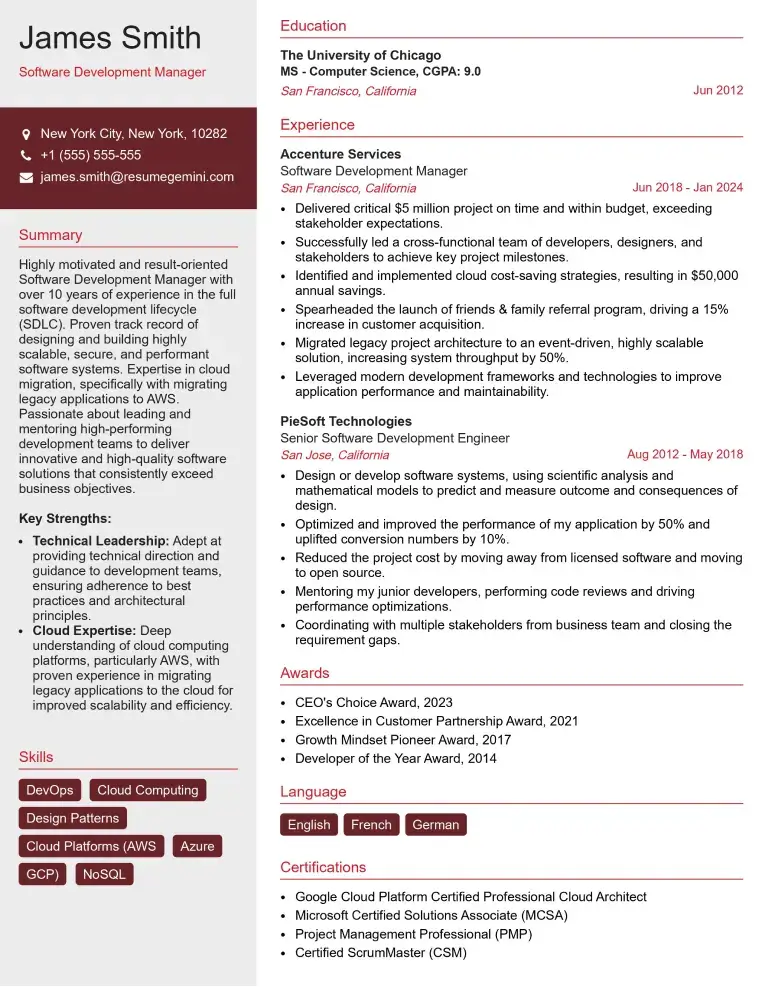
Check Out Resume Samples at ResumeGemini

Check Out Resume Samples at ResumeGemini

Check Out Resume Samples at ResumeGemini

Check Out Resume Samples at ResumeGemini

Check Out Resume Samples at ResumeGemini
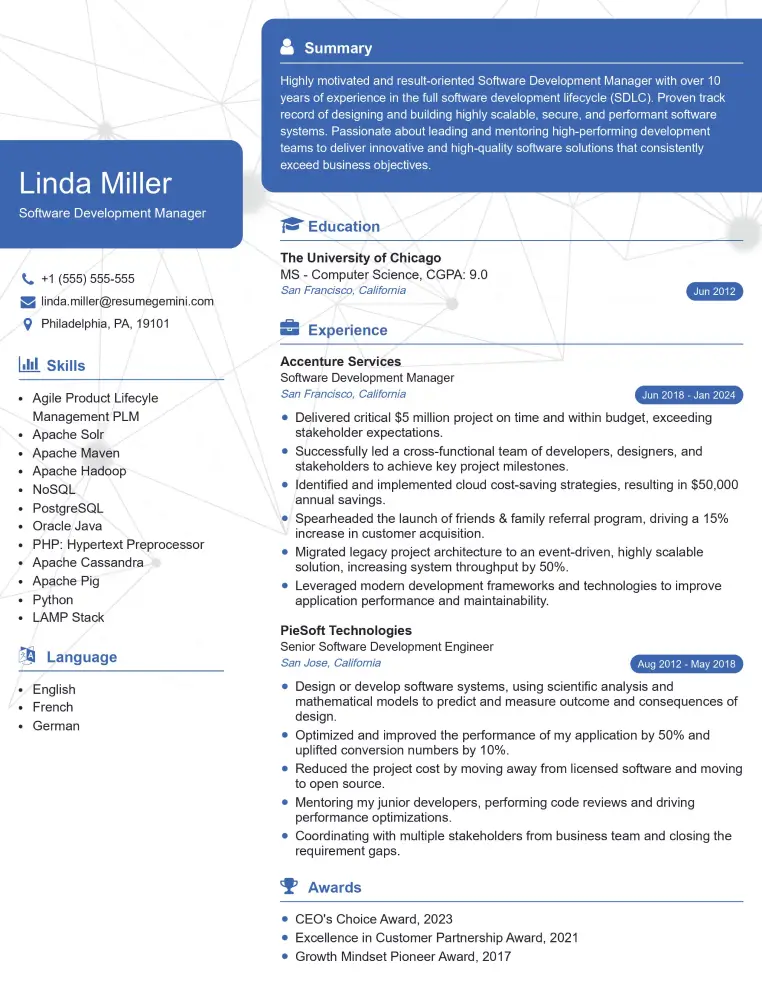
Check Out Resume Samples at ResumeGemini

Check Out Resume Samples at ResumeGemini
Explore more articles
Users Rating of Our Blogs
Share Your Experience
We value your feedback! Please rate our content and share your thoughts (optional).
What Readers Say About Our Blog
Very informative content, great job.
good