Every successful interview starts with knowing what to expect. In this blog, we’ll take you through the top ScenarioBased Debriefing interview questions, breaking them down with expert tips to help you deliver impactful answers. Step into your next interview fully prepared and ready to succeed.
Questions Asked in ScenarioBased Debriefing Interview
Q 1. Define Scenario-Based Debriefing (SBD).
Scenario-Based Debriefing (SBD) is a powerful learning and development technique that uses a specific scenario, often a simulation, a role-play, or a real-life event, as the basis for reflection and improvement. Instead of focusing solely on outcomes, SBD delves into the process, analyzing the decisions made, the reasoning behind them, and the impact those decisions had. It’s a highly interactive and collaborative process aimed at enhancing performance and building critical thinking skills. Think of it like a post-game analysis for a sports team, but applicable to any field where decision-making under pressure is important.
Q 2. What are the key principles of effective SBD?
Effective SBD hinges on several key principles:
- Focus on learning, not blame: The goal is to identify areas for improvement, not to assign fault. A blame-free environment encourages open communication.
- Safety and psychological safety: Participants must feel comfortable sharing their thoughts and experiences without fear of judgment or reprisal.
- Active participation: All participants should be actively involved in the debrief, contributing their perspectives and insights.
- Structured approach: A well-defined process, with clear phases and questioning techniques, guides the debrief and ensures maximum effectiveness.
- Relevance and application: The debrief should focus on aspects directly relevant to the participants’ roles and responsibilities, and the learnings should be easily transferable to future situations.
- Actionable outcomes: The debrief should conclude with concrete actions and plans for improvement.
Q 3. Describe the phases or stages of a typical SBD session.
A typical SBD session unfolds in several phases:
- Setup and Introduction: Setting the stage, explaining the purpose of the debrief, and establishing ground rules.
- Scenario Review: Recounting the key events of the scenario, emphasizing the actions and decisions taken.
- Analysis and Discussion: This is the core of the SBD, involving open discussion of decisions, their rationale, and their consequences using specific questioning techniques (explained later). Participants share their perspectives and insights.
- Learning Points and Insights: Identifying key learnings, both individual and collective, emerging from the discussion.
- Action Planning: Developing specific, measurable, achievable, relevant, and time-bound (SMART) action plans to address identified areas for improvement.
- Summary and Closure: Summarizing key takeaways and reiterating the commitment to implementing the action plans.
Q 4. How do you create a safe and psychologically safe environment for SBD?
Creating a safe and psychologically safe environment is paramount. This involves:
- Confidentiality: Assure participants that their contributions will remain confidential within the group.
- Non-judgmental atmosphere: Emphasize that the debrief is a learning opportunity, not a performance review. Avoid criticism or blame.
- Respectful communication: Encourage active listening and respectful dialogue among participants.
- Facilitator’s role: The facilitator plays a crucial role in setting the tone and ensuring everyone feels comfortable and respected.
- Ground rules: Establishing clear ground rules at the beginning, such as respecting different viewpoints and refraining from interrupting, can greatly contribute to a safe environment.
Consider starting with an icebreaker to build rapport and reduce tension.
Q 5. What questioning techniques are most effective in SBD?
Effective questioning techniques in SBD are crucial for driving insightful discussions. They include:
- Open-ended questions: These encourage detailed responses, such as “What were you thinking at that moment?” or “How did that decision impact the overall outcome?”
- Probing questions: These delve deeper into participants’ reasoning, such as “Can you elaborate on that?” or “What factors influenced your decision?”
- Reflective questions: These help participants to reflect on their experiences, such as “What did you learn from this experience?” or “What would you do differently next time?”
- Hypothetical questions: These explore alternative approaches and scenarios, such as “What if you had done X instead of Y?”
Avoid leading questions or questions that imply judgment.
Q 6. How do you handle participants who are defensive or resistant during SBD?
Handling defensive or resistant participants requires tact and sensitivity. Strategies include:
- Acknowledge their feelings: Validate their emotions and perspectives without necessarily agreeing with them. For example, “I understand you feel frustrated by that situation.”
- Reframe the conversation: Shift the focus from blame to learning. For example, “Let’s explore what we can learn from this experience to improve our future performance.”
- Private conversation: If necessary, address the issue privately after the debrief to ensure you don’t derail the group discussion.
- Positive reinforcement: Highlight any positive actions or contributions made by the participant.
- Patience and empathy: It takes time for people to feel comfortable sharing their experiences, particularly when they may have made mistakes.
Q 7. Explain the difference between feedback and coaching within the context of SBD.
Within SBD, feedback and coaching are closely related but distinct:
- Feedback focuses on providing information about performance. It’s descriptive, often based on observations, and aims to increase self-awareness. Example: “In the simulation, you interrupted your colleague three times during a critical decision-making process.”
- Coaching goes beyond feedback by guiding the individual toward improvement. It’s prescriptive, often involving questions and guidance to help the individual develop new skills or strategies. Example: “Based on your interruption pattern, let’s explore techniques for effective active listening, so you can gain a broader perspective before contributing.”
In SBD, effective debriefs often combine both feedback and coaching to maximize learning and facilitate growth.
Q 8. How do you adapt your SBD approach based on the participants’ experience levels?
Adapting my Scenario-Based Debriefing (SBD) approach to participants’ experience levels is crucial for effective learning. With novice participants, I focus on establishing a safe space and using simpler, more direct questioning. I prioritize building a shared understanding of the scenario before delving into complex analysis. For example, I might start with questions like, “What was your initial reaction?” or “What were you thinking at this point in the scenario?” My questions will be more descriptive and less analytical. With experienced participants, I can engage in more sophisticated discussions, exploring nuanced aspects of decision-making and strategic thinking. Questions might focus on root cause analysis, exploring alternative actions, and identifying systemic issues. For instance, I might ask, “What were the contributing factors to that decision?” or “How could we have prevented that outcome?” In essence, I tailor the complexity of questions and the depth of analysis to match the participants’ expertise, ensuring everyone feels challenged but not overwhelmed.
Q 9. How do you ensure that the debriefing remains focused on learning and improvement?
Keeping the debriefing focused on learning and improvement requires careful planning and facilitation. Firstly, I clearly define the learning objectives beforehand. This sets the stage and keeps the conversation on track. Secondly, I emphasize a non-judgmental atmosphere where participants feel safe to share their experiences and perspectives without fear of criticism. I actively listen, rephrase key points, and ensure everyone has an opportunity to contribute. Thirdly, I use open-ended questions that encourage reflection and critical thinking, focusing on the “what”, “so what”, and “now what” aspects of the scenario. For example, after describing an action, participants are prompted to reflect on its impact (“so what?”) and propose solutions for future improvement (“now what?”). Lastly, I summarise key learnings at the end, highlighting specific insights and action points to ensure everyone leaves with a clear understanding of how to apply the debrief to future scenarios.
Q 10. What are some common pitfalls to avoid during SBD?
Several pitfalls can undermine the effectiveness of an SBD session. One common mistake is focusing too heavily on blame or assigning fault. SBD should be about learning, not about pointing fingers. Another pitfall is allowing the debrief to become dominated by one or two participants, silencing others’ voices. Creating a structured process with equal opportunities for participation is vital. Additionally, rushing the debrief or failing to allow sufficient time for thoughtful reflection can limit the learning outcomes. Finally, failing to clearly link the scenario to real-world applications can make the experience feel abstract and less relevant. A structured approach, active facilitation, and a commitment to a safe and inclusive environment are key to avoid these pitfalls.
Q 11. How do you measure the effectiveness of an SBD session?
Measuring the effectiveness of an SBD session involves both qualitative and quantitative methods. Quantitative methods might include pre- and post-debrief assessments, measuring changes in knowledge, skills, or attitudes related to the scenario’s focus. For instance, a questionnaire assessing understanding of a specific procedure before and after the debrief. Qualitative methods focus on participant feedback through surveys or informal discussions, gauging their satisfaction with the process and the value they derived from the experience. Observing the participants’ actions in subsequent, similar scenarios provides further insight into the lasting impact of the debrief. Ultimately, effectiveness is judged by whether the session leads to improved performance and a deeper understanding of the relevant skills and procedures.
Q 12. Describe a time you successfully facilitated a challenging SBD session.
During a simulation exercise involving a complex medical emergency, a team became highly stressed and exhibited significant communication breakdowns. The debriefing was initially challenging as participants were defensive and reluctant to share their experiences. I addressed this by actively listening, validating their feelings of stress, and reframing the session as an opportunity for collective learning rather than criticism. I employed a technique called “positive incident reporting”, focusing on aspects where the team excelled, building confidence before exploring areas for improvement. This approach fostered a collaborative atmosphere, allowing for open discussion about the communication challenges. Through carefully crafted questions focusing on specific decision points, we identified systemic issues in their communication protocols. The session ultimately led to the implementation of improved protocols and improved team performance in subsequent simulations, demonstrating the success of the approach in addressing a challenging situation.
Q 13. What are some examples of effective debriefing questions you have used?
Effective debriefing questions should prompt reflection and analysis. Some examples include: “Describe the situation as you perceived it.” (Focuses on individual perspective) “What were your options at that point?” (Encourages consideration of alternatives) “What factors influenced your decision-making?” (Explores underlying rationale) “What worked well? What could have been improved?” (Promotes self-assessment) “What did you learn from this experience?” (Focuses on knowledge gain) “How could we apply this learning to future scenarios?” (Connects learning to practice). The key is to tailor the questions to the scenario and the participants’ experience levels, ensuring that they facilitate thoughtful discussion and actionable insights.
Q 14. How do you handle disagreements or conflicting perspectives during SBD?
Handling disagreements or conflicting perspectives during SBD is crucial for fostering a constructive learning environment. I start by acknowledging the different viewpoints, ensuring everyone feels heard and respected. I then facilitate a discussion to explore the underlying reasons for the disagreement, focusing on understanding the reasoning behind different approaches. This may involve asking participants to explain their perspectives, providing context, and highlighting the facts supporting their positions. I encourage active listening and avoid interrupting. Ultimately, the goal isn’t necessarily to reach a consensus, but rather to promote mutual understanding and identification of learning points stemming from differing perspectives. Sometimes, acknowledging the validity of multiple perspectives and their relevance under different circumstances is the most valuable outcome. The emphasis remains on learning from diverse experiences and perspectives rather than seeking absolute agreement.
Q 15. How do you incorporate adult learning principles into your SBD approach?
Scenario-Based Debriefing (SBD) thrives on adult learning principles. Adults learn best when they’re actively involved, relevant material is presented, and they can connect new knowledge to prior experiences. My SBD approach incorporates these principles in several ways:
- Experiential Learning: SBD is inherently experiential. Participants reflect on a real or simulated scenario, making the learning directly relevant and memorable.
- Self-Directed Learning: I facilitate the process, guiding participants to draw their own conclusions and formulate their own solutions, rather than lecturing them. This fosters ownership and deeper understanding.
- Collaboration and Sharing: Group discussions allow participants to learn from each other’s experiences and perspectives, building a shared understanding and expanding their knowledge base. We leverage the collective experience.
- Relevance and Application: The scenarios used are tailored to participants’ roles and responsibilities. The discussion focuses on practical applications of learned concepts to their daily work.
- Reflection and Feedback: I encourage participants to reflect on their actions and decisions during the scenario, providing opportunities for self-assessment and growth. Constructive feedback helps in strengthening future performance.
For example, in a recent SBD session with a medical team, we used a simulated patient scenario. The team’s reflection on their performance led to improvements in communication and coordination during emergency situations. They identified areas for improvement based on their *own* experience, which was far more impactful than any lecture.
Career Expert Tips:
- Ace those interviews! Prepare effectively by reviewing the Top 50 Most Common Interview Questions on ResumeGemini.
- Navigate your job search with confidence! Explore a wide range of Career Tips on ResumeGemini. Learn about common challenges and recommendations to overcome them.
- Craft the perfect resume! Master the Art of Resume Writing with ResumeGemini’s guide. Showcase your unique qualifications and achievements effectively.
- Don’t miss out on holiday savings! Build your dream resume with ResumeGemini’s ATS optimized templates.
Q 16. How do you balance constructive criticism with positive reinforcement during SBD?
Balancing constructive criticism with positive reinforcement is crucial for effective SBD. The goal isn’t to criticize for criticism’s sake, but to foster growth and improvement. My approach is centered around a positive, supportive environment:
- Start with the Positive: I always begin by acknowledging what went well in the scenario. Highlighting successes builds confidence and creates a safe space for discussing areas for improvement.
- Focus on Behaviors, Not Personality: Criticism is directed at specific actions or decisions, avoiding personal attacks. For example, instead of saying ‘You were too slow,’ I might say, ‘The response time to the critical alert could be improved. Let’s explore what might have caused that delay.’
- Use the ‘Feedforward’ Approach: Instead of dwelling on past mistakes, we focus on future improvements. ‘What could you do differently next time?’ is far more constructive than ‘You made a mistake.’
- Offer Specific Suggestions: Vague feedback isn’t helpful. Concrete suggestions and alternative approaches provide tangible steps for improvement.
- Encourage Self-Reflection: I guide participants to identify their own areas for development, promoting self-awareness and ownership of the learning process. I ask guiding questions to help them arrive at their own conclusions.
Imagine a scenario where a sales team missed a key deadline. Instead of solely focusing on the missed deadline, I’d start by acknowledging their efforts in securing other deals and then delve into analyzing potential reasons for the delay, suggesting better time management strategies or improved communication protocols.
Q 17. How do you tailor your SBD approach to different learning styles?
Different people learn in different ways. My SBD approach accommodates various learning styles through diverse methods:
- Visual Learners: I use visual aids like flowcharts, diagrams, and even short video clips to illustrate key points. I might also suggest drawing out decision trees to understand the course of events.
- Auditory Learners: Group discussions and open dialogue are central to the debrief. I encourage participants to verbalize their thoughts and reasoning processes.
- Kinesthetic Learners: Incorporating interactive elements into the debrief, such as role-playing or simulations, can engage this learning style. I encourage them to actively participate and demonstrate learned skills.
- Read/Write Learners: Providing written summaries of key learnings and action items afterward caters to this preference. Post-debrief materials are crucial.
For instance, when debriefing a team on a complex negotiation, I’d provide a visual timeline of the negotiation process for visual learners, facilitate a lively discussion for auditory learners, and maybe even engage in a brief role-play to reinforce concepts for kinesthetic learners.
Q 18. Describe your experience using different debriefing models or frameworks.
Over the years, I’ve utilized various debriefing models and frameworks, adapting them based on the specific context and participant needs:
- After-Action Review (AAR): This structured approach focuses on what happened, what was supposed to happen, what worked well, and what could be improved. I’ve used this effectively in high-stakes scenarios.
- Plus/Delta: A simple yet powerful method focusing on what worked well (‘Plus’) and what needs improvement (‘Delta’). Ideal for quick and focused debriefs.
- Four-Step Debriefing Model (What? So What? Now What?): This framework encourages participants to describe the scenario (‘What?’), analyze its significance (‘So What?’), and develop action plans (‘Now What?’). This is a very common and robust model.
- The GROW Model (Goal, Reality, Options, Will): Especially useful for individual debriefs, this model helps participants define their goals, assess the current situation, brainstorm options, and create an action plan.
My experience has shown that no single framework is universally ideal. I often blend elements from different models to create a tailored approach based on the context of the scenario and the needs of the participants.
Q 19. How do you document and record the outcomes of SBD sessions?
Careful documentation is essential for tracking progress and ensuring continuous improvement. My approach to documenting SBD sessions involves:
- Meeting Minutes: A concise record of key discussion points, decisions made, and action items assigned. This is usually kept quite brief focusing on actions and outcomes.
- Action Item Tracking: A system for monitoring the progress of assigned tasks, ensuring accountability and follow-up.
- Key Learnings Summary: A brief document outlining the main takeaways and insights gained from the debrief. This often identifies areas for improved training or process changes.
- Participant Feedback Forms (Optional): Anonymous feedback forms can provide valuable insights into the effectiveness of the debriefing process and identify areas for improvement.
Using a combination of these methods allows for a comprehensive record of the SBD session, facilitating ongoing improvement and informed decision-making.
Q 20. How do you ensure confidentiality during SBD?
Confidentiality is paramount in SBD, particularly when discussing sensitive information or potentially embarrassing mistakes. To ensure confidentiality:
- Pre-Debrief Agreement: Before the session, I clearly explain the importance of confidentiality and what constitutes sensitive information. Participants verbally agree to maintain confidentiality.
- Private Setting: Debrief sessions are conducted in private locations to prevent eavesdropping. This includes both physical space and the use of secure digital platforms.
- Anonymity (Where Appropriate): If discussing specific cases or individuals, I may anonymize identifying details to protect privacy.
- Data Security: If digital records are kept, robust security measures such as password protection and encryption are implemented.
For example, I might change names or identifying details in case study examples to ensure that no individual is identifiable, especially if we discuss specific performance or patient outcomes.
Q 21. How do you deal with sensitive or emotionally charged issues during SBD?
Sensitive or emotionally charged issues require a tactful and empathetic approach. My strategy involves:
- Creating a Safe Space: Building trust and rapport with participants is vital. I emphasize a non-judgmental environment where participants feel comfortable sharing their experiences.
- Active Listening and Empathy: Attentively listening to participants’ concerns and validating their feelings is crucial. Empathy helps to diffuse tension and encourage open communication.
- Appropriate Boundaries: While empathy is essential, it’s crucial to maintain professional boundaries. I ensure the discussion remains focused on learning and growth, not personal therapy.
- Referral, if Needed: If a participant expresses significant distress or trauma, I would refer them to appropriate resources like employee assistance programs or mental health professionals.
- Focus on Learning and Growth: Even in emotionally charged situations, the focus remains on learning from mistakes, identifying coping strategies, and improving future performance.
For example, if a participant describes a highly stressful situation that triggered a strong emotional response, I’d acknowledge their feelings, validate their experience, and then gently guide the conversation back to focusing on what could be learned and improved upon from that experience for future similar situations. We focus on what they can control and learn in the future.
Q 22. How do you incorporate technology or simulations into your SBD approach?
Incorporating technology into Scenario-Based Debriefing (SBD) significantly enhances the learning experience. We can leverage various tools, depending on the scenario’s complexity and the learning objectives. For instance, simulations offer a safe space to practice high-stakes scenarios without real-world consequences. Imagine using a flight simulator to debrief a pilot’s response to an engine failure – the simulator provides realistic visuals and sensory input, enhancing the richness of the debrief.
Furthermore, video recordings of the scenario can be reviewed collaboratively, allowing participants to analyze their actions and verbal communication. This is particularly useful in analyzing teamwork dynamics, where subtle cues and non-verbal communication can be critically important. Software platforms can also facilitate collaborative note-taking and feedback during the debrief, allowing for structured reflection and action planning.
For example, in a medical training setting, we might use a virtual patient simulator to recreate a complex emergency scenario. Following the simulation, participants can review their performance through video recording and collaboratively analyze their decision-making process, identifying areas for improvement in teamwork and clinical skills. The use of technology doesn’t replace the facilitator’s role but rather augments their ability to provide focused, targeted feedback.
Q 23. What are the ethical considerations involved in SBD?
Ethical considerations in SBD are paramount. Maintaining participant confidentiality is crucial. All information shared during the debrief should be treated with utmost sensitivity and used solely for the purpose of learning and improvement. Participants should always be informed about how their data will be used and have the right to withdraw their participation at any time.
Furthermore, it’s essential to foster a safe and respectful learning environment. The debriefing should be conducted in a non-judgmental and constructive manner, focusing on learning from mistakes rather than assigning blame. The facilitator needs to manage power dynamics carefully, ensuring all voices are heard and respected, especially when addressing sensitive topics or incidents.
For instance, in a military training exercise, if a simulated incident mirrors a real-life traumatic event, extra care must be taken to ensure the participants are comfortable and supported. A trained mental health professional may need to be present. The emphasis should always remain on growth and not on humiliation or negative reinforcement. Open and honest communication about potential risks and sensitivities before the exercise is key to ensuring ethical conduct.
Q 24. Describe a time you had to adapt your SBD approach due to unforeseen circumstances.
During a leadership training program, a simulated crisis management scenario involved a critical system failure. The planned debriefing focused on decision-making under pressure and communication strategies. However, halfway through, the software simulating the system unexpectedly crashed. This was unforeseen.
Instead of abandoning the debrief, I immediately adapted. I leveraged the unexpected event as a learning opportunity, discussing how the team reacted to the unexpected disruption. We discussed problem-solving under uncertainty, improvisation skills, and the importance of contingency planning. The participants reflected on their communication and coordination during the system failure. This unexpected disruption ultimately provided a far richer learning experience than the originally planned scenario, highlighting the importance of flexibility and adaptability in crisis management.
Q 25. How do you ensure participants actively participate in the SBD process?
Ensuring active participation is critical. I employ several strategies to achieve this. Firstly, I create a safe and inclusive environment where participants feel comfortable sharing their thoughts and experiences without fear of judgment. The debrief is not an interrogation, but rather a collaborative process of learning.
Secondly, I use open-ended questions to encourage reflection and discussion. Instead of asking simple “yes/no” questions, I ask questions that prompt deeper analysis, such as “What were you thinking at that moment?” or “What could you have done differently?” I also use techniques like ‘think-pair-share’ to give everyone a chance to contribute.
Thirdly, I actively listen to participants and validate their contributions. This creates a sense of trust and encourages further involvement. Visual aids, like whiteboards or mind maps, can help structure the discussion and make it easier for everyone to follow along. Finally, I tailor the questions to the specific scenario and participant roles, ensuring everyone feels their insights are relevant and valuable. By creating an environment that values input from every participant, active engagement and valuable insights are significantly improved.
Q 26. How do you follow up after an SBD session to reinforce learning?
Post-SBD follow-up is essential for reinforcing learning. This usually involves distributing a summary of key insights and action points identified during the debrief. This could be a concise report summarizing lessons learned, action items, and assigned responsibilities. This written record serves as a reminder of the discussions and commitments made.
Furthermore, I might schedule individual or small-group follow-up meetings to address specific areas needing additional attention. This personalized feedback provides targeted coaching and support. For example, I might arrange for one-on-one sessions to help an individual develop a specific leadership skill identified during the debrief. Following up with assessments and observations of participants applying the knowledge in real work is also beneficial, measuring the impact of the training.
Additionally, I encourage participants to continue the reflection process by using self-reflection journals or engaging in peer learning activities. This continuous reflection helps to cement learnings and transfer them to future situations. Sending out relevant articles or resources further enhances understanding and provides a platform for continued discussion.
Q 27. What are the benefits of using SBD in training and development?
Scenario-Based Debriefing offers numerous benefits in training and development. Firstly, it provides a safe environment to practice complex skills and scenarios without real-world risks. This is invaluable for high-stakes professions like medicine, aviation, or emergency response.
Secondly, SBD fosters critical thinking and problem-solving skills. Participants analyze their actions and decisions, identify areas for improvement, and develop better strategies for future scenarios. This reflective process moves beyond simple knowledge acquisition to genuine skill development and application.
Thirdly, SBD improves teamwork and communication. By analyzing group dynamics and communication patterns during the scenario, the team can strengthen their collaboration and coordination. SBD highlights the importance of effective communication in managing complex situations. Fourthly, it allows for personalized feedback tailored to each participant’s strengths and weaknesses, promoting individual growth and tailored skill development.
Finally, SBD enhances knowledge retention and transfer. The active participation and reflection processes improve knowledge retention better than passive learning methods. By actively engaging in debriefing, participants develop a deeper understanding of the material and can effectively transfer the lessons to real-world situations. SBD is a valuable tool that promotes active learning, enhanced critical thinking and effective skills transfer in training programs.
Key Topics to Learn for ScenarioBased Debriefing Interviews
- Understanding the Purpose: Learn to identify the interviewer’s goals in a scenario-based debriefing. What are they assessing? How can you demonstrate your skills effectively within the context of the scenario?
- STAR Method Application: Master the STAR method (Situation, Task, Action, Result) to structure your responses and showcase relevant experiences clearly and concisely.
- Situational Awareness and Analysis: Practice dissecting complex scenarios to identify key challenges, potential solutions, and underlying issues. Focus on demonstrating critical thinking and problem-solving skills.
- Communication and Collaboration: Develop your ability to articulate your thought process, explain your decisions, and showcase effective communication in a collaborative setting. Consider how you would explain complex ideas to a team.
- Adaptability and Resilience: Prepare examples demonstrating your ability to adapt to changing situations, overcome unexpected challenges, and learn from mistakes. Show how you bounce back from setbacks.
- Ethical Considerations: Reflect on the ethical implications of decisions made within the scenarios. Demonstrate your understanding of professional responsibility and ethical decision-making.
- Self-Reflection and Learning: Practice analyzing your own performance and identifying areas for improvement. Show your commitment to continuous learning and development.
Next Steps
Mastering scenario-based debriefing is crucial for career advancement, showcasing your practical skills and problem-solving abilities to potential employers. This skill demonstrates your readiness to handle real-world challenges and contribute effectively to a team. To maximize your job prospects, focus on building an ATS-friendly resume that highlights these crucial skills. ResumeGemini is a trusted resource to help you craft a compelling and effective resume that will impress recruiters. We provide examples of resumes tailored specifically to showcase experience in scenario-based debriefing, helping you present your skills in the best possible light. Take the next step towards your dream career today!
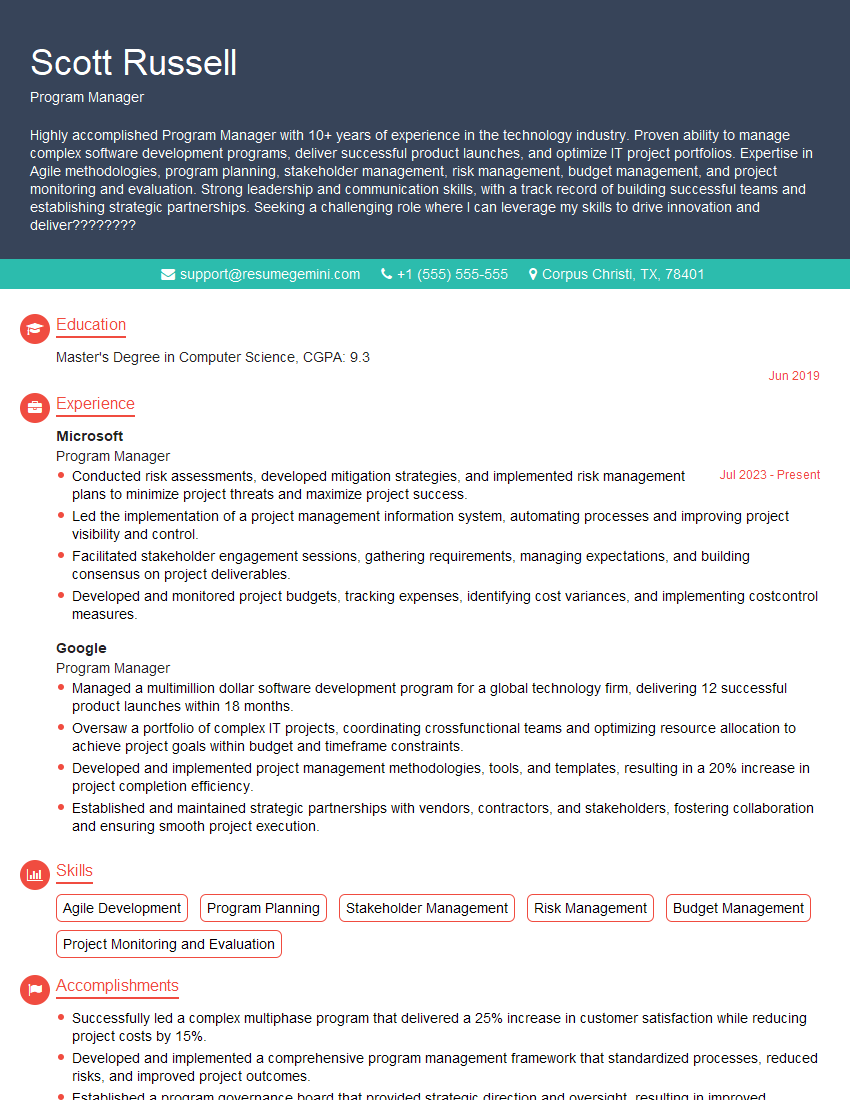
Program Manager Resume Sample
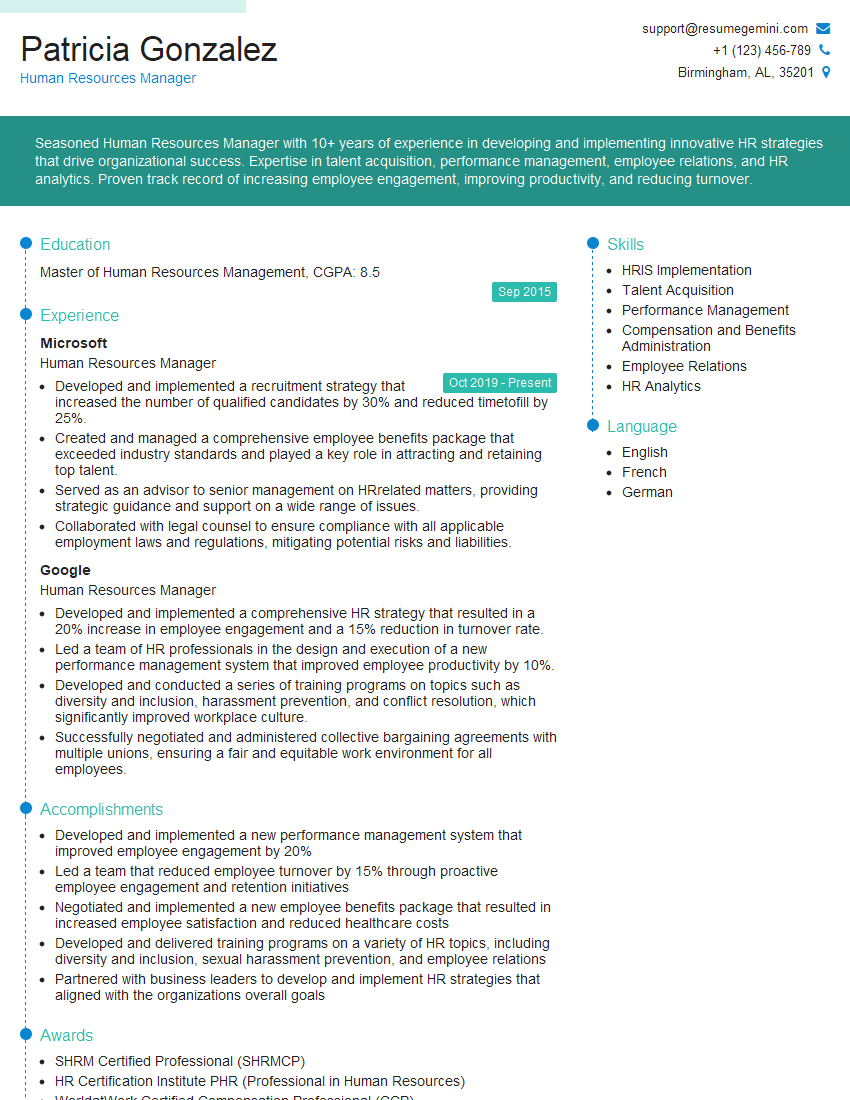
Human Resources Manager Resume Sample
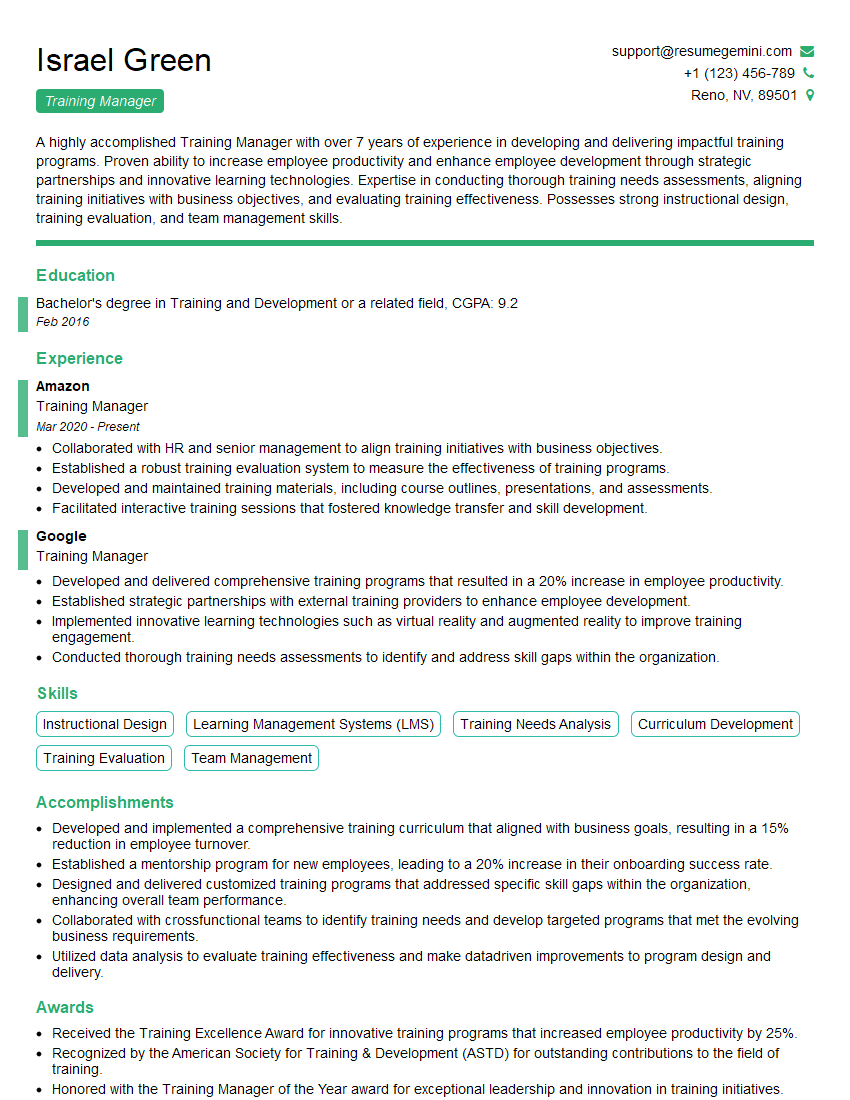
Training Manager Resume Sample
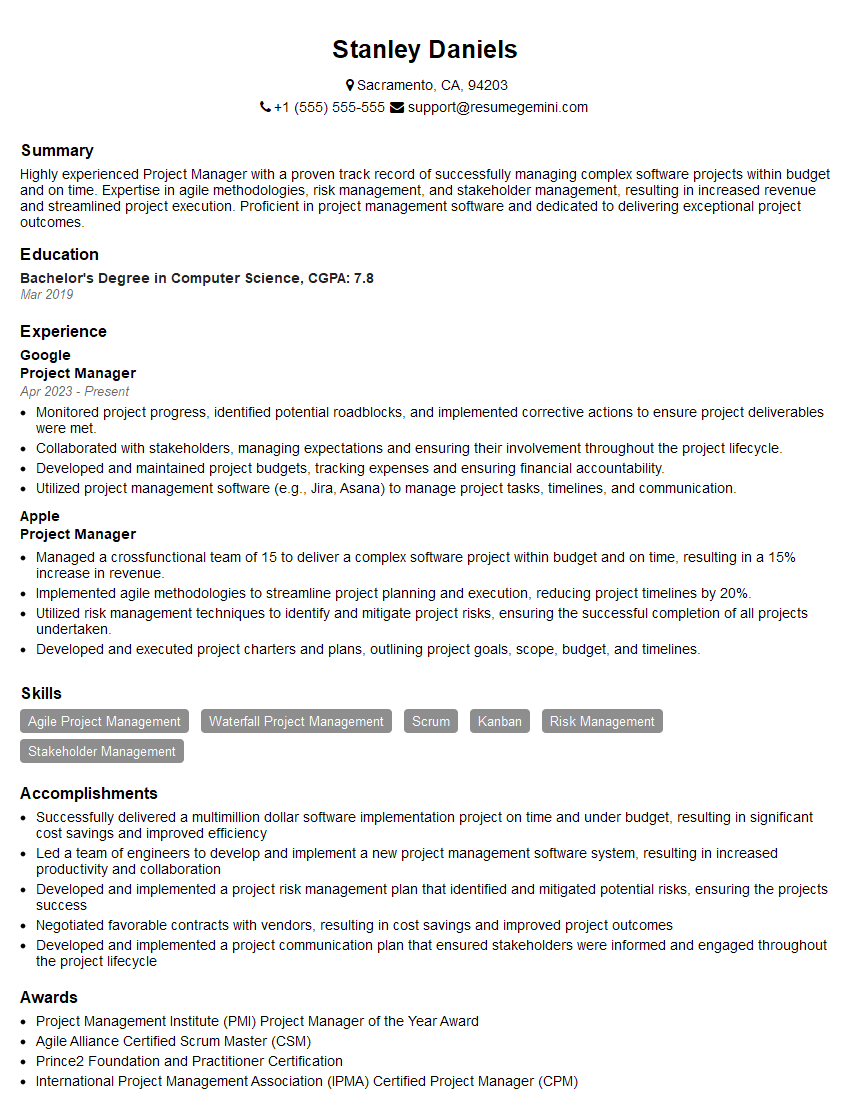
Project Manager Resume Sample

Instructor Resume Sample
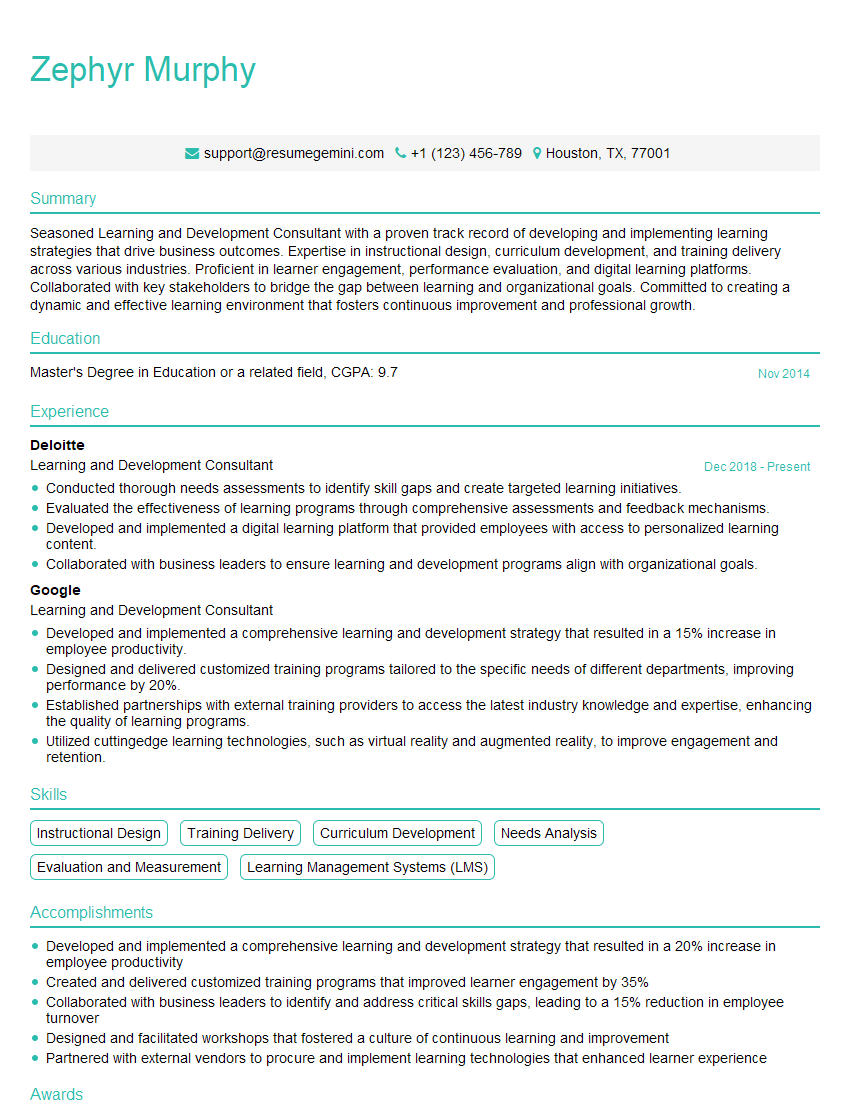
Learning and Development Consultant Resume Sample
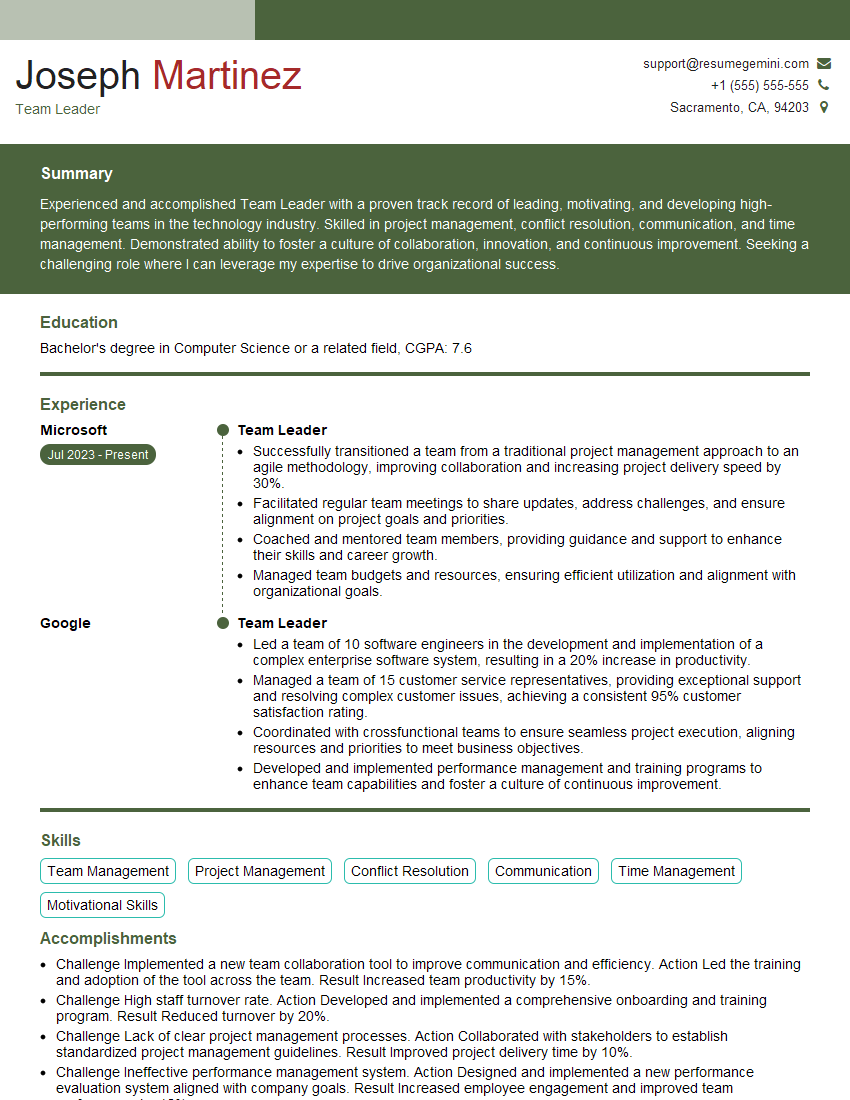
Team Leader Resume Sample
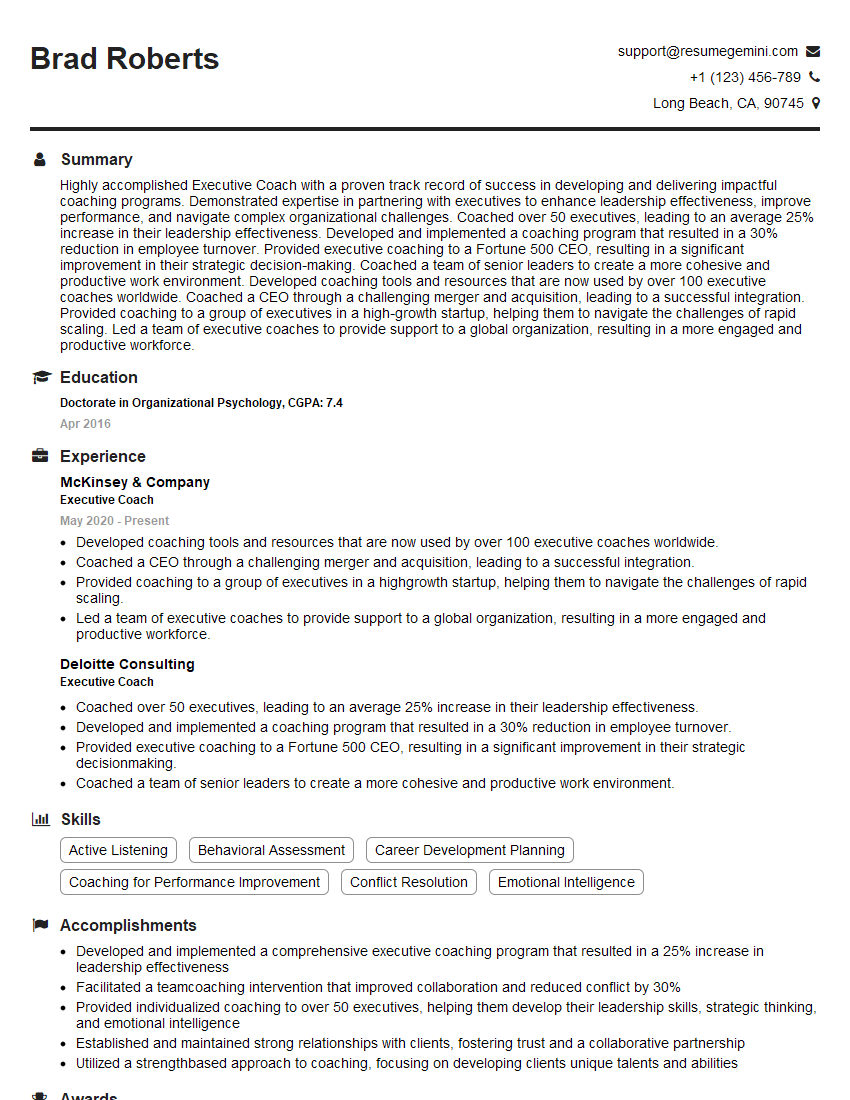
Executive Coach Resume Sample
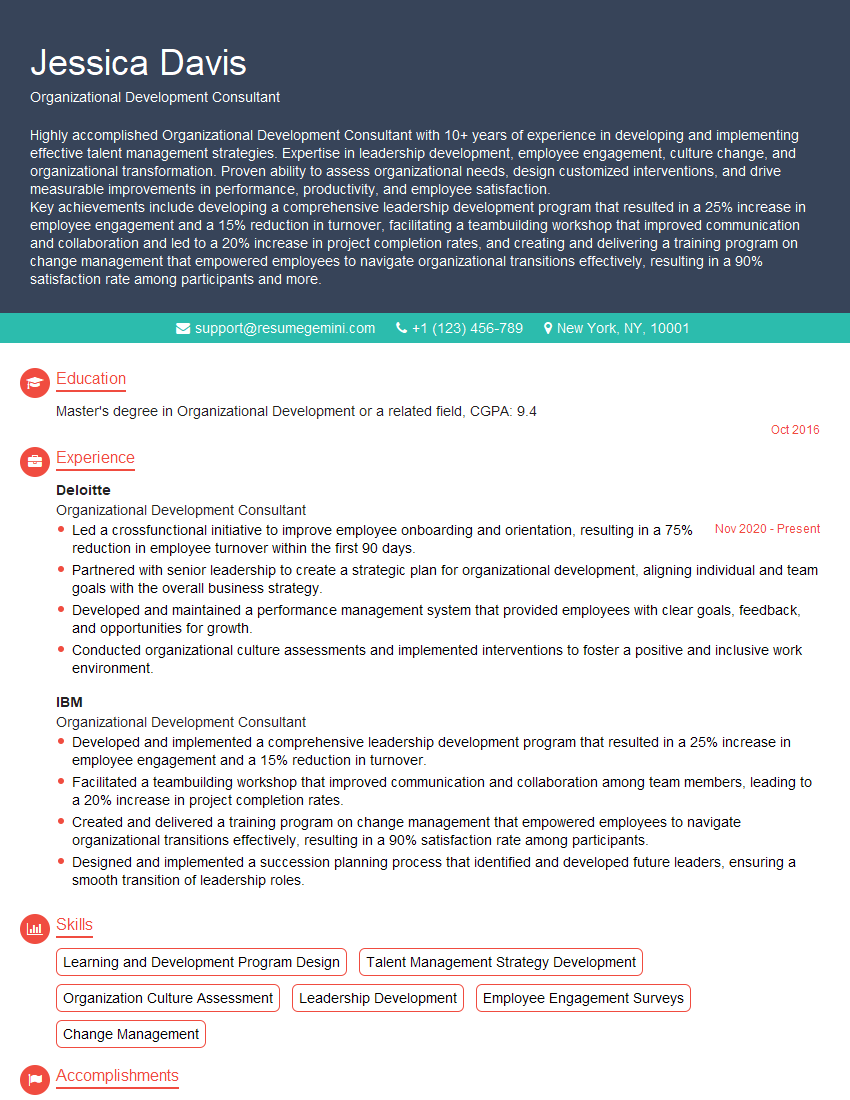
Organizational Development Consultant Resume Sample

Curriculum Developer Resume Sample
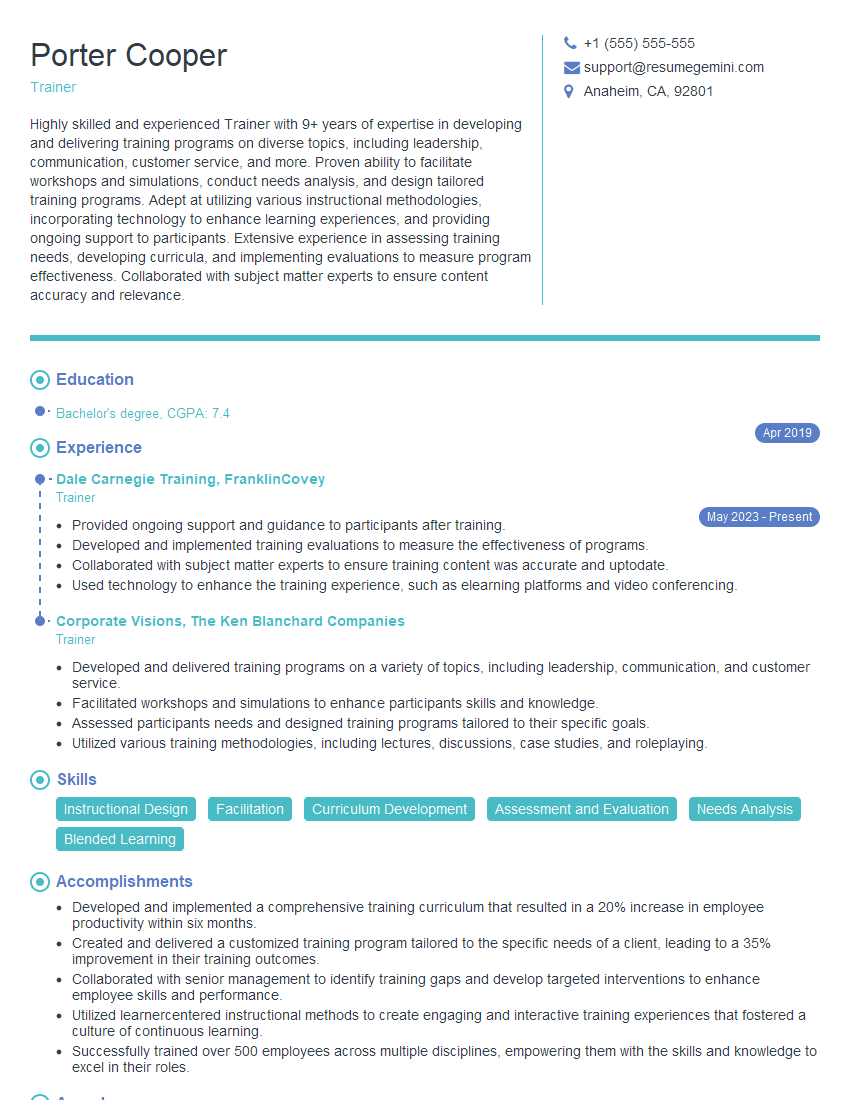
Trainer Resume Sample
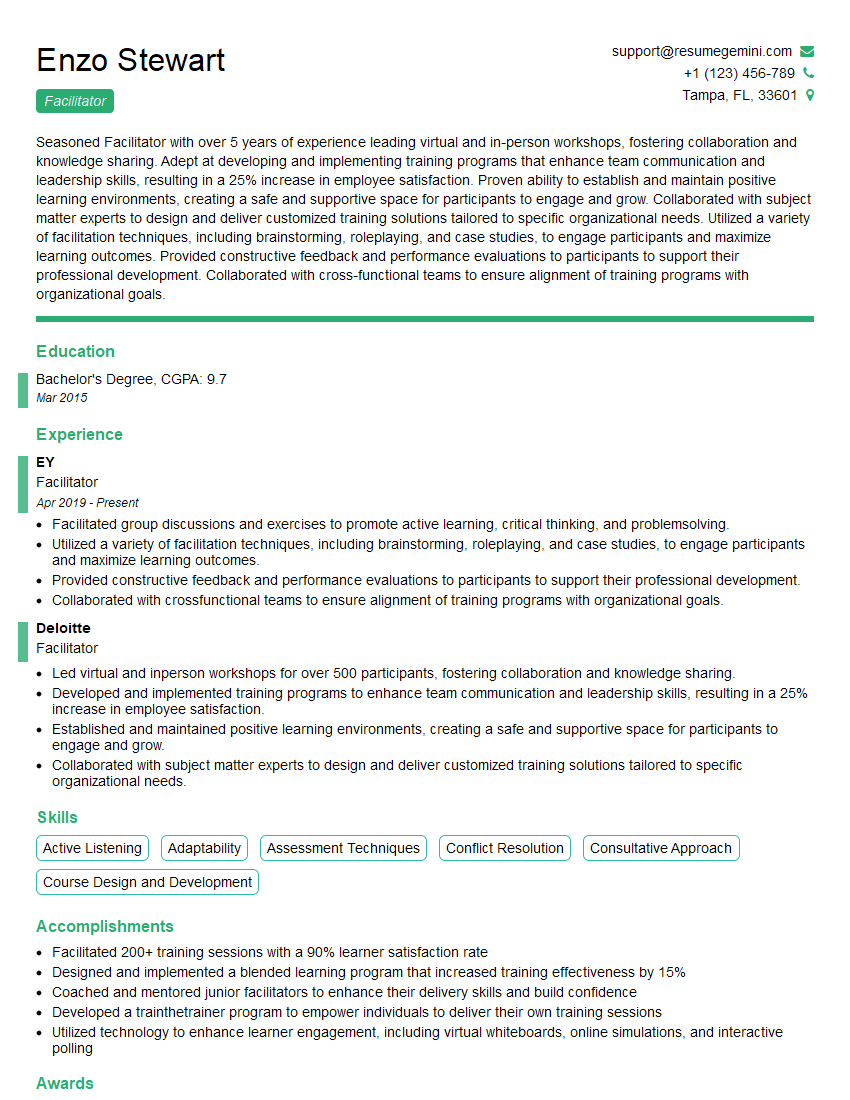
Facilitator Resume Sample
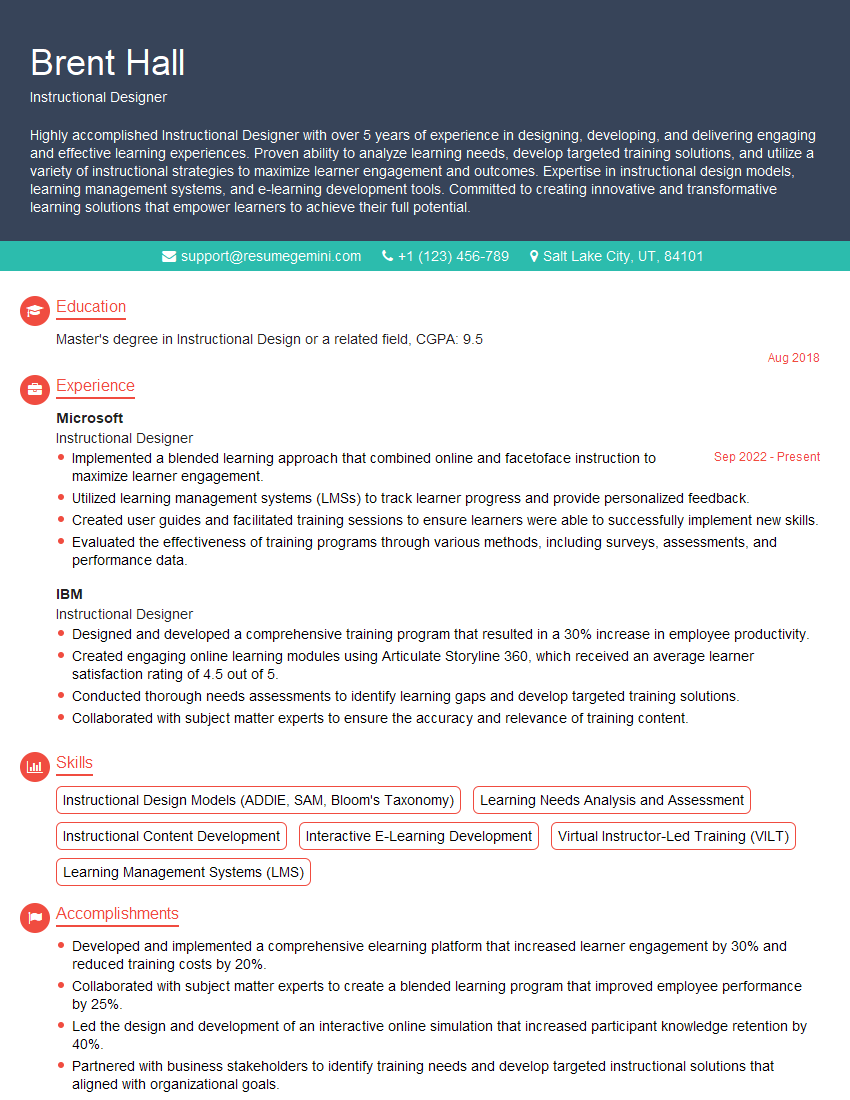
Instructional Designer Resume Sample
Explore more articles
Users Rating of Our Blogs
Share Your Experience
We value your feedback! Please rate our content and share your thoughts (optional).
What Readers Say About Our Blog
Very informative content, great job.
good