Feeling uncertain about what to expect in your upcoming interview? We’ve got you covered! This blog highlights the most important Soft Skills (e.g., Communication, Problem-Solving, Analytical Thinking) interview questions and provides actionable advice to help you stand out as the ideal candidate. Let’s pave the way for your success.
Questions Asked in Soft Skills (e.g., Communication, Problem-Solving, Analytical Thinking) Interview
Q 1. Describe a situation where you had to communicate complex information to a non-technical audience. How did you ensure understanding?
Communicating complex technical information to a non-technical audience requires a strategic approach focusing on simplification and clear, concise language. It’s about translating technical jargon into everyday terms everyone can understand.
In a previous role, I had to explain a new software rollout to a group of sales representatives who lacked a technical background. Instead of using technical terms like ‘API integration’ or ‘database migration,’ I used analogies and relatable examples. For instance, I compared the new software to a more efficient road map for their sales process, highlighting how it would save them time and increase efficiency. I also used visuals, such as flowcharts and diagrams, to illustrate the process. Finally, I incorporated a Q&A session where I encouraged questions and answered them patiently and clearly, using simple language and avoiding jargon. This iterative approach – using clear language, visuals, and active engagement – ensured everyone understood the key points and felt comfortable with the changes.
Q 2. How do you prioritize tasks when facing multiple deadlines?
Prioritizing tasks with multiple deadlines requires a structured approach. I employ a combination of methods, starting with a clear understanding of each task’s importance and urgency. I frequently use a prioritization matrix (Eisenhower Matrix), categorizing tasks by urgency and importance. This helps visually represent and manage competing demands.
- Urgent and Important: These tasks get immediate attention.
- Important but Not Urgent: These tasks are scheduled into my calendar to avoid becoming urgent later.
- Urgent but Not Important: These tasks are delegated if possible or handled quickly to free up time for more important tasks.
- Neither Urgent nor Important: These tasks are eliminated or postponed.
Beyond the matrix, I regularly review my to-do list, adjusting priorities as needed based on new information or shifting deadlines. Transparency with stakeholders is key; if a deadline is likely to be missed, proactive communication helps manage expectations and allows for collaborative solutions.
Q 3. Explain your approach to problem-solving. Walk me through a recent challenge you overcame.
My problem-solving approach is systematic and iterative, combining analytical thinking with creative solutions. I typically follow a structured process:
- Identify the Problem: Clearly define the problem, gathering all relevant information.
- Analyze the Problem: Break down the problem into smaller, more manageable parts. Identify potential root causes.
- Generate Solutions: Brainstorm multiple solutions, considering both short-term and long-term implications.
- Evaluate Solutions: Assess the feasibility, effectiveness, and potential risks of each solution.
- Implement the Solution: Choose the best solution and put it into action.
- Evaluate Results: Monitor the results and make adjustments as needed. Document lessons learned.
Recently, our team faced a significant drop in customer engagement with our new mobile app. Following the above steps, we discovered a major usability issue with the navigation. We redesigned the app’s navigation, making it more intuitive and user-friendly. The implementation of the redesign resulted in a significant increase in user engagement metrics, highlighting the value of this structured approach.
Q 4. Describe a time you had to analyze data to make a critical decision. What was your process?
Analyzing data to make critical decisions requires a thorough and methodical approach. I begin by defining the specific question I need to answer. Then, I collect and clean the relevant data, ensuring its accuracy and reliability. Next, I use appropriate analytical techniques (statistical analysis, data visualization, etc.) to identify patterns, trends, and insights within the data. Finally, I interpret the findings and translate them into actionable recommendations. This process requires careful consideration of potential biases and limitations in the data.
For example, when deciding which marketing campaign to prioritize, I analyzed past campaign data focusing on metrics like click-through rates, conversion rates, and return on investment (ROI). By visualizing this data, we identified a clear correlation between specific campaign types and higher ROI. This analysis led to a strategic decision to allocate more resources towards the more successful campaign types, resulting in a significant increase in sales.
Q 5. How do you handle disagreements within a team?
Handling disagreements within a team requires effective communication, respect, and a focus on finding common ground. I believe that constructive conflict can actually lead to better outcomes. My approach involves:
- Active Listening: I make sure to listen carefully to understand all perspectives before forming my own opinion.
- Respectful Communication: I express my opinions clearly but respectfully, avoiding accusatory or confrontational language.
- Focus on Shared Goals: I remind the team of our shared objectives to keep the focus on finding solutions that benefit everyone.
- Collaboration and Compromise: I work with team members to find mutually agreeable solutions, even if it means compromising on some points.
- Mediation if Needed: If the disagreement becomes unresolvable, I may seek the help of a neutral mediator to facilitate a productive conversation.
The goal is not necessarily to eliminate disagreements entirely, but to manage them constructively to achieve a positive outcome for the team.
Q 6. How do you adapt your communication style to different audiences?
Adapting my communication style to different audiences is crucial for effective communication. I tailor my message based on the audience’s technical expertise, communication preferences, and cultural background. This might involve adjusting my vocabulary, tone, and communication medium.
For example, when communicating with senior management, I focus on high-level summaries and key results. When communicating with technical teams, I use more detailed technical language and data. When communicating with clients, I focus on clarity, simplicity, and meeting their specific needs. Understanding my audience’s needs allows me to effectively convey my message and achieve my communication objectives.
Q 7. Give an example of a time you had to think creatively to solve a problem.
Creativity in problem-solving often involves thinking outside the box and exploring unconventional solutions. A recent example involved a project where we were facing a significant delay due to a shortage of specialized equipment. Instead of waiting for the equipment to become available, we creatively repurposed existing equipment in a novel way. We were able to adapt an existing machine with some modifications, resulting in a solution that, while not ideal, allowed us to stay on schedule. This required innovative thinking and collaboration across different teams, showcasing the benefits of creative problem-solving.
Q 8. Describe your experience using data to support decision-making.
Data-driven decision-making is crucial in today’s professional landscape. It involves using factual information and statistical analysis to inform choices, rather than relying solely on intuition or guesswork. This process significantly reduces risk and increases the likelihood of successful outcomes.
In my previous role at Acme Corporation, we were tasked with improving customer retention. Instead of implementing changes based on assumptions, we analyzed customer churn data. We identified key factors contributing to churn, such as long wait times for customer service and insufficient product training. By visualizing this data using charts and graphs (e.g., a Pareto chart showing the most frequent reasons for churn), we were able to prioritize our efforts. We then implemented targeted improvements in customer service response times and developed a more comprehensive onboarding process. This data-driven approach resulted in a 15% increase in customer retention within six months. The data clearly showed the impact of our changes, validating our strategy.
Q 9. How do you identify and prioritize critical information in complex situations?
Identifying and prioritizing critical information in complex situations requires a structured approach. I use a combination of techniques, including the Eisenhower Matrix (urgent/important), and identifying key performance indicators (KPIs). The Eisenhower Matrix helps categorize tasks based on urgency and importance, allowing me to focus on the most critical items first. Defining relevant KPIs ensures I’m focusing on the metrics that truly matter to the overall goal.
For instance, if faced with multiple project deadlines and unexpected issues, I’d first use the Eisenhower Matrix to identify which tasks are both urgent and important. These would receive immediate attention. Then, I’d review the KPIs for each project to ascertain which projects are contributing most significantly to the overall organizational goals and prioritize those accordingly. This ensures that even under pressure, I am working on the most impactful tasks.
Q 10. How do you handle conflicting priorities?
Conflicting priorities are an inevitable part of professional life. My approach involves open communication, prioritization, and proactive problem-solving. I begin by clearly identifying all conflicting priorities, documenting their deadlines and importance. Then, I communicate openly with stakeholders involved, explaining the constraints and collaboratively finding solutions. This might involve renegotiating deadlines, re-allocating resources, or re-prioritizing tasks based on a shared understanding of the overall goals.
For example, if I had two high-priority projects with overlapping deadlines, I would discuss the situation with my manager and the teams involved. We might decide to adjust the scope of one project, delegate certain tasks, or seek additional resources to ensure both projects are completed successfully, albeit possibly with a slight shift in timelines.
Q 11. Describe a time you had to persuade someone to adopt your point of view.
Persuasion is a key soft skill, involving clearly articulating your viewpoint, understanding the other person’s perspective, and building consensus. I rely on a combination of logical reasoning, data, and emotional intelligence.
In a previous project, I needed to convince the marketing team to adopt a new content strategy that focused on data-driven insights rather than relying solely on intuition. I presented data showing that our previous campaigns hadn’t performed as well as predicted. I then outlined the new strategy, supporting my claims with evidence and clear examples of its potential success. I also actively listened to their concerns and addressed them point by point, demonstrating that the new strategy would ultimately improve their efficiency and results. By showcasing the benefits and addressing their concerns directly, I successfully persuaded the team to adopt the new strategy.
Q 12. How do you approach conflict resolution in a professional setting?
Conflict resolution requires a calm and professional approach. I focus on active listening, understanding the root causes of the conflict, and collaboratively seeking solutions. I avoid making accusations or taking sides. Instead, I aim to facilitate a discussion where all parties feel heard and understood. This often involves using techniques such as summarizing each party’s perspective to ensure clarity and mutual understanding. My goal is to find a mutually acceptable solution, even if it means compromising on certain aspects.
In a situation where team members had a disagreement regarding project deliverables, I facilitated a meeting where everyone had the opportunity to express their concerns. I summarized each viewpoint, highlighting common ground and areas of divergence. This helped to reduce misunderstandings and pave the way for a constructive dialogue. We then collaboratively developed a revised plan that addressed all concerns and ensured the project was completed successfully.
Q 13. How do you stay organized and manage your time effectively?
Effective time and organization management is critical for productivity. I use various tools and techniques to stay organized. These include using digital calendars (like Google Calendar) to schedule appointments and deadlines, creating detailed to-do lists using task management apps (like Asana or Trello), and employing time-blocking techniques to allocate specific time slots for different tasks. I also regularly review my schedule and prioritize tasks based on urgency and importance.
For example, I break down large projects into smaller, more manageable tasks, making them less daunting and easier to track progress. Regularly reviewing my to-do lists, updating them and adjusting them based on priorities, keeps me focused and ensures I’m on track to meet my goals.
Q 14. How do you handle stressful situations and pressure?
Handling stressful situations and pressure requires a proactive and adaptable approach. I prioritize self-care, maintaining a healthy work-life balance, and developing effective coping mechanisms. This includes practicing mindfulness techniques, prioritizing sleep, and engaging in regular physical activity. When under pressure, I take breaks to clear my head, focus on one task at a time, and communicate openly with my team and manager to ensure everyone is on the same page.
If I feel overwhelmed, I practice deep breathing exercises to calm my nerves and regain focus. Breaking down large tasks into smaller, more manageable ones reduces the feeling of being overwhelmed, allowing me to make steady progress. Communication is essential to prevent misunderstandings and to seek support when needed.
Q 15. How do you build rapport and trust with colleagues?
Building rapport and trust with colleagues is crucial for effective teamwork and a positive work environment. It’s about fostering genuine connections based on mutual respect and understanding. I approach this by actively listening to my colleagues, showing genuine interest in their perspectives, and valuing their contributions.
- Active Listening: I make a conscious effort to understand not just what they’re saying, but also the underlying emotions and intentions. I ask clarifying questions and summarize their points to ensure understanding.
- Empathy and Understanding: I try to see things from their point of view, even if I don’t agree. Acknowledging their feelings and perspectives fosters trust.
- Open Communication: I maintain open and honest communication, sharing relevant information and being transparent in my actions. This builds predictability and reliability.
- Collaboration and Support: I actively participate in team activities and offer support when needed. Helping colleagues succeed builds camaraderie and trust.
- Respectful Interactions: I treat everyone with respect, regardless of their position or background. This includes valuing their opinions and recognizing their contributions.
For example, during a recent project, a colleague was struggling with a technical issue. Instead of simply offering a solution, I took the time to understand the root of their frustration. By actively listening and offering encouragement, I helped them overcome the obstacle, strengthening our working relationship in the process.
Career Expert Tips:
- Ace those interviews! Prepare effectively by reviewing the Top 50 Most Common Interview Questions on ResumeGemini.
- Navigate your job search with confidence! Explore a wide range of Career Tips on ResumeGemini. Learn about common challenges and recommendations to overcome them.
- Craft the perfect resume! Master the Art of Resume Writing with ResumeGemini’s guide. Showcase your unique qualifications and achievements effectively.
- Don’t miss out on holiday savings! Build your dream resume with ResumeGemini’s ATS optimized templates.
Q 16. Describe a time you had to work with incomplete information. How did you proceed?
Working with incomplete information is a common challenge in many projects. My approach involves a structured process focusing on information gathering, risk assessment, and iterative problem-solving.
- Identify Knowledge Gaps: I first systematically identify what information is missing and its potential impact on the project. This often involves creating a list of unknowns and prioritizing them based on their criticality.
- Gather Available Data: I leverage all available resources, including internal databases, research materials, and relevant stakeholders, to gather as much information as possible to fill the gaps.
- Make Informed Assumptions (with caveats): When necessary, I make informed assumptions, clearly documenting these and their potential consequences. I ensure these assumptions are revisited and validated as more information becomes available.
- Develop Contingency Plans: I anticipate potential problems that could arise from the missing information and create contingency plans to mitigate them. This might involve creating multiple scenarios and preparing alternative solutions.
- Iterative Approach: I approach the project iteratively, using the initial information to make progress and refining the approach as more information becomes available. This allows flexibility and adaptation.
In one instance, I was tasked with developing a marketing campaign with limited data on the target audience. I began by gathering all existing data, then conducted preliminary surveys and focus groups to gather further information. Based on this limited data, I developed a campaign plan with multiple contingency plans based on different audience reactions, which allowed me to adapt as I gathered further data.
Q 17. How do you identify potential risks and opportunities in a project?
Identifying potential risks and opportunities requires proactive thinking and a systematic approach. I employ a combination of brainstorming, SWOT analysis, and risk assessment techniques.
- Brainstorming: I start by brainstorming potential risks and opportunities with the team. This encourages diverse perspectives and uncovers hidden issues or possibilities.
- SWOT Analysis: A SWOT (Strengths, Weaknesses, Opportunities, Threats) analysis helps categorize the risks and opportunities systematically. This analysis helps to understand the internal and external factors that could affect the project.
- Risk Assessment: I assess each potential risk by considering its likelihood and potential impact. This helps to prioritize risks and allocate resources effectively. Tools like risk registers can be used here.
- Opportunity Evaluation: Similarly, I evaluate potential opportunities by considering their potential benefits and the resources required to capitalize on them. The potential return on investment is also a key aspect of this evaluation.
- Mitigation and Exploitation Plans: Finally, I develop mitigation strategies for high-priority risks and action plans for leveraging key opportunities. This involves proactive steps to reduce risk or maximize gains.
For example, in a software development project, a potential risk was a delay in receiving key components from a third-party vendor. Through risk assessment, we determined the likelihood and impact of this delay. We then developed a mitigation strategy by securing alternative vendors and building in buffer time to the project schedule.
Q 18. How do you give and receive constructive feedback?
Giving and receiving constructive feedback is a cornerstone of professional development and teamwork. The key is to focus on behaviors and impacts, not personalities.
- Giving Feedback: I use the SBI (Situation, Behavior, Impact) method. I describe the specific situation, the observed behavior, and the impact of that behavior. I focus on observable facts rather than subjective opinions. I ensure the feedback is timely and delivered privately.
- Receiving Feedback: I actively listen to the feedback without interrupting. I ask clarifying questions to fully understand the message. I thank the person for their feedback, even if it’s difficult to hear. I reflect on the feedback and consider how to incorporate it for improvement.
- Focus on Improvement: Both giving and receiving feedback should be focused on improvement, not blame or criticism. The goal is to help someone grow and develop.
- Two-way conversation: I encourage a two-way conversation, allowing the recipient to share their perspective and ask questions.
- Follow up: After giving feedback, I follow up to see how the person is progressing and offer additional support if needed.
For example, if a colleague missed a deadline, instead of saying ‘You’re irresponsible,’ I might say, ‘In the last project, the report was due on Friday, and it was submitted on Monday. This impacted the team’s ability to meet their own deadlines. How can we prevent this in the future?’
Q 19. How do you learn from your mistakes?
Learning from mistakes is essential for continuous growth. My process involves reflection, analysis, and action planning.
- Reflect on the situation: After a mistake, I take time to reflect on what happened. I objectively analyze the situation without placing blame. I consider my actions and their consequences.
- Identify root causes: I try to identify the root causes of the mistake, rather than just the surface-level issues. This often involves asking ‘why’ repeatedly until I reach the core problem.
- Develop strategies for improvement: Based on my analysis, I develop strategies to prevent similar mistakes in the future. This may involve changes to my work processes, improving my skills, or seeking additional support.
- Document lessons learned: I document the lessons learned, including both the mistake and the corrective actions taken. This creates a knowledge base that can be used to prevent future errors.
- Seek feedback: I actively seek feedback from colleagues or mentors on how I can improve my approach and prevent future mistakes.
For example, if I missed a crucial detail in a proposal, I wouldn’t simply beat myself up. Instead, I’d analyze why I missed it (perhaps due to insufficient time or unclear instructions), develop strategies to improve my attention to detail (using checklists or seeking clarification earlier), and document this learning for future reference.
Q 20. How do you handle setbacks and maintain motivation?
Setbacks and challenges are inevitable in any professional journey. Maintaining motivation requires resilience, a positive mindset, and effective coping strategies.
- Reframe Setbacks: I view setbacks as learning opportunities rather than failures. This shift in perspective helps maintain a positive attitude and fosters resilience.
- Focus on Solutions: Instead of dwelling on the problem, I focus my energy on finding solutions. This proactive approach helps to regain control and move forward.
- Break Down Tasks: Large projects can feel overwhelming. I break them down into smaller, manageable tasks to make progress feel more attainable and boost motivation.
- Seek Support: I reach out to colleagues, mentors, or friends for support and encouragement when facing setbacks. Sharing my challenges can provide valuable perspective and reduce feelings of isolation.
- Celebrate Small Wins: Recognizing and celebrating small victories helps maintain momentum and boosts confidence. It reminds me of progress made, even during challenging times.
For instance, if a project was delayed due to unforeseen circumstances, instead of getting discouraged, I’d focus on what I could control: adjusting the schedule, identifying alternative solutions, and communicating transparently with stakeholders. Celebrating the successful completion of smaller tasks within the delayed project helped me keep the larger goal in sight.
Q 21. Describe a time you had to make a difficult decision with limited information.
Making difficult decisions with limited information is a common leadership challenge. My approach involves a structured decision-making process, focusing on gathering as much relevant data as possible and acknowledging inherent uncertainties.
- Define the Problem Clearly: I start by clearly defining the problem and the decision that needs to be made. This provides a framework for the subsequent steps.
- Gather Available Information: I diligently gather all available relevant data, even if it is incomplete. This may involve conducting research, consulting experts, and seeking input from stakeholders.
- Identify Potential Solutions: I brainstorm and evaluate different potential solutions, considering their potential risks and benefits given the limited information available.
- Assess the Risks and Uncertainties: I explicitly acknowledge the uncertainties and risks associated with each solution. This involves anticipating potential outcomes and developing contingency plans.
- Make the Decision and Document Rationale: I make a well-reasoned decision based on the available information and the assessed risks. I clearly document the rationale behind the decision to allow for future review and learning.
- Monitor and Adapt: After making the decision, I closely monitor its impact and adapt the strategy as new information becomes available. This iterative approach allows for adjustments based on real-world results.
In one situation, I had to decide whether to launch a new product with limited market research data. After evaluating the potential risks and benefits based on the available information, I decided on a phased launch, allowing me to gather real-time market feedback and adapt the product strategy accordingly.
Q 22. How do you collaborate effectively with individuals from diverse backgrounds?
Effective collaboration across diverse backgrounds hinges on embracing differences as strengths. It’s about understanding that varied perspectives enrich problem-solving and innovation. My approach involves actively listening to understand viewpoints, valuing diverse opinions, and fostering a safe space for open communication. I ensure everyone feels heard and respected, regardless of their background. For instance, in a previous project involving a global team, I initiated virtual ‘cultural awareness’ sessions to understand team members’ communication styles and preferences. This fostered mutual respect and improved teamwork significantly. I also consciously avoid making assumptions and actively seek clarification when needed, promoting inclusivity and reducing misunderstandings.
Q 23. How do you ensure that communication channels remain open and effective?
Maintaining open and effective communication requires a multi-pronged approach. First, selecting the right communication channel is crucial – emails for formal updates, instant messaging for quick queries, video conferencing for detailed discussions, etc. Second, I prioritize clear, concise, and timely communication, ensuring everyone receives necessary information promptly. Third, I actively encourage feedback and two-way communication; this often involves regular check-ins, team meetings, and open forums where team members can raise concerns or suggestions. Finally, I adapt my communication style to match the audience and context. For instance, technical details would be explained differently to a developer than to a project manager. In one project, implementing a daily stand-up meeting drastically improved communication flow and addressed potential bottlenecks quickly.
Q 24. How do you delegate tasks effectively and monitor progress?
Effective delegation involves identifying the right person for the task, based on their skills and experience. It’s not just about assigning work; it’s about empowering individuals. My process includes clearly defining expectations, setting deadlines, providing necessary resources, and ensuring the team member understands the task’s importance and impact. I regularly monitor progress, offering support and addressing roadblocks proactively. This includes regular check-ins, reviewing outputs, and providing constructive feedback. I avoid micromanaging, trusting individuals to manage their work. However, I’m always available for consultation and guidance. In one project, delegating specific tasks to junior team members, with appropriate mentorship, not only improved project efficiency but also enhanced their skillset and job satisfaction.
Q 25. Explain your process for identifying root causes of problems.
My approach to identifying root causes involves a systematic process, often employing the ‘5 Whys’ technique. This involves repeatedly asking ‘why’ to drill down to the underlying cause of a problem. Beyond this, I also utilize other tools like fishbone diagrams (Ishikawa diagrams) to visualize potential causes and brainstorm systematically. Data analysis plays a crucial role; I examine relevant metrics and patterns to identify trends contributing to the problem. This may involve reviewing logs, examining performance data, or conducting surveys. It’s important to avoid jumping to conclusions and carefully consider all possible contributing factors. For instance, when a software application experienced frequent crashes, using the 5 Whys revealed a memory leak as the root cause, not the initially suspected faulty algorithm.
Q 26. How do you use analytical skills to improve efficiency and effectiveness?
Analytical skills are crucial for improving efficiency and effectiveness. I use data analysis to identify bottlenecks, inefficiencies, and areas for improvement. This often involves gathering data, organizing it, identifying patterns and trends, and drawing conclusions to support decision-making. For example, in a previous role, analyzing sales data revealed a seasonal pattern, allowing us to adjust inventory and staffing levels accordingly, improving profitability and reducing waste. I also apply critical thinking to evaluate different approaches and choose optimal strategies, ensuring data-driven decisions rather than relying on intuition alone. Tools like spreadsheets, data visualization software, and statistical analysis techniques are frequently employed.
Q 27. How do you ensure the accuracy and reliability of your work?
Ensuring accuracy and reliability involves a combination of meticulousness and verification. First, I meticulously follow established procedures and guidelines, paying close attention to detail at every stage. Second, I employ various verification methods depending on the task. This might include double-checking calculations, peer review of reports, or using validation tools. Third, I maintain detailed records and documentation for all my work, making it easy to trace back steps and identify potential errors. Regular self-assessment is also critical. I strive to develop a keen eye for identifying potential errors and develop solutions to prevent them. For instance, in financial reporting, using cross-checking mechanisms and employing auditing procedures guarantees the accuracy and reliability of our financial statements.
Q 28. Describe a situation where you had to adapt to changing circumstances.
In a previous project, we were developing a mobile application, and halfway through, the client significantly altered their requirements. This demanded a flexible and adaptive approach. I immediately organized a team meeting to discuss the implications of the changes, assessing the impact on timelines, budget, and resources. We re-prioritized tasks, revised the project plan, and communicated the revised timeline and budget to the client transparently. We utilized agile methodologies to adapt to the changing circumstances effectively. By adapting quickly and communicating proactively, we managed to successfully deliver the revised product, albeit with some minor delays, maintaining a positive client relationship.
Key Topics to Learn for Soft Skills (e.g., Communication, Problem-Solving, Analytical Thinking) Interview
- Effective Communication: Understanding active listening, non-verbal cues, tailoring communication to different audiences, and conveying complex information clearly and concisely.
- Practical Application of Communication: Role-playing scenarios to practice clear and persuasive communication in various professional contexts, such as delivering presentations, conducting meetings, and providing constructive feedback.
- Problem-Solving Strategies: Mastering frameworks like the SWOT analysis, root cause analysis, and the 5 Whys to approach challenges systematically and efficiently. Practicing problem decomposition and solution prioritization.
- Practical Application of Problem-Solving: Using case studies to analyze complex situations, identify underlying issues, develop solutions, and evaluate potential outcomes. Focusing on demonstrating a structured approach and clear rationale.
- Analytical Thinking & Critical Evaluation: Developing skills in data interpretation, identifying patterns and trends, drawing logical conclusions, and evaluating information critically to make informed decisions. Understanding biases and their impact on analysis.
- Practical Application of Analytical Thinking: Practicing data analysis exercises, interpreting charts and graphs, and formulating persuasive arguments based on evidence. Focusing on showcasing clear and logical thought processes.
- Adaptability and Teamwork: Understanding the importance of collaboration, conflict resolution, and adapting to changing circumstances. Demonstrating flexibility and a willingness to learn.
- Self-Awareness and Emotional Intelligence: Recognizing your strengths and weaknesses, managing emotions effectively, and understanding the emotional landscape of a team setting. Demonstrating empathy and building rapport.
Next Steps
Mastering soft skills like communication, problem-solving, and analytical thinking is crucial for career advancement. These skills are highly valued by employers and significantly impact your ability to succeed in any role. To increase your job prospects, focus on building an ATS-friendly resume that effectively highlights your accomplishments and skills. ResumeGemini is a trusted resource that can help you create a professional and impactful resume tailored to your strengths. We provide examples of resumes tailored to showcasing skills in communication, problem-solving, and analytical thinking, helping you present yourself effectively to potential employers.
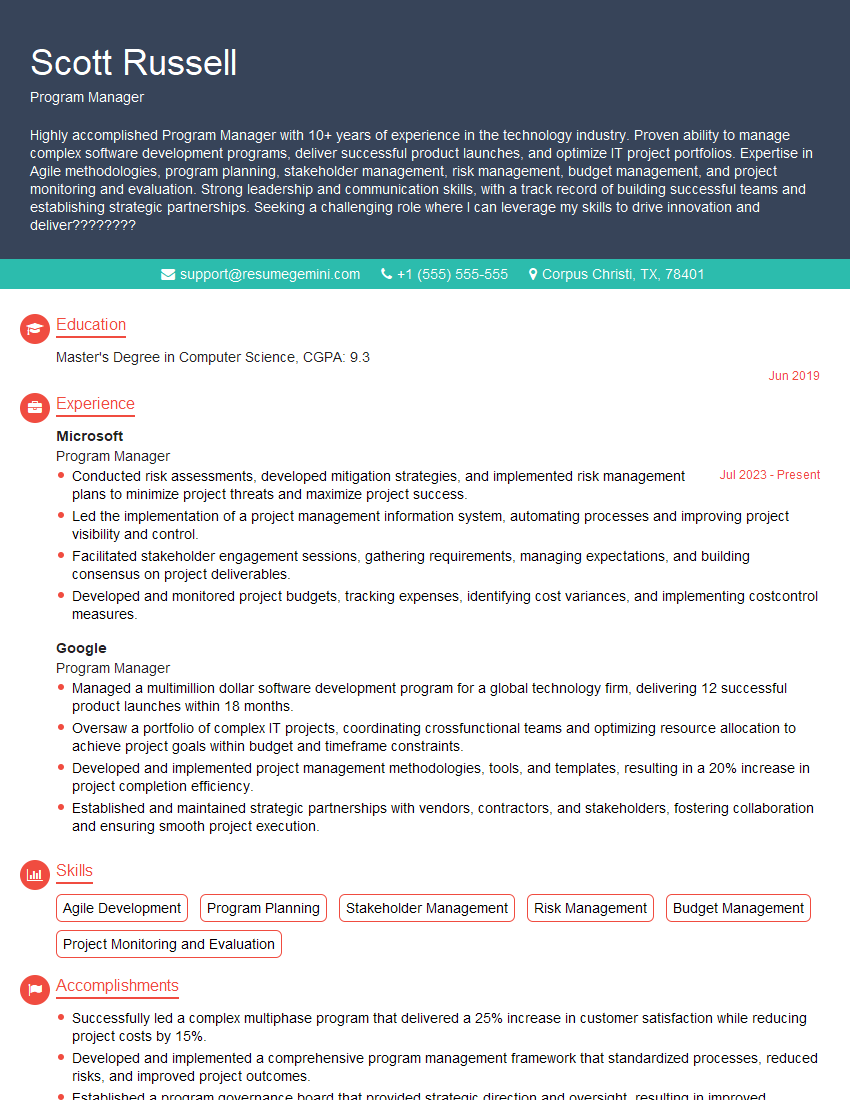
Program Manager Resume Sample

Operations Manager Resume Sample
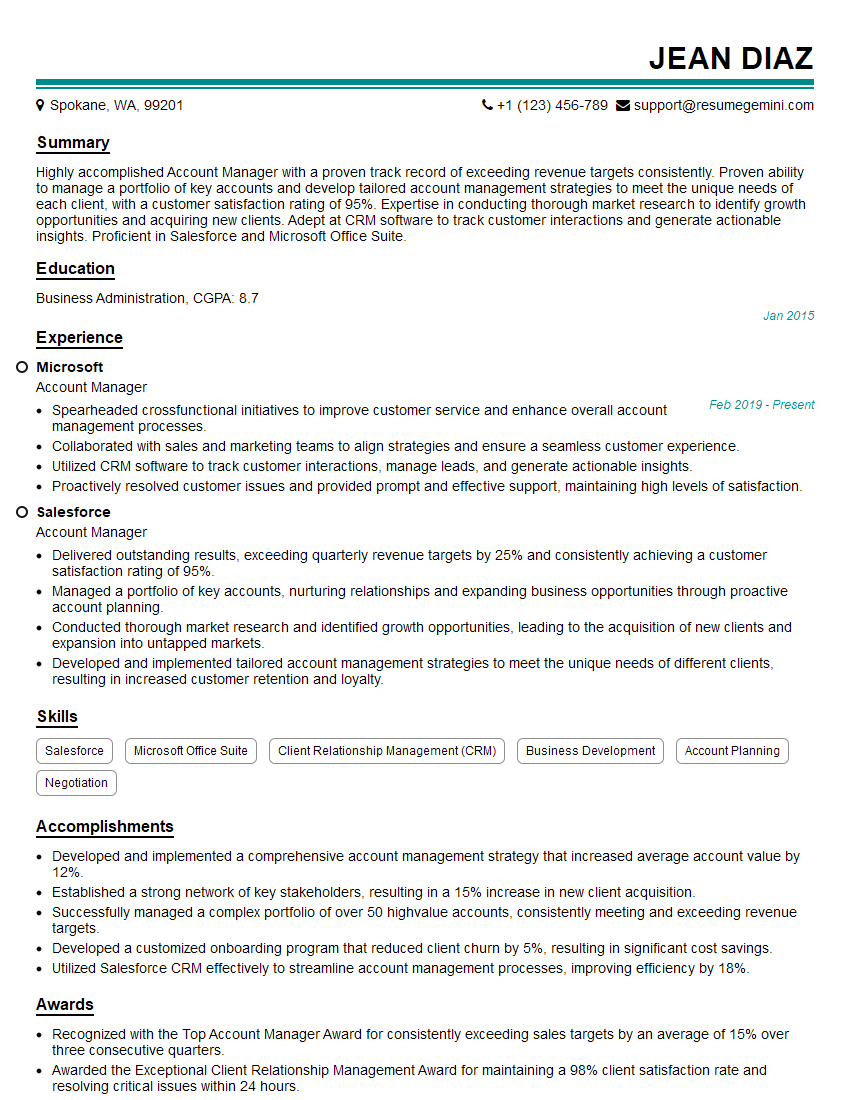
Account Manager Resume Sample
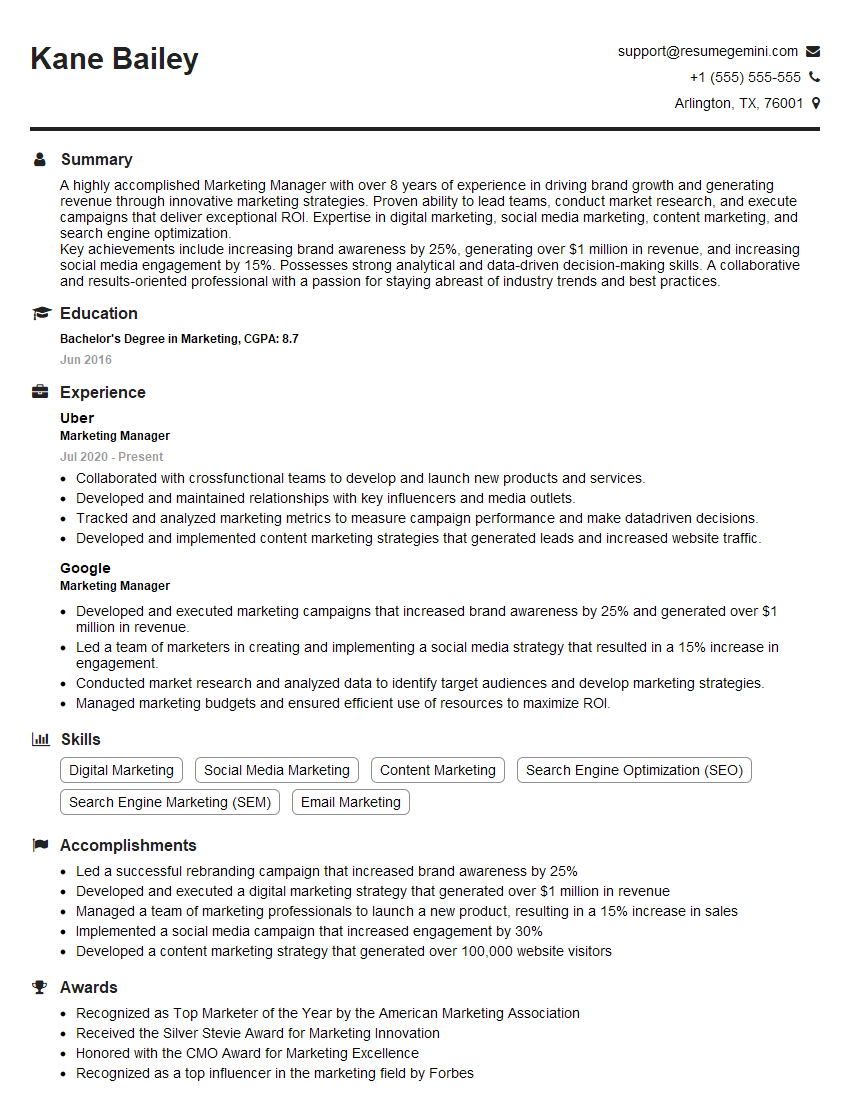
Marketing Manager Resume Sample
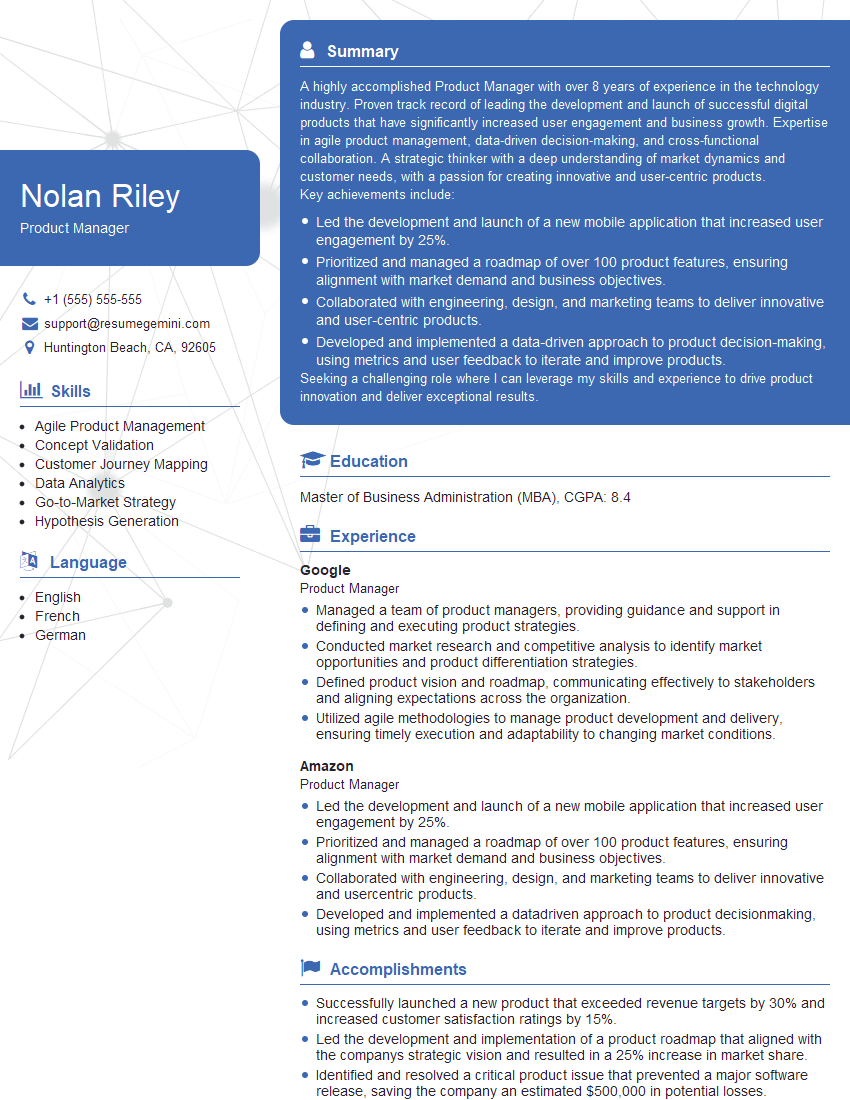
Product Manager Resume Sample
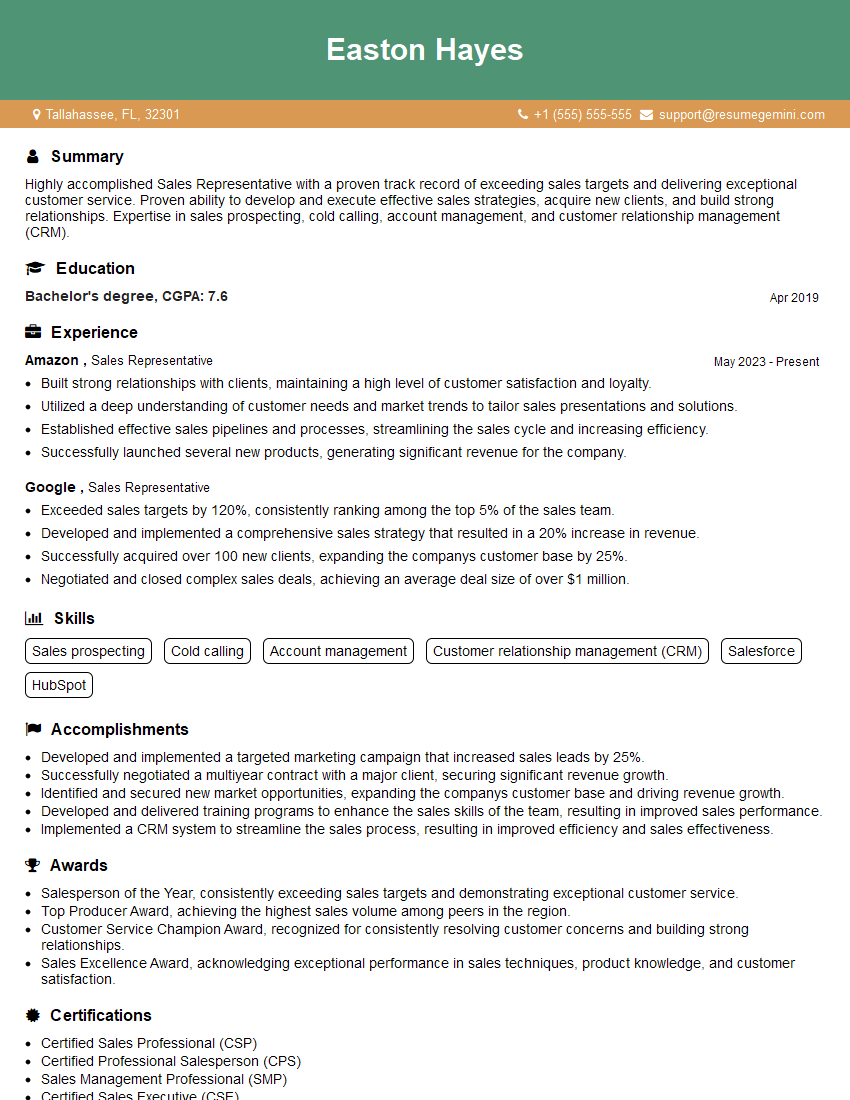
Sales Representative Resume Sample

Communications Manager Resume Sample
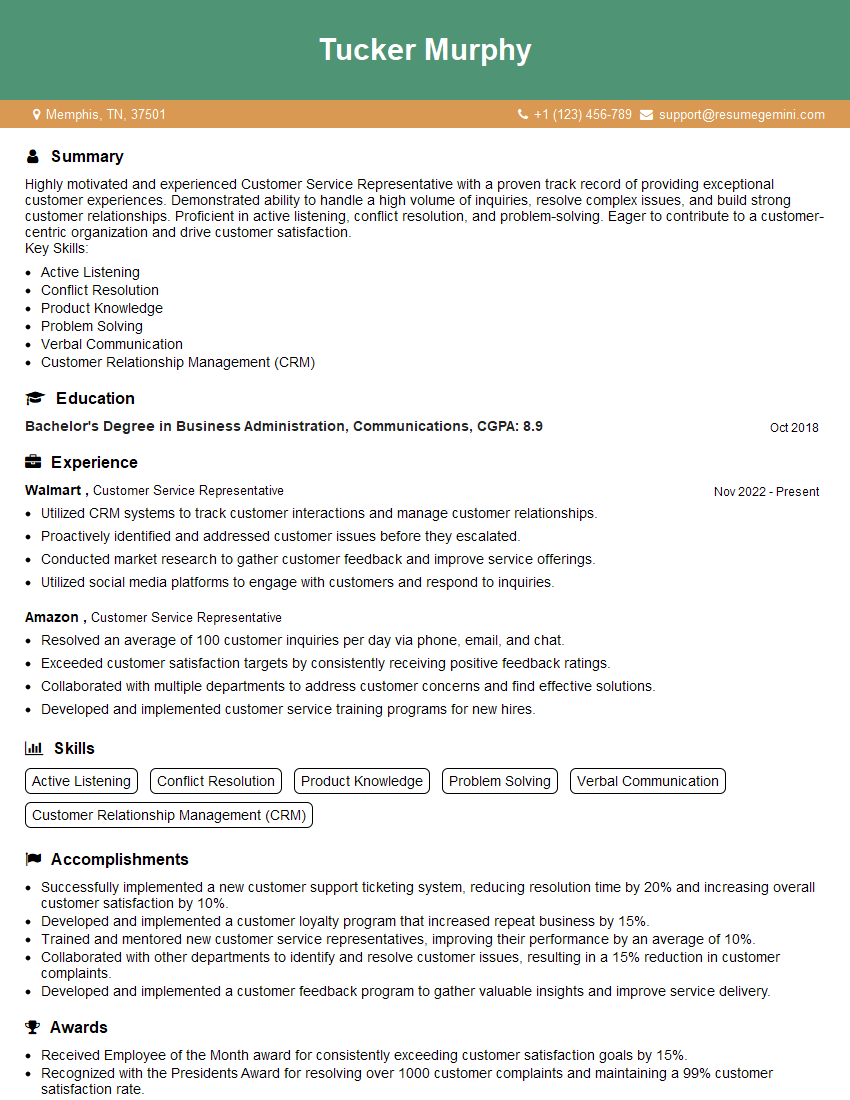
Customer Service Representative Resume Sample
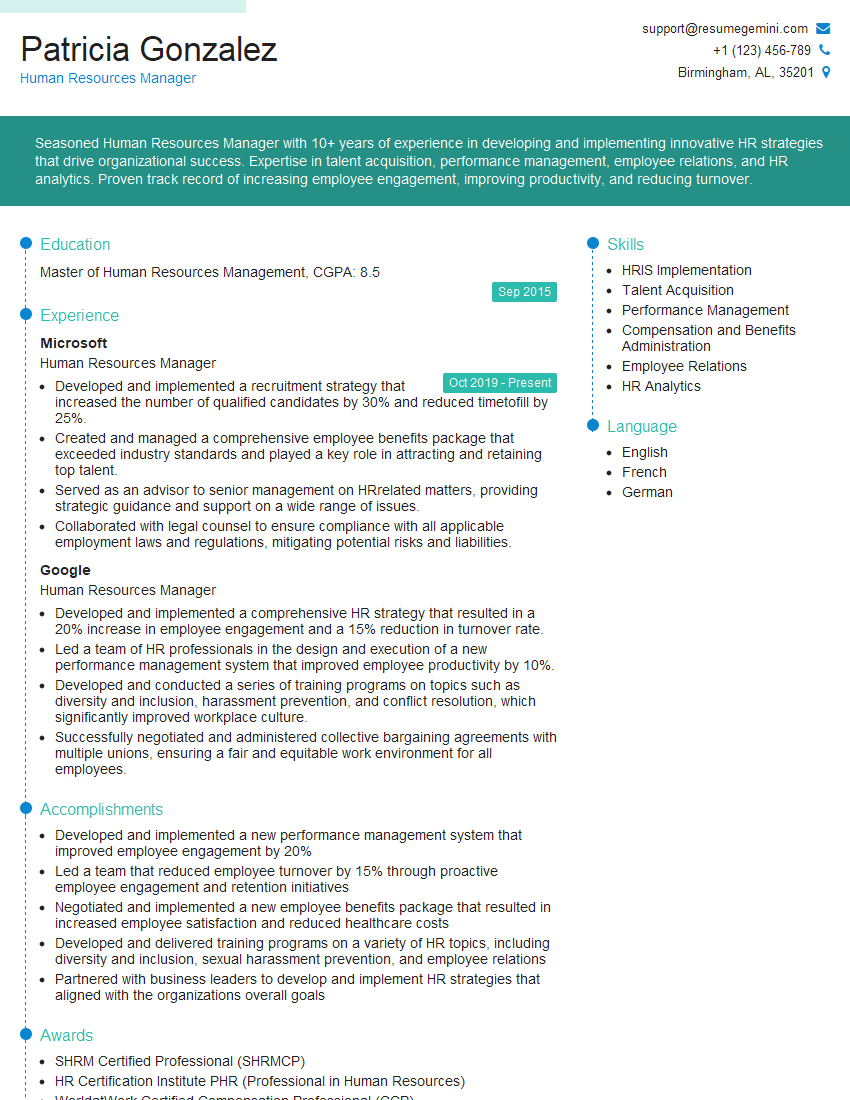
Human Resources Manager Resume Sample

Project Manager Resume Sample
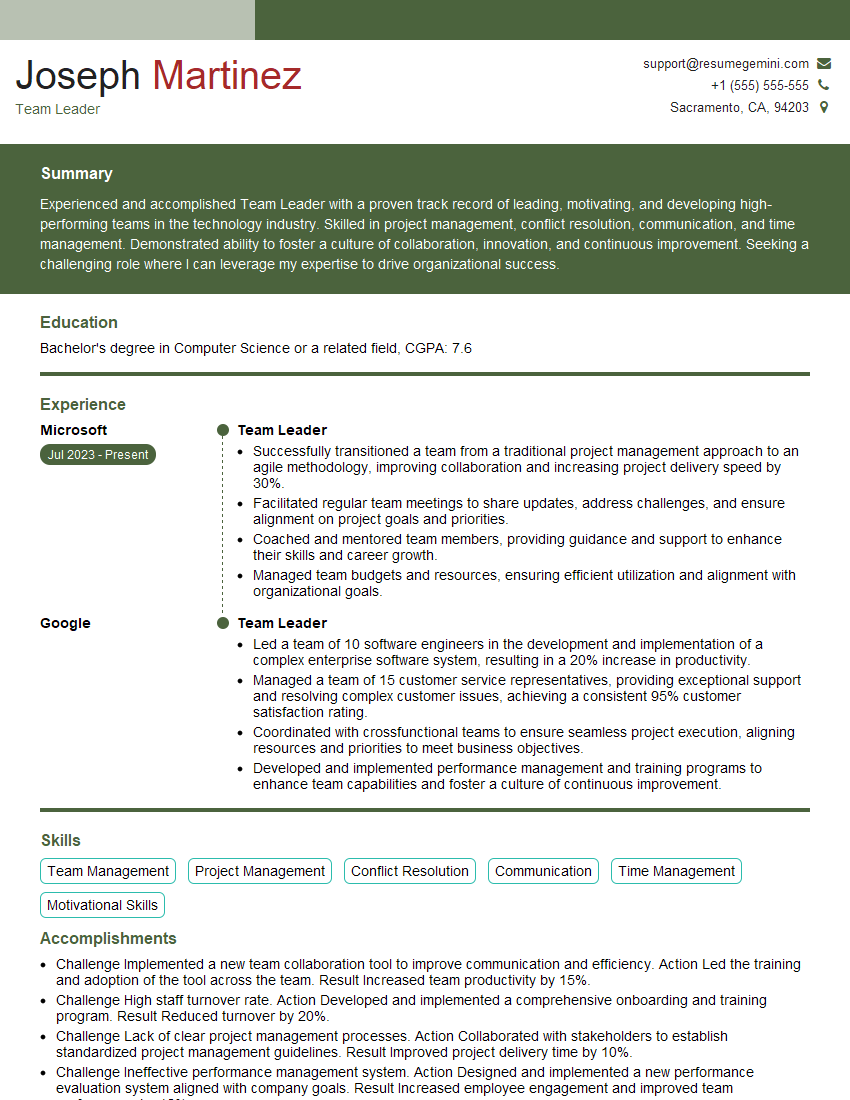
Team Leader Resume Sample
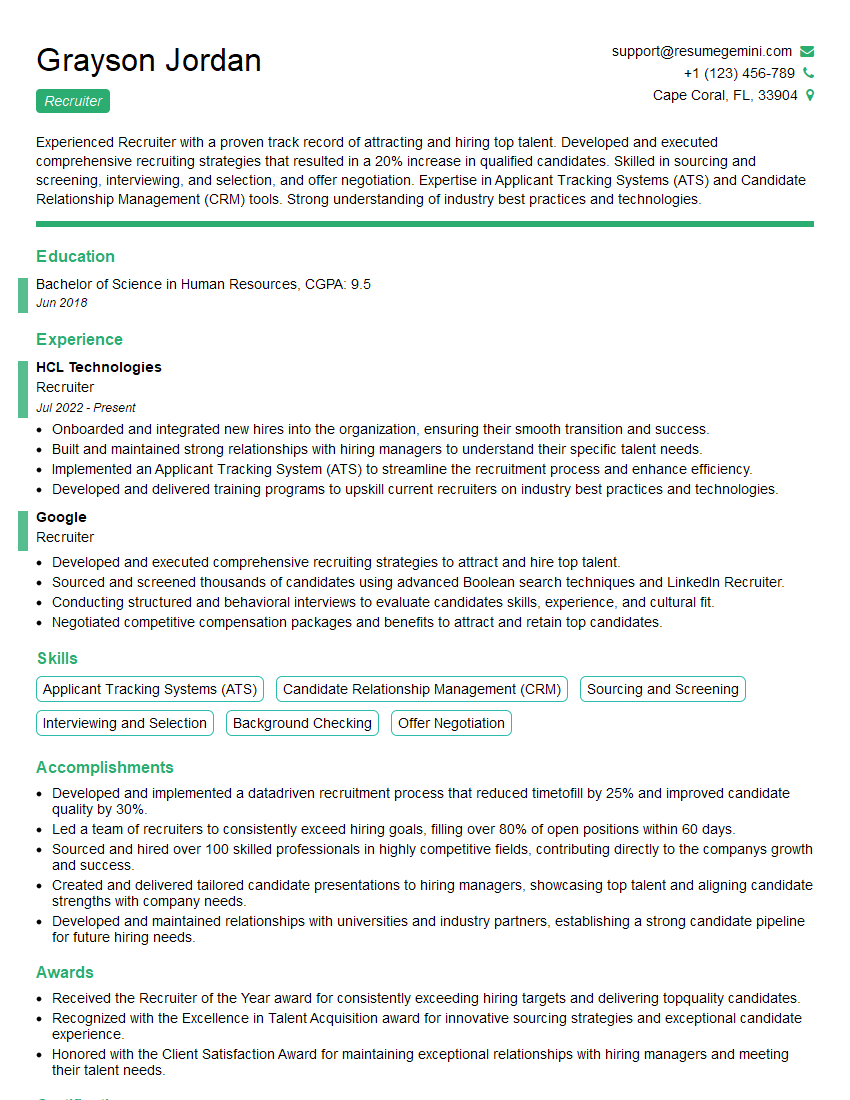
Recruiter Resume Sample
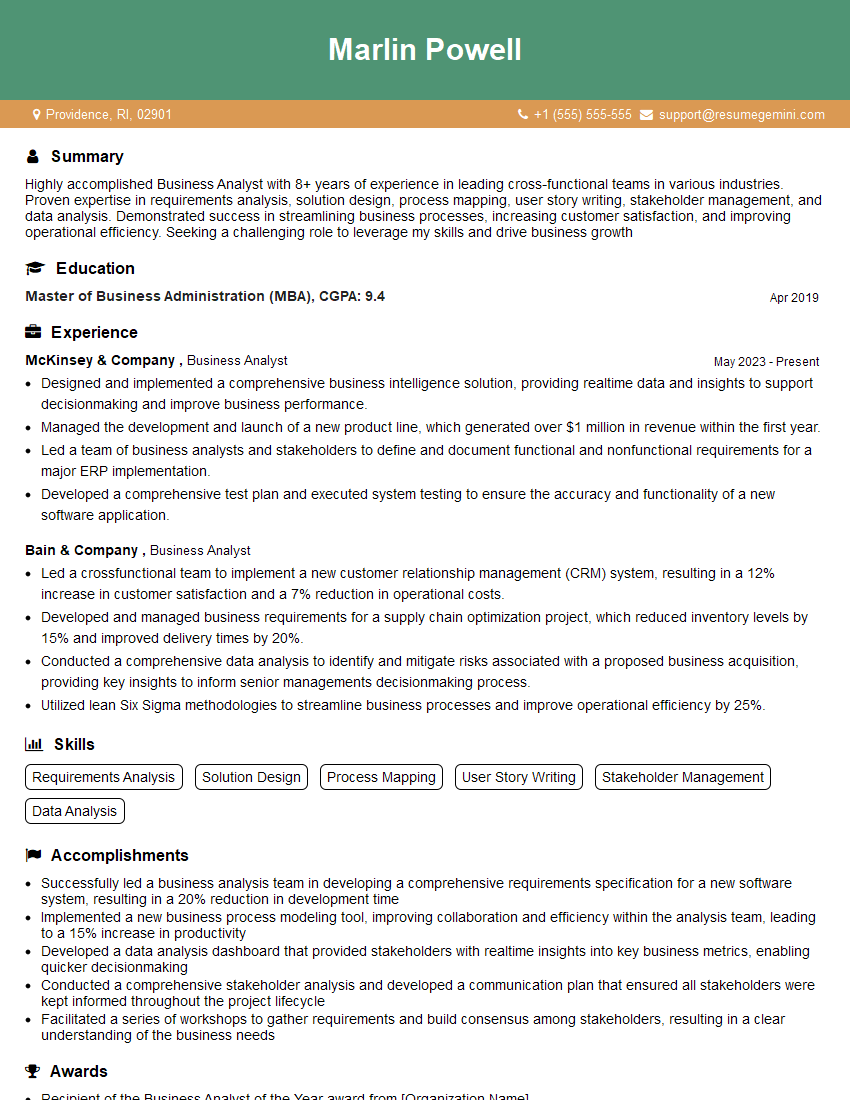
Business Analyst Resume Sample
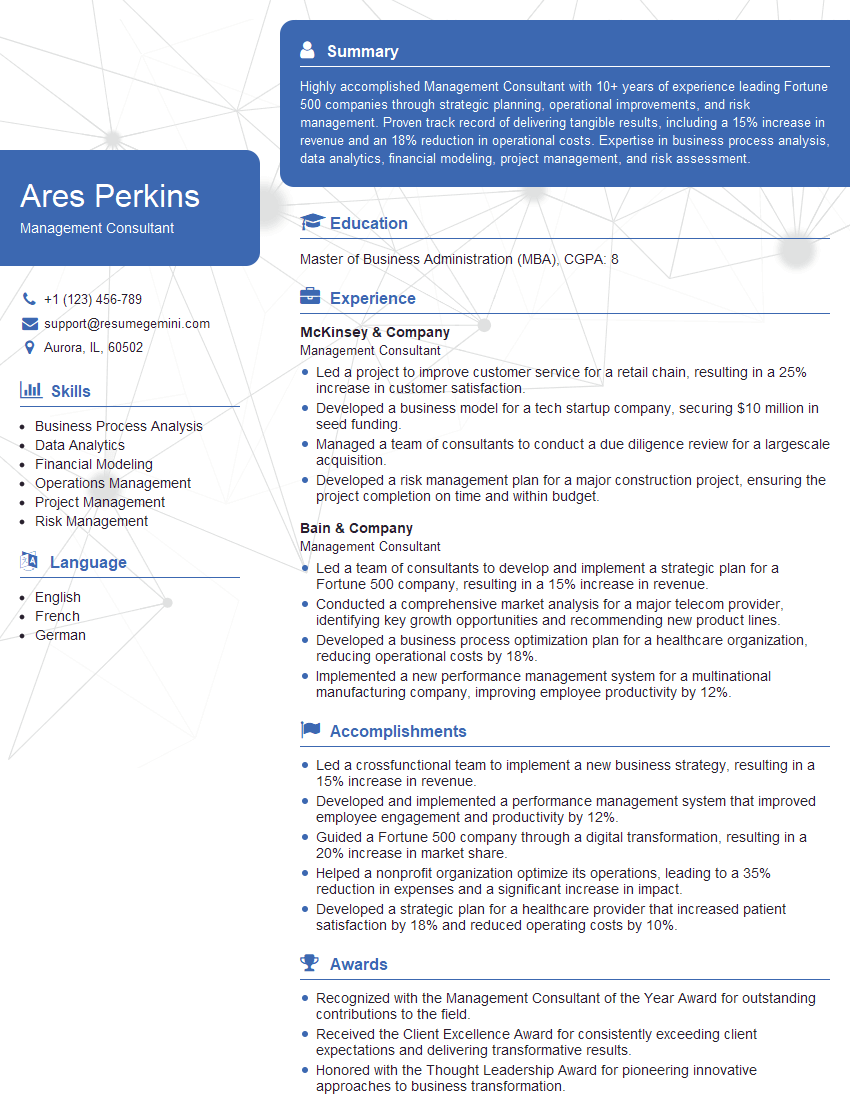
Management Consultant Resume Sample

Training Specialist Resume Sample

Social Media Manager Resume Sample
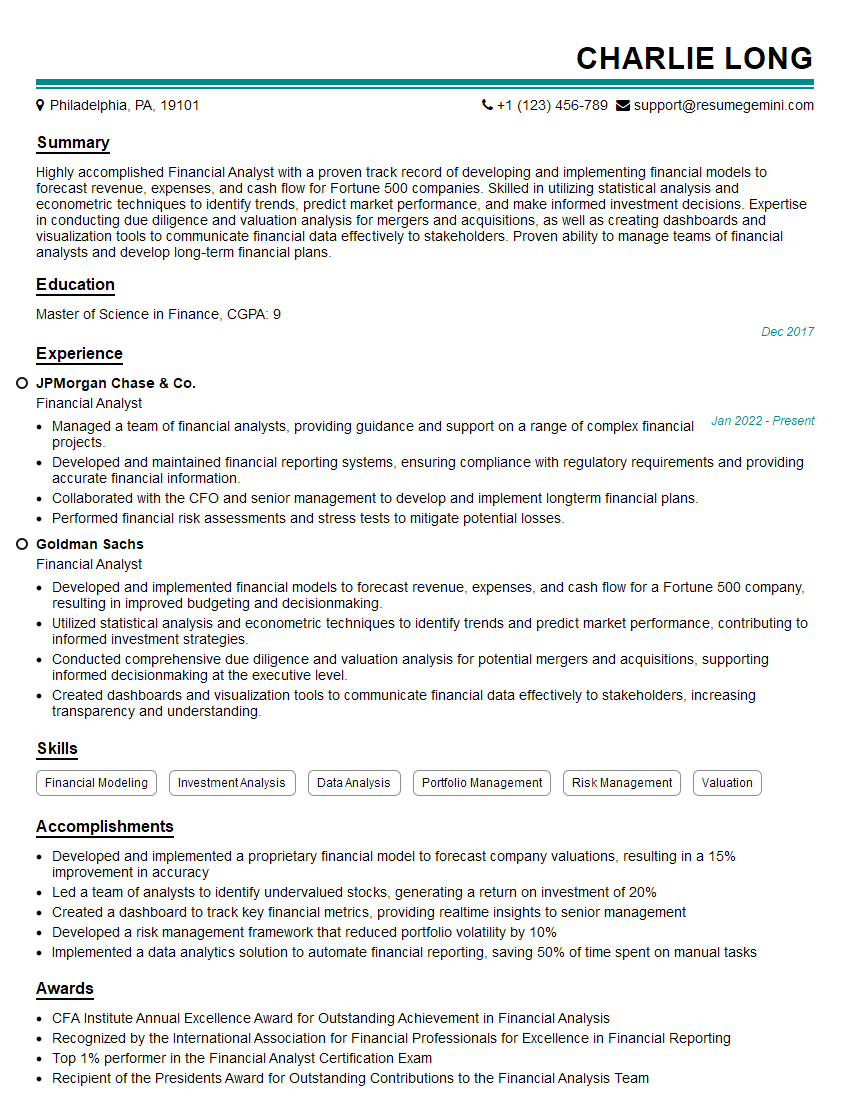
Financial Analyst Resume Sample
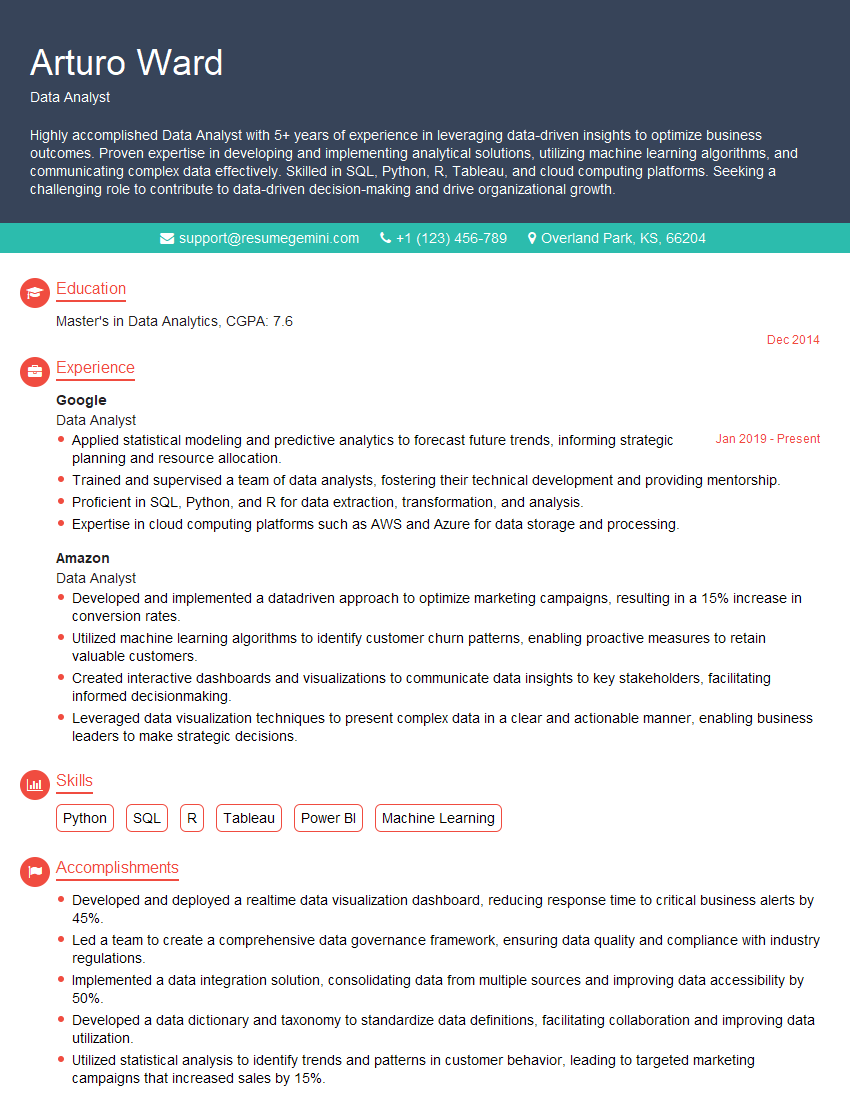
Data Analyst Resume Sample
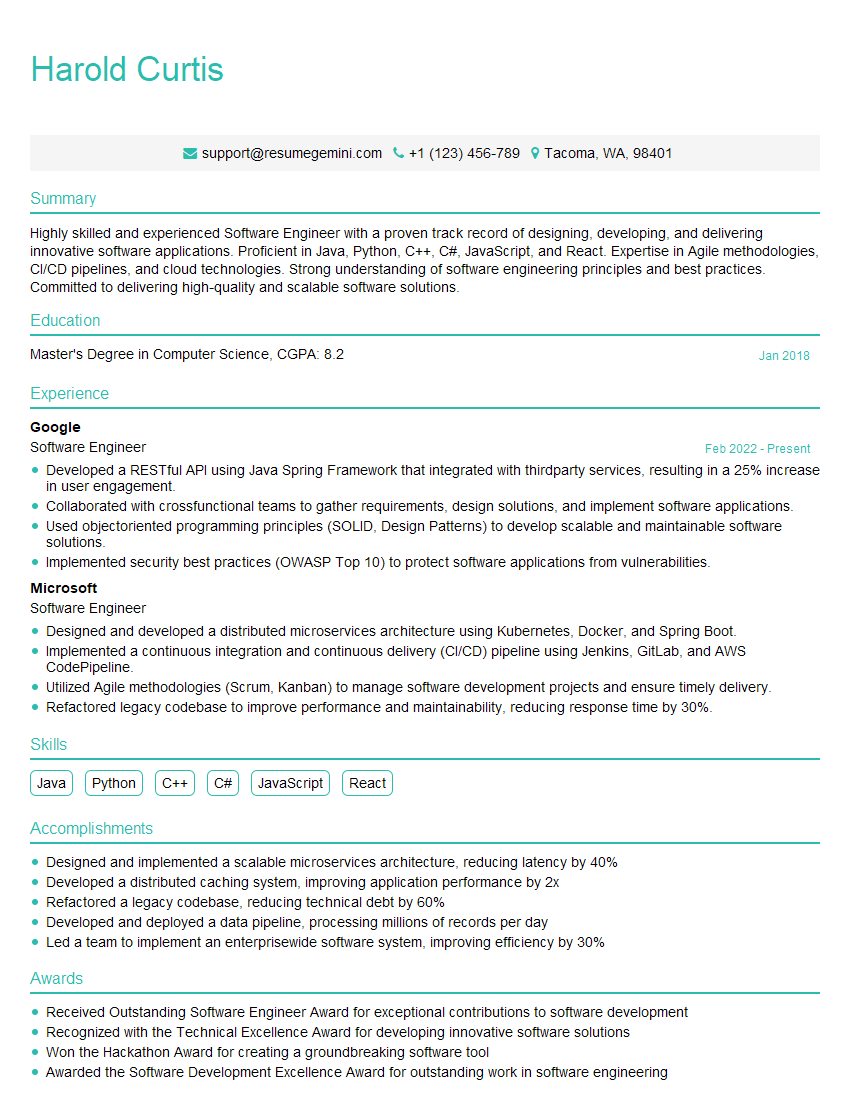
Software Engineer Resume Sample

Technical Writer Resume Sample
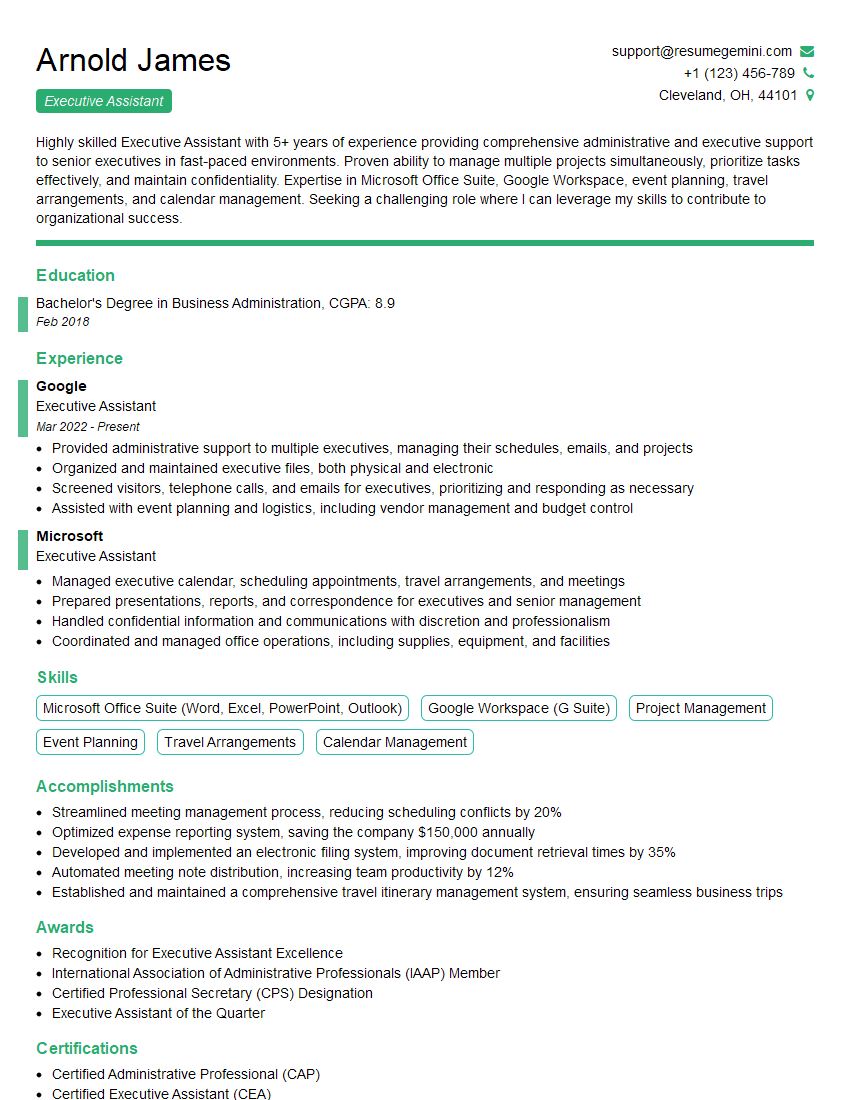
Executive Assistant Resume Sample
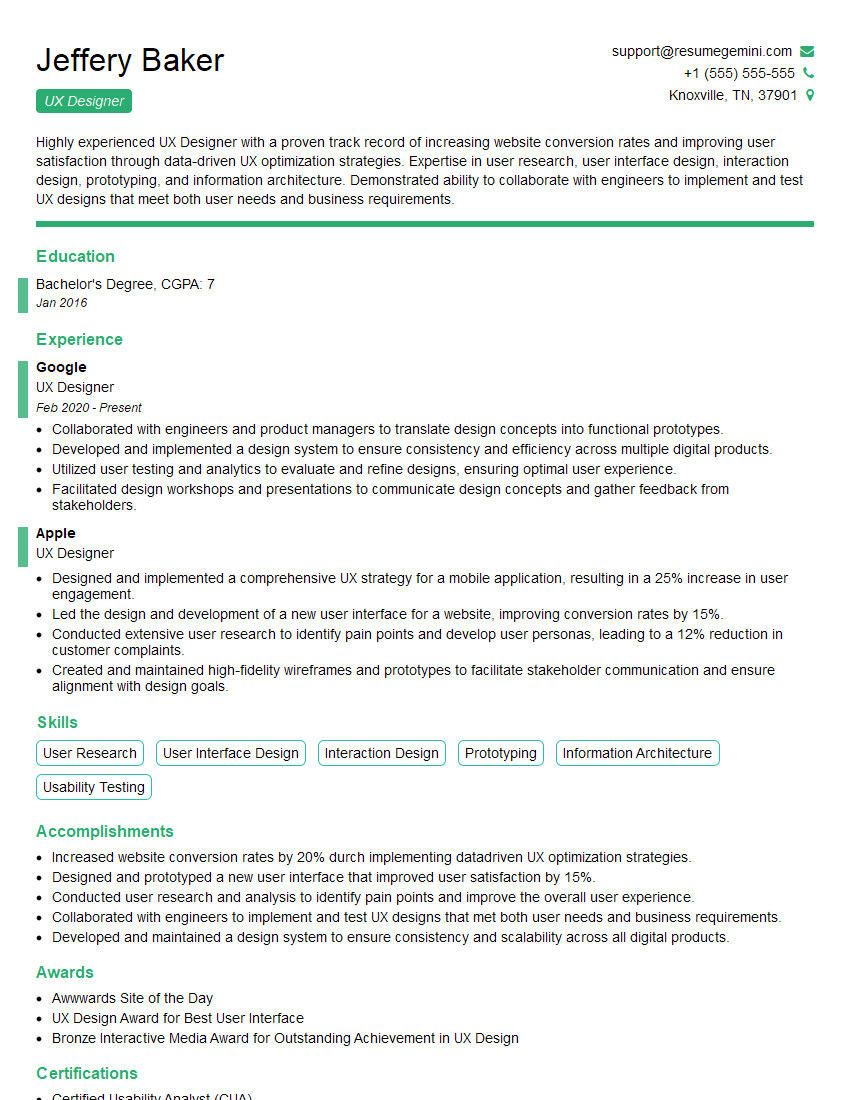
UX Designer Resume Sample
- Program Manager
- Operations Manager
- Account Manager
- Marketing Manager
- Product Manager
- Sales Representative
- Communications Manager
- Customer Service Representative
- Human Resources Manager
- Project Manager
- Team Leader
- Recruiter
- Business Analyst
- Management Consultant
- Training Specialist
- Social Media Manager
- Financial Analyst
- Data Analyst
- Software Engineer
- Technical Writer
- Executive Assistant
- UX Designer
Explore more articles
Users Rating of Our Blogs
Share Your Experience
We value your feedback! Please rate our content and share your thoughts (optional).
What Readers Say About Our Blog
Very informative content, great job.
good