Are you ready to stand out in your next interview? Understanding and preparing for Soil Conservation Practices interview questions is a game-changer. In this blog, we’ve compiled key questions and expert advice to help you showcase your skills with confidence and precision. Let’s get started on your journey to acing the interview.
Questions Asked in Soil Conservation Practices Interview
Q 1. Explain the principles of soil erosion and its impact on land productivity.
Soil erosion is the process of soil detachment and transportation by natural agents like wind and water. Imagine a river slowly carving a canyon through rock – the same principle applies to soil, but at a much faster rate due to human activities. This loss of topsoil significantly impacts land productivity because topsoil is the most fertile layer, rich in organic matter and nutrients essential for plant growth. Without this fertile layer, crops yield less, requiring increased fertilizer inputs which can be costly and environmentally damaging. Reduced water retention also leads to decreased crop yields and increased risk of drought. The overall effect is a decline in the land’s ability to support agriculture and sustain ecosystems.
Q 2. Describe different types of soil erosion and their causes.
Soil erosion comes in various forms, each with its own causes. Sheet erosion is like a thin layer of soil being uniformly removed by rainfall, almost invisible at first but cumulatively significant. Rill erosion involves the formation of small channels, like tiny streams, on the land surface, caused by concentrated runoff. Gully erosion is a more severe form, where larger channels or ravines are carved into the land by flowing water, often irreversible without major intervention. Wind erosion, prevalent in arid and semi-arid regions, involves the detachment and transport of soil particles by wind, particularly impacting loose or dry soils. The causes often intertwine: deforestation removes natural barriers, leaving soil exposed; intensive agriculture can leave soil bare between crops; overgrazing compacts the soil, reducing its ability to absorb water; and improper irrigation practices can lead to excess runoff.
Q 3. What are the main methods for controlling soil erosion?
Controlling soil erosion requires a multi-faceted approach. Conservation tillage, such as no-till farming, minimizes soil disturbance, leaving crop residue on the surface to protect the soil. Contour farming involves plowing and planting along the contours of the slope, slowing water runoff. Terracing creates level platforms on slopes, effectively reducing slope length and water velocity. Strip cropping involves alternating rows of crops with different erosion resistance. Cover cropping plants vegetation between main crops to protect the soil. Windbreaks and shelterbelts, rows of trees or shrubs, reduce wind speed and prevent wind erosion. Grazing management, like rotational grazing, prevents overgrazing and soil compaction. Finally, agroforestry integrates trees and shrubs into farming systems, providing shade and reducing erosion.
Q 4. Explain the concept of contour plowing and its benefits.
Contour plowing is the practice of plowing and planting crops along the contours of a slope, following the natural curves of the land rather than straight up and down. Think of it as drawing horizontal lines across a hillside instead of vertical ones. This simple technique dramatically reduces the speed of water runoff. Instead of water flowing directly downhill, carrying soil with it, it moves more slowly across the contour lines, allowing more time for infiltration into the soil. The benefits include reduced erosion, improved water infiltration, increased soil moisture, and enhanced crop yields. It’s a cost-effective method readily adaptable to many farming systems.
Q 5. How does terracing prevent soil erosion?
Terracing effectively controls erosion by converting steep slopes into a series of level platforms or terraces. Imagine a staircase carved into a hillside. These level platforms significantly reduce the length and gradient of the slope, dramatically decreasing the speed and erosive power of water runoff. Water is slowed down, allowing more time for infiltration and reducing the potential for soil detachment and transport. Terracing is particularly effective on steep slopes where other erosion control methods are less effective. It’s a more intensive method than contour plowing but provides excellent long-term protection.
Q 6. Describe the role of cover crops in soil conservation.
Cover crops play a vital role in soil conservation by protecting the soil surface from the elements. These are plants, such as legumes (e.g., clover, alfalfa) or grasses (e.g., rye, oats), grown specifically to improve soil health and prevent erosion. They provide a living mulch, shielding the soil from rainfall impact, reducing runoff, and preventing wind erosion. Their root systems help to improve soil structure, enhancing water infiltration and reducing compaction. Many cover crops also add organic matter to the soil as they decompose, improving soil fertility. For example, legumes fix nitrogen from the atmosphere, reducing the need for nitrogen fertilizers, thereby contributing to sustainable agriculture.
Q 7. What are the benefits of no-till farming?
No-till farming, also known as zero tillage, is an agricultural technique that minimizes soil disturbance. Instead of plowing, seeds are planted directly into the soil using specialized equipment. This leaves crop residue on the surface, acting as a protective layer against erosion. The benefits are numerous: reduced soil erosion, increased water infiltration and retention, improved soil structure and organic matter content, decreased fuel consumption and labor costs, and reduced greenhouse gas emissions. However, it’s crucial to manage weed pressure effectively, often using herbicides or careful crop rotation, to achieve successful no-till farming.
Q 8. Explain the importance of windbreaks in reducing wind erosion.
Windbreaks are strategically planted rows of trees or shrubs that significantly reduce wind erosion. Imagine a strong wind blowing across a field – it picks up loose soil particles and carries them away. Windbreaks act as a physical barrier, slowing the wind down. This reduced wind speed decreases the wind’s ability to detach and transport soil particles, thus protecting the crops and the soil beneath.
The effectiveness of a windbreak depends on its height, density, and species of plants used. Taller and denser windbreaks are generally more effective. Furthermore, the porosity of the windbreak influences how the wind flows around it; some wind will still penetrate, but at significantly reduced velocity. For example, a well-designed windbreak can reduce wind speed by up to 50% behind it, creating a calmer microclimate beneficial for crop growth and soil conservation. Farmers often plant windbreaks perpendicular to the prevailing wind direction to maximize their protective effect.
Q 9. Describe different types of vegetative barriers used in soil conservation.
Vegetative barriers are crucial in soil conservation, offering a living, adaptable solution to erosion. Several types exist, each suited to different conditions:
- Hedgerows: Dense rows of shrubs and trees, often multi-species, provide excellent windbreaks and habitat. They’re common in agricultural landscapes.
- Strip cropping: Alternating bands of different crops, some with greater ground cover than others, help to slow water runoff and prevent erosion. For instance, alternating rows of corn and alfalfa.
- Contour hedgerows: Similar to hedgerows but planted along the contours of the land, following the natural slope. This intercepts runoff and reduces its erosive power. This technique is particularly effective on sloping land.
- Grass waterways: Designated channels planted with grasses or other vegetation designed to conduct excess water safely away from fields. This prevents the formation of gullies.
- Buffer strips: Strips of vegetation planted along field edges, stream banks, or other sensitive areas. They filter pollutants, prevent erosion, and provide wildlife habitat.
The choice of vegetative barrier depends on factors such as the climate, soil type, topography, and the specific erosion challenges faced. For example, deep-rooted shrubs are ideal for stabilizing steep slopes.
Q 10. How does crop rotation contribute to soil health and erosion control?
Crop rotation is a fundamental soil conservation practice where different crops are grown in a planned sequence on the same piece of land. This improves soil health and erosion control in several ways:
- Improved Soil Structure: Different crops have varying root systems. Rotating crops with different root depths helps improve soil structure, increasing porosity and water infiltration. Deep-rooted crops like alfalfa open up compacted soil layers, benefiting subsequent crops.
- Nutrient Cycling: Legumes (like beans and peas) fix nitrogen from the atmosphere, enriching the soil for subsequent crops. This reduces the need for synthetic fertilizers, which can have negative environmental impacts.
- Pest and Disease Control: Rotating crops helps break the life cycle of pests and diseases, reducing the need for pesticides. This contributes to a healthier ecosystem and less soil degradation.
- Reduced Erosion: Crops with extensive root systems and dense ground cover, such as cover crops, protect the soil from wind and water erosion.
For example, a common rotation might include a legume (nitrogen fixer), a grain crop (like corn or wheat), and a root crop (like potatoes). This system improves soil health, reduces erosion, and decreases the reliance on external inputs.
Q 11. What are the key factors influencing water infiltration rates in soil?
Water infiltration, the process of water penetrating the soil surface, is crucial for soil health. Several factors influence its rate:
- Soil Texture: Sandy soils have larger pores and thus higher infiltration rates compared to clay soils, which have smaller pores and are more prone to compaction.
- Soil Structure: Well-aggregated soil with good pore space allows for greater infiltration. Compacted soils have reduced infiltration due to the lack of pore space.
- Organic Matter: Organic matter improves soil structure, increases water holding capacity, and enhances infiltration. It acts like a sponge, absorbing water and slowing runoff.
- Soil Moisture: Already saturated soils have a lower infiltration capacity. The soil is full and further water will runoff.
- Slope: Steeper slopes lead to faster runoff, reducing infiltration time.
- Land Cover: Vegetative cover protects the soil surface from compaction and enhances infiltration by slowing runoff.
Imagine pouring water on a sandy beach versus a clay pot. The water quickly disappears into the sand but sits on top of the clay. Similarly, soils with high organic matter content absorb water much more effectively than compacted soils.
Q 12. Explain the concept of water harvesting and its application in soil conservation.
Water harvesting is a technique that collects rainwater and surface runoff for various uses, including soil conservation. It involves creating structures that capture and store water, reducing runoff and replenishing soil moisture.
Applications in soil conservation:
- Contour bunding: Building small earth embankments along the contours of slopes to intercept and retain rainwater, reducing erosion and increasing infiltration.
- Terracing: Creating level platforms on slopes to slow runoff and increase water availability for crops. This also reduces the erosive force of water on steep slopes.
- Check dams: Small structures built across small streams or gullies to slow down water flow and promote sedimentation, improving soil depth.
- Retention ponds: Larger structures designed to collect and store runoff for later use in irrigation or groundwater recharge.
Water harvesting is particularly beneficial in arid and semi-arid regions where water is scarce. It helps conserve soil moisture, improve crop yields, and prevent desertification.
Q 13. Describe different methods for improving soil drainage.
Improving soil drainage is crucial for plant growth and overall soil health. Poor drainage can lead to waterlogging, reducing oxygen availability to plant roots and harming soil organisms.
Methods for improving soil drainage:
- Subsoiling: Deeply tilling the soil to break up compacted layers and improve drainage. This is effective for heavy clay soils.
- Installing drainage tiles: Perforated pipes buried underground collect excess water and channel it away from the field. This is common in poorly drained areas.
- Modifying irrigation practices: Using techniques like drip irrigation that deliver water directly to plant roots reduces surface runoff and minimizes waterlogging.
- Adding organic matter: Organic matter improves soil structure, enhances aeration, and increases drainage capacity. It improves water infiltration, reducing runoff.
- Terracing and contour farming: These techniques reduce the velocity of runoff, reducing the risk of waterlogging in low-lying areas.
The best method depends on the specific soil conditions and the severity of the drainage problem. Often, a combination of methods is necessary for optimal results.
Q 14. How does soil compaction affect plant growth and soil health?
Soil compaction occurs when soil particles are pressed together, reducing pore space and affecting plant growth and soil health significantly.
Impacts on plant growth:
- Reduced root growth: Compacted soil restricts root penetration and growth, limiting a plant’s access to water and nutrients.
- Impaired water infiltration: Compacted soil reduces water infiltration, leading to runoff and increased erosion. Plants suffer from water stress.
- Poor aeration: Reduced pore space limits oxygen availability to plant roots, affecting respiration and overall plant health.
Impacts on soil health:
- Reduced biodiversity: Compaction negatively affects soil organisms like earthworms and microbes, which are essential for nutrient cycling and soil structure.
- Increased erosion: Reduced infiltration increases surface runoff, making the soil more susceptible to erosion.
- Lower organic matter: Compaction inhibits the decomposition of organic matter, reducing soil fertility.
Imagine trying to grow a plant in a tightly packed container. The roots can’t spread out, access water or air, and the plant struggles to thrive. Similarly, compacted soil creates a stressful environment for plants.
Q 15. What are the best practices for managing irrigation to prevent soil erosion?
Efficient irrigation is crucial for preventing soil erosion. Poorly managed irrigation can lead to waterlogging, which weakens soil structure and makes it susceptible to runoff and erosion. The best practices focus on minimizing water runoff and maximizing infiltration.
Drip irrigation or micro-sprinklers: These methods deliver water directly to plant roots, minimizing surface runoff. Think of it like giving plants a drink with a straw instead of a firehose – less water wasted, less erosion.
Proper land leveling: A level field ensures even water distribution, preventing the concentration of water in certain areas that can cause gullies. Imagine a perfectly flat table; water spreads evenly. Uneven land is like a tilted table – water rushes to one side.
Contour farming: Planting crops along the contour lines of a slope slows down water flow, reducing erosion. It’s like creating natural barriers for the water, slowing it down and allowing it to soak in.
Mulching: Applying mulch to the soil surface helps to protect the soil from the impact of raindrops, reducing the creation of surface runoff. Mulch acts like a sponge, soaking up water and protecting the soil beneath.
Water harvesting techniques: Collecting rainwater and using it for irrigation reduces the need to draw water from sources that may lead to increased erosion.
Career Expert Tips:
- Ace those interviews! Prepare effectively by reviewing the Top 50 Most Common Interview Questions on ResumeGemini.
- Navigate your job search with confidence! Explore a wide range of Career Tips on ResumeGemini. Learn about common challenges and recommendations to overcome them.
- Craft the perfect resume! Master the Art of Resume Writing with ResumeGemini’s guide. Showcase your unique qualifications and achievements effectively.
- Don’t miss out on holiday savings! Build your dream resume with ResumeGemini’s ATS optimized templates.
Q 16. Explain the role of soil testing in soil conservation planning.
Soil testing is fundamental to effective soil conservation planning. It provides a detailed snapshot of the soil’s properties, enabling informed decisions on appropriate management practices. Imagine trying to build a house without knowing the foundation’s strength – impossible! Similarly, you cannot conserve soil without understanding its current condition.
Nutrient levels: Soil tests determine the levels of essential nutrients like nitrogen, phosphorus, and potassium. Low levels necessitate fertilization to support healthy plant growth, which in turn protects the soil.
pH level: Soil pH influences nutrient availability. Testing helps identify whether the soil is too acidic or alkaline, allowing for adjustments through liming or other amendments.
Organic matter content: The test reveals the amount of organic matter in the soil, a critical indicator of soil health and fertility. Low levels signal a need for practices that increase organic matter such as cover cropping or composting.
Texture and structure: Soil texture (sand, silt, clay) and structure (how soil particles are arranged) impact water infiltration and erosion susceptibility. Testing helps determine appropriate conservation measures based on the soil’s physical properties.
The results guide the selection of suitable conservation practices like crop rotation, cover cropping, no-till farming, or terracing, tailored to the specific soil characteristics.
Q 17. Describe the importance of maintaining soil organic matter.
Maintaining soil organic matter is paramount for soil health and conservation. Organic matter, essentially decomposed plant and animal material, acts like a soil superhero, offering numerous benefits.
Improved soil structure: Organic matter binds soil particles together, creating a stable structure that resists erosion. Imagine building a sandcastle – the organic matter is the glue holding the sand together.
Enhanced water retention: Organic matter improves the soil’s ability to hold water, reducing runoff and drought stress. It acts like a sponge, storing water for plant use.
Increased nutrient availability: Organic matter acts as a slow-release fertilizer, providing nutrients to plants over time. It’s like a time-release capsule for plant food.
Suppressed soil erosion: A healthy soil structure and increased water retention directly reduce erosion caused by wind and water.
Improved biodiversity: Organic matter supports a healthy soil food web, crucial for nutrient cycling and soil health.
Q 18. What are the effects of nutrient depletion on soil health?
Nutrient depletion significantly compromises soil health and productivity. When essential nutrients are removed from the soil through continuous cropping without replenishment, it leads to a decline in soil fertility and several negative consequences.
Reduced crop yields: Plants lack essential nutrients for growth, leading to lower harvests and reduced economic returns. Imagine a human with a nutrient deficiency – they won’t be healthy or strong. It’s the same with plants.
Increased susceptibility to diseases and pests: Nutrient-deficient plants are weaker and more vulnerable to attacks. A weaker plant is an easier target.
Soil erosion: Weakened plants provide less ground cover, leaving soil exposed to wind and water erosion.
Compaction: Lack of healthy root systems can lead to soil compaction, hindering water infiltration and aeration. Compacted soil is like a brick – it doesn’t allow for good water flow or air circulation.
Loss of soil structure: Depleted soils tend to have poor structure, making them more susceptible to erosion and degradation. Think of the soil structure as a building with weak foundations – it won’t last.
Q 19. How can you assess the effectiveness of different soil conservation techniques?
Assessing the effectiveness of soil conservation techniques requires a multi-faceted approach combining quantitative and qualitative methods.
Monitoring soil erosion rates: Measuring soil loss using techniques like erosion pins or sediment traps quantifies the effectiveness of erosion control measures.
Assessing water infiltration rates: Monitoring how quickly water infiltrates the soil indicates improvement in soil structure and water retention. The faster the infiltration, the better the soil health.
Measuring soil organic matter content: Changes in organic matter levels over time demonstrate the success of practices aimed at enhancing soil health.
Analyzing crop yields: Increased crop yields suggest improvements in soil fertility and overall productivity.
Observing vegetation cover: Increased plant cover and biodiversity signify enhanced soil stability and health.
Visual inspections: Regular visual assessments of the soil and landscape can reveal changes in soil structure, erosion patterns, and the presence of gullies or other indicators of soil degradation.
Combining these methods provides a comprehensive evaluation of the effectiveness of different soil conservation techniques, leading to adaptive management practices for optimal results.
Q 20. Explain the challenges of implementing soil conservation practices in different climates.
Implementing soil conservation practices across diverse climates presents unique challenges due to varying rainfall patterns, temperatures, and soil types. What works well in one region might not be suitable in another.
Arid and semi-arid regions: Water scarcity necessitates the use of drought-resistant crops and efficient irrigation techniques. The focus is on water conservation and minimizing soil evaporation.
Humid regions: High rainfall increases the risk of erosion. Practices like terracing, contour farming, and cover cropping are essential to manage surface runoff and prevent soil loss.
Cold regions: Frozen soils limit the feasibility of certain practices, and the selection of cold-hardy crops is crucial. The timing of planting and harvesting is also significantly affected.
Tropical regions: High temperatures and intense rainfall require practices that promote soil moisture conservation and prevent nutrient leaching. Cover cropping is vital here.
Understanding the specific climatic conditions and soil properties is crucial for selecting and adapting soil conservation methods to ensure their effectiveness and sustainability.
Q 21. What are the economic benefits of soil conservation?
Investing in soil conservation yields significant economic benefits, both directly and indirectly.
Increased crop yields: Healthy soils lead to higher and more stable crop production, resulting in greater farm income.
Reduced production costs: Soil conservation practices can lower the need for fertilizers and pesticides, reducing input costs.
Improved water use efficiency: Better water retention in the soil reduces irrigation requirements, saving water and money.
Enhanced land value: Improved soil health translates into increased land value, benefiting landowners in the long term.
Reduced environmental costs: Erosion control minimizes sediment pollution in water bodies, reducing the costs associated with water treatment and restoration.
Increased carbon sequestration: Healthy soils store more carbon, contributing to climate change mitigation and potentially generating carbon credits.
In essence, soil conservation is an investment that pays back handsomely through improved agricultural productivity, reduced costs, and environmental benefits. It’s a win-win situation for farmers, the environment, and the economy.
Q 22. Describe different government policies and programs related to soil conservation.
Government policies and programs for soil conservation are crucial for protecting this vital resource. These initiatives often involve financial incentives, technical assistance, and regulatory frameworks. They vary considerably depending on the country and its specific soil challenges.
Financial Incentives: Many governments offer subsidies or tax breaks for farmers and landowners who adopt soil conservation practices like cover cropping, no-till farming, and terracing. For example, the USDA’s Conservation Stewardship Program in the US provides financial and technical assistance to farmers who implement conservation practices on their land.
Technical Assistance: Government agencies often employ soil scientists and conservation experts who provide advice and support to landowners on selecting and implementing appropriate soil conservation measures. This can involve site-specific assessments, the development of customized conservation plans, and ongoing monitoring and evaluation.
Regulatory Frameworks: Some governments use regulations to mandate certain soil conservation practices, particularly in areas at high risk of erosion or degradation. These regulations might limit certain land uses or require specific practices, like buffer strips along waterways.
Conservation Easements: These are legal agreements where landowners voluntarily restrict certain land uses in exchange for financial compensation or tax benefits. This helps protect environmentally sensitive areas and ensures long-term soil conservation.
The effectiveness of these policies often depends on factors such as funding levels, the accessibility of technical assistance, and the enforcement of regulations. Successful programs often incorporate a participatory approach, involving landowners and local communities in the decision-making process.
Q 23. How do you manage conflicts between soil conservation goals and other land uses?
Balancing soil conservation goals with other land uses often presents complex challenges. It requires a careful consideration of competing interests and the development of integrated strategies. Think of it like a balancing act: you need to preserve the soil’s health while accommodating the needs of agriculture, urbanization, and other activities.
Zoning and Land-Use Planning: Implementing zoning regulations can direct development away from sensitive areas prone to erosion, protecting valuable topsoil. This might involve designating certain areas for conservation purposes and restricting development in others.
Integrated Land Management: This approach combines different land uses in a way that minimizes negative impacts on soil health. For example, integrating agroforestry (combining trees and crops) can improve soil fertility while providing additional income for farmers.
Negotiation and Collaboration: Open communication and collaboration among stakeholders, including landowners, developers, government agencies, and community members, are essential to finding mutually acceptable solutions. This often involves compromise and creative problem-solving.
Economic Incentives: Using economic incentives, such as payments for ecosystem services, can encourage landowners to adopt soil conservation practices even if it means limiting other uses of their land. These payments compensate landowners for the environmental benefits they provide.
Education and Outreach: Raising awareness about the importance of soil conservation can promote a greater appreciation for its role in environmental sustainability and human well-being. This can foster a more collaborative approach towards land management.
Ultimately, resolving these conflicts requires a multi-faceted approach that integrates various strategies and takes into account both ecological and economic considerations.
Q 24. What is your experience with GIS and remote sensing in soil conservation?
Geographic Information Systems (GIS) and remote sensing technologies are invaluable tools in soil conservation. They provide a powerful way to monitor and manage soil resources efficiently.
Remote Sensing for Soil Mapping: Satellite imagery and aerial photography can be analyzed to create detailed soil maps, identifying areas at risk of erosion or degradation. These maps help prioritize conservation efforts and tailor interventions to specific needs.
GIS for Spatial Analysis: GIS software allows us to overlay different data layers (soil maps, topography, land use) to identify areas vulnerable to erosion, assess the effectiveness of conservation practices, and model the impact of climate change on soil health. For example, we can combine slope data, soil type, and rainfall patterns to pinpoint locations most susceptible to landslides.
Precision Agriculture: Integrating GIS and remote sensing with precision agriculture techniques (variable rate fertilization, targeted irrigation) enables optimized resource use and minimizes environmental impacts.
Monitoring and Evaluation: These tools can be used to monitor the effectiveness of implemented conservation measures over time. We can track changes in soil properties, vegetation cover, and erosion rates to assess the success of different interventions.
My experience involves using GIS software like ArcGIS and QGIS to analyze remotely sensed data, create thematic maps, and model soil erosion processes. I’ve utilized this in numerous projects to assess the impact of different conservation practices and inform decision-making at the farm and watershed scales.
Q 25. Explain the importance of community involvement in successful soil conservation projects.
Community involvement is absolutely critical for successful soil conservation projects. It’s not just about implementing technical solutions; it’s about building a shared understanding and commitment to long-term soil stewardship. Think of it like building a house – you need a strong foundation (community support) before you build the walls (conservation practices).
Local Knowledge: Communities possess valuable local knowledge about soil conditions, land use history, and traditional practices that can inform conservation strategies. Integrating this local wisdom enhances project relevance and effectiveness.
Ownership and Sustainability: When communities are actively involved in planning and implementation, they develop a sense of ownership, leading to greater commitment to the project’s long-term sustainability. It’s less likely that conservation efforts will be abandoned if the community is invested in them.
Social Capital: Community participation fosters social cohesion and strengthens social networks, enabling collective action for environmental stewardship. Strong community ties can translate into greater effectiveness and efficiency.
Improved Adoption Rates: When communities are involved from the beginning, it increases the likelihood that they will adopt and maintain the soil conservation practices. They are more likely to buy into practices they helped design and implement.
Effective community engagement strategies often involve participatory workshops, community meetings, and the establishment of local conservation groups. It’s about empowering communities to take ownership of their natural resources.
Q 26. How do you stay updated on the latest research and technologies in soil conservation?
Staying current in the dynamic field of soil conservation requires continuous learning and engagement with the latest research and technologies.
Scientific Journals and Publications: I regularly read peer-reviewed journals like *Soil Science Society of America Journal*, *Catena*, and *Geoderma* to stay abreast of new findings and methodologies.
Conferences and Workshops: Attending national and international conferences allows me to network with other experts, learn about cutting-edge research, and share knowledge.
Professional Organizations: Membership in professional organizations like the Soil Science Society of America or the International Union of Soil Sciences provides access to resources, publications, and networking opportunities.
Online Resources and Databases: Utilizing online databases like Web of Science and Scopus for literature searches, and accessing government agency websites for reports and policy updates, are crucial parts of my information gathering.
Continuing Education: I actively participate in short courses, webinars, and workshops offered by universities and professional organizations to maintain my expertise and skills.
By combining these strategies, I ensure that my knowledge base remains current and relevant to the evolving challenges of soil conservation.
Q 27. Describe a time you had to solve a challenging soil erosion problem. What was your approach?
One challenging case involved severe gully erosion on a steep hillside farm. The farmer was losing valuable topsoil and facing significant economic losses. The initial assessment revealed a combination of factors contributing to the problem: intense rainfall, inappropriate land use, and a lack of vegetative cover.
My approach involved a multi-pronged strategy:
Site Assessment and Data Collection: A detailed site assessment was conducted using GIS and remote sensing to map the extent of erosion, determine the soil type, and analyze the topography.
Erosion Control Measures: Based on the assessment, a plan was developed that included contour plowing to reduce water flow velocity, the establishment of vegetative buffer strips along the gully edges to stabilize the soil, and the construction of check dams to slow down water runoff.
Community Engagement: The farmer was actively involved in the planning and implementation process. Their local knowledge and cooperation were essential to the success of the project.
Monitoring and Evaluation: Regular monitoring of the site was conducted to track the effectiveness of the measures and make necessary adjustments. This included measuring changes in gully size and vegetation cover.
Long-Term Sustainability Plan: A long-term plan was developed to ensure the sustainability of the conservation efforts. This included providing guidance to the farmer on appropriate land management practices for the future.
The integrated approach proved effective. The erosion rate significantly decreased, and the farmer was able to regain some of the lost topsoil and improve crop yields. This case highlighted the importance of a holistic and participatory approach in addressing complex soil erosion issues.
Q 28. What are your career goals related to soil conservation?
My career goals center around advancing the science and practice of soil conservation. I aspire to contribute to the development and implementation of sustainable land management strategies that ensure both environmental protection and economic viability. This involves a blend of research, policy, and practical application.
Research: I aim to conduct research on innovative soil conservation techniques and technologies, focusing on areas like climate-smart agriculture and integrated land management.
Policy Influence: I aspire to play a more significant role in shaping soil conservation policies, influencing decision-making at the local, national, and international levels.
Capacity Building: I’m committed to enhancing capacity within local communities and among extension professionals to ensure widespread adoption and effective implementation of soil conservation practices.
International Collaboration: I’m eager to contribute to international collaborations on soil conservation, sharing best practices and addressing global challenges related to land degradation.
Ultimately, my goal is to contribute to a future where soil resources are sustainably managed, ensuring food security, environmental health, and human well-being for generations to come.
Key Topics to Learn for Soil Conservation Practices Interview
- Soil Erosion Control: Understanding the mechanics of erosion (water, wind), types of erosion (sheet, rill, gully), and the impact on soil health and productivity. Consider practical examples of erosion control methods used in various landscapes.
- Water Management Techniques: Explore the principles of water infiltration, runoff management, and irrigation efficiency. This includes understanding techniques like contour farming, terracing, and water harvesting, and their practical applications in different climates and soil types.
- Conservation Tillage: Delve into no-till farming, reduced tillage, and other methods that minimize soil disturbance. Discuss the environmental benefits and potential challenges associated with these practices, including their effects on weed control and soil fertility.
- Crop Rotation and Cover Cropping: Explain the importance of diverse crop rotations and the role of cover crops in improving soil structure, nutrient cycling, and weed suppression. Be prepared to discuss practical implementation strategies and their impact on soil health.
- Sustainable Land Management Practices: Understand the integration of various soil conservation techniques into a holistic approach to land management. This includes considering the economic, environmental, and social impacts of different practices.
- Soil Health Assessment and Monitoring: Learn about methods for assessing soil health, including soil testing, and the interpretation of results. Discuss the importance of monitoring soil properties over time to evaluate the effectiveness of conservation practices.
- Policy and Regulations related to Soil Conservation: Familiarize yourself with relevant policies and regulations impacting soil conservation in your region. Understanding the regulatory framework is crucial for practical application and project implementation.
Next Steps
Mastering Soil Conservation Practices is crucial for a successful and impactful career in agriculture, environmental science, and related fields. A strong understanding of these practices demonstrates your commitment to sustainable land management and positions you as a valuable asset to any organization. To significantly boost your job prospects, creating an ATS-friendly resume is essential. ResumeGemini is a trusted resource that can help you build a professional and effective resume tailored to highlight your skills and experience in Soil Conservation. Examples of resumes specifically crafted for Soil Conservation Practices professionals are available to help you get started.
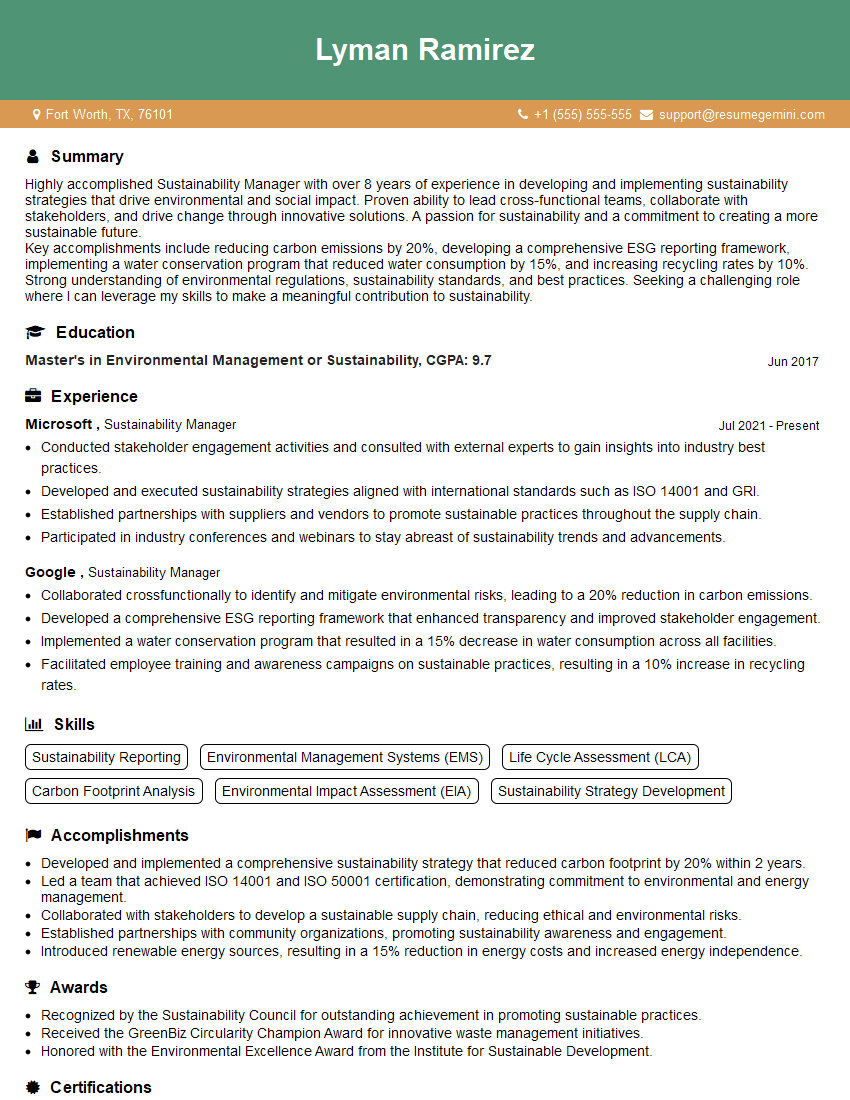
Sustainability Manager Resume Sample
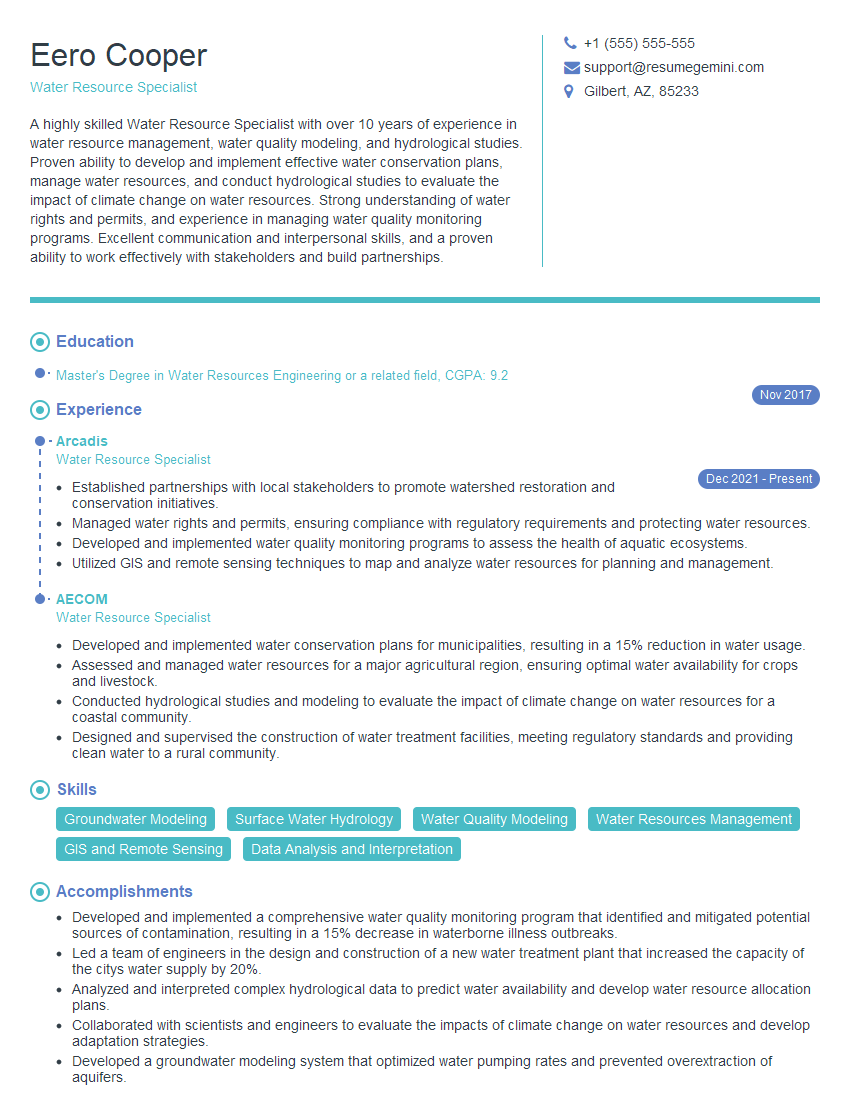
Water Resource Specialist Resume Sample
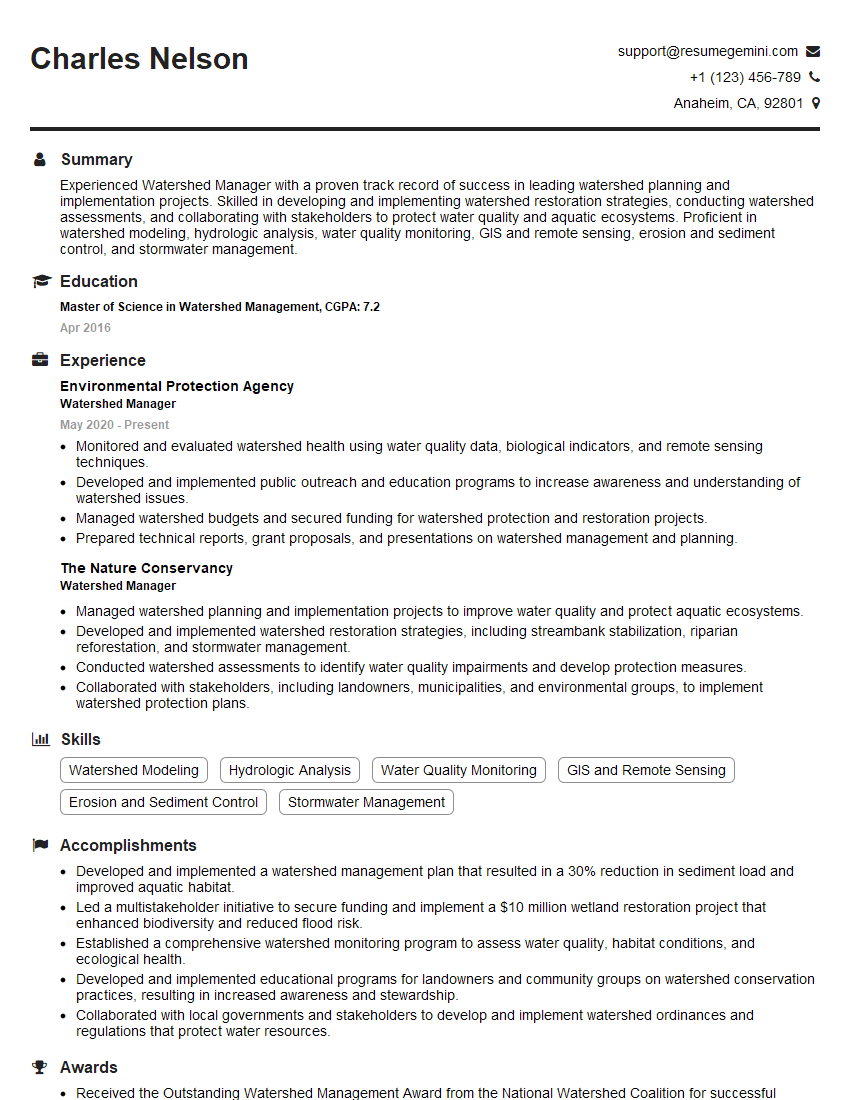
Watershed Manager Resume Sample
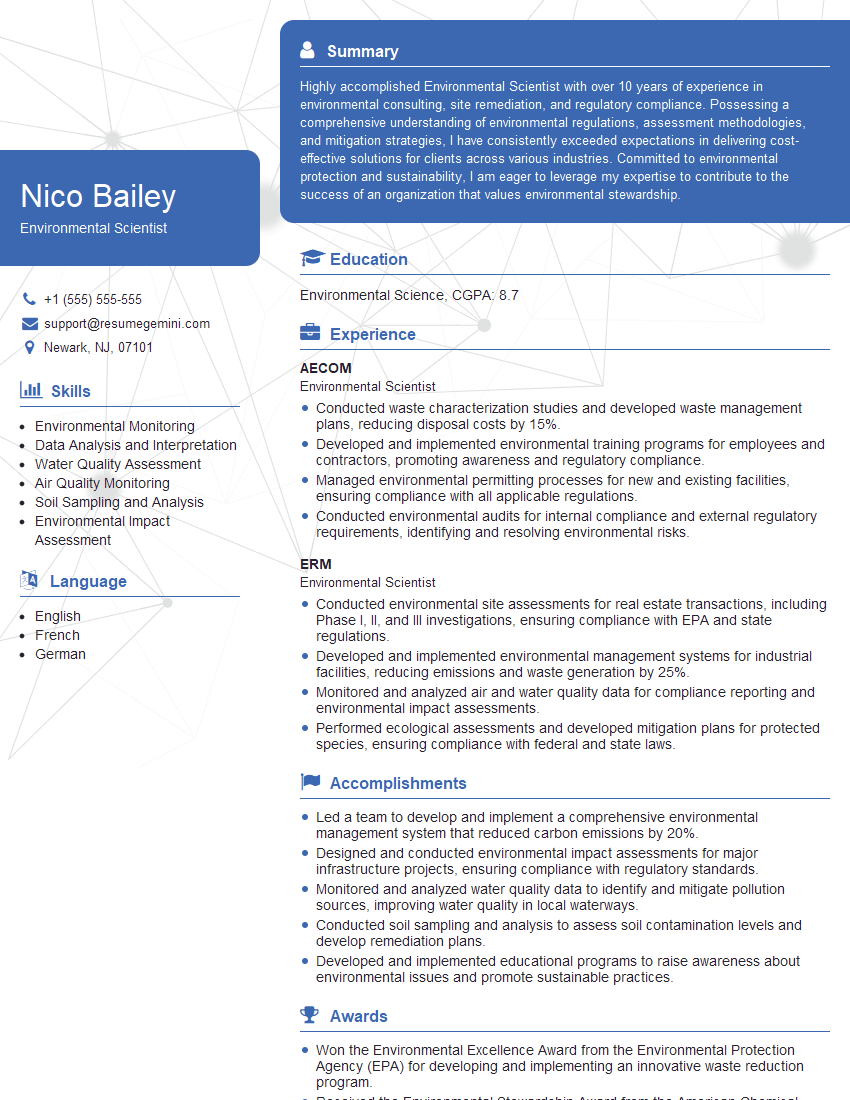
Environmental Scientist Resume Sample
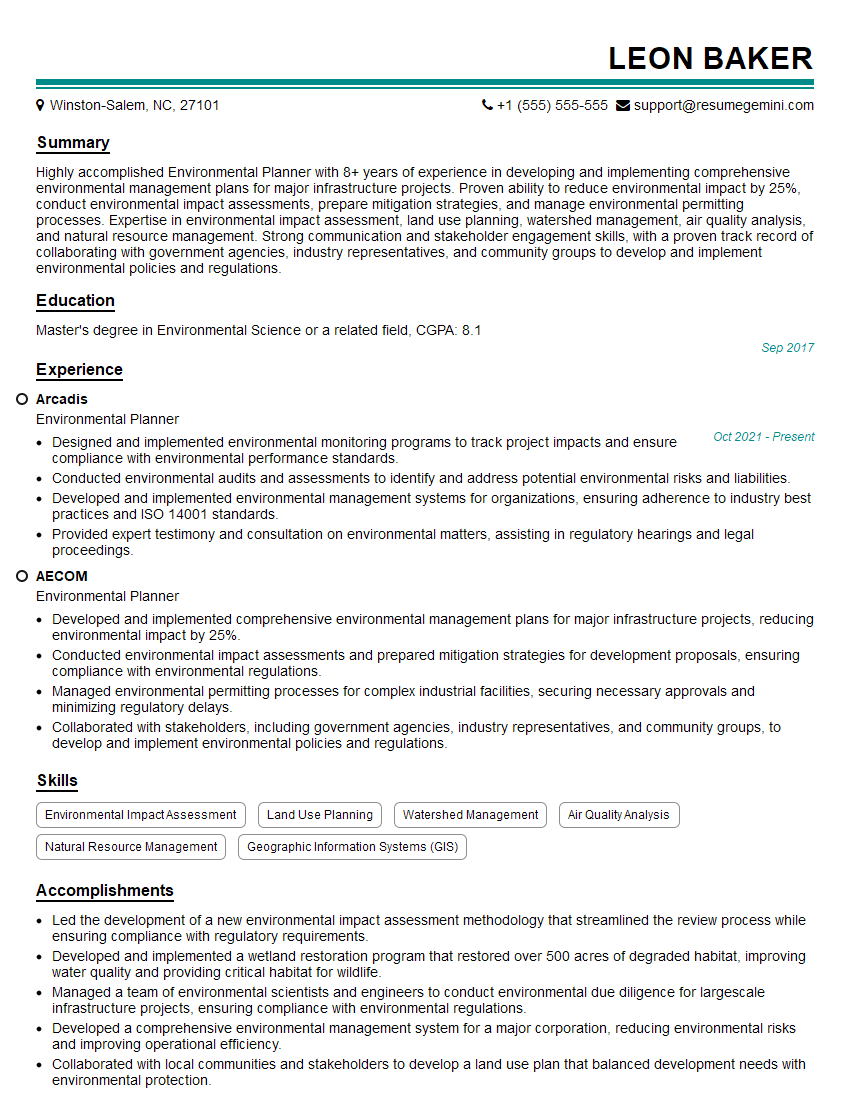
Environmental Planner Resume Sample
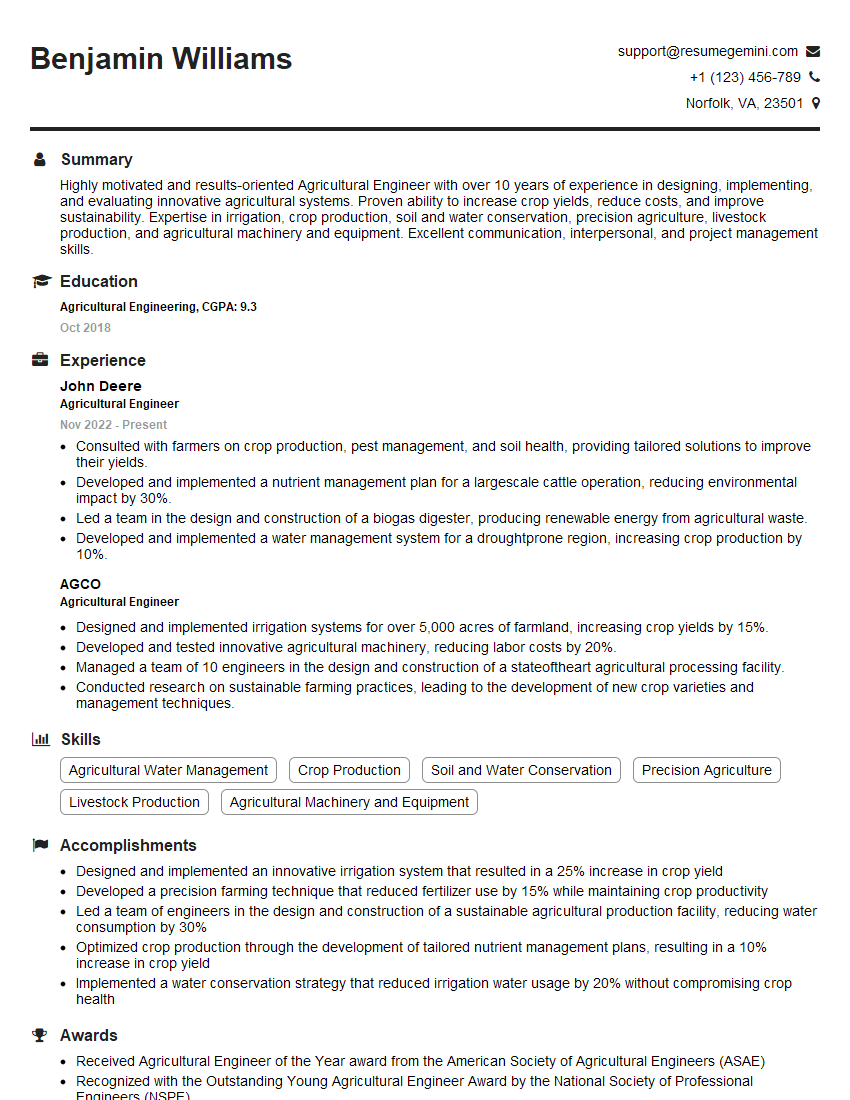
Agricultural Engineer Resume Sample

Geotechnical Engineer Resume Sample
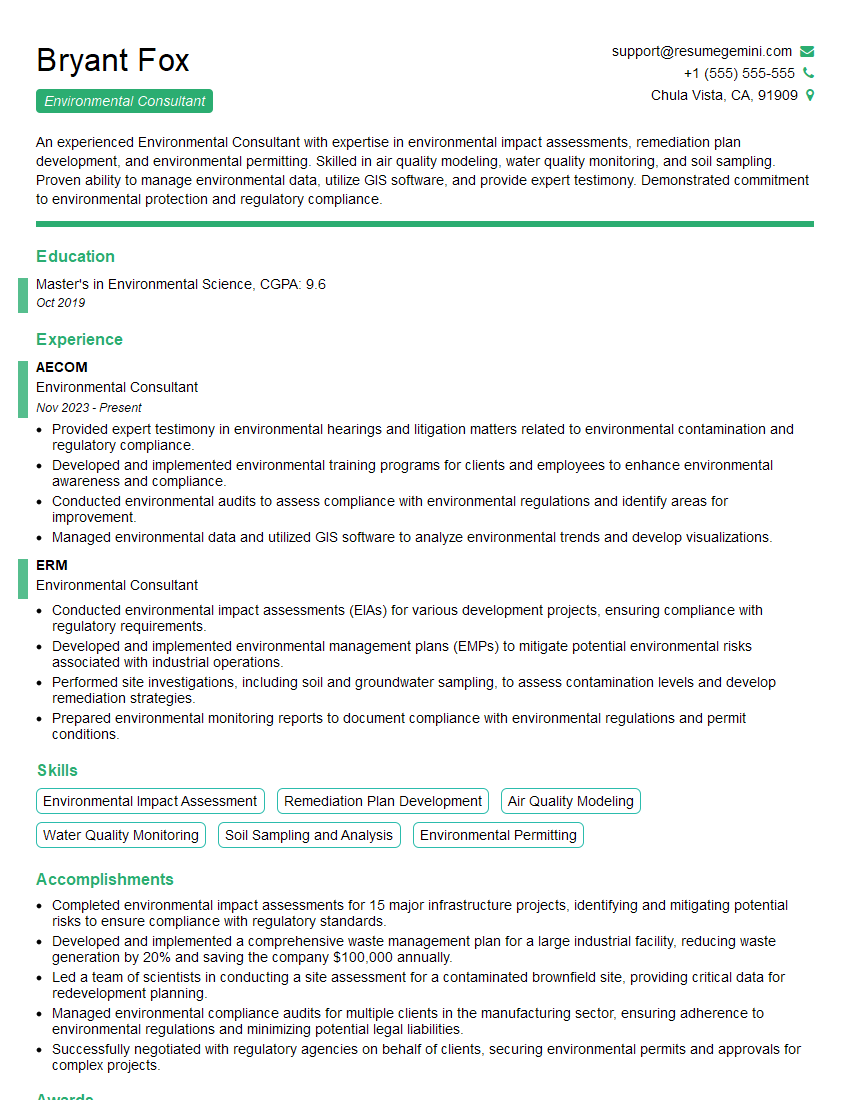
Environmental Consultant Resume Sample

Soil Scientist Resume Sample

Erosion Control Specialist Resume Sample

Land Use Planner Resume Sample
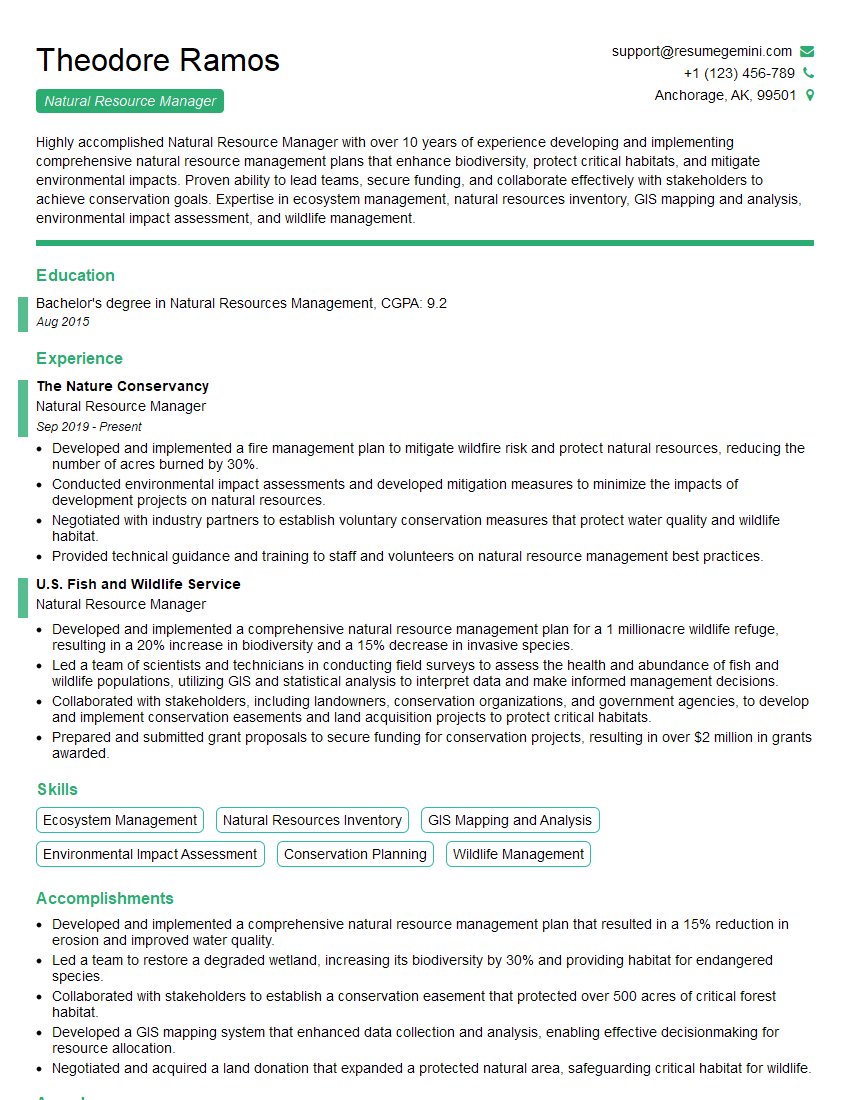
Natural Resource Manager Resume Sample
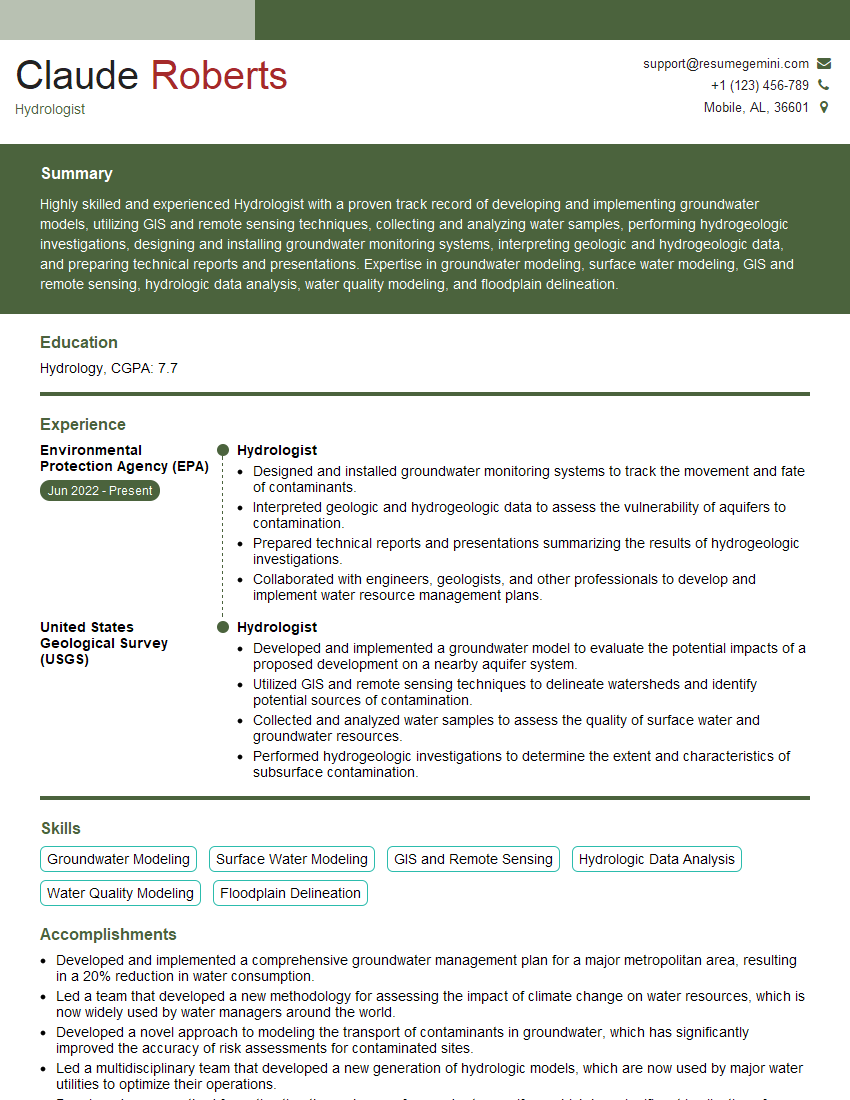
Hydrologist Resume Sample
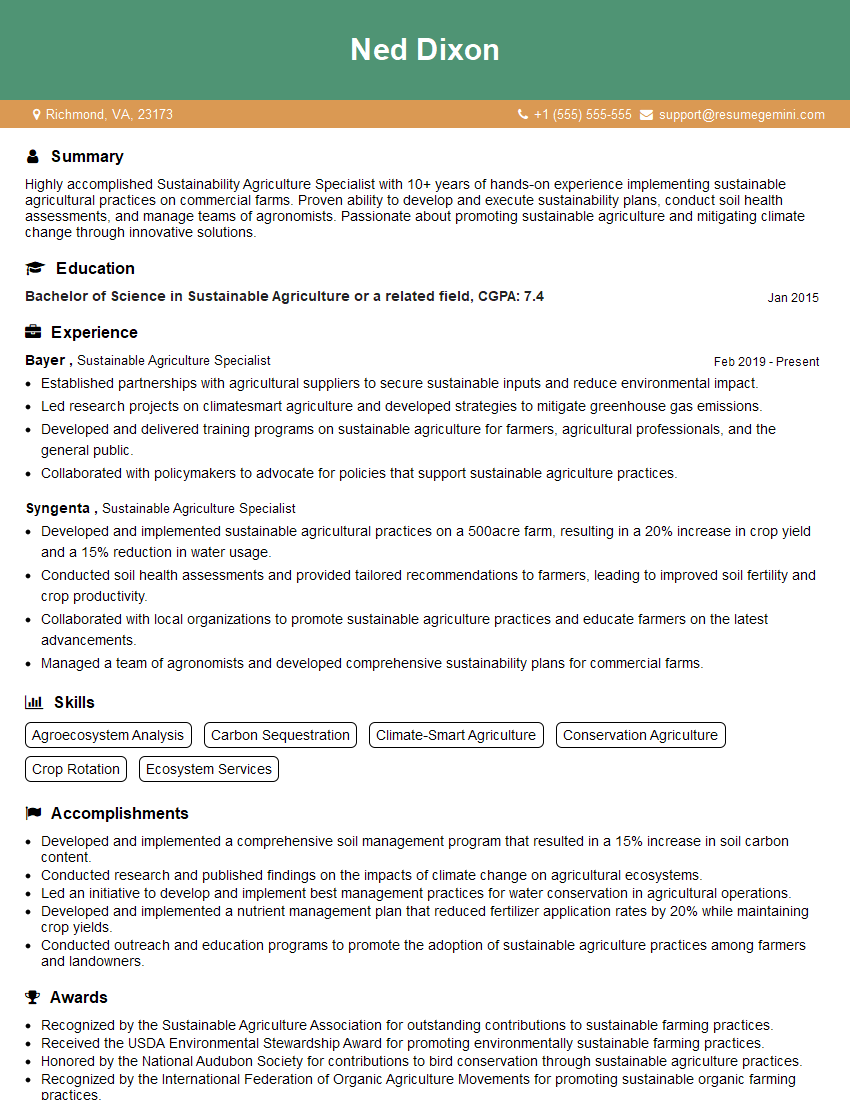
Sustainable Agriculture Specialist Resume Sample
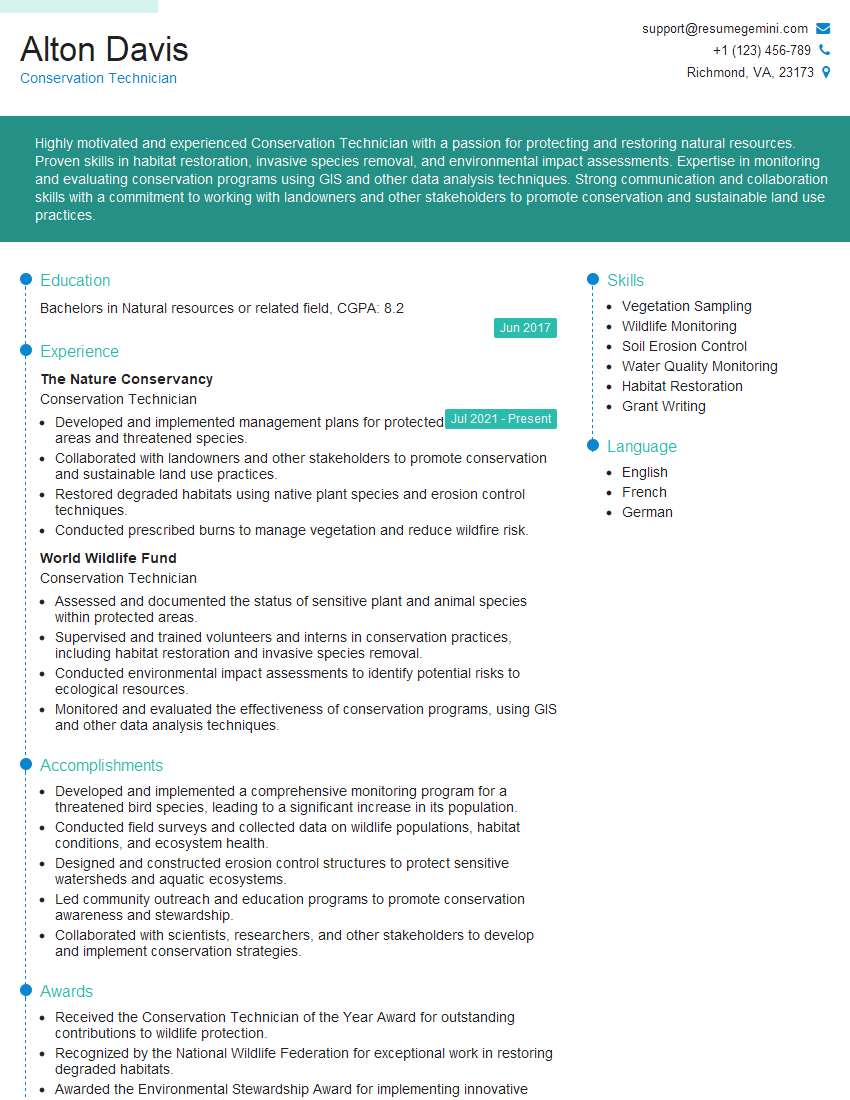
Conservation Technician Resume Sample
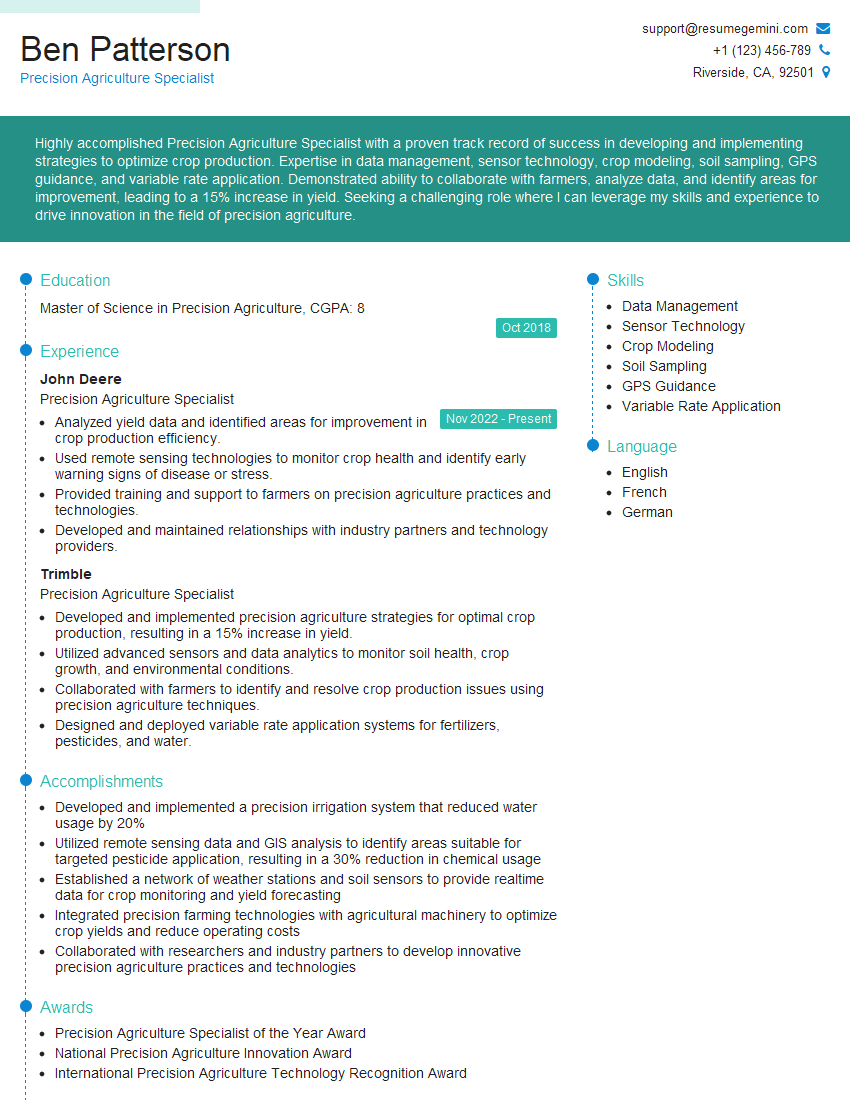
Precision Agriculture Specialist Resume Sample
- Sustainability Manager
- Water Resource Specialist
- Watershed Manager
- Environmental Scientist
- Environmental Planner
- Agricultural Engineer
- Geotechnical Engineer
- Environmental Consultant
- Soil Scientist
- Erosion Control Specialist
- Land Use Planner
- Natural Resource Manager
- Hydrologist
- Sustainable Agriculture Specialist
- Conservation Technician
- Precision Agriculture Specialist
Explore more articles
Users Rating of Our Blogs
Share Your Experience
We value your feedback! Please rate our content and share your thoughts (optional).
What Readers Say About Our Blog
good