Every successful interview starts with knowing what to expect. In this blog, we’ll take you through the top Soldering Operation interview questions, breaking them down with expert tips to help you deliver impactful answers. Step into your next interview fully prepared and ready to succeed.
Questions Asked in Soldering Operation Interview
Q 1. What types of soldering irons are you familiar with?
Soldering irons come in various types, each designed for specific applications. The most common types I’m familiar with include:
- Pencil-type soldering irons: These are the most basic and widely used, ideal for general-purpose soldering tasks. They are electrically heated and have a replaceable tip.
- Temperature-controlled soldering irons: These advanced irons allow precise temperature setting and control, crucial for delicate components and specialized soldering applications. This prevents overheating sensitive components and improves solder joint quality.
- Soldering stations: These are more sophisticated systems that combine a temperature-controlled soldering iron with a stand and often include features like a sponge for cleaning the tip and a built-in temperature display.
- Micro-soldering irons: These have very fine tips for working with extremely small components in microelectronics or surface mount technology (SMT). These irons usually have a higher degree of temperature control.
- Hot air rework stations: Instead of a pointed tip, these use a stream of hot air to reflow solder, mainly used for removing and replacing surface mount components. This is often preferred for sensitive components to avoid damaging them with the heat of a traditional iron.
The choice of soldering iron depends largely on the complexity of the project and the size and type of components being soldered.
Q 2. Explain the difference between through-hole and surface mount soldering.
Through-hole and surface mount soldering are two fundamentally different techniques used in electronics assembly, distinguished by how the components are connected to the printed circuit board (PCB).
- Through-hole technology (THT): In THT, components have leads (pins or wires) that pass through holes in the PCB. Solder is then applied to the leads on both sides of the board to create a secure connection. Think of it like attaching a screw to a piece of wood, going completely through.
- Surface mount technology (SMT): SMT components have pads or terminals on their underside that are soldered directly to the PCB’s surface. No holes are involved. It’s like gluing something onto the surface. This method allows for smaller and more densely packed circuitry.
The difference is crucial because each requires different techniques and tools. Through-hole soldering often involves more manual dexterity, while surface mount soldering often requires specialized equipment like hot air guns or reflow ovens for more reliable and consistent results.
Q 3. What are the common types of solder used in electronics assembly?
Several types of solder are used, each with unique properties and applications. The most common include:
- Lead-based solder (e.g., 60/40 solder): This is a classic solder alloy, typically 60% tin and 40% lead. While effective, it contains lead, which is toxic and environmentally unfriendly. Its use is increasingly restricted.
- Lead-free solder (e.g., SAC305): These are alloys that replace lead with other metals, like silver or bismuth. They are environmentally friendly but often require higher soldering temperatures and can be more prone to cold joints if not used correctly.
- Rosin-core solder: This type contains rosin flux within the solder, making it easier to use for many applications. The rosin flux helps to clean the soldering surfaces and improve the wetting of the solder.
- Water-soluble solder: This solder contains water-soluble flux, making it easier to clean after soldering. This is especially useful in situations where rosin flux residue might interfere with the operation of sensitive electronics.
The selection of the appropriate solder depends heavily on the specific application, regulatory requirements (RoHS compliance), and the materials being joined.
Q 4. Describe the proper procedure for preparing a soldering iron for use.
Proper preparation of a soldering iron is critical for achieving high-quality solder joints. Here’s the procedure:
- Inspect the tip: Check the tip for damage or oxidation. A damaged tip won’t transfer heat efficiently and can lead to poor solder joints.
- Clean the tip: Use a wet sponge or a specialized tip cleaner to remove any residue or oxidation. This ensures good thermal contact between the tip and the solder.
- Tin the tip: Apply a small amount of solder to the tip to create a smooth, shiny coating. This helps to improve heat transfer and prevent oxidation.
- Set the temperature: Set the soldering iron to the appropriate temperature for the type of solder and components being used. Consult datasheets for the ideal temperature range.
- Test the temperature: Before starting, test the temperature by briefly touching the tinned tip to a piece of scrap solder. It should melt smoothly and evenly.
Neglecting this process can lead to inconsistent solder joints, bridging between components, or even damage to the components themselves.
Q 5. What is the significance of using the correct solder flux?
Flux plays a critical role in the soldering process by facilitating the flow of solder and improving the wetting properties. A proper flux:
- Removes oxides and contaminants: Flux cleans the surfaces of the components and the PCB, removing oxides that prevent the solder from properly adhering.
- Improves wetting: By reducing surface tension, flux allows the molten solder to spread evenly over the joint, creating a strong, reliable connection.
- Protects the joint from oxidation: Once the solder has cooled and solidified, the flux can prevent the formation of new oxides, helping to maintain the integrity of the joint over time.
Using the incorrect flux, or no flux at all, can result in poor solder joints, cold solder joints, or even complete failure of the connection. The type of flux chosen must be compatible with the materials being soldered and any subsequent processing or cleaning steps.
Q 6. How do you identify a cold solder joint?
A cold solder joint is a weak, unreliable connection caused by insufficient heat during the soldering process or improper cleaning of the joint. It often appears dull, grayish, or even crystalline, and lacks the characteristic shiny, concave profile of a good solder joint.
Identifying a cold solder joint can be tricky. Visual inspection is important but may not always be sufficient. Look for:
- Dull appearance: A cold solder joint lacks the bright, shiny surface of a properly made connection.
- Crystalline structure: The solder might appear grainy or uneven.
- Poor wetting: The solder might not fully wet the surface of the components or PCB.
- Weak mechanical strength: The joint is more easily broken compared to a good connection.
If you suspect a cold solder joint, the best course of action is to carefully rework the connection by applying sufficient heat and fresh solder while ensuring proper flux application.
Q 7. How do you identify a dry joint?
A dry joint is a weak connection caused by insufficient solder. Essentially, the joint hasn’t been properly filled with solder, leaving an air gap between the components and PCB. This results in a weak, unreliable, and potentially intermittent connection.
Visual inspection is key to identify dry joints:
- Insufficient solder volume: A very small amount of solder or barely any solder is visible.
- Visible gap between components: You can see an air gap between the components and the PCB.
- Poor conductivity: A dry joint will likely display poor electrical continuity when tested.
Dry joints, like cold solder joints, need to be reworked. Sufficient solder should be applied to completely fill the gap between the components and the PCB to create a strong, reliable connection.
Q 8. How do you identify a solder bridge?
A solder bridge is an unwanted connection between two or more solder pads or terminals, essentially a blob of solder unintentionally connecting points that should be electrically isolated. Imagine it like an unintended electrical shortcut. Identifying them is crucial for proper circuit functionality.
Visual inspection is the primary method. Under magnification (a microscope is ideal for smaller components), look for any extra solder connecting adjacent pads, especially where components are densely packed. Sometimes bridges are subtle, appearing as a small glistening connection between pads. Testing with a multimeter in continuity mode can confirm a bridge by detecting an unexpected short circuit between points that shouldn’t be connected. A faulty circuit exhibiting unexpected behavior, such as a short or no power, could point towards an unseen bridge.
Q 9. What are the signs of overheating a component during soldering?
Overheating a component during soldering can lead to several damaging effects. The most obvious sign is visual damage: discoloration (often browning or blackening) of the component’s body or leads. This indicates the component has exceeded its maximum operating temperature. You might also see the component physically warped or damaged. More subtle signs include a cracked solder joint or a degraded solder appearance, such as dull or brittle looking solder. Ultimately, the component may cease to function correctly, exhibiting intermittent or complete failure. For instance, in my experience, overheating a delicate SMD capacitor could cause internal damage, leading to sudden component failure, requiring a complete rework.
Q 10. Explain the importance of proper heat dissipation during soldering.
Proper heat dissipation is paramount to prevent damage to sensitive components and ensures a high-quality solder joint. Excessive heat applied for too long can damage the component’s internal structure or weaken the PCB substrate. This is why effective heat dissipation is critical. Think of it like this: you wouldn’t cook a delicate fish on high heat for a long time; you’d use gentle heat and maybe even simmer it to maintain its integrity. In soldering, using the correct soldering iron wattage and tip size ensures adequate heat input, but proper heat dissipation manages the heat so that the components don’t absorb excessive thermal stress.
This involves using techniques such as applying heat for a short duration, using a heat sink to draw heat away from sensitive components, and ensuring good airflow around the work area. Proper heat dissipation improves the quality and reliability of your soldering joints resulting in longer lasting and more robust electronics. For high-volume soldering applications, reflow ovens often incorporate optimized heat profiles and controlled atmospheres to achieve optimal heat dissipation.
Q 11. What safety precautions should be taken when using a soldering iron?
Safety is paramount in soldering. Always work in a well-ventilated area, preferably with a fume extractor, to avoid inhaling potentially harmful fumes from the solder flux. Wear safety glasses to protect your eyes from solder splatter. Use appropriate heat-resistant gloves to protect your hands from burns. Keep flammable materials away from the soldering iron, and never leave a hot soldering iron unattended. Proper grounding of the soldering iron and the work area prevents electric shocks and ensures static discharge protection to avoid damaging sensitive electronics. It’s also important to learn about and handle solder safely – proper disposal of the used solder is crucial for safety and environmental friendliness.
Q 12. Describe your experience with different soldering techniques (e.g., wave soldering, reflow soldering).
My experience spans various soldering techniques. Wave soldering is a high-volume automated process for through-hole components. In this, PCBs are passed over a wave of molten solder, providing uniform solder application to all the component leads simultaneously. I’ve extensively managed and optimized wave soldering parameters, including pre-heat temperatures and solder wave heights, to achieve optimal joint quality and minimize defects. Reflow soldering is used for surface-mount components (SMDs). This involves applying solder paste to the PCB, placing the SMD components, and then passing the PCB through a reflow oven with a precisely controlled temperature profile to melt the solder paste and create reliable joints. Here, I focused on optimizing reflow profiles to minimize thermal stress on components and prevent defects such as tombstoning and bridging. Hand soldering, of course, demands precision and dexterity for individual components, where I consistently practiced good techniques to maintain high quality and reliability.
Q 13. What is the ideal temperature range for soldering different types of components?
The ideal soldering temperature depends heavily on the type of component and the solder used. The datasheet for the component often provides the recommended temperature range. For general purpose applications, lead-free solder typically requires a higher temperature (around 217°C to 235°C) compared to leaded solder (around 183°C to 215°C). However, this can be significantly lower for some sensitive components, possibly as low as 150°C. Overheating is always a risk, so keeping the soldering time short and the tip clean, along with effective heat dissipation techniques is essential. Always check the manufacturer’s recommendations for specific component soldering temperature ranges; these are more accurate than any general guidance.
Q 14. How do you clean a soldering iron tip?
Maintaining a clean soldering iron tip is critical for optimal heat transfer and solder flow. A dirty tip can lead to poor solder joints and damage components. The most effective method I use is using a wet sponge. Simply wipe the hot tip repeatedly on a damp (not soaking wet) sponge to remove excess solder and oxidation. For stubborn deposits, I use a solder cleaning wick to absorb the contaminants. There are various specialized cleaning tools and chemicals available, but for everyday work, a wet sponge and wick are very effective. Regularly cleaning the tip between soldering tasks extends its lifespan and minimizes the chance of producing poor solder joints.
Q 15. What are the common causes of soldering defects?
Soldering defects, unfortunately, are common. They stem from various sources, broadly categorized into operator errors, material issues, and equipment problems. Let’s break it down:
- Operator Errors: This is the most frequent cause. Insufficient heat, improper flux application (too little or too much), incorrect soldering time, poor joint formation (cold solder joints, insufficient solder volume), and not cleaning the joint properly are all common mistakes. I’ve seen many instances where a rush job leads to a rushed solder joint, compromising quality. For example, failing to properly preheat a large component before applying solder can result in a cracked solder joint or damage to the component.
- Material Issues: This includes problems with the solder itself (incorrect alloy, oxidized solder), the flux (incorrect type or degraded), or the component leads (oxidized, contaminated, or damaged).
- Equipment Problems: Faulty soldering irons with inconsistent temperature, poor-quality solder paste that doesn’t reflow correctly, or inadequate ventilation leading to solder fumes buildup can also contribute to defects. A malfunctioning fume extractor, for instance, can lead to a buildup of harmful residues that contaminate the work area and components.
Identifying the root cause requires careful observation and analysis of the defective joint. Understanding the process flow and potential points of failure is critical.
Career Expert Tips:
- Ace those interviews! Prepare effectively by reviewing the Top 50 Most Common Interview Questions on ResumeGemini.
- Navigate your job search with confidence! Explore a wide range of Career Tips on ResumeGemini. Learn about common challenges and recommendations to overcome them.
- Craft the perfect resume! Master the Art of Resume Writing with ResumeGemini’s guide. Showcase your unique qualifications and achievements effectively.
- Don’t miss out on holiday savings! Build your dream resume with ResumeGemini’s ATS optimized templates.
Q 16. How do you troubleshoot a faulty solder joint?
Troubleshooting a faulty solder joint begins with careful visual inspection using magnification, ideally a microscope. This helps identify the type of defect. Common issues like cold solder joints (dull, grayish appearance), bridging (excess solder connecting unintended points), or insufficient solder (a weak connection) are easily spotted. I usually follow these steps:
- Visual Inspection: Use a microscope to examine the joint thoroughly for any visible flaws. Note the appearance (shiny, dull, grainy) and the solder’s shape.
- Continuity Test: Employ a multimeter to check the electrical continuity across the joint. A lack of continuity indicates a break in the connection.
- Component Integrity Test: Assess if the associated components are functioning correctly. A faulty component might appear to be a solder problem but is actually caused by a damaged part.
- Rework: If the problem is identified, use a desoldering tool (wick, pump, or hot air) carefully to remove the defective solder. Then, apply fresh solder with proper technique. It’s vital to use the right amount of heat and flux.
- Root Cause Analysis: After fixing the joint, attempt to determine why the problem occurred. Was the soldering iron temperature too low? Was the flux old or contaminated? Addressing the root cause prevents recurrence.
Q 17. Describe your experience with using a soldering microscope.
Soldering microscopes are indispensable tools in my work, especially when dealing with fine-pitch components or intricate surface-mount technology (SMT) assemblies. They provide magnified views of the solder joints, allowing for precise defect identification and rework. My experience spans various models, from basic stereo microscopes to advanced digital microscopes with imaging capabilities. I’ve found that the higher magnification capabilities of a good quality microscope significantly improves the accuracy and efficiency of inspections, allowing for the detection of minor imperfections otherwise invisible to the naked eye. For example, I recently used a digital microscope with integrated image capture for documentation purposes in a quality control scenario where a subtle crack in a solder joint was detected and later used to adjust our soldering process parameters.
Q 18. What is the importance of using a proper grounding technique while soldering?
Proper grounding is paramount in soldering, particularly when working with sensitive electronics. It prevents static electricity buildup, which can damage components through electrostatic discharge (ESD). This is because a static charge can cause latent failures or immediate damage in sensitive devices. The ground connection provides a path for any static electricity to dissipate harmlessly. I always ensure that my workstation is properly grounded, often using an anti-static mat connected to a ground point. Also, ensuring that the soldering iron tip is properly grounded, usually through the workstation, is crucial to preventing the potential of damaging components by creating an electrostatic discharge path that travels through the components.
Q 19. How do you manage ESD (Electrostatic Discharge) while soldering?
Managing ESD is crucial to prevent component damage. My approach involves a multi-layered strategy:
- ESD-Safe Workbench: I always work on an anti-static mat connected to a ground. This provides a path for static electricity to dissipate.
- ESD Wrist Strap: I wear a grounded wrist strap to prevent static buildup on my body. The strap must be properly connected to the ground.
- Anti-Static Clothing: I often use anti-static clothing or gloves to further minimize the risk. The clothing usually carries a specific ESD rating.
- Proper Handling Techniques: I handle components with care, ensuring they are stored and manipulated in anti-static bags or containers. When handling components that have not been handled with ESD-protective methods, it is advisable to quickly ground yourself before beginning work.
- Ionizing Air Blowers: For critical applications, I sometimes use ionizing air blowers to neutralize static charges in the immediate work area.
The goal is to create a controlled environment where static electricity is minimized, preventing any possible damage to the sensitive electronic components. I’ve seen firsthand the devastating consequences of a single ESD event; it can render an entire board unusable, leading to significant rework and cost overruns.
Q 20. What experience do you have with different types of solder pastes?
My experience with solder pastes includes various types, each suited for specific applications. I’ve worked with:
- Lead-Free Solder Pastes: These are increasingly common due to environmental regulations. I’ve used various formulations, each with different melting points and properties, suited to different component types and soldering profiles.
- Lead-Containing Solder Pastes: While less common now, I have experience with these pastes, primarily for legacy applications or where specific material properties are required.
- No-Clean Solder Pastes: These are convenient as they don’t require cleaning after soldering, saving time and reducing the risk of residue causing future problems. However, it is crucial to understand that these types of paste are best used in environments where it is certain that no further soldering or maintenance will be performed on the board after the initial soldering.
- Water-Soluble Solder Pastes: These are environmentally friendly and easily cleaned. However, they can sometimes leave behind residue if not cleaned properly.
Choosing the correct solder paste is critical for achieving reliable solder joints. Factors like alloy composition, particle size, flux type, and viscosity all influence the solderability and the overall quality of the resulting joint. I always refer to the manufacturer’s specifications to ensure compatibility with the components and process parameters.
Q 21. What are your preferred methods for inspecting solder joints?
My preferred methods for inspecting solder joints are multi-faceted, emphasizing both visual and electrical verification. I use:
- Visual Inspection (with Magnification): Using a microscope, I check for proper wetting, the absence of voids, bridging, or cold solder joints. The appearance of the solder joint, including its color and surface finish, provide important clues. I’ve found that even the most experienced technicians are easily tricked by joints that appear good from the naked eye but upon closer examination are flawed.
- X-Ray Inspection (for complex assemblies): For intricate assemblies or when internal defects are suspected, X-ray inspection provides a non-destructive method to reveal hidden problems.
- Automated Optical Inspection (AOI): For high-volume production, AOI systems automate the visual inspection process, significantly improving efficiency and consistency.
- Electrical Testing (Continuity and Functionality): This involves using a multimeter to verify electrical continuity across the joint and functional testing of the overall circuit. This often helps in identifying issues that may not show up in a visual inspection.
The selection of the inspection method depends on the complexity of the assembly, the production volume, and the required level of quality assurance. A combination of methods is often the best approach to ensure quality and reliability.
Q 22. Explain your understanding of IPC-A-610 standards.
IPC-A-610 is the industry standard for the acceptability of printed board assemblies. It’s essentially a bible for soldering quality, outlining criteria for acceptable workmanship. Think of it as a detailed checklist that ensures the reliability and longevity of electronic products. The standard covers a wide range of aspects, including solder joint quality, component placement accuracy, and overall cleanliness of the assembly. It uses descriptive criteria and visual aids to classify defects, ranging from acceptable to critical, depending on their potential impact on the product’s performance. For example, a minor solder bridge might be acceptable depending on its size and location, while a significant void in a critical joint would be considered a critical defect.
My understanding extends beyond simply recognizing the classifications. I’m adept at applying the standard during inspections, identifying potential issues proactively, and ensuring that all my soldering work meets or exceeds the required standards. I regularly use IPC-A-610 as a reference to maintain consistency and high quality in my work. Knowing this standard allows me to troubleshoot issues, provide constructive feedback, and contribute to a superior end product.
Q 23. How do you handle different types of circuit boards (e.g., rigid-flex, flexible)?
Soldering different circuit board types requires adapting techniques to suit the material properties. Rigid-flex and flexible PCBs demand a more nuanced approach compared to rigid boards. With rigid-flex boards, the challenge is to solder components to both the rigid and flexible sections without damaging the delicate flexible substrate. This often involves using lower soldering temperatures and careful control of the iron’s contact time to avoid overheating and delamination. Specialized soldering irons and techniques are sometimes necessary. I have extensive experience using these techniques, prioritizing controlled heat application and suitable flux to avoid stress cracking on the flexible section.
Flexible PCBs require even more finesse. They are typically thinner and more prone to damage from excessive heat. I often employ smaller soldering tips, lower wattage irons, and potentially hot air rework stations for better heat distribution and precise control. Understanding the material’s properties and limitations is paramount – the goal is to create robust, reliable joints without compromising the circuit board’s flexibility and integrity. In both rigid-flex and flexible PCB soldering, I always prioritize proper clamping or fixturing to prevent board warping or damage during the soldering process.
Q 24. Describe your experience with automated soldering equipment.
I possess significant experience with automated soldering equipment, including wave soldering machines and selective soldering systems. Wave soldering is a high-volume technique, ideal for through-hole components on rigid PCBs. My experience encompasses setting up and maintaining these machines, optimizing parameters like wave height and pre-heat temperatures to achieve optimal solder joint quality and minimize defects such as bridging and insufficient solder. With selective soldering, the focus is on precise application of solder to specific components. I’m proficient in programming and operating these machines, ensuring accurate dispensing and reliable connections. This involves configuring the machine’s parameters, such as solder volume and nozzle placement, to achieve optimal results for each component type.
Beyond operation, I understand the importance of preventative maintenance. I regularly inspect and clean the equipment, ensuring nozzles are free from obstructions and solder is consistently flowing. This proactive approach minimizes downtime and contributes to consistent, high-quality results. The ability to troubleshoot issues on these systems is crucial, and I’ve honed this skill over many years.
Q 25. What is your experience with lead-free soldering?
Lead-free soldering is now the industry standard, and I have extensive experience using lead-free solder alloys, such as Sn96.5/Ag3/Cu0.5. The key difference lies in the higher melting point of lead-free solder, requiring careful temperature control to prevent issues like cold joints and component damage. I’ve mastered techniques to ensure proper wetting and avoid the formation of ‘tombstoning’ (where a component tilts). This often involves optimizing preheating profiles and selecting appropriate flux to ensure efficient heat transfer.
Experience with lead-free soldering also encompasses understanding the different alloys and their characteristics. I adapt my techniques based on the specific alloy in use and the application’s demands. It’s not simply a matter of swapping out the solder; it demands a deeper understanding of the thermal profile needed to achieve a high-quality connection.
Q 26. What techniques do you use to prevent solder bridging?
Preventing solder bridging, where excess solder connects adjacent pads, is crucial for reliable circuits. My techniques are multi-faceted. First, I always use the right size soldering iron tip for the pads involved – a tip that is too large increases the risk significantly. Second, applying the solder to the pad and letting capillary action pull it into the joint is more effective than simply depositing solder directly between pads.
Third, I meticulously clean my soldering iron tip between each joint to avoid solder build-up that could contribute to bridging. And fourth, proper flux application aids in wetting the pad, promoting solder flow and minimizing bridging. If I am working with fine-pitch components, I might use a stencil to precisely apply solder paste, allowing for controlled reflow and reduced chance of bridging during the soldering process. Finally, regular inspection under magnification ensures early detection of any potential bridging. It’s far easier to correct a slight bridge during the soldering process than after.
Q 27. How do you determine the correct solder amount for a given joint?
Determining the correct solder amount is a balance between ensuring a strong, reliable connection and avoiding excess solder that could cause bridging or other defects. It’s highly dependent on the component size, pad size, and the specific soldering technique used. For through-hole components, I ensure complete wetting of the component lead and board pad, but avoid excess solder that could form a large meniscus.
With surface mount devices (SMDs), the appropriate amount is often dictated by the stencil design used in the reflow process. The stencil’s aperture size and shape will directly influence the solder volume deposited. In manual soldering, I use a visual guide based on experience, aiming for a fillet that is visually smooth and covers the pad surface without excess. It should look like a well-formed, shiny bump, neither too large nor too small. The size will vary based on component size, but consistent practice and attention to detail are key to precision.
Q 28. How do you maintain your soldering station and equipment?
Maintaining my soldering station and equipment is essential for producing consistent, high-quality work. This involves regular cleaning of the soldering iron tip using a wet sponge or tip cleaner to remove residue. I also ensure the iron’s temperature is properly calibrated and stable. Furthermore, I regularly check the solder itself for signs of oxidation or contamination; old or contaminated solder can drastically reduce the quality of a joint.
For more complex equipment, such as wave soldering machines or selective soldering systems, preventative maintenance schedules are crucial. This includes regular inspection, cleaning, and calibration of the equipment as recommended by the manufacturer. This preventative approach helps to prevent costly downtime and ensures the equipment performs optimally, leading to more consistent and reliable soldering results.
Key Topics to Learn for Soldering Operation Interview
- Soldering Techniques: Mastering various soldering techniques, including through-hole and surface mount technology (SMT), is crucial. Understand the differences and applications of each.
- Solder Joint Inspection: Learn to identify good and bad solder joints. Understand the visual cues indicating cold joints, bridging, and other defects. Practice using magnification tools for thorough inspection.
- Safety Procedures: Demonstrate a thorough understanding of safety precautions when working with soldering irons, fluxes, and other materials. This includes proper ventilation, handling of hazardous materials, and eye protection.
- Soldering Equipment & Materials: Familiarize yourself with different types of soldering irons, solder types (lead-free vs. leaded), fluxes, and cleaning agents. Understand their properties and applications.
- Troubleshooting Common Soldering Issues: Be prepared to discuss common problems encountered during soldering operations, such as cold solder joints, bridging, or component damage, and explain your troubleshooting approach.
- IPC Standards (if applicable): If relevant to the job description, familiarize yourself with IPC standards related to soldering and electronic assembly. Understanding these standards demonstrates professionalism and attention to detail.
- Process Optimization: Discuss strategies for optimizing soldering processes to improve efficiency, reduce defects, and maintain consistent quality. Think about factors like temperature control, time management, and ergonomics.
Next Steps
Mastering soldering operation opens doors to exciting career opportunities in electronics manufacturing, repair, and related fields. A strong foundation in these skills will significantly boost your employability and earning potential. To maximize your chances of landing your dream job, it’s crucial to present your qualifications effectively. Crafting an ATS-friendly resume is key to getting noticed by potential employers. ResumeGemini is a trusted resource to help you build a professional and impactful resume that highlights your soldering expertise. Examples of resumes tailored to Soldering Operation are available to guide you.

Process Engineer Resume Sample

Technical Support Specialist Resume Sample

Maintenance Technician Resume Sample

Manufacturing Engineer Resume Sample

Quality Assurance Technician Resume Sample

Field Service Technician Resume Sample

Manufacturing Technician Resume Sample
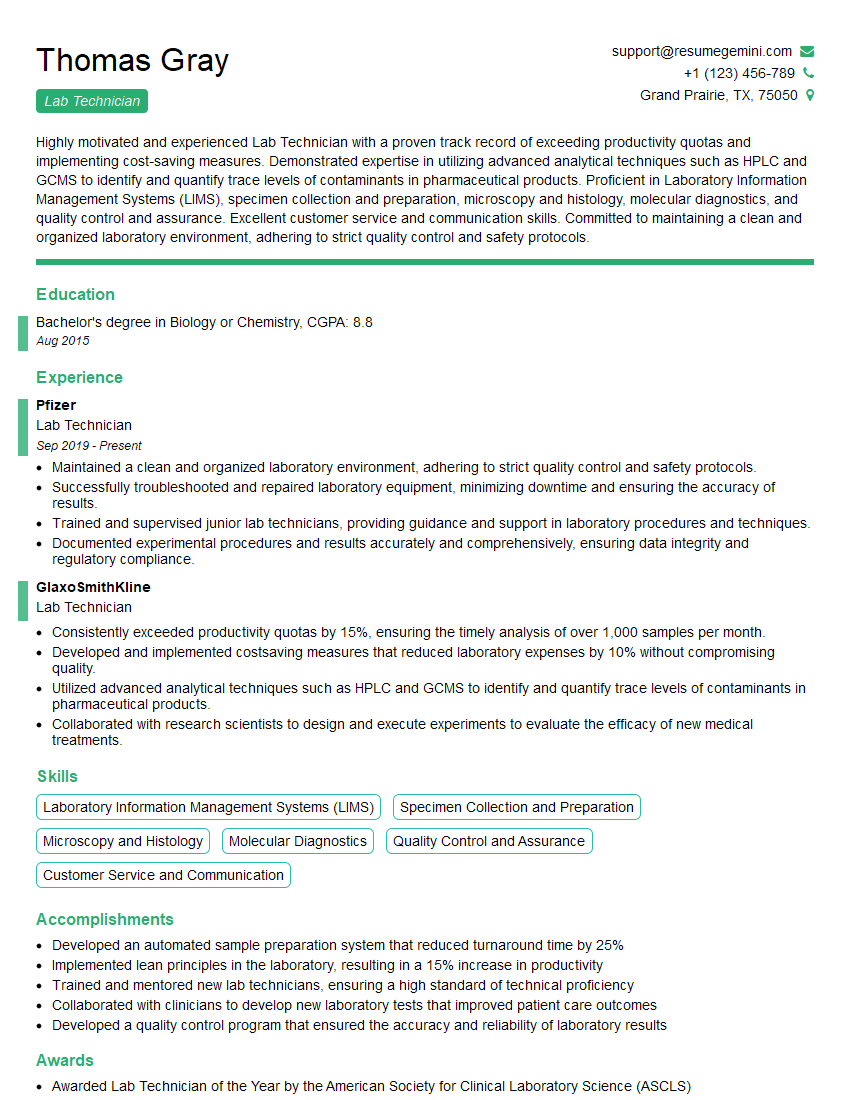
Lab Technician Resume Sample

Repair Technician Resume Sample

Circuit Board Assembler Resume Sample

Electronics Assembler Resume Sample

Soldering Technician Resume Sample
Explore more articles
Users Rating of Our Blogs
Share Your Experience
We value your feedback! Please rate our content and share your thoughts (optional).
What Readers Say About Our Blog
Very informative content, great job.
good