Cracking a skill-specific interview, like one for Technical Training and Mentoring, requires understanding the nuances of the role. In this blog, we present the questions you’re most likely to encounter, along with insights into how to answer them effectively. Let’s ensure you’re ready to make a strong impression.
Questions Asked in Technical Training and Mentoring Interview
Q 1. Describe your experience designing and delivering technical training programs.
Designing and delivering effective technical training programs is a multi-faceted process that requires a deep understanding of both the subject matter and adult learning principles. It starts with a thorough needs analysis to identify skill gaps and learning objectives. Then, I develop a curriculum that incorporates various learning methods, including lectures, hands-on exercises, group activities, and simulations. Finally, the program is delivered, evaluated, and iteratively improved.
For example, I once designed a training program for a software development team on a new agile methodology. This involved conducting interviews to understand their current workflows, identifying areas where the new methodology could improve efficiency, and creating a curriculum that covered the core principles of agile, with practical exercises using their actual projects. The program was delivered as a blend of online modules and in-person workshops to maximize engagement and knowledge retention.
Another example involved creating a training program for network engineers on a new network security protocol. This involved creating interactive simulations that allowed the engineers to practice configuring and troubleshooting the protocol in a safe environment, followed by practical exercises using real-world scenarios.
Q 2. How do you assess the effectiveness of your training programs?
Assessing the effectiveness of training programs is crucial for continuous improvement. I employ a multi-pronged approach that includes pre- and post-training assessments to measure knowledge gain, observation during training sessions to gauge participant engagement and understanding, and post-training surveys to gather feedback on the program’s content, delivery, and overall effectiveness. Furthermore, I track performance metrics on the job following the training to see if the skills learned translate to improved real-world outcomes.
For instance, in the agile methodology training, pre- and post-tests assessed knowledge of agile principles. Observations during workshops measured participation and understanding of concepts. Post-training surveys gathered feedback on the program’s effectiveness. Finally, I tracked the team’s velocity and bug rates in subsequent projects to measure the impact of the training on their performance.
Q 3. What methodologies do you utilize for creating engaging training materials?
Creating engaging training materials is essential for effective learning. I utilize a variety of methodologies to achieve this, including incorporating interactive elements like quizzes, games, and simulations; using real-world case studies and examples; incorporating visual aids like diagrams, charts, and videos; and designing materials with varying levels of complexity to cater to diverse learning styles. Storytelling and humor, where appropriate, also significantly increase engagement.
For example, in the network security training, I used interactive simulations that mimicked real-world network attacks, allowing participants to practice defending against these attacks in a safe environment. The use of real-world case studies of security breaches helped them understand the real-world implications of their actions. I also employed humorous anecdotes to illustrate complex concepts and to make learning more enjoyable.
Q 4. Explain your approach to identifying training needs within a technical team.
Identifying training needs within a technical team is a systematic process. I typically start by conducting interviews and focus groups with team members and managers to understand current skills, challenges, and future needs. This is followed by reviewing performance data, such as bug reports, project completion times, and customer feedback, to identify areas where training could improve efficiency and quality. I also analyze documentation, such as job descriptions and technical specifications, to identify required skills and any gaps. Finally, I compare the current skills to the desired skills to identify any training needs.
For instance, in one project, performance data revealed a significant number of bugs related to a specific coding language. Interviews with developers confirmed a lack of proficiency in that language. This directly pointed to the need for targeted training in that specific coding language to enhance code quality and reduce bug counts.
Q 5. How do you adapt your training style to different learning styles?
Different learners have different preferences for how they receive and process information. I adapt my training style by using a variety of teaching methods to accommodate various learning styles: visual learners benefit from diagrams and videos; auditory learners from lectures and discussions; kinesthetic learners from hands-on activities and simulations. I also cater to different learning paces by offering self-paced online modules in conjunction with instructor-led sessions.
For example, in the agile methodology training, I included visual aids such as flowcharts to help visual learners, used group discussions to engage auditory learners, and provided hands-on exercises to cater to kinesthetic learners. The training also included self-paced online modules that allowed learners to review materials at their own pace.
Q 6. Describe your experience using different training delivery methods (e.g., online, in-person, blended).
I have extensive experience using various training delivery methods, including in-person workshops, online modules, and blended learning approaches that combine both. In-person workshops are effective for interactive learning and collaboration. Online modules offer flexibility and accessibility. Blended learning combines the strengths of both approaches, providing a more comprehensive and engaging learning experience. The choice of method depends on factors like budget, time constraints, geographical location of learners, and the specific training objectives.
For example, the agile methodology training used a blended learning approach. Online modules delivered foundational content, while in-person workshops focused on interactive exercises and group discussions. The network security training, on the other hand, utilized a combination of online modules with virtual labs for remote participants and in-person sessions for those locally available.
Q 7. How do you handle challenging learners or those who resist training?
Handling challenging learners or those who resist training requires patience, empathy, and a flexible approach. I start by understanding the reasons for their resistance, whether it’s fear of change, lack of confidence, or a negative past experience with training. Then I adapt my approach by offering individualized support, providing more hands-on assistance, addressing their concerns directly, and focusing on the benefits of the training for them and their career growth. Positive reinforcement and celebrating successes are also key strategies.
For example, if a learner is struggling with a particular concept, I would provide additional one-on-one support and use different methods of explanation to try to help them understand. If a learner is resistant to the training, I would focus on building a rapport with them and highlighting the practical benefits of the new skills. Celebrating small successes along the way is essential to boost their morale and motivation.
Q 8. How do you measure the ROI of your training programs?
Measuring the ROI of training programs requires a multifaceted approach that goes beyond simply tracking attendance. We need to quantify the impact on key performance indicators (KPIs) directly linked to the training objectives. This involves a pre- and post-training assessment to measure skill improvement. For instance, if the training aims to improve sales conversion rates, we’d compare the average conversion rate of participants before and after the training.
Beyond individual performance, we analyze team-level metrics. Did the team’s overall performance improve after the training? Did it lead to cost savings or increased revenue? We might track things like reduced error rates, faster task completion times, or improved customer satisfaction scores.
Finally, a crucial element is gathering qualitative feedback through surveys and interviews. This helps us understand the trainees’ perceptions of the training’s effectiveness and identify areas for improvement. Combining quantitative data (numbers) with qualitative data (opinions) gives a comprehensive picture of the training’s ROI. For example, a high increase in sales figures post-training, coupled with positive trainee feedback on improved product knowledge, would strongly suggest a successful ROI.
Q 9. What software or tools do you use to create and deliver training?
My toolkit for creating and delivering training is quite diverse, tailored to the specific needs of each program. For authoring engaging e-learning content, I frequently use Articulate Storyline 360. Its branching scenarios and interactive elements create an immersive learning experience. For live virtual training, I leverage platforms like Zoom and Microsoft Teams, incorporating collaborative features like breakout rooms for group discussions and polls for real-time feedback.
To manage learning content and track participant progress, I’ve successfully used Learning Management Systems (LMS) such as Moodle and TalentLMS. These systems allow for automated assessment delivery, performance tracking, and certificate generation, streamlining the entire training process. Finally, for creating visually appealing materials, I utilize Adobe Creative Suite (Photoshop and Illustrator) for graphics and design work. The choice of tools depends on the training’s modality (online, in-person, blended), the target audience, and the learning objectives.
Q 10. Describe your experience developing and implementing a mentorship program.
I’ve had the opportunity to design and implement several successful mentorship programs. In one instance, I developed a program for junior software engineers to be mentored by senior team members. The program started with a thorough needs assessment to identify the skills gaps and career aspirations of the junior engineers. Based on this, we carefully matched them with mentors who possessed relevant expertise and a mentoring style compatible with the mentee’s learning preferences.
The program included structured sessions focusing on technical skills development, professional development, and career guidance. We used a combination of one-on-one meetings, group workshops, and online resources to support the mentor-mentee relationships. Regular check-ins and feedback sessions ensured that the program remained aligned with the mentees’ needs and that the mentors felt supported. The program was a great success, with many mentees reporting significant improvements in their technical skills and career confidence.
Q 11. How do you match mentors and mentees effectively?
Effective mentor-mentee matching is crucial for program success. I use a multi-faceted approach. Firstly, I collect comprehensive information from both mentors and mentees, including their skills, experience, career goals, communication styles, and personality traits. I then use this data to identify compatible pairs. I don’t just focus on technical skills; personality alignment is equally important. A mentor’s mentoring style should match the mentee’s learning style.
For example, a mentee who prefers a hands-on approach might benefit from a mentor who provides practical guidance and feedback. Sometimes, a personality assessment tool is employed to gain deeper insight into individual preferences. Finally, I offer mentees the opportunity to review potential mentor profiles and express their preferences. While the final decision rests with me, respecting their input ensures a higher chance of success.
Q 12. What strategies do you use to ensure mentor-mentee relationships are successful?
Ensuring successful mentor-mentee relationships requires proactive support and structure. I provide clear guidelines and expectations to both parties upfront, outlining the commitment level, meeting frequency, and communication protocols. Regular check-in meetings are scheduled to monitor progress, address any issues proactively, and provide guidance.
I also offer workshops and training for mentors on effective mentoring techniques, including active listening, providing constructive feedback, and building rapport. I create opportunities for mentees and mentors to network with each other, building a sense of community. Providing resources like online forums or shared documents facilitates communication and knowledge sharing outside of formal meetings. This holistic approach increases the likelihood of productive and rewarding mentor-mentee relationships.
Q 13. How do you address conflicts or challenges within mentoring relationships?
Conflicts or challenges are inevitable in any relationship, and mentoring is no exception. My approach is to address issues early and proactively. I encourage open communication between the mentor and mentee. If a conflict arises, I facilitate a structured conversation where both parties can express their concerns in a safe and respectful environment.
My role is not to judge or take sides, but to guide them towards a mutually acceptable solution. This might involve adjusting meeting schedules, clarifying roles and expectations, or offering alternative strategies for communication. If the conflict persists despite mediation efforts, I may need to re-assign the mentor or provide additional support to one or both parties. Documentation of the process is important for tracking progress and evaluating the effectiveness of conflict resolution strategies.
Q 14. How do you evaluate the success of a mentorship program?
Evaluating a mentorship program’s success involves collecting both quantitative and qualitative data. Quantitative data can include the number of mentors and mentees participating, the duration of the relationships, and the number of mentoring sessions conducted. However, the most significant metrics are those measuring the impact on mentees’ professional development.
We measure improvements in skills, performance reviews, promotions, career advancements, and job satisfaction levels. We also conduct surveys and interviews with both mentors and mentees to gauge their satisfaction with the program, identify areas for improvement, and gather qualitative feedback on the program’s effectiveness. The feedback helps us refine the program design for future iterations, ensuring it continues to meet the evolving needs of the organization and its employees. For example, we might analyze the percentage of mentees who received promotions within a year of program completion or quantify the increase in employee retention rates post-program.
Q 15. Explain your understanding of adult learning principles.
Adult learning principles are crucial for effective technical training. Unlike children, adults are self-directed, bring prior experience to the table, and are motivated by relevance and practical application. Key principles include:
- Andragogy: This contrasts with pedagogy (child-centered learning). Andragogy emphasizes learners’ self-concept, prior experience, readiness to learn, orientation to learning, and motivation.
- Experiential Learning: Adults learn best by doing. Hands-on activities, simulations, and real-world case studies are far more effective than passive lectures.
- Relevance and Application: Training must clearly demonstrate how the new skills will benefit the learner in their job or life. Showing direct connections to their daily tasks is critical.
- Problem-centered Approach: Starting with a problem or challenge that learners want to solve makes the learning process more engaging and meaningful.
- Collaboration and Peer Learning: Group activities, discussions, and peer feedback foster a supportive learning environment and allow for knowledge sharing.
For example, instead of a lecture on networking protocols, I might start with a troubleshooting scenario, letting learners diagnose the problem using the protocol knowledge. This hands-on approach directly applies theory to practice, increasing retention.
Career Expert Tips:
- Ace those interviews! Prepare effectively by reviewing the Top 50 Most Common Interview Questions on ResumeGemini.
- Navigate your job search with confidence! Explore a wide range of Career Tips on ResumeGemini. Learn about common challenges and recommendations to overcome them.
- Craft the perfect resume! Master the Art of Resume Writing with ResumeGemini’s guide. Showcase your unique qualifications and achievements effectively.
- Don’t miss out on holiday savings! Build your dream resume with ResumeGemini’s ATS optimized templates.
Q 16. Describe your experience creating training materials for diverse audiences.
Creating training materials for diverse audiences requires a thoughtful, multi-faceted approach. I tailor materials to accommodate different learning styles, technical backgrounds, and cultural contexts. For example:
- Learning Styles: I incorporate visual aids (diagrams, videos), auditory learning (audio explanations, discussions), and kinesthetic learning (hands-on exercises) to cater to diverse preferences.
- Technical Backgrounds: I use clear, concise language, avoiding jargon whenever possible. For beginners, I provide foundational concepts; for advanced learners, I offer more challenging exercises and in-depth explorations.
- Cultural Sensitivity: I ensure that my materials are inclusive and avoid cultural biases or stereotypes. This includes considering language, images, and examples used.
- Accessibility: I prioritize accessibility by providing alternative formats, such as transcripts for videos or large-font versions of documents, to ensure all learners can access the information.
In a recent project training helpdesk staff, I created modules for both junior and senior technicians. Junior staff received step-by-step guides and basic troubleshooting, while senior staff worked on more advanced case studies involving complex system integration.
Q 17. How do you maintain up-to-date knowledge of technical skills and industry trends?
Staying current in the ever-evolving tech landscape is paramount. I employ a multi-pronged strategy:
- Professional Development Courses and Certifications: I regularly enroll in relevant courses and pursue industry certifications to deepen my technical expertise and maintain professional credibility.
- Industry Publications and Blogs: I subscribe to industry newsletters, read technical blogs, and follow key influencers on social media to stay abreast of emerging trends and technologies.
- Conferences and Webinars: Attending conferences and participating in webinars allows me to network with peers and learn about cutting-edge developments from industry experts.
- Hands-on Projects and Experimentation: I actively engage in personal projects, experimenting with new technologies and tools to gain practical experience. This reinforces my understanding of concepts and builds my confidence.
- Mentorship and Peer Learning: I actively participate in professional networks and mentoring programs to learn from others and share my knowledge.
For example, I recently completed a course on cloud computing best practices, which directly enhanced my ability to design and deliver effective training on cloud-based technologies.
Q 18. Describe a time you had to troubleshoot a technical issue during a training session.
During a recent training session on network security, the lab environment experienced an unexpected outage. The trainees were frustrated, and the session seemed to be derailed.
My approach involved:
- Acknowledging the Problem: I openly addressed the issue, assuring the trainees that this kind of unexpected event happens in real-world IT and that troubleshooting is a valuable skill.
- Systematic Troubleshooting: I guided the trainees through a systematic process, checking network cables, routers, and firewall settings. We worked collaboratively, discussing potential causes and solutions.
- Utilizing Diagnostic Tools: I used network monitoring tools to identify the problem, involving the trainees in interpreting the output. This provided a practical demonstration of diagnostic techniques.
- Explaining the Root Cause: Once we identified the faulty router, I explained the cause of the failure and how to prevent similar issues in the future.
- Adjusting the Training Plan: We revised the training plan slightly, focusing more on practical troubleshooting methods using the real-world scenario as a case study.
The unexpected outage transformed into a valuable learning experience, reinforcing the importance of troubleshooting skills and demonstrating how to handle unexpected issues under pressure.
Q 19. How do you incorporate feedback from trainees to improve your training programs?
Trainee feedback is invaluable for improving training programs. I use a variety of methods to collect and incorporate feedback:
- Post-Training Surveys: I use online surveys to gather quantitative and qualitative data on trainee satisfaction, learning outcomes, and areas for improvement.
- Focus Groups: I conduct focus groups with small groups of trainees to gain in-depth insights into their experiences and perceptions.
- Individual Feedback Sessions: I offer one-on-one feedback sessions to trainees who wish to discuss their learning experience in more detail.
- Informal Feedback Mechanisms: I actively encourage trainees to provide informal feedback throughout the training, using channels like email or instant messaging.
I analyze the feedback systematically, identifying recurring themes and patterns. Based on this analysis, I make specific adjustments to training materials, delivery methods, and assessment strategies. For example, if trainees consistently report difficulty with a particular concept, I might revise the materials to provide additional explanation or practice exercises.
Q 20. What are some common challenges you face in technical training and how do you overcome them?
Common challenges in technical training include:
- Keeping Up with Rapid Technological Change: Technology evolves rapidly, requiring constant updates to training materials and approaches.
- Managing Diverse Skill Levels: Trainees often have varying levels of technical expertise, requiring differentiated instruction.
- Maintaining Trainee Engagement: Technical topics can be challenging, and it’s crucial to maintain trainees’ interest and motivation.
- Balancing Theory and Practice: Effective training requires a balance between theoretical understanding and practical application.
- Assessing Learning Outcomes: Evaluating trainee understanding and measuring the effectiveness of the training can be complex.
To overcome these challenges, I use strategies like:
- Modular Training: Breaking down complex topics into smaller, manageable modules.
- Adaptive Learning: Employing adaptive learning platforms that tailor the training to individual needs and progress.
- Gamification: Integrating game mechanics and challenges to increase engagement.
- Real-world Case Studies: Using real-world scenarios to illustrate concepts and provide relevant application.
- Regular Course Reviews: Continuously reviewing and updating training materials to reflect the latest technological advancements.
Q 21. How do you handle difficult questions or situations during training sessions?
Handling difficult questions or situations during training requires a calm, professional demeanor and a structured approach:
- Listen Carefully: First and foremost, actively listen to the question or concern, showing that you value the trainee’s input.
- Clarify Understanding: If the question is unclear, politely request clarification to ensure you understand the trainee’s point.
- Acknowledge the Question: Acknowledge the question publicly and validate the trainee’s perspective.
- Provide a Thoughtful Response: If you know the answer, provide a clear, concise explanation. If not, honestly acknowledge that you need to research the answer and provide a timeline for getting back to them.
- Address the Underlying Issue: Sometimes, a difficult question reveals a broader issue, such as a lack of understanding of a fundamental concept. Adjust your approach to address the underlying concern.
- Maintain Professionalism: Maintain a calm and respectful demeanor throughout the interaction, even if the question is challenging or confrontational.
For example, if a trainee asks a question that reveals a gap in their foundational knowledge, I might briefly review the relevant concepts before answering their specific question. This proactive approach addresses the underlying issue and prevents similar questions from arising later.
Q 22. What is your experience with creating eLearning modules?
My experience in creating eLearning modules spans over eight years, encompassing various methodologies and technologies. I’ve developed modules using Articulate Storyline, Adobe Captivate, and Lectora, crafting interactive content that leverages diverse media like videos, simulations, and gamified assessments. For example, I recently developed a comprehensive eLearning module on cybersecurity awareness for a large financial institution. This involved creating interactive scenarios simulating phishing attacks, using branching scenarios to reinforce decision-making skills, and incorporating short videos explaining complex technical concepts in an easily digestible format. I always prioritize a user-centered design approach, conducting thorough needs analysis to ensure the modules align precisely with learning objectives and learner needs.
Another project involved creating a series of microlearning modules for onboarding new employees. These short, focused modules, each addressing a specific skill or process, were designed to maximize engagement and knowledge retention by offering bite-sized learning experiences. This was particularly effective at reducing cognitive overload and improving the overall learning experience.
Q 23. How do you ensure your training materials are accessible to all learners?
Accessibility is paramount in my eLearning design process. I adhere strictly to WCAG (Web Content Accessibility Guidelines) standards to ensure all learners, regardless of ability, can access and interact with the materials. This involves:
- Using alternative text for all images and multimedia.
- Providing captions and transcripts for videos and audio.
- Ensuring sufficient color contrast between text and background.
- Utilizing keyboard navigation for all interactive elements.
- Providing transcripts and text versions of any audio-only content.
- Using structured HTML and ARIA attributes to enhance screen reader compatibility.
For example, when creating a module involving complex diagrams, I ensured that each diagram included detailed alt text describing its components and relationships, making it understandable to users with visual impairments. I also test my modules with assistive technology, such as screen readers, to identify and address any remaining accessibility barriers before launch.
Q 24. Describe your experience using learning management systems (LMS).
I have extensive experience with various Learning Management Systems (LMS), including Moodle, Canvas, Blackboard, and TalentLMS. My expertise extends beyond simply uploading content; I understand how to leverage the full potential of an LMS to create engaging learning pathways, track learner progress, and deliver personalized feedback. I’m proficient in creating and managing courses, assigning tasks, setting up quizzes and assessments, and leveraging reporting features to monitor learning outcomes. For instance, in a recent project, I integrated a gamified reward system within the LMS to motivate learners and enhance their engagement with the training materials. This involved customizing the LMS to award points and badges based on completion of modules and achievement of specific milestones, resulting in a significant increase in course completion rates.
Moreover, I’m adept at utilizing LMS features to personalize the learning experience, tailoring content and pathways based on individual learner needs and progress. This includes using branching scenarios and adaptive learning algorithms within the course structure, allowing the system to adjust the difficulty level and content delivery based on the learner’s performance.
Q 25. How do you create assessments to measure learning outcomes?
Assessment design is crucial to measuring learning outcomes effectively. I employ a variety of assessment methods, tailoring them to the specific learning objectives and the nature of the content. This includes:
- Multiple-choice questions: Useful for testing factual knowledge and recall.
- True/false questions: Quick and efficient for assessing basic understanding.
- Fill-in-the-blank questions: Encourages more active recall than multiple-choice questions.
- Short answer questions: Allows for a more nuanced understanding of the learner’s comprehension.
- Essay questions: Ideal for evaluating critical thinking and problem-solving skills.
- Practical assessments/Simulations: Allows learners to apply their knowledge in a real-world setting.
For example, in a recent training program on project management, I incorporated a simulation where learners had to manage a virtual project, making critical decisions and dealing with unexpected events. This allowed me to assess their practical application of the concepts taught, rather than relying solely on theoretical knowledge. I also ensure that assessments are aligned with the learning objectives and provide constructive feedback to learners on their performance.
Q 26. What are your preferred methods for providing ongoing support to trainees?
Ongoing support is key to successful training and knowledge retention. I utilize various methods, including:
- Dedicated Q&A forums: A platform for learners to ask questions and receive answers from myself or peers.
- Regular check-ins: Individual or group meetings to discuss progress and challenges.
- Email support: Prompt responses to individual learner queries.
- Mentorship programs: Pairing experienced learners with newer ones for peer-to-peer support.
- Knowledge bases and FAQs: Creating a centralized resource for commonly asked questions.
For instance, in one project, I established a vibrant online community forum where learners could engage in discussions, share best practices, and assist each other in resolving challenges. This fostered a collaborative learning environment and reduced the reliance on me for every single query.
Q 27. Describe your experience building rapport and trust with trainees and mentees.
Building rapport and trust is foundational to effective mentoring. I achieve this through active listening, empathy, and creating a safe space for open communication. I begin by understanding each trainee’s individual learning styles, goals, and challenges. I actively encourage them to share their thoughts and concerns without judgment, fostering a collaborative and supportive learning environment. I also demonstrate authenticity in my interactions, sharing relevant experiences and perspectives to connect with them on a personal level. For example, I remember one mentee who was struggling with imposter syndrome. By sharing my own past challenges and successes, I helped him understand that these feelings are common and that self-doubt doesn’t have to hold him back. This open and vulnerable approach strengthened our relationship and led to significant growth in his confidence and skills.
Q 28. How do you adapt your communication style to effectively mentor individuals with varying personalities and backgrounds?
Adapting my communication style is essential to effectively mentor diverse individuals. I employ a flexible and personalized approach, taking into account individual learning preferences, communication styles, and cultural backgrounds. This includes:
- Adjusting communication frequency and methods: Some individuals prefer frequent check-ins, while others prefer more space. Some might respond best to emails, while others prefer phone calls or video conferencing.
- Considering cultural nuances: Understanding and respecting varying communication styles and cultural norms.
- Utilizing visual aids and diverse learning materials: Catering to different learning styles (visual, auditory, kinesthetic).
- Providing constructive feedback tailored to the individual: Focusing on strengths and areas for improvement in a positive and encouraging way.
For example, I’ve worked with individuals from diverse cultural backgrounds who had varying comfort levels with direct feedback. In these situations, I adjusted my communication style, being more indirect and providing feedback in a more supportive and collaborative manner, ensuring that the feedback was constructive and aligned with their cultural norms.
Key Topics to Learn for Technical Training and Mentoring Interview
- Curriculum Design & Development: Understanding adult learning principles, crafting effective learning objectives, selecting appropriate training methodologies (e.g., hands-on, lecture, simulations), and assessing learning outcomes.
- Instructional Strategies & Techniques: Mastering various teaching styles to cater to diverse learning preferences, employing active learning techniques to maximize engagement, and providing constructive feedback to trainees.
- Mentorship & Coaching: Developing effective mentoring relationships, providing guidance and support to mentees, fostering a safe and collaborative learning environment, and employing coaching techniques to facilitate skill development.
- Technology Integration in Training: Utilizing various technologies (e.g., learning management systems, virtual reality, simulations) to enhance training effectiveness and accessibility. Understanding the practical implications of choosing and implementing different technologies.
- Assessment & Evaluation: Designing and implementing assessments to measure learning outcomes, interpreting assessment results to identify areas for improvement, and providing constructive feedback to learners.
- Communication & Interpersonal Skills: Mastering effective communication techniques to build rapport with trainees and mentees, actively listening to their needs, and addressing their concerns professionally and empathetically.
- Problem-solving and Troubleshooting: Approaches to identifying and resolving technical issues faced by trainees, adapting training materials to address specific challenges, and guiding learners through complex problems.
- Diversity, Equity, and Inclusion in Training: Designing inclusive training programs that cater to the needs of diverse learners, promoting a respectful and equitable learning environment, and addressing biases in training materials and methodologies.
Next Steps
Mastering Technical Training and Mentoring skills opens doors to rewarding careers with significant growth potential. To maximize your job prospects, crafting a strong, ATS-friendly resume is crucial. ResumeGemini is a trusted resource to help you build a professional and impactful resume that highlights your unique skills and experience. Examples of resumes tailored to Technical Training and Mentoring roles are available to guide you. Invest time in crafting a compelling resume – it’s your first impression on potential employers.

Knowledge Manager Resume Sample
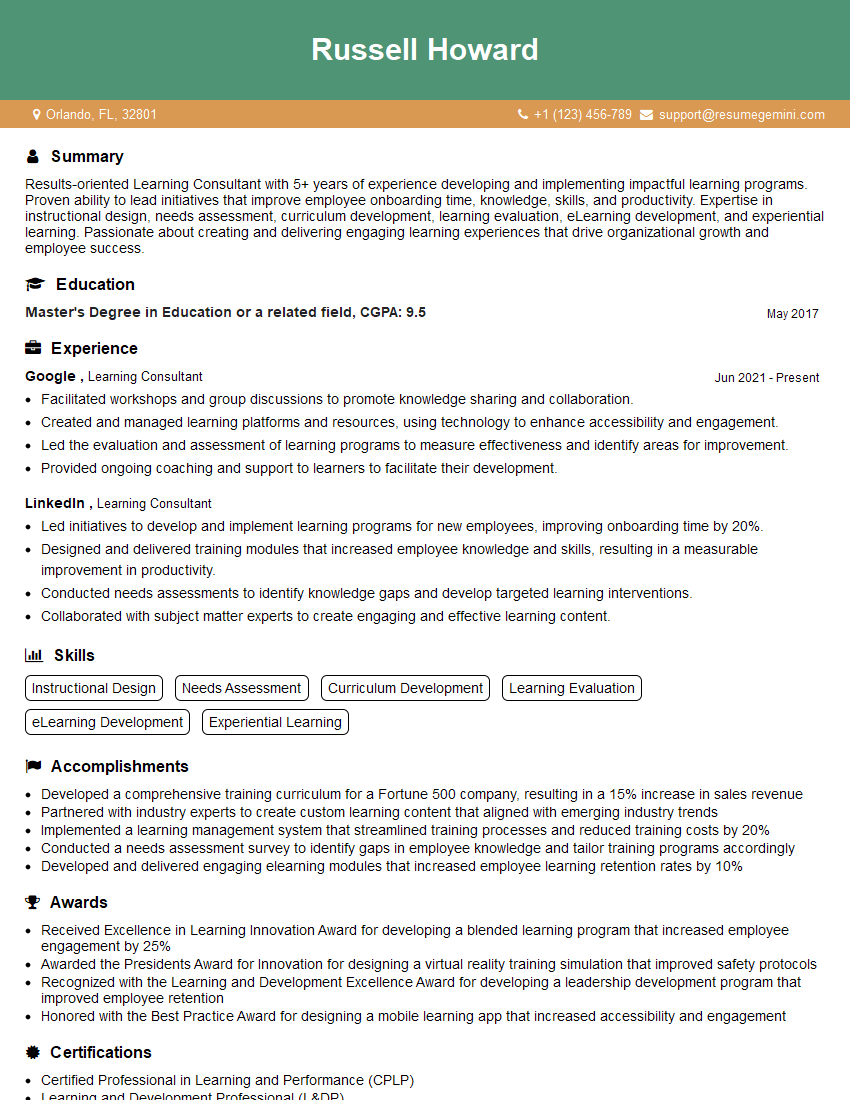
Learning Consultant Resume Sample
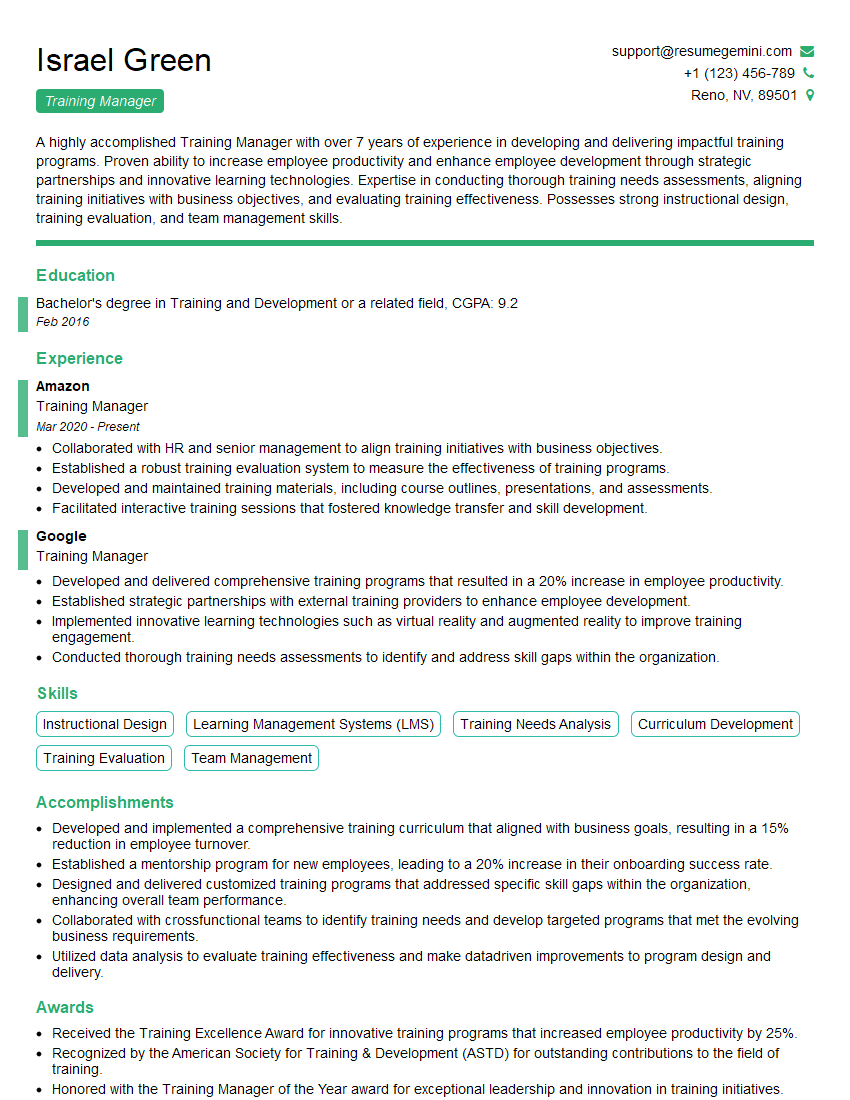
Training Manager Resume Sample
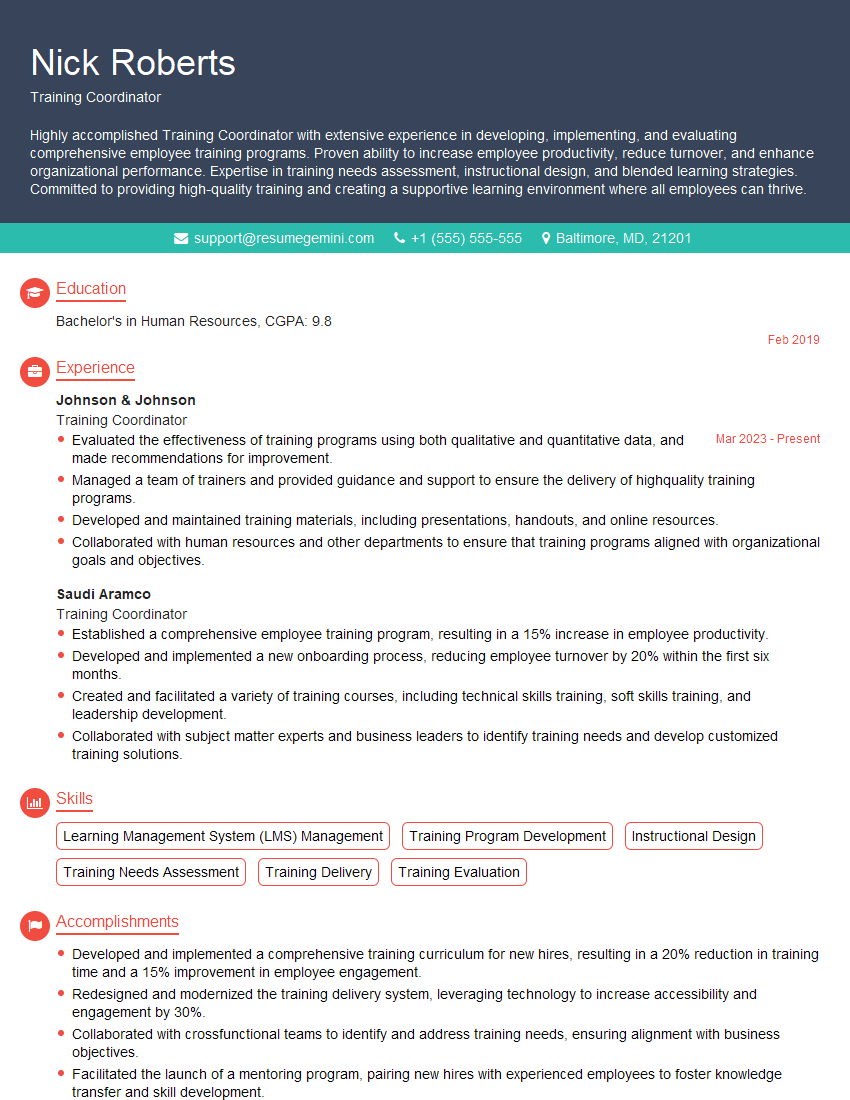
Training Coordinator Resume Sample
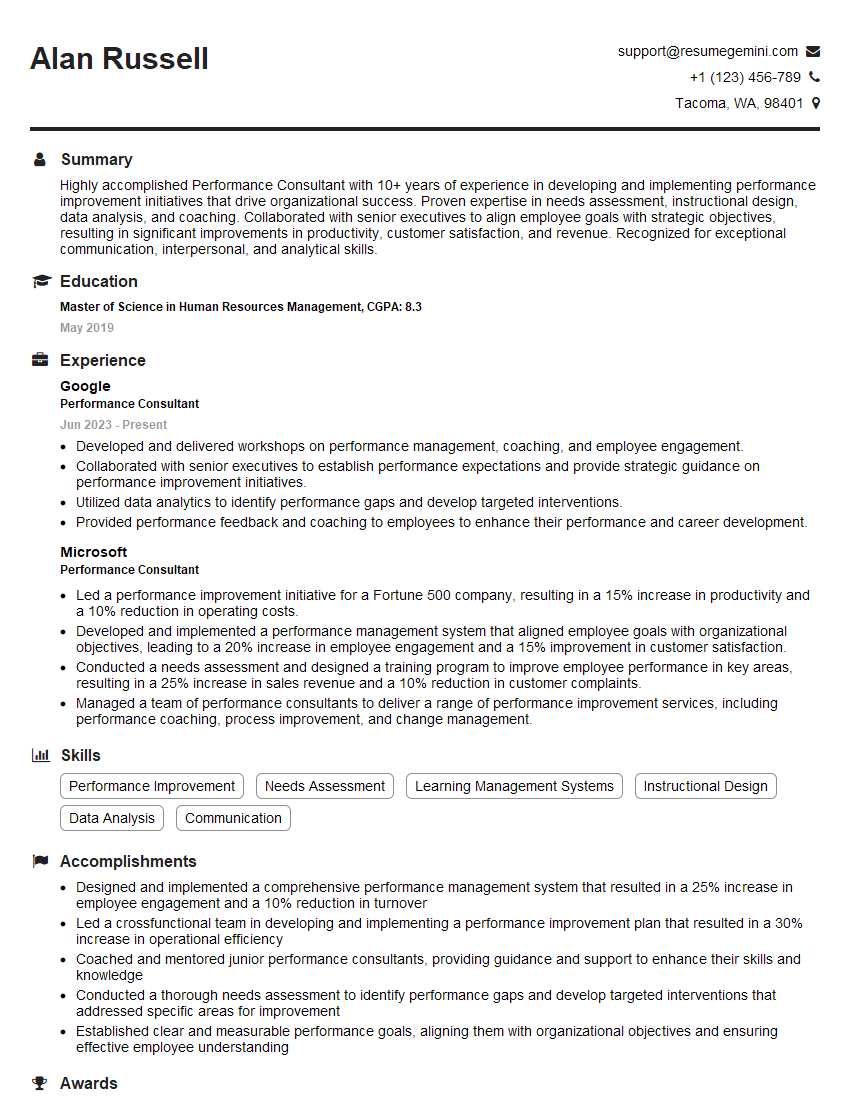
Performance Consultant Resume Sample
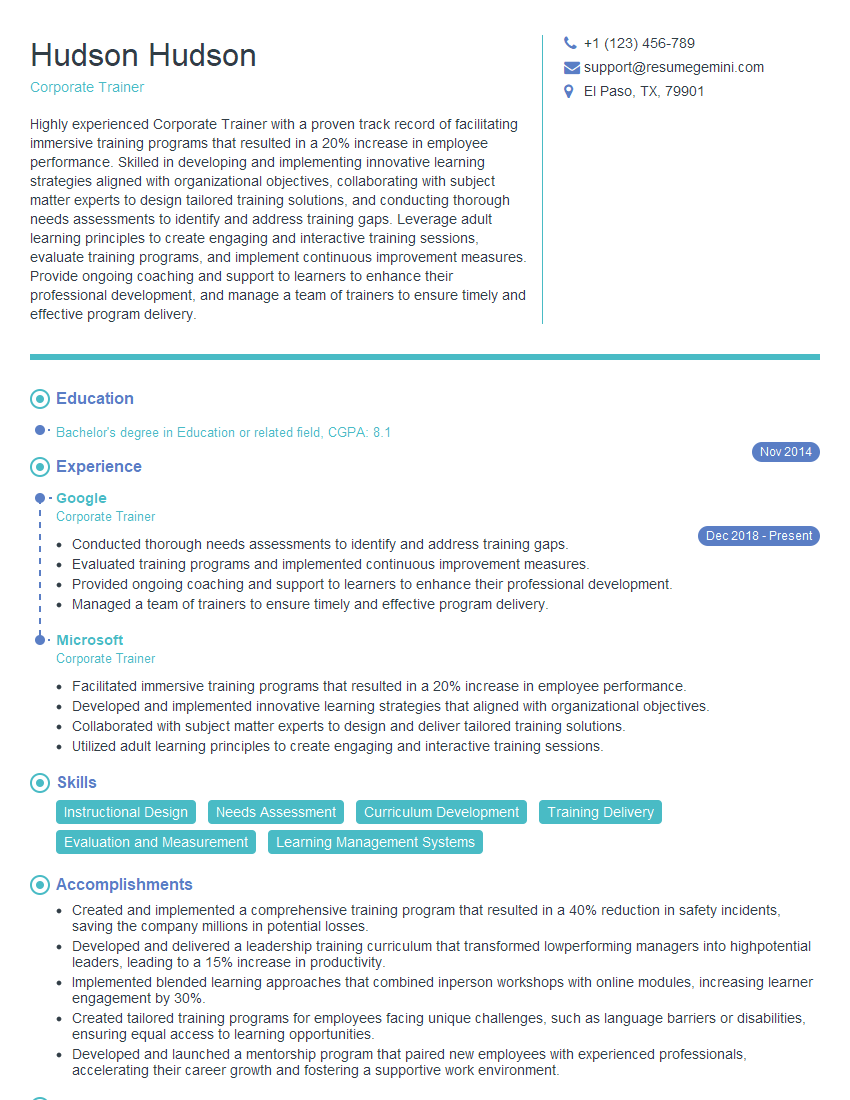
Corporate Trainer Resume Sample

Curriculum Developer Resume Sample
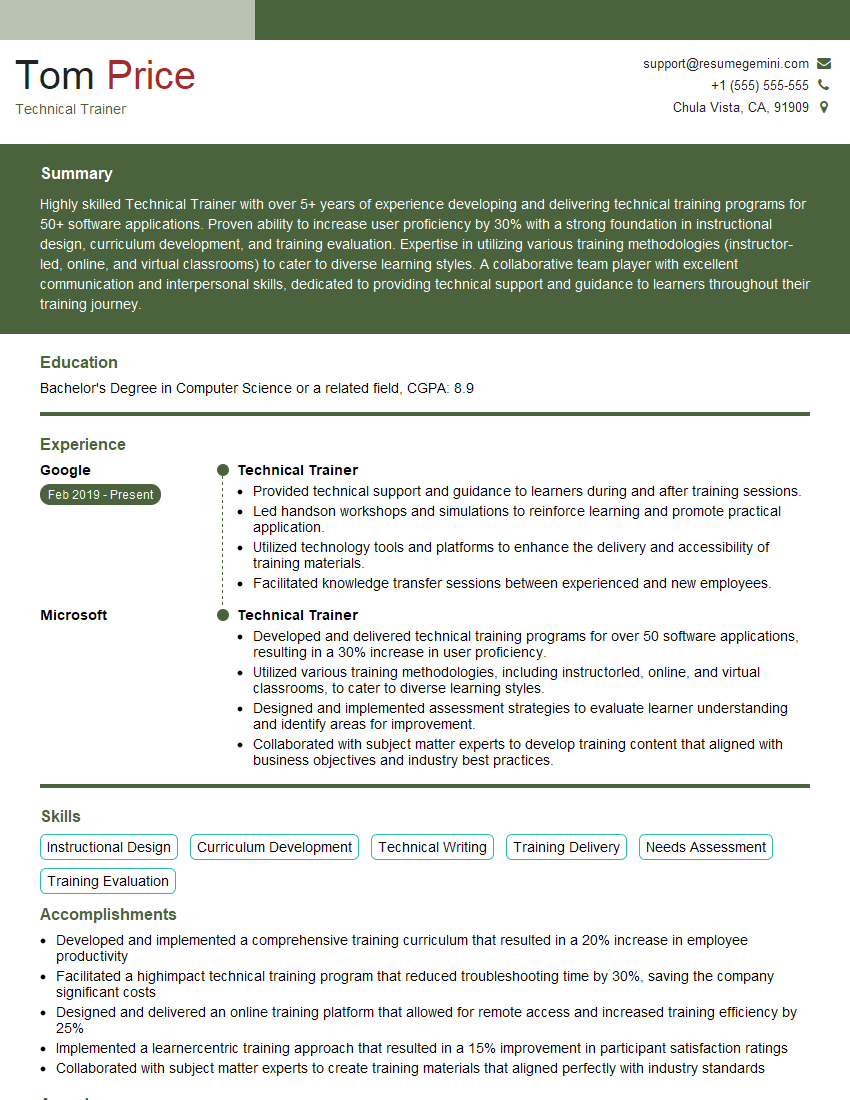
Technical Trainer Resume Sample

Training Specialist Resume Sample
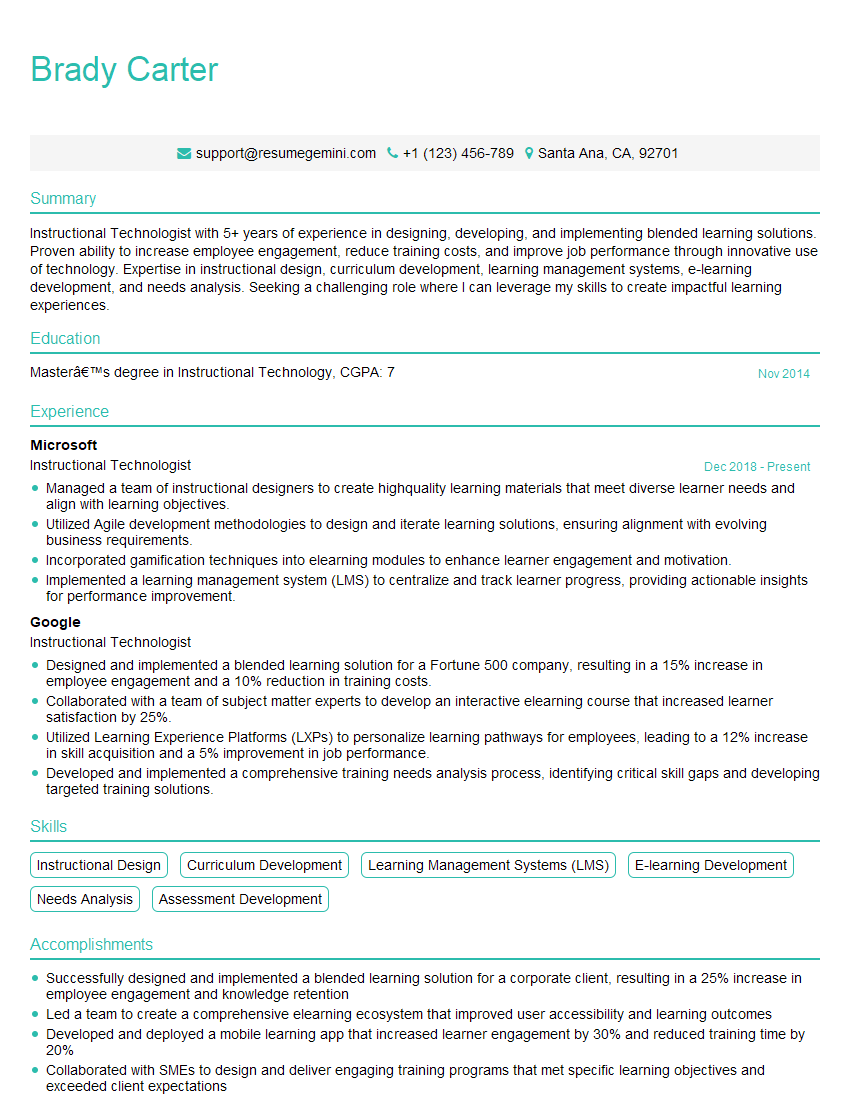
Instructional Technologist Resume Sample
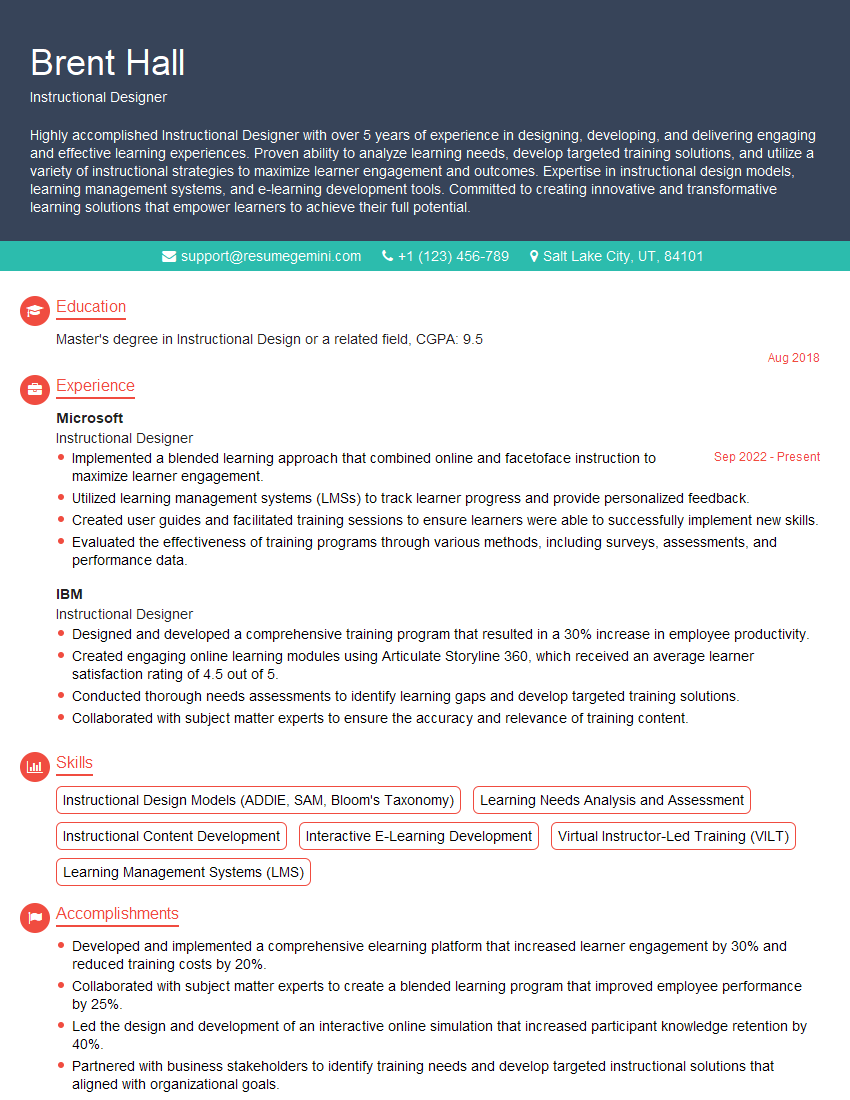
Instructional Designer Resume Sample

Technical Writer Resume Sample
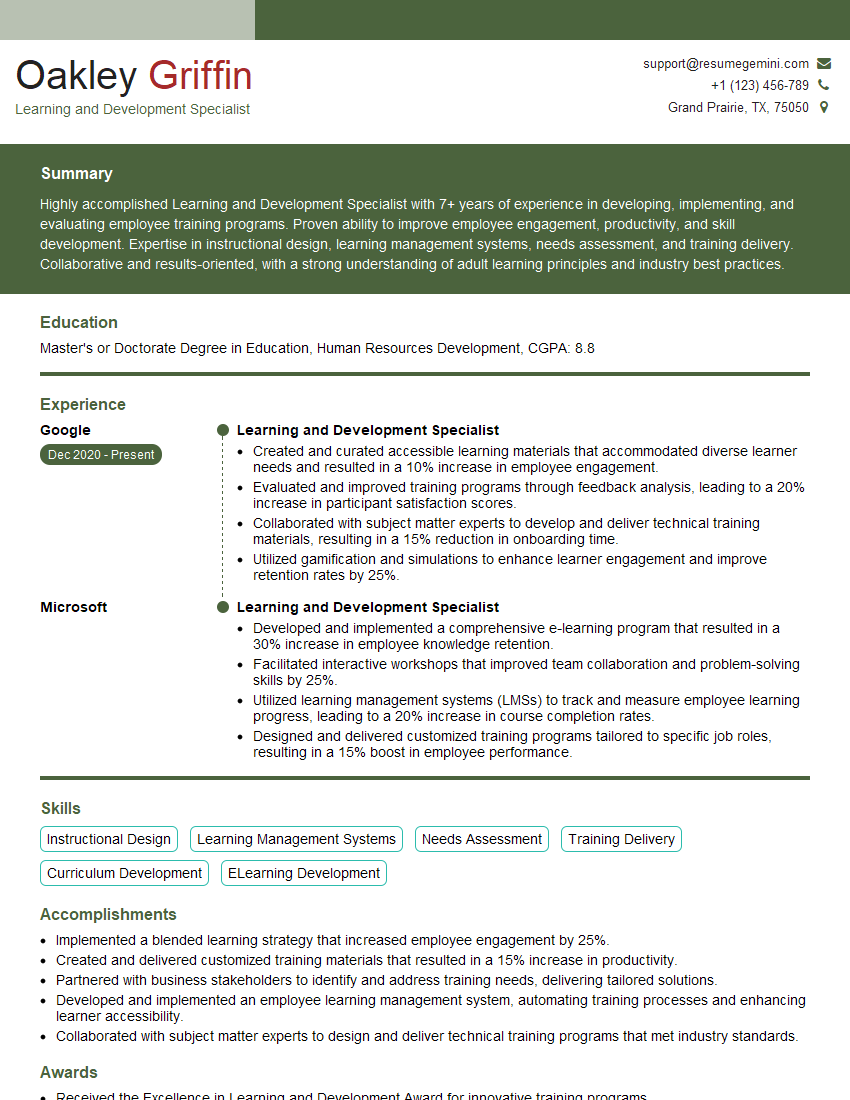
Learning and Development Specialist Resume Sample
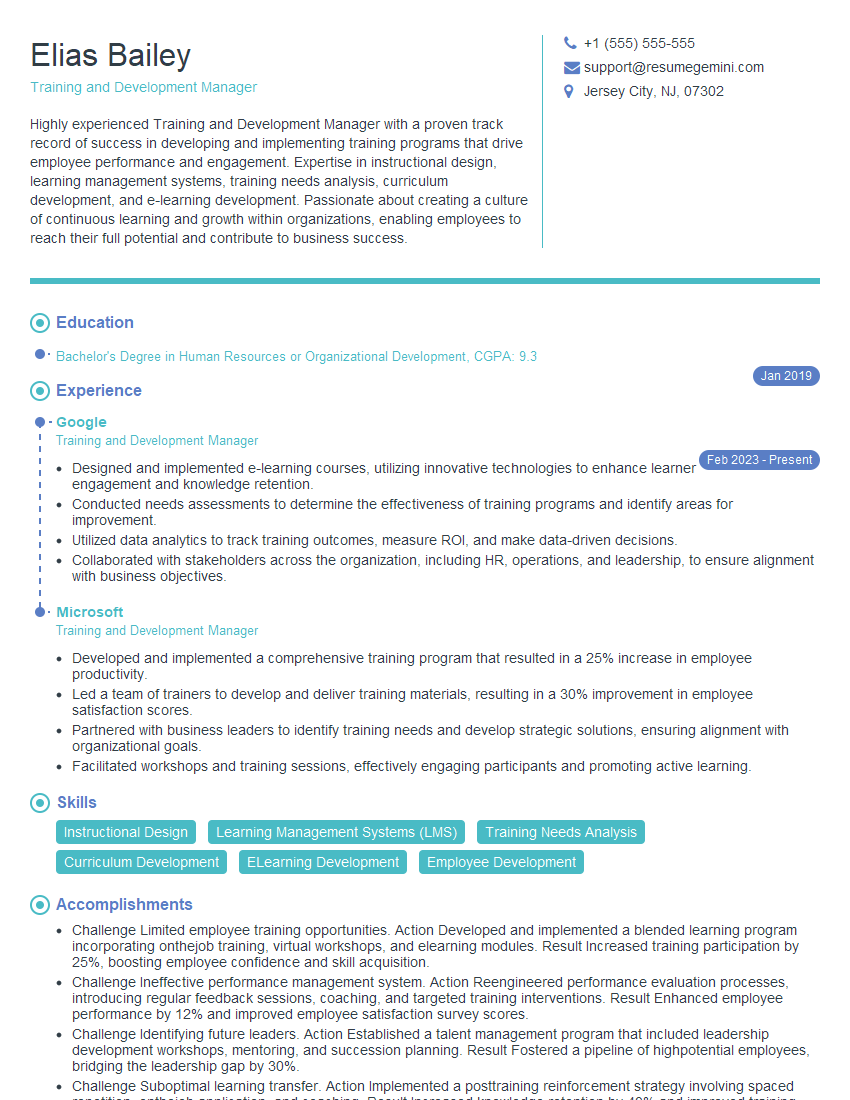
Training and Development Manager Resume Sample
- Knowledge Manager
- Learning Consultant
- Training Manager
- Training Coordinator
- Performance Consultant
- Corporate Trainer
- Curriculum Developer
- Technical Trainer
- Training Specialist
- Instructional Technologist
- Instructional Designer
- Technical Writer
- Learning and Development Specialist
- Training and Development Manager
Explore more articles
Users Rating of Our Blogs
Share Your Experience
We value your feedback! Please rate our content and share your thoughts (optional).
What Readers Say About Our Blog
Very informative content, great job.
good