Every successful interview starts with knowing what to expect. In this blog, we’ll take you through the top Troubleshooting Electrical and Mechanical Issues interview questions, breaking them down with expert tips to help you deliver impactful answers. Step into your next interview fully prepared and ready to succeed.
Questions Asked in Troubleshooting Electrical and Mechanical Issues Interview
Q 1. Describe your experience diagnosing electrical faults in complex systems.
Diagnosing electrical faults in complex systems requires a systematic approach combining theoretical knowledge with practical skills. I start by carefully reviewing system schematics and documentation to understand the intended functionality and potential points of failure. This is like having a map before embarking on a journey – it gives you a sense of direction. Then, I use a combination of visual inspection (looking for obvious signs of damage like burnt components or loose connections), and instrumental measurements using multimeters to check voltage, current, and resistance. For instance, in a recent project involving a faulty industrial robot arm, I used a multimeter to identify a short circuit in one of the motor control circuits, which was pinpointed by systematically checking the voltage across different junctions until I isolated the faulty section. In more intricate systems, oscilloscopes are invaluable for observing signal waveforms, helping identify intermittent faults or timing problems that a multimeter might miss. For example, I’ve used an oscilloscope to troubleshoot glitches in a PLC control system, identifying a noisy signal causing intermittent shutdowns.
Further, understanding the principles of electrical circuits – Ohm’s law, Kirchhoff’s laws – are crucial for interpreting the measurement data and deducing the root cause of the fault. Finally, specialized software and communication protocols (like Modbus or Profibus) are often necessary to interact with Programmable Logic Controllers (PLCs) or other intelligent components within complex systems, assisting in analyzing operational data and identifying potential issues.
Q 2. Explain the troubleshooting process you follow when a machine malfunctions.
My troubleshooting process for machine malfunctions follows a structured methodology. It begins with safety – ensuring the machine is isolated and de-energized before any hands-on work begins. This is paramount. Then, I gather information: what was happening before the malfunction? What error codes or warning messages are present? Talking to the operators provides valuable contextual clues. Next, I conduct a visual inspection, checking for obvious damage, leaks, or loose parts. It’s amazing how often a simple loose bolt is the culprit! After the initial observation, I perform systematic testing using appropriate diagnostic tools, starting from the most likely causes based on my initial assessment. This might involve checking pressure in pneumatic systems, lubricant levels in hydraulic systems, or electrical signals and parameters in control systems using multimeters and oscilloscopes. Each step is meticulously documented. If the fault persists, I move to more advanced diagnostic procedures, possibly involving specialized software or sensor readings. This process is iterative – I continuously evaluate the results and refine my approach until the root cause is identified and a solution is implemented. Throughout this entire process, safety remains my top priority.
Q 3. How do you identify the root cause of a recurring mechanical problem?
Identifying the root cause of a recurring mechanical problem necessitates a shift from reactive to proactive problem-solving. It starts with detailed documentation of each failure event: when it occurred, the conditions under which it occurred, the symptoms, and any repairs made. This pattern recognition is essential. I look for common threads across incidents. Was it always after a specific operation cycle? Did a particular component consistently fail? I might use statistical process control techniques to analyze the data and identify trends. Next, I perform a thorough inspection of the failed components, often using magnifying glasses or other tools to identify microfractures or wear patterns which can indicate the source of the problem. Sometimes, sophisticated techniques like root cause analysis (RCA) are employed, including Ishikawa diagrams (fishbone diagrams) to brainstorm potential causes and eliminate them systematically. In one case, a recurring bearing failure in a conveyor system was initially attributed to insufficient lubrication. However, a thorough RCA revealed that the root cause was excessive vibration due to an imbalance in the system’s rotating components. Addressing the vibration issue completely solved the recurring bearing failures. The key is to investigate beyond the immediate symptom to understand the underlying cause.
Q 4. What are your preferred methods for documenting troubleshooting steps?
Documentation is crucial for efficient troubleshooting and maintenance. My preferred methods include a combination of digital and physical records. I utilize digital tools like maintenance management software (CMMS) to log all issues, repairs, and parts used, and create comprehensive reports. This allows for easy tracking and data analysis. Critically, these systems store images and videos that are far more valuable than written notes alone. For complex repairs, I meticulously document each troubleshooting step, including the measurements taken, the tools used, and the rationale behind each action, creating a clear audit trail. This includes creating detailed schematics and flowcharts. I also employ physical documentation, such as labelled diagrams on the machine itself with notes on critical areas or specific maintenance requirements, to assist future maintenance personnel. Clear, concise, and organized documentation ensures efficient and effective maintenance, minimizes downtime, and aids in training others.
Q 5. How familiar are you with various diagnostic tools (multimeters, oscilloscopes, etc.)?
I am highly proficient in using a wide range of diagnostic tools, including multimeters, oscilloscopes, and specialized diagnostic software. Multimeters are my daily companions for measuring voltage, current, and resistance in electrical systems. I’m comfortable using both analog and digital multimeters, knowing their limitations and strengths. Oscilloscopes are essential for analyzing waveforms, detecting signal integrity issues, and troubleshooting problems in digital and analog circuits. I’m adept at using them to identify noise, glitches, or timing problems. Beyond these basic tools, my experience encompasses using specialized diagnostic software for programmable logic controllers (PLCs) and other industrial control systems. I am proficient in interpreting data from such software to pinpoint problems within the control logic or sensor feedback loops. The selection of tools always depends on the specific nature of the issue. Familiarity with different tools empowers me to troubleshoot efficiently and accurately.
Q 6. Describe a time you had to troubleshoot a problem with limited resources.
During a remote site visit, I encountered a critical failure of a large pump in a water treatment facility. The available resources were extremely limited: basic hand tools, a multimeter, and minimal documentation. The initial assessment suggested a mechanical issue, but the limited tools made precise diagnosis challenging. I systematically checked all accessible components, focusing on the most likely points of failure based on my experience. Instead of relying on sophisticated diagnostic software, I used the multimeter to check the motor’s electrical parameters and carefully listened to the pump’s operation to identify unusual sounds. This careful listening revealed a subtle grinding noise that indicated bearing wear. Although I couldn’t perform precise measurements or use advanced diagnostics, by carefully observing and applying basic troubleshooting principles, I was able to pinpoint the problem, allowing for a timely repair using improvised methods. This situation underscored the importance of adaptability and resourcefulness when facing unexpected challenges.
Q 7. How do you prioritize multiple maintenance requests or equipment failures?
Prioritizing multiple maintenance requests or equipment failures involves a systematic approach that balances urgency, impact, and resources. I use a risk-based prioritization method, considering several factors: the criticality of the equipment, the potential consequences of failure, the urgency of the request, and the resources required for repair. A critical piece of equipment with a high likelihood of causing significant production downtime will naturally take precedence over a less critical component with minor consequences. This is like triage in a medical setting – the most urgent and life-threatening cases are addressed first. I often use a matrix or scoring system to quantify these factors, assigning weights based on their relative importance. Then, I create a schedule that takes into account available resources, including personnel and parts. This ensures that tasks are assigned efficiently, and critical repairs are completed promptly, minimizing overall disruption and maximizing uptime. Regular communication with stakeholders keeps everyone informed and ensures the effective allocation of resources.
Q 8. Explain your understanding of preventative maintenance and its benefits.
Preventative maintenance (PM) is the proactive process of inspecting, lubricating, cleaning, and repairing equipment before it fails. Think of it like regular check-ups for your car – it’s far cheaper and safer to address minor issues early than to deal with a major breakdown later.
The benefits are numerous. PM significantly reduces downtime by catching potential problems early. It extends the lifespan of equipment, leading to lower replacement costs. It also improves safety by identifying and addressing hazards before they cause accidents. For example, regular lubrication on a conveyor belt prevents premature wear and tear, reducing the risk of belt failure and potential injury to workers. Another example is checking electrical connections for looseness or corrosion, preventing overheating and fire hazards.
- Reduced Downtime: Minimizes production interruptions.
- Extended Equipment Life: Delays the need for costly replacements.
- Improved Safety: Identifies and mitigates potential hazards.
- Lower Operating Costs: Reduces repair expenses and energy consumption.
Q 9. How do you ensure safety while troubleshooting electrical and mechanical issues?
Safety is paramount when troubleshooting electrical and mechanical issues. My approach is always based on a layered safety system. First, I perform a thorough risk assessment, identifying potential hazards such as exposed wiring, high voltages, moving parts, or hazardous materials. Based on this assessment, I select and utilize the appropriate personal protective equipment (PPE), which could include safety glasses, gloves, hearing protection, and insulated tools. I follow lock-out/tag-out procedures to de-energize equipment before working on it, ensuring it remains safely isolated. I never work alone on potentially hazardous tasks and always communicate my actions to others in the area. In electrical work, I use multimeters to verify power is off before touching any component. Furthermore, I adhere strictly to all company safety regulations and best practices.
For instance, when troubleshooting a malfunctioning robotic arm, I would first ensure the power is completely isolated, then proceed with a systematic inspection, checking for loose connections, hydraulic leaks, or sensor malfunctions, all while wearing the appropriate PPE.
Q 10. What experience do you have with PLC programming and troubleshooting?
I have extensive experience with PLC programming and troubleshooting, primarily using Allen-Bradley and Siemens PLCs. My experience spans from designing and implementing PLC programs for automated systems to diagnosing and resolving faults in existing systems. I’m proficient in ladder logic, structured text, and function block diagrams.
For example, I once worked on a project where a packaging line experienced frequent stoppages. Through systematic troubleshooting using the PLC’s diagnostic tools and ladder logic analysis, I identified a faulty sensor causing incorrect signal readings, leading to the machine’s halting. Replacing the sensor resolved the issue and improved production efficiency significantly. I also have experience with HMI (Human Machine Interface) programming and integration with SCADA systems for remote monitoring and control.
Q 11. Describe your experience working with hydraulic or pneumatic systems.
My experience with hydraulic and pneumatic systems encompasses troubleshooting, maintenance, and repair. I’m familiar with various components, including pumps, valves, cylinders, actuators, and air compressors. I understand the principles of fluid power, pressure regulation, and flow control.
For instance, I successfully diagnosed a leak in a hydraulic press by systematically checking each connection and component for signs of leakage. This involved using pressure gauges to pinpoint the exact location of the leak, which was eventually traced to a faulty seal in the hydraulic cylinder. Replacing the seal restored the press’s functionality. In pneumatic systems, I have experience troubleshooting issues like air leaks, valve malfunctions, and pressure imbalances, employing similar systematic diagnostic approaches.
Q 12. How do you interpret technical drawings and schematics?
Interpreting technical drawings and schematics is a core skill for me. I can comfortably read and understand various types of drawings, including electrical schematics, pneumatic and hydraulic diagrams, mechanical drawings, and P&IDs (Piping and Instrumentation Diagrams).
My approach involves starting with a holistic overview of the drawing to understand the system’s overall architecture. Then I delve into the specific details, tracing components, pathways, and signal flows. I can identify components based on their symbols and understand their functions within the system. This skill is crucial for effective troubleshooting and problem-solving. For example, when troubleshooting a faulty circuit, a schematic helps in easily tracing the path of the signal and identifying the points of potential failure, saving a lot of time and effort.
Q 13. How familiar are you with different types of sensors and actuators?
I have a strong understanding of various sensors and actuators used in industrial automation. My familiarity includes proximity sensors (inductive, capacitive, photoelectric), limit switches, pressure sensors, temperature sensors (thermocouples, RTDs), flow meters, and various types of actuators, including pneumatic and hydraulic cylinders, servo motors, and stepper motors.
Understanding the operating principles of these devices is essential for diagnosing problems accurately. For example, if a robotic arm is not moving correctly, I could use my knowledge of different sensor types to determine if the issue stems from an inaccurate position sensor reading or a malfunctioning actuator. This knowledge allows me to quickly narrow down the possible causes and implement effective solutions.
Q 14. What are your experiences with motor control systems?
I have significant experience with motor control systems, including variable frequency drives (VFDs), motor starters, and soft starters. I understand the principles of motor control, including starting methods, speed regulation, and safety mechanisms.
For example, I’ve worked on troubleshooting a system where a motor was overheating. By using a clamp meter to measure the motor current and analyzing the VFD parameters, I discovered a faulty parameter setting that led to excessive current draw. Correcting the setting resolved the overheating issue, preventing motor failure and potential damage.
My experience also covers working with various motor types, including AC induction motors, DC motors, and servo motors, and their associated control systems.
Q 15. Explain your understanding of basic electrical circuits and Ohm’s Law.
Basic electrical circuits are pathways for electric current flow, typically involving a power source (like a battery), a load (like a light bulb), and connecting wires. Ohm’s Law describes the relationship between voltage (V), current (I), and resistance (R): V = IR. Voltage is the electrical pressure, current is the flow of charge, and resistance opposes the flow. Imagine a water pipe analogy: voltage is the water pressure, current is the water flow, and resistance is the pipe’s narrowness. A higher voltage pushes more current through a given resistance, while a higher resistance restricts current flow at a given voltage.
In troubleshooting, understanding Ohm’s Law is crucial. For example, if a light bulb isn’t working, you can measure the voltage across it and the current flowing through it. If the voltage is correct but the current is low, it suggests a high resistance, possibly a faulty bulb filament or a broken wire causing increased resistance in the circuit. Conversely, a high current might indicate a short circuit, a dangerously low resistance that needs immediate attention.
Career Expert Tips:
- Ace those interviews! Prepare effectively by reviewing the Top 50 Most Common Interview Questions on ResumeGemini.
- Navigate your job search with confidence! Explore a wide range of Career Tips on ResumeGemini. Learn about common challenges and recommendations to overcome them.
- Craft the perfect resume! Master the Art of Resume Writing with ResumeGemini’s guide. Showcase your unique qualifications and achievements effectively.
- Don’t miss out on holiday savings! Build your dream resume with ResumeGemini’s ATS optimized templates.
Q 16. Describe your experience with troubleshooting AC and DC motor drives.
My experience with AC and DC motor drives encompasses both troubleshooting and preventative maintenance. I’ve worked on drives ranging from small fractional horsepower units to large industrial applications. Troubleshooting typically involves systematically checking various components. With AC drives, I start by examining input power – checking for proper voltage and phase sequence. Then, I move to the drive itself, checking for error codes displayed on the control panel, inspecting the heat sinks for overheating (indicating potential component failure), and verifying the drive’s parameter settings. I also use multimeters to check for correct voltage and current at different points within the drive circuitry.
DC drives are similarly diagnosed. I look for issues with the field supply, armature current, and feedback signals. One common problem is brush wear in DC motors – leading to arcing and erratic performance. I’ve also encountered faulty rectifiers, which convert AC input to DC for the motor, and problems with the controller’s logic circuits. The use of diagnostic software specific to the drive manufacturer is also vital in efficiently pinpointing problems. Often, a systematic approach using diagnostic tools, coupled with a thorough understanding of the drive’s operational principles, leads to effective troubleshooting.
Q 17. How do you troubleshoot problems related to bearings, belts, and gears?
Troubleshooting bearing, belt, and gear problems involves careful observation and listening. With bearings, excessive noise (grinding, squealing, or rumbling) often indicates wear, damage, or improper lubrication. I use a stethoscope to pinpoint the source of noise, and check for excessive play or roughness in the bearing. Visual inspection for signs of wear, corrosion, or misalignment is also crucial.
Belt problems often manifest as slippage, squealing, or broken belts. I check for proper tension, alignment, and condition of the belts. Worn belts exhibit cracks, fraying, or glazing. Gears usually show wear as noise (grinding or chattering), or in extreme cases, tooth breakage. I would check for proper alignment, backlash, and lubrication. Each of these components require different approaches but using your senses of sight and hearing is paramount in finding the root cause of the issue.
Q 18. What are your experiences with vibration analysis and its application to troubleshooting?
Vibration analysis is a powerful tool for predictive maintenance and troubleshooting. It involves measuring the vibrations produced by machinery, identifying their frequencies and amplitudes, and relating them to potential problems. High-frequency vibrations often suggest bearing problems, while low-frequency vibrations might indicate imbalances or misalignments. I’ve used vibration analyzers and software to collect data, create frequency spectra, and compare them against baseline readings to spot anomalies. This process helps identify issues before they lead to catastrophic failures. For example, I once used vibration analysis to detect an impending bearing failure in a large centrifugal pump several weeks before it actually occurred, enabling scheduled maintenance and preventing costly downtime.
The method involves using sensors that detect the amount and frequencies of vibration and relay this data through signal processing techniques to determine and predict likely issues. It can be applied to diagnose a wide variety of machinery and systems, greatly improving preventative maintenance practices.
Q 19. Explain your knowledge of different types of welding and their applications.
My experience encompasses several welding techniques. Shielded Metal Arc Welding (SMAW), commonly known as stick welding, is a versatile process suitable for various materials and environments. It’s simple but requires skill. Gas Metal Arc Welding (GMAW), or MIG welding, uses a continuous wire feed, resulting in faster welding speeds and cleaner welds. It’s excellent for sheet metal and production work. Gas Tungsten Arc Welding (GTAW), or TIG welding, provides the highest quality welds, but it’s a more specialized and slower process, ideal for critical applications requiring precision and cleanliness.
Beyond these common methods, I’m also familiar with techniques like resistance welding (spot welding, seam welding) for joining sheet metal, and submerged arc welding (SAW) for large-scale projects. The choice of welding process depends on several factors, including the materials to be joined, the required weld quality, the available equipment, and the overall cost. For instance, I would choose TIG welding for repairing a critical component in a high-pressure system, while MIG welding would be more suitable for a large-scale fabrication project requiring high speed and efficiency.
Q 20. How do you diagnose and resolve issues related to lubrication and lubrication systems?
Diagnosing lubrication issues involves checking several aspects. First, I examine the type and condition of the lubricant itself. Is it the correct viscosity for the application? Is it contaminated (with water, dirt, or debris)? I then inspect the lubrication system for proper function. This involves checking pumps, filters, lines, and fittings for leaks, blockages, or wear. Insufficient lubrication leads to increased friction, heat generation, and premature wear. Conversely, excessive lubrication can lead to contamination and increased drag.
If there’s evidence of excessive wear, I look for root causes like misalignment, improper bearing installation, or excessive loads. I use various tools to assess lubrication conditions, including oil analysis (for contaminants and degradation), pressure gauges, and visual inspections. Resolving issues might involve replacing worn components, cleaning or flushing the system, switching to a more appropriate lubricant, or correcting underlying mechanical problems. Regular oil changes and filtration are also key preventative measures to avoid lubrication problems.
Q 21. Describe your experience with preventative maintenance schedules and procedures.
Preventative maintenance (PM) schedules are crucial for maximizing equipment lifespan and minimizing downtime. I develop and implement PM schedules tailored to specific equipment, considering factors like operating hours, environmental conditions, and manufacturer recommendations. These schedules include tasks such as lubrication, cleaning, inspections, and component replacements at predetermined intervals. For example, a PM schedule for a conveyor belt system might involve daily checks of belt tension and alignment, weekly lubrication of bearings, and monthly inspections for wear and tear. A more complex system like a large industrial motor might require more frequent checks of vibration and temperature, along with regular oil analysis.
Implementing PM effectively requires good documentation, trained personnel, and a system for tracking completed tasks and scheduling future work. The goal is to catch potential problems early and prevent catastrophic failures, thereby minimizing production losses and extending the life of valuable assets.
Q 22. What is your experience with safety protocols and lockout/tagout procedures?
Safety is paramount in my work. Lockout/Tagout (LOTO) procedures are fundamental to ensuring that equipment is de-energized and secured before any maintenance or repair work begins. My experience encompasses a thorough understanding of OSHA and industry-specific LOTO standards. I’ve personally trained numerous colleagues on proper LOTO procedures, emphasizing the importance of verifying de-energization through multiple checks, using the correct lockout devices, and documenting every step of the process. For example, during a recent motor replacement, I meticulously followed the LOTO procedures, including isolating the power source, applying lockout devices to the main breaker and individual motor disconnect, and verifying zero voltage before commencing work. This rigorous approach guarantees a safe working environment and prevents accidental energization, which could lead to severe injury or even fatality. I always prioritize a thorough risk assessment before any work begins, identifying potential hazards and implementing appropriate control measures.
Q 23. Describe your experience with troubleshooting power distribution systems.
Troubleshooting power distribution systems involves a systematic approach. I start with a thorough visual inspection, looking for obvious signs of damage, such as loose connections, burned wires, or tripped circuit breakers. Then, I use diagnostic tools like multimeters and clamp meters to measure voltage, current, and resistance. For example, I once diagnosed a power outage in a large industrial facility by systematically tracing the power path, identifying a faulty transformer through resistance measurements and identifying a loose ground wire causing an arc fault. The process is often iterative, using diagnostic tests to isolate the problem area. Understanding the system’s architecture, including transformers, switchgear, and protective relays, is crucial for effective troubleshooting. Knowledge of fault finding techniques, such as voltage drop testing, helps isolate the source of the issue. I’m also comfortable working with various types of protection devices, including circuit breakers, fuses, and surge arresters, and understand their roles in protecting the system.
Q 24. How do you manage your workload when faced with multiple urgent maintenance requests?
Prioritization is key when handling multiple urgent maintenance requests. I use a system that involves assessing the severity and urgency of each request. I consider factors like potential safety hazards, production downtime costs, and the impact on overall operations. For example, I would prioritize a malfunctioning emergency shutoff system over a minor equipment adjustment. I then create a prioritized list and assign tasks based on urgency and availability of resources. Effective communication is crucial – I keep everyone informed of my progress and any potential delays. This approach ensures that critical issues are addressed promptly while still managing the overall workload effectively. Sometimes, I’ll even break down larger tasks into smaller, more manageable components to improve efficiency and make progress visible.
Q 25. Explain your understanding of different types of mechanical fasteners and their applications.
My understanding of mechanical fasteners encompasses a wide range, from simple screws and bolts to more specialized components like rivets, welds, and keyways. I’m familiar with various materials (steel, stainless steel, aluminum, etc.), thread types (metric, unified), and fastener head styles. The choice of fastener depends on the application’s specific requirements, such as the strength needed, environmental conditions, and ease of assembly/disassembly. For instance, a high-strength bolt would be used in a critical structural application, while a self-tapping screw might suffice for less demanding applications. I’m also aware of the importance of proper torque specifications to ensure adequate clamping force and prevent damage. Improperly tightened fasteners can lead to premature failure and safety hazards. I always refer to engineering drawings and specifications to select the correct fasteners and ensure proper installation.
Q 26. How do you handle situations where you encounter unfamiliar equipment or systems?
When encountering unfamiliar equipment or systems, my approach is systematic and cautious. I start by gathering as much information as possible, including documentation, schematics, and manufacturer’s specifications. If documentation is unavailable, I carefully inspect the equipment, noting all components and their functions. I might consult online resources, manufacturer websites, or industry standards to gain a better understanding. If needed, I’ll reach out to colleagues, vendors, or subject matter experts for guidance. Safety is always paramount, and I’ll never attempt a repair or adjustment until I have a clear understanding of the system and potential hazards. A recent example involved a specialized piece of equipment with limited documentation. By carefully studying the components and using online resources, I was able to diagnose and repair a minor fault. Collaboration and thorough research are crucial in navigating unfamiliar territories.
Q 27. Describe your experience with using Computerized Maintenance Management Systems (CMMS).
I have extensive experience using Computerized Maintenance Management Systems (CMMS), such as [mention specific CMMS if comfortable – e.g., IBM Maximo, SAP PM]. I’m proficient in using CMMS software for scheduling preventative maintenance, tracking work orders, managing inventory, generating reports, and analyzing equipment performance data. For example, I use the CMMS to track the maintenance history of critical equipment, ensuring timely servicing and preventing unexpected breakdowns. The system allows for efficient scheduling of preventative maintenance, minimizing downtime and optimizing resource allocation. I also leverage the reporting features to identify trends, potential equipment failures, and areas for improvement in our maintenance processes.
Q 28. How do you stay updated on the latest technologies and best practices in your field?
Staying updated in this rapidly evolving field is crucial. I actively participate in professional organizations, such as [mention specific organizations, e.g., IEEE, ASME], attending conferences, workshops, and webinars to learn about the latest technologies and best practices. I regularly read industry publications and journals to stay abreast of new developments. Online courses and certifications also help me expand my knowledge base. I’m particularly interested in advancements in predictive maintenance techniques, utilizing data analytics and IoT sensors to anticipate equipment failures before they occur. This proactive approach reduces downtime and optimizes maintenance efforts. Continuous learning is an integral part of my professional development and allows me to provide the most effective and efficient maintenance services.
Key Topics to Learn for Troubleshooting Electrical and Mechanical Issues Interview
- Electrical Systems Fundamentals: Understanding basic circuit principles (Ohm’s Law, Kirchhoff’s Laws), AC/DC circuits, wiring diagrams, and common electrical components (resistors, capacitors, inductors, transistors).
- Practical Application: Diagnosing faulty wiring in a machine, identifying short circuits, using multimeters and oscilloscopes to troubleshoot electrical problems, and interpreting electrical schematics.
- Mechanical Systems Fundamentals: Understanding basic mechanical principles (gears, levers, pulleys, hydraulics, pneumatics), common mechanical components (bearings, shafts, belts, pumps), and lubrication systems.
- Practical Application: Identifying the source of mechanical noise or vibration, diagnosing bearing failure, understanding lubrication schedules and their impact on equipment lifespan, and performing basic mechanical repairs.
- Troubleshooting Methodologies: Mastering systematic troubleshooting approaches, including the use of diagnostic tools, interpreting error codes, and utilizing a logical, step-by-step process to isolate and resolve issues. This includes understanding preventative maintenance and predictive maintenance strategies.
- Safety Procedures: Prioritizing safety in all troubleshooting activities, including lockout/tagout procedures, proper use of personal protective equipment (PPE), and awareness of potential hazards related to electricity and machinery.
- Root Cause Analysis: Going beyond simply fixing the immediate problem to identify the underlying cause of equipment failures, and implementing corrective actions to prevent recurrence. This often involves analyzing historical data and implementing preventative maintenance.
- Specific Equipment Knowledge: Familiarize yourself with the types of electrical and mechanical systems you expect to encounter in your target role (e.g., HVAC systems, industrial machinery, automotive systems). Research common issues and troubleshooting techniques related to those specific systems.
Next Steps
Mastering troubleshooting skills in both electrical and mechanical systems is crucial for career advancement in many technical fields, opening doors to more challenging and rewarding roles with higher earning potential. A strong resume is your first step to landing that interview. Make sure yours is ATS-friendly to ensure it gets seen by recruiters. ResumeGemini can help you build a powerful, professional resume that showcases your skills and experience effectively. They provide examples of resumes tailored to the needs of professionals specializing in Troubleshooting Electrical and Mechanical Issues, helping you present yourself as the ideal candidate.
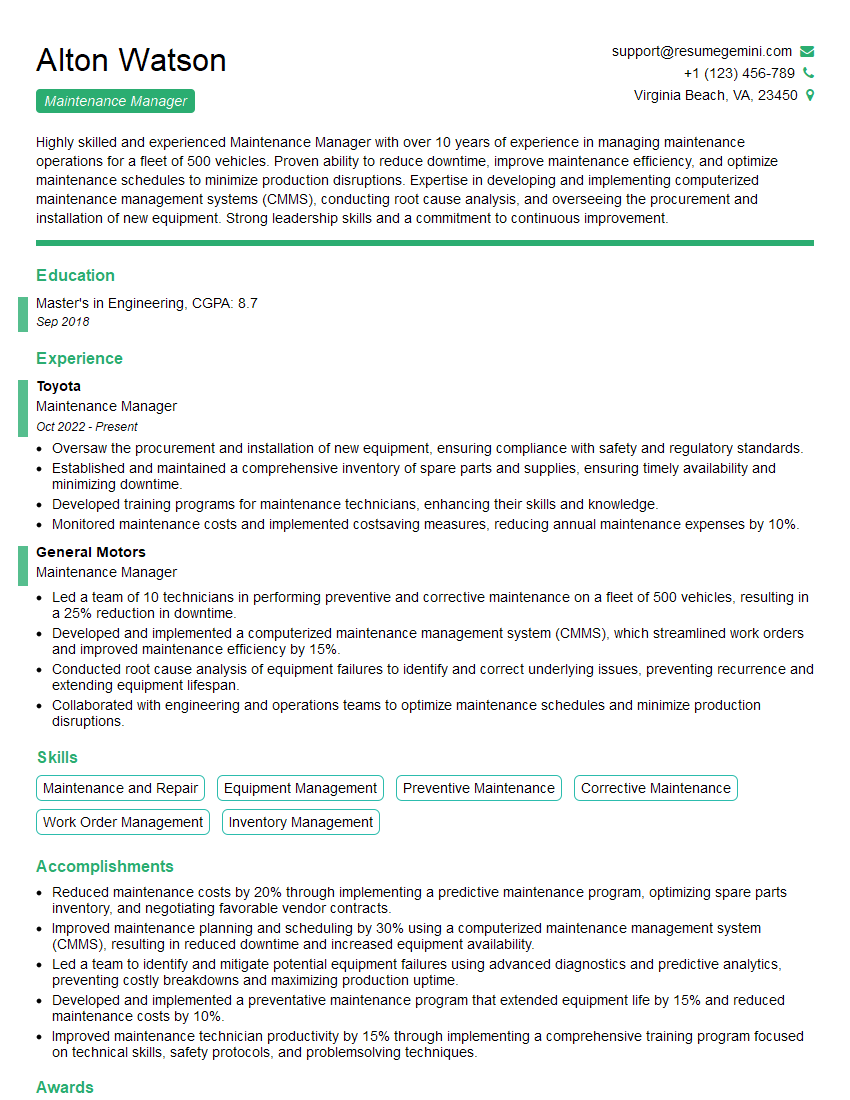
Maintenance Manager Resume Sample
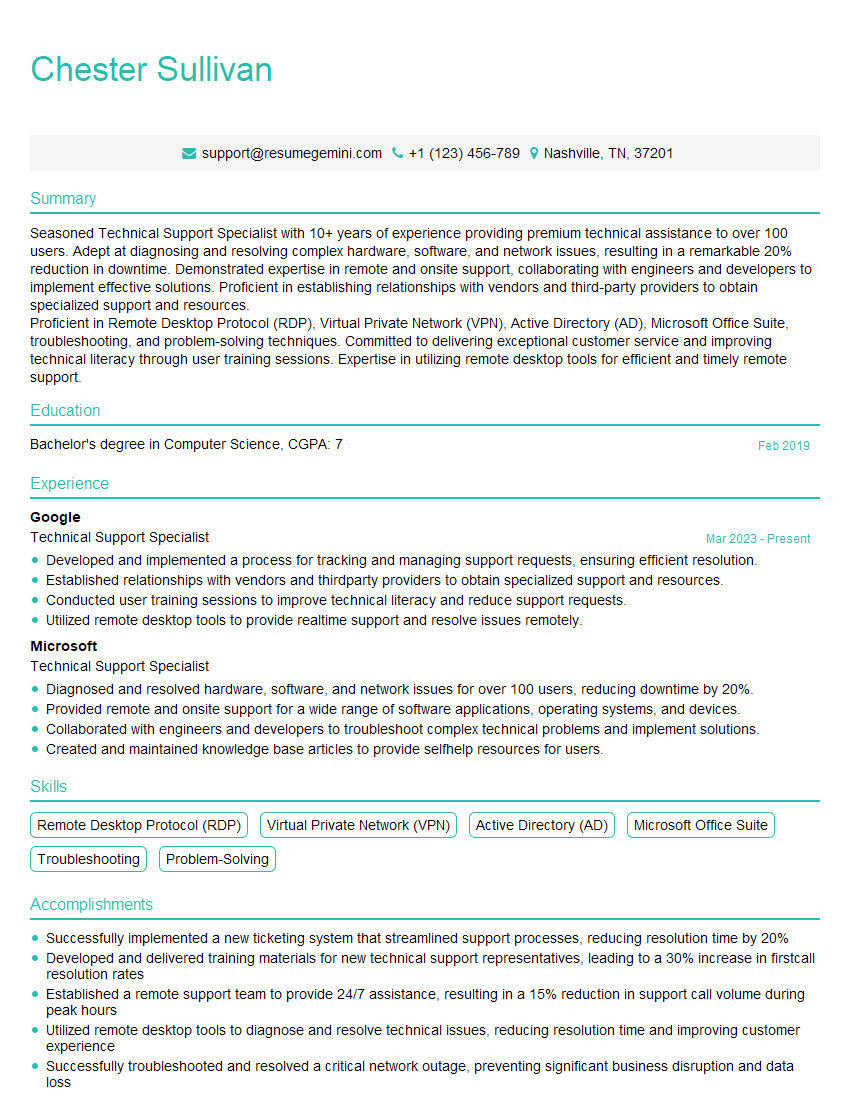
Technical Support Specialist Resume Sample
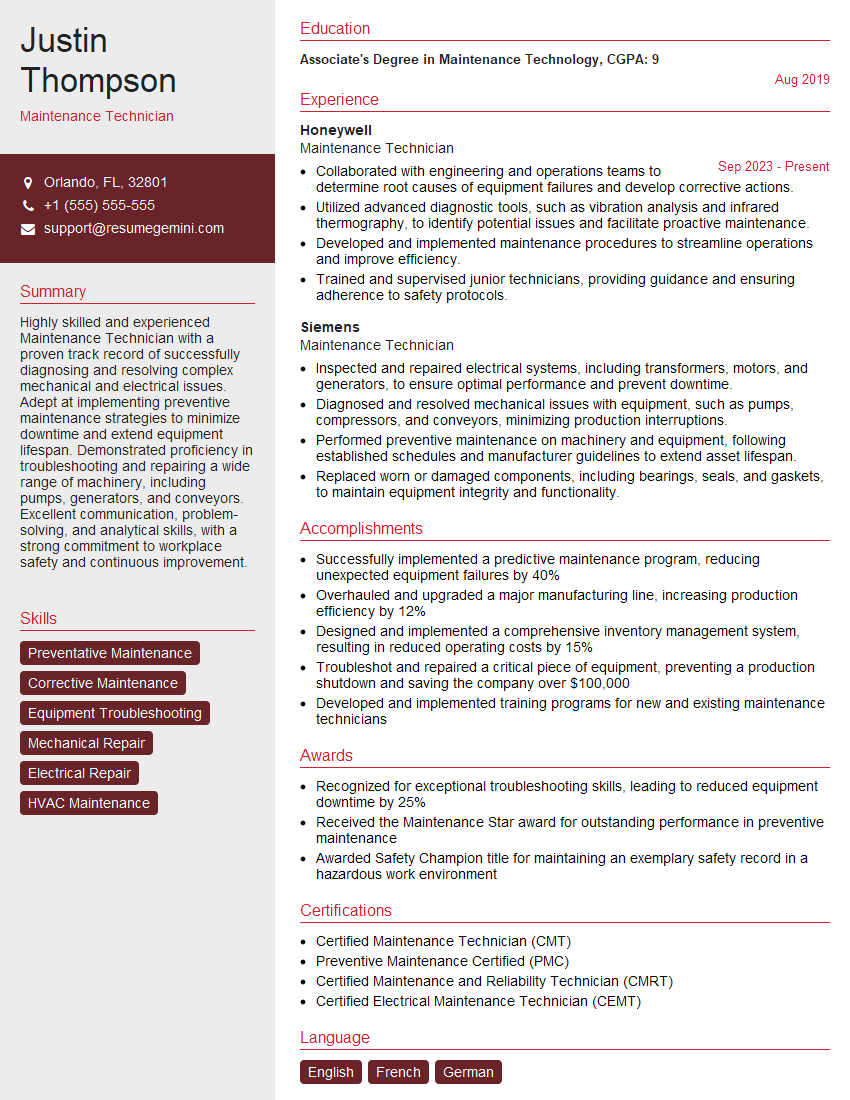
Maintenance Technician Resume Sample
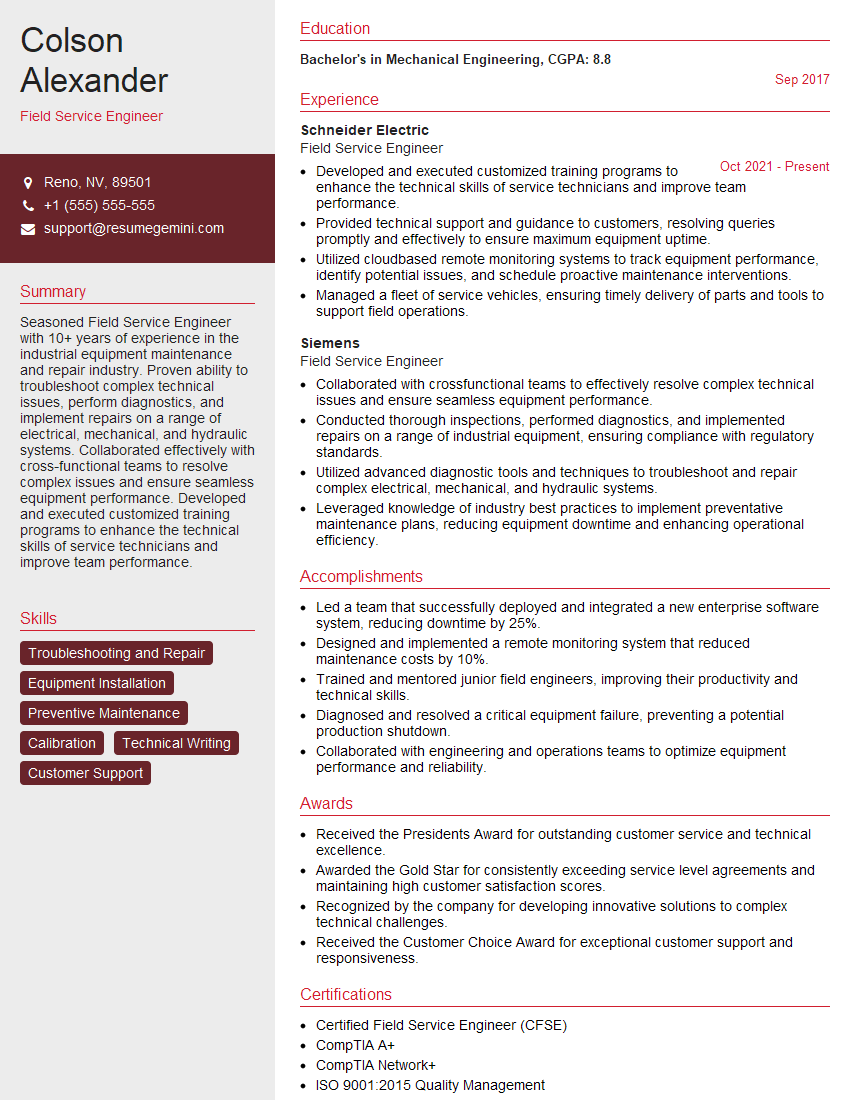
Field Service Engineer Resume Sample

Mechatronics Engineer Resume Sample

Electronics Technician Resume Sample
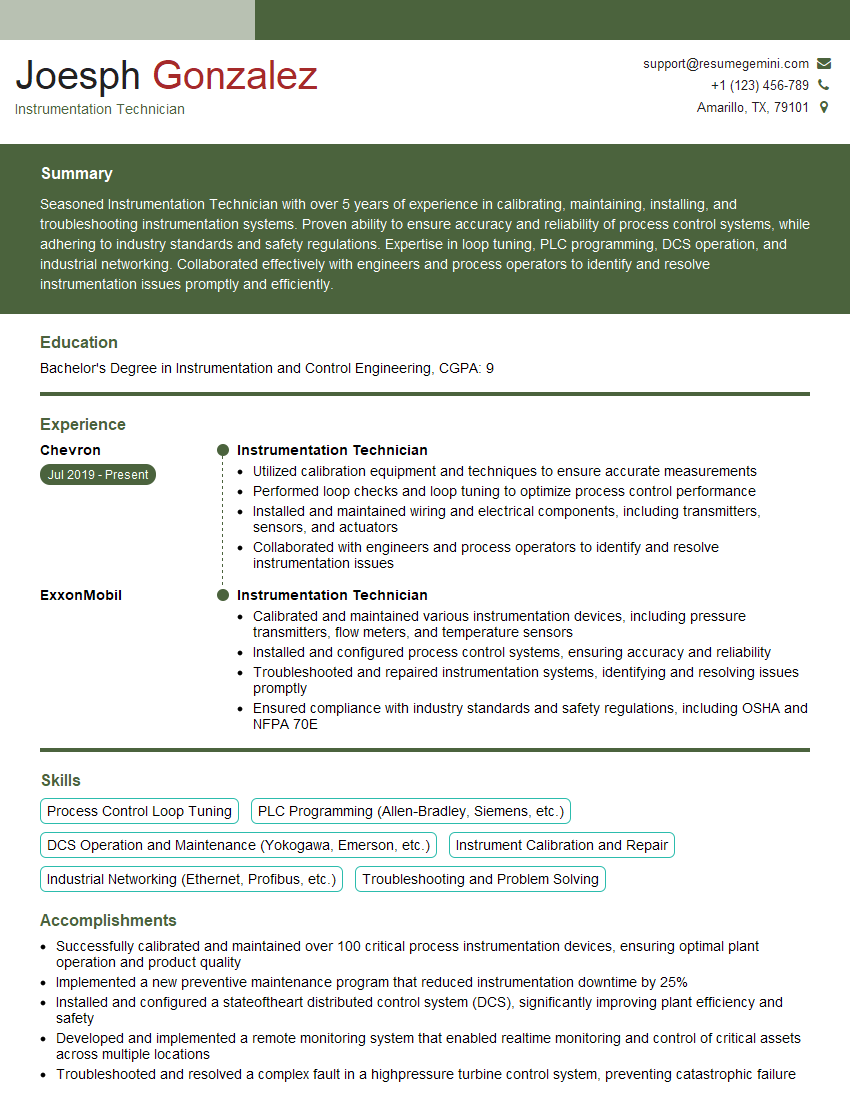
Instrumentation Technician Resume Sample

Automation Technician Resume Sample

Electrical Technician Resume Sample

Mechanical Technician Resume Sample

Service Technician Resume Sample
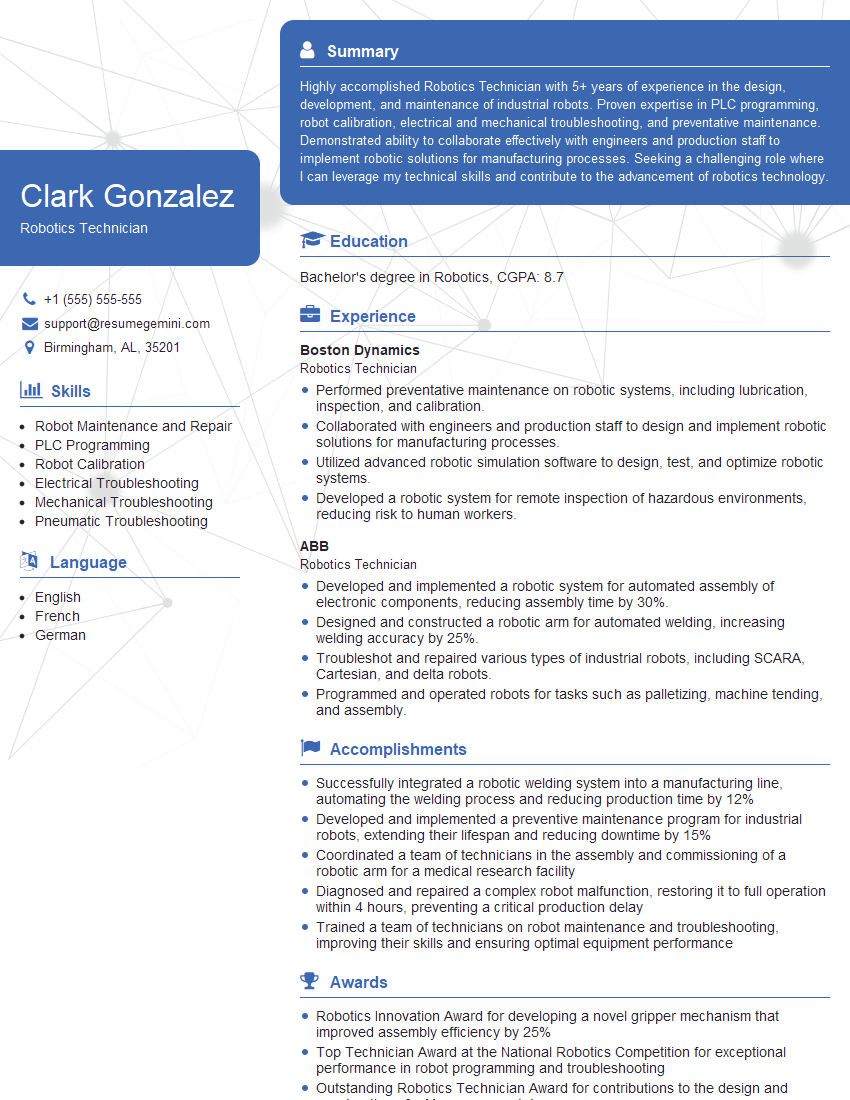
Robotics Technician Resume Sample
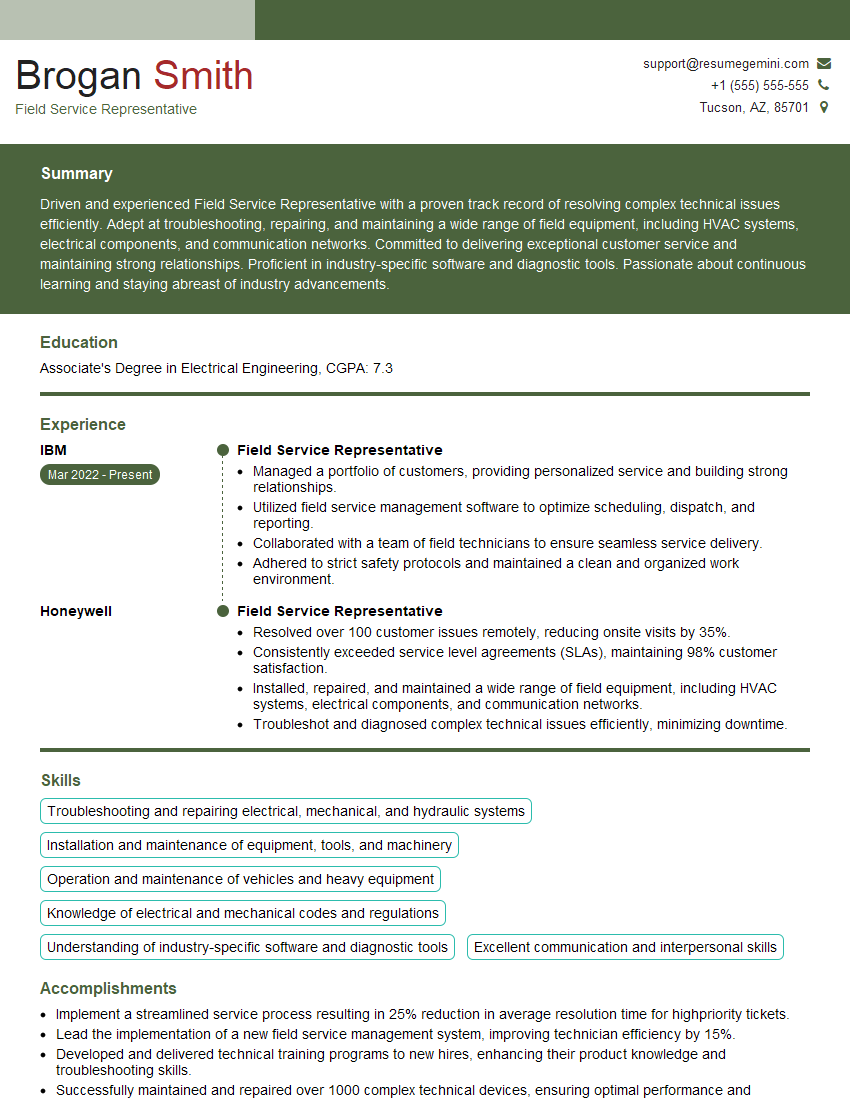
Field Service Representative Resume Sample
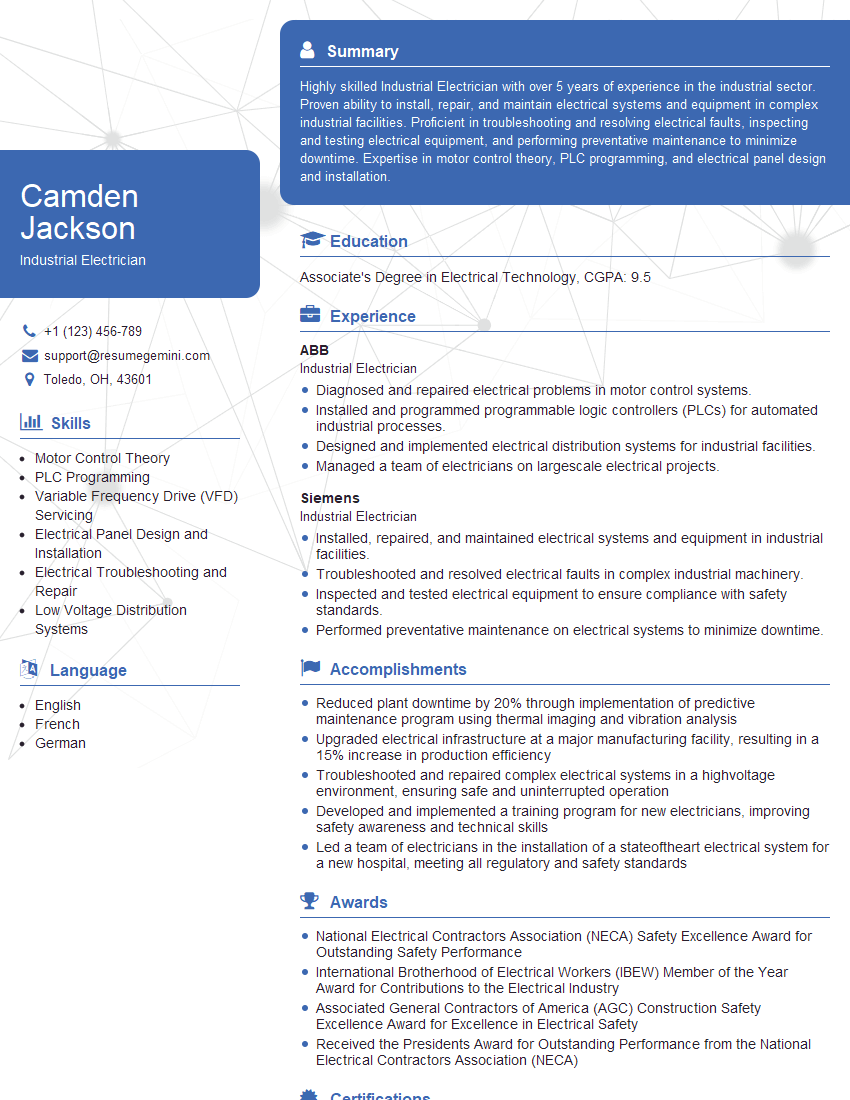
Industrial Electrician Resume Sample

Repair Technician Resume Sample
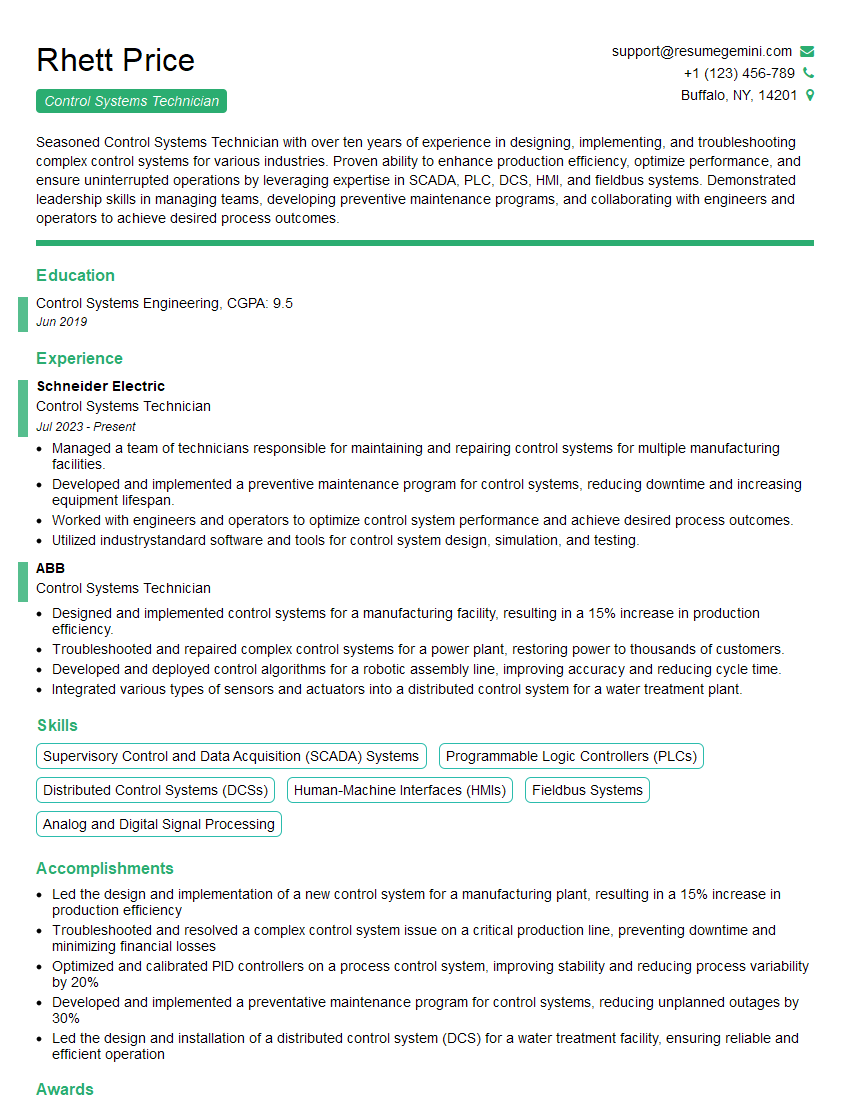
Control Systems Technician Resume Sample

Electromechanical Technician Resume Sample

Facilities Maintenance Technician Resume Sample
- Maintenance Manager
- Technical Support Specialist
- Maintenance Technician
- Field Service Engineer
- Mechatronics Engineer
- Electronics Technician
- Instrumentation Technician
- Automation Technician
- Electrical Technician
- Mechanical Technician
- Service Technician
- Robotics Technician
- Field Service Representative
- Industrial Electrician
- Repair Technician
- Control Systems Technician
- Electromechanical Technician
- Facilities Maintenance Technician
Explore more articles
Users Rating of Our Blogs
Share Your Experience
We value your feedback! Please rate our content and share your thoughts (optional).
What Readers Say About Our Blog
Very informative content, great job.
good