Preparation is the key to success in any interview. In this post, we’ll explore crucial Urban Firefighting interview questions and equip you with strategies to craft impactful answers. Whether you’re a beginner or a pro, these tips will elevate your preparation.
Questions Asked in Urban Firefighting Interview
Q 1. Describe your experience with different types of fire suppression systems.
My experience encompasses a wide range of fire suppression systems, from the basic sprinkler systems found in most commercial buildings to more advanced technologies like pre-action systems and clean agent systems. Sprinkler systems, for example, utilize water under pressure to extinguish fires, relying on the widespread distribution of water to cool the fire below its ignition temperature. Pre-action systems are more sophisticated, delaying the release of water until a fire is detected to avoid accidental discharges. Clean agent systems, on the other hand, utilize environmentally friendly chemicals to suppress fires without causing water damage, making them ideal for sensitive environments like server rooms or museums. I’ve worked extensively with each type, understanding their strengths, weaknesses, and proper maintenance procedures, critical for ensuring their effectiveness when needed. For instance, I’ve been involved in troubleshooting a malfunctioning pre-action system in a high-value data center, and this process included identifying the issue, coordinating with technicians, and ensuring the system was reinstated to operational status without disrupting business operations. This included a thorough understanding of the system’s hydraulic calculations and pressure parameters, critical to ensuring effective fire suppression.
Q 2. Explain the process of conducting a post-fire investigation.
A post-fire investigation is a meticulous process aimed at determining the origin, cause, and circumstances of a fire. It’s like piecing together a puzzle, using physical evidence and witness statements. The process typically begins with securing the scene, ensuring the safety of investigators and preventing further damage or tampering with evidence. Then, a systematic search for the point of origin is conducted, often focusing on areas with the most significant fire damage. We meticulously document the scene with photography and videography, sketching the layout, and noting the position of debris and any potentially relevant items. Evidence collection involves securing samples for laboratory analysis, such as accelerants, burned materials, and electrical components. Interviews with witnesses, building occupants, and firefighters are conducted to gather information about the fire’s development and potential contributing factors. Finally, all collected data is analyzed, with the ultimate aim of generating a comprehensive report outlining our findings and providing recommendations to prevent similar incidents in the future. For instance, in one investigation, careful examination of the electrical wiring revealed a faulty connection as the ignition source, highlighting the need for regular electrical safety inspections.
Q 3. What are the different classes of fires and the appropriate extinguishing agents for each?
Fires are classified into several classes based on the type of fuel involved, requiring different extinguishing agents.
- Class A fires involve ordinary combustible materials like wood, paper, and cloth. Water is the most effective extinguishing agent, as it cools the burning material.
- Class B fires involve flammable liquids such as gasoline, oil, and grease. Extinguishers using foam, CO2, or dry chemical powder are effective as they interrupt the fuel-air mixture.
- Class C fires involve energized electrical equipment. CO2 or dry chemical extinguishers are preferred as water can conduct electricity and increase the risk of electrocution. Never use water on an electrical fire.
- Class D fires involve combustible metals such as magnesium, titanium, and sodium. These require specialized extinguishing agents designed for each specific metal due to the unique chemical reactions involved. These often require specialized dry powders and trained personnel.
- Class K fires involve cooking oils and greases found in commercial kitchens. Wet chemical agents are generally used as they saponify the fats and oils.
Q 4. How do you assess the structural integrity of a building during a fire?
Assessing structural integrity during a fire is crucial for firefighter safety and strategic decision-making. It’s a dynamic assessment, continuously reevaluated as the fire progresses. We rely on a combination of visual observation, knowledge of building construction, and sometimes specialized equipment. Initially, signs of weakening, like cracks in walls or sagging ceilings, are noted. As the fire intensifies, we might observe the bowing or buckling of structural supports, indicating significant weakening. The type of construction materials – wood, steel, concrete – significantly influences the speed of structural degradation. Steel, for instance, can lose significant strength at high temperatures, whereas concrete might exhibit spalling (the breaking away of the surface). We often use thermal imaging cameras to identify hotspots and assess the extent of heat damage, providing clues about potential structural compromise. In severe cases, we may utilize structural engineers to provide real-time assessments, guiding our tactical decisions concerning entry and rescue operations. For example, during a warehouse fire, observation of significant bowing in a support beam prompted an immediate evacuation of firefighters from that area.
Q 5. Describe your experience with high-rise fire fighting techniques.
High-rise firefighting presents unique challenges due to the verticality of the structure and the potential for rapid fire spread. My experience includes participation in numerous drills and real-life scenarios, focusing on the importance of pre-planning, communication, and specialized equipment. Pre-planning involves studying building blueprints, identifying stairwells, elevator shafts, and potential escape routes. Effective communication relies heavily on radio systems and standardized procedures to ensure coordinated action between different teams. We utilize specialized equipment, including standpipes (vertical water pipes), hose lines capable of reaching high floors, and aerial ladders, to effectively combat fires at significant heights. Ventilation is critical in high-rises, and strategies may involve opening windows strategically to manage smoke spread. Incident command systems are paramount to maintain control and allocate resources effectively. The safety of firefighters is paramount in high-rise operations, requiring strict adherence to safety protocols and rope rescue techniques in case of building instability.
Q 6. Explain your understanding of building codes and fire safety regulations.
My understanding of building codes and fire safety regulations is extensive. These regulations are critical for preventing fires and ensuring life safety. I am familiar with codes like the International Building Code (IBC) and the National Fire Protection Association (NFPA) standards, which cover various aspects of building design, construction, and maintenance. These codes dictate requirements for fire detection systems (smoke alarms, heat detectors), fire suppression systems (sprinklers, extinguishers), means of egress (exits, stairwells), and fire-resistant materials. Regular inspections and adherence to these standards are crucial in preventing fire-related hazards. For example, I’ve been involved in inspections where non-compliance with egress requirements was identified, requiring immediate remediation to ensure occupants’ safety. Understanding these regulations is not only important for safe operations but also essential for conducting post-fire investigations and assessing liability.
Q 7. How do you manage a team during a high-stress emergency situation?
Managing a team during a high-stress emergency requires strong leadership, clear communication, and a focus on safety. I employ a situational leadership style, adapting my approach based on the experience and skills of individual team members. During high-stress events, clear and concise instructions are vital. I prioritize a calm demeanor to avoid escalating anxiety among the team. Before any action, I assess risks and communicate plans, including escape routes and potential hazards. This includes regularly checking in with team members, ensuring their well-being and adjusting assignments based on their capabilities. Debriefing sessions after an incident are crucial for learning from experiences and improving team coordination. Building trust and strong working relationships within the team is key, ensuring effective collaboration under intense pressure. This includes actively recognizing and appreciating the contributions of individual team members, fostering teamwork and a sense of shared purpose.
Q 8. Describe your experience with extrication techniques.
Extrication techniques are crucial for rescuing individuals trapped in vehicles or confined spaces after accidents or incidents. My experience encompasses a wide range of techniques, from simple door removals to complex hydraulic rescue operations. This includes using specialized tools like the hydraulic spreaders (‘jaws of life’), cutters, and rams to carefully remove vehicle components without further harming the occupants. We also employ cribbing and shoring techniques to stabilize vehicles and prevent further collapse, ensuring a safe extraction environment. For instance, during a recent rollover accident, we used a combination of spreaders to create space around a trapped driver, while simultaneously using cribbing to secure the vehicle, preventing further movement during the extraction process. Training in this area emphasizes safety protocols, minimizing potential secondary injury, and understanding the structural integrity of different vehicle types.
Beyond vehicle extrication, I’m proficient in other techniques like confined space rescue, utilizing specialized equipment and procedures to safely extract individuals from trenches, manholes, or other dangerous confined environments. Proper training and adherence to safety regulations are paramount in all aspects of extrication work.
Q 9. Explain your understanding of hazardous materials identification and response.
Hazardous materials identification and response involves recognizing, identifying, and safely handling materials that pose a threat to human health or the environment. This process starts with initial hazard recognition – observing signs like placards on containers, unusual odors, or unusual spills. Accurate identification is crucial and we use resources such as the Emergency Response Guidebook (ERG) and specialized detection equipment to determine the specific hazardous material involved. Different materials necessitate distinct responses; some may require containment and evacuation, others may necessitate specific neutralization procedures. For example, a chlorine gas leak requires immediate evacuation and the use of specialized respirators and containment strategies to prevent further spread, whereas an oil spill may necessitate containment and cleanup procedures.
My understanding incorporates the importance of personal protective equipment (PPE) selection, which varies based on the identified hazard. This includes selecting appropriate respirators, protective suits, and gloves to ensure the safety of both responders and the public. Decontamination procedures are also a crucial component of the process, to prevent cross-contamination and the spread of hazardous materials.
Q 10. How do you prioritize tasks during a multi-casualty incident?
Prioritizing tasks during a multi-casualty incident (MCI) is critical for maximizing the number of lives saved. We employ a triage system, such as the START (Simple Triage And Rapid Treatment) method, to rapidly assess and categorize casualties based on the severity of their injuries. This system uses a simple framework to quickly identify those who need immediate life-saving intervention (red tag – immediate), those who require treatment but are not immediately life-threatening (yellow tag – delayed), those who are walking wounded (green tag – minor), and those who are deceased (black tag).
Once triage is complete, resources are allocated based on the severity of the injuries and the number of casualties in each category. The most critically injured patients (red tags) receive immediate attention, often including basic life support (BLS) and rapid transport to a hospital. This approach allows us to efficiently allocate limited resources – personnel, equipment, and transportation – to maximize the impact of our actions, leading to improved outcomes.
Q 11. What are your strategies for effective communication during an emergency?
Effective communication is paramount during emergencies. We utilize a clear and concise command structure, often based on the Incident Command System (ICS), to establish a coordinated response. This system assigns roles and responsibilities, ensuring everyone understands their tasks and reporting lines. Clear communication channels are essential, and we use both verbal communication – using radio systems with clear codes and terminology – and written reports to maintain accurate documentation and information flow.
I also believe in fostering clear and respectful communication among team members. This includes active listening, ensuring everyone has the chance to share their observations and concerns. During a recent large-scale warehouse fire, our clear communication using ICS ensured effective coordination between different fire companies and support personnel, greatly improving the efficiency and safety of our response.
Q 12. Describe your experience with using various firefighting equipment.
My experience with firefighting equipment is extensive, encompassing a wide range of tools and apparatus. I’m proficient in operating and maintaining various types of fire hoses, nozzles, and pumps, including different types of fire engines and aerial apparatus. I have experience using self-contained breathing apparatus (SCBA) for safe operation in smoke-filled environments. This includes understanding the proper inspection and maintenance procedures for these critical safety devices. Beyond that, I’m familiar with the use of thermal imaging cameras for locating hidden fire sources, and various cutting and rescue tools like chainsaws and hydraulic equipment.
Understanding the capabilities and limitations of each piece of equipment is crucial for effective firefighting. For instance, selecting the appropriate nozzle for different fire types – a fog nozzle for flammable liquids versus a straight stream for solid materials – directly impacts the success of the operation. Regular training and practice maintain proficiency and safety with all equipment.
Q 13. How do you maintain personal safety during firefighting operations?
Maintaining personal safety during firefighting operations is a top priority, and we adhere to strict safety protocols. This includes wearing the correct personal protective equipment (PPE), such as turnout gear, SCBA, and eye protection at all times during operations. We utilize buddy systems, ensuring that firefighters work in pairs to provide assistance and support. Regular physical fitness and training help maintain the stamina and strength needed to handle the physical demands of the job. Furthermore, understanding situational awareness, including the building’s layout, fire behavior, and the location of other firefighters, plays a vital role in minimizing risk.
Prior to entering a hazardous environment, we conduct a thorough risk assessment and plan the operation carefully. We follow established safety procedures and regularly review and update our protocols based on lessons learned from previous incidents. Never taking unnecessary risks is a cornerstone of our safety philosophy.
Q 14. Explain your understanding of fire behavior and its prediction.
Understanding fire behavior and its prediction is essential for effective firefighting strategies. Fire behavior is influenced by a combination of factors – the fuel source (type, amount, arrangement), oxygen availability, and heat. The fire triangle – fuel, heat, and oxygen – illustrates the fundamental elements required for combustion. Predicting fire behavior involves analyzing these factors, including understanding how wind, ambient temperature, and building construction can affect fire spread and intensity.
Different classes of fires exhibit unique characteristics and require specific extinguishing methods. Class A fires (ordinary combustibles), Class B fires (flammable liquids), Class C fires (electrical fires), and Class D fires (combustible metals) all demand distinct approaches. For example, predicting how quickly a fire will spread in a densely packed wood-frame building requires considering factors like the fuel load and the building’s ventilation patterns. This understanding guides our tactical decisions, such as choosing appropriate attack strategies and deploying personnel effectively. Continuous professional development and staying up-to-date on current research and best practices are crucial for refining our understanding of fire behavior.
Q 15. Describe your experience with incident command systems (ICS).
Incident Command Systems (ICS) are standardized, on-scene, all-hazards incident management systems. Think of it as the organizational backbone for any emergency response, ensuring efficient and coordinated efforts. My experience spans over 10 years, encompassing various roles within the ICS structure, from company-level operations to serving as a Planning Section Chief. I’m proficient in all five functional areas: Command, Operations, Planning, Logistics, and Finance/Administration. For example, during a large-scale warehouse fire, I was part of the Planning Section, responsible for resource tracking, developing the incident action plan, and maintaining situational awareness through continuous data collection and analysis. This involved coordinating with multiple agencies and ensuring everyone had the resources and information they needed to effectively combat the blaze. My experience includes utilizing ICS forms, mapping software, and communication technologies to ensure seamless information flow and operational efficiency.
Career Expert Tips:
- Ace those interviews! Prepare effectively by reviewing the Top 50 Most Common Interview Questions on ResumeGemini.
- Navigate your job search with confidence! Explore a wide range of Career Tips on ResumeGemini. Learn about common challenges and recommendations to overcome them.
- Craft the perfect resume! Master the Art of Resume Writing with ResumeGemini’s guide. Showcase your unique qualifications and achievements effectively.
- Don’t miss out on holiday savings! Build your dream resume with ResumeGemini’s ATS optimized templates.
Q 16. How do you conduct a building survey for fire safety hazards?
Conducting a building survey for fire safety hazards is a systematic process aiming to identify potential fire risks and vulnerabilities. It involves a thorough visual inspection of the structure, both interior and exterior, coupled with a review of building plans and occupancy information. I begin by assessing the building’s construction materials, identifying potential fire spread pathways, and examining the building’s fire protection systems, including sprinklers, smoke detectors, and fire alarms. Next, I carefully check for obstructions in egress routes and evaluate the adequacy of fire exits and their accessibility. I pay close attention to potential ignition sources, such as improperly stored flammable materials, overloaded electrical circuits, and malfunctioning heating appliances. Finally, I document all findings, including photos, and create a report with specific recommendations for remediation, prioritizing those posing the most significant risks. For instance, during a survey of a multi-family dwelling, I discovered improperly stored propane tanks on balconies, posing a significant fire hazard. My report detailed the hazard, its potential consequences, and recommended safe storage locations. This proactive approach helped prevent a potential catastrophe.
Q 17. Explain the importance of pre-planning in fire suppression.
Pre-planning in fire suppression is paramount; it’s the cornerstone of effective emergency response. It’s essentially creating a detailed blueprint for action before an incident occurs. This involves familiarizing ourselves with the building’s layout, identifying potential hazards, and planning optimal attack strategies. This preparation significantly reduces response time and improves coordination during an actual fire. We utilize building plans, site visits, and consultations with building owners to gather essential data. For example, pre-planning for a large hospital complex includes identifying the location of critical areas (operating rooms, patient wings), mapping water supply points, and establishing pre-determined staging areas. During a real fire, this pre-existing knowledge saves valuable time, allowing firefighters to immediately focus on rescue and suppression, rather than figuring out the building’s layout under pressure. Having access to detailed pre-incident plans drastically reduces the risk and helps to save lives.
Q 18. What are the common causes of residential fires?
Residential fires are frequently caused by a combination of factors, but some common culprits stand out. Cooking is a leading cause, often due to unattended cooking or grease fires. Heating equipment, such as space heaters and furnaces, presents another significant risk, especially when improperly maintained or placed too close to combustible materials. Electrical malfunctions, such as overloaded circuits or faulty wiring, can also trigger devastating fires. Smoking materials, particularly carelessly discarded cigarettes, are another frequent cause of residential fires. Lastly, intentional acts of arson are also a factor. It’s a multifaceted issue and requires a layered approach involving education, proper maintenance, and strict adherence to safety standards to effectively mitigate the risks.
Q 19. How do you handle stressful situations and maintain composure under pressure?
Maintaining composure under pressure in high-stress situations is crucial for effective firefighting. This is developed through rigorous training, experience, and a focus on mental preparedness. We practice stress management techniques, including mindfulness and deep breathing exercises. Teamwork is essential, as mutual support among firefighters helps maintain a calm and focused atmosphere. During intense situations, I focus on prioritizing tasks, delegating responsibilities effectively, and maintaining clear communication with my team. For instance, during a particularly challenging rescue operation in a collapsed building, the initial shock and chaos were immense. However, by focusing on our training, delegating tasks strategically, and relying on my team, we successfully rescued all trapped individuals. It’s about relying on training and teamwork – not allowing the pressure to overwhelm you but using it as fuel to complete the mission.
Q 20. Describe your experience with working in confined spaces.
Working in confined spaces is a hazardous aspect of firefighting that requires specialized training and equipment. These spaces, such as basements, attics, or trenches, often present challenges related to limited visibility, oxygen deficiency, and the accumulation of toxic gases. My experience includes extensive training in confined space rescue techniques, including the proper use of self-contained breathing apparatus (SCBA) and specialized rescue equipment. We also conduct regular drills and simulations to enhance our skills in navigating these challenging environments and performing rescues safely. For example, during a rescue operation in a collapsed sewer line, my team’s training in confined space rescue was critical in successfully rescuing a trapped worker. This involved careful coordination, using specialized equipment, and constant monitoring of atmospheric conditions to ensure the safety of both the rescuers and the victim. It is paramount to have the right training and gear to effectively operate in this potentially deadly environment.
Q 21. How do you use maps and blueprints effectively during firefighting operations?
Maps and blueprints are essential tools during firefighting operations. They provide crucial information about the building’s layout, including the location of stairwells, hallways, and fire exits. I’m proficient in interpreting architectural drawings and using them in conjunction with on-scene observations to quickly assess the situation and develop a tactical plan. We utilize large-scale maps or digital overlays to track the fire’s progression, the location of our crews, and the movement of victims. For example, during a multi-story building fire, having access to updated floor plans allowed us to quickly locate a group of trapped individuals on the upper floors, leading to a swift and successful rescue. It’s a combination of careful pre-planning, knowledge of building layout, understanding maps, and quick adaptation on the scene that contributes to the positive outcomes.
Q 22. Explain your understanding of ventilation techniques in fire suppression.
Ventilation in fire suppression is crucial for controlling the fire’s spread and creating a safer environment for firefighters. It involves strategically introducing fresh air into a burning building to help remove smoke, heat, and toxic gases, allowing firefighters better visibility and access to the fire’s origin. Think of it like opening windows in a smoky room – it helps clear the air and improves conditions.
There are several ventilation techniques, each suited to different scenarios. Positive-pressure ventilation uses powerful fans to push fresh air into the building, forcing the smoke and heat outwards. This is effective for quickly clearing smoke from large areas. Negative-pressure ventilation uses fans to draw smoke and gases out of the building, creating a pressure difference that helps pull the fire towards the exhaust point. This is often used in smaller spaces. Hydraulic ventilation involves using high-pressure water streams to force smoke and heat out through openings. This method is less common but can be valuable in certain situations.
Choosing the right technique depends on factors such as the fire’s size, location, and the building’s construction. Incorrect ventilation can actually worsen a fire by fueling it with fresh oxygen, so a thorough understanding of fire dynamics is essential.
Q 23. Describe your experience with ladder operations and rescue techniques.
My experience with ladder operations and rescue techniques is extensive. I’ve been involved in numerous high-angle rescues, building evacuations using ladders, and aerial operations for fire suppression. This includes everything from basic ladder placement and climbing techniques to complex rescues involving rope systems and specialized equipment.
Ladder operations require meticulous planning and execution. It starts with a proper risk assessment – evaluating factors such as wind conditions, building stability, and the victim’s location. Safe ladder placement is paramount, ensuring proper stabilization and distance from power lines. I’m proficient in various ladder techniques, including raising, extending, and securing ladders. Furthermore, I’m experienced in using ladder rescue techniques, including carrying injured individuals down ladders safely.
Beyond basic ladder use, I am highly skilled in advanced rescue techniques, utilizing ropes and harnesses for swift water and high-angle rescues. These skills are crucial for saving lives in complex and dangerous scenarios.
Q 24. How do you identify and mitigate potential fire hazards?
Identifying and mitigating fire hazards involves a multi-faceted approach that starts with regular inspections and proactive measures. We use a systematic approach, checking for potential ignition sources, combustible materials, and inadequate fire protection systems. This includes checking electrical wiring for damage or overloading, ensuring proper storage of flammable materials, and verifying the functionality of fire extinguishers and sprinkler systems.
During inspections, we look for things like overloaded electrical circuits (imagine a power strip with too many devices plugged in), improperly stored flammable liquids (like gasoline stored near a furnace), and obstructed fire exits. We also assess the building’s construction materials – some materials are inherently more flammable than others.
Mitigation involves implementing corrective actions such as repairing faulty wiring, removing or properly storing flammable materials, and ensuring adequate fire suppression systems are in place. Education plays a huge role; we work to educate building occupants about fire safety procedures and emergency exits.
Q 25. Explain your understanding of the National Fire Protection Association (NFPA) standards.
The National Fire Protection Association (NFPA) standards are the cornerstone of fire safety in the United States. They provide a comprehensive framework for minimizing risks associated with fire. I have a strong understanding of numerous NFPA standards, including those related to fire prevention, suppression, and emergency response. These standards cover topics ranging from building codes and fire sprinkler systems to firefighter personal protective equipment (PPE) and emergency response procedures.
For example, NFPA 10 addresses portable fire extinguishers, detailing their proper selection, placement, inspection, maintenance, and use. NFPA 13 covers the installation and maintenance of water-based sprinkler systems. Understanding these standards helps us ensure buildings and workplaces meet the minimum safety requirements and that our operations align with best practices.
Staying updated on the latest NFPA standards is crucial, as they are frequently revised based on advancements in fire science and technology. We use these standards not only for compliance but also as a guideline for developing our training and operational procedures.
Q 26. Describe your experience with fireground rehabilitation procedures.
Fireground rehabilitation is critical for the safety and well-being of firefighters. The job is physically and mentally demanding, and prolonged exposure to heat, smoke, and stress can have serious consequences. Rehabilitation involves providing firefighters with rest, fluids, and medical assessment to prevent exhaustion and injuries.
My experience with fireground rehabilitation includes setting up and managing rehabilitation areas, providing medical evaluations, administering fluids and electrolytes, and monitoring firefighters for signs of heat stress or other medical issues. We utilize cooling techniques such as misting and ice packs, and we work closely with EMS personnel when needed.
Rehabilitation isn’t just about physical recovery; it also incorporates mental health aspects. Firefighters often experience significant psychological stress after intense incidents. We ensure a supportive environment and offer access to mental health resources when necessary.
Q 27. How do you conduct a thorough size-up of a fire scene?
A thorough size-up of a fire scene is the foundation of effective firefighting. It’s a rapid assessment of the situation, allowing us to develop a safe and efficient strategy. It involves gathering information through observation, questioning, and accessing available resources.
My size-up process involves several key steps: First, I assess the overall situation – the type of building, its size, and the location and extent of the fire. I look for potential hazards such as downed power lines or unstable structures. Second, I identify the available resources – the number of firefighters, equipment, and water supply. Third, I consider the life safety of occupants and firefighters, which is always the top priority. Finally, I develop a strategic plan based on this information, considering factors like the fire’s spread, possible rescue routes, and ventilation needs. I’ll also consider the time of day, weather conditions and other factors impacting the situation.
Think of it like a chess game: a quick evaluation of the board (the fire scene) and a calculated plan to achieve victory (safe and effective fire suppression).
Q 28. Explain your knowledge of different types of fire alarms and detection systems.
Fire alarm and detection systems are vital for early warning and prompt response to fires. They come in various types, each with its strengths and weaknesses.
Ionization smoke detectors respond quickly to fast-flaming fires that produce small smoke particles. Photoelectric smoke detectors are more sensitive to smoldering fires that produce larger smoke particles. Heat detectors are activated by a rise in temperature, and are often used in areas where smoke detectors might be prone to false alarms (such as kitchens). Flame detectors detect the infrared or ultraviolet radiation emitted by flames. We also use combination detectors that incorporate multiple technologies for broader coverage.
Modern systems are often networked, transmitting alarm signals to a central monitoring station and providing detailed information about the location and type of alarm. These systems also often integrate with other building management systems for a comprehensive response plan.
Key Topics to Learn for Urban Firefighting Interview
- Building Construction & Fire Behavior: Understanding different building materials, their fire resistance properties, and how fire spreads within various structures. Practical application: Analyzing a building’s layout to predict fire spread and plan evacuation routes.
- Fire Suppression Strategies & Tactics: Mastering techniques for extinguishing different classes of fires in urban environments, including high-rise buildings and confined spaces. Practical application: Describing your approach to controlling a fire in a densely populated area, considering safety and resource allocation.
- Hazardous Materials (HazMat) Incidents: Identifying, handling, and mitigating risks associated with various hazardous materials commonly found in urban settings. Practical application: Explaining your understanding of personal protective equipment (PPE) selection and decontamination procedures in a HazMat situation.
- Search and Rescue Techniques: Developing proficiency in locating and rescuing victims trapped in burning buildings or collapsed structures. Practical application: Describing strategies for conducting a systematic search in a zero-visibility environment.
- Emergency Medical Services (EMS) in Firefighting: Understanding basic life support (BLS) and providing initial medical care to injured victims. Practical application: Explaining your role in coordinating EMS response and providing immediate medical assistance at an incident scene.
- Fire Prevention and Public Education: Knowledge of fire codes, regulations, and public education strategies to prevent fires. Practical application: Describing how you would educate a community about fire safety practices.
- Teamwork and Communication: Highlighting your ability to work effectively within a team under pressure and communicate clearly in emergency situations. Practical application: Giving examples of situations where effective communication was crucial in a team setting.
- Incident Command System (ICS): Understanding the principles of ICS and your role within the incident command structure. Practical application: Describing your understanding of ICS roles and responsibilities and how they contribute to effective incident management.
Next Steps
Mastering the complexities of urban firefighting positions you for a rewarding and impactful career, offering opportunities for advancement and specialization. To significantly boost your job prospects, creating an Applicant Tracking System (ATS)-friendly resume is crucial. ResumeGemini is a trusted resource that can help you build a professional and impactful resume designed to get noticed. ResumeGemini offers examples of resumes tailored to Urban Firefighting positions, ensuring your application stands out.
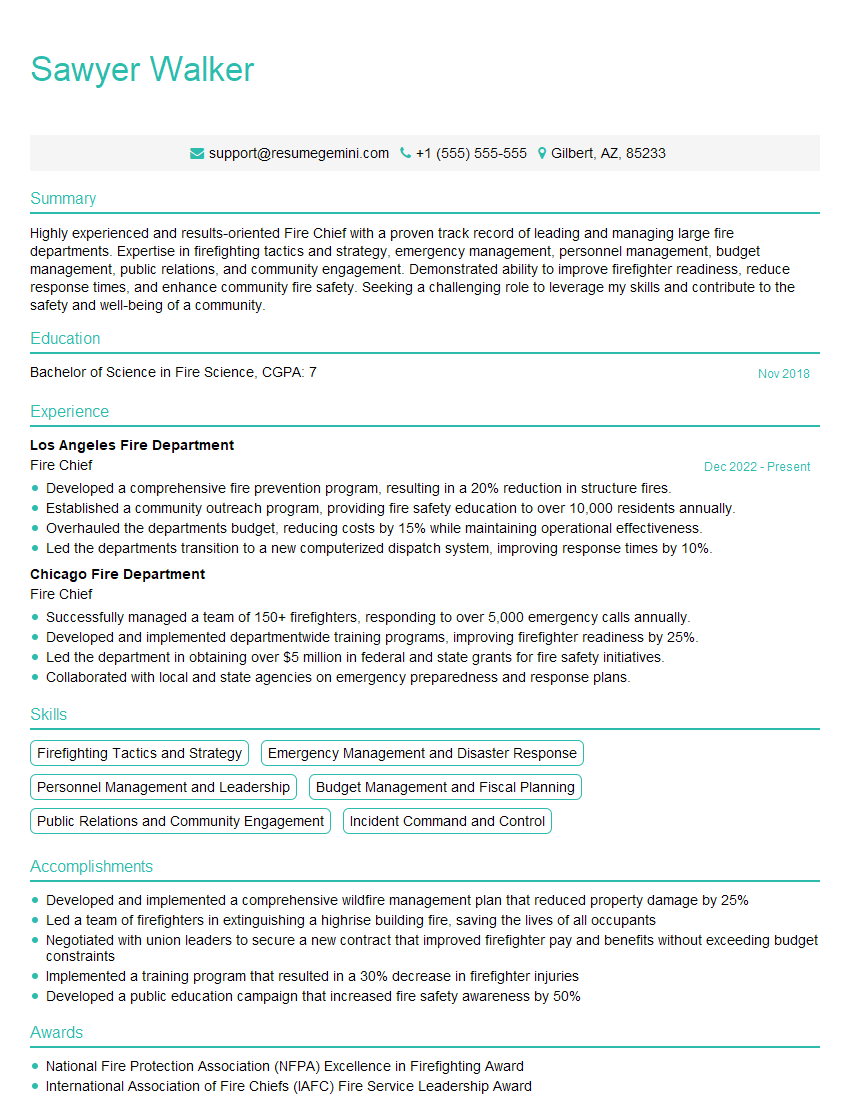
Fire Chief Resume Sample
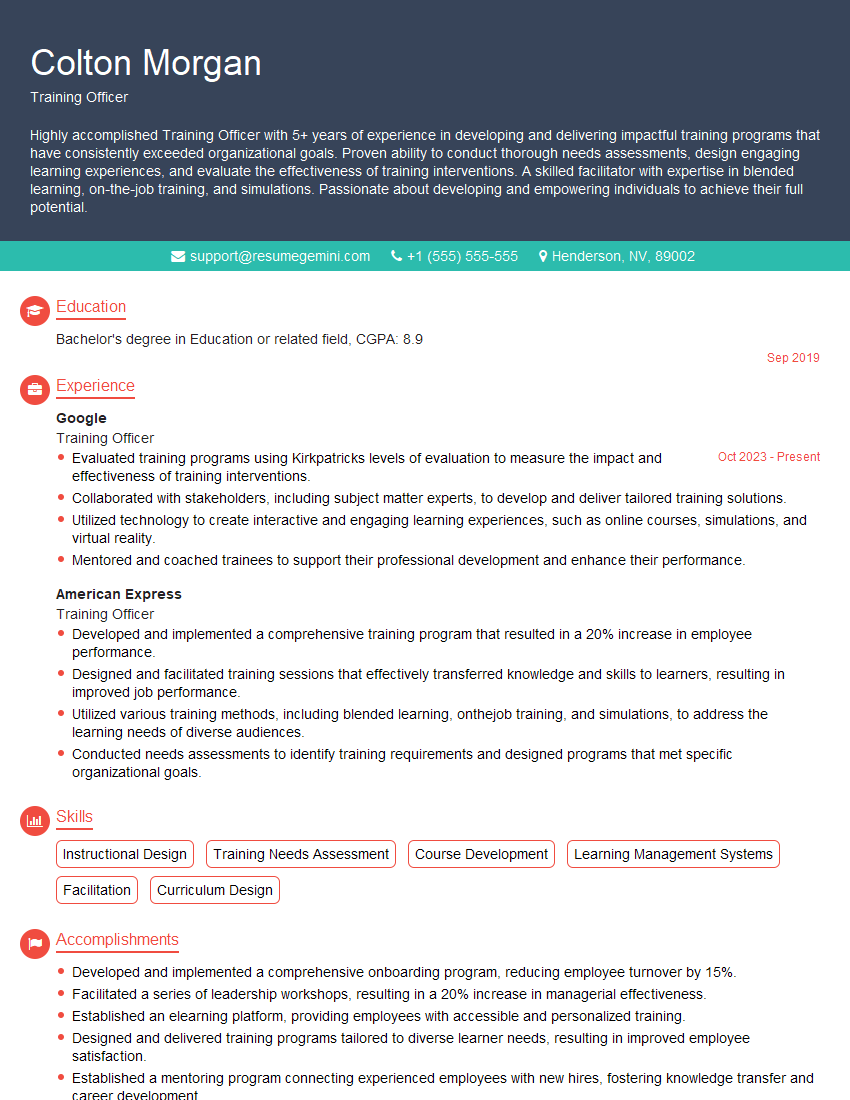
Training Officer Resume Sample
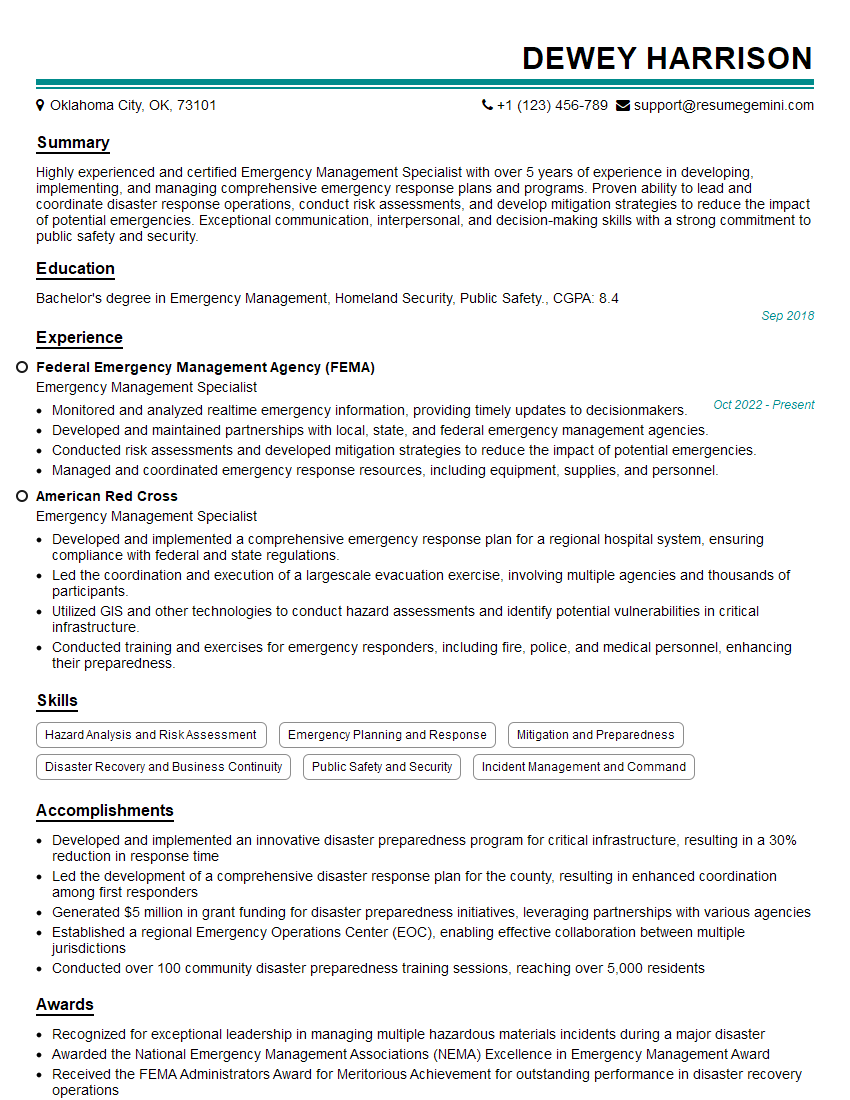
Emergency Management Specialist Resume Sample
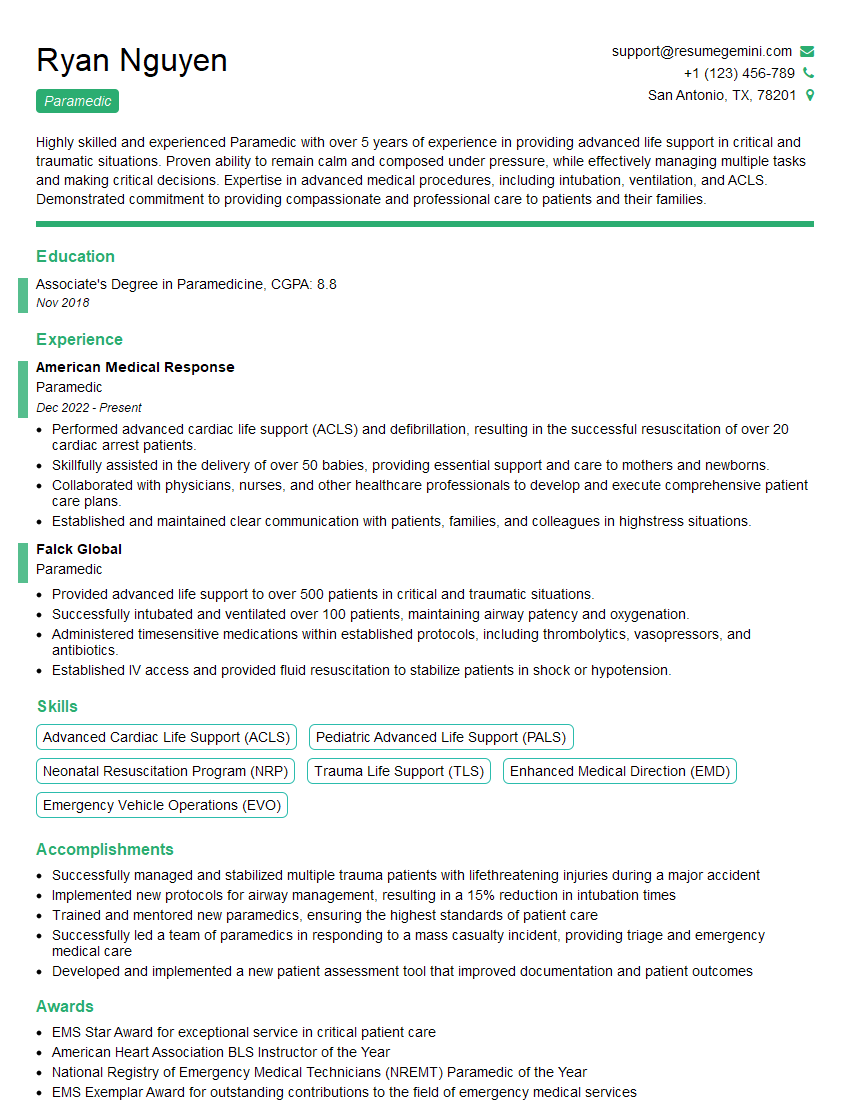
Paramedic Resume Sample
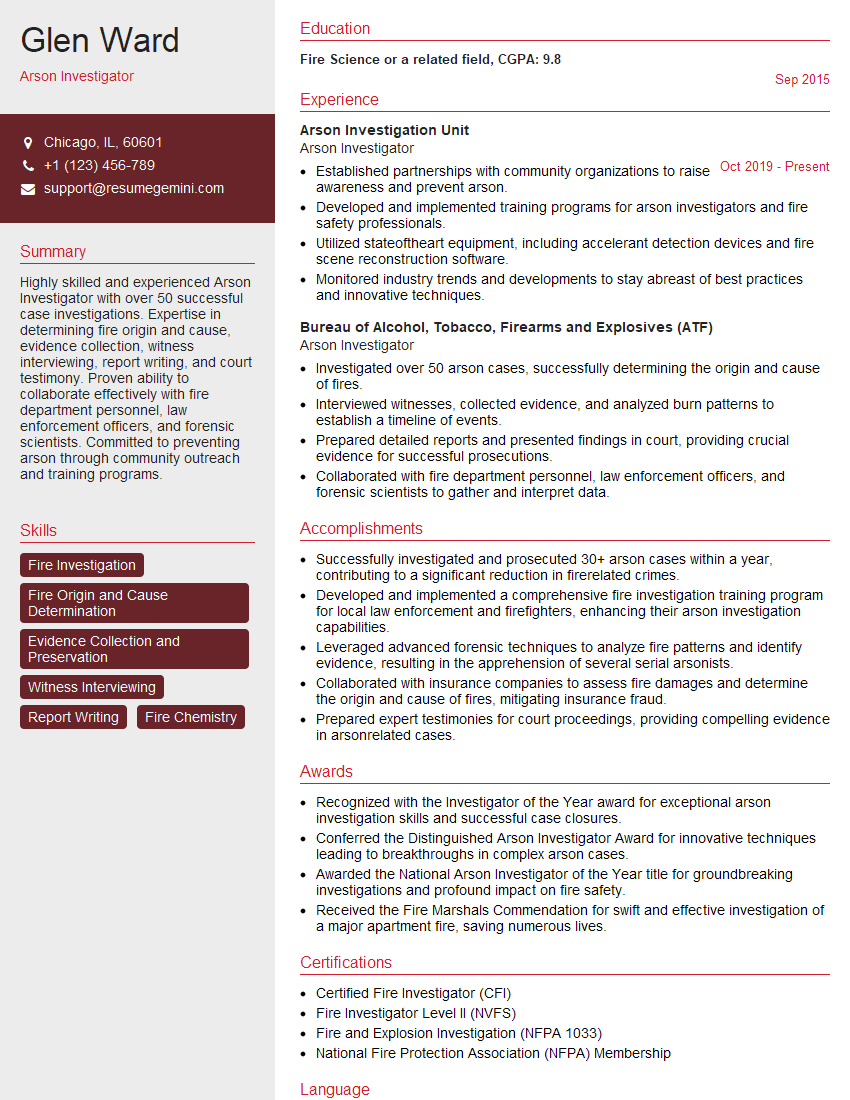
Arson Investigator Resume Sample
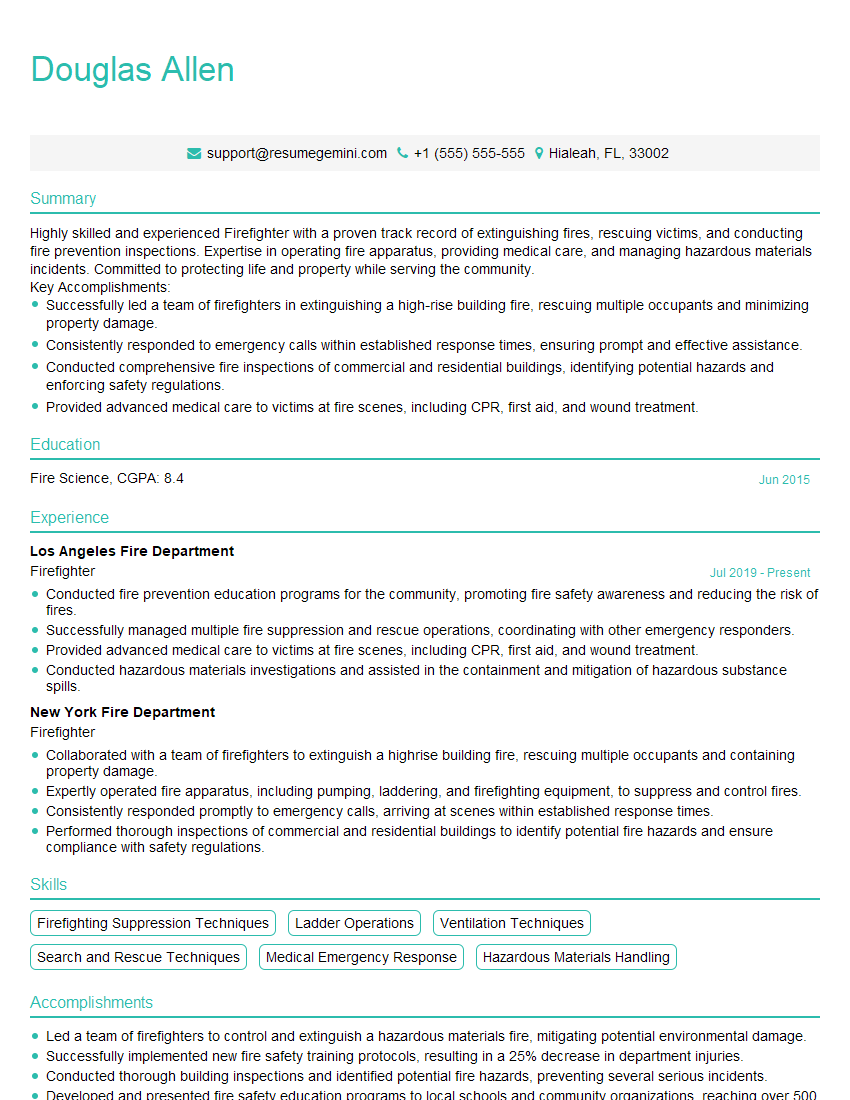
Firefighter Resume Sample
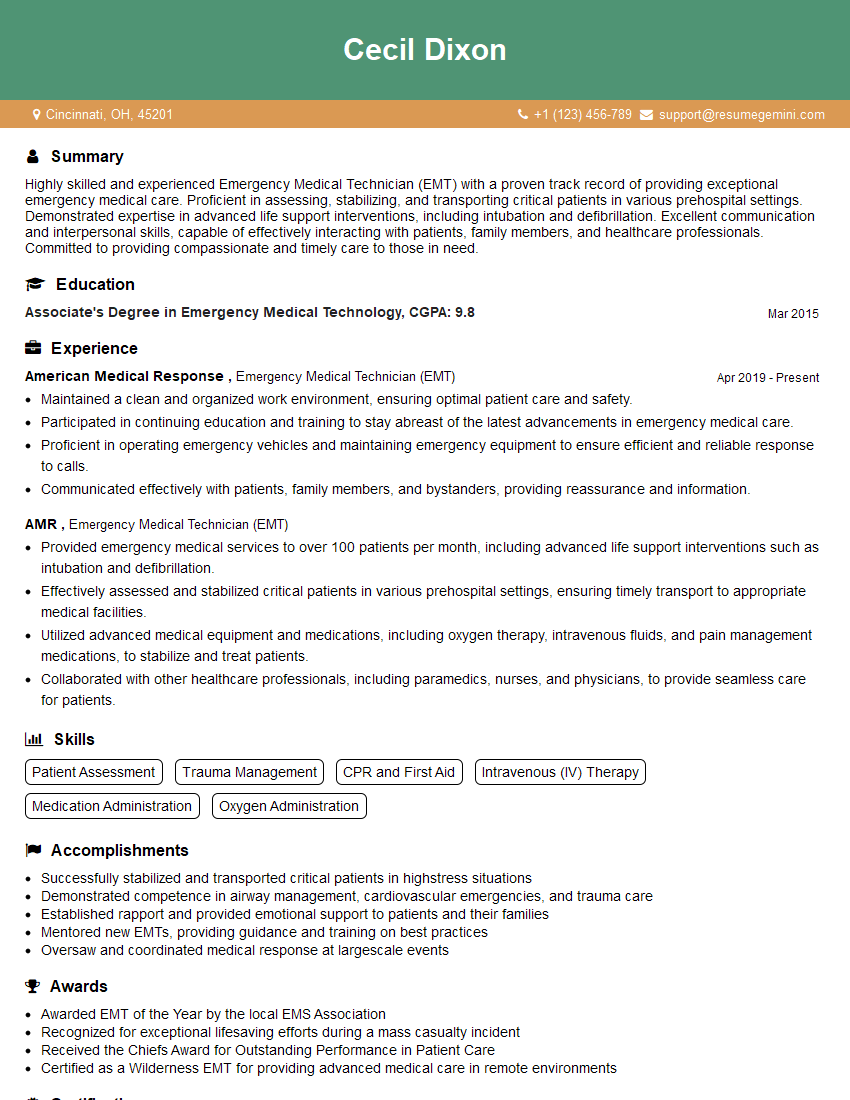
Emergency Medical Technician (EMT) Resume Sample
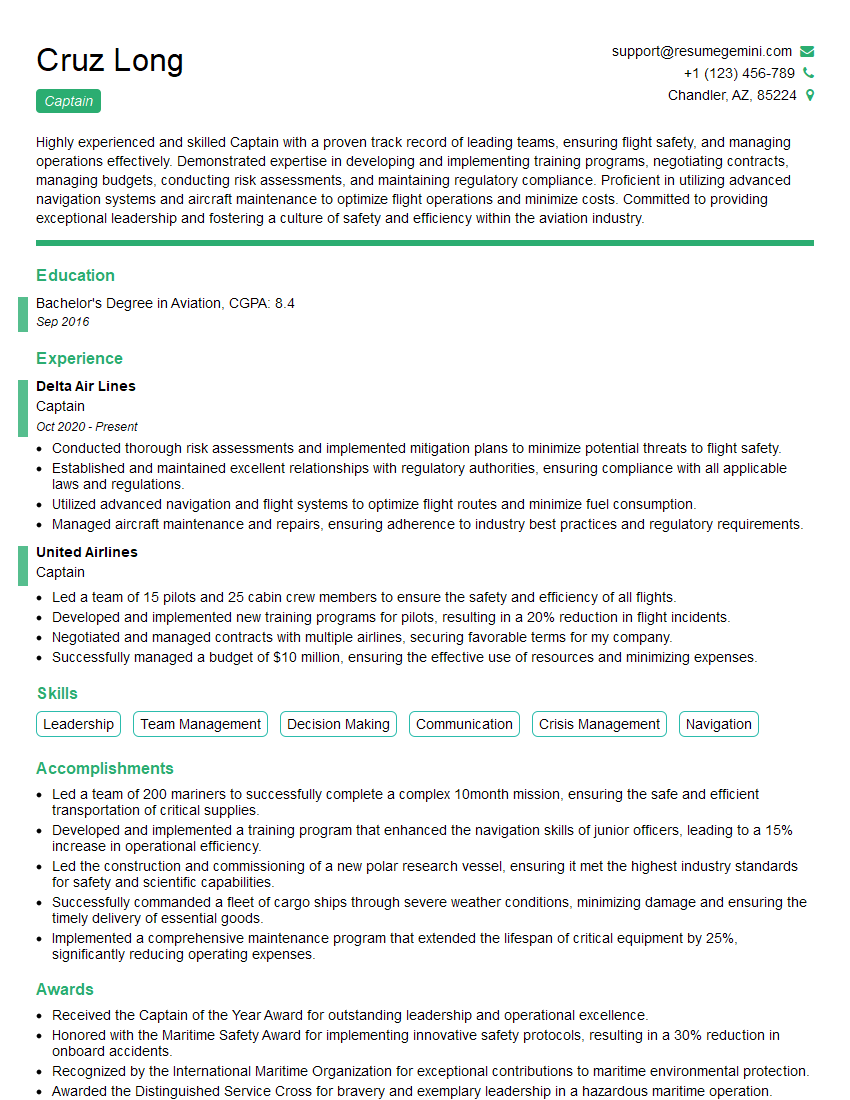
Captain Resume Sample
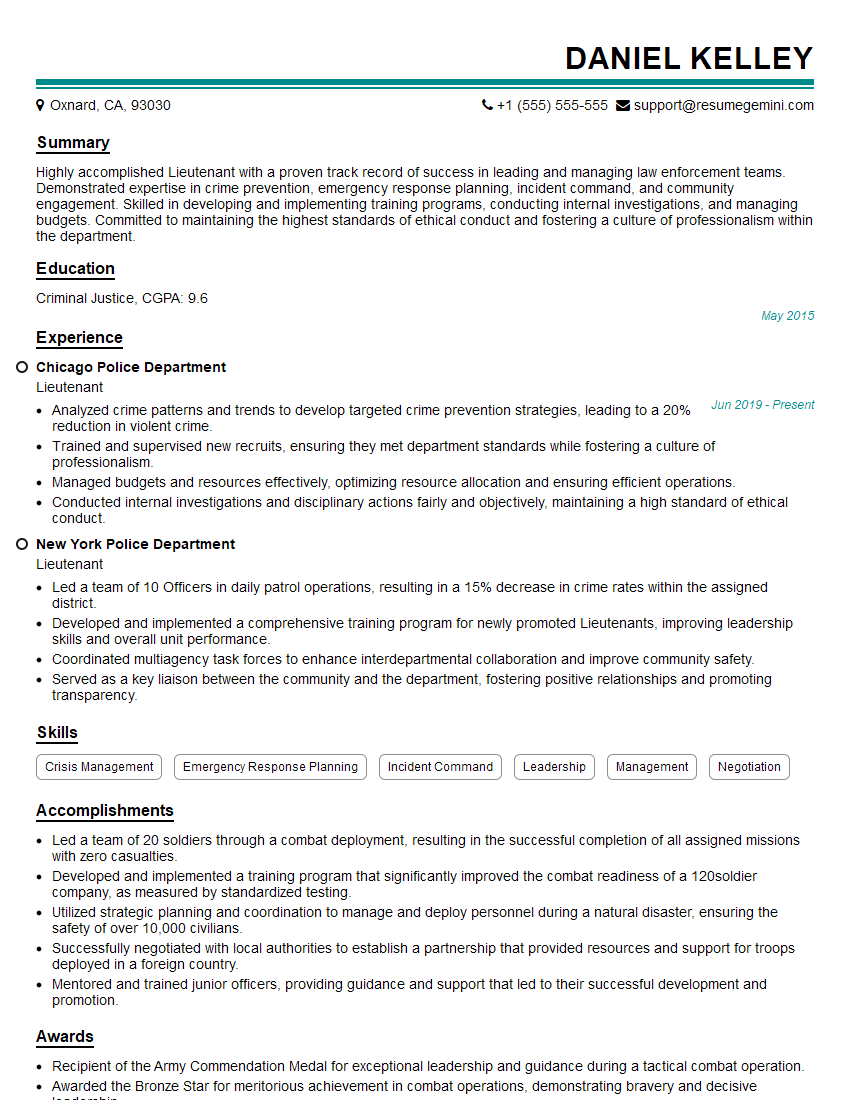
Lieutenant Resume Sample
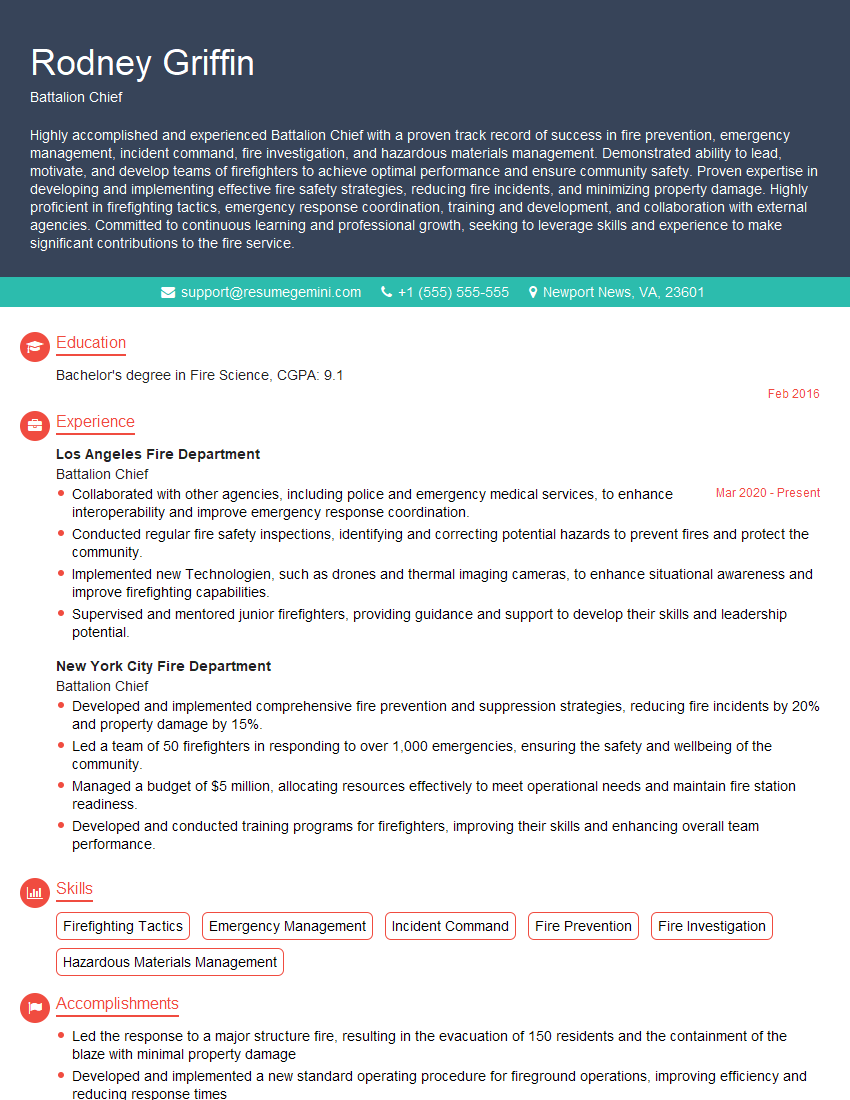
Battalion Chief Resume Sample
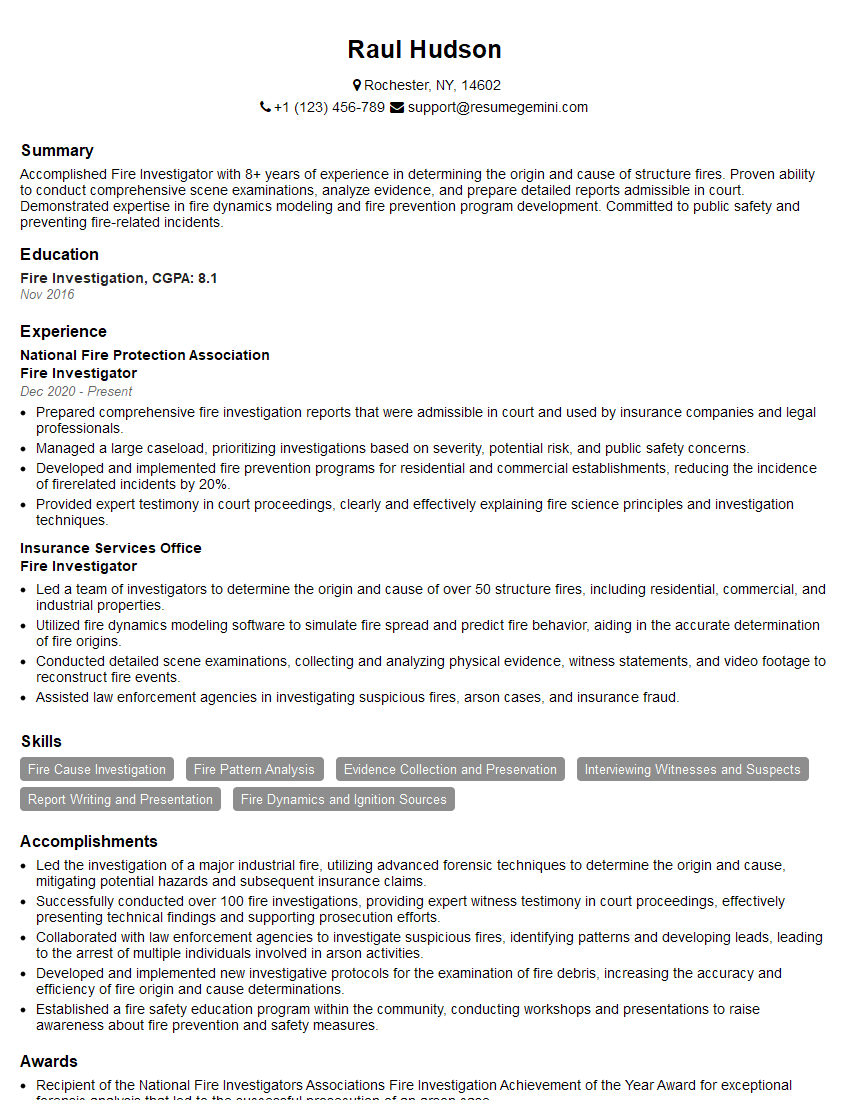
Fire Investigator Resume Sample
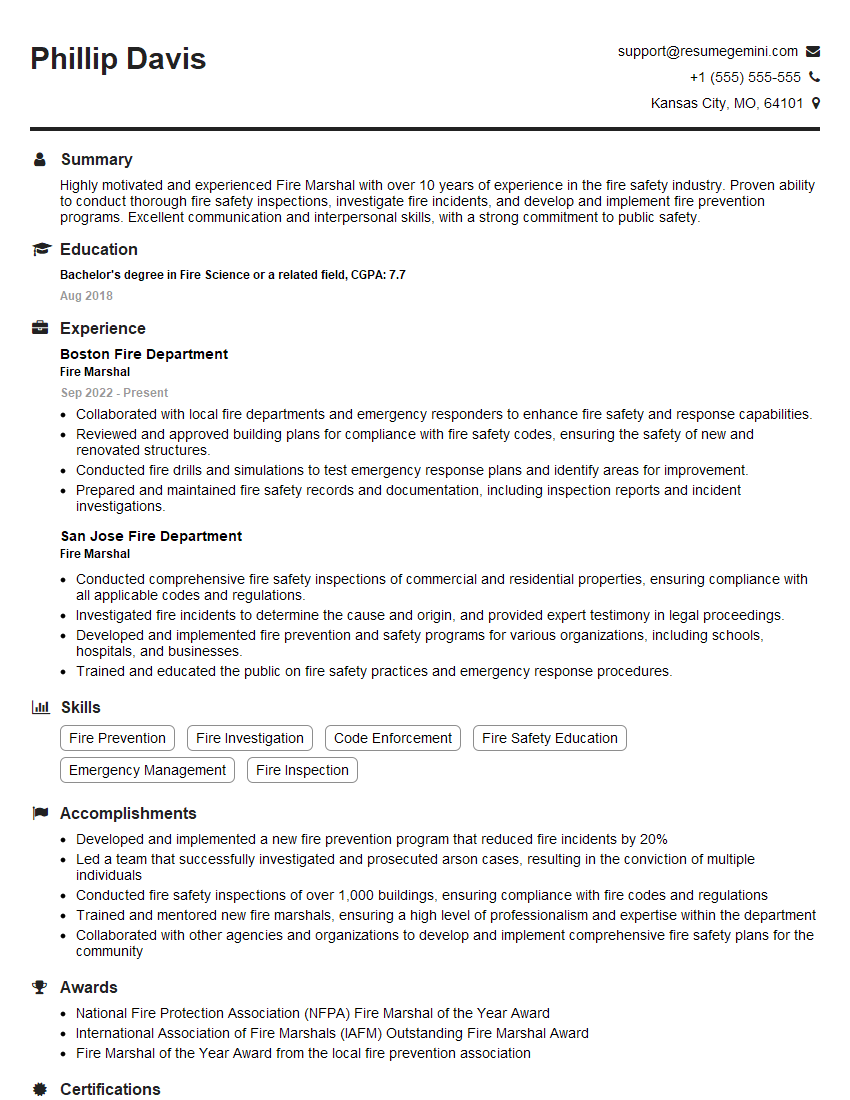
Fire Marshal Resume Sample
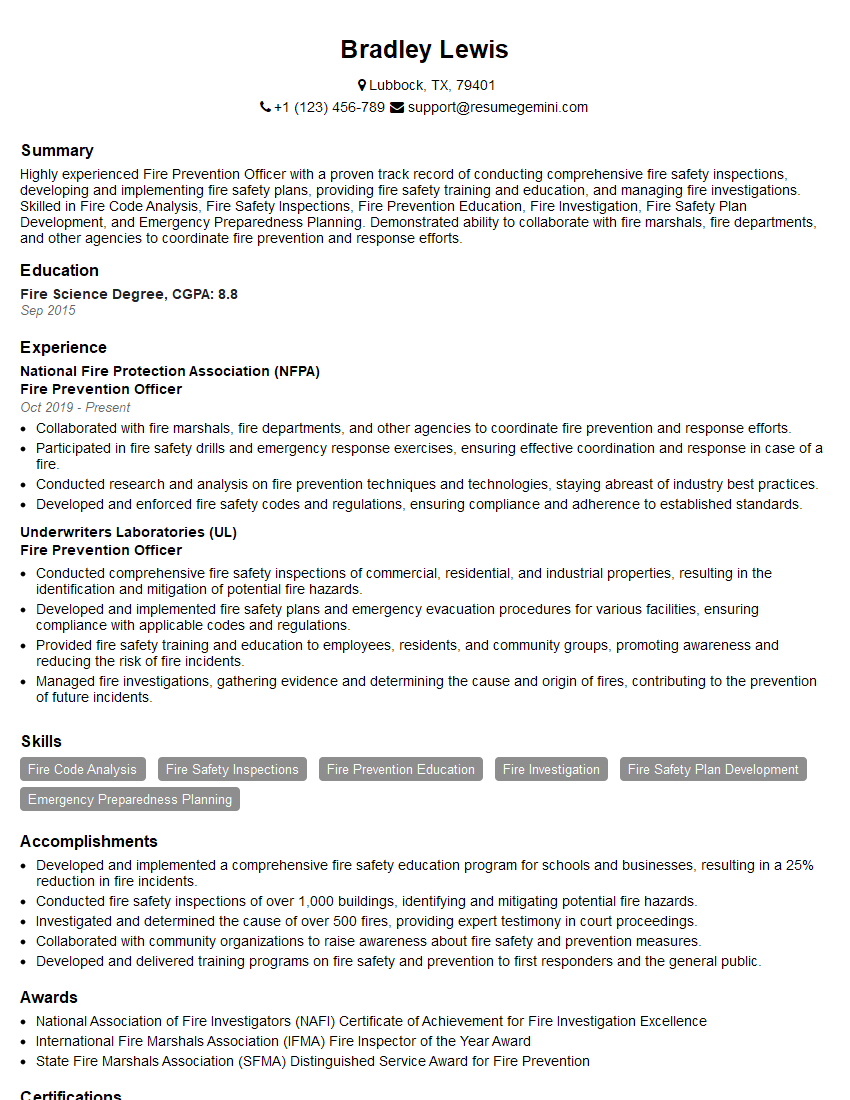
Fire Prevention Officer Resume Sample
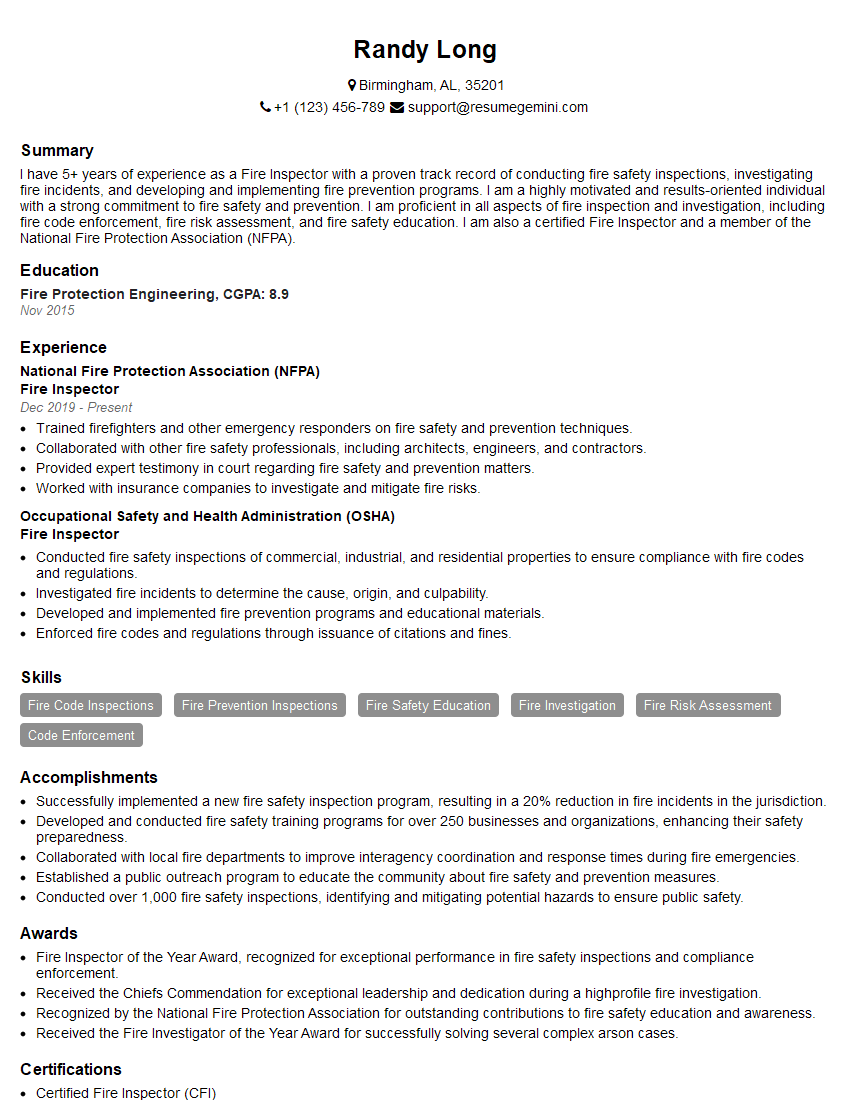
Fire Inspector Resume Sample
Explore more articles
Users Rating of Our Blogs
Share Your Experience
We value your feedback! Please rate our content and share your thoughts (optional).
What Readers Say About Our Blog
Very informative content, great job.
good