The right preparation can turn an interview into an opportunity to showcase your expertise. This guide to USEPA Regulatory Compliance interview questions is your ultimate resource, providing key insights and tips to help you ace your responses and stand out as a top candidate.
Questions Asked in USEPA Regulatory Compliance Interview
Q 1. Explain the Clean Water Act (CWA) and its key provisions.
The Clean Water Act (CWA) is the cornerstone of US water pollution control. Its primary goal is to restore and maintain the chemical, physical, and biological integrity of the nation’s waters. Think of it as the comprehensive rulebook for keeping our rivers, lakes, and oceans clean.
- Setting Water Quality Standards: The CWA establishes national goals for water quality and empowers states to set specific standards for their own waters. These standards dictate acceptable levels of pollutants.
- Regulating Point Source Pollution: This is a major focus. Point source pollution refers to discharges from identifiable sources like factories, sewage treatment plants, and power plants. These sources require permits to discharge pollutants.
- Controlling Non-Point Source Pollution: While tougher to regulate, the CWA also addresses non-point source pollution – runoff from farms, construction sites, and urban areas. This often involves more collaborative, preventative measures.
- Protecting Wetlands: The CWA recognizes the vital role of wetlands in water quality and requires permits for activities impacting them.
- Funding for Wastewater Treatment: The CWA provides substantial funding for the construction and improvement of wastewater treatment facilities across the country. This helps communities meet water quality standards.
For example, a paper mill that discharges wastewater into a river needs an NPDES permit (explained later) to ensure their discharges meet the CWA’s standards. Similarly, a construction site needs to implement erosion and sediment control measures to minimize non-point source pollution.
Q 2. Describe the process for obtaining an NPDES permit.
Obtaining a National Pollutant Discharge Elimination System (NPDES) permit, required for point source discharges under the CWA, is a multi-step process:
- Application: The discharger completes a detailed application to the relevant permitting authority (usually the state), providing information about the facility, the nature of its discharges, and proposed treatment methods.
- Review and Public Comment: The permitting authority reviews the application, assesses the potential environmental impacts, and often makes it available for public comment. This ensures transparency and allows for stakeholder input.
- Permitting Decision: Based on the application review and public comments, the agency issues a permit, denies it, or requests additional information. Permits often have specific limits on the types and amounts of pollutants allowed to be discharged.
- Compliance Monitoring: Once issued, the permit holder is responsible for ongoing compliance monitoring, often involving regular self-reporting and potential inspections by the agency.
- Permit Renewal: NPDES permits are typically issued for a set period (often 5 years) and must be renewed. This process involves reassessing the discharge’s impact and updating the permit conditions as needed.
Imagine a manufacturing plant seeking an NPDES permit. They’d need to meticulously document their wastewater treatment processes, demonstrate compliance with water quality standards, and provide a detailed plan for ongoing monitoring. The permitting agency reviews this information, ensuring the plant will protect water quality.
Q 3. What are the main components of the Clean Air Act (CAA)?
The Clean Air Act (CAA) is the federal law governing air pollution control in the US. It’s a multifaceted act targeting numerous pollutants and emission sources. Think of it as the air quality equivalent of the CWA.
- National Ambient Air Quality Standards (NAAQS): The CAA sets NAAQS for criteria pollutants – common pollutants known to harm public health and the environment (e.g., ozone, particulate matter, sulfur dioxide). States must then create State Implementation Plans (SIPs) to achieve these standards.
- National Emission Standards for Hazardous Air Pollutants (NESHAP): This focuses on hazardous air pollutants (HAPs) – toxic substances with potentially serious health effects. The EPA sets emission standards for various industrial sources.
- Regulation of Mobile Sources: The CAA also regulates mobile sources of air pollution, such as cars and trucks, through emission standards and fuel efficiency requirements. This is crucial in combating smog and improving air quality in urban areas.
- Acid Rain Program: This program targets sulfur dioxide and nitrogen oxide emissions, major contributors to acid rain. It uses a cap-and-trade system to incentivize pollution reduction.
- Stratospheric Ozone Protection: The CAA includes provisions to protect the stratospheric ozone layer by phasing out ozone-depleting substances (ODS) like chlorofluorocarbons (CFCs).
For example, a power plant must comply with NESHAP standards for mercury emissions, while automakers need to meet the CAA’s fuel efficiency and emission standards for their vehicles. These standards, while sometimes complex, are key to achieving clean air across the nation.
Q 4. How does the Resource Conservation and Recovery Act (RCRA) regulate hazardous waste?
The Resource Conservation and Recovery Act (RCRA) is the primary federal law governing the generation, transportation, treatment, storage, and disposal of hazardous waste. It’s designed to prevent hazardous waste from contaminating the environment from cradle to grave.
- Hazardous Waste Identification: RCRA establishes a system for identifying hazardous waste based on its characteristics (e.g., ignitability, corrosivity, reactivity, toxicity) or its listing on the EPA’s hazardous waste list.
- Generator Standards: It sets standards for hazardous waste generators, requiring them to manage their waste properly, including using appropriate containers, labeling, and recordkeeping.
- Treatment, Storage, and Disposal Facilities (TSDFs): RCRA regulates TSDFs, facilities that treat, store, or dispose of hazardous waste, imposing strict standards for their design, operation, and monitoring to prevent environmental contamination.
- Manifest System: RCRA establishes a manifest system that tracks the movement of hazardous waste from generator to TSDF, ensuring accountability throughout the process.
- Underground Storage Tanks (USTs): RCRA also regulates underground storage tanks (USTs) containing hazardous substances, requiring leak detection and prevention measures.
Consider a chemical manufacturing company. They are subject to RCRA’s requirements for identifying, handling, and tracking their hazardous waste, ensuring it doesn’t contaminate the soil or groundwater. This includes using licensed transporters and TSDFs.
Q 5. Explain the Comprehensive Environmental Response, Compensation, and Liability Act (CERCLA) and its Superfund program.
The Comprehensive Environmental Response, Compensation, and Liability Act (CERCLA), also known as Superfund, addresses hazardous waste sites that pose a threat to human health and the environment. Unlike RCRA, which focuses on current waste management, CERCLA deals with past pollution.
- Liability: CERCLA establishes strict liability for parties responsible for releasing hazardous substances into the environment. This means that responsible parties can be held liable for cleanup costs, even if they acted without intent to cause harm.
- National Priorities List (NPL): The EPA maintains the NPL, a list of the nation’s most hazardous waste sites. These sites are prioritized for cleanup based on their risk to human health and the environment.
- Superfund Trust Fund: The Superfund Trust Fund provides money for cleanup activities when responsible parties cannot be identified or are unwilling or unable to pay.
- Remediation: CERCLA provides a framework for selecting and implementing cleanup technologies at Superfund sites. Cleanup strategies are based on risk assessment and the need to protect human health and the environment.
For instance, if a former industrial site is found to be contaminated with hazardous substances, CERCLA can be used to identify responsible parties and compel them to conduct cleanup operations, or, if they cannot, fund the cleanup through the Superfund Trust Fund.
Q 6. What are the key differences between RCRA and CERCLA?
RCRA and CERCLA are both crucial environmental laws dealing with hazardous waste, but they differ significantly in their focus:
- RCRA focuses on the current management of hazardous waste, aiming to prevent future contamination. It regulates the cradle-to-grave management of hazardous waste, from generation to disposal.
- CERCLA addresses past hazardous waste contamination and is designed to clean up existing hazardous waste sites. It holds responsible parties liable for contamination, regardless of intent.
Think of it this way: RCRA is like preventative medicine, aiming to stop problems before they arise, while CERCLA is like emergency room care for already existing environmental hazards. They both have essential roles in protecting the environment.
Q 7. Define National Pollutant Discharge Elimination System (NPDES) permits and their significance.
A National Pollutant Discharge Elimination System (NPDES) permit is a permit required under the Clean Water Act for any facility or entity discharging pollutants into waters of the United States. It’s the core mechanism for controlling point source pollution under the CWA.
- Permitting Authority: The EPA or authorized states issue NPDES permits.
- Discharge Limits: Permits specify the allowable amounts and types of pollutants that can be discharged. These limits are based on water quality standards and technology-based effluent limitations.
- Monitoring and Reporting: Permit holders are required to monitor their discharges and submit regular reports to the permitting authority demonstrating compliance.
- Enforcement: The permitting authority enforces compliance with permit conditions, potentially imposing penalties for violations.
The significance of NPDES permits is monumental, ensuring that industries and other entities do not pollute our water bodies beyond acceptable levels. It provides a crucial regulatory framework for protecting water quality across the country. Without NPDES permits, industries would be free to discharge pollutants with little oversight.
Q 8. Describe your experience conducting environmental audits.
Environmental audits are systematic, documented evaluations of an organization’s environmental performance against regulatory requirements, industry best practices, and internal policies. My experience encompasses conducting both Phase I Environmental Site Assessments (ESAs), which involve reviewing historical records and identifying potential environmental concerns, and more extensive Phase II ESAs, which involve sampling and analysis to confirm the presence and extent of contamination. I’ve led audits across various sectors, including manufacturing, industrial facilities, and construction sites, focusing on compliance with regulations like the Clean Air Act, Clean Water Act, and Resource Conservation and Recovery Act (RCRA).
For example, during an audit of a manufacturing plant, I identified discrepancies between their reported waste generation and actual waste manifests. This discrepancy led to a detailed investigation, uncovering improper waste handling practices and a potential violation of RCRA regulations. Through a collaborative approach with the facility’s management, we developed a corrective action plan to address the deficiencies and prevent future occurrences. The resulting improvements not only ensured regulatory compliance but also enhanced the plant’s overall environmental performance and cost-efficiency.
Q 9. How do you ensure compliance with environmental regulations?
Ensuring compliance with environmental regulations is a multifaceted process requiring proactive planning, diligent execution, and continuous monitoring. It begins with a thorough understanding of applicable federal, state, and local regulations. I use a combination of approaches: First, I perform regular internal audits and inspections to identify potential compliance gaps. Next, I implement robust training programs for all employees on environmental procedures and regulations. Third, I maintain accurate and up-to-date records for waste generation, emissions, and other regulated activities. Finally, I foster a strong culture of environmental responsibility throughout the organization.
Think of it like maintaining a healthy body – regular check-ups (audits), proper diet (training and procedures), and consistent exercise (monitoring) are all critical. Failing to maintain these aspects can lead to serious health problems, just as failing to comply with regulations can result in penalties and legal ramifications.
Q 10. Explain the process of developing and implementing an environmental management system (EMS).
Developing and implementing an Environmental Management System (EMS) is a strategic approach to systematically manage environmental aspects and improve environmental performance. This typically follows a Plan-Do-Check-Act (PDCA) cycle. The Plan phase involves defining the scope of the EMS, identifying environmental aspects and impacts, and setting environmental objectives and targets. The Do phase entails implementing the planned actions and procedures. The Check phase involves monitoring and measuring environmental performance against set objectives, including regular audits. The Act phase focuses on corrective and preventive actions, continuous improvement, and management review.
A successful EMS is tailored to the specific needs of the organization. For instance, a small manufacturing facility might focus on waste reduction and recycling, whereas a large chemical plant would require a more complex system encompassing air emissions, wastewater discharges, and hazardous waste management. ISO 14001 provides a widely recognized framework for EMS implementation, providing a structured approach and promoting best practices.
Q 11. How familiar are you with the Environmental Protection Agency’s (EPA) enforcement actions?
I’m very familiar with EPA enforcement actions. These actions range from warnings and notices of violation to administrative orders, civil penalties, and even criminal prosecution. The severity of the action depends on factors such as the nature and severity of the violation, the organization’s history of compliance, and whether the violation was intentional or unintentional.
Understanding the EPA’s enforcement priorities is crucial. For example, the EPA has recently focused on enforcement actions related to PFAS (per- and polyfluoroalkyl substances) contamination and violations of the Clean Water Act. Knowing this allows for proactive measures to prevent violations and minimize potential risks.
Q 12. What is your experience with environmental impact assessments (EIAs)?
My experience with Environmental Impact Assessments (EIAs) involves evaluating the potential environmental consequences of proposed projects. This includes identifying potential impacts on air, water, land, and biological resources. EIAs involve a thorough review of existing environmental data, fieldwork to collect additional data, and the use of predictive modeling to assess potential impacts. The outcome is a comprehensive report documenting the predicted impacts and suggesting mitigation measures to minimize adverse effects.
For example, I was involved in an EIA for a proposed highway expansion project. This entailed assessing the potential impact on wetlands, air quality, and noise levels. The EIA identified several potential negative impacts, but we developed effective mitigation plans, such as wetland restoration and the implementation of noise barriers, to minimize those effects and ultimately resulted in a project approved with reduced environmental impact.
Q 13. Explain the role of environmental monitoring and reporting in regulatory compliance.
Environmental monitoring and reporting are essential components of regulatory compliance. Monitoring involves the systematic collection of data on environmental parameters, such as air and water quality, waste generation, and emissions. This data is then used to track environmental performance, identify trends, and ensure compliance with permit limits and regulatory requirements. Reporting involves summarizing the monitoring data in compliance reports submitted to regulatory agencies.
Imagine it as a doctor monitoring a patient’s vital signs. Regular monitoring (data collection) is essential to detect any abnormalities (violations). Comprehensive reporting (submitting data to the agency) allows for oversight and appropriate action to be taken if needed. Accurate and timely reporting is crucial to maintain compliance and avoid potential penalties.
Q 14. Describe your experience with environmental remediation projects.
My experience with environmental remediation projects includes assessing contaminated sites, designing and implementing remediation strategies, and overseeing the execution of cleanup activities. This work often involves managing contractors, coordinating with regulatory agencies, and ensuring that the remediation activities meet all regulatory requirements. Remediation strategies vary depending on the type and extent of contamination, and may include techniques such as excavation and disposal of contaminated soil, in-situ treatment of contaminated groundwater, or phytoremediation (using plants to remove contaminants).
For instance, I worked on a project involving the remediation of a former industrial site contaminated with heavy metals. This involved a multi-phase approach: initial site assessment and characterization, development of a remediation plan approved by the EPA, implementation of the chosen remediation techniques, and finally, post-remediation monitoring to verify the effectiveness of the cleanup and ensure long-term environmental protection.
Q 15. How do you handle non-compliance issues and environmental emergencies?
Handling non-compliance and environmental emergencies requires a swift, organized, and proactive approach. The first step is always to identify the problem – what specific regulation is being violated, and what is the extent of the non-compliance or the nature of the emergency? This often involves a thorough review of permits, monitoring data, and operational procedures.
For non-compliance, I would immediately initiate a corrective action plan, focusing on identifying the root cause, implementing immediate corrective actions to prevent further violations, and developing long-term preventative measures. This plan would be documented meticulously, including timelines and responsible parties. I’d also engage in open communication with the EPA, providing timely updates on progress and demonstrating a commitment to resolving the issue.
In the case of an environmental emergency, such as a chemical spill, the priority shifts to immediate containment and remediation. This involves activating emergency response plans, notifying relevant authorities (including the National Response Center and local emergency services), and implementing emergency procedures to minimize environmental impact and protect human health. Detailed documentation of the incident, including response actions and environmental monitoring data, is crucial for regulatory reporting and future incident prevention.
For example, imagine a manufacturing plant experiences a sudden release of hazardous waste. My response would involve immediately securing the area, notifying the relevant authorities, initiating cleanup efforts according to the facility’s spill response plan, and arranging for environmental sampling and analysis to assess the extent of the contamination. Following the immediate response, I would conduct a thorough investigation to determine the cause of the spill and implement changes to prevent future occurrences. The entire process, from initial response to long-term prevention, is meticulously documented and reported to the EPA.
Career Expert Tips:
- Ace those interviews! Prepare effectively by reviewing the Top 50 Most Common Interview Questions on ResumeGemini.
- Navigate your job search with confidence! Explore a wide range of Career Tips on ResumeGemini. Learn about common challenges and recommendations to overcome them.
- Craft the perfect resume! Master the Art of Resume Writing with ResumeGemini’s guide. Showcase your unique qualifications and achievements effectively.
- Don’t miss out on holiday savings! Build your dream resume with ResumeGemini’s ATS optimized templates.
Q 16. Explain your understanding of environmental risk assessment and management.
Environmental risk assessment and management is a systematic process to identify, analyze, and manage environmental hazards. It involves evaluating the probability and severity of potential environmental impacts resulting from a specific activity or project. This includes understanding the sources of pollution, the pathways of exposure, and the potential receptors (humans, ecosystems, etc.).
The process typically involves four key stages:
- Hazard Identification: Identifying potential environmental hazards associated with a specific activity or project (e.g., air emissions, water discharge, soil contamination).
- Risk Assessment: Evaluating the likelihood and severity of potential impacts. This often involves quantitative analysis using models or qualitative assessments based on professional judgment.
- Risk Management: Developing and implementing strategies to control or mitigate identified risks. This may include implementing pollution control technologies, modifying operational procedures, or implementing site-specific monitoring programs.
- Risk Communication: Effectively communicating risk information to stakeholders, including the public, regulatory agencies, and other impacted parties.
For instance, a proposed new highway project would require an environmental risk assessment to evaluate potential impacts on air and water quality, wildlife habitats, and noise levels. The assessment would help determine mitigation strategies, such as installing noise barriers or using specific construction techniques to minimize erosion and runoff.
Q 17. What are your strategies for staying up-to-date with changes in USEPA regulations?
Staying current with USEPA regulations is crucial for maintaining compliance. My strategies involve several key approaches:
- Subscription to EPA Resources: I regularly access the EPA website for updates, new rulemakings, guidance documents, and enforcement actions. I also utilize their e-subscription services to receive notifications of changes affecting my areas of expertise.
- Professional Networks and Associations: Membership in professional organizations, like the Air & Waste Management Association (AWMA) or the Society of Environmental Toxicology and Chemistry (SETAC), provides access to industry news, training opportunities, and networking with other experts in the field.
- Industry Publications and Databases: I subscribe to relevant journals and newsletters and utilize online databases such as Westlaw or LexisNexis to track regulatory changes and legal precedents.
- Attending Conferences and Workshops: Participating in conferences and workshops offers valuable opportunities for professional development and networking, allowing me to stay updated on the latest trends and regulatory developments.
- Regular Internal Training: I make sure to incorporate EPA updates into our company’s internal training programs to ensure all relevant staff are informed.
This multi-faceted approach ensures I’m well-informed about the latest regulatory changes and can apply them effectively to my work.
Q 18. How do you interpret and apply environmental regulations to specific industrial processes?
Interpreting and applying environmental regulations to specific industrial processes requires a thorough understanding of both the regulations and the processes themselves. It involves carefully reviewing the relevant permits, identifying applicable regulations, and then determining how those regulations impact specific operations.
For instance, consider a manufacturing facility discharging wastewater. I would begin by identifying the specific pollutants being discharged and their concentrations. Then, I would consult the facility’s National Pollutant Discharge Elimination System (NPDES) permit to determine the allowed limits for each pollutant. If the discharge exceeds those limits, I would need to determine the cause of the exceedance and implement corrective actions to bring the discharge into compliance. This might include upgrades to wastewater treatment equipment, changes to manufacturing processes, or enhanced monitoring.
Another example would be a power plant subject to air quality regulations. I would review the plant’s operating permits and relevant Clean Air Act regulations to determine the allowable emission levels for pollutants like particulate matter, sulfur dioxide, and nitrogen oxides. This might involve evaluating the efficiency of emission control devices, implementing operational changes to reduce emissions, and developing comprehensive monitoring and reporting programs. The entire process requires meticulous attention to detail and a deep understanding of both the regulatory framework and the specific industrial processes.
Q 19. Describe your experience with environmental sampling and analysis.
My experience with environmental sampling and analysis is extensive. I’m familiar with various sampling techniques, including grab sampling, composite sampling, and continuous monitoring, and the selection of the appropriate method depends on the nature of the contaminant, the medium (air, water, soil), and the objective of the sampling program. For example, grab samples are suitable for characterizing a specific point in time, whereas composite samples represent an average over a period. Continuous monitoring provides real-time data on pollutant concentrations.
Following sample collection, appropriate chain of custody procedures are followed to ensure sample integrity. I have experience working with accredited laboratories to ensure the analysis is conducted according to established methods, such as those outlined by EPA methods. Data analysis involves interpreting results, comparing them to regulatory limits, and assessing the overall environmental impact. I’m proficient in using statistical methods to analyze data, identifying trends, and determining if further action is needed.
For instance, during a groundwater contamination investigation, I would oversee the collection of soil and groundwater samples, following strict protocols to maintain sample integrity. These samples would be sent to a certified laboratory for analysis of various contaminants, and the results would be used to delineate the extent of the contamination and develop a remediation plan. The entire process adheres to quality assurance and quality control procedures to ensure data reliability and defensibility.
Q 20. How familiar are you with environmental modeling and simulation techniques?
I have considerable familiarity with environmental modeling and simulation techniques. These are powerful tools used to predict the fate and transport of pollutants in the environment, assess potential environmental impacts, and design effective remediation strategies. These techniques allow us to move beyond simple observations to a more quantitative understanding of environmental systems.
Commonly used models include:
- Air dispersion models: These models predict the concentration of pollutants in the air as a function of emission sources, meteorological conditions, and terrain. Examples include AERMOD and CALPUFF.
- Water quality models: These models simulate the transport and fate of pollutants in rivers, lakes, and groundwater. Examples include QUAL2K and MODFLOW.
- Fate and transport models: These models are used to simulate the movement of contaminants through soil and groundwater. Examples include BIOCHLOR and HST3D.
I’m proficient in using these models, interpreting their results, and applying them to real-world situations. For example, I might use an air dispersion model to assess the impact of a proposed industrial facility on ambient air quality or a groundwater model to design a remediation strategy for a contaminated site. The accuracy and reliability of these models depend on the quality of the input data and the appropriate selection of the model for the specific application. A critical part of my work is validating model outputs against field measurements to ensure the model adequately represents the real-world system.
Q 21. What is your understanding of environmental justice principles?
Environmental justice principles recognize that the burden of environmental hazards should not disproportionately fall on vulnerable populations, such as low-income communities and communities of color. It’s about ensuring fair treatment and meaningful involvement of all people regardless of race, color, national origin, or income, with respect to the development, implementation, and enforcement of environmental laws, regulations, and policies.
This involves considering the cumulative impacts of multiple pollution sources and addressing social and economic disparities that may exacerbate environmental risks. For example, siting a hazardous waste facility near a low-income community might raise serious environmental justice concerns. A thorough environmental justice analysis would involve assessing the potential risks to the community, engaging with community members to understand their concerns, and exploring alternative locations or mitigation measures to minimize potential impacts. This commitment extends beyond compliance; it requires actively seeking equity and fairness in environmental protection. It’s not just about meeting minimum regulatory standards; it’s about ensuring that environmental decisions promote justice and well-being for all.
Q 22. Explain your experience with permitting and licensing under various EPA programs.
My experience with EPA permitting and licensing spans over a decade, encompassing a wide range of programs. I’ve handled everything from National Pollutant Discharge Elimination System (NPDES) permits for industrial wastewater discharges, to Air Operating Permits under Title V of the Clean Air Act, and even Resource Conservation and Recovery Act (RCRA) permits for hazardous waste management. This includes navigating the complex application processes, responding to agency requests for information, and ensuring compliance with all permit conditions.
For example, I successfully obtained an NPDES permit for a large manufacturing facility, requiring extensive water quality monitoring data analysis and development of a robust pollution prevention plan. Another key project involved securing a Title V permit for a power plant, where I coordinated with multiple engineering disciplines to demonstrate compliance with stringent air emission limits. My experience goes beyond simply obtaining permits; I also understand the ongoing compliance requirements, including reporting, recordkeeping, and inspections.
- NPDES Permits (Clean Water Act)
- Title V Operating Permits (Clean Air Act)
- RCRA Permits (Resource Conservation and Recovery Act)
- State-Specific Permits (often in conjunction with EPA programs)
Q 23. How do you ensure data integrity and accuracy in environmental reporting?
Data integrity is paramount in environmental reporting. I employ a multi-pronged approach to ensure accuracy and reliability. This starts with meticulous data collection using calibrated instruments and standardized procedures, documented thoroughly. We use chain-of-custody procedures for samples, ensuring traceability from collection to laboratory analysis. Data validation is critical, involving rigorous checks for outliers, inconsistencies, and potential errors. Statistical analysis is employed to identify trends and assess the significance of findings. Finally, all data is archived securely and systematically, ensuring its accessibility for audits and future reference.
Think of it like building a house: you wouldn’t build without blueprints or inspections. Likewise, environmental data needs a solid foundation of procedures and checks to ensure its reliability. A failure to maintain data integrity can lead to significant consequences, including non-compliance penalties and reputational damage.
Q 24. How familiar are you with the various EPA enforcement tools and penalties?
I possess a comprehensive understanding of EPA enforcement tools and penalties, ranging from administrative orders and compliance agreements to civil penalties and even criminal prosecution in severe cases. Administrative orders can require immediate corrective action, while compliance agreements allow for a structured path to resolve violations. Civil penalties are imposed based on the severity and duration of the violation, while criminal prosecution is reserved for the most egregious cases involving willful violations or fraud.
For instance, a facility failing to properly manage hazardous waste might face an administrative order to remediate the site and hefty civil penalties. Conversely, knowingly falsifying environmental data could result in both criminal and civil penalties, including significant fines and imprisonment.
- Administrative Orders
- Compliance Agreements
- Civil Penalties (monetary fines)
- Criminal Prosecution (fines and imprisonment)
Q 25. Describe your experience with negotiating with regulatory agencies.
Negotiating with regulatory agencies requires a blend of technical expertise, strong communication skills, and a collaborative approach. It’s not about confrontation; it’s about finding mutually acceptable solutions. I’ve successfully negotiated several compliance agreements by presenting sound technical data, demonstrating a commitment to corrective action, and highlighting the company’s efforts to prevent future violations.
In one case, we were facing potential penalties for exceeding air emission limits. Instead of contesting the violation, we worked collaboratively with the EPA to develop a comprehensive corrective action plan that included upgrading our pollution control equipment and implementing enhanced monitoring procedures. This proactive approach demonstrated our commitment to environmental compliance and resulted in a more favorable outcome than simply contesting the penalties.
Q 26. How do you prioritize and manage multiple environmental compliance tasks?
Managing multiple environmental compliance tasks involves employing effective prioritization techniques and project management strategies. I typically utilize a risk-based approach, focusing first on the most critical tasks with the highest potential environmental impact and regulatory consequences. This often involves utilizing project management software to track deadlines, assign responsibilities, and monitor progress. Regular communication with stakeholders, including management, staff, and regulatory agencies, is essential to ensure alignment and address any emerging challenges.
Think of it as a triage system in a hospital: the most critical patients are treated first. Similarly, in environmental compliance, we address the most pressing issues and risks initially. This systematic approach ensures that we meet deadlines and avoid costly penalties.
Q 27. What is your experience with environmental due diligence?
Environmental due diligence is a critical process in mergers and acquisitions, real estate transactions, and other business activities. My experience encompasses conducting thorough site assessments, reviewing historical environmental records, and identifying potential environmental liabilities. This involves analyzing environmental reports, regulatory files, and conducting site inspections. A key aspect is assessing the potential for contamination, such as soil and groundwater contamination or hazardous waste presence. The goal is to identify and quantify potential environmental risks and develop appropriate remediation strategies.
For example, during a property acquisition, we uncovered historical underground storage tanks that leaked petroleum products. This due diligence process allowed us to negotiate a reduced purchase price to cover the cost of remediation, avoiding a significant financial burden later on.
Q 28. Explain your understanding of the National Environmental Policy Act (NEPA).
The National Environmental Policy Act (NEPA) is a foundational environmental law in the United States requiring federal agencies to consider the environmental impacts of their proposed actions. This involves preparing Environmental Assessments (EAs) or Environmental Impact Statements (EISs) depending on the potential significance of the proposed action’s impact. EAs are less extensive, and if the assessment determines that the project will not have significant impacts, then a finding of no significant impact (FONSI) is issued. An EIS, on the other hand, is a more comprehensive document involving public participation and a more detailed evaluation of impacts.
NEPA’s core purpose is to promote informed decision-making by considering environmental factors alongside other project considerations. It ensures that potential environmental damage is addressed proactively and the public has a chance to participate in the decision-making process.
Key Topics to Learn for USEPA Regulatory Compliance Interview
- Clean Air Act (CAA): Understanding the core provisions, permitting processes (Title V), and enforcement mechanisms. Consider practical applications like analyzing emission inventories or evaluating compliance with National Ambient Air Quality Standards (NAAQS).
- Clean Water Act (CWA): Focus on National Pollutant Discharge Elimination System (NPDES) permits, wastewater treatment requirements, and monitoring protocols. Think about scenarios involving permit applications, discharge monitoring reports (DMRs), and potential violations.
- Resource Conservation and Recovery Act (RCRA): Master the concepts of hazardous waste identification, generation, storage, transportation, and disposal. Explore practical applications such as conducting waste audits or preparing RCRA Part B permit applications.
- Comprehensive Environmental Response, Compensation, and Liability Act (CERCLA): Familiarize yourself with Superfund site remediation, liability assessments, and the overall process of addressing hazardous waste sites. Consider scenarios involving site investigations and remediation strategies.
- Environmental Auditing: Understand the principles and methodologies behind environmental audits, including compliance audits, management systems audits (ISO 14001), and environmental due diligence. Practice developing audit plans and reports.
- Environmental Monitoring and Data Analysis: Develop your skills in interpreting environmental data, identifying trends, and using statistical methods to assess compliance. Practice analyzing monitoring data and drawing conclusions.
- Regulatory Enforcement and Compliance Strategies: Understand the EPA’s enforcement process, including inspections, penalties, and compliance agreements. Consider how to develop proactive compliance strategies to minimize risk.
Next Steps
Mastering USEPA Regulatory Compliance opens doors to a rewarding career with significant impact. A strong understanding of these regulations is highly sought after, offering excellent career growth potential in both the public and private sectors. To maximize your job prospects, it’s crucial to present your skills effectively. Creating an ATS-friendly resume is key to getting your application noticed. We highly recommend using ResumeGemini to build a professional and impactful resume that highlights your qualifications. ResumeGemini offers examples of resumes tailored to USEPA Regulatory Compliance to help guide you.
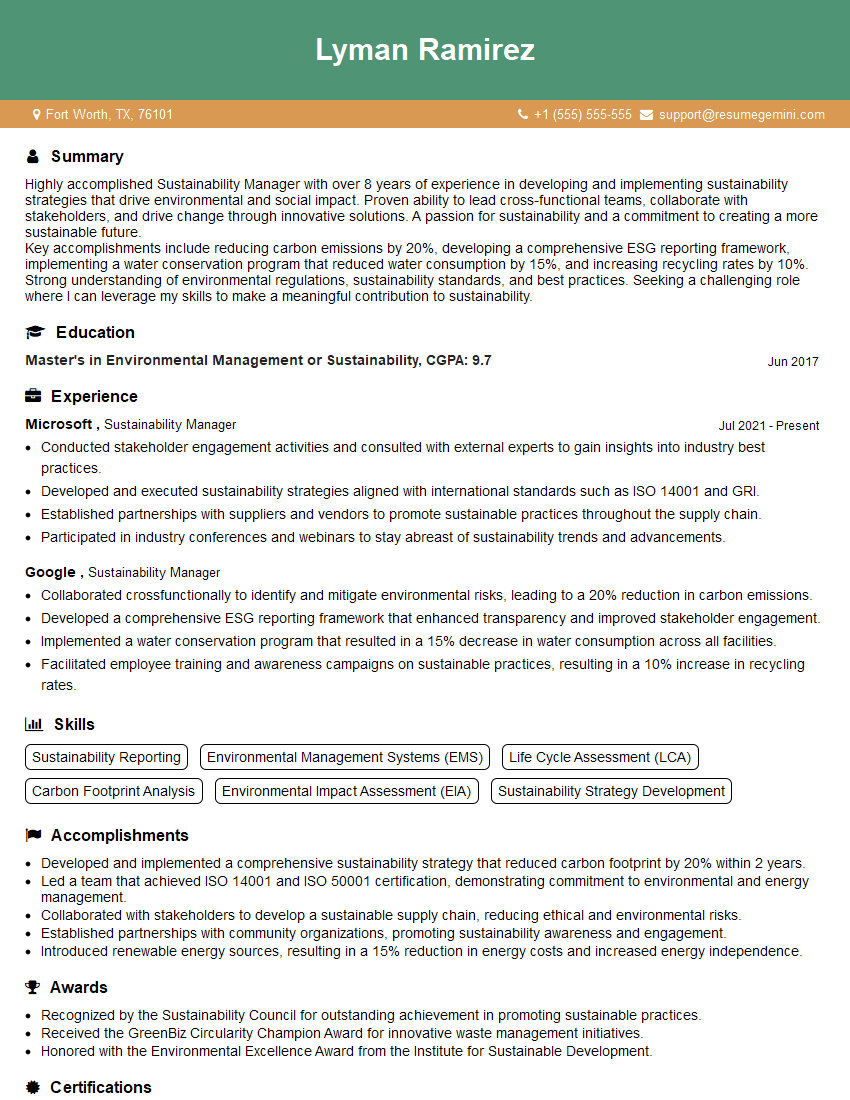
Sustainability Manager Resume Sample
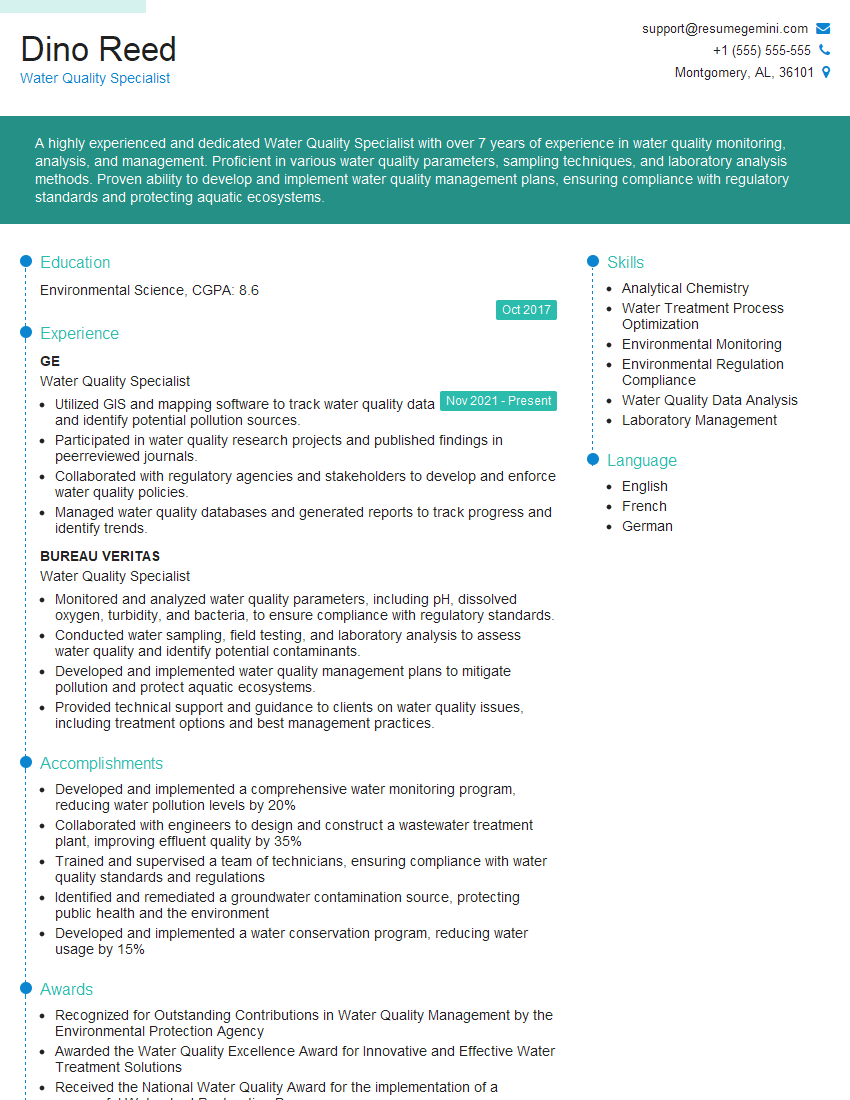
Water Quality Specialist Resume Sample
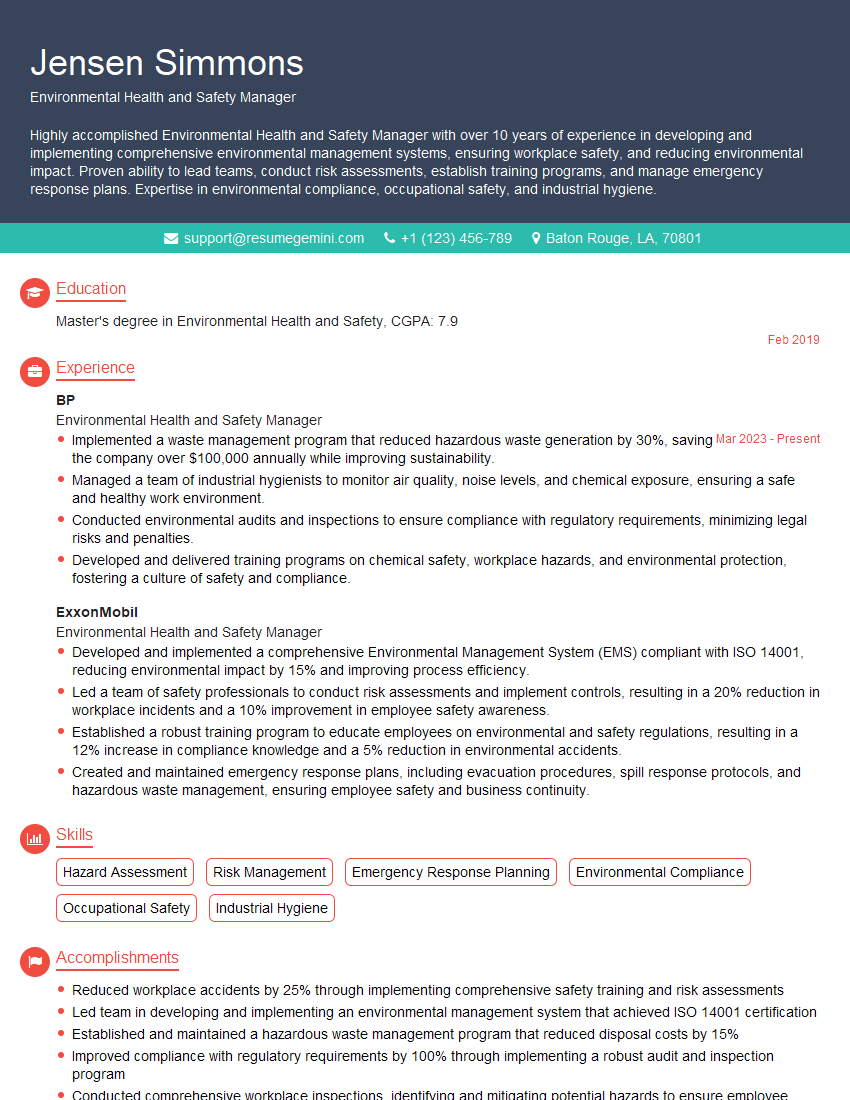
Environmental Health and Safety Manager Resume Sample
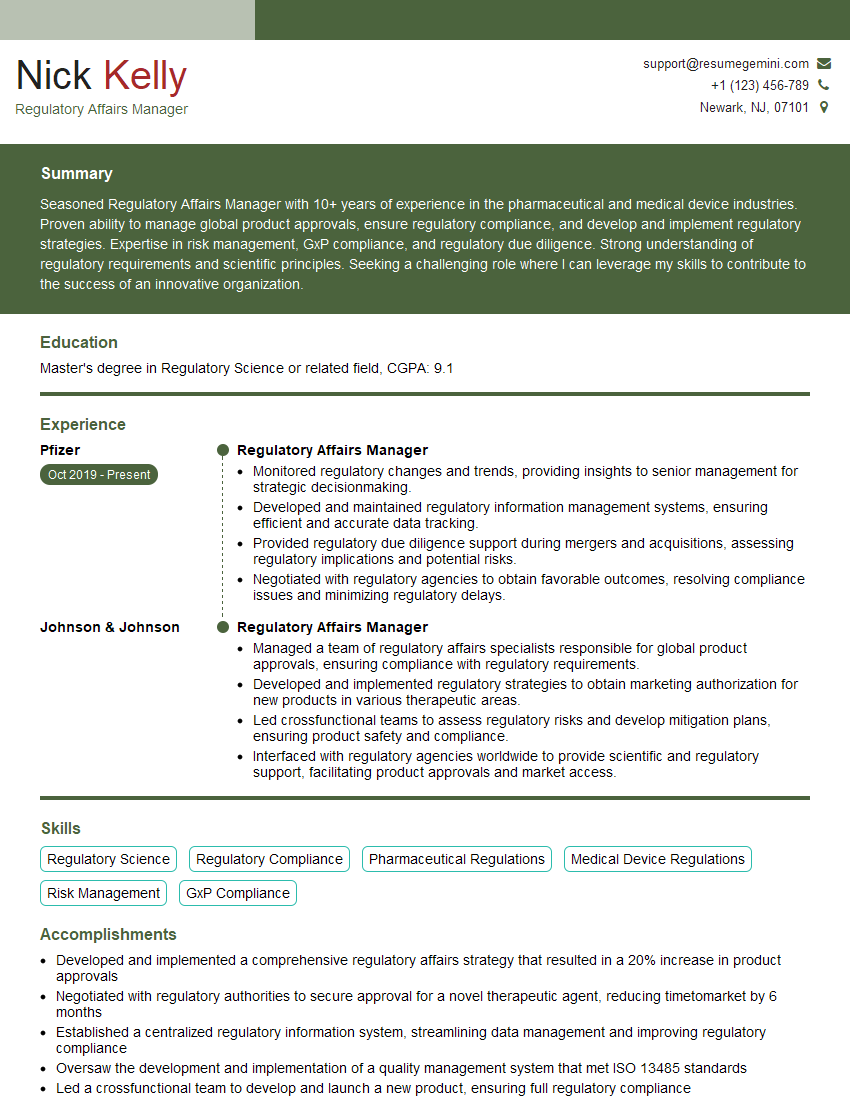
Regulatory Affairs Manager Resume Sample
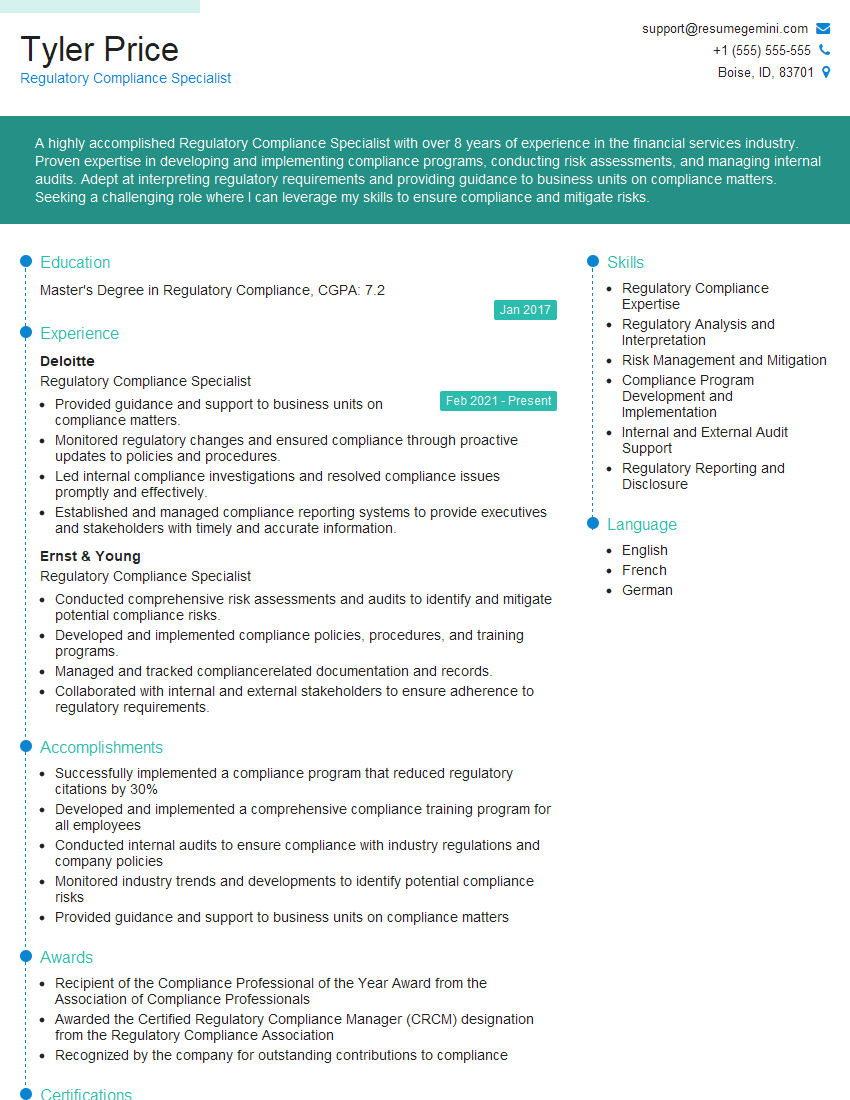
Regulatory Compliance Specialist Resume Sample
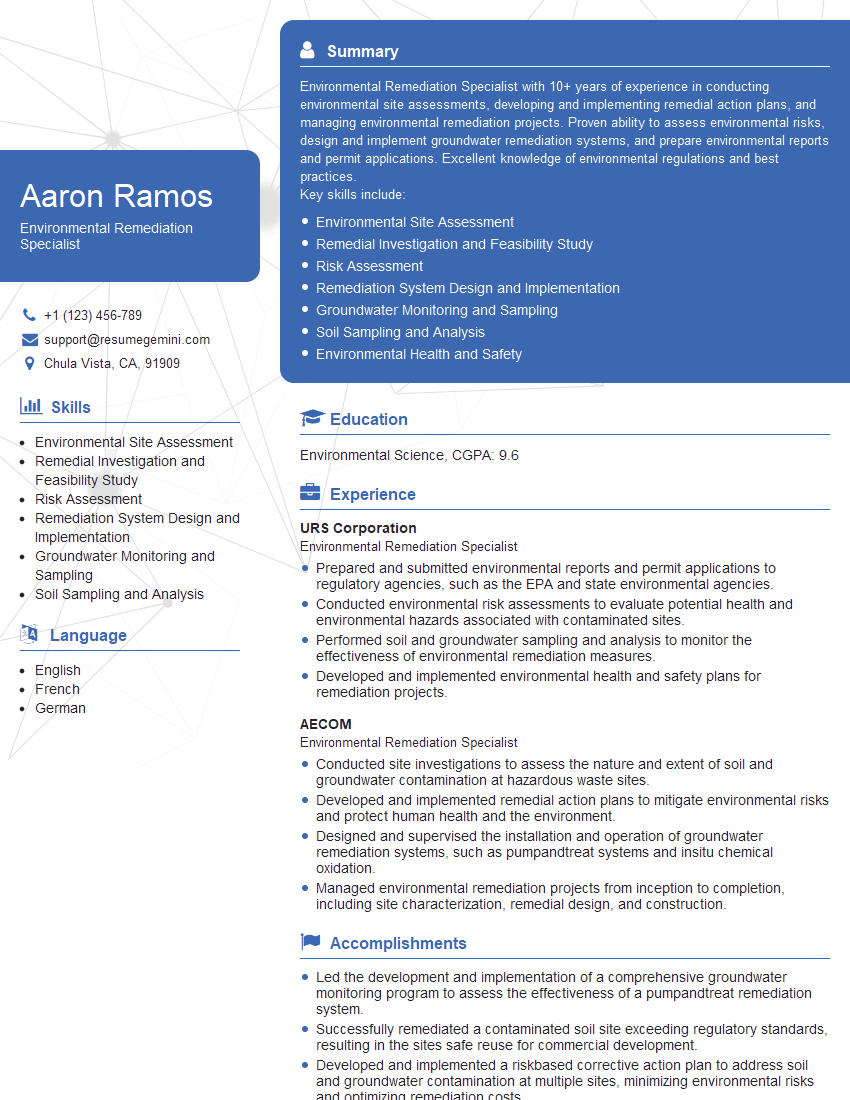
Environmental Remediation Specialist Resume Sample
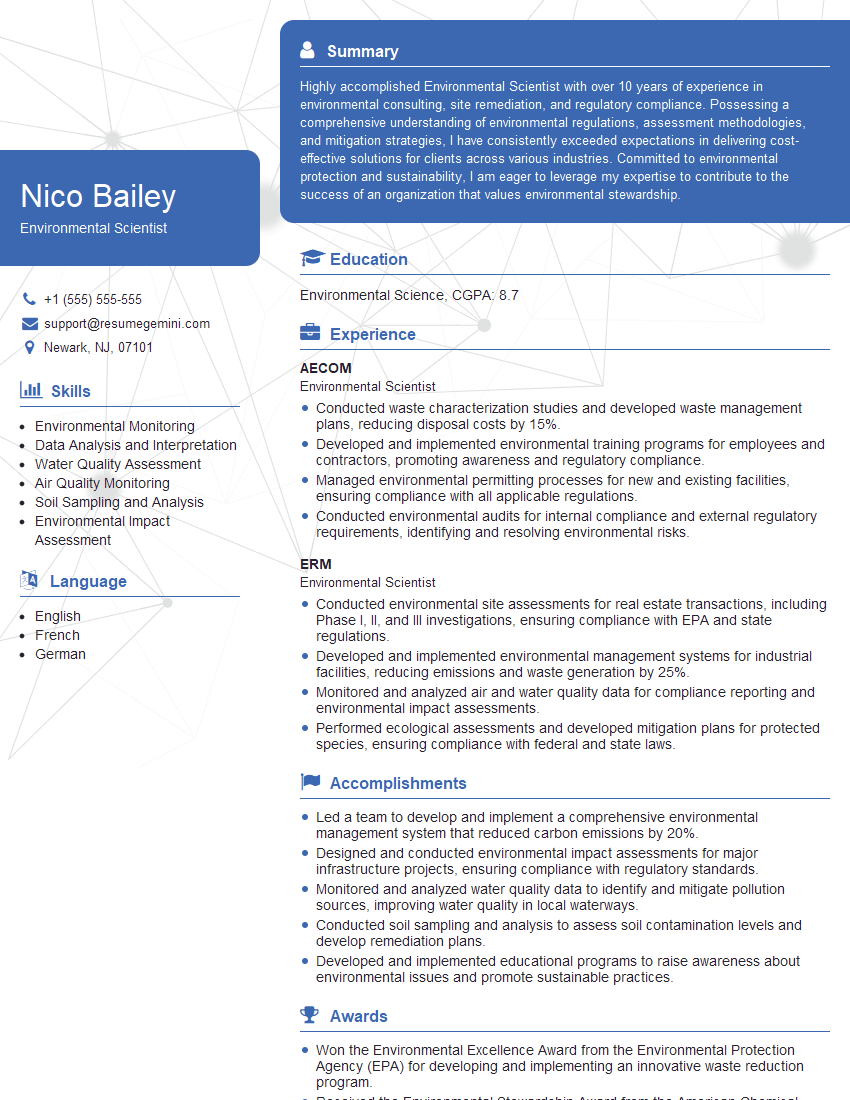
Environmental Scientist Resume Sample
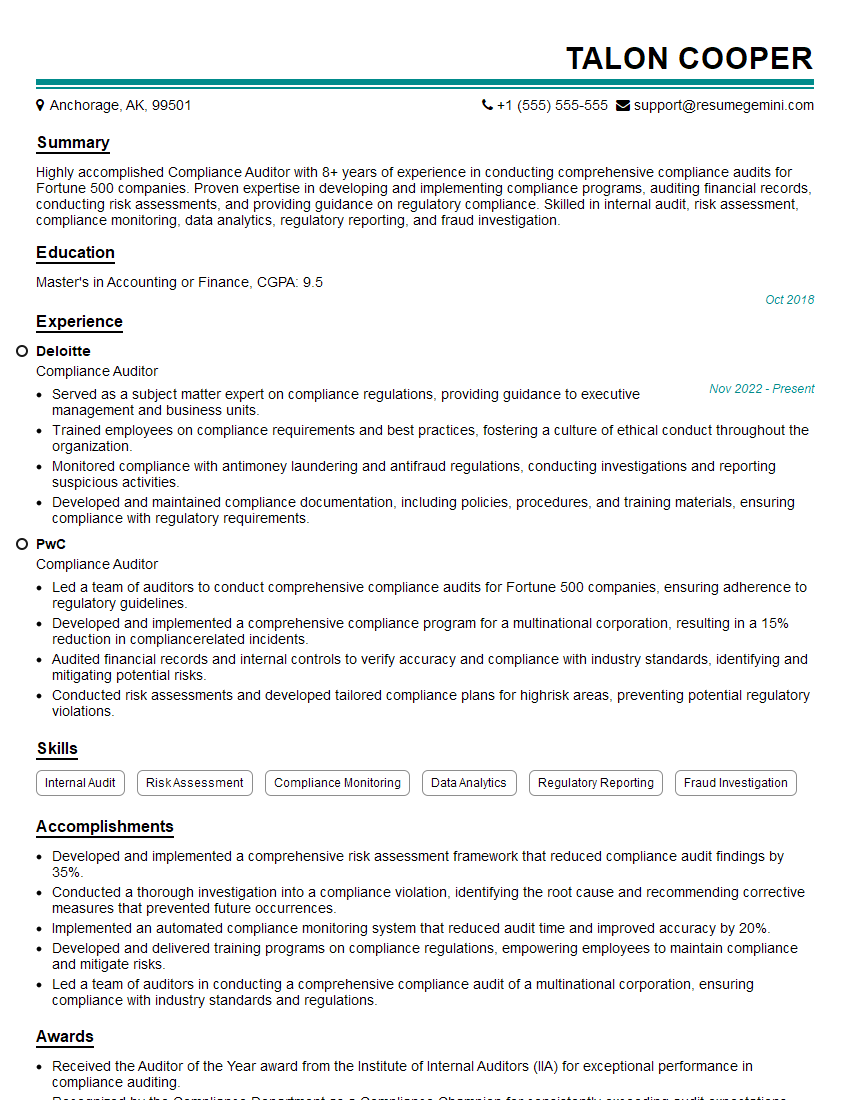
Compliance Auditor Resume Sample
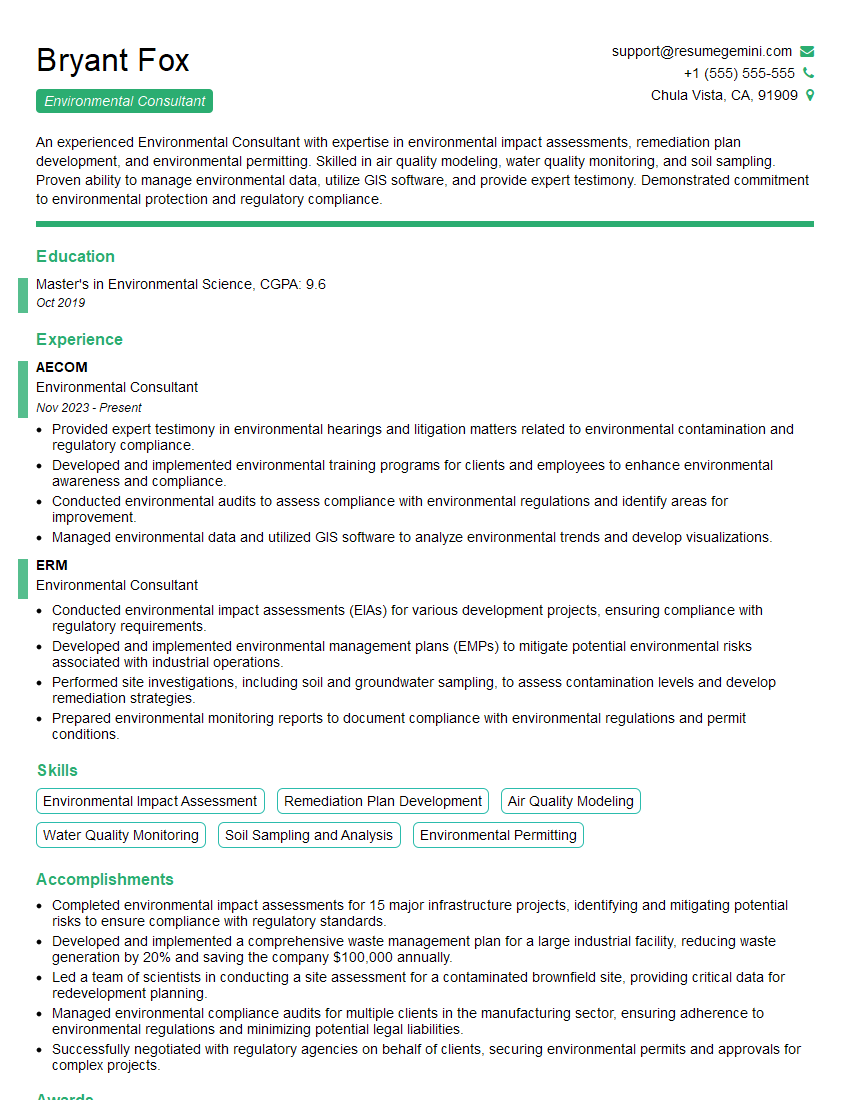
Environmental Consultant Resume Sample
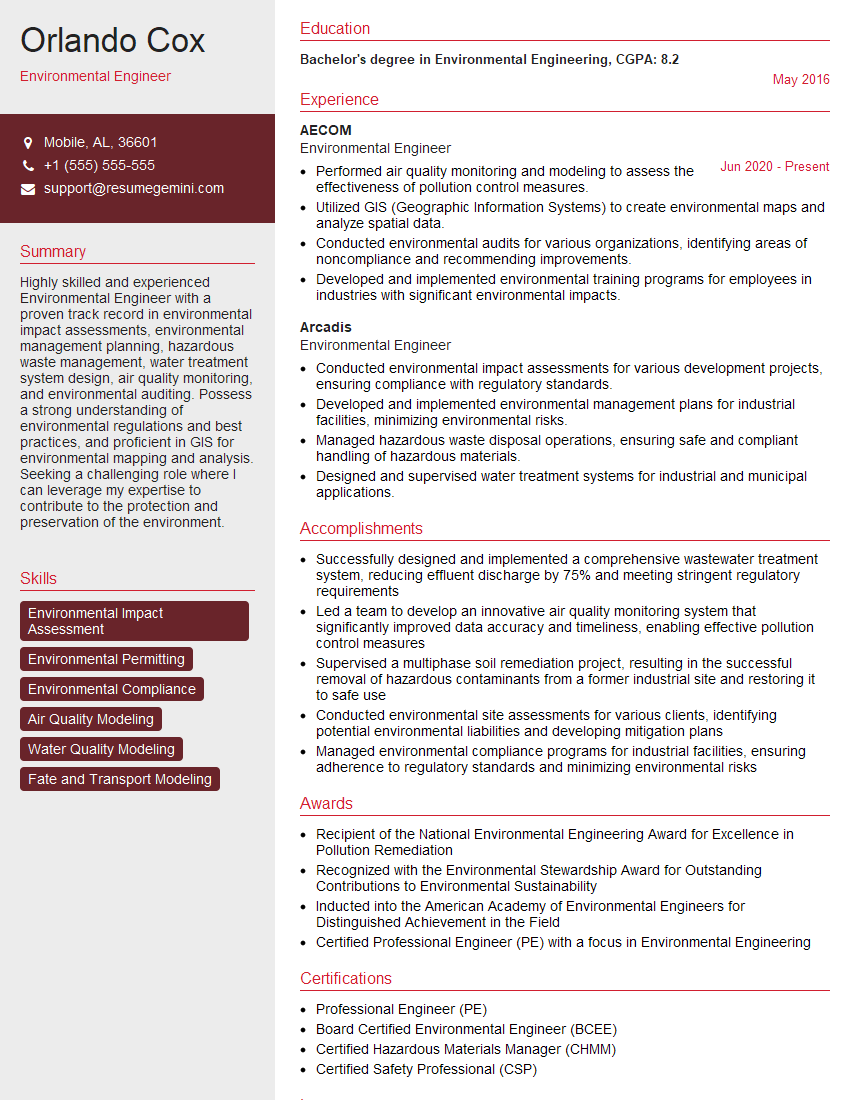
Environmental Engineer Resume Sample
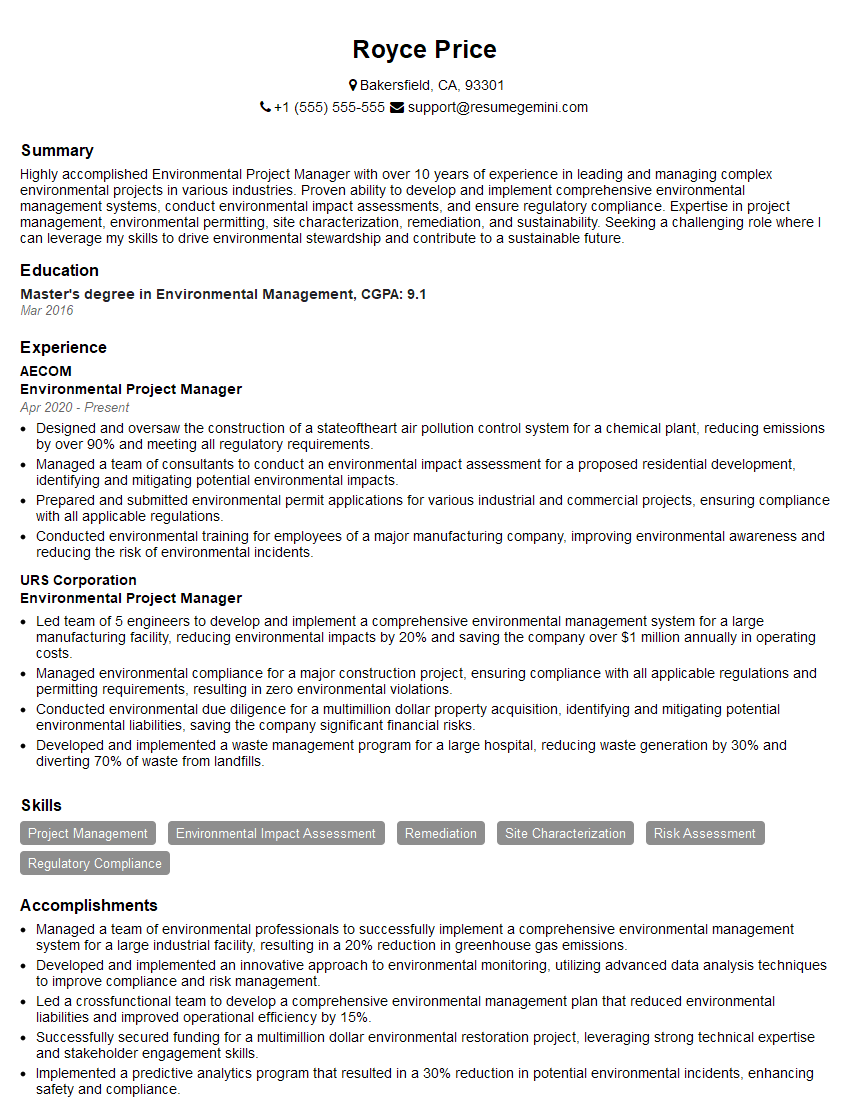
Environmental Project Manager Resume Sample
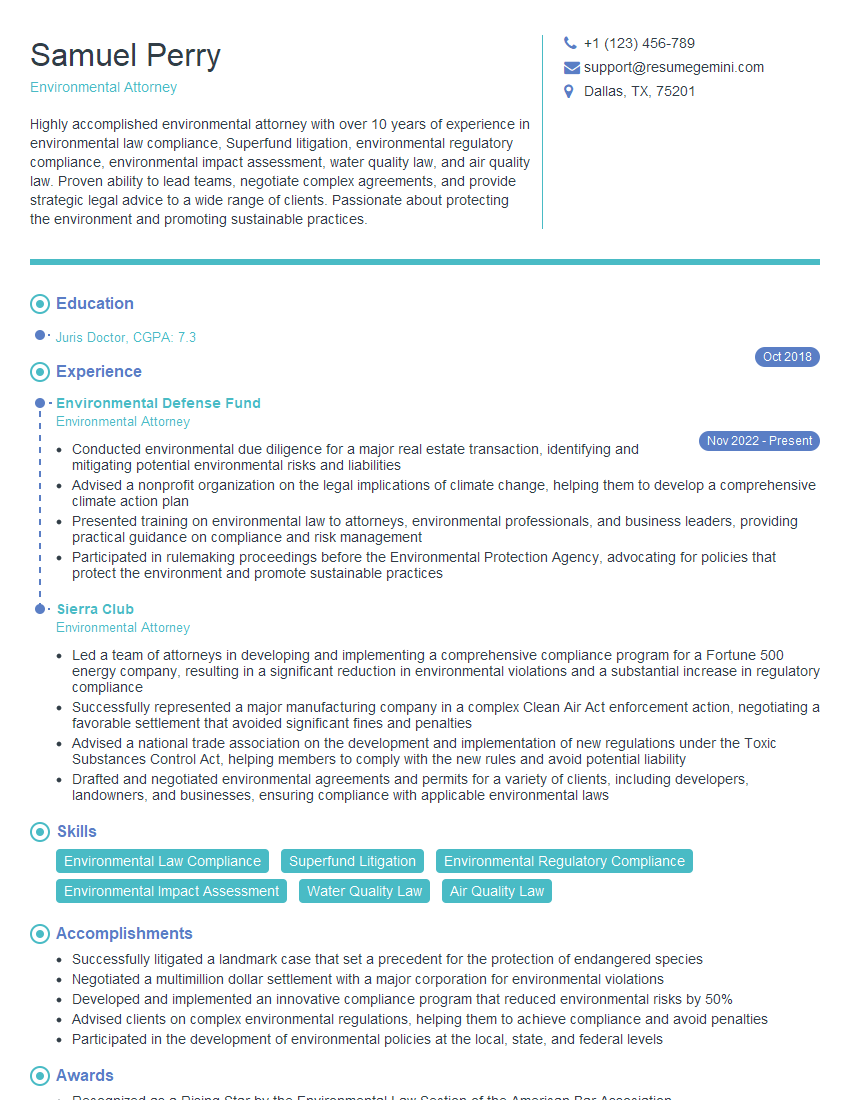
Environmental Attorney Resume Sample
- Sustainability Manager
- Water Quality Specialist
- Environmental Health and Safety Manager
- Regulatory Affairs Manager
- Regulatory Compliance Specialist
- Environmental Remediation Specialist
- Environmental Scientist
- Compliance Auditor
- Environmental Consultant
- Environmental Engineer
- Environmental Project Manager
- Environmental Attorney
Explore more articles
Users Rating of Our Blogs
Share Your Experience
We value your feedback! Please rate our content and share your thoughts (optional).
What Readers Say About Our Blog
Very informative content, great job.
good