The thought of an interview can be nerve-wracking, but the right preparation can make all the difference. Explore this comprehensive guide to Using Inspection Equipment interview questions and gain the confidence you need to showcase your abilities and secure the role.
Questions Asked in Using Inspection Equipment Interview
Q 1. Describe your experience with different types of inspection equipment.
My experience with inspection equipment spans a wide range, encompassing both visual and non-destructive testing (NDT) methods. I’m proficient in using various tools, from simple measuring instruments like calipers and micrometers to sophisticated NDT equipment such as ultrasonic testing (UT) systems, liquid penetrant inspection (LPI) systems, and magnetic particle inspection (MPI) systems. I’ve also worked extensively with optical comparators and borescopes for detailed visual inspections.
For example, in a recent project involving the inspection of aircraft components, I utilized UT to detect internal flaws in metal parts, LPI to find surface cracks, and visual inspection with a borescope to examine hard-to-reach areas within engine casings. Each technique provided complementary data, leading to a comprehensive assessment of component integrity.
Q 2. Explain the principles of non-destructive testing (NDT).
Non-destructive testing (NDT) involves evaluating the properties of a material, component, or system without causing damage. The core principle lies in using various physical phenomena to detect internal flaws or measure properties like thickness, hardness, or composition. Different NDT methods exploit different principles:
- Ultrasonic Testing (UT): Uses high-frequency sound waves to detect internal flaws; reflections indicate discontinuities.
- Radiographic Testing (RT): Employs X-rays or gamma rays to penetrate the material; variations in density or thickness show up on film or digital images.
- Liquid Penetrant Inspection (LPI): A dye penetrates surface-breaking flaws, which are then revealed by a developer.
- Magnetic Particle Inspection (MPI): Uses magnetic fields and ferromagnetic particles to detect surface and near-surface flaws in ferromagnetic materials.
The choice of NDT method depends heavily on the material, the type of defect anticipated, and accessibility. For instance, UT is excellent for detecting internal flaws in metals, while LPI is ideal for surface cracks in various materials.
Q 3. What are the limitations of visual inspection?
Visual inspection, while seemingly simple, has significant limitations. Its accuracy depends heavily on the inspector’s experience, lighting conditions, and the accessibility of the area being inspected. Here are some key limitations:
- Limited Depth of Field: Visual inspection only assesses surface features; internal flaws remain undetected.
- Subjectivity: Interpretation of findings can be subjective, leading to inconsistencies between inspectors.
- Accessibility Issues: Inspecting hard-to-reach areas can be challenging, potentially missing critical defects.
- Small Defect Detection: Very small or subtle defects might be missed without magnification or specialized lighting.
For example, a small crack hidden in a crevice might be easily missed during a visual inspection but readily detected using LPI.
Q 4. How do you ensure the accuracy and reliability of your inspection results?
Ensuring accuracy and reliability is paramount. My approach involves a multi-pronged strategy:
- Calibration and Verification: All inspection equipment is regularly calibrated and verified against traceable standards to guarantee accuracy. This includes dimensional measuring tools and NDT equipment.
- Standard Operating Procedures (SOPs): I strictly adhere to documented SOPs for each inspection type, ensuring consistent methods and minimizing variability.
- Independent Verification: When feasible, I incorporate independent verification checks to confirm the accuracy of my findings. A second inspector might review critical inspection results.
- Data Recording and Documentation: I meticulously record all inspection data, including equipment settings, observed defects, and photographic evidence. This documentation is essential for traceability and audit purposes.
- Continuous Professional Development: I stay updated on the latest inspection techniques and best practices through training and professional certifications.
For instance, during UT, I always use multiple scans and calibration blocks to ensure the accuracy of the measurements.
Q 5. What is your experience with dimensional measuring equipment (e.g., calipers, micrometers)?
I have extensive experience using various dimensional measuring equipment, including vernier calipers, micrometers, dial indicators, and height gauges. I am adept at using these tools to measure dimensions accurately, ensuring tolerances are met during manufacturing processes and quality inspections.
For example, I regularly use micrometers to precisely measure the thickness of thin metal sheets, and calipers to verify the dimensions of machined parts, ensuring they fall within the specified tolerances. My proficiency extends to understanding the limitations and systematic errors associated with each instrument and employing appropriate techniques to minimize measurement uncertainties.
Q 6. Describe your experience with ultrasonic testing (UT).
My ultrasonic testing (UT) experience encompasses both manual and automated methods, using various probes and techniques to inspect a wide range of materials, including metals, composites, and plastics. I’m familiar with different UT techniques like pulse-echo and through-transmission to detect various flaws, such as cracks, voids, and inclusions.
In a previous role, I used UT to inspect welds in pressure vessels to ensure they met stringent safety standards. This involved selecting appropriate probes, calibrating the equipment using reference blocks, and interpreting the resulting waveforms to identify and characterize defects. My ability to accurately interpret the ultrasonic signals and correlate them with the physical characteristics of the weld is crucial for ensuring safety and reliability.
Q 7. Explain the process of creating an inspection report.
Creating a comprehensive inspection report is a crucial step to communicate the findings clearly and concisely. The report typically includes:
- Project Identification: Clear identification of the inspected component or system.
- Inspection Date and Inspector’s Name: Essential for traceability.
- Inspection Methods Used: Detailed description of the inspection techniques employed.
- Equipment Information: Specifications of the inspection equipment used.
- Results: Clear and unambiguous presentation of findings, including measurements, locations, and descriptions of any defects detected.
- Photographs and Diagrams: Visual aids to help illustrate the location and nature of detected defects.
- Conclusions and Recommendations: Summary of the overall inspection results and recommendations for corrective actions.
A well-structured report ensures the information is easily understood by stakeholders and facilitates effective decision-making about the inspected item’s serviceability or the need for repairs.
Q 8. How do you handle discrepancies found during inspection?
Handling discrepancies found during inspection involves a systematic approach. First, I meticulously document the discrepancy, including its location, type, severity, and any relevant measurements. I then use high-resolution images and/or detailed sketches to support the documentation. Next, I analyze the root cause of the discrepancy. This often involves reviewing the inspection procedures, checking for equipment malfunctions, or considering potential process errors. Depending on the severity and nature of the discrepancy, I may recommend corrective actions, such as repair, rework, or rejection of the inspected item. For example, if I find a significant crack during a visual inspection of a weld, I’d immediately document it, take clear photos, and recommend further Non-Destructive Testing (NDT) such as ultrasonic testing to assess the depth and extent of the damage before deciding on a course of action. Communication is key; I always ensure that the findings are clearly communicated to the relevant parties, including supervisors and engineers, to facilitate a timely and effective resolution.
Q 9. What safety precautions do you follow when using inspection equipment?
Safety is paramount when using inspection equipment. My safety practices begin with a thorough understanding of the equipment’s operating manual and any relevant safety data sheets (SDS). I always wear appropriate Personal Protective Equipment (PPE), including safety glasses, gloves, and hearing protection, as required by the specific equipment and the inspection environment. I ensure the inspection area is properly lit and free of obstructions to prevent tripping hazards. For equipment that utilizes ionizing radiation, such as radiography, I adhere to strict radiation safety protocols, including using dosimeters, maintaining appropriate distances, and minimizing exposure time. Regularly scheduled equipment checks are also crucial, ensuring that safety interlocks are functional and emergency stop mechanisms are readily accessible. For example, before operating a portable ultrasonic flaw detector, I ensure the probe cable is not frayed and the unit is properly grounded to avoid electrical shocks. A disciplined approach to safety not only protects me but also contributes to a safer working environment for my colleagues.
Q 10. Describe your experience with magnetic particle testing (MT).
My experience with Magnetic Particle Testing (MT) encompasses various applications, from inspecting welds and castings to detecting surface and near-surface cracks in ferromagnetic materials. I’m proficient in both wet and dry methods, understanding the advantages and limitations of each. I’m familiar with different magnetization techniques, including longitudinal, circular, and multidirectional magnetization, selecting the appropriate technique based on the part geometry and suspected flaw orientation. For example, I’ve successfully used MT to detect fatigue cracks in a critical component of a wind turbine gearbox, preventing a potential catastrophic failure. I’m also experienced in interpreting MT indications, differentiating between relevant flaws and non-relevant indications like magnetic writing. Accurate interpretation requires careful consideration of the material properties, the magnetization technique, and the overall inspection procedure. I consistently adhere to relevant standards and best practices to ensure the reliability and accuracy of MT inspections.
Q 11. Explain your experience with liquid penetrant testing (PT).
Liquid Penetrant Testing (PT) is a valuable Non-Destructive Testing (NDT) method that I use frequently to detect surface-breaking flaws in various materials. I have experience with both visible dye penetrants and fluorescent penetrants, selecting the appropriate type based on the part’s geometry and surface finish. The process involves carefully cleaning the surface, applying the penetrant, allowing it to dwell, removing excess penetrant, applying a developer, and then inspecting for indications. I’m familiar with different developer types, including dry powder, wet developer, and water washable developers. For instance, I utilized PT to detect surface cracks on a critical aircraft component, ensuring its airworthiness. Accurate interpretation is vital in PT, differentiating between flaws and artifacts such as surface contaminants. Regular calibration and validation of the penetrant materials are essential to maintain the accuracy of the test results and prevent false indications. I meticulously follow established procedures and maintain detailed records of the entire inspection process.
Q 12. How do you calibrate inspection equipment?
Calibration of inspection equipment is crucial for maintaining accuracy and reliability. The frequency and methods of calibration vary depending on the type of equipment and relevant standards. For example, ultrasonic testing equipment requires calibration using standardized blocks with known flaw sizes to ensure accurate depth and size measurements. This involves setting the equipment’s gain, pulse repetition rate, and other parameters according to the manufacturer’s instructions and relevant standards like ASTM E114. For liquid penetrant testing, calibration involves checking the penetrant and developer’s effectiveness using standard test blocks with known artificial flaws. Similarly, magnetic particle testing equipment requires checks on the magnetic field strength and the overall system functionality. All calibration procedures are documented thoroughly, including dates, results, and any corrective actions taken. Calibration certificates are maintained as evidence of equipment accuracy and compliance. Regular calibration prevents measurement errors and ensures the integrity of the inspection results.
Q 13. What are the different types of measurement errors you are aware of?
Several types of measurement errors can affect inspection results. Systematic errors are consistent and repeatable, often stemming from faulty equipment calibration or improper instrument setup. For example, a consistently off-center reading on a micrometer would be a systematic error. Random errors are unpredictable and fluctuate, caused by factors such as variations in the inspected material or operator variability. Human error, such as misreading a gauge or misinterpreting an indication, is another significant source of error. Environmental factors such as temperature and humidity can also impact measurements. Finally, parallax error, caused by reading a scale from an incorrect angle, can also lead to inaccurate readings. Understanding these error sources is crucial for minimizing their impact, which often involves proper equipment calibration, standardized procedures, and effective training to reduce human error. Employing statistical methods for data analysis can help identify and mitigate the impact of random errors.
Q 14. Explain your experience with eddy current testing (ECT).
My experience with Eddy Current Testing (ECT) involves its application for detecting surface and subsurface flaws in conductive materials. I’m proficient in using various ECT probes and instruments, adjusting settings to optimize testing for different materials and flaw types. I’m familiar with different ECT techniques, such as absolute and differential testing, and understand their strengths and limitations. For instance, I used ECT to inspect the integrity of aircraft tubing, detecting cracks that might have compromised the structural safety of the aircraft. The interpretation of ECT signals requires a strong understanding of the principles of eddy current flow and the influence of material properties and flaw characteristics on the signals. I’m capable of recognizing various flaw types from ECT waveforms and determining their location and size with precision. Ongoing training and adherence to relevant standards ensure the reliability and accuracy of my ECT inspections.
Q 15. How do you interpret inspection data and identify potential defects?
Interpreting inspection data involves a systematic approach combining technical understanding with critical thinking. It starts with understanding the type of inspection performed – whether it’s visual, dimensional, or non-destructive testing (NDT) – and the standards or specifications against which the results are evaluated.
For example, in visual inspection, I’d look for surface imperfections like scratches, cracks, or corrosion, comparing them to acceptable limits defined in relevant industry standards or client specifications. Dimensional inspection might involve comparing measured dimensions to blueprint values, using tolerance ranges to determine acceptability. In NDT, interpreting data might involve analyzing radiographic images for internal flaws or evaluating ultrasonic test results for indications of discontinuities.
Identifying potential defects involves analyzing the deviations from these standards. This often includes considering the location, size, orientation, and nature of any observed discrepancy. Statistical analysis might be employed to establish patterns and trends, particularly when dealing with large datasets from automated inspection systems. I always carefully document my findings, including clear images and detailed descriptions, to support my conclusions.
Essentially, it’s like being a detective, meticulously examining clues (the data) to uncover the full story (the component’s condition). This process necessitates a keen eye for detail, a strong understanding of materials science and engineering principles, and excellent record-keeping practices.
Career Expert Tips:
- Ace those interviews! Prepare effectively by reviewing the Top 50 Most Common Interview Questions on ResumeGemini.
- Navigate your job search with confidence! Explore a wide range of Career Tips on ResumeGemini. Learn about common challenges and recommendations to overcome them.
- Craft the perfect resume! Master the Art of Resume Writing with ResumeGemini’s guide. Showcase your unique qualifications and achievements effectively.
- Don’t miss out on holiday savings! Build your dream resume with ResumeGemini’s ATS optimized templates.
Q 16. What is your experience with radiographic testing (RT)?
My experience with radiographic testing (RT) spans over eight years, encompassing various applications including weld inspection, casting evaluation, and composite material analysis. I’m proficient in both film and digital radiography, including techniques like X-ray and gamma ray testing. I am certified to Level II in accordance with ASNT standards.
I’m familiar with the intricacies of film processing, image interpretation, and the use of image analysis software for quantitative assessment of flaws. For instance, I’ve successfully identified and characterized subtle cracks in welds using high-resolution radiography, preventing potential failures in critical infrastructure components. I also have experience optimizing exposure parameters to achieve high-quality images while minimizing radiation exposure. My expertise includes determining film density, identifying artifacts, and accurately measuring flaw dimensions based on established standards and procedures.
Q 17. Describe your troubleshooting skills related to inspection equipment malfunctions.
Troubleshooting inspection equipment malfunctions requires a systematic and logical approach. I begin by carefully assessing the situation, gathering information from the equipment’s error messages, observing any unusual behavior, and checking environmental factors. This initial assessment helps narrow down potential causes.
For example, if an ultrasonic testing (UT) machine fails to display readings, I would systematically check the following: probe connections, transducer health, couplant application, machine power supply, and calibration. If an issue with the probe is suspected, I might try a different probe. A systematic approach ensures that I am not wasting time testing aspects of the system that are likely unrelated to the malfunction.
My experience includes working on various types of inspection equipment, encompassing mechanical, electrical, and software components. I am comfortable using diagnostic tools, schematics, and technical manuals to identify and resolve problems. I prioritize safety and adhere strictly to relevant operating procedures when troubleshooting equipment, especially for systems that involve hazardous energy sources like X-ray machines.
If the problem persists beyond my troubleshooting capabilities, I document the issue thoroughly and escalate it to the appropriate personnel for repair or replacement.
Q 18. How do you maintain inspection equipment?
Maintaining inspection equipment is critical for ensuring accurate and reliable results. My maintenance approach is proactive rather than reactive, focusing on preventative measures to avoid costly downtime and ensure the longevity of the equipment.
This includes regular calibration checks against traceable standards, using certified reference standards to validate measurements. I meticulously document all calibration activities in compliance with quality management systems. I also perform routine inspections, cleaning, and lubrication as per the manufacturer’s recommendations. This may involve cleaning optical components on a visual inspection system, checking the integrity of cables on an ultrasonic system or checking the integrity of the X-ray tube on an X-ray machine.
For more complex equipment, I follow the manufacturer’s instructions for preventative maintenance, often involving specific tasks and intervals. This may include changing filters, replacing worn parts, and running diagnostic software. I always maintain detailed records of all maintenance activities, including dates, procedures performed, and any parts replaced. This helps track equipment history, identify trends, and schedule future maintenance efficiently.
Q 19. What are your experience with using computer aided inspection software?
I have extensive experience using computer-aided inspection (CAI) software, including applications for dimensional measurement, image analysis, and data management. I am proficient in various software packages such as [mention specific software packages – e.g., AutoCAD, SolidWorks Inspection, specialized NDT software].
CAI software streamlines the inspection process, significantly enhancing accuracy, efficiency, and data analysis capabilities. For instance, in a recent project involving the inspection of complex aerospace components, I utilized 3D scanning and CAD software to create digital models for comparison with the actual parts. This allowed for precise dimensional measurements and the identification of even minute deviations from specifications. The software also generated detailed reports with images and quantitative data, eliminating the need for manual data entry and reducing the potential for human error.
My expertise extends to using data analysis tools within these applications to identify trends, assess the severity of defects, and generate comprehensive reports. Furthermore, I’m comfortable integrating CAI software with other systems to manage inspection data efficiently, including creating databases and dashboards for quality control purposes.
Q 20. Describe a situation where you had to make a critical decision based on inspection findings.
During an inspection of a pressure vessel used in a chemical plant, I discovered several significant corrosion pits exceeding acceptable limits during a visual inspection and a subsequent ultrasonic testing. This posed a serious safety risk as the vessel was operating near its maximum pressure. My initial recommendation was to immediately shut down the vessel and take it out of service for repair, which was a disruptive and costly decision for the plant.
However, based on my years of experience and the criticality of the situation, I knew that the safety of the workers and the integrity of the system were paramount. I documented my findings meticulously, including detailed photographs and measurements, and presented a compelling case for the immediate shutdown to the plant management. Despite initial hesitation due to potential production losses, my detailed evidence and clear explanation of the risks convinced the management to approve the immediate shutdown and subsequent repair of the vessel, preventing a potentially catastrophic failure.
This situation highlighted the importance of accurate inspection, detailed documentation, and the ability to communicate effectively and persuasively when dealing with high-stakes decisions related to safety and critical infrastructure.
Q 21. How do you stay current with advancements in inspection techniques and equipment?
Staying current in the field of inspection techniques and equipment is essential. I actively participate in professional development activities, including attending conferences, workshops, and webinars organized by organizations like ASNT (American Society for Nondestructive Testing). These events allow me to learn about the latest advancements and best practices. I also actively engage in online learning platforms and regularly review industry publications and journals to keep abreast of new technologies and research findings.
I regularly update my certifications and maintain membership in professional organizations. This ensures I am familiar with the most recent codes, standards, and regulations governing inspection practices. I actively seek opportunities to participate in training courses related to new inspection technologies or techniques, particularly those involving advanced imaging techniques or automation. Continual learning is a critical aspect of my professional development.
Moreover, I regularly network with colleagues within the industry to exchange knowledge and learn about new technologies from practical experience. This combination of formal and informal learning ensures that I maintain a high level of expertise and stay ahead of the curve in this rapidly evolving field.
Q 22. Explain your understanding of statistical process control (SPC) in relation to inspection.
Statistical Process Control (SPC) is a powerful tool used in manufacturing and inspection to monitor and control the variability in a process. It’s essentially a method for preventing defects by identifying trends and potential problems before they lead to widespread issues. We use SPC charts, like control charts (e.g., X-bar and R charts, p-charts, c-charts), to graphically display data collected during the inspection process. These charts show the process mean and variability over time. By analyzing these charts, we can quickly spot any deviations from the established control limits, indicating a potential shift in the process and the need for corrective action.
For example, imagine we’re inspecting the diameter of a manufactured part. We’d collect samples at regular intervals, measure their diameters, and plot the data on an X-bar and R chart. If the data consistently falls within the control limits, it suggests the process is stable and producing parts within the acceptable range. However, if a point falls outside the control limits or a pattern emerges (e.g., a consistent upward or downward trend), it indicates a potential problem—perhaps a machine needs recalibration or the raw material is inconsistent—requiring immediate investigation and adjustment to prevent defects.
Q 23. What are the common standards and codes you adhere to during inspections?
My inspections adhere to a variety of standards and codes depending on the industry and the specific product. Common ones include:
- ISO 9001: This is a globally recognized quality management standard that focuses on continuous improvement and customer satisfaction. Many companies I’ve worked with operate under this framework, and my inspection processes align with its principles.
- ASME Codes and Standards: In projects involving pressure vessels, boilers, or other related equipment, ASME codes dictate strict inspection procedures to ensure safety and reliability. I’m proficient in applying the relevant sections depending on the specific application.
- Industry-Specific Standards: Different industries have their own unique standards. For instance, in the automotive industry, I’d be familiar with standards related to vehicle safety and performance. I’ve had experience working with these industry-specific documents, which dictate the detailed inspection criteria.
- Customer-Specific Requirements: Often, clients have their own unique specifications that go beyond the standard codes. I’m adept at understanding and following these requirements to meet their particular needs.
Understanding and adhering to these standards is crucial for maintaining quality, ensuring safety, and meeting legal and regulatory requirements.
Q 24. Describe your proficiency in using different types of measuring instruments.
I’m proficient in using a wide range of measuring instruments, from basic tools to sophisticated equipment. My experience includes:
- Calipers (Vernier and Digital): For precise measurements of dimensions.
- Micrometers: For even higher precision measurements, often down to micrometers.
- Optical Comparators: To check part geometry and compare it against a master template.
- Coordinate Measuring Machines (CMMs): For highly accurate 3D measurements of complex parts.
- Gauges (Plug, Ring, Go/No-Go): To quickly check if a part falls within acceptable tolerances.
- Thickness Gauges: To measure the thickness of materials.
- Spectrometers and other advanced equipment: For materials analysis and testing, depending on the inspection needs.
I understand the importance of instrument calibration and regularly check for accuracy. Proper instrument handling and understanding their limitations are vital to ensuring the accuracy and reliability of my inspections.
Q 25. How do you prioritize multiple inspection tasks with varying deadlines?
Prioritizing multiple inspection tasks with varying deadlines requires a structured approach. I typically utilize a combination of techniques:
- Prioritization Matrix: I use a matrix to rate each task based on urgency and importance. This helps to quickly identify the most critical tasks that need immediate attention.
- Timeline Management: I create a detailed timeline for each task, breaking down larger projects into smaller, manageable steps. This enhances visibility and helps me stay on track.
- Resource Allocation: If several tasks are urgent and demand simultaneous attention, I would assess whether resources (equipment, personnel, etc.) can be effectively allocated to handle them concurrently.
- Communication: Open communication with stakeholders, such as team members and management, is crucial. Keeping everyone informed on potential delays or shifts in priorities enables collaborative problem-solving.
For instance, if I have a critical safety inspection with a tight deadline and another routine inspection, the safety inspection would undoubtedly take precedence. Efficient task management prevents conflicts and delays while maximizing productivity.
Q 26. How do you manage your time effectively during inspections?
Effective time management during inspections involves planning, organization, and execution. My strategies include:
- Pre-Inspection Planning: Before starting an inspection, I carefully review all documentation, including blueprints, specifications, and inspection checklists. This ensures I’m prepared and know exactly what to look for.
- Organized Workflow: I follow a structured workflow, moving systematically through the inspection process. This helps me to avoid missing anything important and prevents unnecessary backtracking.
- Efficient Use of Tools: Selecting the right tools and equipment for the job saves time and enhances accuracy. Having necessary tools readily accessible prevents delays.
- Detailed Documentation: I diligently document my findings, taking clear photos and notes. This ensures a complete record and facilitates future analysis.
- Regular Breaks: Taking short, planned breaks prevents burnout and keeps me focused throughout the inspection. This enhances productivity and accuracy.
By following these strategies, I can complete inspections efficiently while maintaining a high level of accuracy and attention to detail.
Q 27. What are your strengths and weaknesses as an inspection professional?
Strengths: My biggest strength is my meticulous attention to detail. I am thorough and methodical in my approach, ensuring that I identify even the smallest defects. I am also highly adaptable and possess excellent problem-solving skills; I’ve often successfully navigated unexpected challenges during complex inspections. My proficiency in utilizing various inspection equipment and my ability to interpret technical drawings and specifications further enhance my capabilities.
Weaknesses: While detail-oriented, I can sometimes be meticulous to a fault and, in certain instances, may benefit from refining my ability to prioritize tasks with multiple high-priority needs, potentially employing more advanced project management techniques for larger-scale projects. However, I actively work on improving this area by continually refining my time management techniques and project planning approaches.
Q 28. Explain your experience with different types of industrial inspection processes
My experience encompasses a wide range of industrial inspection processes, including:
- Visual Inspection: This is the most fundamental type of inspection, involving careful visual examination of parts for defects like cracks, scratches, or dimensional inaccuracies. I’m adept at using magnification tools (microscopes) where necessary for enhanced clarity.
- Dimensional Inspection: Using various measuring instruments (as discussed earlier) to verify that parts conform to the specified dimensions and tolerances.
- Non-Destructive Testing (NDT): I have experience in several NDT methods, including:
- Ultrasonic Testing (UT): Detecting internal flaws in materials using sound waves.
- Magnetic Particle Inspection (MPI): Identifying surface and near-surface cracks in ferromagnetic materials.
- Liquid Penetrant Testing (LPT): Detecting surface cracks in various materials.
- Destructive Testing: In situations requiring verification of material strength or other properties, destructive testing methods (e.g., tensile testing) might be needed. While not directly an inspection process, I can prepare specimens and understand the results.
I am comfortable adapting my approach depending on the specific industry, material, and application. My experience allows me to select the most appropriate inspection techniques to ensure thorough and accurate results.
Key Topics to Learn for Using Inspection Equipment Interview
- Types of Inspection Equipment: Understanding the various types of equipment used in different industries (e.g., visual inspection tools, non-destructive testing equipment, dimensional measuring devices) and their applications.
- Calibration and Maintenance: Knowing the importance of regular calibration and preventative maintenance to ensure accuracy and reliability of inspection results. Practical experience with calibration procedures and troubleshooting malfunctions will be beneficial.
- Data Interpretation and Reporting: Mastering the ability to accurately interpret data obtained from inspection equipment and effectively communicate findings through clear and concise reports. This includes understanding data analysis techniques and relevant standards.
- Safety Procedures and Regulations: Demonstrating a thorough understanding of safety protocols associated with the specific types of inspection equipment used, and adherence to relevant industry regulations and standards.
- Troubleshooting and Problem-Solving: Being able to identify and troubleshoot common issues encountered while using inspection equipment. This includes understanding potential sources of error and implementing effective solutions.
- Specific Industry Standards and Codes: Familiarity with relevant industry standards and codes of practice related to inspection procedures and documentation within your target industry.
- Quality Control and Assurance Principles: Understanding the role of inspection equipment in maintaining quality control and assurance within a manufacturing or production environment.
Next Steps
Mastering the use of inspection equipment is crucial for career advancement in many high-demand fields, opening doors to specialized roles and higher earning potential. A strong resume is your key to unlocking these opportunities. Crafting an ATS-friendly resume is essential to ensuring your application gets seen by recruiters. To help you create a compelling and effective resume, we recommend using ResumeGemini. ResumeGemini provides a user-friendly platform and valuable tools to build a professional resume that highlights your skills and experience. Examples of resumes tailored to Using Inspection Equipment are available to guide you. Take the next step in your career journey today!

Quality Control Manager Resume Sample
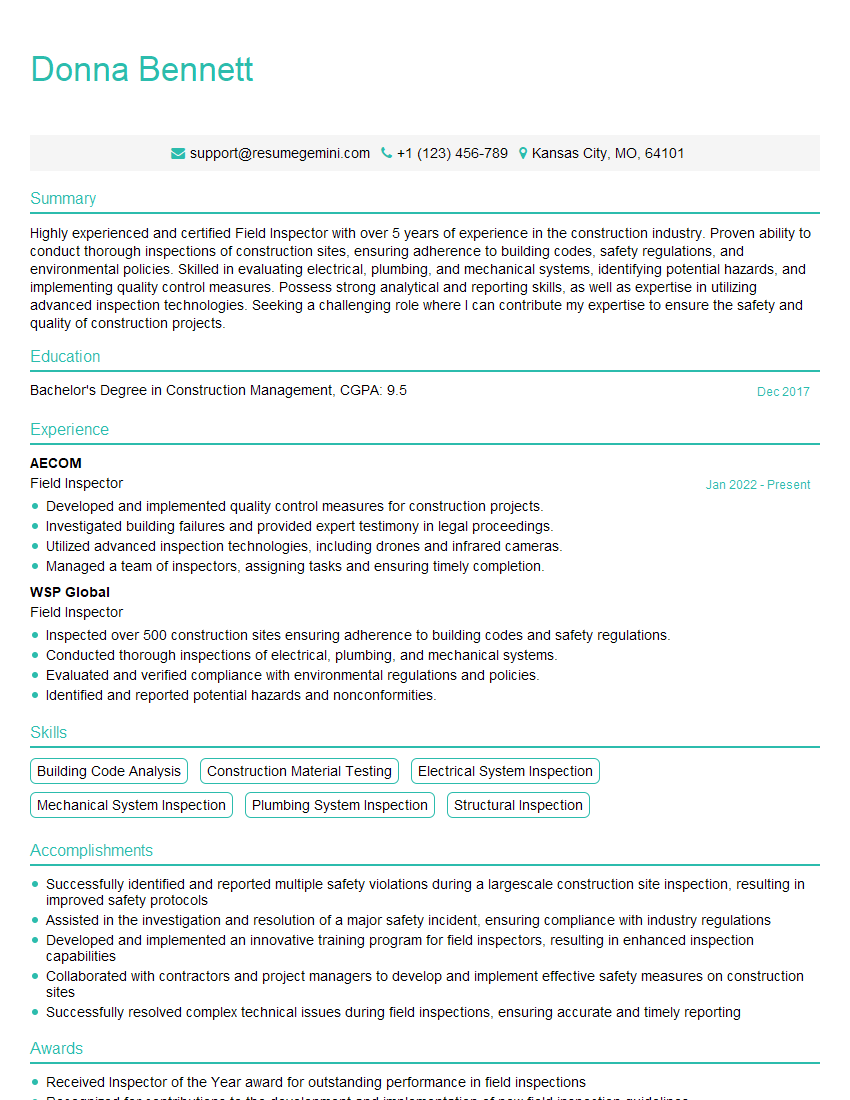
Field Inspector Resume Sample
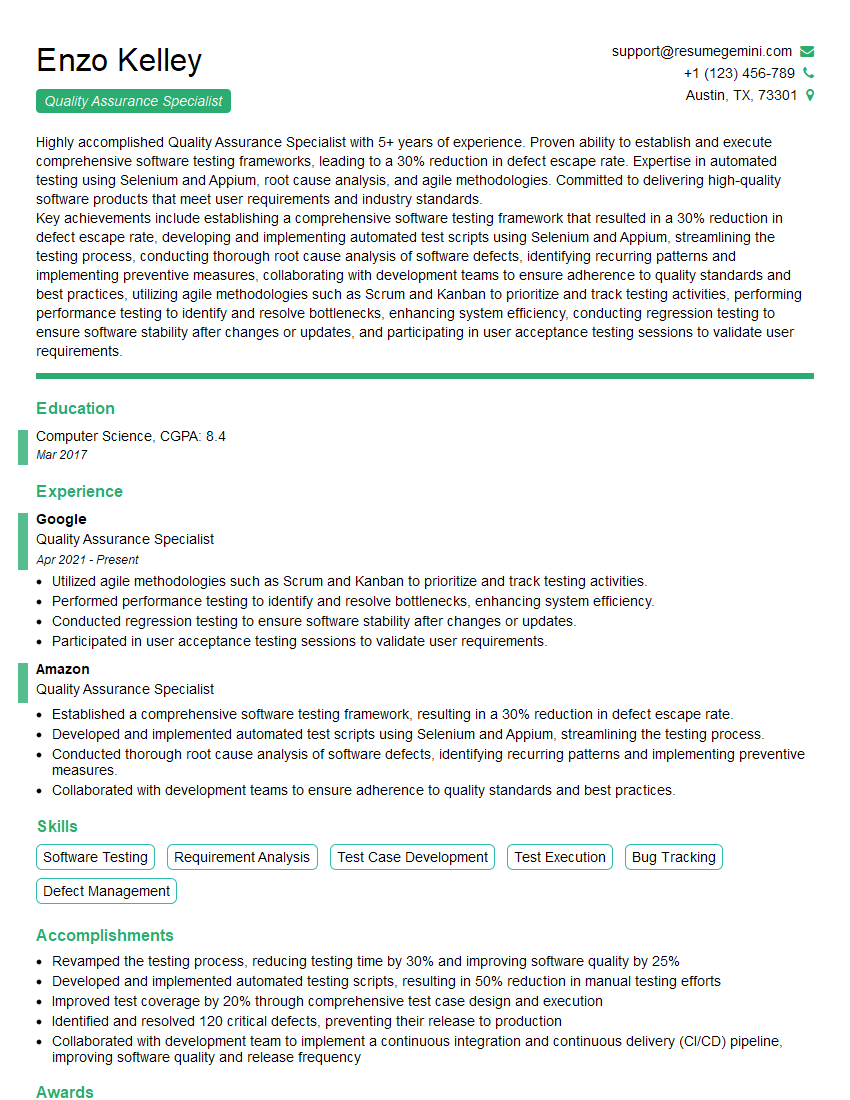
Quality Assurance Specialist Resume Sample
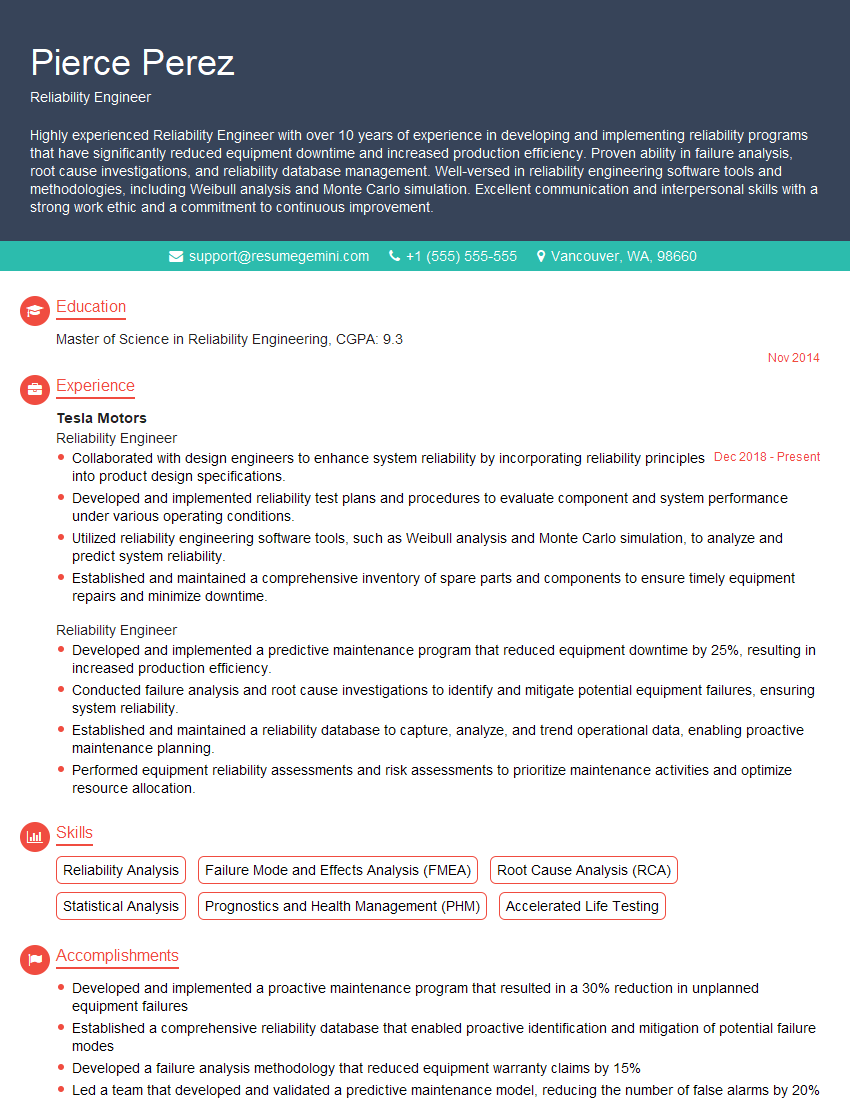
Reliability Engineer Resume Sample
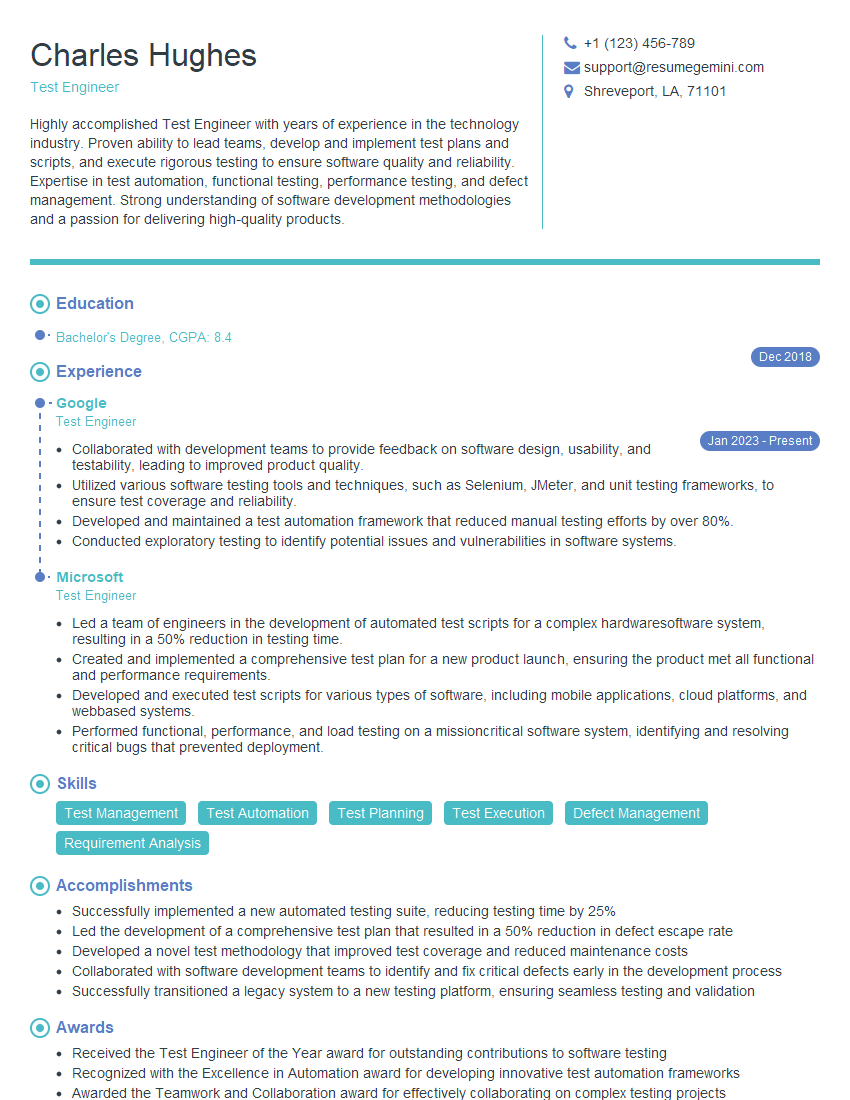
Test Engineer Resume Sample
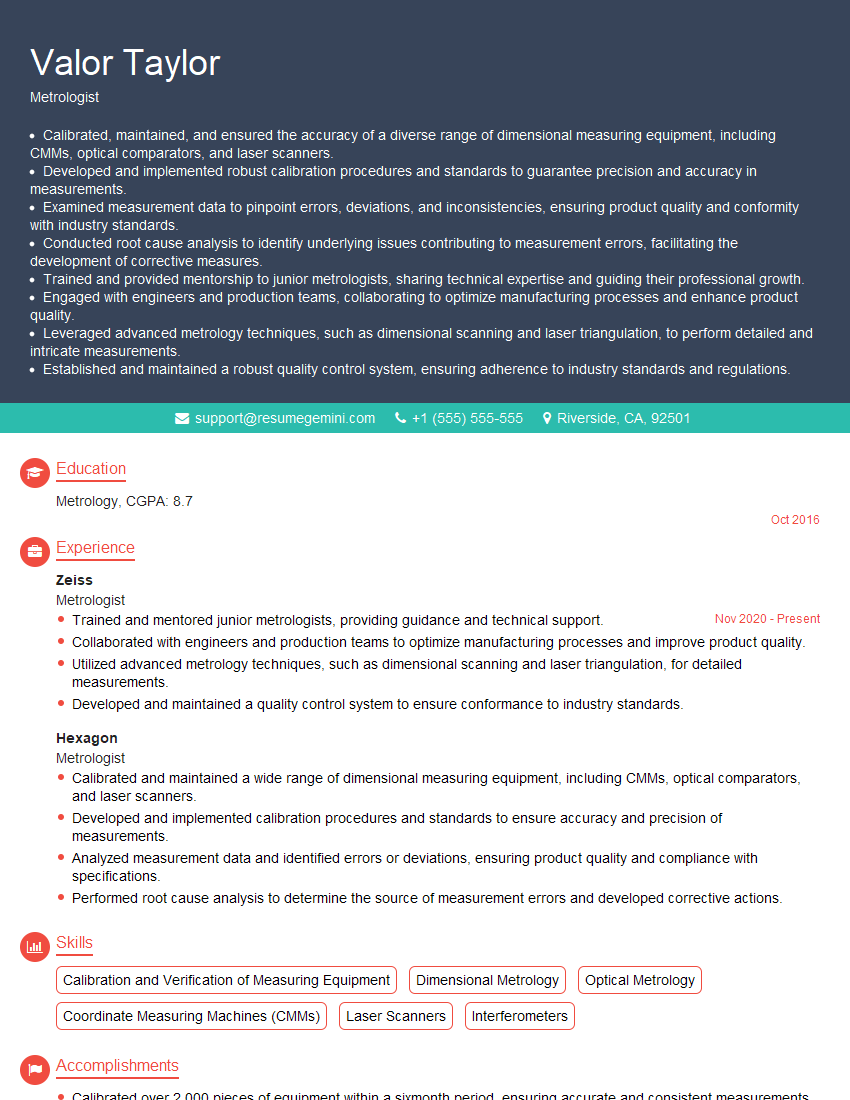
Metrologist Resume Sample

Safety Inspector Resume Sample
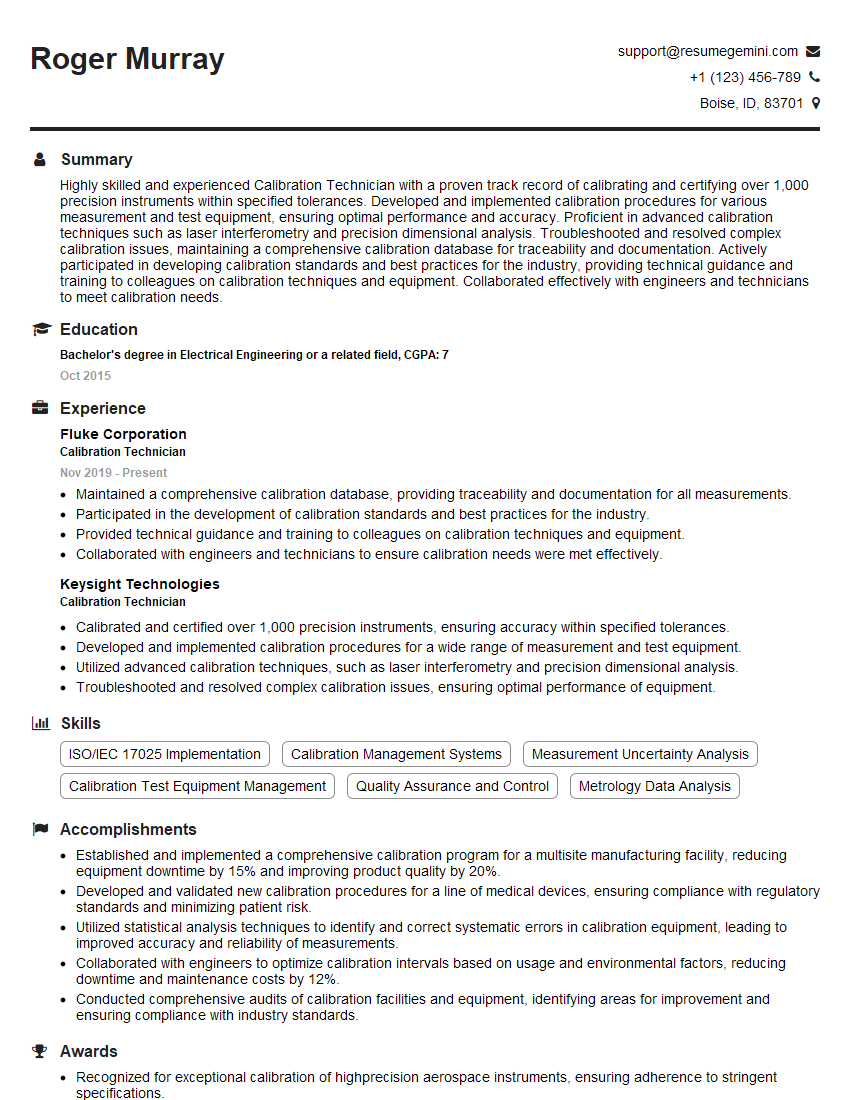
Calibration Technician Resume Sample
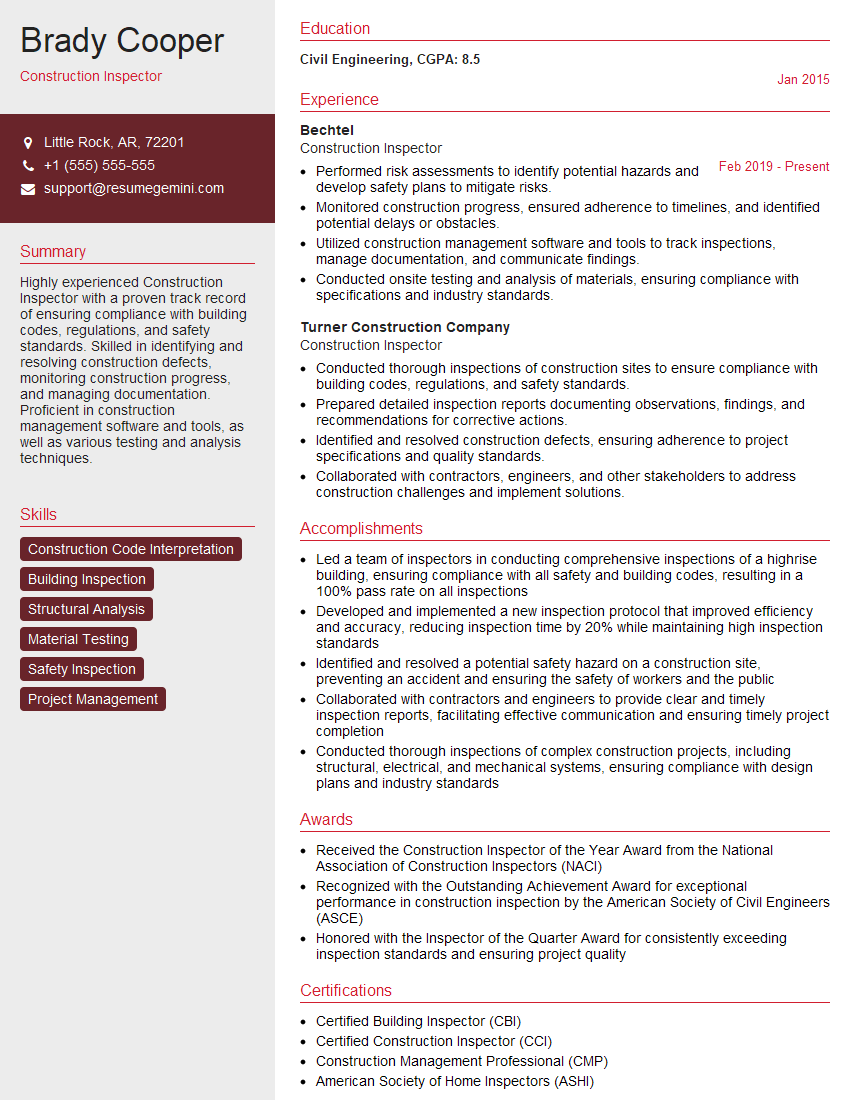
Construction Inspector Resume Sample
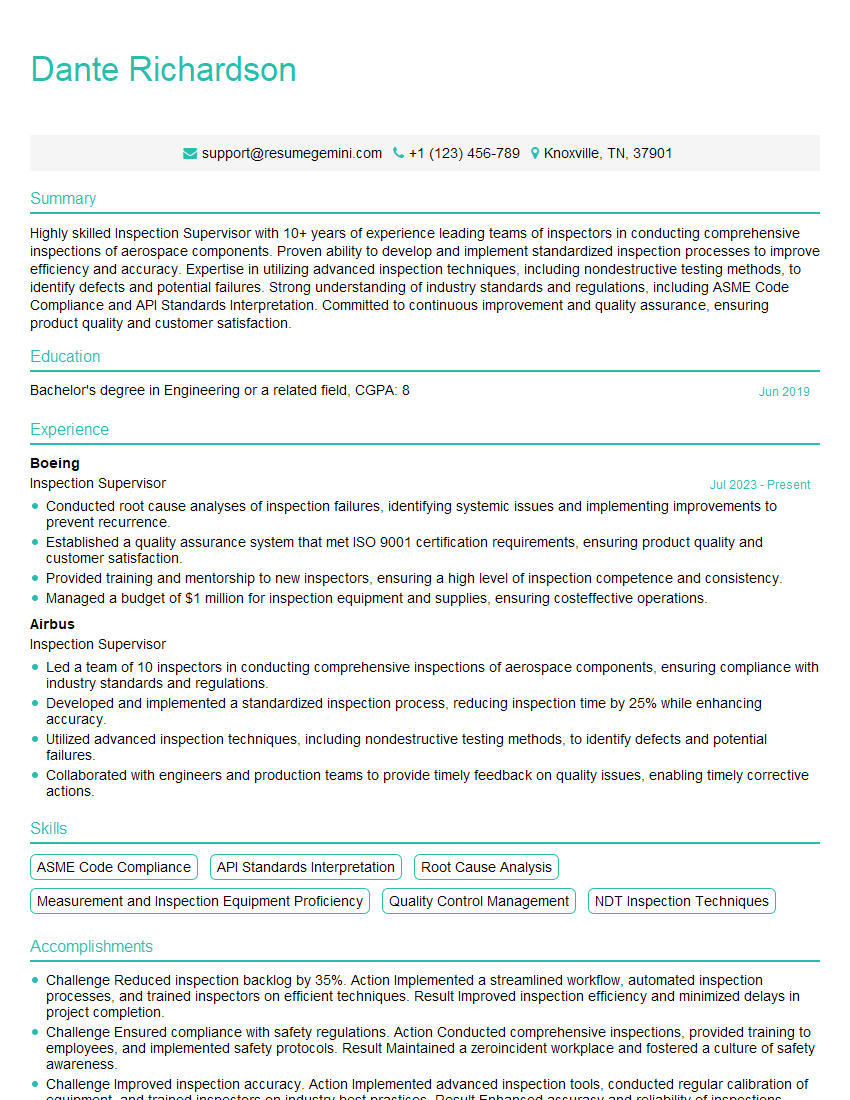
Inspection Supervisor Resume Sample
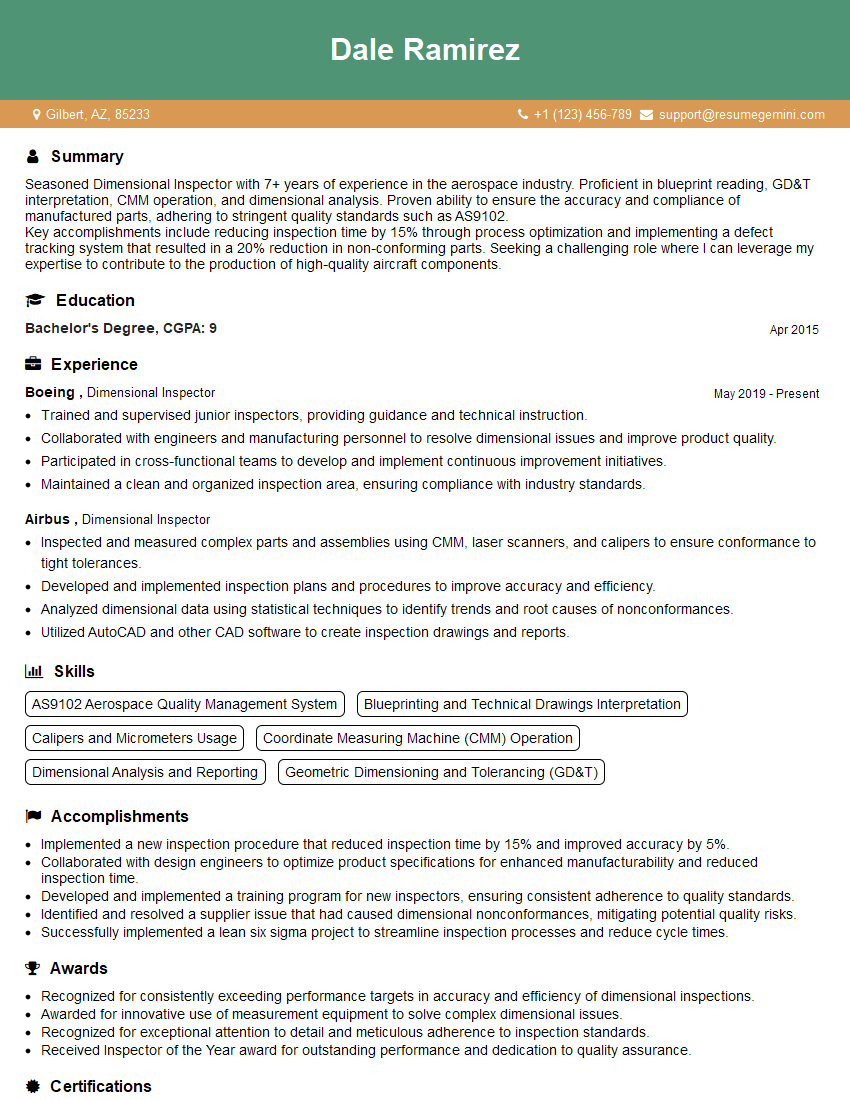
Dimensional Inspector Resume Sample
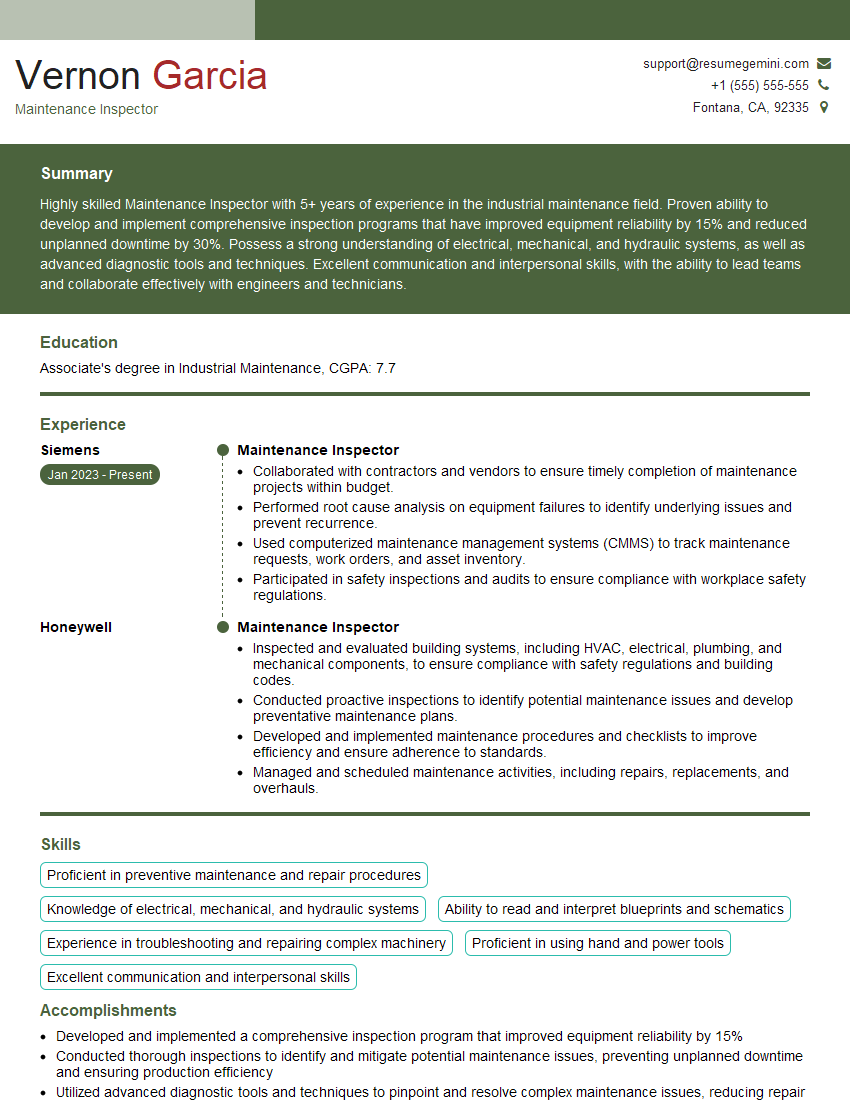
Maintenance Inspector Resume Sample
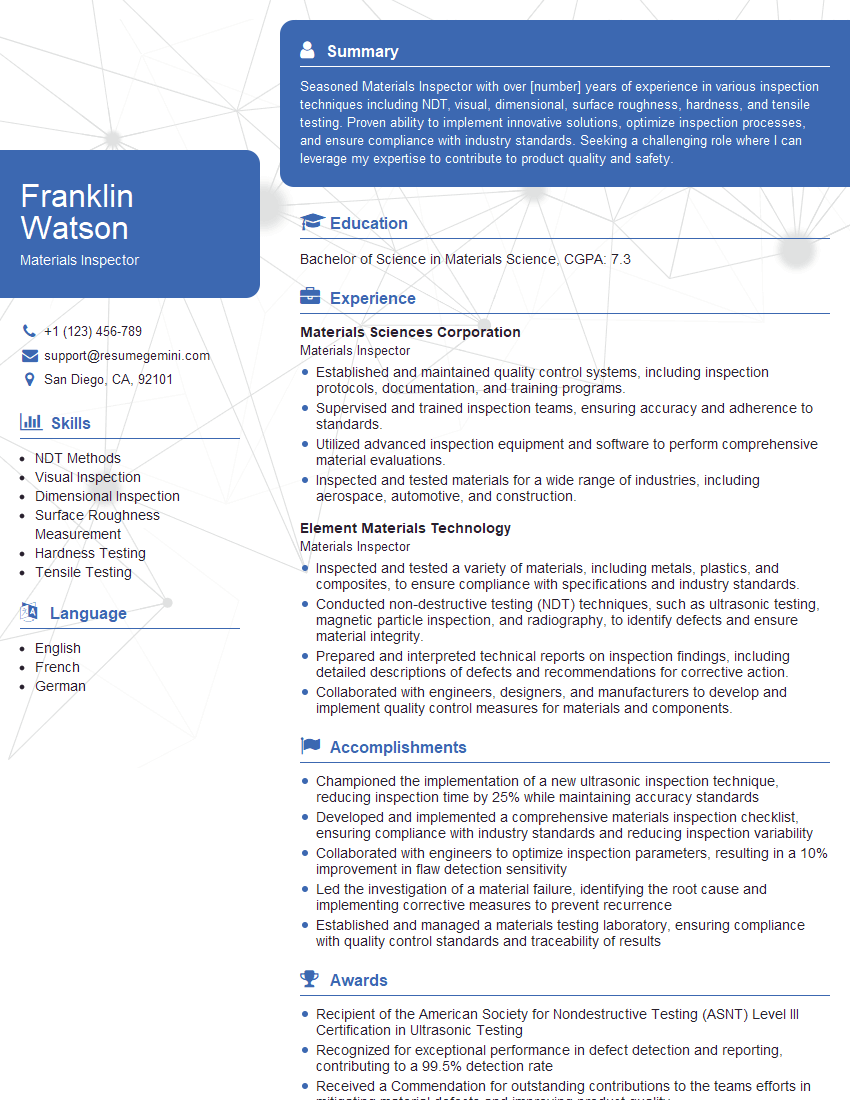
Materials Inspector Resume Sample
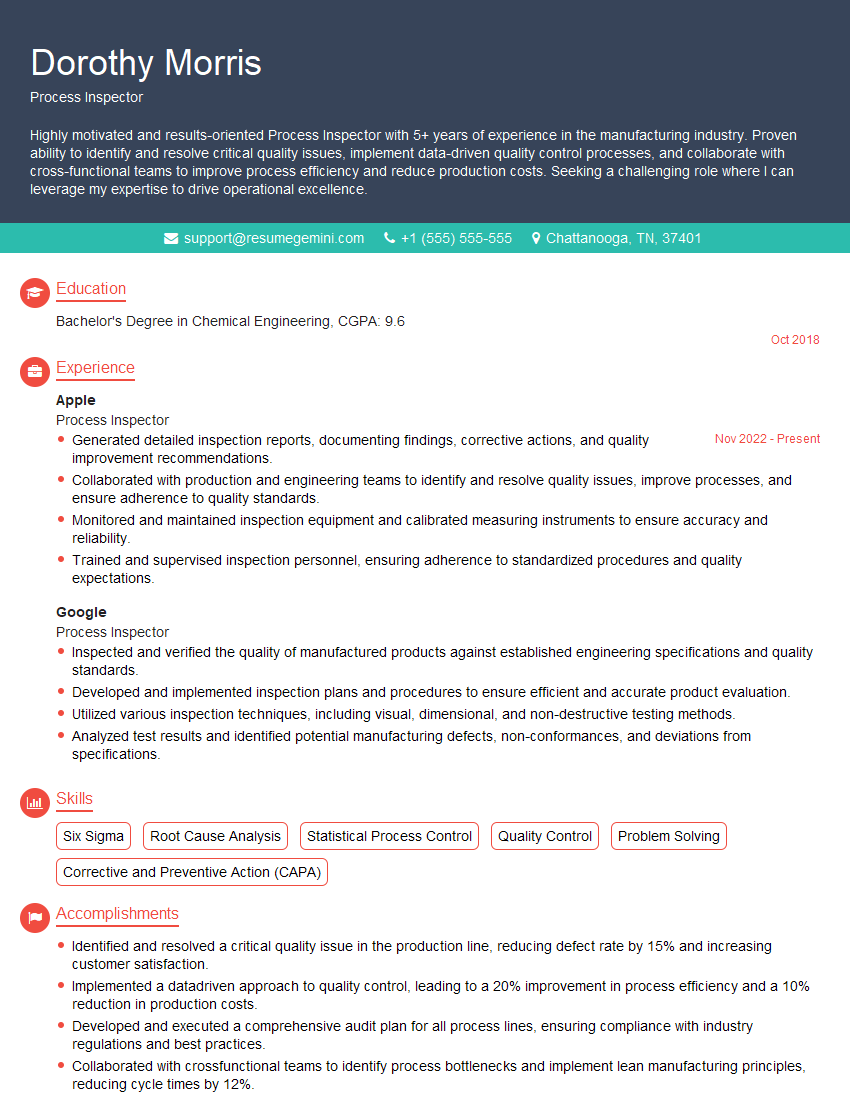
Process Inspector Resume Sample

Quality Control Inspector Resume Sample
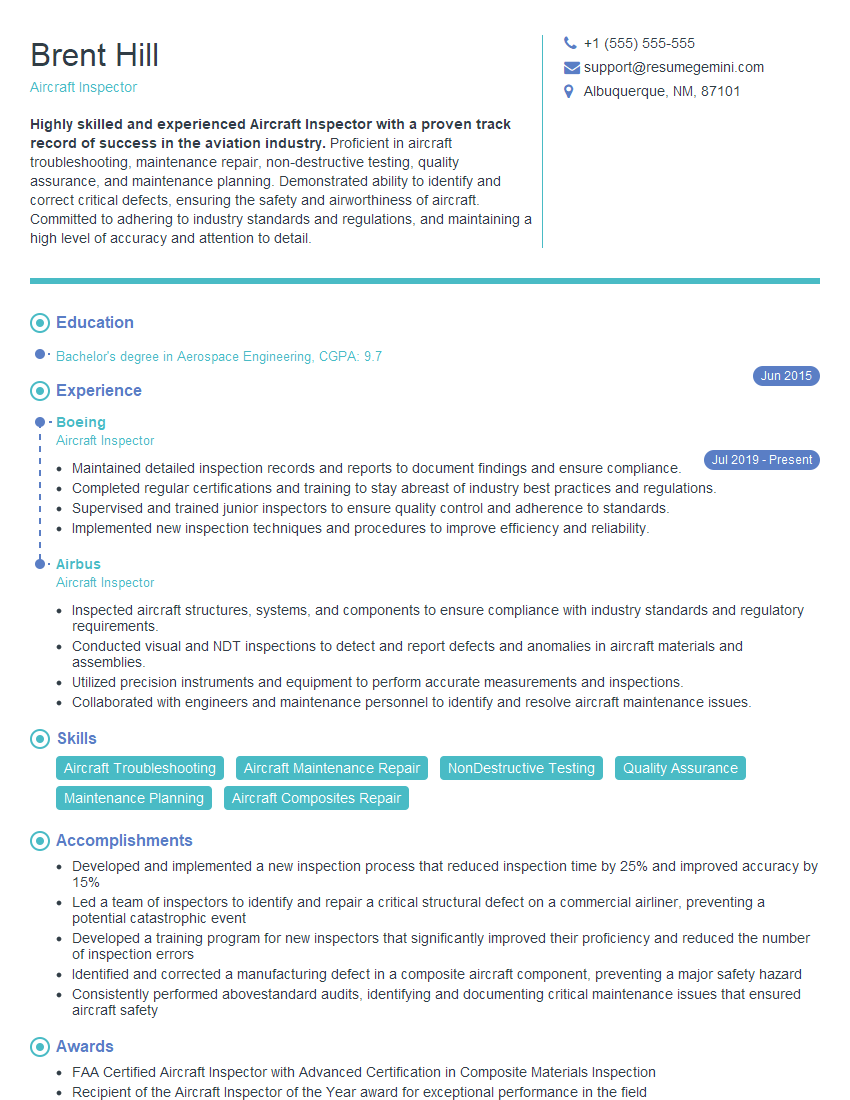
Aircraft Inspector Resume Sample
- Quality Control Manager
- Field Inspector
- Quality Assurance Specialist
- Reliability Engineer
- Test Engineer
- Metrologist
- Safety Inspector
- Calibration Technician
- Construction Inspector
- Inspection Supervisor
- Dimensional Inspector
- Maintenance Inspector
- Materials Inspector
- Process Inspector
- Quality Control Inspector
- Aircraft Inspector
Explore more articles
Users Rating of Our Blogs
Share Your Experience
We value your feedback! Please rate our content and share your thoughts (optional).
What Readers Say About Our Blog
Very informative content, great job.
good