Interviews are more than just a Q&A session—they’re a chance to prove your worth. This blog dives into essential Venous Cutdown interview questions and expert tips to help you align your answers with what hiring managers are looking for. Start preparing to shine!
Questions Asked in Venous Cutdown Interview
Q 1. Describe the indications for performing a venous cutdown.
A venous cutdown is a surgical procedure used to gain intravenous access when other methods, such as peripheral intravenous cannulation, have failed. It’s a last resort, employed when immediate intravenous access is crucial and other techniques are impossible or impractical. This is typically seen in situations where a patient is severely dehydrated, in shock, or needs immediate medication administration.
Indications include:
- Inability to establish intravenous access via peripheral veins due to dehydration, peripheral vasoconstriction, extensive burns, or venous thrombosis.
- Emergent need for intravenous fluid resuscitation or medication administration in critically ill patients.
- Situations where rapid fluid or medication delivery is paramount and other access routes are unavailable (e.g., during a mass casualty event).
- Need for long-term venous access when peripheral veins are unsuitable.
Q 2. What are the contraindications for a venous cutdown?
Contraindications for a venous cutdown are relatively few but serious. The procedure should be avoided if:
- Severe local infection at the proposed insertion site. Infection can lead to complications like cellulitis and sepsis.
- Anatomical abnormalities that prevent safe access to the vein. For instance, severe scarring or previous surgeries in the area.
- Patient conditions that increase the risk of bleeding or infection, such as uncontrolled bleeding disorders.
- Alternatives are available: If even slightly feasible, other options like intraosseous access or central venous access should be pursued before resorting to cutdown.
Essentially, the risk of complications from the cutdown itself should be carefully weighed against the potential benefits in each individual case.
Q 3. Outline the steps involved in performing a venous cutdown.
The procedure involves several crucial steps that demand meticulous attention to detail and sterile technique. Here’s a general outline:
- Preparation: The site is cleaned and prepped with antiseptic solution. Local anesthesia is administered.
- Incision: A small incision is made over the chosen vein, exposing it through the subcutaneous tissue.
- Dissection: The vein is carefully dissected free from the surrounding tissues, taking care to avoid injury to the artery or nerve.
- Venous cannulation: A small incision is made into the vein. A cannula is inserted and secured. This part requires delicate manipulation to avoid perforating the posterior wall of the vein.
- Closure: The incision is closed with sutures or surgical staples. A dressing is applied to prevent infection.
- Securement: The cannula is secured in place and the IV tubing attached.
- Post-procedure care: The insertion site is monitored for bleeding, infection, and patency of the cannula. Close observation of the patient is essential in the post-procedure period.
Remember: this is a simplified overview. The exact steps may vary depending on the specific circumstances and the skill of the practitioner.
Q 4. What are the appropriate anatomical landmarks for a venous cutdown?
Accurate anatomical landmark identification is critical to minimize complications. The specific landmarks depend on the vein selected, but generally include:
- For the great saphenous vein: The vein is readily palpable medially in the leg and runs superiorly. The incision site is usually just below the knee.
- For the cephalic vein in the arm: This vein runs laterally in the arm, easily palpable in the antecubital fossa, and extends proximally in the arm.
- For the femoral vein in infants: The femoral vein is usually palpable just medial to the femoral artery in the groin.
Using anatomical landmarks allows for a precise incision, minimizing the risk of injuring adjacent structures like nerves and arteries. Knowledge of the local anatomy is crucial for successful vein cannulation and minimizing damage to surrounding tissues.
Q 5. What vein is typically used for a venous cutdown in adults?
In adults, the great saphenous vein is most often used for a venous cutdown due to its superficial location, relatively large size, and ease of access in the leg. The cephalic vein in the arm is also an option if the saphenous vein is unsuitable or inaccessible.
The selection of the vein depends on the patient’s clinical situation and the surgeon’s preferences. The great saphenous vein is often preferred due to the lower risk of damaging vital structures. However, the location and size of the vein should always be considered.
Q 6. What vein is typically used for a venous cutdown in infants?
In infants, the femoral vein is typically the preferred site for a venous cutdown. Its superficial position in the groin and relatively large diameter make it an accessible target for cannulation. It is generally easier to cannulate than the veins in the arms or legs in neonates and infants due to their relatively smaller size and delicate anatomy.
The femoral vein in infants requires extreme caution. The use of appropriate-sized cannula and meticulous surgical technique is essential to prevent complications.
Q 7. Describe the equipment required for a venous cutdown.
The equipment required for a venous cutdown includes:
- Sterile surgical drapes and gowns
- Surgical instruments (scalpel, forceps, scissors, needle holder, sutures)
- Local anesthetic
- Appropriate size cannula and needle
- Syringe and needles for administering anesthesia and flushing the cannula
- IV tubing and fluid bags
- Antiseptic solution for skin preparation
- Sterile gloves and masks
- Dressings and tapes
- Surgical sponges
The specific equipment may vary depending on the practitioner’s preference and the patient’s specific situation. However, maintaining sterile technique is paramount throughout the entire procedure.
Q 8. Explain the technique for cannulating a vein during a venous cutdown.
Venous cutdown involves surgically exposing a vein, typically in the forearm or antecubital fossa, to gain intravenous access. It’s a more invasive procedure than peripheral IV insertion, reserved for situations where other methods have failed. The technique begins with meticulous skin preparation and draping. Local anesthesia is administered to minimize discomfort. A small incision is made over the chosen vein, usually the cephalic or basilic vein. Gentle blunt dissection is used to expose the vein, taking care to avoid damaging surrounding tissues. Once the vein is clearly visualized, a small venotomy (incision into the vein) is made. A catheter is then carefully inserted into the vein, ensuring it’s advanced in the correct direction to avoid complications such as thrombus formation. Finally, the catheter is secured.
Think of it like this: imagine needing to thread a needle through a very delicate fabric. You need precision, patience, and a steady hand. The same care applies to performing a venous cutdown.
Q 9. How do you secure the cannula after insertion during a venous cutdown?
Securing the cannula after insertion is crucial to prevent dislodgement and maintain access. The catheter is typically sutured in place using non-absorbable sutures, such as silk or nylon, to anchor it to the vein and surrounding tissues. This prevents accidental pulling or movement of the catheter. A dressing is then applied to cover the incision site and keep the area clean and dry. The suture placement should allow for some degree of movement to prevent undue tension. Finally, the tubing is connected to the appropriate infusion system. The site is then labeled clearly with date and time of insertion.
Imagine it like fastening a seatbelt—it secures the cannula, preventing it from coming loose during movement or activity.
Q 10. What are the potential complications of a venous cutdown?
Venous cutdowns, despite their utility, carry a risk of complications. These include:
- Bleeding: The risk of bleeding at the incision site is significant, especially if the vein is fragile or the surgeon isn’t careful.
- Infection: Introducing a foreign body into the bloodstream increases the risk of infection, particularly if sterile technique isn’t rigorously maintained.
- Thrombosis: Blood clots can form at the catheter insertion site, obstructing blood flow.
- Nerve damage: The proximity of nerves in the area necessitates careful dissection to avoid injury.
- Hematoma formation: Significant bleeding can result in a hematoma, causing pain and swelling.
- Arterial puncture: Accidental puncture of an artery can lead to significant bleeding.
Careful attention to aseptic technique and meticulous surgical skill are critical in minimizing these risks.
Q 11. How do you manage complications such as bleeding or infection after a venous cutdown?
Management of complications after a venous cutdown depends on the nature and severity of the problem. Bleeding can be managed with direct pressure to the site and potentially surgical repair if necessary. Infections require prompt treatment with antibiotics, guided by culture and sensitivity testing. Thrombosis might necessitate removal of the catheter and anticoagulant therapy. Nerve damage management may require consultation with a neurologist and may involve supportive measures to aid nerve recovery. Hematoma management may include observation, aspiration, or surgical intervention, depending on the size and location.
Immediate identification and prompt management are key to preventing severe outcomes. Think of it as a fire drill – the quicker the response, the better the result.
Q 12. Describe the proper technique for dressing a venous cutdown site.
Dressing a venous cutdown site is paramount for infection prevention. The site should be cleaned with an antiseptic solution (e.g., chlorhexidine or povidone-iodine) before applying a sterile dressing. A transparent dressing is preferable as it allows for easy visualization of the site without frequent dressing changes. The dressing should be changed according to hospital protocol or if there is any sign of soiling or leakage. Secure the dressing firmly but not too tightly to prevent constriction. Observe for any signs of inflammation, swelling, or drainage at each dressing change.
Proper dressing technique serves as a barrier against contamination, much like a rain jacket shields you from the elements.
Q 13. How do you assess the patency of the venous access after a venous cutdown?
Assessing patency after a venous cutdown involves confirming that the catheter is in the vein and that blood is flowing freely. This is done by visually checking for blood return during insertion and then routinely flushing the catheter with a heparinized saline solution. Blood return can be confirmed using a syringe and observing for free flow of blood when aspirated. A continuous infusion can also be established to confirm patency and to maintain the intravenous access. Clinical signs like swelling or changes in skin color around the insertion site should also be observed to detect any complications.
It’s like checking a water pipe – you need to ensure that water (blood) flows smoothly without any blockages.
Q 14. What are the alternatives to a venous cutdown?
Venous cutdown is generally considered a last resort procedure. Several alternatives exist, depending on the clinical context. These include:
- Peripheral intravenous cannulation: This is the preferred method for IV access whenever possible, due to its ease of use and lower risk of complications.
- Central venous catheter insertion: A central line offers a larger-bore access for administering fluids and medications, but is more invasive than peripheral IV or a cutdown.
- Intraosseous infusion: This technique involves inserting a needle into the bone marrow for administering fluids and medications. It’s utilized in emergency situations when other routes of access are unavailable.
- Implantable ports: These provide long-term venous access for patients requiring frequent intravenous therapy.
The choice of the most appropriate method depends on the patient’s condition and the clinical need. Cutdown is generally only preferred in scenarios where other attempts at vascular access fail.
Q 15. Discuss the advantages and disadvantages of a venous cutdown compared to other vascular access techniques.
Venous cutdown, a surgical technique for establishing intravenous (IV) access, offers distinct advantages and disadvantages when compared to other methods like peripheral IV insertion or central venous catheters. Let’s explore both sides.
Advantages:
- Reliable access: Cutdowns are exceptionally reliable for gaining venous access, even in challenging situations like severe dehydration or peripheral vein collapse where other methods might fail. Think of it as a last resort when other options are exhausted.
- Long-term access: The resulting cannula provides a stable, long-term access point, ideal for administering medications or fluids over extended periods. This is particularly important in situations requiring continuous infusion or frequent blood sampling.
- Suitable for difficult patients: Cutdowns are often the only viable option in patients with severely compromised veins, such as those with extensive burns or advanced sepsis.
Disadvantages:
- Invasive procedure: It’s a surgical procedure requiring a surgical incision and therefore carries a higher risk of complications like infection, bleeding, thrombosis, and nerve damage compared to less invasive techniques.
- More complex: The technique is more complex than standard IV insertion, demanding greater expertise and time. This increases the burden on healthcare providers.
- Pain and discomfort: The procedure is more painful and can cause significantly more patient discomfort than a simple IV insertion, necessitating more robust analgesia.
- Scarring: A noticeable scar will result from the incision.
In essence, the decision to use a cutdown hinges on balancing the need for reliable, long-term access with the risks and complexities of the procedure itself. It’s a last resort technique when other options have failed or are deemed unsuitable.
Career Expert Tips:
- Ace those interviews! Prepare effectively by reviewing the Top 50 Most Common Interview Questions on ResumeGemini.
- Navigate your job search with confidence! Explore a wide range of Career Tips on ResumeGemini. Learn about common challenges and recommendations to overcome them.
- Craft the perfect resume! Master the Art of Resume Writing with ResumeGemini’s guide. Showcase your unique qualifications and achievements effectively.
- Don’t miss out on holiday savings! Build your dream resume with ResumeGemini’s ATS optimized templates.
Q 16. When would you choose a cutdown over an IV insertion?
A venous cutdown would be chosen over an IV insertion primarily when obtaining IV access through conventional means is impossible or extremely challenging. Here are some scenarios:
- Inability to locate suitable peripheral veins: In severely dehydrated patients, patients with extensive burns, or those with significant peripheral vascular disease, finding suitable veins for IV insertion can be nearly impossible. A cutdown offers a solution.
- Need for long-term access: Situations requiring continuous infusions or frequent blood draws, such as in critical care settings, may benefit from the long-term stability of a cutdown.
- Administration of high osmolarity fluids: High osmolarity fluids can cause significant damage to peripheral veins; a larger vein accessed via cutdown can better tolerate these fluids.
- Emergency situations where rapid access is crucial but peripheral veins are inaccessible: In trauma situations or during resuscitation, a cutdown can be performed swiftly by an experienced practitioner, even when other methods fail.
- Failure of multiple IV insertion attempts: If multiple attempts at IV insertion have failed, a cutdown may be the only remaining option before more invasive measures are considered.
It’s important to reiterate that a cutdown is an invasive procedure. It should only be attempted when less invasive methods have been exhausted and the clinical need clearly outweighs the risks.
Q 17. Describe the differences in technique between a cutdown in an adult and a child.
While the principles of a venous cutdown remain consistent between adults and children, significant differences exist in technique due to anatomical variations and size considerations.
Adult Cutdown: Typically involves accessing larger veins like the cephalic or basilic veins in the forearm or the great saphenous vein in the leg. The incision is larger to accommodate the cannula. Greater depth of tissue is involved.
Pediatric Cutdown: Often uses smaller veins such as those in the scalp or the superficial veins in the lower extremities. Smaller incisions are necessary. The technique necessitates a higher level of precision, finesse, and specialized instruments to minimize trauma to the delicate tissues of a child. A smaller cannula is used.
Key Differences Summarized:
- Vein Selection: Larger veins in adults, smaller veins in children.
- Incision Size: Larger in adults, smaller in children.
- Instrumentation: Adult cutdowns might utilize larger instruments, while pediatric cutdowns require specialized, smaller instruments.
- Anesthesia and Analgesia: Requires careful consideration and adjustment for age, weight, and developmental stage in children.
In both cases, meticulous attention to sterile technique is paramount to minimize the risk of infection. The procedure should always be performed by a skilled clinician experienced in pediatric or adult vascular access.
Q 18. What are the legal and ethical considerations surrounding a venous cutdown?
Venous cutdowns raise several crucial legal and ethical considerations:
- Informed Consent: Obtaining informed consent from the patient (or their legal guardian in the case of children or incapacitated adults) is paramount. This requires explaining the procedure, its risks and benefits, and alternative options clearly and understandably.
- Documentation: Meticulous documentation of the entire procedure, including indications, consent obtained, technique used, complications encountered, and post-procedure care is essential for legal protection.
- Competence and Skill: Only healthcare professionals with the appropriate training, skills, and experience should perform a venous cutdown. Improper technique can lead to serious complications and legal liability.
- Minimizing Risk: The procedure should be performed using optimal techniques to minimize the risk of complications. Alternatives should be considered whenever possible.
- Beneficence and Non-Maleficence: The principles of beneficence (acting in the best interest of the patient) and non-maleficence (avoiding harm) must guide every aspect of the decision-making process and the procedure itself.
Failure to address these ethical and legal considerations can result in malpractice lawsuits, disciplinary actions, and damage to professional reputation.
Q 19. How do you document a venous cutdown procedure?
Documentation of a venous cutdown procedure must be comprehensive and precise. Key elements include:
- Patient identification: Full name, date of birth, medical record number.
- Date and time of procedure: Precise timestamping of all events.
- Indications for procedure: Clearly state the reasons for choosing a cutdown over other methods.
- Informed consent: Document that informed consent was obtained, including the time and manner in which it was obtained.
- Site of incision: Precise anatomical location of the incision.
- Technique employed: Detailed description of the surgical steps followed.
- Type of cannula used: Size and type of catheter.
- Amount of bleeding: Quantify any bleeding during and after the procedure.
- Complications encountered: Document any issues such as bleeding, infection, or nerve damage.
- Post-procedure assessment: Details of patient’s condition following the procedure.
- Follow-up plan: Outline plan for post-procedure care, dressing changes, and removal of the cannula.
- Physician signature and credentials: Physician performing the procedure must sign and include their credentials.
Accurate and detailed documentation provides a legal record of the procedure, aids in tracking outcomes, supports quality improvement efforts, and protects healthcare providers from potential liability.
Q 20. What is the role of sterile technique in a venous cutdown procedure?
Sterile technique is absolutely crucial in a venous cutdown procedure to prevent infection, a potentially life-threatening complication. Every step must be performed adhering to strict aseptic principles. This includes:
- Preparation of the surgical site: Thorough cleansing and disinfection of the skin using an antiseptic solution, ensuring a wide area around the intended incision site is prepared.
- Use of sterile drapes: Drapes should be positioned to create a sterile field around the incision site, preventing contamination.
- Use of sterile gloves and instruments: All personnel involved must wear sterile gloves, and all instruments used must be sterile.
- Maintaining a sterile field: Careful handling of instruments and supplies to avoid contamination of the sterile field.
- Appropriate handling of the cannula: The catheter should be handled in a sterile manner to avoid introducing bacteria.
- Post-procedure wound care: Sterile dressings and techniques for wound care to prevent infection.
Strict adherence to sterile technique is non-negotiable; any lapse can have severe consequences for the patient. Think of it like this: you’re creating a pathway directly into the patient’s bloodstream; the highest standards of sterility must be maintained at all times.
Q 21. How do you manage patient discomfort during a venous cutdown?
Managing patient discomfort during a venous cutdown is paramount. This is a painful procedure, and effective analgesia and anxiolysis are critical.
- Pre-procedure analgesia: Administering appropriate analgesics prior to the procedure can significantly reduce discomfort.
- Local anesthesia: Injecting a local anesthetic at the incision site numbs the area and significantly reduces pain during the surgical process itself. This often involves infiltration of the area with lidocaine, or a similar local anesthetic.
- Sedation: In anxious patients or those requiring a longer procedure, mild sedation may be necessary. The choice of sedative depends on the patient’s clinical condition and other factors.
- Post-procedure analgesia: Administering analgesics after the procedure manages pain associated with the incision and the cannula.
- Pain assessment: Regularly assessing the patient’s pain levels using a validated pain scale (such as a numerical rating scale or visual analog scale) allows for timely adjustments to the analgesic regimen.
- Non-pharmacological approaches: Techniques such as distraction, relaxation exercises, and supportive communication can also help manage patient anxiety and pain.
The choice of analgesia and sedation depends on factors such as the patient’s age, medical history, and the duration and complexity of the procedure. Close monitoring of the patient’s response to analgesia is also essential.
Q 22. Describe the appropriate patient monitoring during and after a venous cutdown.
Monitoring during and after a venous cutdown is crucial for patient safety and procedural success. It involves continuous assessment of vital signs (heart rate, blood pressure, respiratory rate, oxygen saturation), the cutdown site for bleeding, swelling, or infection, and the intravenous (IV) infusion site for patency and infiltration. We closely monitor for any signs of complications such as thrombosis, hematoma formation, or infection.
- During the procedure: Continuous monitoring of heart rate, blood pressure, and oxygen saturation is essential. We visually inspect the vein for proper cannulation and blood return. The patient’s overall comfort level is also addressed.
- After the procedure: Frequent monitoring (every 15-30 minutes initially, then less frequently as the patient stabilizes) of vital signs, the insertion site for any signs of complications, and the IV line’s patency are standard practice. We assess for signs of infection (redness, swelling, warmth, pain), bleeding, and infiltration (swelling around the insertion site). Regular neurological checks are also performed if the procedure is in a location where neurological compromise is a risk.
Think of it like this: Imagine a delicate water pipe (the vein) that needs careful handling. We constantly monitor the flow of water (blood and IV fluids) to ensure there are no leaks (bleeding) or blockages (thrombosis).
Q 23. What are the signs and symptoms of a failed venous cutdown?
A failed venous cutdown is a critical event and can manifest in several ways. The most common signs and symptoms include:
- Inability to cannulate the vein: Despite multiple attempts, the catheter cannot be successfully advanced into the vein.
- Absence of blood return: No blood is observed in the catheter hub, indicating that the catheter tip is not within the lumen of the vein.
- Excessive bleeding at the incision site: Significant bleeding suggests vessel damage or poor hemostasis.
- Formation of a hematoma: A significant collection of blood under the skin indicates bleeding into the surrounding tissues.
- Pain and swelling at the site: This can indicate inflammation or infection.
- Absence of IV fluid flow: This suggests obstruction of the catheter or a problem with the IV line.
In essence, failure manifests either as the inability to gain venous access or the occurrence of significant complications during or immediately after the procedure.
Q 24. How would you troubleshoot a failed venous cutdown attempt?
Troubleshooting a failed venous cutdown requires a systematic approach.
- Re-assess the situation: Carefully examine the patient’s anatomy to identify alternative veins. Palpate for potential veins and use a Doppler ultrasound if available.
- Change technique or location: If initial attempts fail, consider a different approach, such as using a smaller catheter or attempting cannulation at a different site (e.g., the other arm or leg).
- Obtain additional assistance: Seeking assistance from a more experienced colleague is always appropriate.
- Consider alternative vascular access: If all other attempts fail, explore alternative vascular access methods such as an arterial line or central venous catheter.
- Document findings thoroughly: Detailed documentation of the attempts, findings, and any complications is essential for patient safety and quality improvement.
For instance, if the initial attempt at the cephalic vein fails, we could try the basilic vein in the same arm or explore options on the opposite arm or leg. We may also consider using a smaller-gauge catheter.
Q 25. What post-procedure instructions should you give to the patient?
Post-procedure instructions are vital to minimize complications and promote healing. These instructions should include:
- Keep the dressing clean and dry: Emphasize the importance of not touching or disturbing the dressing unless instructed otherwise.
- Monitor the insertion site: Explain the signs and symptoms of infection (redness, swelling, warmth, pus) and bleeding, instructing the patient to report any concerns immediately.
- Elevate the limb: Elevating the limb can reduce swelling and discomfort.
- Follow prescribed medication regimen: If antibiotics or analgesics are prescribed, the patient should take them as instructed.
- Follow-up appointments: Arrange a follow-up appointment to assess the healing process and remove the catheter if appropriate.
- Report any complications: The patient should be instructed to report any unusual pain, swelling, bleeding, or fever.
Using simple language and visual aids can significantly enhance patient understanding.
Q 26. Explain the importance of patient education regarding venous cutdown.
Patient education regarding venous cutdown is paramount because it empowers patients to actively participate in their care and improves their outcomes. This knowledge allows them to be better prepared for the procedure, understand the risks and benefits, cooperate during the procedure, and recognize potential complications. It fosters trust and reduces anxiety. Effective education should cover:
- Purpose of the procedure: Clearly explain why a venous cutdown is necessary.
- Procedure steps: Describe the procedure in simple terms, focusing on what the patient will experience.
- Potential risks and benefits: Discuss potential complications and how they will be managed.
- Post-procedure care: Clearly explain what the patient should do after the procedure, including signs and symptoms to watch for.
Effective communication minimizes fear and enhances recovery. Imagine explaining it like building a tiny bridge (catheter) across a small stream (vein) – a temporary fix that is vitally important in a critical situation.
Q 27. How do you assess the patient’s understanding of the procedure and aftercare?
Assessing patient understanding is done through a combination of techniques:
- Teach-back method: Ask the patient to explain the procedure and post-procedure care in their own words. This verifies their comprehension.
- Use of visual aids: Pictures or diagrams can greatly aid understanding.
- Question-and-answer session: Encourage the patient to ask questions and address any uncertainties.
- Documentation: Record the education provided and the patient’s understanding in the medical chart.
- Return demonstration: For post-procedure care, ask the patient to demonstrate how they’ll care for the site, which shows practical understanding.
It is critical to ensure the patient can adequately describe the procedure, its potential benefits and risks, and the proper care required after the procedure.
Q 28. Describe a situation where a venous cutdown was necessary and how you successfully managed it.
I recall a case involving a trauma patient who arrived in the emergency room with severe dehydration and peripheral vein collapse, making conventional IV access impossible. We needed to administer fluids and medications urgently. I performed a venous cutdown on the patient’s antecubital vein. We meticulously followed sterile technique, making a small incision to expose the vein. Using careful dissection and visualization, I successfully cannulated the vein with a small catheter. Following insertion, I secured the catheter and initiated fluid resuscitation. Continuous monitoring of vital signs was maintained, and the patient responded well to treatment. Post-procedure, we monitored the insertion site for any signs of bleeding or infection. We explained the procedure to the patient’s family, carefully answering their questions. The patient recovered well and was discharged after several days of observation.
This case highlights the importance of technical skill and the need to have alternative vascular access strategies available in emergency situations where standard methods fail.
Key Topics to Learn for Venous Cutdown Interview
- Anatomy and Physiology: Thorough understanding of relevant venous anatomy, including superficial and deep veins, and their physiological characteristics.
- Indications and Contraindications: Mastering the criteria for choosing venous cutdown as the preferred access method versus other techniques. Understanding situations where it’s contraindicated is crucial.
- Procedure Technique: Detailed knowledge of the steps involved, including site selection, skin preparation, insertion technique, securing the catheter, and post-procedure care. This includes variations based on patient anatomy and clinical needs.
- Complications and Management: Be prepared to discuss potential complications (hematoma, infection, thrombosis, nerve injury) and their prevention and management strategies.
- Equipment and Supplies: Familiarity with the necessary instruments, materials, and their appropriate use.
- Alternative Access Techniques: Understanding the context in which venous cutdown is chosen and how it compares to other vascular access methods.
- Legal and Ethical Considerations: Be prepared to discuss the legal and ethical implications of performing the procedure, including informed consent and documentation.
- Troubleshooting and Problem-Solving: Develop the ability to anticipate and address challenges that might arise during the procedure, such as difficulties cannulating a vein.
Next Steps
Mastering Venous Cutdown demonstrates advanced skills in vascular access and critical thinking, significantly enhancing your career prospects in healthcare. To showcase these skills effectively, a strong, ATS-friendly resume is essential. ResumeGemini is a trusted resource for crafting professional resumes that highlight your unique qualifications. We offer examples of resumes tailored to Venous Cutdown expertise to help you present yourself in the best possible light. Take the next step in your career journey – build a resume that makes you stand out.
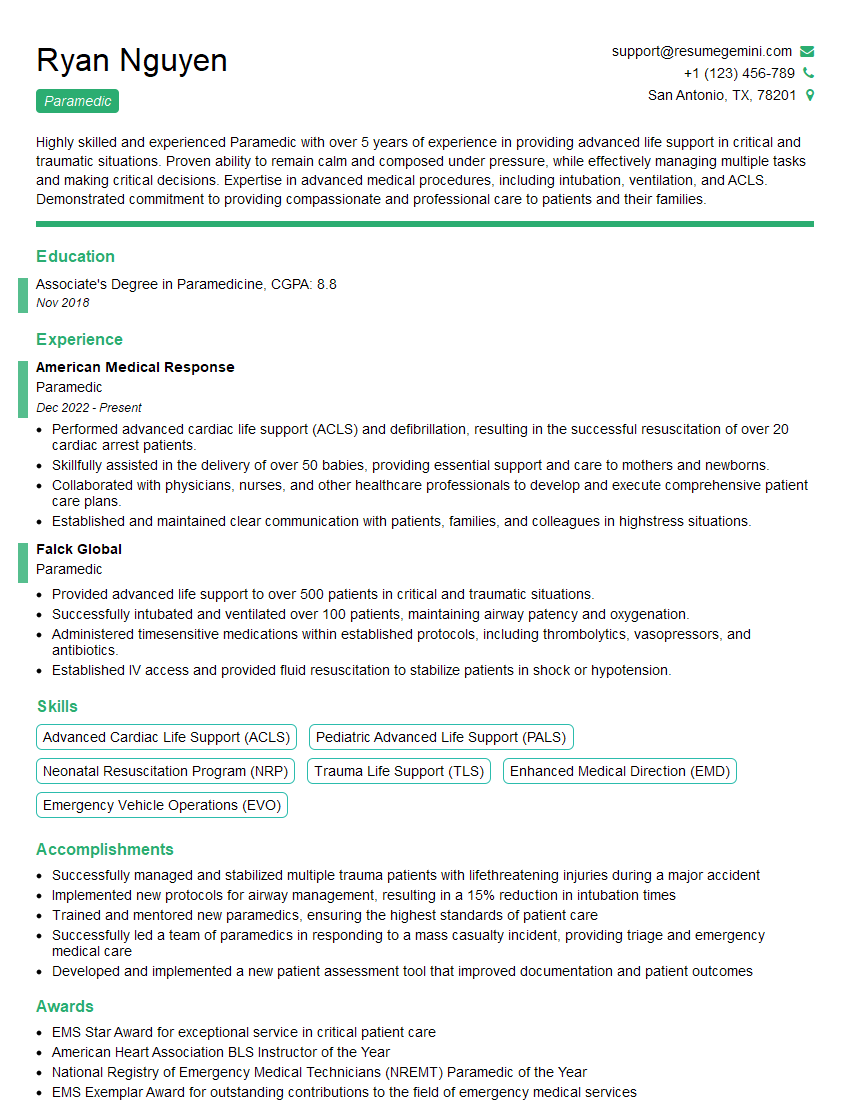
Paramedic Resume Sample
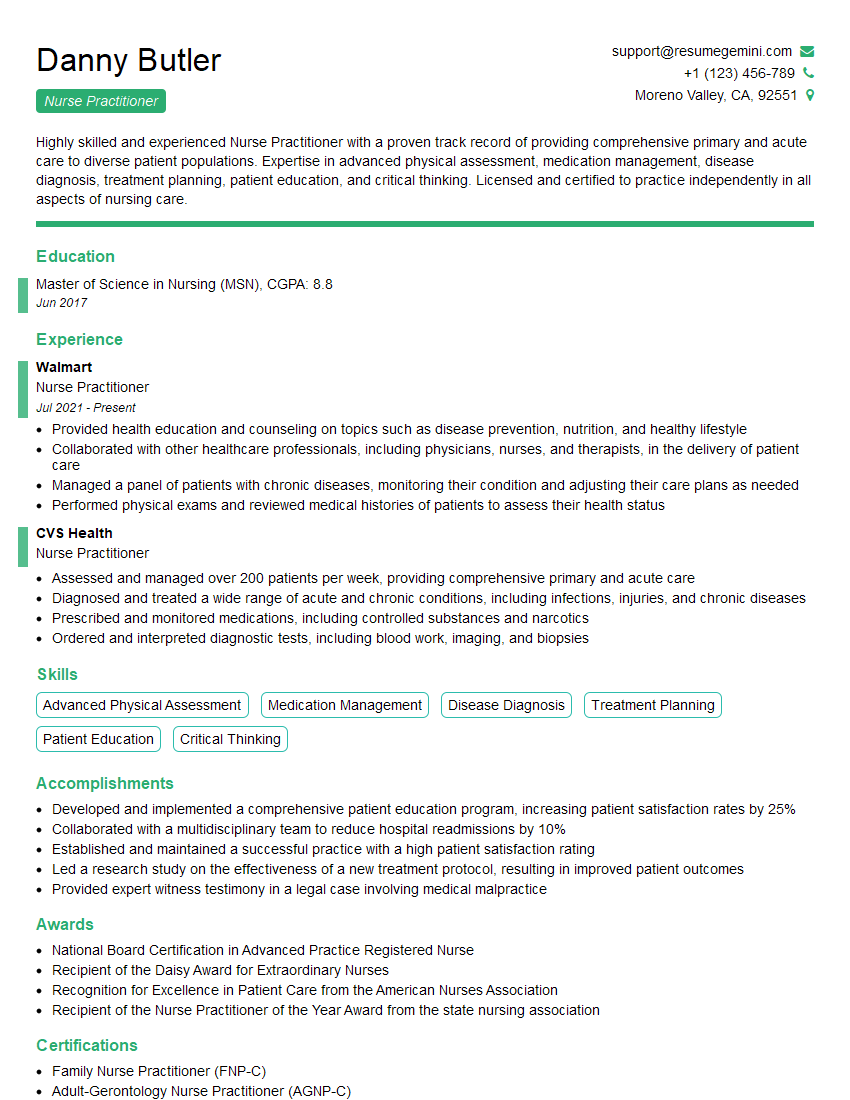
Nurse Practitioner Resume Sample
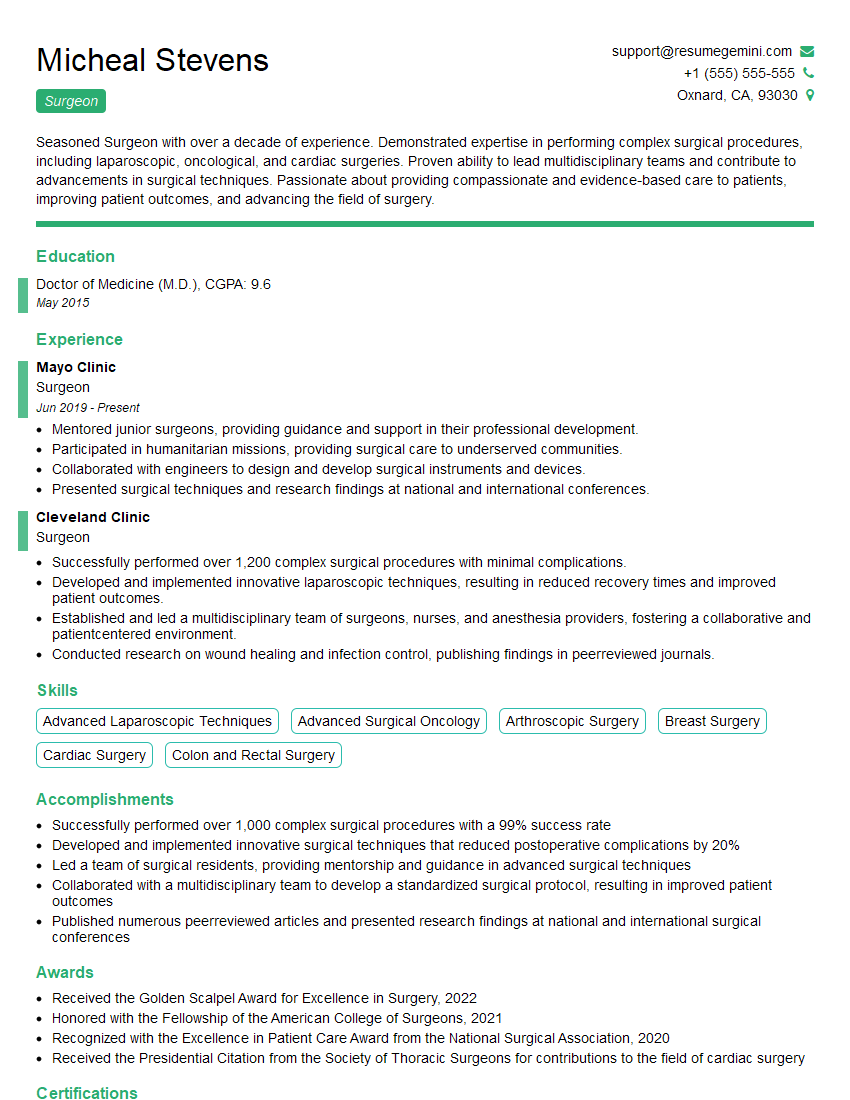
Surgeon Resume Sample
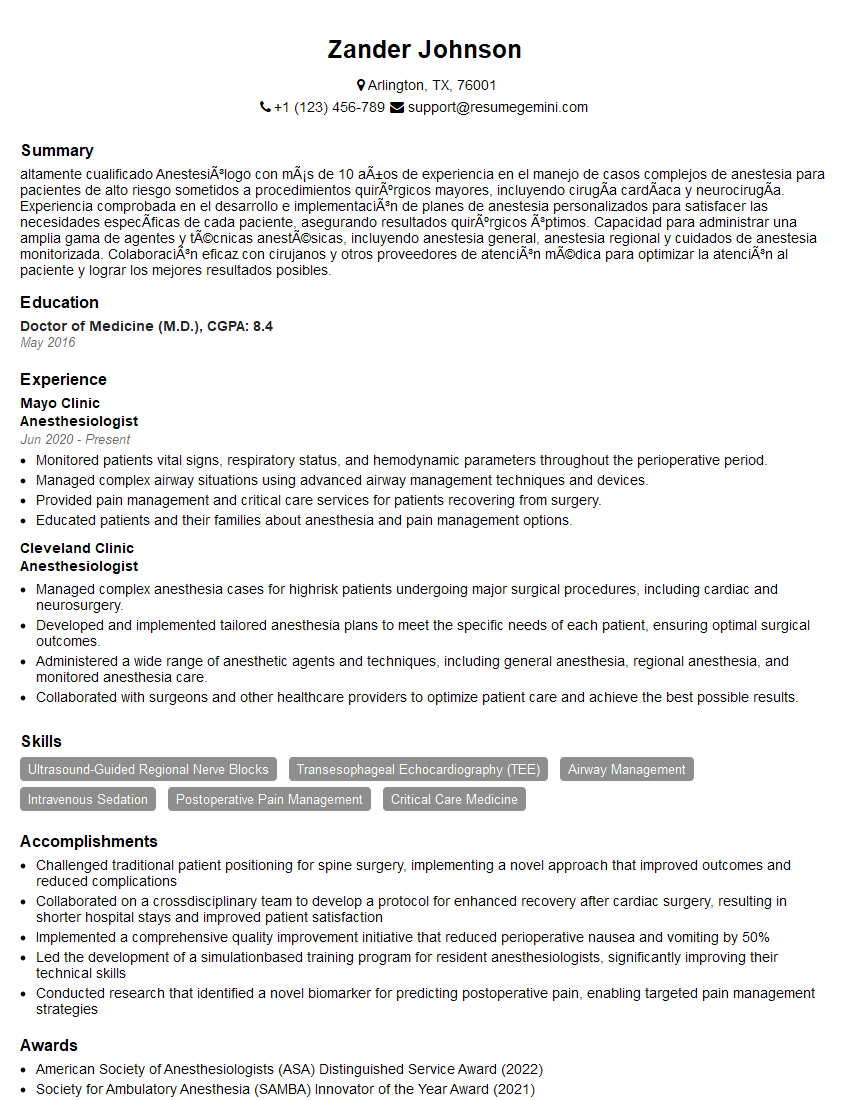
Anesthesiologist Resume Sample

Physician Assistant Resume Sample
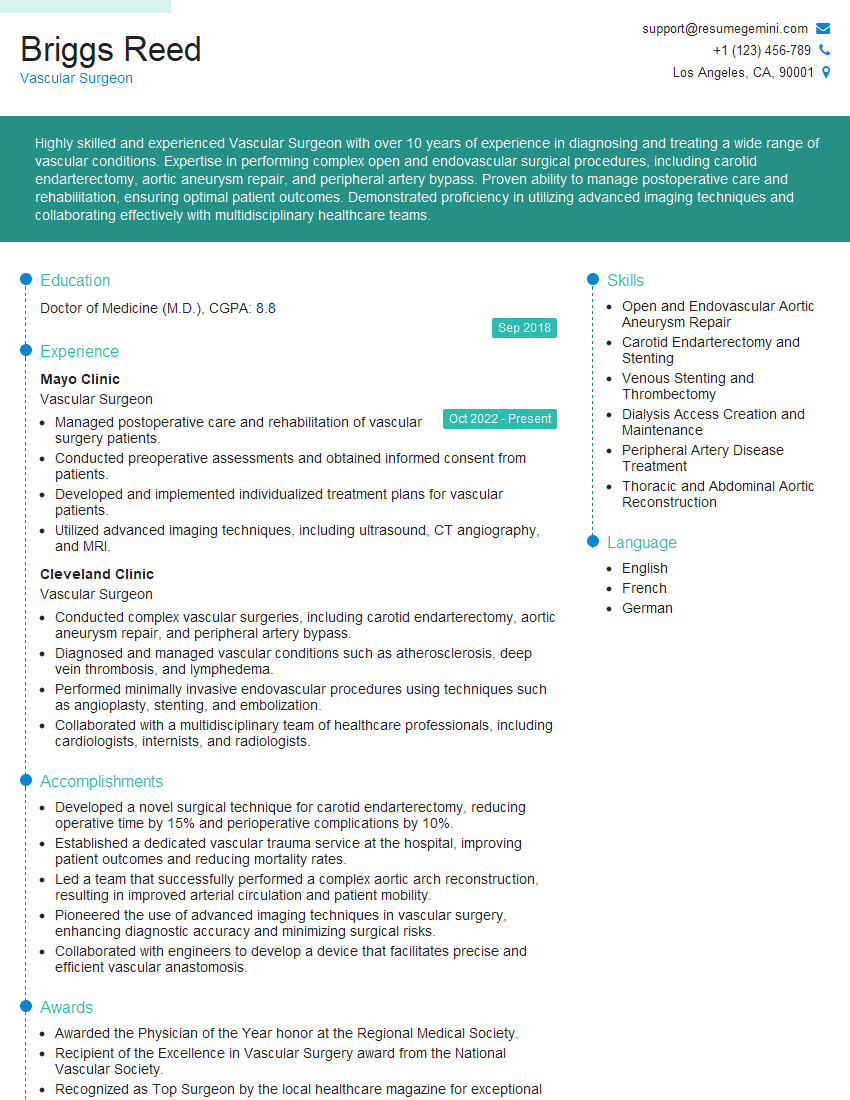
Vascular Surgeon Resume Sample
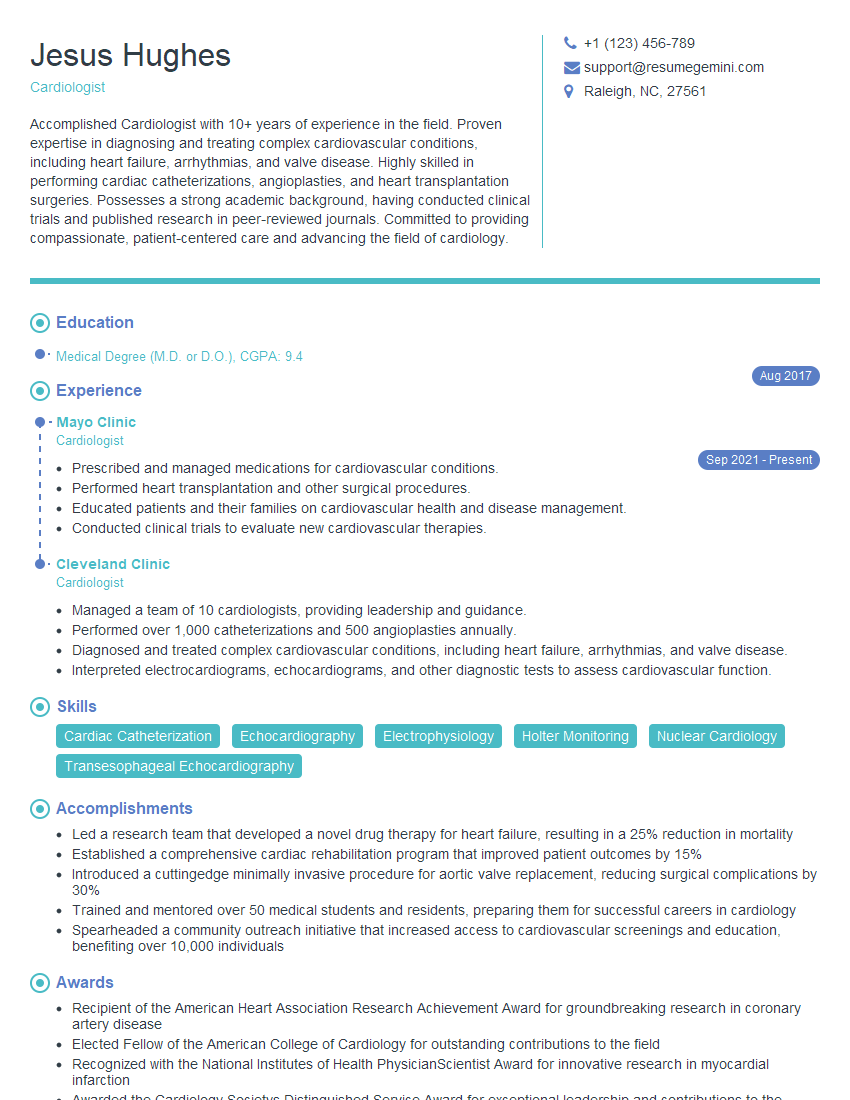
Cardiologist Resume Sample
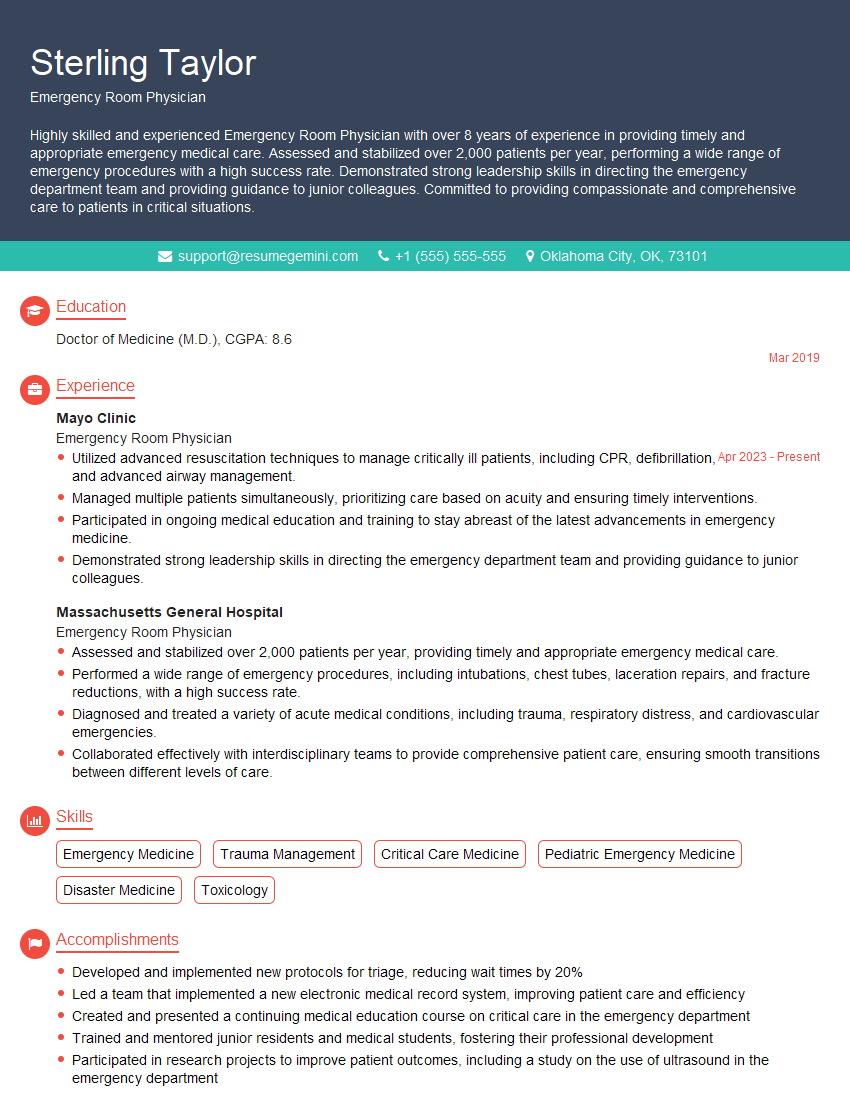
Emergency Room Physician Resume Sample
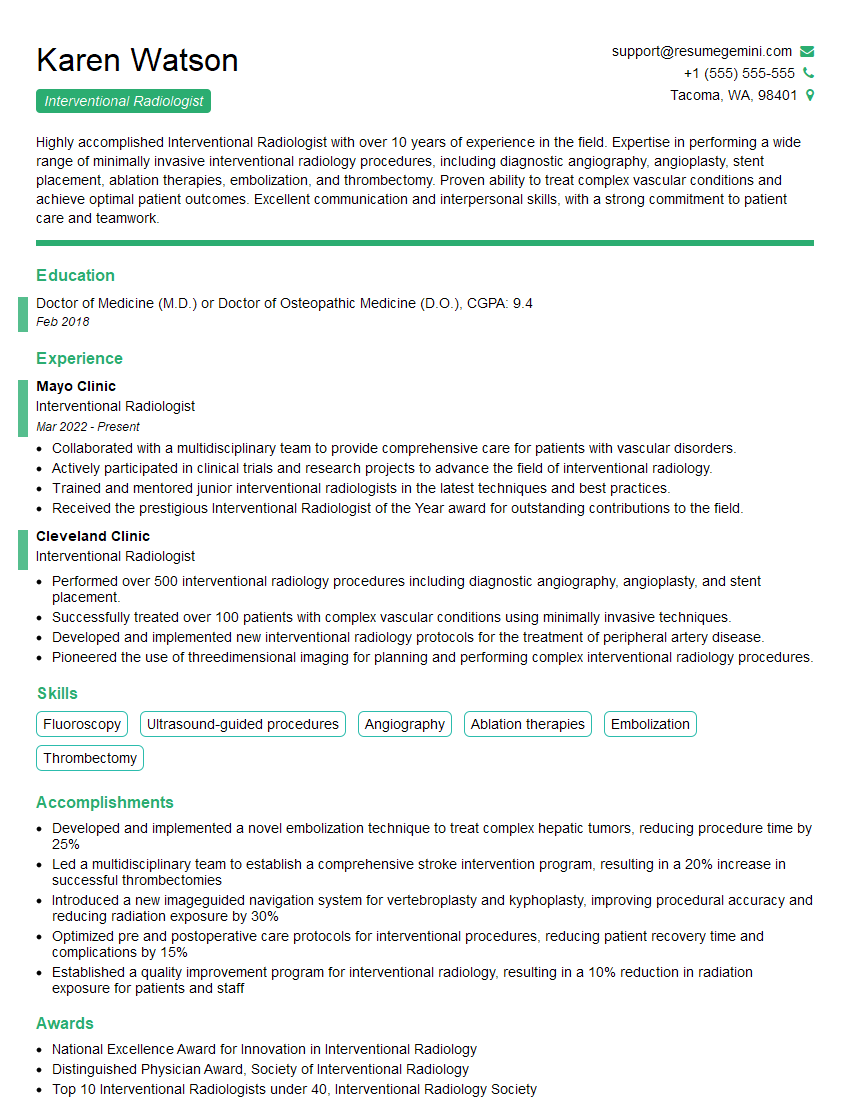
Interventional Radiologist Resume Sample
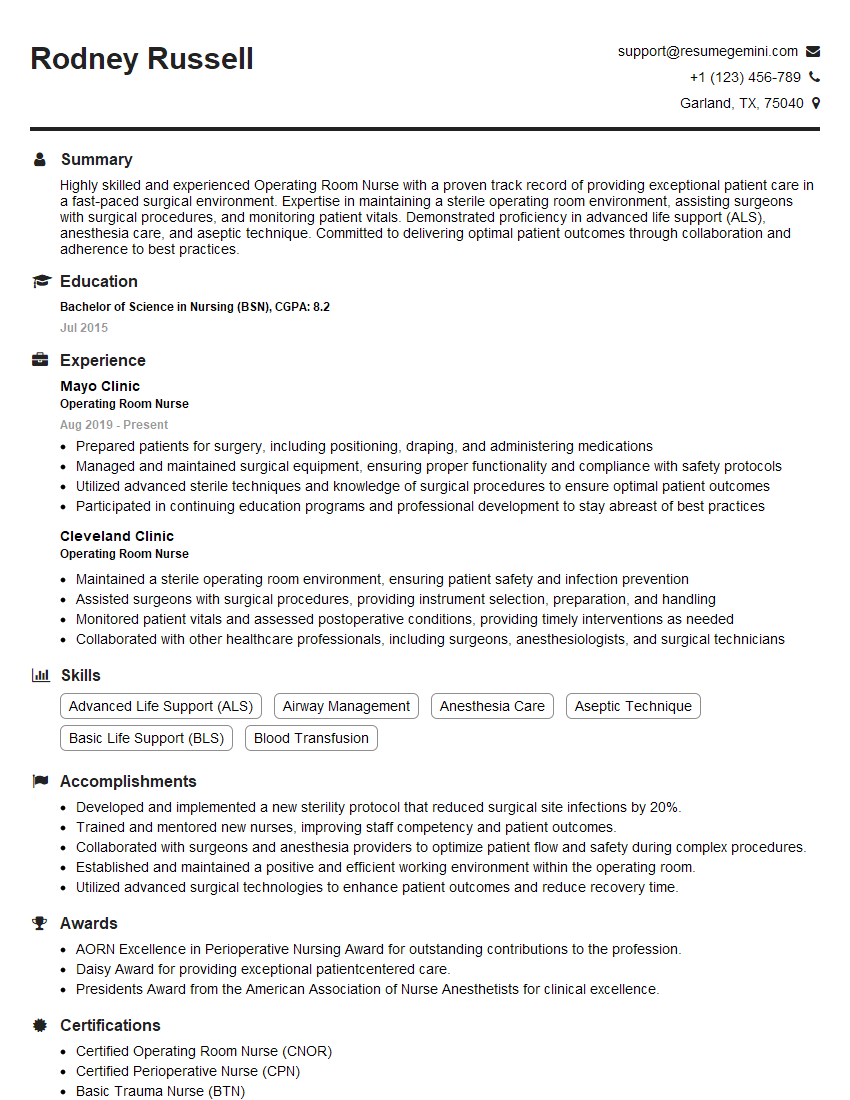
Operating Room Nurse Resume Sample
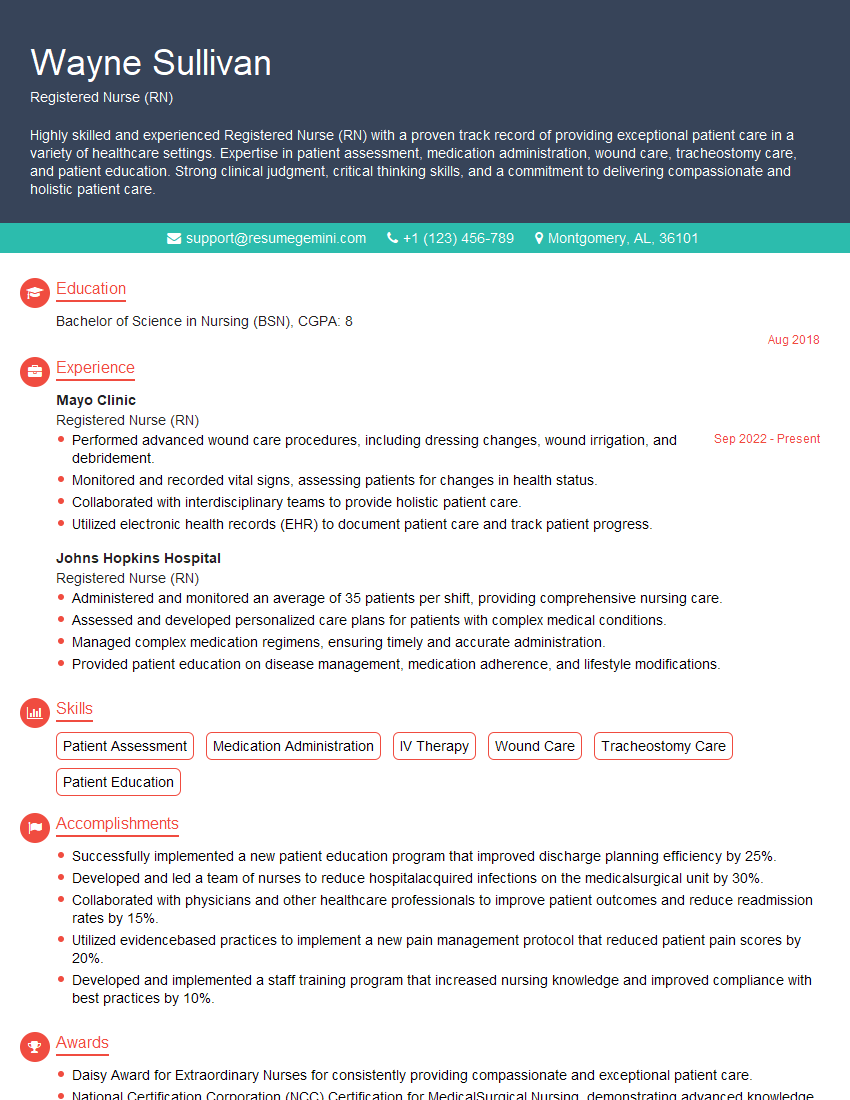
Registered Nurse (RN) Resume Sample
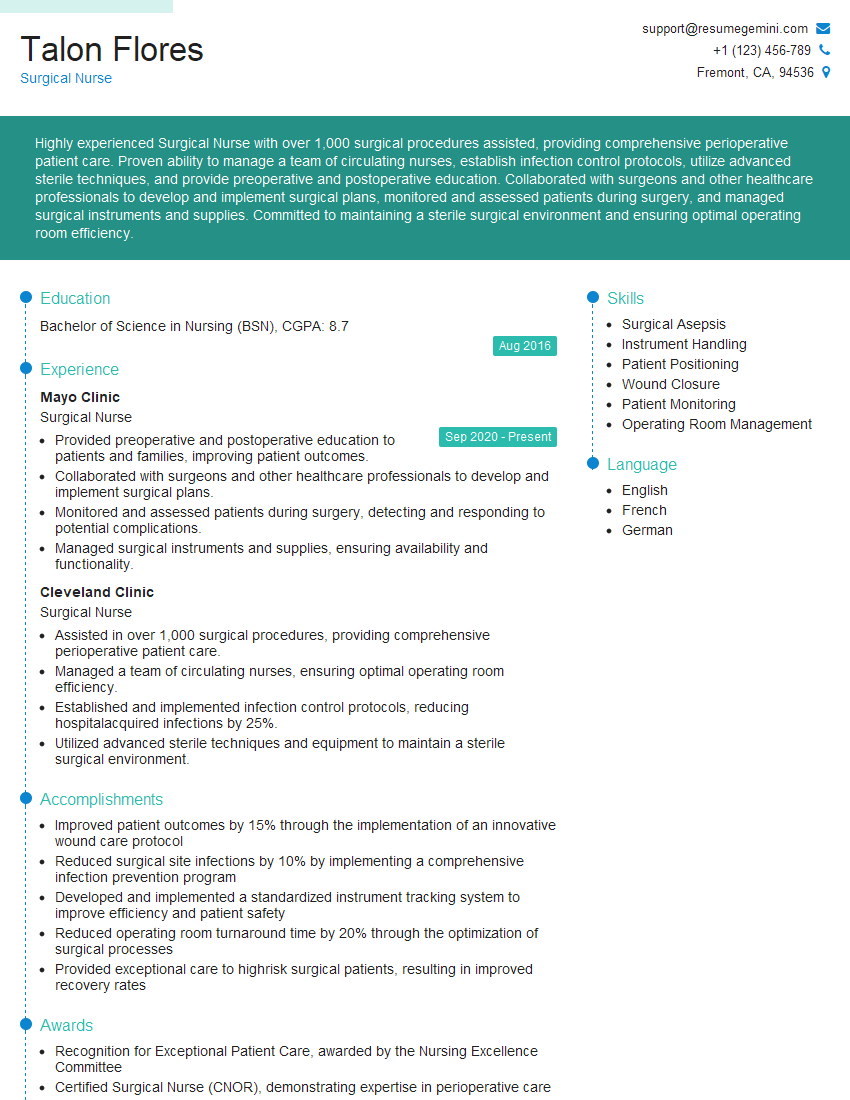
Surgical Nurse Resume Sample
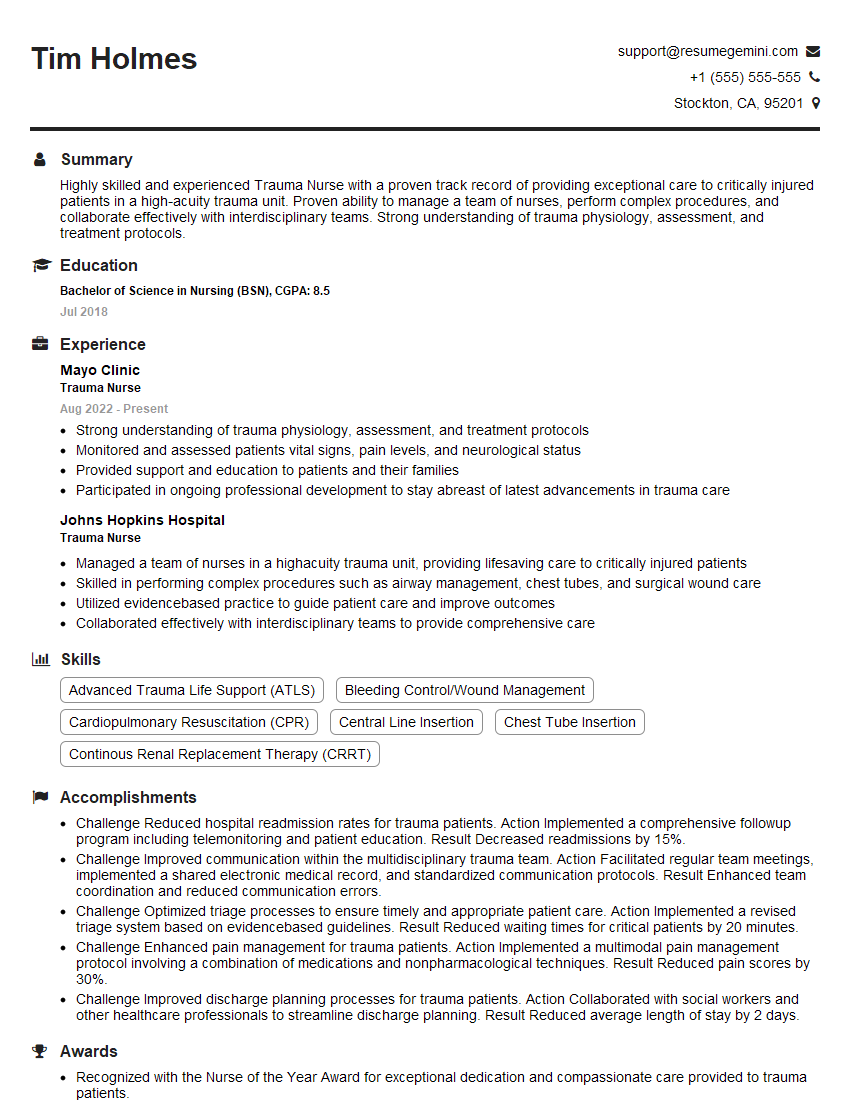
Trauma Nurse Resume Sample
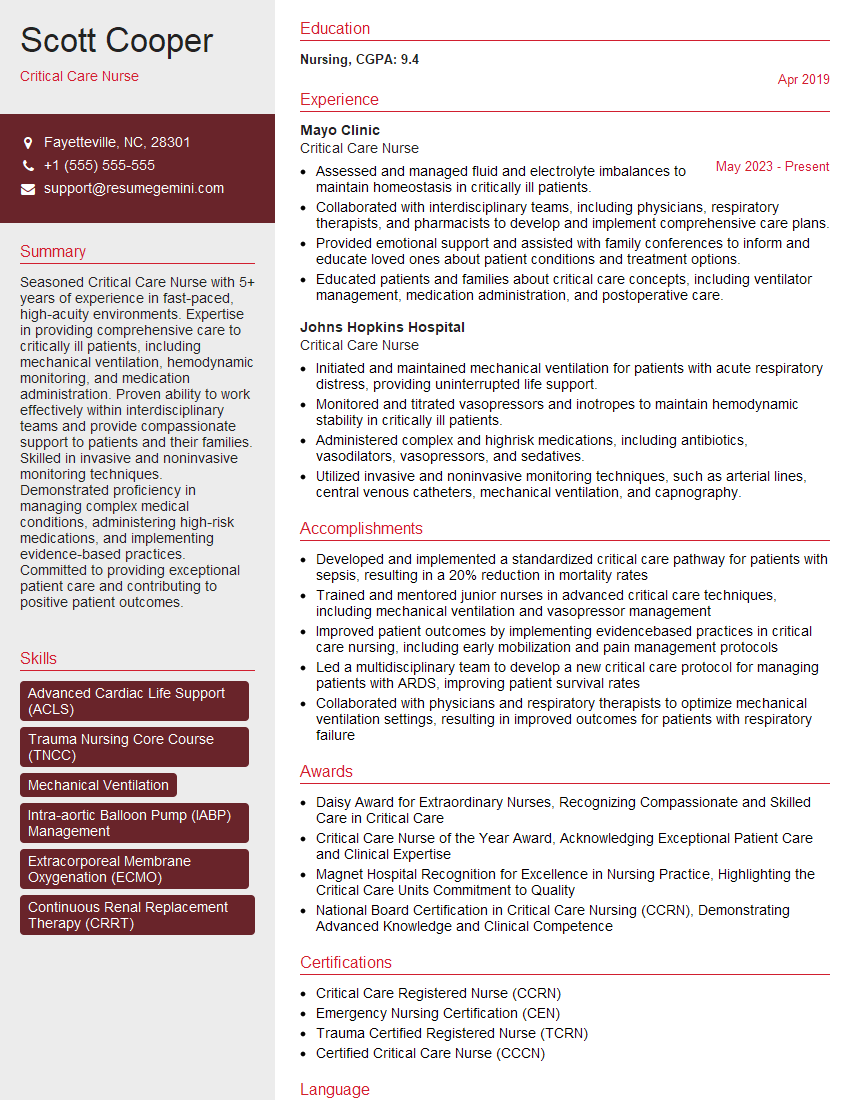
Critical Care Nurse Resume Sample
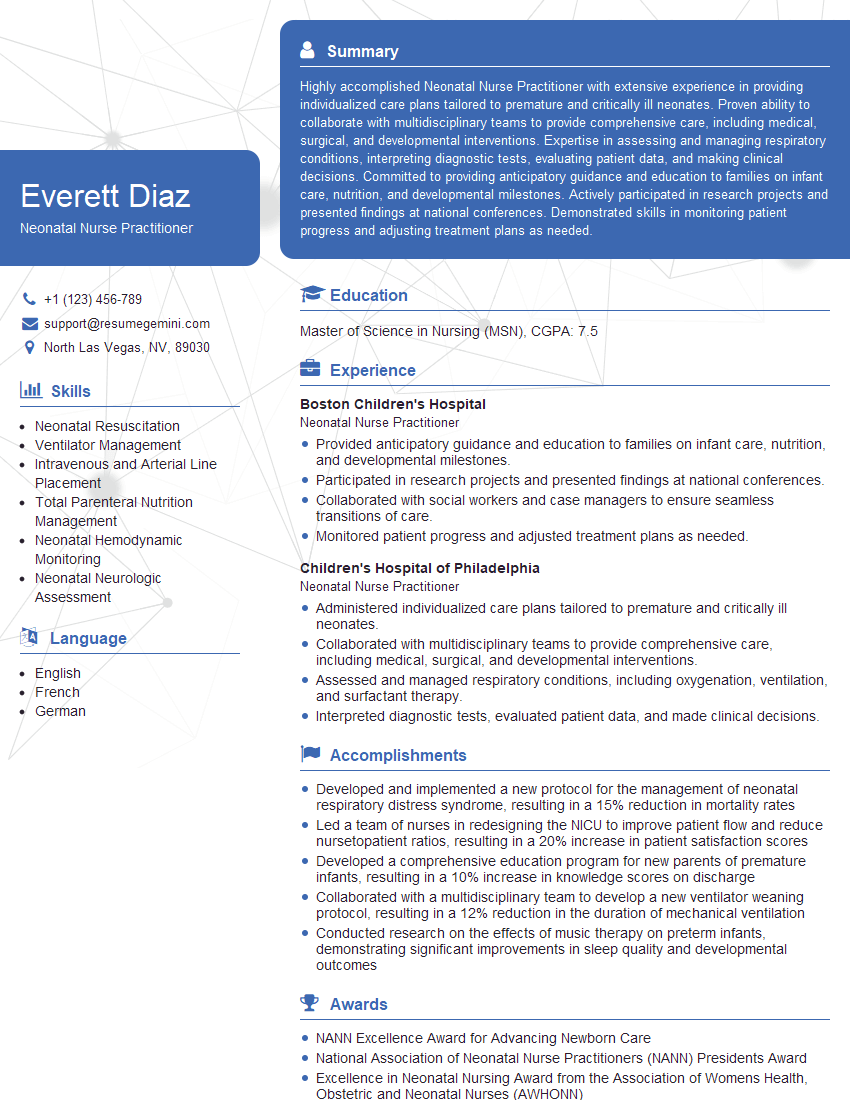
Neonatal Nurse Practitioner Resume Sample
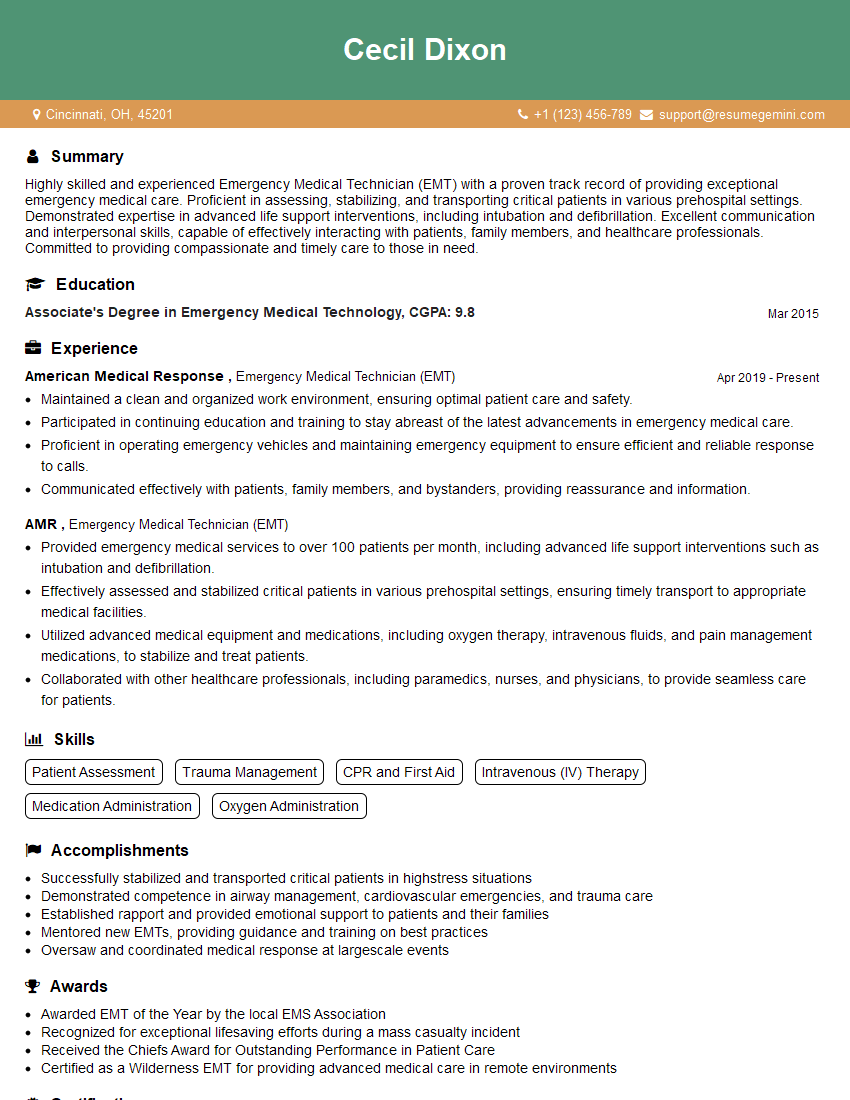
Emergency Medical Technician (EMT) Resume Sample
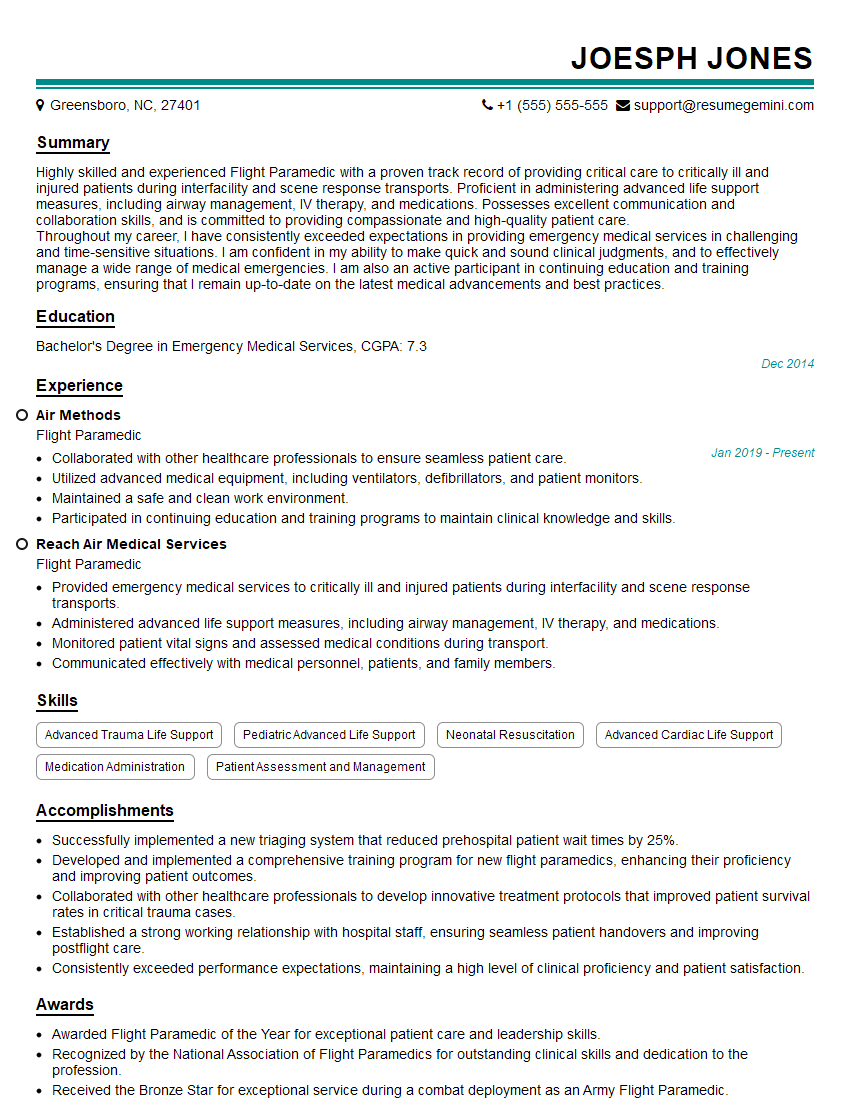
Flight Paramedic Resume Sample
- Paramedic
- Nurse Practitioner
- Surgeon
- Anesthesiologist
- Physician Assistant
- Vascular Surgeon
- Cardiologist
- Emergency Room Physician
- Interventional Radiologist
- Operating Room Nurse
- Registered Nurse (RN)
- Surgical Nurse
- Trauma Nurse
- Critical Care Nurse
- Neonatal Nurse Practitioner
- Emergency Medical Technician (EMT)
- Flight Paramedic
Explore more articles
Users Rating of Our Blogs
Share Your Experience
We value your feedback! Please rate our content and share your thoughts (optional).
What Readers Say About Our Blog
Very informative content, great job.
good