Cracking a skill-specific interview, like one for Veterinary Assistance and Support, requires understanding the nuances of the role. In this blog, we present the questions you’re most likely to encounter, along with insights into how to answer them effectively. Let’s ensure you’re ready to make a strong impression.
Questions Asked in Veterinary Assistance and Support Interview
Q 1. Describe your experience with animal restraint techniques.
Animal restraint is crucial for safe and effective veterinary care. The technique used depends entirely on the species, size, temperament, and the procedure being performed. My experience encompasses a wide range of restraint methods, from simple techniques like towel restraint for smaller animals like cats and rabbits, to more complex methods involving chemical sedation or specialized equipment for larger animals like horses or cattle. For example, I’ve used a ‘scruff’ hold for cats to temporarily immobilize them for vaccinations, and I’m proficient in using various types of leads, halters, and even specialized slings for dogs and horses. Safety for both the animal and the handler is paramount, so proper training and ongoing assessment of the animal’s response are key. I always prioritize the least stressful method possible while ensuring the safety of everyone involved.
- Physical Restraint: This includes techniques like using towels, muzzles, and physical holds to safely control the animal.
- Chemical Restraint: This involves using sedatives or anesthetics to calm the animal before a procedure.
- Mechanical Restraint: This may involve the use of specialized equipment like head clamps or slings.
Q 2. Explain the proper procedures for administering medications to animals.
Administering medications to animals requires precision and attention to detail. The route of administration (oral, subcutaneous, intramuscular, intravenous) depends on the medication and the animal’s condition. Before administering any medication, I always verify the animal’s identity, the medication’s identity, dose, and route, using the ‘five rights’ of medication administration (right patient, right medication, right dose, right route, right time). Oral medications might involve hiding pills in treats or using a pill-gun, while injectable medications require sterile technique to prevent infection. Intravenous administration requires knowledge of vascular anatomy and sterile venipuncture techniques. For example, I have extensive experience administering subcutaneous fluids to dehydrated animals and intramuscular injections for vaccinations. Detailed record-keeping of each administration is critical for tracking the effectiveness of treatment and monitoring for adverse reactions.
- Oral Administration: Using palatable treats or pill-guns to deliver medications.
- Subcutaneous Injection: Administering medication under the skin, usually on the loose skin of the neck or flank.
- Intramuscular Injection: Injecting medication directly into a muscle.
- Intravenous Injection: Administering medication directly into a vein.
Q 3. How do you handle aggressive or fearful animals?
Handling aggressive or fearful animals requires a calm and patient approach. Understanding the underlying cause of the aggression or fear is the first step. This might involve assessing the animal’s history, environment, and current physical state. My approach combines a thorough assessment of the situation with the application of appropriate restraint and calming techniques. For aggressive animals, I might use muzzles, protective gear, or even chemical sedation. With fearful animals, slow, gentle movements, soft talking, and the use of positive reinforcement techniques can be incredibly effective. Creating a safe and comfortable environment is vital. I always prioritize the animal’s safety and well-being while ensuring my own safety as well. For example, I’ve successfully managed aggressive dogs by using a combination of muzzle and firm but gentle control, while calming a fearful cat by speaking softly and allowing it to approach me at its own pace.
Q 4. What is your experience with taking vital signs (temperature, pulse, respiration) in animals?
Taking vital signs is a fundamental skill in veterinary medicine, providing critical information about an animal’s health status. I am proficient in taking temperature (usually rectally), pulse (usually felt at the femoral artery in dogs and cats), and respiration rate in a variety of species. Knowing the normal ranges for each species and the factors that can influence them is crucial. For example, a dog with a fever may have a much higher respiration rate and heart rate. I use appropriate instruments such as digital thermometers and stethoscopes, and I record all vital signs accurately and clearly to track changes over time. Understanding deviations from normal ranges allows for early detection of problems and informed treatment decisions.
Q 5. Describe your experience with venipuncture and blood collection techniques.
Venipuncture and blood collection are essential procedures in veterinary diagnostics. My experience includes performing venipuncture in various species using different techniques depending on the animal’s size, vein accessibility, and the volume of blood needed. I am proficient in drawing blood from jugular, cephalic, and saphenous veins, and I am familiar with different collection tubes and anticoagulants. Maintaining sterile technique is paramount to prevent infection and ensure the integrity of the blood samples. For example, I carefully choose the appropriate needle gauge and size based on the vein selected and the animal’s size to minimize trauma. Accurate labeling and handling of samples are crucial for accurate laboratory results.
Q 6. How familiar are you with different types of animal cages and housing requirements?
I have extensive familiarity with various types of animal cages and housing requirements. The appropriate cage depends on the species, size, and behavior of the animal. Factors to consider include cage size, ventilation, hygiene, appropriate bedding material, environmental enrichment (toys, climbing structures, etc.), and the need for social interaction with other animals (or isolation). For example, small animals like hamsters require small cages with proper bedding and nesting material, while larger animals like dogs require more spacious enclosures with adequate room for exercise. Providing suitable housing is vital for the animal’s physical and mental well-being. I am also familiar with quarantine protocols and the appropriate housing for animals with infectious diseases.
Q 7. What is your understanding of sanitation and sterilization protocols in a veterinary setting?
Sanitation and sterilization protocols are critical in a veterinary setting to prevent the spread of infection among animals and staff. These protocols encompass several key aspects: cleaning, disinfection, and sterilization. Cleaning involves removing visible dirt and debris, while disinfection uses chemicals to kill or reduce the number of microorganisms. Sterilization completely eliminates all microorganisms. My understanding includes the proper use of disinfectants and sterilizing equipment such as autoclaves. Strict adherence to these protocols is crucial in surgical settings, animal housing, and all areas where animals are handled. Following proper hand hygiene practices is another critical component. We use different protocols for different areas – for instance, the surgical suite requires a higher level of sterilization than general animal care areas.
Q 8. Explain your experience with assisting in surgical procedures.
My experience assisting in surgical procedures spans several years and encompasses a wide range of surgeries, from routine spays and neuters to more complex orthopedic and soft tissue procedures. I’ve become proficient in preparing the surgical site, assisting with instrument handling and tissue retraction, monitoring vital signs (heart rate, respiration, blood pressure, temperature), and maintaining a sterile surgical field. This includes meticulous attention to detail, following strict aseptic techniques to prevent infection. For example, during an orthopedic surgery, my role involved precise instrument passing to the surgeon, ensuring smooth workflow and minimizing surgical time. In a feline spay, I was responsible for monitoring the patient’s anesthetic depth and reporting any changes to the veterinarian. I understand the importance of my role in patient safety and surgical success.
My skills extend to post-operative care, such as monitoring the patient’s recovery, administering medications as directed, and providing wound care. I’m also familiar with various surgical instruments and equipment, and I’m comfortable using them under the supervision of a veterinarian.
Q 9. How would you handle a medical emergency in the absence of a veterinarian?
Handling a medical emergency in the absence of a veterinarian requires quick thinking, calm action, and a strong understanding of basic life support techniques. My approach would involve a systematic assessment of the situation, prioritizing the animal’s immediate needs. First, I would perform a quick assessment of the animal’s ABCs – Airway, Breathing, Circulation. This involves checking for any airway obstructions, assessing respiratory rate and effort, and checking for a heartbeat.
Depending on the nature of the emergency, I would then take appropriate actions. This could involve administering oxygen, performing CPR (cardiopulmonary resuscitation) if necessary, controlling bleeding, or stabilizing fractures using readily available materials. Crucially, I’d maintain accurate and detailed records of all actions taken, including times, observations, and interventions. I would immediately contact the nearest available veterinarian or emergency veterinary clinic to seek guidance and arrange transport. My training includes emergency first aid and stabilization techniques for animals, and I am confident in my ability to act effectively while awaiting veterinary assistance.
For example, if an animal is experiencing respiratory distress, I would immediately administer oxygen and place the animal in a comfortable position to facilitate breathing. If the animal is bleeding profusely, I would apply direct pressure to the wound to control the bleeding while waiting for veterinary care. The safety and well-being of the animal is my highest priority throughout the entire process.
Q 10. What software or systems are you familiar with using in a veterinary practice (e.g., practice management software)?
I am proficient in using several veterinary practice management software systems, including Cornerstone, Avimark, and eVetPractice. My experience with these systems involves scheduling appointments, managing client and patient records, processing payments, generating reports, and maintaining inventory. I am comfortable navigating the various modules within these programs and utilizing their features to streamline practice operations.
For example, I’m adept at using Avimark‘s inventory management tools to track medication levels and order supplies as needed, preventing shortages and ensuring smooth practice operations. In Cornerstone, I can efficiently schedule appointments, send reminders to clients, and generate financial reports. My familiarity with these systems allows me to contribute effectively to the daily operations of a busy veterinary practice.
Q 11. Describe your experience with maintaining medical records and inventory.
Maintaining accurate medical records and inventory is essential for efficient and ethical veterinary practice. My experience encompasses both manual and electronic record-keeping. I am meticulous in documenting patient information, including medical history, examination findings, diagnostic test results, treatment plans, and progress notes, ensuring accuracy and completeness. I follow established protocols for filing and retrieving records, ensuring easy access to crucial information whenever needed.
Regarding inventory management, I have experience tracking medical supplies, pharmaceuticals, and other consumables, ensuring adequate stock levels and preventing shortages. I am familiar with using inventory management software to track usage, order new supplies, and maintain detailed records of stock levels. For example, I’ve used spreadsheets to track medication expiration dates, facilitating efficient inventory rotation and preventing the use of expired products. This rigorous attention to detail ensures that all aspects of medical records and inventory are managed with precision and efficiency.
Q 12. How do you prioritize tasks in a busy veterinary clinic?
Prioritizing tasks in a busy veterinary clinic involves a combination of organizational skills, effective time management, and clinical judgment. My approach is based on a triage system, prioritizing urgent cases first, such as those requiring immediate medical attention. This could involve an animal experiencing a seizure, severe trauma, or respiratory distress.
After addressing urgent cases, I move to tasks with shorter deadlines, such as preparing for upcoming appointments or running routine laboratory tests. I utilize to-do lists and task management tools to keep track of my tasks and deadlines, ensuring that no tasks slip through the cracks. For instance, I might prioritize assisting the veterinarian with a surgery before preparing examination rooms for subsequent appointments. Effective communication with the veterinary team is crucial in coordinating efforts and ensuring optimal workflow. This systematic and efficient approach enables me to handle a high volume of tasks effectively and efficiently.
Q 13. Describe your experience with client communication and interaction.
Client communication and interaction are crucial aspects of veterinary practice. I have extensive experience communicating with clients in a professional, compassionate, and empathetic manner. This includes explaining complex medical information in a clear and understandable way, answering questions patiently, and providing emotional support during stressful situations, such as when dealing with a sick or injured pet. My goal is to build rapport and trust with clients, ensuring a positive experience for both the client and their pet.
For example, when discussing a diagnosis, I ensure that the client fully understands the condition, the treatment options available, and the potential prognosis. I also provide clear and concise instructions for administering medications and follow-up care. I’m comfortable handling both routine and sensitive conversations, and I am committed to providing clients with the information and support they need to make informed decisions about their pet’s care.
Q 14. How would you handle a complaint from a client?
Handling a client complaint requires tact, empathy, and a commitment to resolving the issue. My first step would be to actively listen to the client’s concerns without interruption, showing genuine empathy and understanding. Once I’ve fully understood their complaint, I would calmly and clearly explain the veterinary team’s perspective, providing evidence and details to support our actions. This might involve reviewing medical records, discussing the treatment plan, or clarifying any misunderstandings.
My goal is to find a mutually agreeable solution that addresses the client’s concerns. This might involve offering an apology if an error occurred, explaining our processes to improve client understanding, or offering a partial refund or other compensation as appropriate. I would document the complaint and the resolution thoroughly in the client’s file, ensuring proper follow-up to prevent similar issues from recurring. If the situation cannot be resolved amicably, I would escalate the issue to the practice manager or veterinarian for further intervention. The primary focus is always on maintaining a positive relationship with the client, while addressing any shortcomings transparently and professionally.
Q 15. What is your knowledge of common animal diseases and treatments?
My knowledge of common animal diseases and treatments is extensive, encompassing a wide range of species and conditions. I’m proficient in diagnosing and managing everything from routine illnesses like kennel cough and feline upper respiratory infections to more complex cases such as diabetes mellitus in dogs, feline leukemia virus infections, and various orthopedic injuries.
For example, diagnosing canine parvovirus involves recognizing the clinical signs (severe vomiting, diarrhea, lethargy), running a fecal exam to identify the virus, and initiating aggressive supportive care, including fluid therapy, antiemetics, and antibiotics. Treatment strategies vary widely depending on the severity of the disease and the animal’s overall health. Similarly, managing feline hyperthyroidism requires understanding the underlying hormonal imbalance, considering treatment options like medication, radioactive iodine therapy, or surgery, and carefully monitoring the patient’s response.
My approach always prioritizes a thorough history and physical examination, followed by targeted diagnostic testing and individualized treatment plans. I am well-versed in the latest veterinary advancements and guidelines, ensuring I provide the most effective and up-to-date care.
Career Expert Tips:
- Ace those interviews! Prepare effectively by reviewing the Top 50 Most Common Interview Questions on ResumeGemini.
- Navigate your job search with confidence! Explore a wide range of Career Tips on ResumeGemini. Learn about common challenges and recommendations to overcome them.
- Craft the perfect resume! Master the Art of Resume Writing with ResumeGemini’s guide. Showcase your unique qualifications and achievements effectively.
- Don’t miss out on holiday savings! Build your dream resume with ResumeGemini’s ATS optimized templates.
Q 16. Describe your experience with radiography or ultrasound techniques.
I have significant experience with both radiography and ultrasound techniques. In radiography, I’m proficient in positioning animals for optimal image acquisition, selecting appropriate exposure settings to avoid over or under exposure, and interpreting radiographic images to identify fractures, luxations, foreign bodies, and other abnormalities. This includes understanding the anatomical landmarks and recognizing subtle changes indicative of pathology.
Ultrasound, on the other hand, allows for real-time visualization of internal organs. My experience includes performing abdominal ultrasounds to assess organ size, texture, and identify masses or fluid accumulations. I am also skilled in performing echocardiograms to evaluate cardiac function and detect congenital or acquired heart disease. For instance, I’ve used ultrasound to successfully identify a diaphragmatic hernia in a dog, guiding surgical intervention for a successful outcome. Accurate image acquisition and interpretation require meticulous attention to detail and a thorough understanding of animal anatomy and physiology.
Q 17. How do you ensure patient safety and comfort?
Patient safety and comfort are paramount in my practice. I prioritize a calm and reassuring environment to minimize stress for the animal. This starts with gentle handling techniques, utilizing appropriate restraint methods tailored to the animal’s species and temperament. I always explain procedures to the owner, answering questions and addressing concerns.
For pain management, I employ multimodal analgesia whenever appropriate, combining medications to optimize pain relief while minimizing side effects. Post-operative care also includes meticulous monitoring of vital signs, ensuring proper hydration, and providing a comfortable recovery space. In situations requiring sedation or anesthesia, I carefully assess the animal’s physical condition to minimize risks and utilize appropriate monitoring equipment to ensure patient safety throughout the procedure. For instance, before any procedure, I always check the animal’s complete blood count and biochemistry panel to rule out any contraindication.
Q 18. What is your experience with dental prophylaxis?
I have extensive experience performing dental prophylaxis, a crucial aspect of preventative veterinary care. This involves a thorough dental cleaning, including scaling, polishing, and the removal of plaque and tartar buildup. I am adept at identifying dental disease, such as periodontal disease, tooth fractures, and oral masses.
During a prophylaxis, I use appropriate dental instruments and techniques to minimize trauma and discomfort. For animals with significant dental disease, I am comfortable extracting teeth when necessary. My approach also includes educating owners on proper at-home dental care, such as brushing and providing appropriate chews. Regular dental prophylaxis helps prevent more serious dental issues and maintains the overall oral health of the animal. For example, a neglected periodontal disease can lead to serious systemic infections.
Q 19. How familiar are you with anesthetic monitoring?
Anesthetic monitoring is a critical skill in veterinary medicine. My experience encompasses the use of various monitoring techniques, including pulse oximetry (measuring blood oxygen saturation), electrocardiography (ECG, monitoring heart rhythm), capnography (measuring carbon dioxide levels), and blood pressure monitoring.
I am proficient in interpreting the data generated by these monitors, recognizing early signs of anesthetic complications such as hypotension, hypoxemia, or arrhythmias. My training includes advanced knowledge of anesthetic drugs and their potential side effects. My approach always emphasizes a pre-anesthetic assessment to identify any potential risks, as well as careful post-anesthetic monitoring to ensure a smooth recovery. For example, I’ve successfully managed a patient experiencing bradycardia (slow heart rate) during anesthesia by adjusting the anesthetic plan and administering appropriate medications.
Q 20. Describe your experience with laboratory procedures (e.g., urinalysis, fecal exams).
I possess considerable experience in performing various laboratory procedures. This includes urinalysis, which involves assessing urine color, specific gravity, pH, and the presence of cells, crystals, and other components to identify kidney disease, urinary tract infections, and other conditions. I’m also skilled in fecal examinations, including microscopic analysis to identify intestinal parasites such as worms and protozoa.
Beyond these routine procedures, I have familiarity with performing blood analyses such as complete blood counts (CBCs) and serum biochemistry profiles to assess overall health, diagnose infections, and monitor organ function. I understand the importance of proper sample collection and handling to ensure accurate results. For instance, a urinalysis revealing high levels of protein and red blood cells can be a crucial indicator of glomerulonephritis. These results guide diagnosis and direct the treatment plan.
Q 21. What is your understanding of OSHA regulations in a veterinary setting?
My understanding of OSHA (Occupational Safety and Health Administration) regulations in a veterinary setting is comprehensive. I am well-versed in the standards related to the safe handling of hazardous materials, such as disinfectants, anesthetic gases, and pharmaceuticals.
This includes proper storage, disposal, and the use of personal protective equipment (PPE), such as gloves, masks, and eye protection. I am also familiar with regulations pertaining to sharps disposal, waste management, and emergency procedures. Adherence to OSHA guidelines is critical to ensure the safety of both veterinary staff and patients. I am proactive in maintaining a safe working environment, actively participating in safety training and protocols to minimize workplace hazards. For example, understanding the proper handling and disposal of chemotherapy drugs is critical to prevent exposure to staff and the environment.
Q 22. How would you handle a situation where you make a mistake?
Making mistakes is an inevitable part of learning and growth, especially in a field as dynamic as veterinary assistance. My approach focuses on transparency, accountability, and learning from the experience. If I were to make a mistake, I would first immediately inform my supervisor and the veterinarian involved. This ensures that any potential negative consequences for the animal are addressed promptly. Then, I would meticulously document the error, including the steps taken, the mistake made, and the corrective actions implemented. This documentation helps in identifying systemic issues and prevents recurrence. Finally, I would conduct a thorough self-reflection to understand the root cause of the error and develop strategies to avoid similar mistakes in the future. For example, if I incorrectly administered a medication, I would immediately report it, documenting the dosage given, the correct dosage, and the steps taken to mitigate any potential adverse effects. I would then review the medication administration protocol to identify any areas for improvement in my understanding or the clarity of the procedures.
Q 23. Explain your experience working as part of a team.
Teamwork is fundamental in veterinary care. In my previous role at [Previous Veterinary Clinic Name], I worked closely with veterinarians, veterinary technicians, and other support staff. We routinely collaborated on patient care, from initial assessment to post-operative monitoring. For example, during a busy surgery day, I efficiently prepared the surgical instruments, managed patient records, and assisted the surgical team to ensure a smooth workflow. My role required excellent communication and coordination. I am adept at communicating clearly and effectively, actively listening to the needs of my colleagues, and always willing to assist in any capacity to support the team’s goals. I believe in a collaborative environment where each team member’s strengths are utilized to provide the best possible care for our patients.
Q 24. Describe your experience with handling and disposing of medical waste.
Handling and disposing of medical waste is a critical aspect of maintaining a safe and sanitary veterinary environment. My experience involves strict adherence to all relevant regulations and protocols. I’m proficient in the proper segregation of sharps (needles, scalpels), biohazardous waste (infected tissues, blood), and general medical waste (bandages, gloves). I’m familiar with the use of color-coded containers and appropriate labeling procedures to ensure safe handling. Furthermore, I understand the importance of autoclaving or incinerating infectious materials and following all local, state, and federal regulations for disposal, including the completion of all necessary documentation. I’ve always prioritized safety, following strict protocols to avoid exposure to infectious agents and ensuring all waste is managed in an environmentally responsible manner.
Q 25. How do you stay up-to-date on advancements in veterinary medicine?
Staying current with advancements in veterinary medicine is crucial for providing high-quality care. I utilize various methods to maintain my knowledge. I regularly subscribe to and read professional journals such as the Journal of the American Veterinary Medical Association and attend continuing education seminars and webinars offered by organizations like the [Name relevant Veterinary Organization]. I also actively participate in online veterinary communities and forums to engage with other professionals and learn about new research and techniques. Furthermore, I make a point of attending conferences and workshops to hear directly from leading experts in the field. This multifaceted approach ensures I’m well-informed about the latest diagnostic tools, treatment options, and best practices in veterinary care.
Q 26. What are your salary expectations?
My salary expectations are in line with the market rate for a veterinary assistant with my experience and qualifications in this region. I am open to discussing a specific salary range based on the comprehensive compensation package offered, including benefits such as health insurance, paid time off, and opportunities for professional development.
Q 27. Why are you interested in this position?
I am deeply interested in this position because of [Clinic Name]’s reputation for providing exceptional animal care and its commitment to fostering a positive and collaborative work environment. I am particularly drawn to [mention specific program, technology, or aspect of the clinic that interests you]. The opportunity to contribute to a team dedicated to animal welfare and to learn from experienced professionals aligns perfectly with my career aspirations. I believe my skills and experience would be a valuable asset to your team.
Q 28. What are your long-term career goals?
My long-term career goals involve continued professional development and advancement within the veterinary field. I am particularly interested in pursuing further certifications and specialized training in [Mention specific area like surgical assisting or emergency care]. Ultimately, I aspire to become a valuable and respected member of a veterinary team, consistently contributing to the well-being of animals and the success of the practice. I am dedicated to lifelong learning and staying abreast of the latest developments in veterinary medicine to enhance my skills and expertise.
Key Topics to Learn for Veterinary Assistance and Support Interview
- Animal Handling and Restraint: Understanding safe and effective techniques for handling various animal species, considering their temperament and size. Practical application includes demonstrating knowledge of appropriate restraint methods for different procedures.
- Veterinary Procedures and Equipment: Familiarity with common veterinary procedures (e.g., blood draws, injections, bandage application) and the operation and maintenance of related equipment. This includes troubleshooting minor equipment malfunctions and understanding sterilization protocols.
- Patient Care and Monitoring: Knowledge of post-operative care, recognizing signs of distress or complications in animals, and accurately recording observations. Practical application focuses on demonstrating understanding of vital signs and recognizing deviations from normal.
- Laboratory Procedures: Basic understanding of laboratory tests, sample collection techniques, and proper handling of specimens. This also includes maintaining cleanliness and organization in the laboratory setting.
- Medical Terminology and Record Keeping: Proficiency in veterinary medical terminology and accurate record-keeping practices, including maintaining patient files and adhering to confidentiality protocols. This includes understanding the importance of clear and concise documentation.
- Client Communication and Interaction: Effective communication with clients, answering questions professionally and compassionately, and providing excellent customer service. This includes understanding the emotional needs of clients during stressful situations.
- Hygiene and Sanitation: Strict adherence to hygiene and sanitation protocols to maintain a clean and safe environment for both animals and staff. This includes understanding infection control measures and proper waste disposal.
- Emergency Response: Knowledge of emergency procedures and protocols, including recognizing and responding to life-threatening situations. Practical application might involve outlining steps in a veterinary emergency.
Next Steps
Mastering Veterinary Assistance and Support skills is crucial for a rewarding and successful career in the veterinary field, opening doors to specialization and advancement. An ATS-friendly resume is key to getting your application noticed. To make your application stand out and maximize your job prospects, consider using ResumeGemini to create a professional and impactful resume. ResumeGemini provides examples of resumes tailored to Veterinary Assistance and Support, helping you showcase your skills effectively. Invest time in crafting a compelling resume – it’s your first impression and a vital step in securing your dream job.
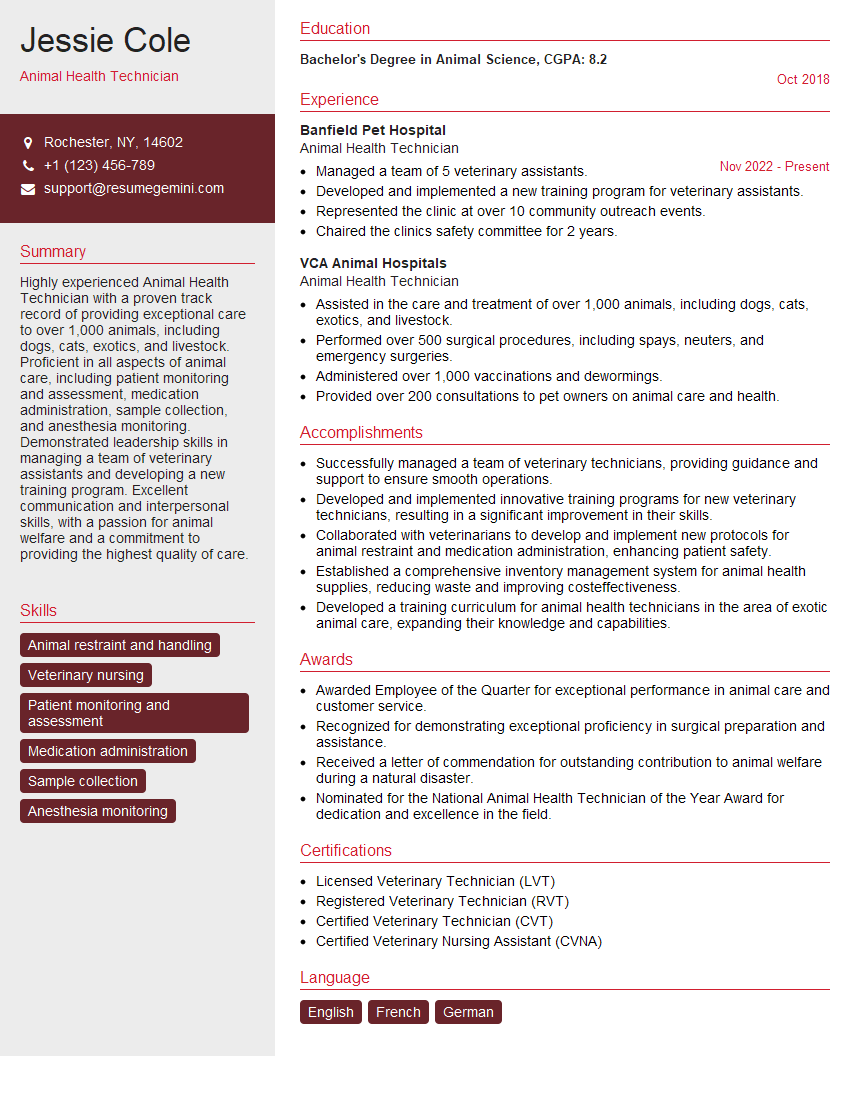
Animal Health Technician Resume Sample
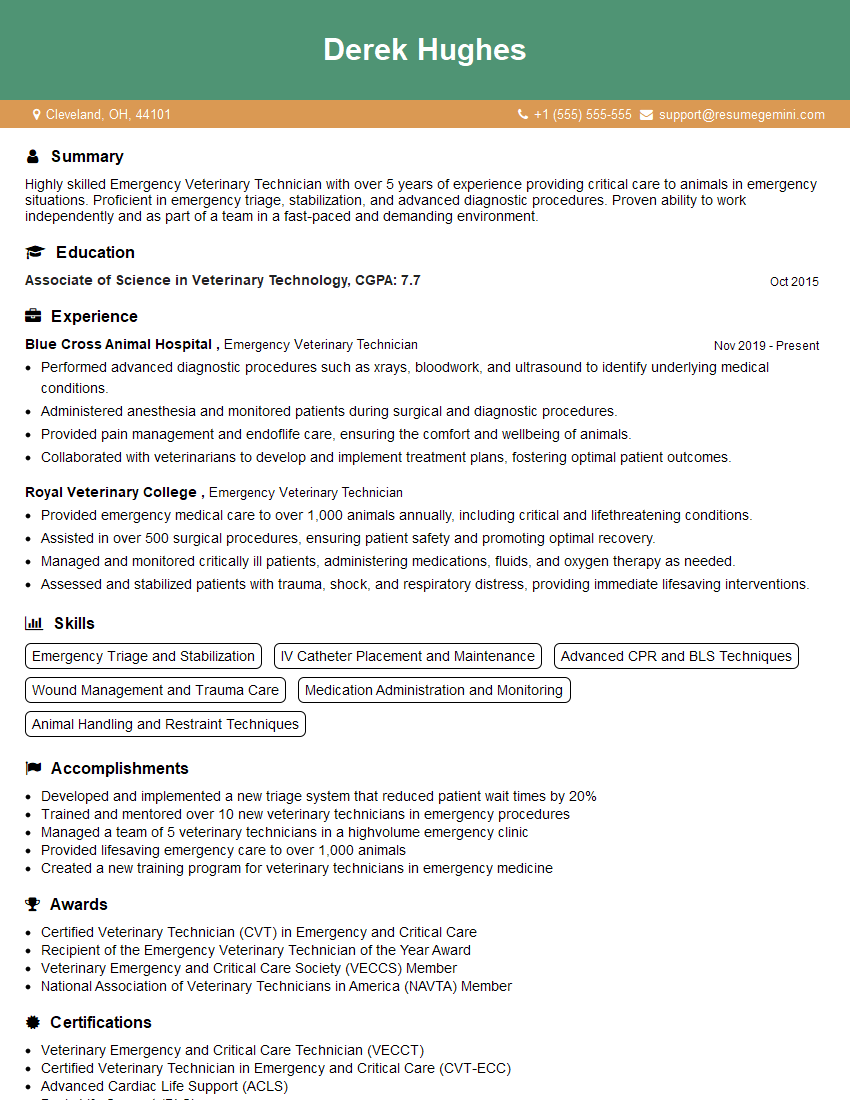
Emergency Veterinary Technician Resume Sample
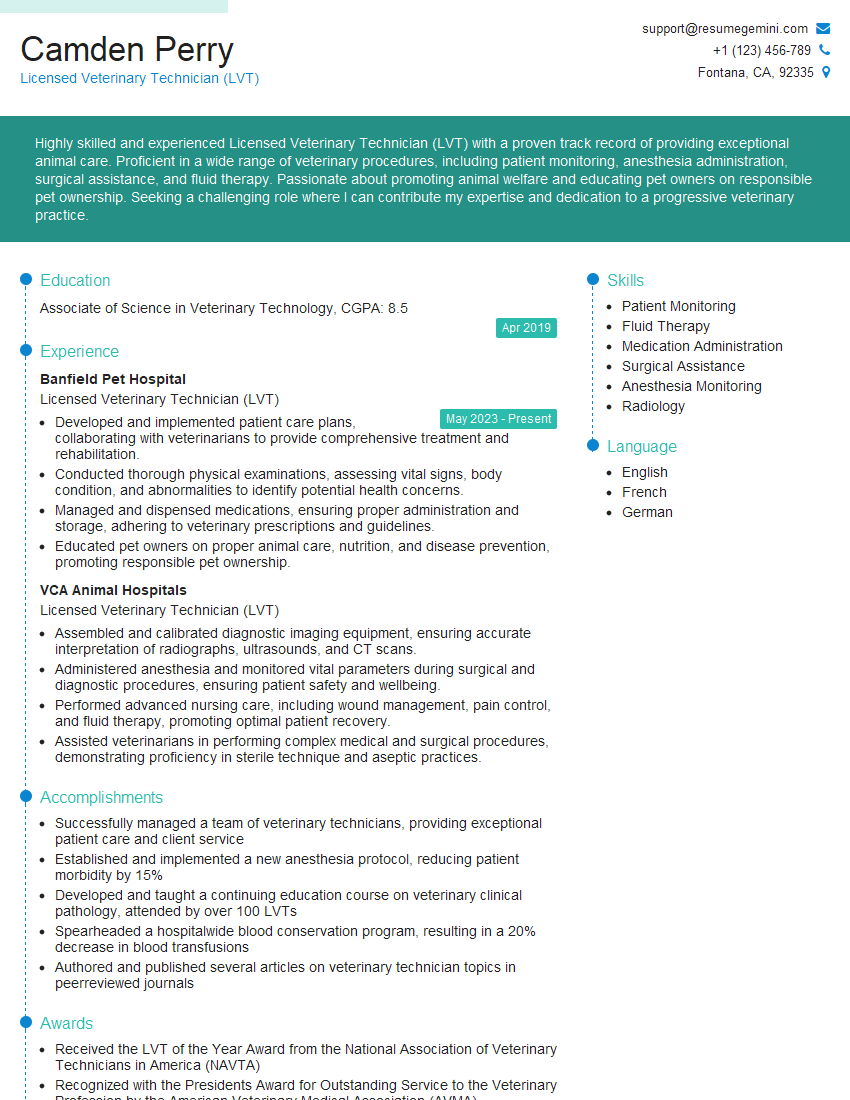
Licensed Veterinary Technician (LVT) Resume Sample
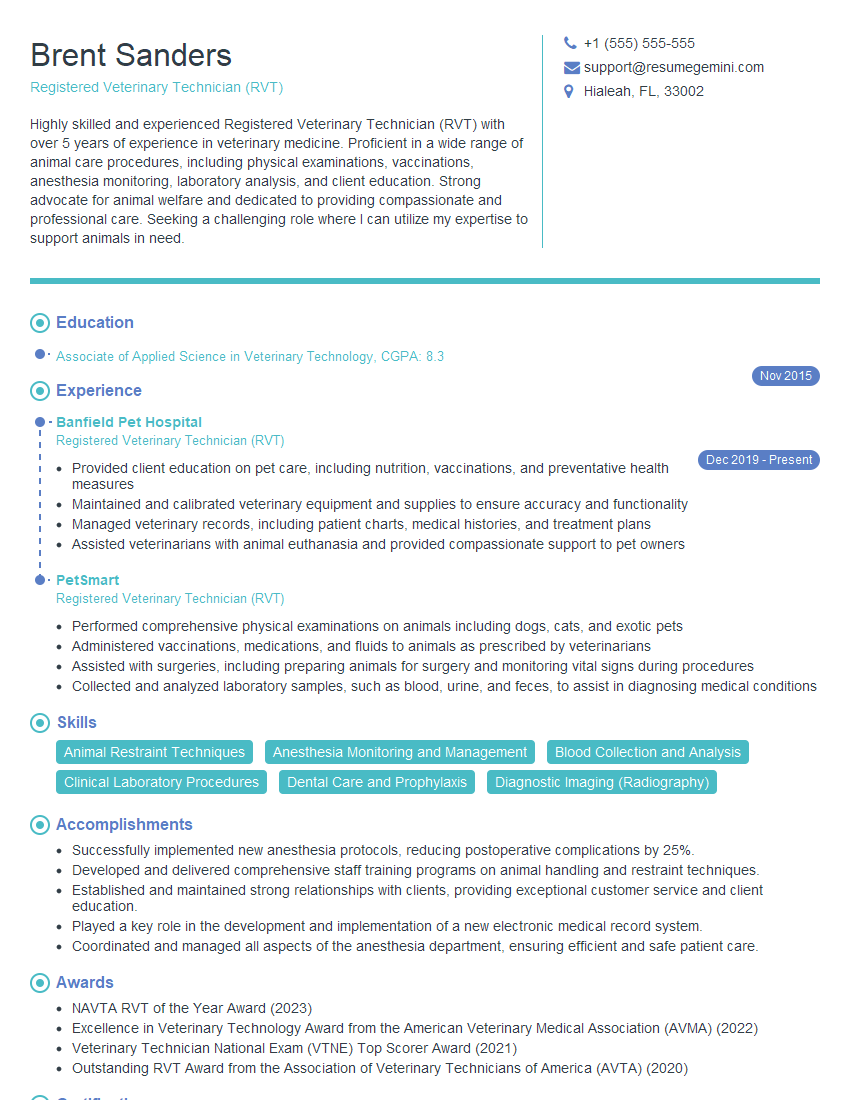
Registered Veterinary Technician (RVT) Resume Sample
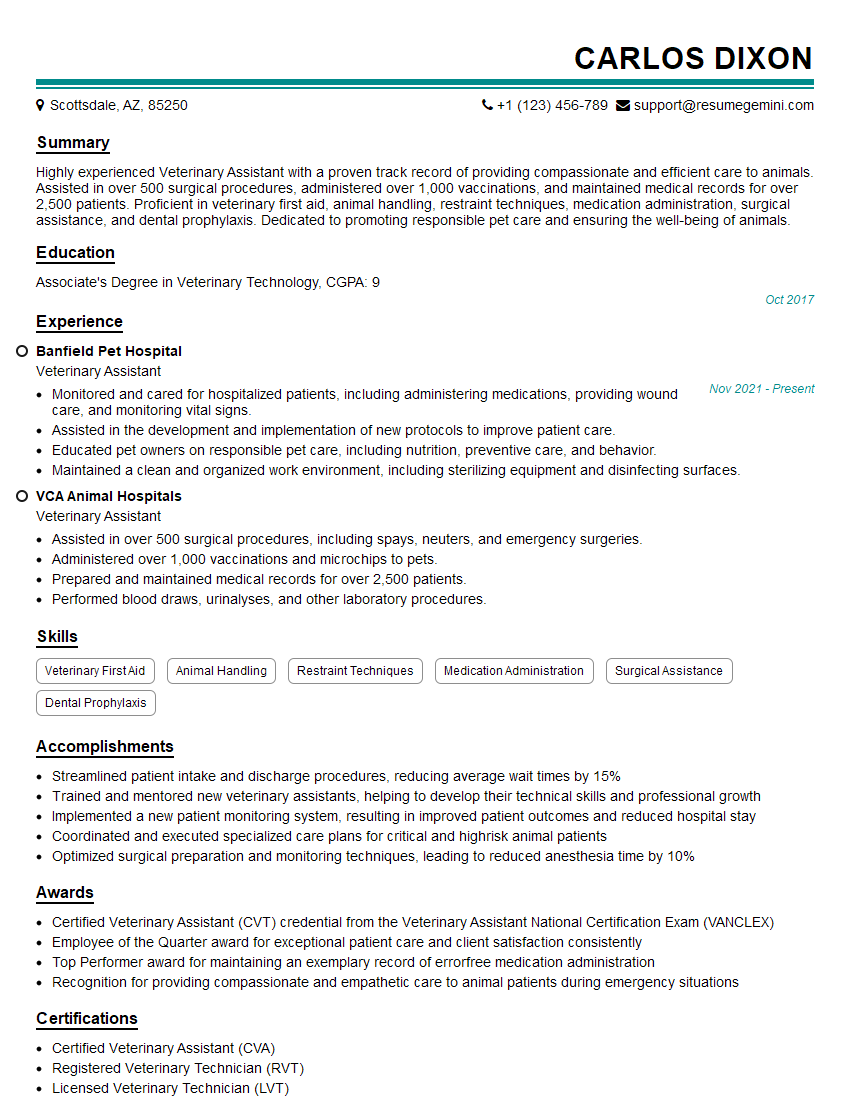
Veterinary Assistant Resume Sample
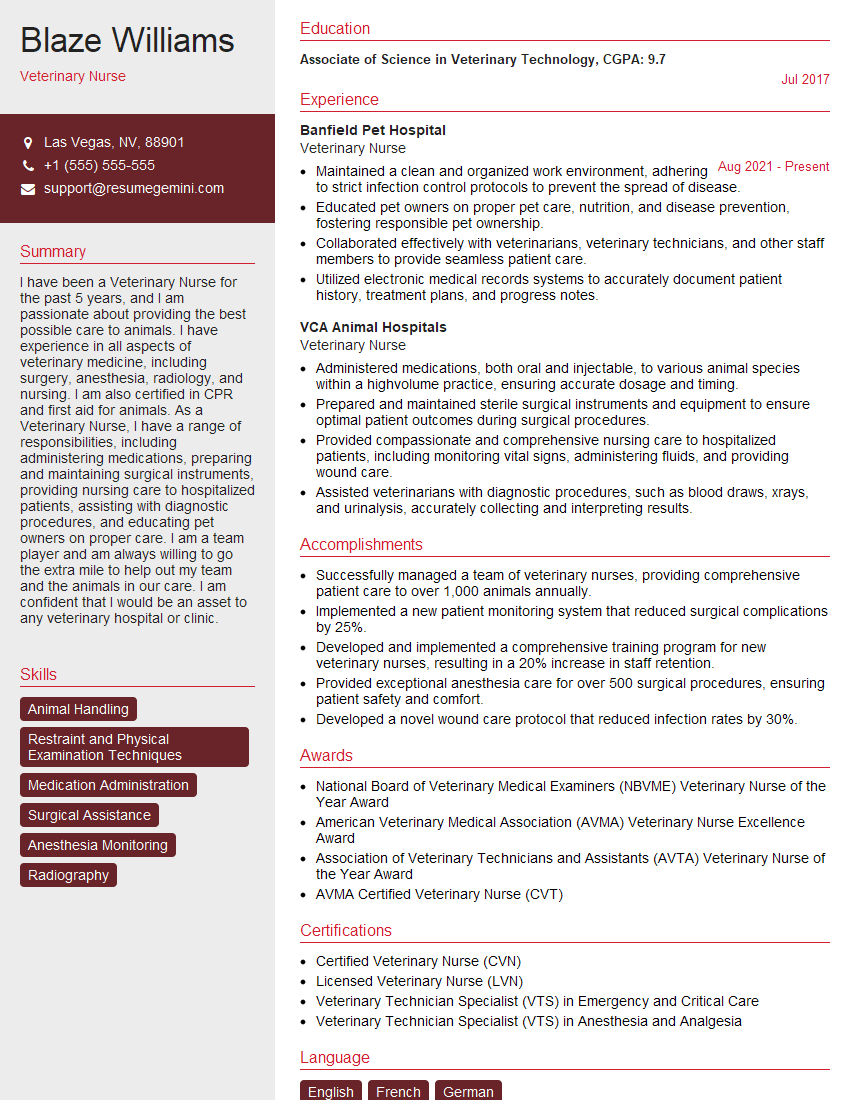
Veterinary Nurse Resume Sample
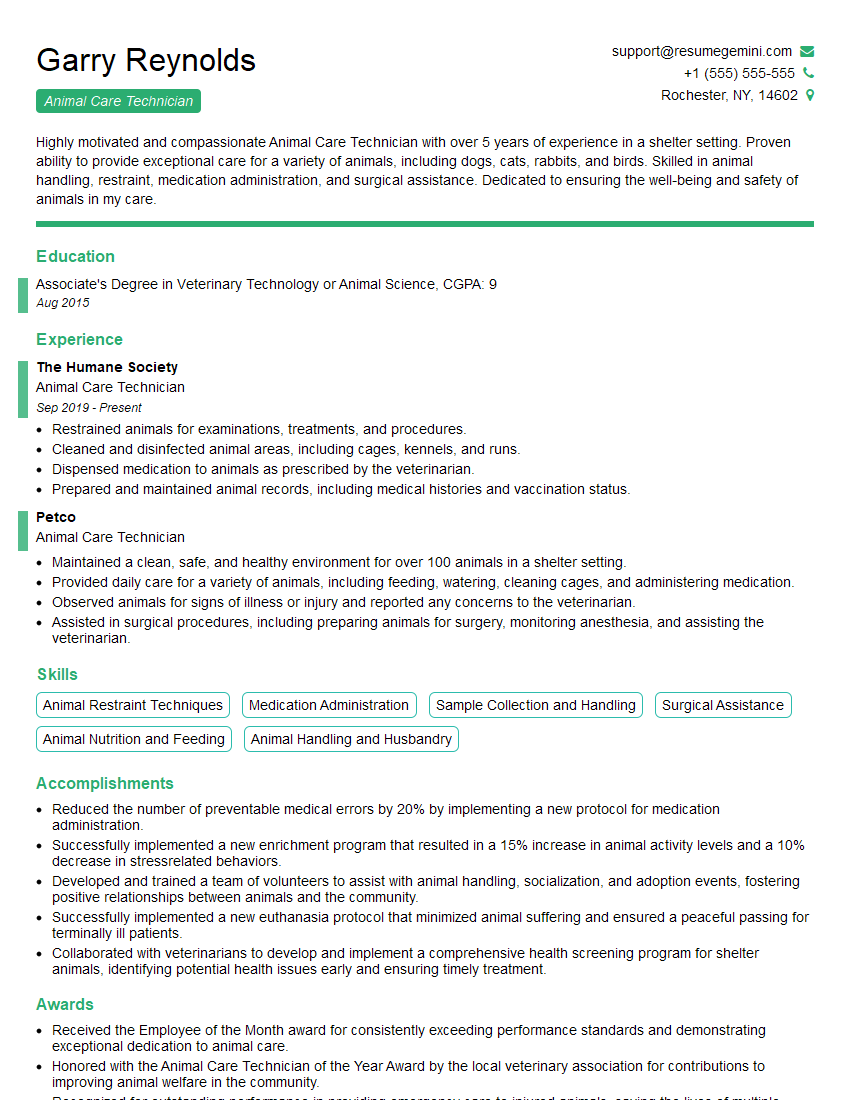
Animal Care Technician Resume Sample

Kennel Technician Resume Sample
Explore more articles
Users Rating of Our Blogs
Share Your Experience
We value your feedback! Please rate our content and share your thoughts (optional).
What Readers Say About Our Blog
Very informative content, great job.
good