Feeling uncertain about what to expect in your upcoming interview? We’ve got you covered! This blog highlights the most important Watchstanding and Duty Officer interview questions and provides actionable advice to help you stand out as the ideal candidate. Let’s pave the way for your success.
Questions Asked in Watchstanding and Duty Officer Interview
Q 1. Describe your experience in maintaining a navigational watch.
Maintaining a navigational watch involves constant vigilance and a systematic approach to ensure the safe navigation of the vessel. It’s like being a highly skilled air traffic controller for a single ship, constantly monitoring its position, speed, and surroundings. My experience encompasses thousands of hours at sea, across diverse geographical locations and weather conditions. This involves:
- Regular checks of navigational equipment: This includes radar, GPS, charts, electronic charts (ECDIS), and compass. I ensure the accuracy and proper functioning of all systems, regularly cross-referencing data to avoid relying solely on one source. For example, I might compare GPS position with a visual bearing and range to a known landmark.
- Maintaining a proper lookout: This is crucial, especially in restricted waters or low visibility. I employ both visual and radar lookouts, systematically scanning the horizon for other vessels, navigation hazards, and potential dangers. This is analogous to constantly scanning the road while driving.
- Accurate plotting of position: I regularly plot the vessel’s position on paper charts and ECDIS, comparing this to planned route and identifying any deviations. This allows for early detection of potential navigational errors.
- Navigational planning and execution: I contribute to and implement the vessel’s navigational plan, ensuring it’s constantly updated based on real-time conditions and navigational warnings.
- Bridge Resource Management (BRM) application: I proactively involve other watchkeeping personnel, fostering a collaborative environment and ensuring efficient and safe watchkeeping.
Q 2. Explain the procedures for handling a collision avoidance situation.
Collision avoidance is paramount. The COLREGs (International Regulations for Preventing Collisions at Sea) provide a framework. My approach is based on the principles of good seamanship and risk management. Here’s a step-by-step procedure:
- Detection: Identify the potential risk – another vessel, obstruction, etc., through visual observation, radar, and AIS.
- Assessment: Determine if there’s a risk of collision. Consider the other vessel’s course, speed, and maneuvering capabilities. Assess weather and sea conditions.
- Action: If a risk of collision exists, I initiate appropriate evasive action, guided by COLREGs. This might include altering course, speed, or using sound signals.
- Communication: If necessary, I’ll communicate with the other vessel using VHF radio, conveying my intentions and seeking confirmation.
- Monitoring: I continuously monitor the situation, assessing the effectiveness of the actions taken and making further adjustments as needed.
- Documentation: All actions and communications are meticulously documented in the ship’s logbook.
For example, if I detect a crossing vessel on a collision course, I might alter course to starboard (right), complying with COLREGs rule 15, and simultaneously inform the other vessel of my action on the VHF radio.
Q 3. How do you manage workload during a busy watch?
Managing workload during a busy watch requires a combination of prioritization, delegation (where applicable), and efficient time management. It’s similar to managing a crisis; calmness and efficient workflow are critical. My strategy involves:
- Prioritization: Identifying the most critical tasks – those directly impacting safety and compliance – and addressing those first.
- Delegation: Assigning less critical tasks to other watchstanders whenever possible.
- Efficient use of technology: Leveraging navigational software and automation tools to streamline processes and reduce manual workload.
- Break down tasks: Dividing large tasks into smaller, manageable steps helps maintain focus and prevents feeling overwhelmed.
- Regular breaks (when possible): Short breaks can help maintain alertness and prevent fatigue.
For instance, during a heavy period of vessel traffic, I would prioritize avoiding collisions and making critical navigational decisions before addressing less time-sensitive duties like paperwork or equipment maintenance.
Q 4. What are the key elements of effective communication during a watch?
Effective communication is the cornerstone of safe watchkeeping. It’s about clear, concise, and timely information exchange. I employ the following principles:
- Clarity: Using precise and unambiguous language, avoiding jargon unless the recipient understands it. Think of it as if you are communicating with someone who is not familiar with maritime terminology.
- Conciseness: Getting straight to the point, avoiding unnecessary details.
- Timeliness: Providing information promptly, ensuring that critical information is relayed immediately.
- Active listening: Paying close attention to responses to ensure proper understanding.
- Use of standard phraseology: Employing standard maritime communication phrases to ensure clarity and prevent misinterpretations.
- Proper use of communication equipment: Utilizing the appropriate communication channels (VHF, GMDSS, etc.) for the situation.
For example, if I detect a vessel on a collision course, my radio communication would be something like: “Mayday, Mayday, Mayday, This is the vessel [vessel name], we are on a collision course with [vessel name or description], located at [position] heading [heading]. Requesting urgent assistance.”
Q 5. Outline your understanding of GMDSS procedures.
The Global Maritime Distress and Safety System (GMDSS) is a vital safety net for maritime operations. My understanding encompasses its various components and procedures:
- Distress alerting: Knowing how to initiate a distress alert using various methods (EPIRB, Inmarsat-C, VHF radio).
- Communication channels: Familiarity with the various GMDSS communication channels and their appropriate use in different situations.
- Safety broadcasts: Understanding how to receive and act upon navigational warnings, meteorological warnings, and other safety-related broadcasts.
- Search and rescue procedures: Knowing the procedures to follow in the event of a search and rescue operation.
- Record keeping: Maintaining accurate records of all GMDSS-related communications and events.
For example, I know that if a distress alert is received via the EPIRB, it is essential to immediately acknowledge the alert, confirm the vessel’s position, and relay the information to relevant authorities such as the Coast Guard.
Q 6. Describe your experience with emergency procedures (e.g., man overboard, fire).
My experience with emergency procedures is extensive, encompassing various scenarios. I have participated in numerous drills and responded to real-life situations. My approach is systematic and based on established procedures:
- Man overboard: Immediate actions include initiating the man overboard procedure, utilizing the MOB button on the GPS, deploying the life raft, and notifying relevant parties.
- Fire: Following the ship’s fire response plan, activating the fire alarm, isolating the affected area, utilizing fire-fighting equipment, and evacuating personnel as necessary.
- Abandon ship: Preparing the lifeboats, ensuring sufficient provisions and equipment, and following the ship’s muster and emergency instructions.
- Medical emergencies: Administering first aid, contacting medical assistance via GMDSS or other communication channels, and following ship’s medical guidelines.
In each scenario, my priority is preserving life and minimizing damage. I understand that rapid response and adherence to established procedures are crucial for effective emergency management.
Q 7. How do you ensure the safety of the vessel and crew during your watch?
Ensuring the safety of the vessel and crew is the primary responsibility of the watch officer. This is a continuous process, not just a series of actions. My approach is proactive and systematic:
- Vigilance: Maintaining a constant lookout, monitoring navigational equipment, and assessing the situation for any potential hazards.
- Compliance: Adhering to all relevant regulations, including COLREGs, SOLAS, and the ship’s safety management system (SMS).
- Maintenance: Ensuring that all safety equipment is in proper working order and ready for immediate use.
- Risk assessment: Continuously assessing the level of risk and taking appropriate preventative measures.
- Crew safety: Monitoring the well-being of the crew, ensuring adequate rest, and addressing any concerns regarding safety or working conditions. This includes ensuring proper watch rotation and adherence to fatigue management protocols.
It’s like being a shepherd, constantly monitoring the flock and the terrain, ensuring everyone remains safe and the ship gets to its destination without incident. A safety-first culture permeates every decision and action.
Q 8. Explain your understanding of navigational charts and publications.
Navigational charts and publications are the cornerstone of safe navigation. They provide a detailed picture of the maritime environment, including water depths, hazards, aids to navigation, and other crucial information. My understanding encompasses both paper charts and electronic charting systems (ECS). Paper charts require proficiency in chart reading, including understanding chart symbols, scales, and projections. I am adept at using various chart publications, such as sailing directions, light lists, tide tables, and nautical almanacs, to supplement chart information and plan safe passages. ECS, like those utilizing the S-57 standard, offer dynamic updates and sophisticated tools for route planning, collision avoidance, and navigational calculations. For example, I’ve used ECS to efficiently plot a course avoiding known shallows and strong currents while accounting for tidal changes, a scenario significantly enhanced by integrated data from the various publications mentioned above. A thorough understanding of both paper and electronic methods is crucial for redundancy and preparedness in varied situations.
Q 9. Describe your experience with radar and other navigational aids.
My experience with radar and other navigational aids is extensive. I’m proficient in operating various radar systems, including ARPA (Automatic Radar Plotting Aid) which allows for target tracking and collision avoidance calculations. I understand the limitations of radar, such as range and resolution, and know how to interpret radar images effectively, differentiating between true targets and clutter. Beyond radar, I have experience with GPS, gyrocompasses, echo sounders, and Automatic Identification Systems (AIS). AIS provides valuable information on the position and movement of other vessels, significantly enhancing situational awareness, especially in congested waters. For instance, during a recent passage through a busy shipping lane, AIS alerted me to a fast-approaching vessel on a collision course, giving me ample time to take evasive action. The combined use of these aids, along with good seamanship, is crucial for safe and efficient navigation.
Q 10. How do you handle conflicts or disagreements among crew members during your watch?
Conflict resolution is a vital skill for a watch officer. My approach is to address disagreements calmly and professionally, prioritizing a collaborative solution. I begin by listening to all perspectives without judgment, identifying the root cause of the conflict. Then, I facilitate open communication, ensuring everyone feels heard and understood. If necessary, I’ll use conflict resolution techniques like mediation, separating individuals if the discussion becomes heated, or applying appropriate disciplinary measures as outlined in the ship’s standing orders. I emphasize teamwork and mutual respect as the foundation for a safe and efficient working environment. An example would be mediating a disagreement between a deckhand and an able seaman concerning workload distribution. By clearly outlining responsibilities and fairly adjusting tasks, I fostered a sense of cooperation and ensured the smooth operation of the deck crew.
Q 11. What are your methods for maintaining situational awareness?
Maintaining situational awareness is paramount during watchstanding. My methods involve a combination of visual observation, utilizing navigational aids, and diligent monitoring of communication channels. Visually, I constantly scan the horizon, checking for other vessels, hazards, and changes in weather conditions. I rely on radar, GPS, and AIS to monitor the vessel’s position and the movements of surrounding traffic. Communication systems, including VHF radio and GMDSS, are constantly monitored for any relevant broadcasts or distress calls. A key aspect is proactive planning; I regularly update the ship’s planned route and assess potential risks. For example, when anticipating reduced visibility due to fog, I would adjust speed and increase the radar range, and communicate with other vessels in the area. A systematic and layered approach ensures complete awareness.
Q 12. Explain your experience with bridge resource management.
Bridge Resource Management (BRM) is a crucial element of safe and efficient ship operation. It emphasizes teamwork, communication, and leadership in utilizing all available resources to achieve the navigational objective safely. My experience includes actively participating in BRM training and applying its principles in daily operations. This involves clearly delegating tasks, ensuring effective communication amongst the bridge team, and making well-informed decisions based on collaborative input. For example, during a complex docking maneuver in challenging conditions, I led the bridge team through a coordinated effort, utilizing BRM principles to ensure each individual’s skills and knowledge were utilized effectively, ultimately resulting in a safe and efficient docking. The emphasis on clear communication and effective teamwork is instrumental in preventing errors and ensuring a safe outcome in any situation.
Q 13. Describe your knowledge of COLREGs (International Regulations for Preventing Collisions at Sea).
My knowledge of COLREGs (International Regulations for Preventing Collisions at Sea) is comprehensive. I understand the rules thoroughly, including the rules concerning lights, shapes, sound signals, and actions to take in various situations, such as crossing situations, overtaking situations, and restricted visibility. I can apply the rules in practical situations, prioritizing safety and preventing collisions. I’m familiar with the amendments and interpretations of COLREGs and their implications for different vessel types and situations. For instance, I’ve successfully navigated a congested harbor using COLREGs to correctly interpret the actions of other vessels, ensuring a safe passage. A firm understanding and application of COLREGs are paramount for preventing accidents at sea. Regular review and training are crucial to maintaining proficiency and staying up-to-date with any changes or interpretations.
Q 14. How do you deal with fatigue during a long watch?
Fatigue management is crucial for maintaining alertness and avoiding errors during long watches. My strategies include prioritizing adequate sleep before watch, maintaining regular hydration and nutrition, and taking short breaks for rest and light exercise during the watch when permissible. I avoid caffeine and alcohol during my watch. If feeling excessively fatigued, I won’t hesitate to inform the Master or other senior officer to request a change or assistance. Good communication is key; I communicate my fatigue level honestly and proactively to prevent risky situations. For example, if I experience a sudden onset of fatigue, I will immediately inform the Master and suggest a crew change to ensure the safety of the vessel and its crew. Prioritizing rest and taking breaks are not signs of weakness but rather essential for maintaining safety.
Q 15. How do you handle unexpected events or equipment failures during your watch?
Handling unexpected events during watchstanding requires a calm, systematic approach. My training emphasizes prioritizing safety, assessing the situation, and taking decisive action. The first step is always to assess the severity of the event. Is it an immediate threat to life or vessel safety? Then, I follow the established procedures for that specific type of event.
For example, if a piece of equipment fails, such as the main engine, my immediate actions would involve: 1. Assessing the nature and extent of the failure; 2. Informing the Master or Chief Engineer immediately; 3. Implementing emergency procedures, like switching to a backup system if available; 4. Notifying relevant authorities (e.g., Coast Guard) if necessary; and 5. Documenting the event in the logbook, including the time, nature of the failure, actions taken, and the final outcome. If it’s a less critical event, such as a minor leak, I’d still follow a similar process, prioritizing containment and reporting to the appropriate personnel. A successful outcome depends on clear communication, sound judgment, and adherence to established protocols. I always remember my training and utilize the available resources to handle the situation effectively.
Career Expert Tips:
- Ace those interviews! Prepare effectively by reviewing the Top 50 Most Common Interview Questions on ResumeGemini.
- Navigate your job search with confidence! Explore a wide range of Career Tips on ResumeGemini. Learn about common challenges and recommendations to overcome them.
- Craft the perfect resume! Master the Art of Resume Writing with ResumeGemini’s guide. Showcase your unique qualifications and achievements effectively.
- Don’t miss out on holiday savings! Build your dream resume with ResumeGemini’s ATS optimized templates.
Q 16. Describe your experience with maintaining accurate logs and records.
Maintaining accurate logs and records is paramount in maritime operations. It’s not just about record-keeping; it’s about ensuring accountability, safety, and compliance. I have extensive experience maintaining various logs, including the deck log, engine log, and cargo manifests. I understand the importance of following standardized formats and entering data promptly and accurately.
My approach involves using a clear and legible handwriting or digital system to avoid any ambiguity. Each entry includes a date, time, and a detailed description of the event. For instance, recording a change in course includes the old and new courses, the reason for the change, and the time it was implemented. Similarly, a cargo operation entry would specify the type of cargo, the quantity handled, the time of commencement and completion, and any noteworthy incidents. I regularly review my entries to ensure consistency and accuracy. In addition, I’m comfortable with electronic logbook systems and understand the importance of data backups and cybersecurity practices.
Q 17. What is your understanding of vessel stability and trim?
Vessel stability and trim are crucial for safe navigation and cargo operations. Stability refers to the vessel’s ability to remain upright, while trim refers to the difference in draft between the bow and stern. I understand the factors influencing stability, such as the distribution of weight (cargo, fuel, ballast), and the effect of waves and wind on the vessel’s equilibrium.
Knowledge of the vessel’s stability data, including the stability curve, is critical. I know how to interpret this data and understand the implications of exceeding stability limits. For trim, I know how to calculate and adjust trim by managing the distribution of ballast water or cargo. For example, a vessel heavily laden at the stern might be adjusted by transferring some cargo forward or by adjusting the ballast tanks. I am familiar with the use of stability calculation software and can assess the impact of different loading conditions on the overall vessel stability.
Q 18. Explain your experience with cargo handling procedures.
My experience with cargo handling involves a wide range of operations, from securing and lashing cargo to overseeing the loading and discharging process. Safety is always my top priority. This involves ensuring that all cargo is properly stowed and secured to prevent shifting during transit. I follow all relevant regulations and company procedures.
I am familiar with different types of cargo and their specific handling requirements. For instance, dangerous goods require special care and adherence to stringent safety protocols. Before any cargo operation begins, I ensure that the necessary paperwork (e.g., cargo manifests, safety certificates) is in place and that all personnel are properly trained and equipped with the necessary safety gear (e.g., harnesses, safety helmets). During the operation, I maintain constant vigilance, monitoring for any potential hazards. Following the completion of the operation, I ensure that the cargo area is clean and tidy and that all equipment is properly secured.
Q 19. Describe your understanding of marine environmental regulations.
My understanding of marine environmental regulations is comprehensive. I am familiar with international conventions like MARPOL (International Convention for the Prevention of Pollution from Ships) and its annexes, which cover oil pollution, garbage disposal, sewage, and other pollutants. I also understand the importance of complying with national and regional regulations. These regulations cover a wide range of issues, including:
- Preventing oil spills
- Proper disposal of garbage and sewage
- Managing ballast water to prevent the spread of invasive species
- Protecting marine mammals and other wildlife
During my watch, I ensure that all operations are conducted in compliance with these regulations. For example, I monitor garbage disposal practices to make sure that only approved materials are discharged and that the disposal procedures are followed correctly. I also ensure that any discharges are recorded in the logbook.
Q 20. How do you ensure compliance with safety regulations during your watch?
Ensuring safety compliance during my watch is a continuous process. I begin by familiarizing myself with the vessel’s safety management system (SMS) and all relevant safety procedures. I conduct regular safety checks of the equipment and the working environment. This includes verifying that life-saving appliances (lifeboats, life rafts, etc.) are in good condition and readily accessible.
I enforce safety regulations by ensuring that all crew members follow the established safety procedures. I conduct regular safety briefings and remind crew members of the importance of adhering to safety rules. I also report any safety concerns or near-miss incidents immediately to the appropriate personnel. In case of an emergency, I will follow the established emergency procedures, ensuring that everyone is informed and participates appropriately. Maintaining a safe working environment is an ongoing effort and a top priority.
Q 21. Explain your experience with mooring and unmooring procedures.
Mooring and unmooring procedures are critical for the safe berthing and departure of a vessel. My experience encompasses a variety of mooring techniques, depending on the type of vessel, the port facilities, and the prevailing weather conditions. Before commencing any mooring or unmooring operation, I carefully study the port’s layout, the location of buoys and fenders, and the anticipated tidal conditions.
I ensure that all personnel involved are aware of the plan and their responsibilities. During the operation, I maintain clear communication with the bridge, the mooring crew, and any other relevant parties. I oversee the proper handling of mooring lines and ensure that they are securely attached to the vessel and the quayside. I pay close attention to the vessel’s movement and adjust the lines as needed to maintain the vessel’s position. Similarly, during unmooring, I coordinate the release of the lines, ensuring that the process is done safely and efficiently. Throughout the process, I prioritize safety and follow all company procedures. I am familiar with using different types of mooring equipment, including winches and capstans.
Q 22. Describe your experience with passage planning.
Passage planning is the methodical process of determining the safest and most efficient route for a vessel, considering various factors like weather, currents, traffic density, and navigational hazards. It’s not just about plotting a line on a chart; it’s a comprehensive risk assessment and mitigation strategy.
My experience involves using various tools, from paper charts to sophisticated ECDIS systems. A typical passage plan includes:
- Defining the voyage: Specifying the departure and arrival points, including port details and any specific requirements.
- Chart work: Selecting appropriate charts, identifying potential hazards (shoals, reefs, restricted areas), and plotting a preliminary route.
- Navigational considerations: Accounting for tides, currents, and predicted weather conditions to ensure safe water depths and adequate sea room. This often involves consulting meteorological forecasts and tidal predictions.
- Traffic separation schemes (TSS): Planning the route to comply with TSS regulations, minimizing the risk of collisions.
- Contingency planning: Developing alternate routes in case of unforeseen circumstances, like equipment failure or adverse weather.
- ETA calculation: Estimating time of arrival based on speed, distance, and anticipated conditions.
- Documentation: Recording the entire plan, including charts, calculations, and any relevant communication logs, for future reference and audit trails.
For example, during a transatlantic voyage, I meticulously planned the route, considering the Gulf Stream current to optimize fuel efficiency, while carefully navigating around areas with potential icebergs based on ice charts. The plan was reviewed and approved by the Master, and regularly updated throughout the voyage based on evolving circumstances.
Q 23. How do you conduct a pre-departure safety check?
A pre-departure safety check is a crucial step to ensure the vessel’s seaworthiness and the safety of the crew before leaving port. It’s a systematic checklist-driven process, not just a quick glance around. Think of it as a final comprehensive health check before setting sail.
My procedure includes:
- Vessel Checks: Verifying the functionality of all essential systems, including engines, navigation equipment (GPS, radar, ECDIS), communication systems (VHF radio), and safety equipment (life rafts, life jackets, fire extinguishers).
- Cargo Securing (if applicable): Ensuring all cargo is properly secured, meeting stability and safety standards. This often involves checking lashings and securing devices.
- Personnel Safety: Confirming that crew members are properly briefed on safety procedures, emergency protocols, and are wearing appropriate PPE (Personal Protective Equipment).
- Documentation Review: Checking the validity of certificates, licenses, and permits; making sure all necessary documentation is up-to-date and compliant with regulations.
- Weather Briefing: Reviewing the latest weather forecast and making adjustments to the passage plan if necessary.
- Communication Check: Testing VHF radio communication with the port authorities and other vessels to ensure clear communication channels.
For instance, I once discovered a faulty fire alarm during a pre-departure check, preventing a potentially serious incident at sea. This highlights the importance of thorough pre-departure checks as a proactive safety measure.
Q 24. What are your methods for maintaining effective watchkeeping teamwork?
Effective watchkeeping teamwork relies on clear communication, mutual respect, and shared responsibility. It’s all about working as a cohesive unit to ensure the safe and efficient operation of the vessel. Think of it as a well-oiled machine, where each part plays a vital role.
My approach includes:
- Clear handover procedures: A detailed and systematic handover between watchkeepers, ensuring a complete exchange of information, including vessel status, current course, planned actions, and any potential hazards.
- Open communication: Encouraging open communication and feedback among the watchkeeping team. Any concerns or observations should be addressed promptly and discussed collaboratively.
- Regular briefing sessions: Conducting regular briefings, especially before entering confined waterways or challenging navigational areas.
- Collaborative problem-solving: Approaching problems as a team, discussing possible solutions, and drawing upon collective knowledge and experience.
- Mutual support: Offering support and assistance to fellow watchkeepers, fostering a supportive and cooperative work environment.
- Regular training and drills: Participating in regular training sessions and drills to enhance proficiency and teamwork.
In one instance, collaborative problem-solving with a fellow watch officer helped us successfully navigate a sudden and unexpected squall, mitigating potential risks through effective teamwork.
Q 25. How do you handle communication with other vessels?
Communication with other vessels is paramount for collision avoidance and overall safety at sea. This often involves using the VHF radio, adhering to the International Regulations for Preventing Collisions at Sea (COLREGs), and maintaining professionalism and courtesy.
My methods involve:
- Using standardized phrases: Employing standard maritime radio phrases to ensure clear and concise communication, following the International Code of Signals.
- Active listening: Paying close attention to other vessels’ transmissions, understanding their intentions, and responding appropriately.
- Maintaining a proper lookout: Constantly monitoring the surroundings using radar and visual observation to identify potential risks and initiate communication as needed.
- Using appropriate channels: Selecting the appropriate VHF channel for the type of communication (e.g., distress calls, safety communications).
- Documenting all communication: Recording all communication exchanges in the ship’s logbook for accountability and record-keeping.
For instance, I once used the VHF radio to effectively coordinate a safe passing with a large container ship in a busy shipping lane, demonstrating efficient and safe communication practices.
Q 26. Explain your understanding of different types of shipboard alarms.
Shipboard alarms are critical for alerting the crew to emergencies and abnormal situations. Understanding their meaning is essential for rapid and effective response.
Some common types include:
- Fire alarm: Signals the detection of fire, requiring immediate action according to the ship’s fire plan.
- Bilge high-water alarm: Indicates excessive water accumulation in the bilge, suggesting a potential leak.
- Engine room alarm: Signals various engine-related issues, such as high temperature, low oil pressure, or loss of power.
- High/low level alarm (tanks): Alerts to unusually high or low levels in fuel, water, or cargo tanks.
- General alarm: A broad alert signifying a serious emergency, requiring the crew to assemble at their designated stations.
- Emergency shutdown alarm: Indicates the activation of an emergency shutdown system for critical machinery or equipment.
Each alarm has a specific sound pattern or visual indicator, and the crew must be familiar with their meaning and the appropriate response procedures. Failure to act promptly on an alarm can escalate a minor problem into a major incident.
Q 27. Describe your experience with using electronic chart display and information systems (ECDIS).
Electronic Chart Display and Information Systems (ECDIS) have revolutionized navigation, providing a digital alternative to traditional paper charts. My experience with ECDIS includes utilizing it for route planning, monitoring vessel position, and displaying various navigational data in real-time.
I’m proficient in:
- Route planning: Using ECDIS to plot the optimal route, considering factors like depth, traffic, and restrictions.
- Position monitoring: Continuously monitoring the vessel’s position, comparing it against the planned route, and identifying any deviations.
- Navigational warnings: Receiving and reviewing navigational warnings (NAVTEX) and other relevant safety information directly on the ECDIS.
- Chart management: Updating and managing electronic charts, ensuring the system has the latest data.
- Alarm functionality: Understanding and responding to ECDIS alarms, such as proximity warnings or route deviations.
For example, using ECDIS’s route planning feature during a passage through a congested area allowed us to optimize our route and safely navigate around other vessels, enhancing the overall situational awareness.
Q 28. How do you utilize different navigational tools to ensure safe navigation?
Safe navigation relies on utilizing a combination of navigational tools and techniques, leveraging technology and traditional methods.
My approach involves:
- GPS: Using GPS for precise positioning and monitoring the vessel’s position throughout the voyage.
- Radar: Utilizing radar to detect other vessels, navigational hazards, and weather conditions, enhancing situational awareness, especially in low visibility.
- ECDIS: Employing ECDIS for route planning, monitoring, and managing various navigational data.
- Gyrocompass: Utilizing the gyrocompass for accurate heading information, essential for steering and navigation.
- Magnetic compass: Using the magnetic compass as a backup, providing a reliable indication of the vessel’s heading.
- Paper charts: Maintaining paper charts as a backup, serving as an important reference in case of electronic system failure.
- AIS (Automatic Identification System): Utilizing AIS to receive information about nearby vessels, enhancing collision avoidance capabilities.
- Traditional piloting techniques: Applying traditional piloting skills, such as using bearings and ranges, particularly in confined waters.
For example, during a transit through a narrow channel with limited visibility, the combined use of radar and traditional piloting methods, along with constant communication with other vessels via VHF, ensured safe navigation.
Key Topics to Learn for Watchstanding and Duty Officer Interview
- Navigation & Piloting: Understanding chartwork, GPS, electronic charting systems, and collision avoidance rules. Practical application: Describe a scenario requiring quick decision-making based on navigational information.
- Communication & Reporting: Mastering effective communication techniques with various stakeholders (bridge team, other vessels, port authorities). Practical application: Detail your experience handling emergency situations and reporting procedures.
- Ship Handling & Manoeuvring: Knowledge of ship characteristics, maneuvering in restricted waters, and emergency procedures. Practical application: Explain your understanding of factors affecting ship handling, such as wind and current.
- Emergency Response & Procedures: Thorough understanding of emergency protocols (fire, flooding, man overboard). Practical application: Describe your experience with or training in emergency drills and response.
- Cargo Operations & Safety: Knowledge of cargo handling procedures and safety regulations (if applicable to the role). Practical application: Explain your understanding of relevant safety procedures and your role in ensuring compliance.
- Regulations & Compliance: Familiarity with relevant maritime regulations (SOLAS, COLREGs, etc.). Practical application: Discuss your understanding of a specific regulation and its practical implications.
- Watchkeeping Procedures & Responsibilities: Detailed knowledge of the duties and responsibilities associated with watchkeeping, including logbook maintenance and reporting. Practical application: Describe your experience maintaining a ship’s logbook accurately and efficiently.
- Teamwork & Leadership: Highlighting your ability to work effectively as part of a team and potentially lead a team in challenging situations. Practical application: Share an example of how you successfully collaborated with a team to overcome a challenge.
Next Steps
Mastering Watchstanding and Duty Officer skills significantly enhances your career prospects within the maritime industry, opening doors to leadership roles and increased responsibility. An ATS-friendly resume is crucial for getting your application noticed by potential employers. To ensure your resume effectively showcases your skills and experience, we recommend using ResumeGemini. ResumeGemini provides a user-friendly platform to build a professional resume, tailored to specific roles like Watchstanding and Duty Officer. Examples of resumes optimized for these positions are available for your review, helping you create a compelling document that highlights your qualifications and sets you apart from the competition.
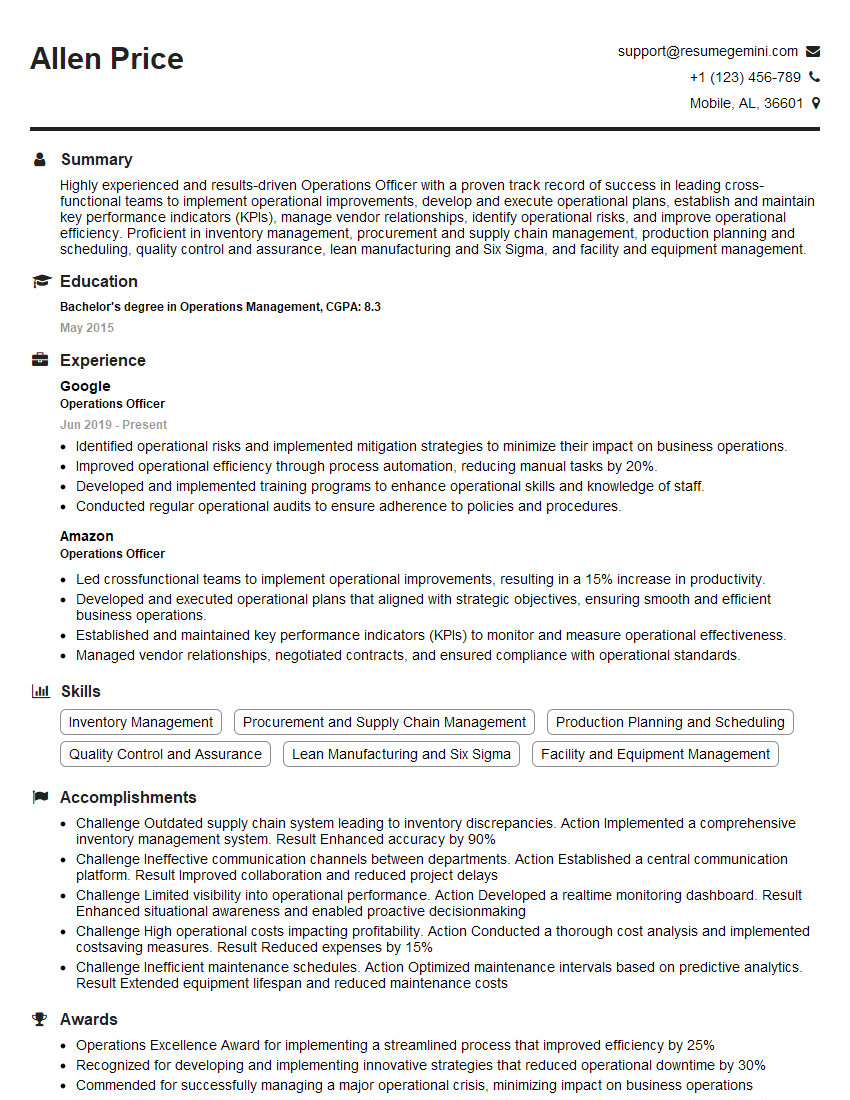
Operations Officer Resume Sample
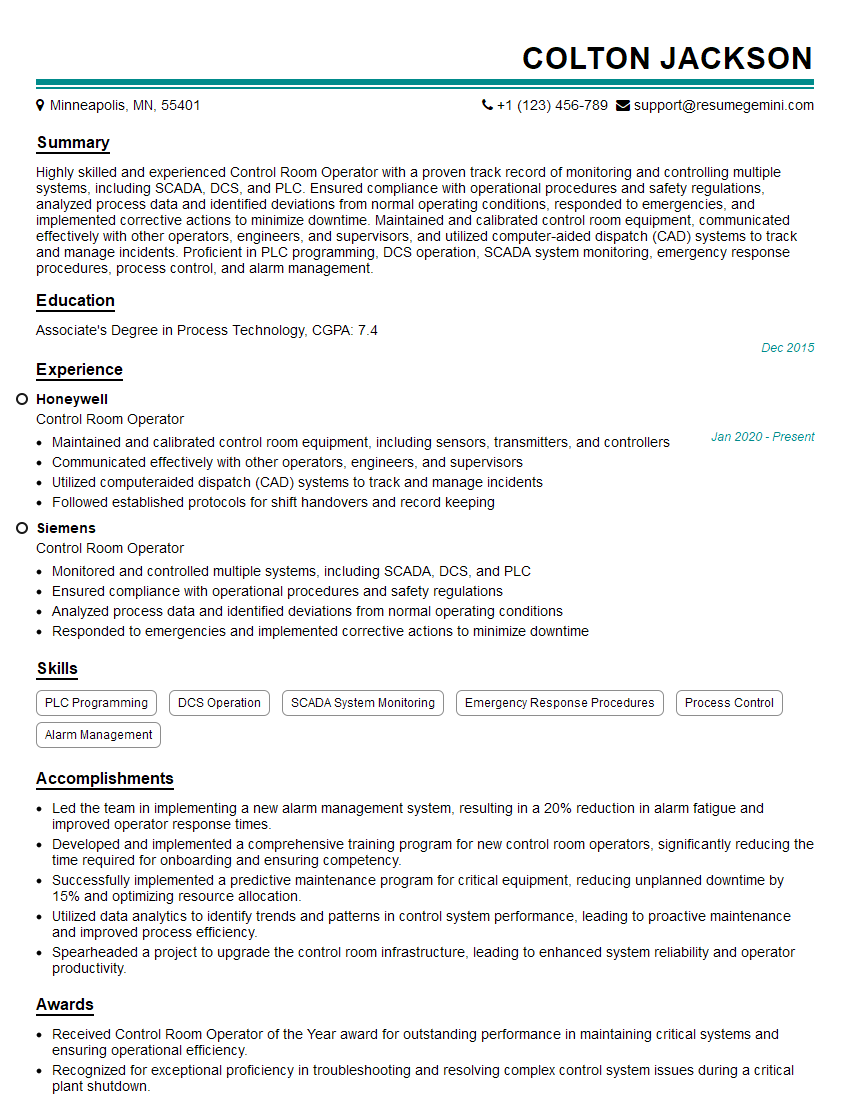
Control Room Operator Resume Sample
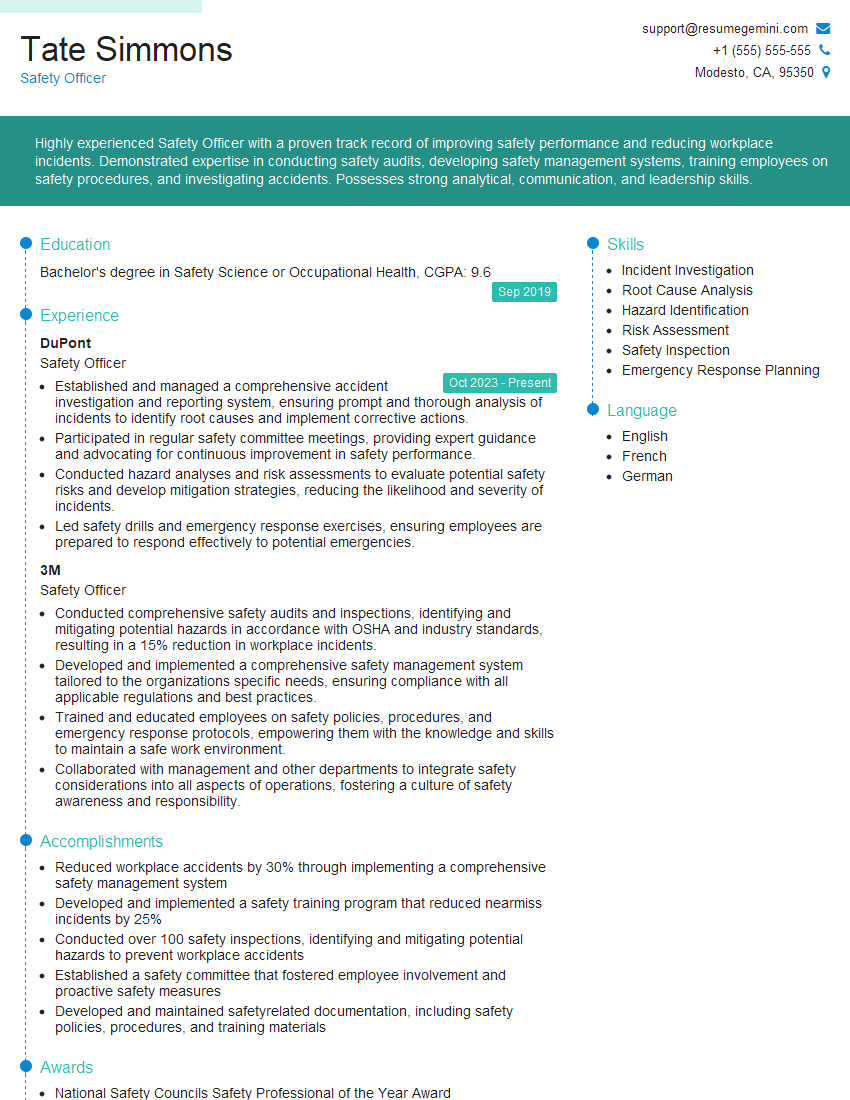
Safety Officer Resume Sample
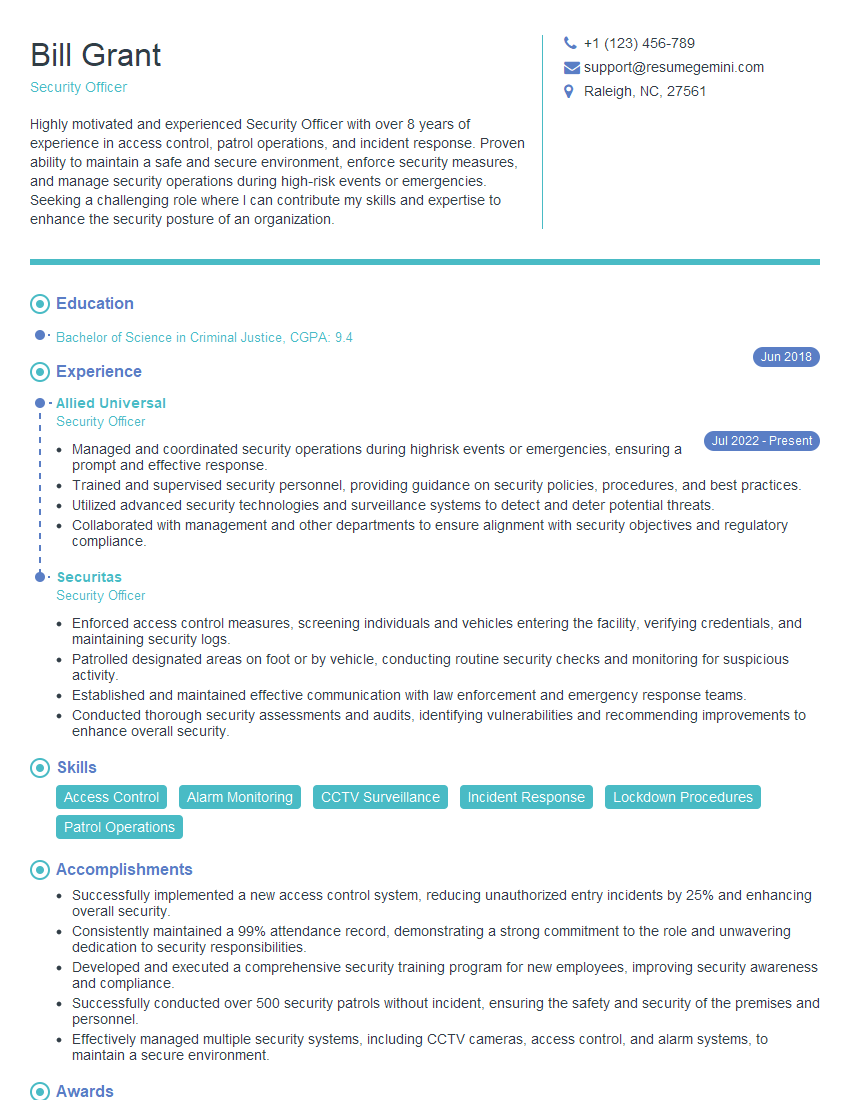
Security Officer Resume Sample
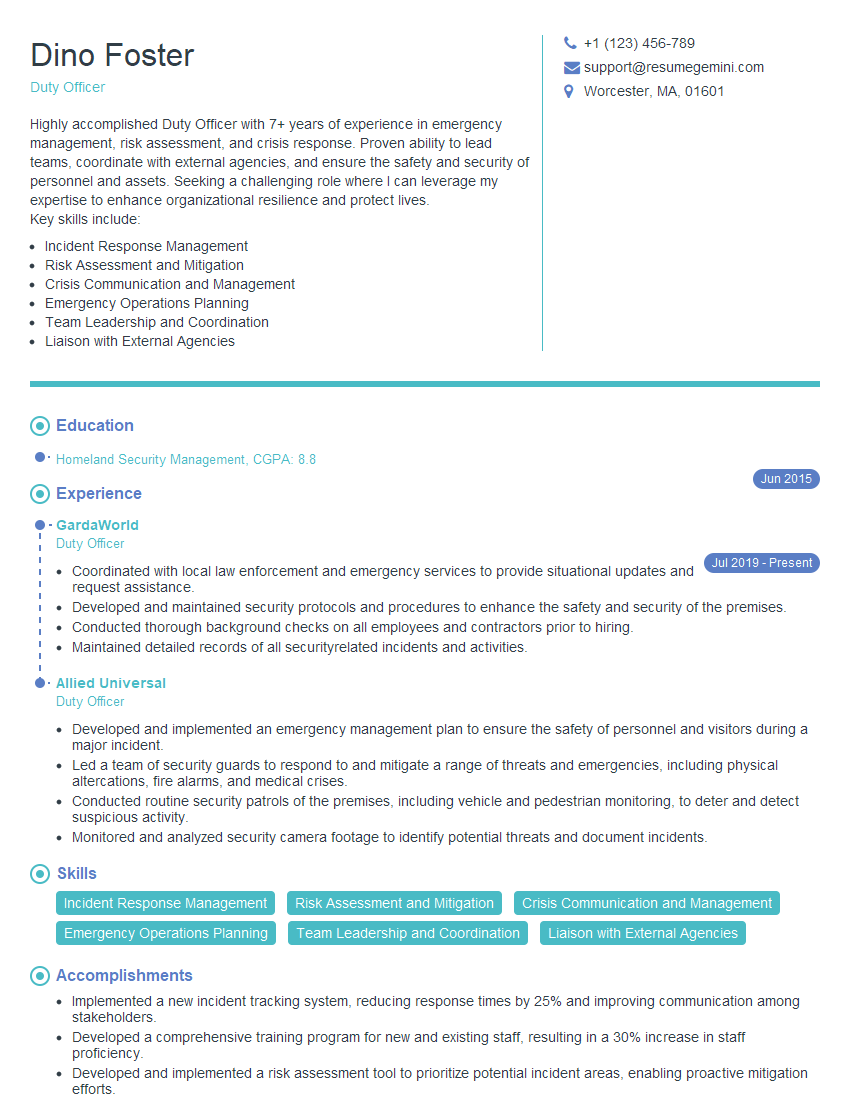
Duty Officer Resume Sample
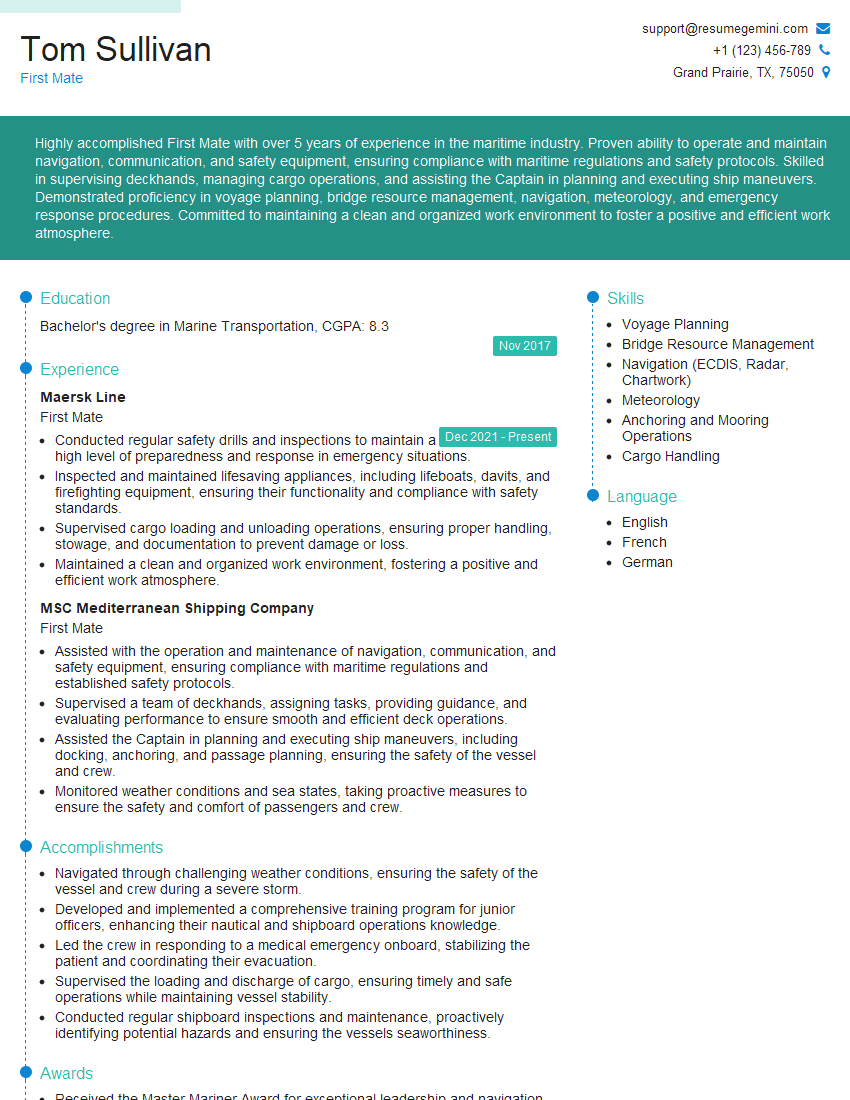
First Mate Resume Sample
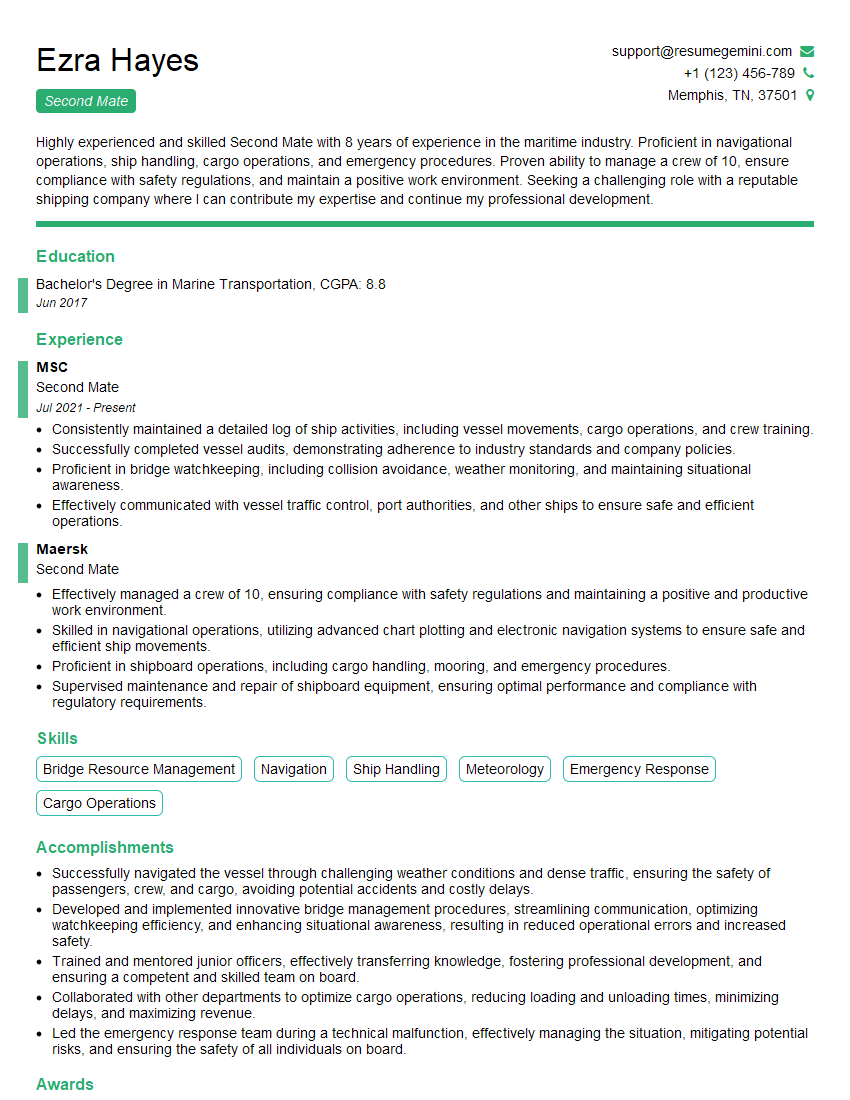
Second Mate Resume Sample
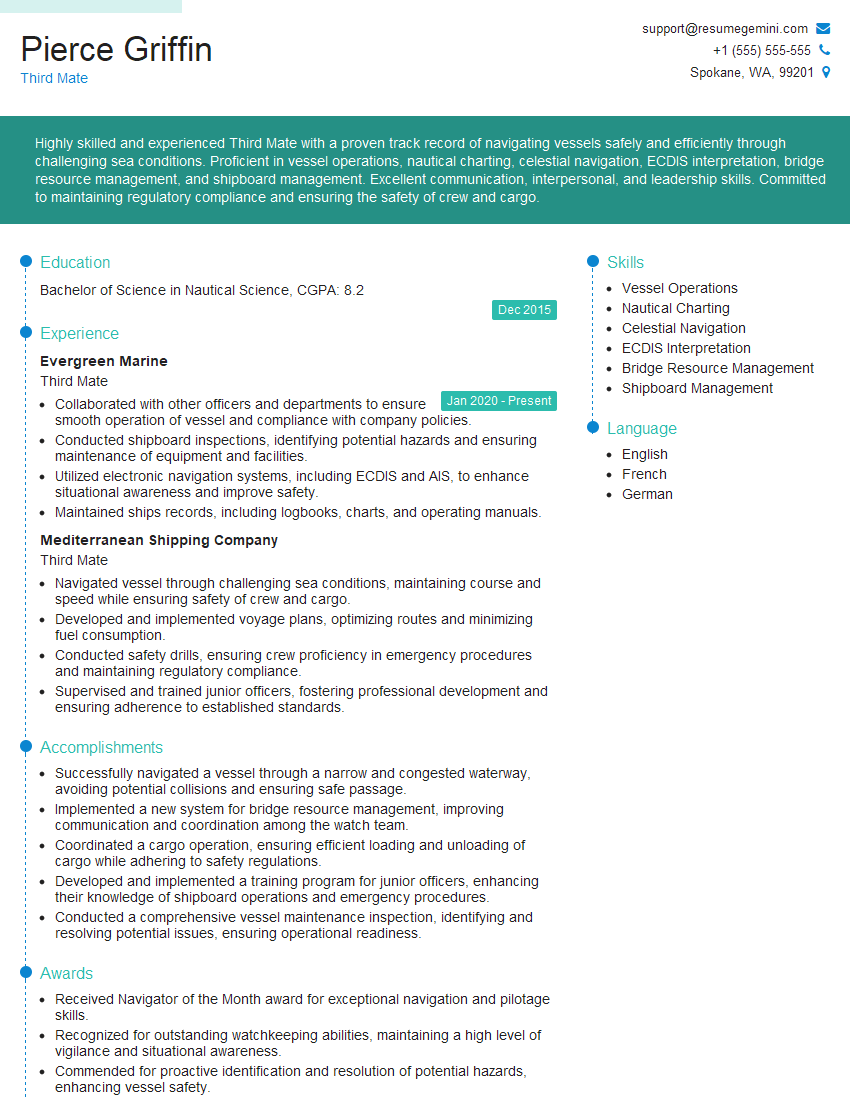
Third Mate Resume Sample
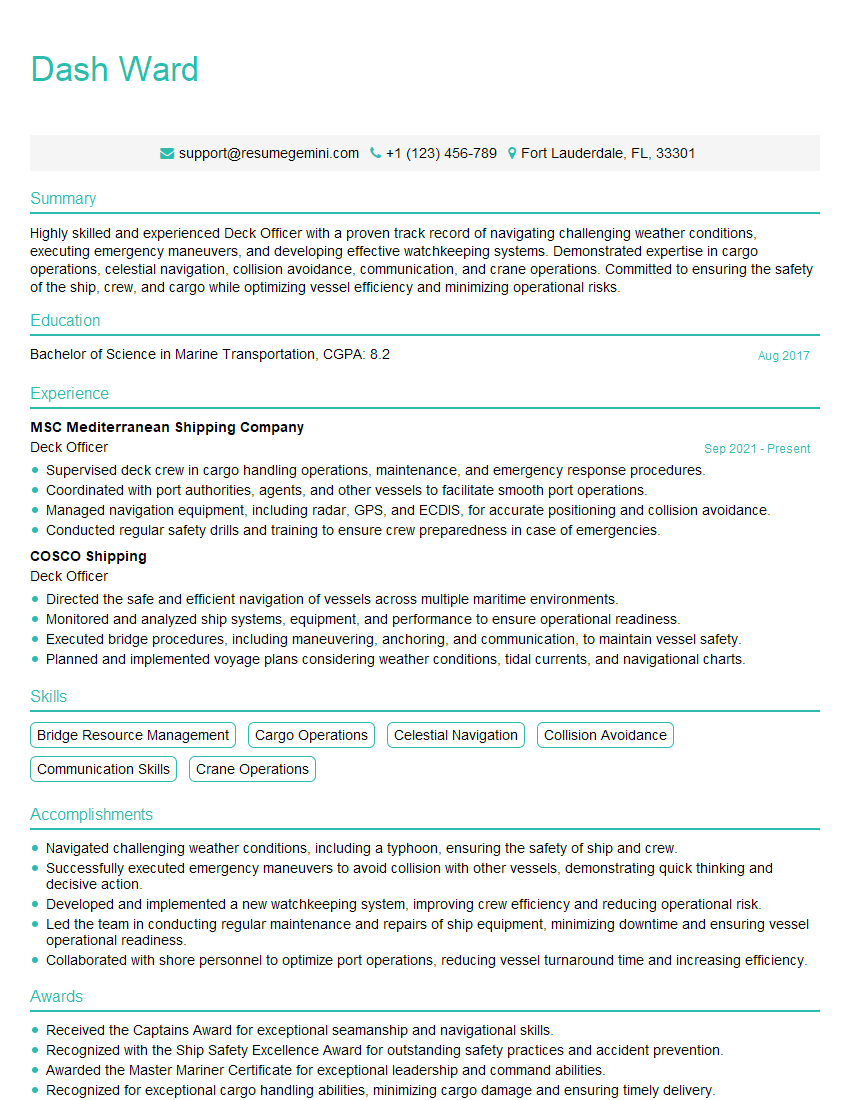
Deck Officer Resume Sample
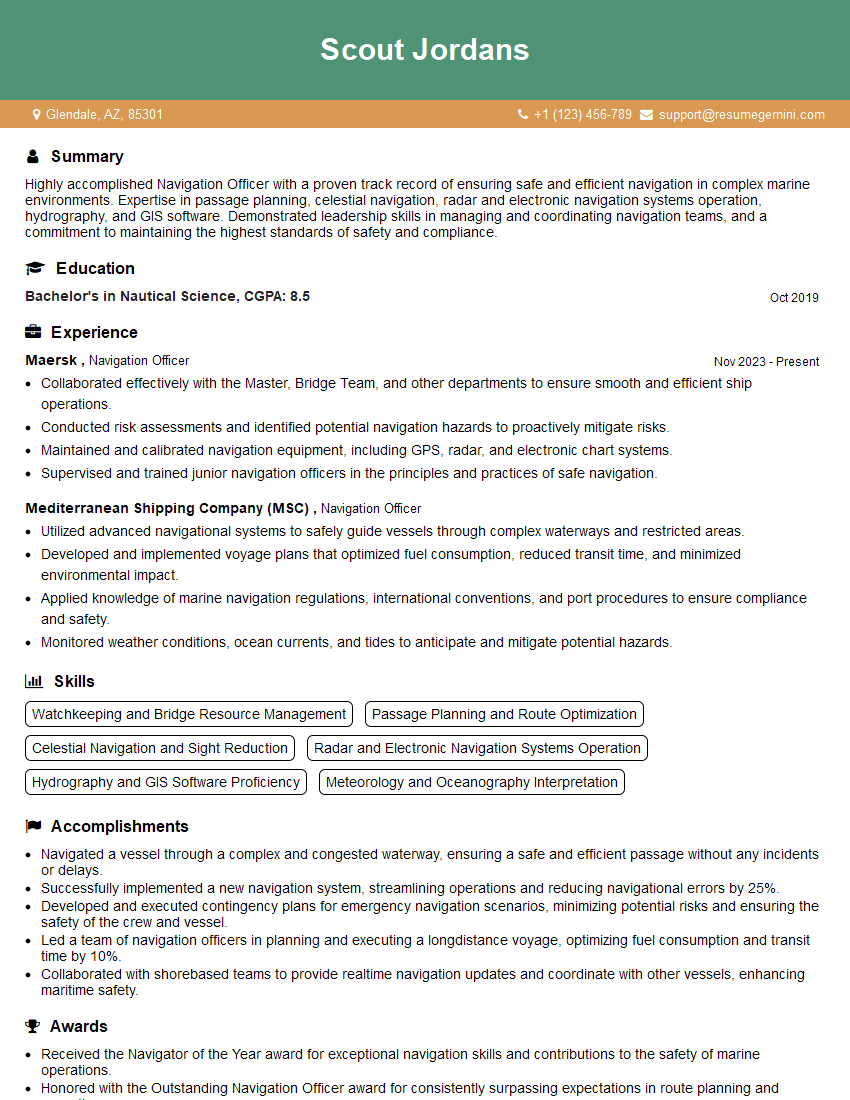
Navigation Officer Resume Sample
Explore more articles
Users Rating of Our Blogs
Share Your Experience
We value your feedback! Please rate our content and share your thoughts (optional).
What Readers Say About Our Blog
Very informative content, great job.
good