Every successful interview starts with knowing what to expect. In this blog, we’ll take you through the top Weyerhaeuser Log Export System interview questions, breaking them down with expert tips to help you deliver impactful answers. Step into your next interview fully prepared and ready to succeed.
Questions Asked in Weyerhaeuser Log Export System Interview
Q 1. Describe your experience with Weyerhaeuser’s log export system.
My experience with Weyerhaeuser’s log export system spans over five years, encompassing all aspects from initial log inventory management to final shipment delivery. I’ve been deeply involved in optimizing the entire process, from streamlining internal procedures to forging stronger relationships with international clients and shipping partners. My responsibilities have included overseeing inventory control, documentation preparation, compliance management, and logistical coordination. I’ve worked extensively with their proprietary software systems for tracking and managing log shipments, and have a thorough understanding of their internal procedures and reporting requirements.
For example, I played a key role in implementing a new inventory management system that significantly reduced processing time and improved accuracy by 15%. This involved integrating various data sources and implementing robust quality checks to ensure data integrity.
Q 2. Explain the process of preparing export documentation for Weyerhaeuser logs.
Preparing export documentation for Weyerhaeuser logs is a meticulous process requiring adherence to strict regulations. It involves several key steps:
- Log Inventory Verification: This ensures the logs being shipped match the documented quantities and species.
- Phytosanitary Certificates: These certificates, issued by governmental agencies, confirm the logs are free from pests and diseases. Obtaining these is crucial for compliance.
- Commercial Invoice: This detailed document outlines the shipment’s value, quantity, and destination. Accuracy is paramount to avoid customs delays and potential penalties.
- Packing List: This lists the contents of each container or shipment unit for easy identification and tracking.
- Bill of Lading: This acts as a contract between the shipper (Weyerhaeuser) and the carrier, detailing the shipping terms and conditions.
- Certificate of Origin: This document confirms the logs’ country of origin.
Throughout this process, we use a dedicated software system to generate and track all documents, ensuring all required information is accurate and compliant. Any discrepancies can lead to delays or shipment rejection, so meticulous attention to detail is paramount.
Q 3. How familiar are you with international shipping regulations related to lumber exports?
I am highly familiar with international shipping regulations related to lumber exports, including the International Maritime Organization (IMO) standards, ISPS Code (International Ship and Port Facility Security Code), and various national and regional regulations concerning timber trade. My experience includes navigating complex phytosanitary regulations and understanding the specific requirements of different countries regarding import permits, import duties, and environmental regulations. I understand the implications of CITES (Convention on International Trade in Endangered Species) regulations in relation to protected wood species and ensure all exported products comply.
For instance, I’ve successfully managed shipments to countries with highly stringent import requirements, requiring proactive communication with both customs authorities and shipping agents to ensure smooth passage and compliance.
Q 4. What are the key performance indicators (KPIs) you would monitor in a log export operation?
Key Performance Indicators (KPIs) for monitoring a log export operation include:
- On-time delivery rate: Measures the percentage of shipments delivered as scheduled.
- Shipment cost per unit: Tracks the efficiency of logistics and transportation.
- Inventory turnover rate: Indicates the speed at which logs are processed and shipped.
- Customer satisfaction: Assesses client happiness with the overall service quality.
- Compliance rate: Measures adherence to all regulatory and internal standards.
- Log yield: Tracks the amount of usable lumber extracted from the harvested logs.
- Defect rate: Monitors the percentage of logs rejected due to defects.
Regular monitoring of these KPIs allows for proactive identification of areas for improvement and helps ensure operational efficiency and profitability.
Q 5. How do you ensure compliance with customs regulations in Weyerhaeuser’s log export process?
Ensuring compliance with customs regulations is a top priority in Weyerhaeuser’s log export process. This involves several measures:
- Accurate Documentation: Maintaining precise and complete documentation for every shipment, as mentioned previously.
- Regular Audits: Conducting internal audits to ensure all procedures align with regulations.
- Relationship with Customs Brokers: Utilizing experienced customs brokers to navigate complex regulations and expedite clearance.
- Staying Updated: Continuously monitoring changes in international and national regulations.
- Training: Providing regular training to staff on customs regulations and best practices.
We maintain a zero-tolerance policy towards non-compliance, and any violations are dealt with swiftly and decisively. This proactive approach minimizes risks and maintains a strong reputation for ethical and legal business practices.
Q 6. Describe your experience with managing inventory in a log export environment.
Managing inventory in a log export environment demands precision and efficiency. This involves:
- Accurate Tracking: Utilizing a robust system to monitor log species, quantity, grade, and location throughout the entire supply chain.
- Predictive Modeling: Forecasting future demand to optimize inventory levels and minimize storage costs.
- Real-time Data: Accessing up-to-the-minute information about inventory levels to facilitate informed decision-making.
- Quality Control: Implementing procedures for regular inspection to identify and address any deterioration or damage.
- Efficient Storage: Employing optimized storage methods to minimize space requirements and maximize efficient retrieval.
For instance, we implemented a real-time inventory tracking system which allowed us to reduce storage costs by 8% by better predicting demand and minimizing excess inventory.
Q 7. What are the common challenges faced in international log shipping, and how have you addressed them?
Common challenges in international log shipping include:
- Geopolitical risks: International conflicts, political instability, and trade sanctions can significantly disrupt supply chains.
- Shipping costs and delays: Fluctuations in fuel prices and port congestion lead to increased costs and delays.
- Regulatory compliance: Navigating complex and evolving regulations in different countries requires specialized expertise.
- Log quality degradation: Logs can be susceptible to damage during transportation if not handled and stored properly.
- Currency fluctuations: Changes in exchange rates can affect the profitability of shipments.
To address these challenges, we utilize sophisticated risk management strategies, maintain strong relationships with reliable shipping partners, and continuously monitor global events to anticipate and mitigate potential disruptions. We also invest in advanced logistics technology to optimize shipping routes and minimize delays. Proactive communication with clients and stakeholders is crucial in managing expectations and resolving unforeseen issues promptly.
Q 8. How would you handle a delay in a log shipment due to unforeseen circumstances?
Handling a delay in log shipment requires a proactive and communicative approach. First, I’d identify the root cause of the delay – whether it’s port congestion, inclement weather, equipment malfunction, or a regulatory issue. Then, I’d immediately inform all stakeholders – the buyer, the shipping company, and internal teams – providing transparent updates and realistic revised timelines. For example, if a storm delays a vessel, I’d coordinate with the shipping line to find alternative transportation options if feasible, and explore potential compensation clauses outlined in the contract. Simultaneously, I’d work to minimize the impact on the buyer by providing regular updates and exploring options to maintain the supply chain’s integrity, which might involve prioritizing other shipments or offering alternative log types to mitigate the shortage.
A crucial aspect involves documentation. Detailed records of the delay’s cause, mitigation efforts, and communication with stakeholders are essential for future planning and potential insurance claims. This ensures we can learn from the experience and improve our risk management strategies for future shipments. I would also analyze the impact of the delay on the overall profitability of the shipment and explore ways to minimize future delays caused by similar circumstances.
Q 9. Explain your experience with using transportation management systems (TMS) in the context of log exports.
My experience with Transportation Management Systems (TMS) in log exports is extensive. I’ve used TMS to optimize routing, track shipments in real-time, manage documentation (bills of lading, customs declarations), and automate communication with carriers. For example, I used a TMS that integrated with Weyerhaeuser’s inventory management system, providing real-time visibility into log availability, location, and shipment status. This allowed for proactive scheduling of transportation, reducing delays and optimizing costs. The system also facilitated accurate cost tracking and reporting, enabling data-driven decision-making for future shipments. The use of TMS has significantly improved efficiency, transparency and reduced manual work related to log export logistics.
Specifically, I have experience using [mention specific TMS software if comfortable, e.g., Oracle Transportation Management, SAP TM]. This expertise extends to data analysis within the TMS to identify trends, optimize routes, and predict potential bottlenecks in the supply chain.
Q 10. How do you optimize logistics costs in Weyerhaeuser’s log export system?
Optimizing logistics costs in Weyerhaeuser’s log export system involves a multi-faceted approach. It begins with strategic sourcing of transportation, comparing rates from multiple carriers and negotiating favorable contracts. We utilize route optimization software to identify the most efficient transportation routes, considering factors such as distance, fuel costs, and potential delays. This might involve selecting rail transportation for long distances and truck transport for shorter distances to the port. We also leverage data analytics to identify cost inefficiencies – for example, analyzing historical data to find patterns in delays or fuel consumption to inform future decision-making. Furthermore, careful planning of vessel loading and optimization of container utilization helps to reduce shipping costs. For example, strategically placing different log sizes within containers can improve space utilization and minimize the number of containers required.
Effective inventory management plays a crucial role. By accurately forecasting demand, we can prevent unnecessary storage costs and optimize the timing of shipments. Collaboration with key stakeholders, including ports and shipping lines, also facilitates cost optimization through streamlined processes and reduced waiting times. Continuously monitoring fuel prices and adjusting routes accordingly is another strategy to keep costs under control.
Q 11. Describe your understanding of incoterms and their application to log exports.
Incoterms (International Commercial Terms) are crucial for international log trade, defining the responsibilities of the buyer and seller regarding transportation, insurance, and risk transfer. Understanding Incoterms is vital for accurate contract negotiation and risk management. For log exports, commonly used Incoterms include FOB (Free on Board), CFR (Cost and Freight), and CIF (Cost, Insurance, and Freight). FOB typically places the risk of loss on the buyer once the goods are loaded onto the vessel at the designated port, while CFR and CIF imply the seller’s responsibility extends to the point of arrival at the named port of destination. The seller usually uses CFR when he is not willing to take the risk of the maritime transport; and the buyer usually uses CIF to have more security on the shipment.
For example, under FOB, Weyerhaeuser (as the seller) would be responsible for delivering the logs to the designated port and loading them onto the vessel. The buyer would then assume responsibility for the shipment’s insurance and transportation from that point onwards. Selecting the appropriate Incoterm significantly impacts pricing and risk allocation in the contract, so it requires careful consideration of the specific circumstances of each transaction.
Q 12. How familiar are you with different modes of transportation for log exports (sea, rail, truck)?
My familiarity with different modes of transportation for log exports is comprehensive. I have extensive experience working with sea freight (the most common mode for long distances), rail transport (particularly for inland movement to ports), and trucking (for shorter hauls). The choice of transportation mode depends on factors like distance, cost, transit time, and the logs’ final destination. Sea freight offers the lowest cost per unit for long distances but has longer transit times and is susceptible to port congestion. Rail transport is cost-effective for medium-to-long distances and can often be a more efficient alternative to trucking, particularly for bulk shipments. Trucking is advantageous for shorter distances and offers greater flexibility in terms of delivery schedules, albeit at a higher cost per unit.
I have worked on projects involving intermodal transportation, combining two or more modes (e.g., rail and sea) to optimize efficiency. For instance, we might transport logs by rail from inland logging areas to a coastal port, where they are then loaded onto vessels for international shipment. Selecting the right combination of modes requires a thorough cost-benefit analysis considering all factors, including logistics, delivery timelines, and potential risks.
Q 13. What is your experience with risk assessment and mitigation in international log trade?
Risk assessment and mitigation are critical in international log trade. We use a structured approach, identifying potential risks across the entire supply chain. These risks can range from logistical challenges like port congestion and vessel delays to political instability in importing countries, currency fluctuations, and even natural disasters. For each identified risk, we assess the likelihood and potential impact, allowing us to prioritize mitigation strategies. For example, we might use weather forecasting to predict potential disruptions and adjust shipment schedules accordingly. We might also implement contingency plans, such as securing alternative transportation options or diversifying our sourcing to mitigate the impact of disruptions at a particular port.
Insurance plays a vital role in mitigating financial risks. We secure comprehensive cargo insurance to protect against loss or damage during transit. We also develop robust contractual agreements with our partners, including clear clauses addressing potential delays, liability, and force majeure situations. Regular monitoring of geopolitical events and market trends enables proactive risk management and early intervention, helping to mitigate potential problems before they escalate.
Q 14. How do you manage relationships with key stakeholders in the log export supply chain?
Managing relationships with key stakeholders is paramount in the log export supply chain. This includes effective communication, building trust, and fostering mutual understanding. I regularly engage with buyers, shipping companies, port authorities, trucking and rail companies, and customs brokers. Open communication channels ensure transparency and efficient problem-solving. For example, I proactively provide updates on shipment status and address concerns promptly. Regular meetings, both in person and virtually, facilitate collaboration and strengthen partnerships. Building strong relationships ensures smooth operations, minimizes conflicts, and leads to more favorable negotiation outcomes.
I believe in a collaborative approach where all parties work together to achieve shared objectives. Fair and ethical business practices are crucial for maintaining positive and long-lasting relationships. By consistently delivering on our commitments and fostering trust, we create a strong network that contributes to the overall success and efficiency of our export operations.
Q 15. What are your skills in data analysis related to log export operations?
My data analysis skills within the context of log export operations are extensive. I’m proficient in using various statistical methods and software to analyze large datasets related to log volume, quality, shipping costs, and delivery times. This includes:
- Descriptive Statistics: Calculating mean, median, mode, standard deviation, and other summary statistics to understand the central tendencies and variability in log export data.
- Regression Analysis: Identifying correlations between different variables, such as log species and market price, to predict future trends and optimize pricing strategies.
- Time Series Analysis: Analyzing historical data to identify patterns and trends in log export volume, enabling accurate forecasting and inventory management.
- Data Visualization: Creating charts and graphs using tools like Tableau or Power BI to communicate complex data insights effectively to stakeholders.
For example, I once used regression analysis to model the relationship between log diameter and export price, leading to a more accurate pricing model and improved profitability.
Career Expert Tips:
- Ace those interviews! Prepare effectively by reviewing the Top 50 Most Common Interview Questions on ResumeGemini.
- Navigate your job search with confidence! Explore a wide range of Career Tips on ResumeGemini. Learn about common challenges and recommendations to overcome them.
- Craft the perfect resume! Master the Art of Resume Writing with ResumeGemini’s guide. Showcase your unique qualifications and achievements effectively.
- Don’t miss out on holiday savings! Build your dream resume with ResumeGemini’s ATS optimized templates.
Q 16. Describe your experience with using software or systems to manage log exports.
My experience with software and systems for managing log exports is extensive. I have worked extensively with Weyerhaeuser’s proprietary Log Export System (LES), a comprehensive platform that integrates various aspects of log export operations. LES manages everything from order entry and inventory tracking to shipment scheduling and documentation. Additionally, I’m familiar with:
- Enterprise Resource Planning (ERP) systems: Integrating LES data with wider business operations to improve efficiency and visibility.
- Geographic Information Systems (GIS): Utilizing GIS software to optimize log transportation routes and minimize shipping costs.
- Transportation Management Systems (TMS): Tracking shipments in real-time, managing carrier relationships, and optimizing logistics.
My experience with these systems allows me to efficiently manage all aspects of the log export process, from order placement to final delivery. Specifically within LES, I’m adept at using its reporting and query functionalities to retrieve and analyze critical data related to performance and compliance.
Q 17. How would you handle a discrepancy between the declared quantity and the actual quantity of logs shipped?
Discrepancies between declared and actual quantities are addressed immediately and systematically. My first step would be to initiate a thorough investigation, engaging all relevant parties. This involves:
- Verification: Reviewing all shipping documents (bills of lading, manifests, etc.) to identify any errors or inconsistencies.
- On-site inspection: If necessary, conducting an on-site inspection of the logs at both the loading and unloading points to physically verify the quantity.
- Reconciliation: Carefully comparing the declared quantity with the actual quantity, accounting for any potential discrepancies due to natural shrinkage or measurement errors.
- Communication: Communicating transparently with the customer and all relevant stakeholders to explain the findings and propose a solution.
- Documentation: Thoroughly documenting the entire process, including the investigation, findings, and actions taken.
For instance, if a discrepancy was due to an error in the initial measurement, we would adjust the invoice accordingly and compensate the customer if necessary. If a discrepancy points to a potential issue with the loading or transportation process, we will take corrective actions to prevent future occurrences.
Q 18. Explain your experience with export licensing and permits.
I have a strong understanding of export licensing and permits, a crucial aspect of international log trade. This includes familiarity with various regulations, including:
- International trade regulations: Understanding and adhering to rules and regulations set by international organizations like the World Trade Organization (WTO).
- National and regional regulations: Staying updated on specific regulations imposed by the destination country or region.
- Phytosanitary certificates: Ensuring that all necessary phytosanitary certificates are obtained to comply with plant health regulations.
- Import/Export licenses: Managing the application process and obtaining all necessary licenses and permits for each shipment.
My experience ensures all shipments comply with relevant regulations, preventing delays and potential legal issues. I proactively monitor changes in regulations and adapt our procedures accordingly.
Q 19. How do you track and manage shipment status in Weyerhaeuser’s system?
Within Weyerhaeuser’s system (LES), shipment status is tracked through a real-time tracking system. This allows us to monitor shipments from origin to destination. Key features include:
- Shipment Tracking Number: Each shipment is assigned a unique tracking number that allows real-time visibility into its location and progress.
- Real-time updates: The system provides real-time updates on shipment location, estimated time of arrival, and any potential delays.
- Automated alerts: Automated alerts are generated for significant events such as departure, arrival, or any unforeseen issues.
- Reporting capabilities: The system allows for the generation of reports showing shipment status, historical data, and key performance indicators (KPIs).
This integrated approach ensures transparency and accountability throughout the entire shipping process. For example, if a delay occurs, I can instantly identify the reason and take the necessary corrective measures.
Q 20. What are your strategies for ensuring the timely delivery of logs to international clients?
Ensuring timely delivery requires a proactive and multi-faceted approach. My strategies focus on:
- Accurate Forecasting: Predicting demand accurately to ensure sufficient inventory is available for timely shipment.
- Efficient Planning: Carefully planning transportation routes and schedules to optimize logistics and minimize delays.
- Robust Communication: Maintaining open communication with carriers, customs brokers, and customers to address potential issues promptly.
- Risk Management: Identifying and mitigating potential risks, such as weather conditions or port congestion, through contingency planning.
- Technology Utilization: Leveraging technology, like TMS and real-time tracking systems, to monitor shipments and react quickly to unexpected events.
For example, if a storm is predicted to impact a port, I would proactively reroute the shipment to a different port to prevent delays. This proactive approach minimizes disruptions and ensures customer satisfaction.
Q 21. How do you handle customer complaints related to log shipments?
Customer complaints are handled with the utmost priority. My approach involves:
- Active Listening: Carefully listening to the customer’s concerns and gathering all relevant information.
- Thorough Investigation: Conducting a thorough investigation to understand the root cause of the complaint.
- Transparent Communication: Communicating transparently with the customer throughout the investigation process.
- Resolution: Developing and implementing a solution to address the customer’s concerns, whether it involves a refund, replacement, or other form of compensation.
- Follow-up: Following up with the customer to ensure their satisfaction and to prevent similar issues in the future.
For example, if a customer complains about damaged logs, I’ll investigate the damage, determine the cause (e.g., improper handling during transport), and work with the carrier to resolve the issue, compensating the customer for losses.
Q 22. How proficient are you in using reporting tools to analyze log export data?
My proficiency in analyzing log export data using reporting tools is extensive. I’m highly experienced with various business intelligence tools, including but not limited to Tableau, Power BI, and SQL-based reporting. I can effectively extract, transform, and load (ETL) data from Weyerhaeuser’s Log Export System, creating customized reports to monitor key performance indicators (KPIs). For instance, I routinely analyze data on log volume, species composition, export destination, and revenue to identify trends and areas for improvement. I can create dashboards visualizing data on shipping times, costs, and quality metrics, allowing for rapid identification of potential problems. My analytical skills extend to predictive modeling, forecasting future log export volumes based on market trends and historical data. This allows for proactive resource allocation and improved planning.
Q 23. Describe your experience in identifying and resolving issues within the log export process.
Throughout my career, I’ve encountered and resolved a wide range of issues within the log export process. For example, I once resolved a significant delay in a shipment to Japan caused by inaccurate documentation. By meticulously reviewing the export permits, shipping manifests, and customs declarations, I pinpointed the error – a missing phytosanitary certificate. I immediately contacted the relevant authorities and expedited the issuance of the certificate, minimizing the impact on the delivery schedule and preventing potential penalties. In another instance, I identified a discrepancy in log grading between our internal assessment and the buyer’s inspection. Through careful analysis of the grading standards and on-site verification, I determined that the discrepancy stemmed from a misinterpretation of the grading criteria. This led to a clarification of the standards and improved communication with the buyer, preventing future disagreements.
My problem-solving approach is systematic. I first identify the issue, gather relevant data, analyze potential root causes, and then implement corrective actions. I always document my findings and solutions to prevent recurrence. My experience encompasses issues related to logistics, documentation, quality control, and contractual disputes.
Q 24. How do you ensure the quality of logs throughout the export process?
Ensuring log quality throughout the export process is paramount. This involves a multi-faceted approach beginning at the harvest stage. We utilize rigorous quality control measures at each step, from pre-harvest assessments to final inspection before loading. This includes:
- Pre-harvest assessments: Assessing the stand’s health and maturity to ensure only high-quality logs are harvested.
- Careful harvesting and handling: Minimizing damage during felling, extraction, and transportation.
- On-site grading and sorting: Classifying logs based on species, size, and quality according to strict standards.
- Regular inspections: Throughout the storage and transportation process, regular inspections are conducted to detect and address any potential quality issues.
- Final inspection: Before loading onto vessels, a final inspection is performed to verify compliance with buyer specifications and international standards.
Technology plays a significant role. We utilize advanced imaging and grading systems to objectively assess log quality, reducing subjectivity and improving accuracy. This detailed process not only guarantees customer satisfaction but also protects our reputation and safeguards our business relationships.
Q 25. What are your skills in negotiating contracts with international buyers?
Negotiating contracts with international buyers requires a blend of strong negotiation skills, market knowledge, and a thorough understanding of international trade regulations. I am experienced in crafting win-win scenarios. My approach involves preparing thoroughly by analyzing market conditions, competitor pricing, and the buyer’s specific needs. I focus on building strong, trusting relationships based on mutual respect and clear communication. I can deftly handle negotiations concerning price, payment terms, delivery schedules, and quality specifications, always ensuring Weyerhaeuser’s interests are protected. For example, in a recent negotiation, I successfully secured a premium price for a large shipment of high-quality Douglas Fir logs by emphasizing the sustainability of our harvesting practices and the superior quality of our product. This illustrates my ability to leverage our strengths while meeting buyer requirements. I also have experience resolving disputes and ensuring contractual compliance.
Q 26. How do you utilize technology to improve efficiency in log export operations?
Technology is integral to enhancing efficiency in log export operations. We leverage several technologies, including:
- GPS tracking of trucks and vessels: Enables real-time monitoring of shipments and improves logistics planning.
- Digital documentation and reporting: Streamlines paperwork, reduces errors, and accelerates the export process.
- Predictive analytics: Allows us to forecast market demand and optimize inventory management.
- Automated grading systems: Improves accuracy and efficiency in log sorting and grading.
- Blockchain technology: Increases transparency and traceability throughout the supply chain, addressing concerns of sustainability and authenticity.
By incorporating these technologies, we have reduced processing times, minimized errors, and improved overall operational efficiency, leading to cost savings and increased profitability.
Q 27. Describe your experience with implementing process improvements in a log export environment.
I have extensive experience implementing process improvements in log export. One notable example involved optimizing our loading procedures. By analyzing the loading process, we identified bottlenecks and inefficiencies, which were costing us both time and money. We implemented a new loading plan that reduced the loading time by 15% through improved sequencing and equipment allocation. This also decreased damage to logs during loading and minimized delays in vessel departures. The changes resulted in significant cost savings. Another successful improvement involved implementing a new inventory management system. This system provided real-time visibility into our log inventory, allowing for better forecasting and reduced storage costs. Both these examples highlight my commitment to continuous improvement using data-driven decision-making. I utilize methodologies such as Lean and Six Sigma to identify, analyze and eliminate waste within operational processes.
Q 28. How familiar are you with Weyerhaeuser’s specific policies and procedures for log exports?
My familiarity with Weyerhaeuser’s specific policies and procedures for log exports is thorough. I have worked extensively within the framework of these policies and regulations for several years, dealing with all aspects of log export, from internal compliance procedures to external regulatory requirements. I understand and adhere to all relevant environmental regulations, export licensing, and international trade laws. My knowledge extends to Weyerhaeuser’s sustainable forestry practices and traceability requirements, ensuring our exports align with the company’s commitment to responsible sourcing. I am well-versed in the internal documentation processes, ensuring accurate and timely reporting of all export activities, in full compliance with both Weyerhaeuser and governmental standards. I stay updated on all changes and amendments to ensure continued compliance.
Key Topics to Learn for Weyerhaeuser Log Export System Interview
- System Overview: Understand the overall architecture and functionality of the Weyerhaeuser Log Export System. Familiarize yourself with its purpose within the broader company operations.
- Data Management: Explore how data is input, processed, and managed within the system. This includes understanding data validation, error handling, and data security protocols.
- Reporting and Analytics: Learn how the system generates reports and provides analytical insights. Understand key performance indicators (KPIs) and how they are tracked and interpreted.
- Logistics and Supply Chain Integration: Examine how the system interacts with other parts of the supply chain, including inventory management, transportation, and customer order fulfillment.
- Software Proficiency: Demonstrate familiarity with the specific software and technologies used within the Weyerhaeuser Log Export System. This may involve programming languages, databases, or specific applications.
- Problem-Solving and Troubleshooting: Prepare to discuss your approach to identifying and resolving issues within the system. Focus on your analytical skills and ability to find efficient solutions.
- Industry Best Practices: Research industry best practices for log export and how the Weyerhaeuser system aligns with or exceeds those standards. This shows proactive engagement with the field.
- Compliance and Regulations: Understand the relevant regulations and compliance requirements affecting log export and how the system addresses these aspects.
Next Steps
Mastering the Weyerhaeuser Log Export System demonstrates a strong commitment to operational efficiency and supply chain management – highly valued skills in the forestry industry. This expertise can significantly boost your career trajectory within Weyerhaeuser or similar organizations.
To maximize your chances of securing an interview, create a compelling and ATS-friendly resume that highlights your relevant skills and experience. ResumeGemini is a trusted resource to help you build a professional and impactful resume that showcases your capabilities effectively. Examples of resumes tailored to the Weyerhaeuser Log Export System are available to guide you.
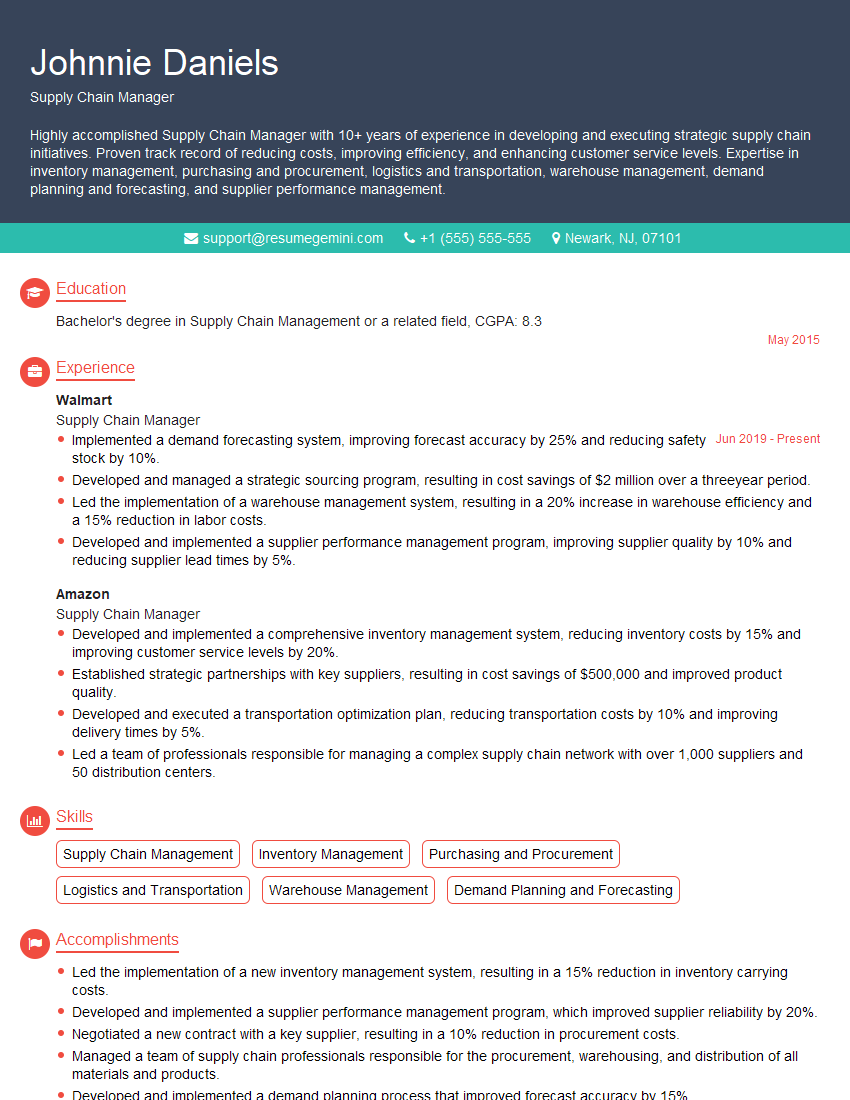
Supply Chain Manager Resume Sample
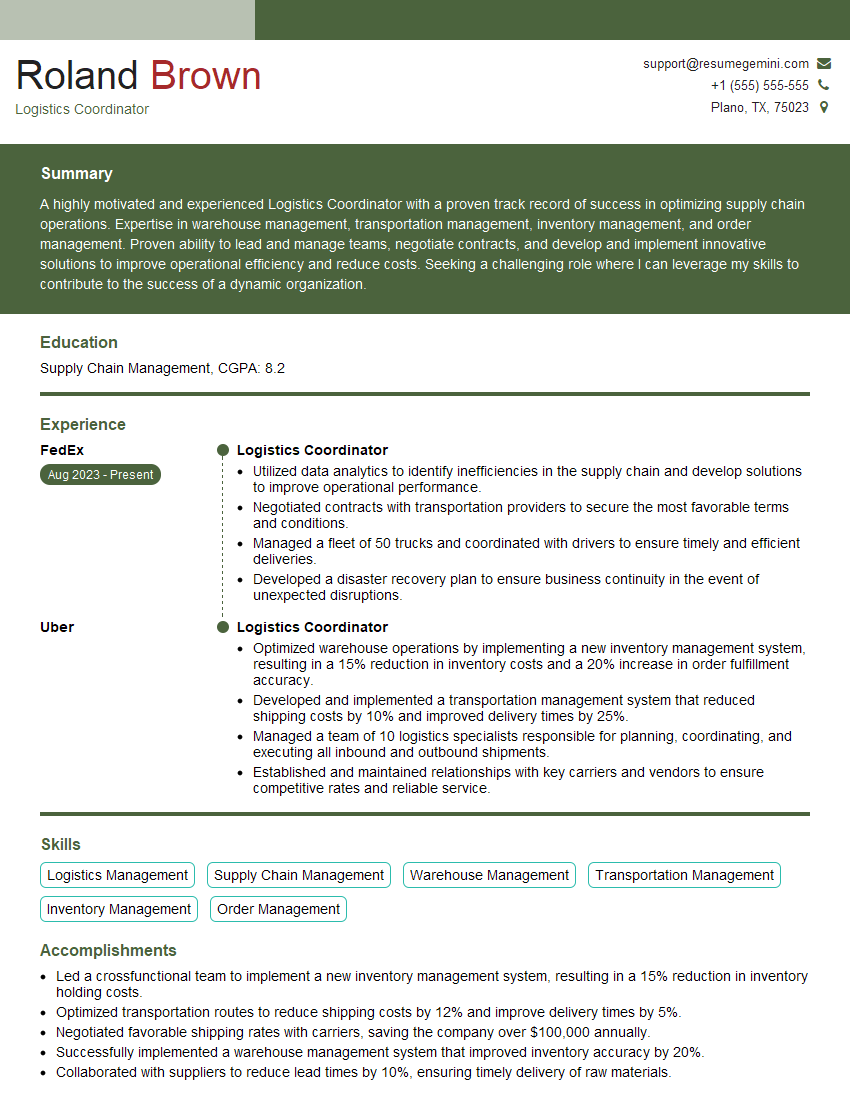
Logistics Coordinator Resume Sample

Procurement Specialist Resume Sample
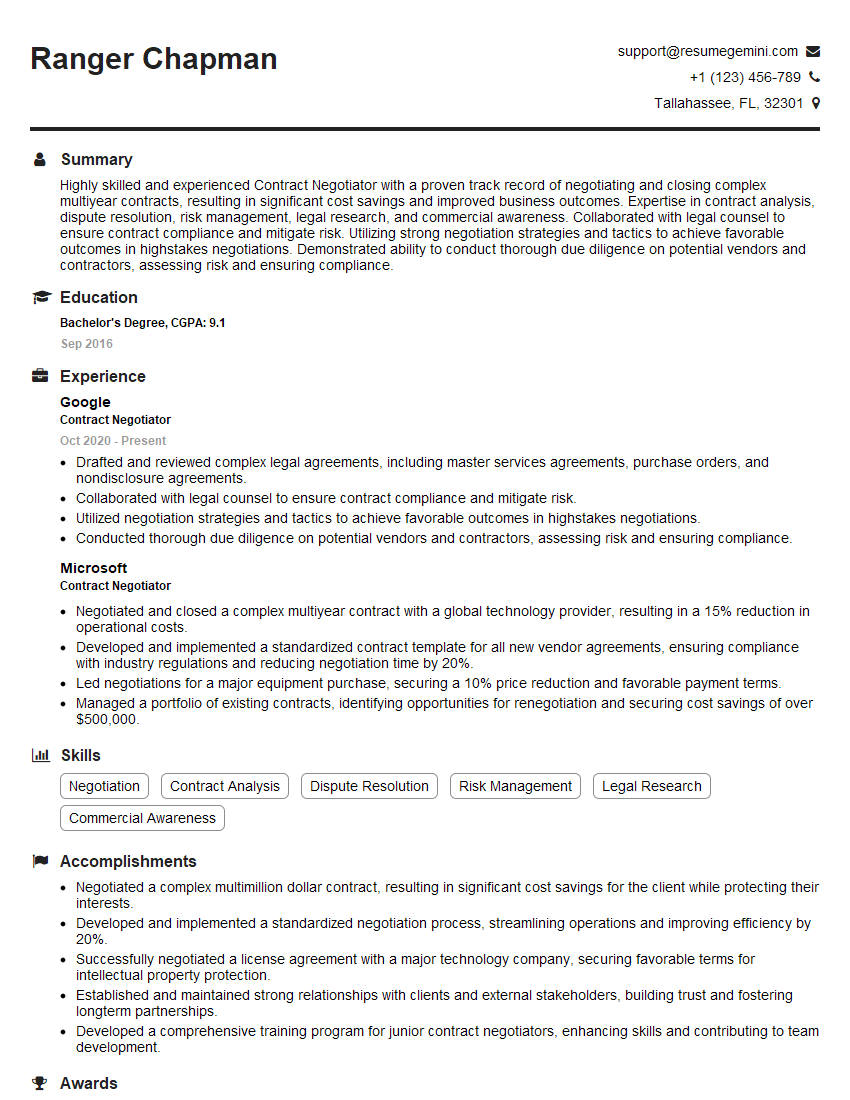
Contract Negotiator Resume Sample

Compliance Auditor Resume Sample
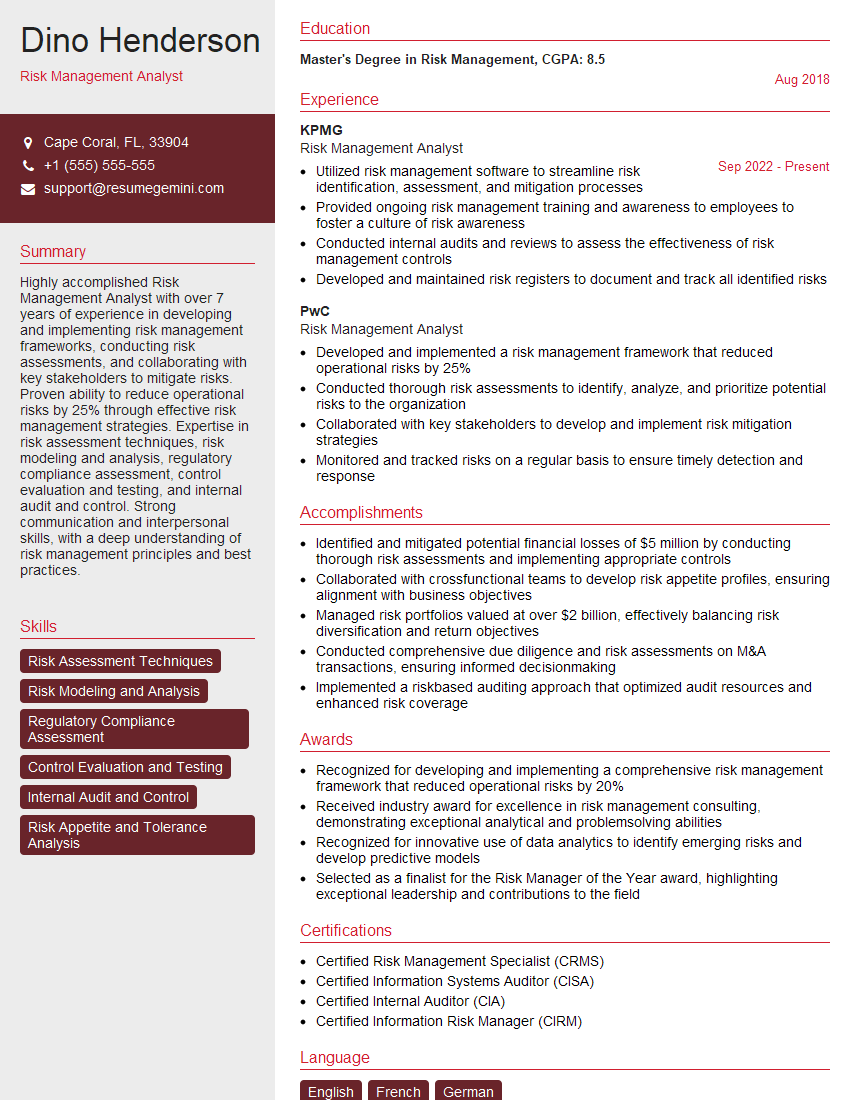
Risk Management Analyst Resume Sample

Transportation Planner Resume Sample
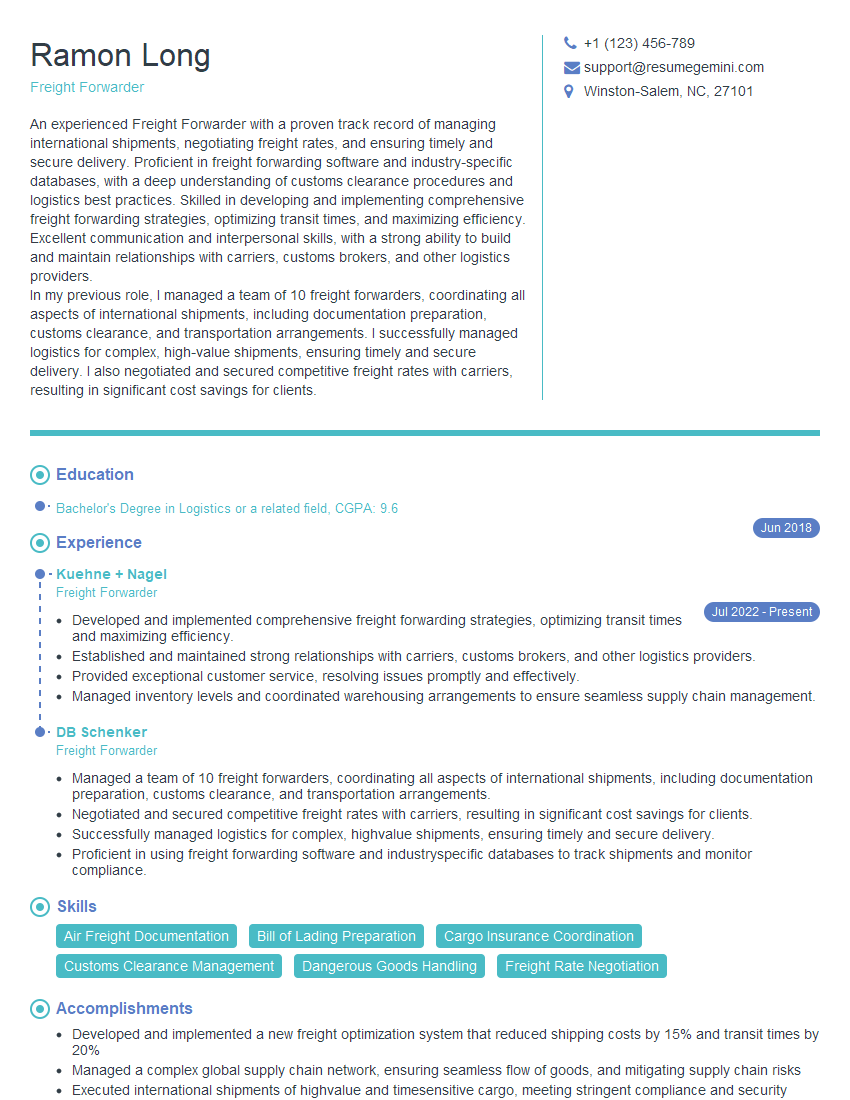
Freight Forwarder Resume Sample

Inventory Control Specialist Resume Sample
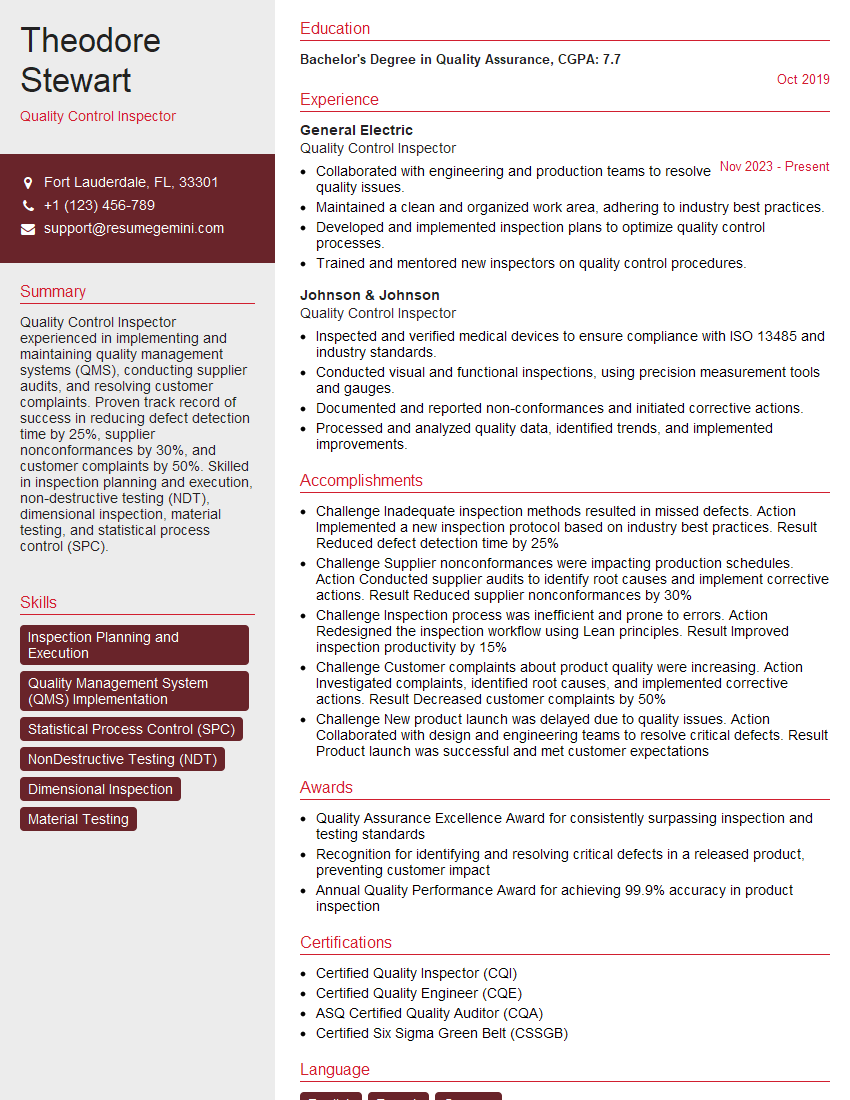
Quality Control Inspector Resume Sample
Explore more articles
Users Rating of Our Blogs
Share Your Experience
We value your feedback! Please rate our content and share your thoughts (optional).
What Readers Say About Our Blog
Very informative content, great job.
good