Interviews are opportunities to demonstrate your expertise, and this guide is here to help you shine. Explore the essential Wheel Chocking interview questions that employers frequently ask, paired with strategies for crafting responses that set you apart from the competition.
Questions Asked in Wheel Chocking Interview
Q 1. What are the different types of wheel chocks?
Wheel chocks come in various materials and designs, each suited for different applications. The most common types include:
- Wooden wheel chocks: These are often simple, wedge-shaped blocks of durable wood. They’re relatively inexpensive but can be susceptible to wear and tear and may not provide as much grip as other materials, especially in wet conditions.
- Rubber wheel chocks: Made from durable rubber, these offer excellent grip and are resistant to wear and tear. They’re typically more expensive than wooden chocks but provide superior safety and longevity.
- Plastic wheel chocks: These are lightweight and often portable, making them convenient for use in various settings. However, they may not be as durable as rubber or metal chocks.
- Metal wheel chocks: Typically steel or aluminum, these are exceptionally strong and durable, but can be heavier and more expensive than other options. They’re often favored for heavy-duty applications.
The choice of wheel chock depends heavily on the weight of the vehicle, the surface conditions, and the desired level of safety.
Q 2. Explain the proper placement of wheel chocks for various vehicle types.
Proper placement is crucial for effective wheel chocking. The general rule is to position the chock against the wheels that are on the ground, angling the chock slightly upwards into the wheel.
- Cars and Light Trucks: Place chocks against the rear wheels when parked on a level surface. For added security on inclines, consider chocking both the front and rear wheels.
- Large Trucks and Buses: Larger vehicles require more careful consideration. Often, two chocks per axle are used, one on each side. Positioning will vary depending on the incline and the type of parking brake system used.
- Trailers: Trailers should always be chocked on the wheels that are resting on the ground to prevent movement. Always ensure the chock is securely positioned against the wheel to prevent slippage. Consider using wheel chocks on the trailer tongue if it is not attached to the towing vehicle’s hitch.
Remember, visual inspection is key. Ensure the chock is firmly seated and the vehicle is stable before leaving the area.
Q 3. How do you determine the appropriate number of wheel chocks to use?
The number of wheel chocks needed depends on several factors:
- Vehicle Weight: Heavier vehicles require more chocks to ensure sufficient stability.
- Incline: Steeper inclines necessitate more chocks for added security. On steep inclines, using both front and rear chocks is essential.
- Surface Conditions: Slippery surfaces like ice or wet pavement necessitate more chocks than dry surfaces.
- Vehicle Type: Larger vehicles, such as trucks and buses, generally require more chocks than smaller vehicles.
A good rule of thumb is to always err on the side of caution and use more chocks than you think you might need. Better to be safe than sorry!
Q 4. Describe the procedure for safely chocking a vehicle on an incline.
Chocking a vehicle on an incline requires a systematic approach:
- Engage the parking brake: This is the first line of defense against unwanted movement.
- Assess the incline: Determine the steepness of the incline and plan accordingly. More chocks might be necessary on steeper inclines.
- Position the chocks: Place the chocks firmly against the wheels, ensuring they’re angled slightly upward into the wheel to prevent slippage. If parking uphill, chock the rear wheels; if downhill, chock the front wheels. In both cases, chocking both front and rear wheels adds an extra layer of safety.
- Check for stability: Gently rock the vehicle to ensure the chocks are secure and the vehicle is stable. If the vehicle moves, reposition the chocks or add more.
- Leave space for escape: When chocking the wheels, make sure that you have enough space to escape the vehicle’s movement if necessary.
Think of it like this: you’re creating a physical barrier to prevent the vehicle from rolling. Double-checking your work is key.
Q 5. What are the safety precautions when using wheel chocks?
Safety is paramount when using wheel chocks. Here are some essential precautions:
- Proper placement: Ensure the chocks are properly positioned against the wheels, preventing slippage.
- Vehicle stability: Before leaving the area, gently rock the vehicle to check its stability and secure the chocks.
- Appropriate chock size: Use chocks appropriately sized for the vehicle. Too small, and they’ll slip; too big, and they may not fit.
- Surface condition: Consider surface conditions. A slippery surface may require more chocks or a different type of chock material.
- Wear appropriate protective gear: Use gloves when handling chocks, particularly heavier metal chocks, to protect your hands.
Never rely solely on wheel chocks; always engage the parking brake.
Q 6. How do you check the condition of wheel chocks before use?
Before using any wheel chock, conduct a thorough inspection:
- Check for cracks or damage: Look for any visible cracks, splits, or significant wear. Damaged chocks are hazardous and should never be used.
- Assess the grip surface: Ensure the contact surface of the chock is clean and free from debris that might compromise its grip.
- Verify functionality: If the chock is designed to adjust, make sure it locks securely in place.
- Check for deformities: Look for any bending, warping, or other deformities that might affect its performance and stability.
A simple visual check can prevent accidents. It only takes a few seconds, but it could save a life.
Q 7. What should you do if a wheel chock is damaged?
A damaged wheel chock should never be used. Its structural integrity might be compromised, leading to potential accidents. The appropriate course of action is to:
- Remove the damaged chock from service: Clearly mark it as unusable to avoid accidental use.
- Replace the damaged chock: Obtain a replacement chock that meets the necessary safety standards and is appropriate for the vehicles you’re working with.
- Dispose of the damaged chock properly: Follow local regulations for the disposal of damaged equipment.
Remember, investing in quality equipment is crucial for safety. Replacing damaged chocks is not an optional expense; it’s a safety imperative.
Q 8. What are the consequences of improper wheel chocking?
Improper wheel chocking can lead to serious consequences, ranging from minor inconveniences to catastrophic accidents. The most immediate risk is the vehicle rolling unexpectedly, causing damage to property, injury to personnel, or even fatalities. This is especially true on inclines or uneven ground. For example, imagine a loaded delivery truck parked on a slight slope; without proper chocking, the truck could roll backward, potentially causing a major accident. Beyond immediate risks, incorrect chocking can also contribute to brake damage over time, especially if the vehicle’s weight is constantly putting pressure on a single point. Finally, it can lead to costly repairs or replacements of the chocks themselves if they are damaged from misuse or inadequate positioning.
Q 9. How do you ensure wheel chocks are correctly positioned to prevent vehicle movement?
Correct wheel chock positioning is crucial for safety. First, ensure the vehicle’s parking brake is firmly engaged. Then, choose the appropriate type and size of wheel chock for the vehicle’s weight and tire size. Next, position the chock firmly against the wheel, angling it slightly upward to prevent it from slipping. For most vehicles, aim to place the chock snugly against the wheel, but slightly before the point where the wheel and tire would meet the ground when fully engaged. It’s vital to ensure the chock is in full contact with the ground. On inclines, always chock the wheels on the downhill side to prevent rollback. Imagine parking a car on a hill: you’d place the chock against the rear wheel(s) if facing downhill, or the front wheel(s) if facing uphill. For larger vehicles or in high-risk situations, it’s good practice to use two chocks per wheel, or to use a combination of chocks and wheel wedges for extra security. Regular inspection of the chock and its placement is also crucial throughout the process.
Q 10. Explain the importance of using wheel chocks in various situations (e.g., maintenance, loading, unloading).
Wheel chocks are essential safety devices used in various situations to prevent unintended vehicle movement. During maintenance, chocking prevents the vehicle from rolling while work is being performed underneath or around it, protecting technicians from serious injury. For example, mechanics rely on wheel chocks to secure vehicles during undercarriage inspections or repairs. In loading and unloading scenarios, chocks keep the vehicle stationary, preventing accidents during the loading and unloading of cargo. This is especially crucial for heavy vehicles or in areas with uneven terrain, where the risk of movement is high. Think of a forklift loading a pallet onto a truck: the truck being properly chocked ensures the safety of both the forklift operator and ground crew.
Also, in situations where a vehicle is left unattended for an extended period, such as overnight parking at a construction site or during periods of inclement weather, chocking ensures that the vehicle remains secure, preventing accidents.
Q 11. Describe the difference between wooden, metal, and rubber wheel chocks.
Wooden, metal, and rubber wheel chocks each have advantages and disadvantages. Wooden chocks are inexpensive and readily available but are susceptible to wear, splitting, and damage from moisture, and generally don’t offer great grip on certain surfaces. Metal chocks are very durable and can withstand heavy loads, but they can damage wheels or rims if improperly used and are generally more expensive than wooden chocks. They can also be slippery in wet conditions. Rubber chocks offer a good balance between cost, durability, and grip on different surfaces. They are less likely to damage wheels and are relatively resistant to wear. They typically also offer better gripping in damp or wet conditions.
Q 12. What is the proper method of securing wheel chocks during transportation?
Securing wheel chocks during transportation is vital to prevent them from becoming projectiles or causing damage. The best method depends on the type and quantity of chocks. Smaller chocks can often be stored in a designated area within a vehicle, secured with straps or bungee cords. Larger or heavier chocks should be transported separately, using appropriate restraints like straps, chains, or nets to prevent movement. Always ensure that the chocks are properly secured to prevent them from shifting during transport, potentially causing accidents. Remember to account for potential movement during acceleration, braking, and cornering.
Q 13. How do you handle wheel chocks in different weather conditions (e.g., rain, snow, ice)?
Weather conditions significantly impact wheel chock effectiveness. In rain, snow, or ice, the chocks can lose traction, compromising their ability to hold the vehicle. To mitigate this, use chocks with good traction, such as rubber chocks that are designed for wet conditions. In icy conditions, consider using additional methods to improve traction, such as placing sand or gravel in front of the chock. It is also good practice to inspect the chocks regularly in inclement weather for signs of damage or slipping. For example, in heavy snow, you might need to clear snow from around the chocks to ensure proper contact with the ground. In extreme weather, you might even consider using wheel wedges in addition to or in place of standard wheel chocks.
Q 14. What is the appropriate method for removing wheel chocks?
Removing wheel chocks should be done carefully and methodically. Always ensure the parking brake is engaged. Before removing a chock, visually inspect both the chock and the surrounding area for obstructions or anything that might impede removal. Then, gently remove the chock, avoiding any sudden movements that could cause the vehicle to roll. It’s best practice to remove chocks slowly and carefully. Never remove a chock while anyone is working around the vehicle, and only remove one chock at a time, especially on inclines. Once the chock is removed, immediately check the stability of the vehicle before releasing the parking brake.
Q 15. How do you communicate effectively about wheel chock placement with colleagues?
Effective communication about wheel chock placement is paramount for safety. I always use clear, concise language, avoiding jargon. Before placing chocks, I verbally confirm the vehicle’s position and the intended chock placement with my colleagues. For instance, I’d say something like, “We’re placing two chocks against the rear wheels, ensuring they’re snug against the tires and the ground is level.” Visual confirmation is crucial; I point to the exact location where the chocks will go. If there are any uncertainties or concerns, I openly discuss them before proceeding. Post-placement, I always perform a final check and confirm with my colleagues that the chocks are secure and correctly positioned.
In complex scenarios, like working with multiple vehicles or in confined spaces, I might use diagrams or hand signals to supplement verbal communication ensuring everyone is on the same page. Clear communication prevents misunderstandings and ensures everyone understands their role in maintaining vehicle stability.
Career Expert Tips:
- Ace those interviews! Prepare effectively by reviewing the Top 50 Most Common Interview Questions on ResumeGemini.
- Navigate your job search with confidence! Explore a wide range of Career Tips on ResumeGemini. Learn about common challenges and recommendations to overcome them.
- Craft the perfect resume! Master the Art of Resume Writing with ResumeGemini’s guide. Showcase your unique qualifications and achievements effectively.
- Don’t miss out on holiday savings! Build your dream resume with ResumeGemini’s ATS optimized templates.
Q 16. Can you describe a time you had to improvise wheel chocking due to equipment malfunction?
During a nighttime maintenance operation, our standard wheel chocks were lost. We needed to secure a large delivery truck immediately. Instead of halting the operation, I improvised using heavy-duty wooden blocks we had on hand. I selected blocks of appropriate size and weight, ensuring they were stable and sufficiently thick to prevent rolling. We carefully placed them against the rear wheels, making sure they were firmly in place and the truck was level. We also added additional support using sandbags we had available to make sure the wooden chocks did not slide or roll away. While not ideal, this temporary solution ensured the truck’s stability until we could source proper wheel chocks the following morning. The key was careful assessment of available resources, ensuring adequate support and communication with the team throughout the process.
Q 17. What are the regulatory requirements or industry standards related to wheel chocking?
Regulatory requirements and industry standards for wheel chocking vary depending on the industry and location, but several common threads exist. OSHA (Occupational Safety and Health Administration) guidelines in the US, for example, emphasize the importance of safe vehicle parking and securing. Many industries have their own specific safety protocols that often exceed minimum legal requirements. These protocols frequently specify the type of chocks to be used (material, size, and weight capacity), the number of chocks required per vehicle, and proper placement techniques. These standards also usually cover emergency procedures and employee training on safe wheel chocking practices.
Furthermore, many transportation companies and organizations follow industry best practices outlined by associations such as the American Trucking Associations (ATA) or equivalent international bodies. These best practices often incorporate additional safety considerations and detailed instructions for various vehicle types and operating conditions.
Q 18. Explain the impact of improper wheel chock placement on vehicle stability and safety.
Improper wheel chock placement can have severe consequences, directly impacting vehicle stability and safety. If chocks are placed incorrectly, the vehicle might roll unexpectedly, leading to accidents, injuries, or even fatalities. For instance, using insufficiently sized chocks, placing them on an incline without additional precautions, or failing to secure them properly against movement, can result in the vehicle shifting. Even small movements can cause damage to equipment, or make it difficult for the crew to work around the secured vehicle.
Furthermore, incorrect placement may damage the chocks or tires. For example, improperly positioned chocks might become dislodged or could damage the vehicle’s wheels if positioned incorrectly. Ultimately, ensuring correct wheel chock placement is fundamental for protecting personnel, equipment, and the working environment.
Q 19. Describe the different types of vehicles requiring wheel chocking.
Wheel chocking is necessary for a wide range of vehicles to prevent unintended movement. This includes:
- Trucks and Trailers: Heavy-duty vehicles require robust chocking to counteract their weight and prevent rollovers.
- Buses and Coaches: Passenger vehicles need secure chocking for passenger safety and to avoid accidents during maintenance or repairs.
- Construction Equipment: Heavy machinery like excavators and loaders must be immobilized to prevent accidents during operations or servicing.
- Aircraft Ground Support Equipment: Vehicles used to support aircraft operations often need chocking for stability on uneven surfaces.
- Railroad Cars: Wheel chocks are used to secure railroad cars during maintenance and coupling/uncoupling operations.
- Any vehicle undergoing maintenance or repair where unintended movement could cause damage or injury.
Essentially, any vehicle that poses a risk of rolling or moving unintentionally needs appropriate wheel chocking.
Q 20. How do you adapt wheel chocking procedures for different vehicle weights and sizes?
Adapting wheel chocking procedures for different vehicle weights and sizes is crucial for safety. Heavier vehicles demand more robust chocks with higher weight capacities. For instance, a small car might only need one set of chocks, while a heavy-duty truck might require two or more, possibly using larger or multiple chocks per wheel for added security. The size and type of chocks must be chosen according to the vehicle’s weight and the slope of the surface.
Larger vehicles may require additional chocks or different placement strategies to ensure stability. Consider using chocks at both the front and rear wheels for extra security or additional support when parking on an incline. For oversized loads, consulting load-securing regulations is crucial for understanding additional requirements. This ensures the vehicle is effectively secured regardless of size or weight.
Q 21. What are some common mistakes to avoid when using wheel chocks?
Several common mistakes should be avoided when using wheel chocks:
- Using improperly sized or damaged chocks: Always inspect chocks before use. Damaged or undersized chocks provide inadequate support.
- Incorrect placement: Chocks must be firmly seated against the tire and the ground, preventing movement. Never place chocks on an incline without additional measures to prevent rolling.
- Neglecting surface conditions: Uneven or slippery surfaces require extra caution and possibly additional support measures.
- Insufficient number of chocks: Use an adequate number of chocks based on vehicle weight and surface conditions.
- Failing to check the chocks: After placement, always visually inspect and confirm that the chocks remain securely in place.
- Ignoring warnings or training: Always follow manufacturer’s instructions and company safety protocols.
By avoiding these errors, you significantly reduce the risk of accidents and ensure that vehicle is safely secured.
Q 22. Explain the concept of ‘positive engagement’ in wheel chocking.
Positive engagement in wheel chocking means the wheel chock is firmly and securely positioned against the wheel, preventing any movement. It’s not just about placing the chock; it’s about ensuring a robust, reliable connection. Think of it like this: a loosely placed chock is like a poorly fitting puzzle piece – it might seem in place, but it’s vulnerable to shifting. Positive engagement guarantees the chock will stay put, even under stress.
This involves several key aspects: the chock must be the correct type and size for the wheel, properly positioned against the wheel’s face (usually contacting the tire treads, not the rim), and firmly pressed against the wheel, ideally preventing any movement, even when trying to rock the vehicle.
- Correct Type: Using a chock designed for the type of wheel (e.g., different chocks for cars and heavy machinery).
- Proper Placement: Positioned against the wheel, not the rim, ensuring maximum surface contact.
- Firm Pressure: Sufficient force to prevent any movement. This may require some effort.
Q 23. Describe your experience working in a safety-critical environment involving wheel chocking.
In my previous role at a large logistics company, I oversaw the safe loading and unloading of heavy machinery, a task heavily reliant on secure wheel chocking. We were handling equipment weighing up to 50 tons, and incorrect chocking could have catastrophic consequences – equipment roll-away, damage to property, or serious injuries. We had daily safety briefings emphasizing precise chocking procedures, and regular audits to ensure best practices. One specific incident stands out: A driver had failed to properly secure a trailer; I noticed the situation during a routine check and immediately intervened to reposition the chocks, preventing a possible accident. This experience underscored the critical importance of vigilance and attention to detail in safety-critical environments.
Q 24. How do you ensure compliance with company policies regarding wheel chocking procedures?
Compliance with company wheel chocking policies is paramount. We achieve this through a multi-pronged approach. First, all personnel receive comprehensive training, covering procedures, hazards, and the reasons behind specific techniques. Second, we conduct regular audits and inspections, verifying the correct use of chocks and adherence to procedures. Third, any deviations from the standard operating procedures are immediately reported, investigated, and rectified with additional training if necessary. Finally, we use standardized checklists and documentation to track compliance and identify any recurring issues.
For example, we might check if the chocks are appropriately rated for the weight of the vehicle, their placement and engagement, and the overall security of the vehicle before the next operation.
Q 25. What are the potential hazards associated with incorrect wheel chocking?
Incorrect wheel chocking can lead to several serious hazards, ranging from minor inconveniences to potentially fatal accidents. These include:
- Equipment Roll-Away: The most obvious hazard, where improperly chocked vehicles can move unexpectedly, causing damage or injuries.
- Personnel Injuries: Workers may be crushed or struck by moving equipment.
- Property Damage: Collision with other equipment or structures can result in significant financial losses.
- Environmental Hazards: In the case of hazardous materials, a roll-away could lead to a spill.
For instance, a wheel chock placed on an uneven surface or not properly engaged can easily dislodge, allowing the vehicle to roll.
Q 26. Describe the training you have received on wheel chocking.
My wheel chocking training has been comprehensive and multi-faceted. I’ve received both classroom instruction and hands-on training in a variety of settings, simulating various weather conditions and vehicle types. The training covered theoretical aspects, such as understanding the physics behind wheel chocking, different chock types and their applications, and the recognition of hazards. The practical aspect focused on techniques for proper placement, the importance of positive engagement, and how to adapt the process based on the environment and vehicle characteristics. I also participate in regular refresher courses to stay updated on best practices and address evolving safety standards.
Q 27. What are the emergency procedures in the event of a wheel chock failure?
In the event of a wheel chock failure, immediate actions are crucial to prevent an accident. The emergency procedure typically involves:
- Alerting Personnel: Immediately warn nearby workers and any others potentially at risk.
- Secure the Area: Establish a perimeter to prevent unauthorized access.
- Attempt to Stabilize the Vehicle: If safe to do so, use additional chocks or other means to stabilize the vehicle. If it is unsafe to approach, call for assistance and remain clear of the vehicle.
- Report the Incident: Follow company reporting procedures to document the incident and initiate an investigation.
The specific procedures will vary based on the context, but the primary goal is to prevent movement and ensure the safety of everyone involved.
Q 28. How do you contribute to a safe work environment through proper wheel chocking practices?
I contribute to a safe work environment through diligent and consistent application of proper wheel chocking practices. This includes not only performing the task correctly myself but also actively monitoring the actions of my colleagues and offering assistance or correction as needed. I see myself as a safety advocate and actively promote a culture of safety through education, mentorship, and leading by example. My adherence to best practices reduces the risk of accidents and fosters a work environment where safety is a collective responsibility, ensuring that everyone goes home safely at the end of the day.
Key Topics to Learn for Wheel Chocking Interview
- Understanding Wheel Chock Types: Learn the different types of wheel chocks (e.g., rubber, metal, wedge), their advantages, and limitations in various situations.
- Proper Chocking Techniques: Master the correct procedures for placing wheel chocks, including positioning, angle, and number of chocks needed based on vehicle type and terrain.
- Safety Regulations and Procedures: Familiarize yourself with relevant safety regulations and best practices concerning wheel chocking, emphasizing hazard identification and prevention.
- Practical Applications: Understand the applications of wheel chocking in different industries (e.g., trucking, aviation, construction) and scenarios (e.g., inclines, uneven surfaces).
- Troubleshooting and Problem Solving: Be prepared to discuss potential issues (e.g., unsuitable terrain, damaged chocks) and how to effectively address them while maintaining safety.
- Vehicle Specific Considerations: Explore how different vehicle types (cars, trucks, heavy machinery) may require variations in chocking techniques.
- Emergency Procedures: Understand how wheel chocking plays a role in emergency situations and how to adapt techniques accordingly.
Next Steps
Mastering wheel chocking techniques is crucial for a successful career in many industries, demonstrating your commitment to safety and operational efficiency. A strong resume is your first step toward showcasing these skills. Create an ATS-friendly resume that highlights your expertise and experience. We strongly recommend using ResumeGemini to build a professional and impactful resume that catches the eye of recruiters. ResumeGemini provides examples of resumes tailored to the Wheel Chocking field to help guide you in crafting your own compelling application.

Warehouse Manager Resume Sample
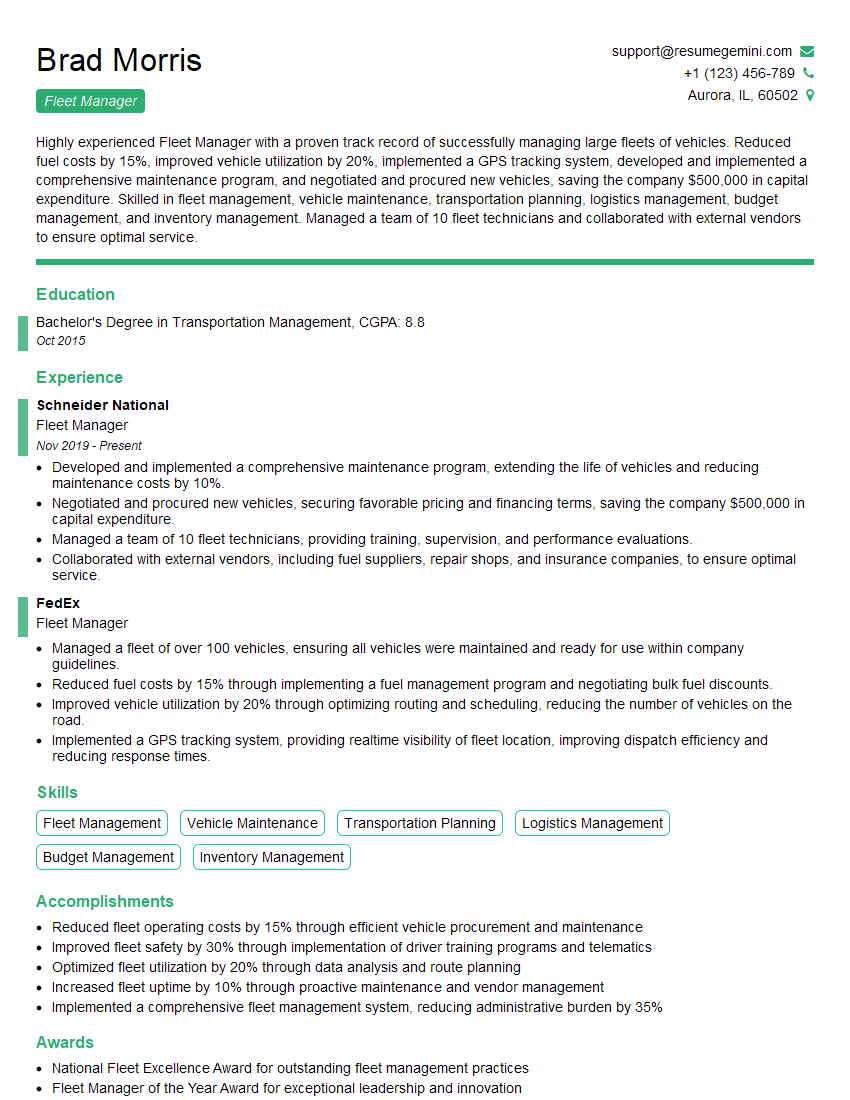
Fleet Manager Resume Sample

Transportation Specialist Resume Sample

Transportation Supervisor Resume Sample
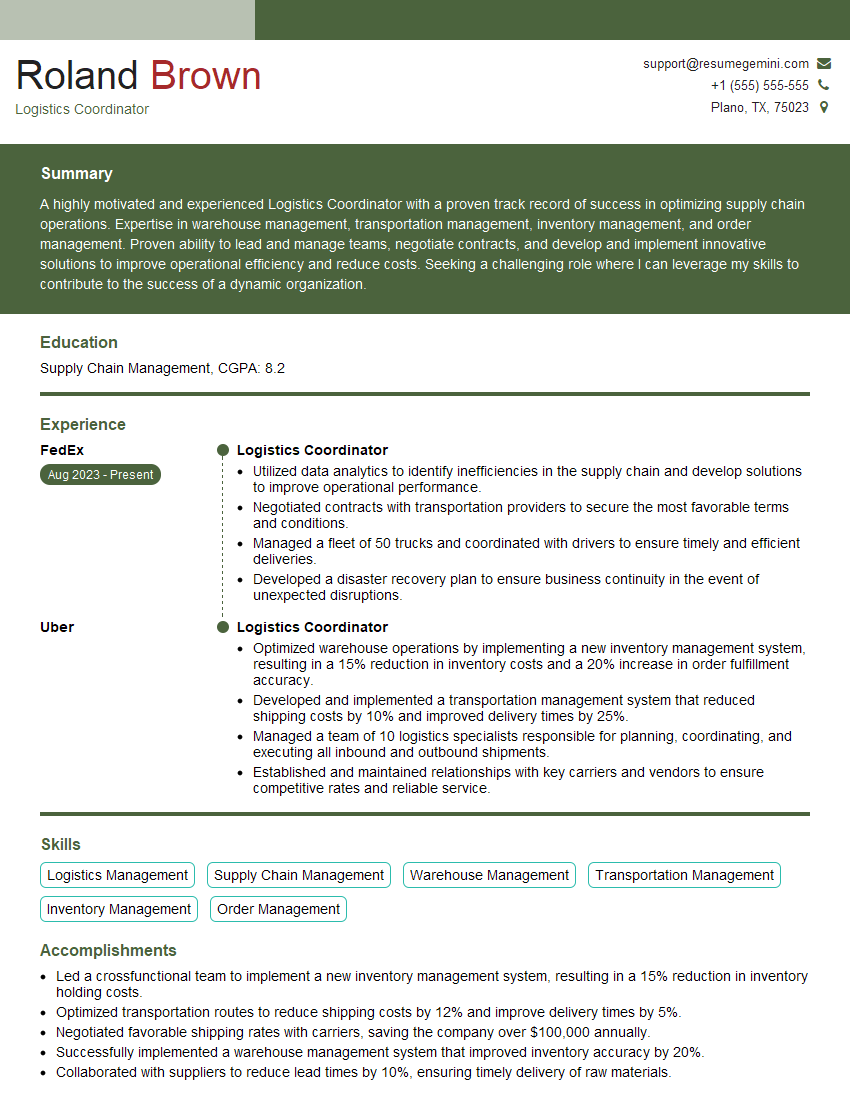
Logistics Coordinator Resume Sample
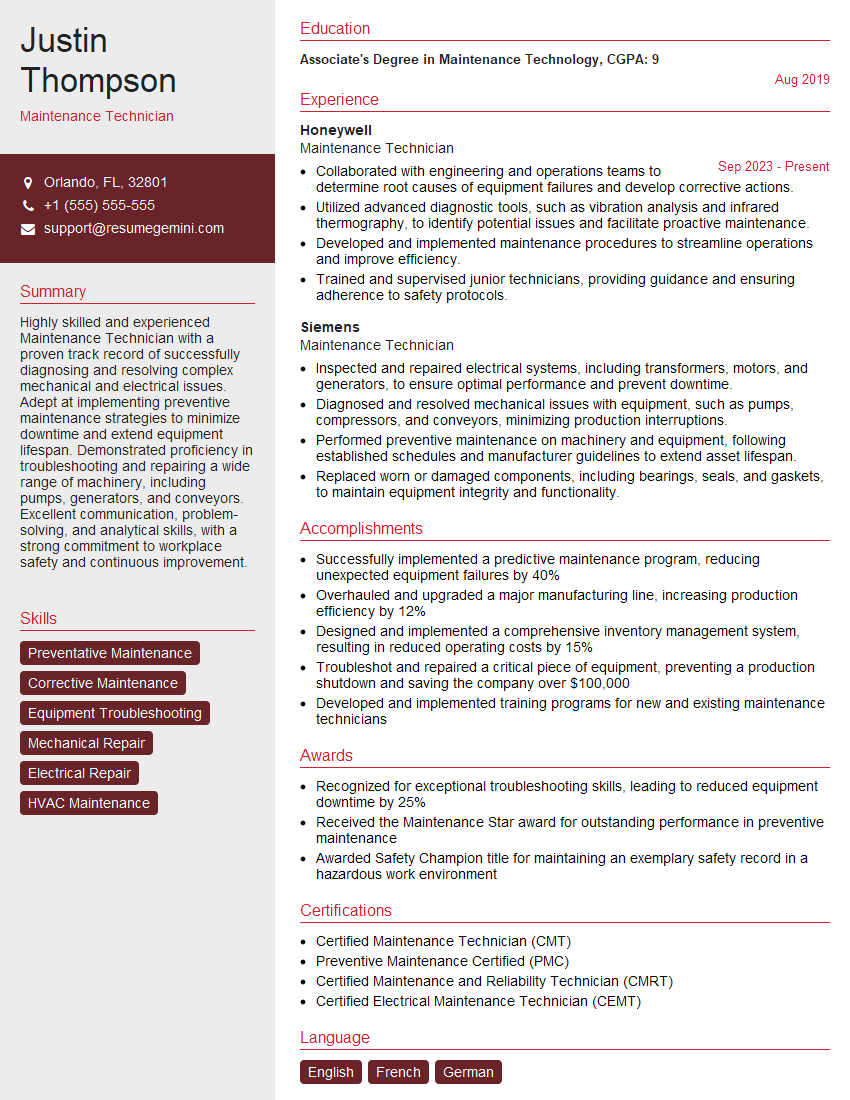
Maintenance Technician Resume Sample

Safety Inspector Resume Sample

Crane Operator Resume Sample

Shipping and Receiving Clerk Resume Sample

Construction Worker Resume Sample

Heavy Equipment Operator Resume Sample

Forklift Operator Resume Sample
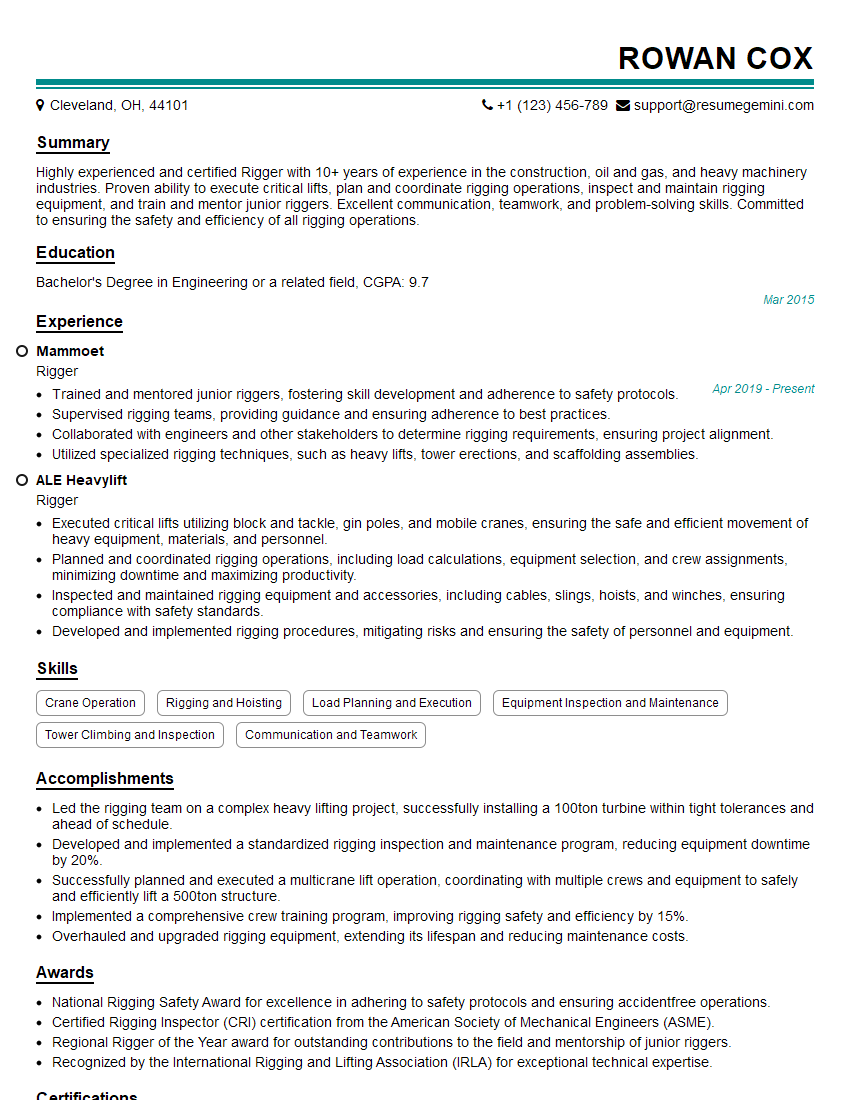
Rigger Resume Sample

Automotive Technician Resume Sample
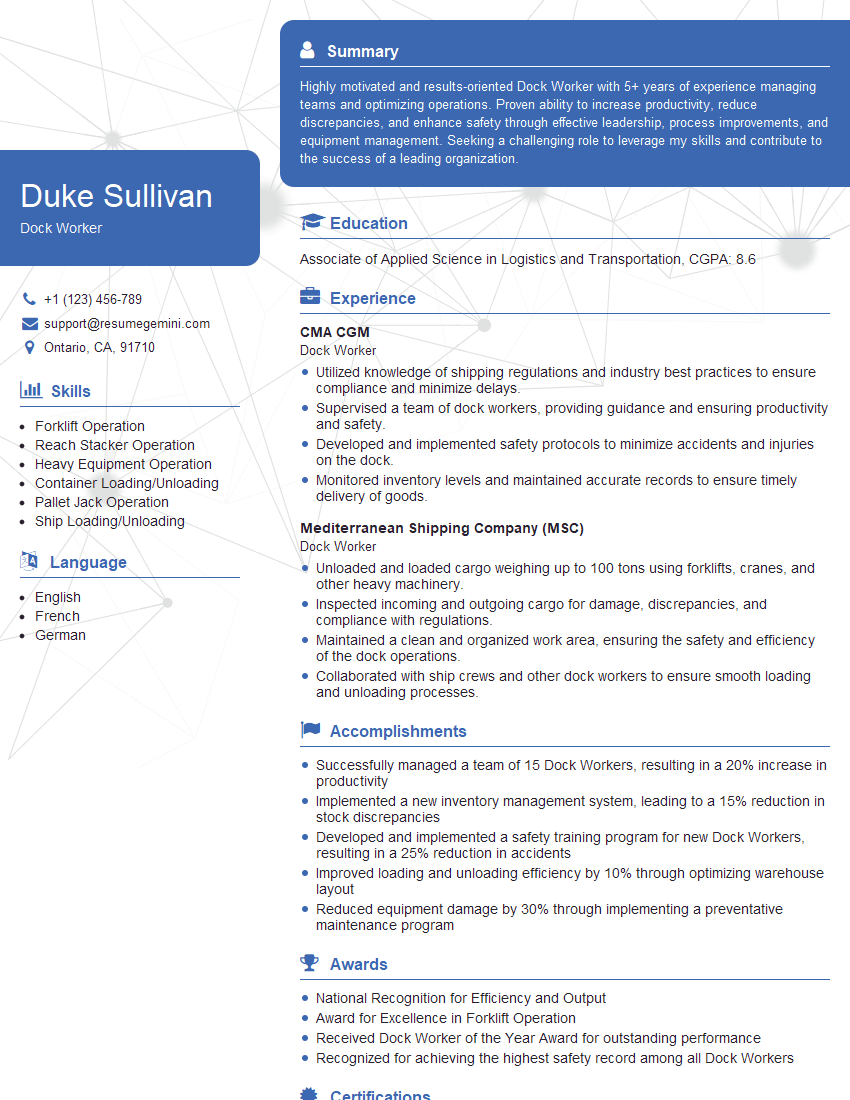
Dock Worker Resume Sample
Explore more articles
Users Rating of Our Blogs
Share Your Experience
We value your feedback! Please rate our content and share your thoughts (optional).
What Readers Say About Our Blog
Very informative content, great job.
good