Unlock your full potential by mastering the most common Work in a demanding and hazardous environment interview questions. This blog offers a deep dive into the critical topics, ensuring you’re not only prepared to answer but to excel. With these insights, you’ll approach your interview with clarity and confidence.
Questions Asked in Work in a demanding and hazardous environment Interview
Q 1. Describe your experience with personal protective equipment (PPE) selection and use.
Selecting and using personal protective equipment (PPE) is paramount in hazardous environments. It’s not just about wearing something; it’s about choosing the right equipment for the specific hazard and ensuring it’s used correctly and maintained properly.
My experience encompasses a wide range of PPE, including but not limited to: hard hats, safety glasses, high-visibility clothing, respirators (both particulate and gas), hearing protection, gloves (various types depending on the chemical or physical hazard), and specialized protective clothing like chemical suits or flame-resistant garments.
Before any task, I always conduct a thorough hazard assessment to determine the necessary PPE. For example, if working with corrosive chemicals, I’d select chemical-resistant gloves and a lab coat, along with appropriate eye protection. If operating heavy machinery, hearing protection and safety glasses are mandatory. I meticulously inspect all PPE before use, ensuring it’s in good condition and fits correctly. Improperly fitting PPE is as dangerous as no PPE at all. Regular training refreshes my understanding of PPE selection and reinforces safe usage practices.
I also emphasize the importance of maintaining PPE. Regular cleaning, inspection for damage, and replacement when needed are crucial to ensure continued effectiveness. Ultimately, the right PPE, used correctly, significantly reduces the risk of injury or illness.
Q 2. Explain your understanding of hazard identification and risk assessment procedures.
Hazard identification and risk assessment are foundational to workplace safety. It’s a systematic process of identifying potential hazards, analyzing the risks associated with them, and implementing control measures to mitigate those risks.
My approach involves a five-step process:
- Identify Hazards: This involves a thorough walkthrough of the work area, looking for potential dangers – both obvious and hidden. This includes examining machinery, materials, processes, and the environment itself. For example, identifying exposed electrical wires, slippery surfaces, or potential for chemical spills.
- Assess Risks: Once hazards are identified, I assess the likelihood of an incident occurring and the potential severity of the consequences. This often involves considering factors like frequency of exposure, duration of exposure, and vulnerability of workers.
- Evaluate Controls: I explore existing and potential control measures to reduce the risk. This could involve engineering controls (e.g., guarding machinery), administrative controls (e.g., safe work procedures), or PPE (as discussed previously).
- Implement Controls: Once suitable controls are chosen, they’re implemented, documented, and communicated to all relevant personnel.
- Monitor and Review: The entire process is continuously monitored and reviewed. This ensures controls remain effective and that new hazards are identified and addressed promptly.
A detailed risk assessment report is created and kept up-to-date, serving as a vital record for future reference and auditing.
Q 3. How would you respond to a workplace emergency situation?
Responding to a workplace emergency requires quick thinking, decisive action, and adherence to established protocols. My response is guided by the acronym RACE:
- Rescue: If it’s safe to do so, attempt to rescue any injured or endangered personnel from the immediate danger. Prioritize those most at risk.
- Alarm: Activate the emergency alarm system to alert others and emergency services. Clearly and concisely communicate the nature of the emergency and location.
- Confine: If possible, contain the hazard to prevent its spread or escalation. This might involve shutting down equipment or isolating the affected area.
- Extinguish/Evacuate: Attempt to extinguish the fire (if appropriate and trained to do so) or evacuate the area according to pre-established procedures. Always prioritize the safety of personnel.
After the immediate emergency is addressed, I would assist in first aid, if qualified, and cooperate fully with emergency responders and the investigation into the cause of the incident.
Q 4. Detail your experience with emergency response plans and protocols.
Emergency response plans and protocols are critical for minimizing the impact of unexpected events. My experience includes developing, implementing, and participating in numerous such plans. These plans detail procedures for various scenarios, including fire, chemical spills, medical emergencies, and evacuations.
These plans typically include:
- Emergency contact lists: Names, contact information for key personnel, emergency services, and supervisors.
- Assembly points: Designated safe locations for personnel to gather after an evacuation.
- Escape routes: Clearly marked and regularly inspected escape routes.
- Emergency equipment locations: The location of fire extinguishers, first-aid kits, and other essential safety equipment.
- Roles and responsibilities: Clearly defined roles and responsibilities for emergency response team members.
Regular drills and training exercises ensure that everyone understands the plan and can execute their responsibilities effectively. I’ve actively participated in these drills, providing valuable feedback for improvement and ensuring the plans are realistic and effective.
Q 5. What are your methods for communicating effectively in a high-stress environment?
Effective communication in high-stress environments is crucial for safety and efficiency. My approach focuses on clarity, conciseness, and active listening.
In stressful situations, I prioritize clear and concise language, avoiding jargon or technical terms that might not be understood by everyone. I use visual aids and non-verbal cues where appropriate. I actively listen to others, ensuring I understand their concerns and input.
I also focus on maintaining a calm and reassuring demeanor, even under pressure. This helps to reduce panic and maintain a sense of order. Clear and consistent communication is particularly vital during emergencies, ensuring that everyone is informed and working together towards a common goal. Radio communication protocols and using standardized phrases are utilized to ensure clarity and minimize misunderstandings in noisy or chaotic situations.
Q 6. Describe your experience working with confined space entry procedures.
Confined space entry procedures are rigorous and essential to protect workers from the inherent dangers of these environments. These spaces, often enclosed and poorly ventilated, can present risks of oxygen deficiency, toxic gas accumulation, and other hazards.
My experience includes working with and overseeing confined space entry procedures that strictly adhere to all safety regulations. This involves a thorough pre-entry assessment, including atmospheric testing, identifying potential hazards, and developing a rescue plan. A permit-to-work system is always used, ensuring all necessary precautions are in place before entry. A team of trained personnel is always present, including an attendant outside the confined space who continuously monitors conditions and is ready to initiate a rescue if necessary. A robust communication system is essential for maintaining contact with the entrant(s).
Following entry, regular atmospheric monitoring is crucial to detect any changes in conditions. Workers are equipped with appropriate PPE and trained to use it effectively. After the task, the space is properly ventilated and cleaned before it is deemed safe for re-entry.
Q 7. How do you maintain situational awareness in a dynamic and hazardous environment?
Maintaining situational awareness in a dynamic and hazardous environment is a constant vigilance that goes beyond simply observing the immediate surroundings. It’s about anticipating potential hazards, understanding the interplay of various factors, and proactively adjusting actions to mitigate risks.
My methods include:
- Regular scanning of the environment: Constantly assessing the surroundings for changes or potential hazards.
- Predictive thinking: Anticipating potential problems based on past experience and knowledge of the environment.
- Communication with colleagues: Regularly communicating with team members to share observations and concerns.
- Using checklists and procedures: Following established procedures and using checklists to ensure all necessary steps are taken.
- Listening and observing: Paying attention to both visual and auditory cues, including unusual noises or changes in atmospheric conditions.
- Taking regular breaks: Avoiding fatigue, which can impair judgment and reaction times.
Situational awareness is a skill honed over time through experience, training, and a commitment to safety. It’s an ongoing process, demanding constant attention and a proactive approach to risk management.
Q 8. How do you handle conflicting priorities in a demanding work environment?
In a demanding environment, conflicting priorities are inevitable. My approach involves a structured prioritization system. First, I clearly define all tasks and their deadlines. Then, I assess each task’s urgency and importance using a matrix (often visualized as a quadrant with ‘Urgent/Important’, ‘Important/Not Urgent’, etc.). This helps me quickly identify the most critical tasks. Next, I break down larger tasks into smaller, manageable steps. This makes the overall workload less daunting and allows for more flexible scheduling. Finally, I proactively communicate with stakeholders to manage expectations and ensure alignment. For example, if two projects demand my attention simultaneously, I’ll collaborate with team members to delegate certain sub-tasks or adjust deadlines where possible. Open communication is key to preventing conflicts from escalating.
Q 9. What safety regulations are most crucial in your field of experience?
Safety regulations are paramount in hazardous environments. In my experience (let’s assume it’s in construction for the sake of this example), some of the most crucial regulations include OSHA (Occupational Safety and Health Administration) standards concerning fall protection, lockout/tagout procedures, hazard communication (understanding and managing chemical hazards), and personal protective equipment (PPE) usage. These regulations aren’t merely guidelines; they’re legally mandated and critical for preventing workplace accidents and injuries. For instance, proper fall protection (e.g., harnesses, lifelines) is non-negotiable when working at heights, and failing to comply could lead to severe consequences, including fatalities. Similarly, neglecting lockout/tagout procedures on machinery poses significant risk of electrocution or crushing injuries.
Q 10. Explain your understanding of lockout/tagout procedures.
Lockout/Tagout (LOTO) procedures are a critical safety measure to prevent accidental energization or start-up of machinery during maintenance or repair. The process involves several steps: 1. Preparation: Identify the energy sources (electrical, hydraulic, pneumatic, etc.) to be controlled. 2. Notification: Inform all personnel involved about the LOTO procedure. 3. Lockout: Use a lock and tag to isolate the energy source, ensuring that the equipment cannot be accidentally turned on. Each worker involved should have their own lock and tag. 4. Verification: After lockout, verify that the equipment is indeed de-energized by testing it using appropriate methods. 5. Maintenance/Repair: Perform the necessary work. 6. Tagout Removal: The person who applied the lockout should remove their lock and tag, only after verifying that all work is complete and the equipment is safe to restart. This process is crucial to avoid catastrophic accidents that can result in severe injuries or fatalities. Imagine a scenario where a worker is repairing a machine without proper LOTO; an unexpected startup could be deadly.
Q 11. Describe your experience with fall protection equipment and techniques.
My experience with fall protection includes extensive training and practical application in various settings. This involves the proper use of harnesses, lifelines, anchor points, and fall arrest systems. I’m proficient in selecting appropriate equipment based on the specific work environment and potential fall hazards. For example, when working on a rooftop, I’d ensure the anchor points are securely fastened and the lifeline is properly connected to both the harness and the anchor. I understand the importance of regular inspections of the equipment to ensure it’s in good working order. Furthermore, I’m familiar with different fall protection techniques such as using guardrails, safety nets, and scaffold systems. The selection of technique depends on the specific task and the available resources. A thorough understanding of fall protection is not only crucial for personal safety but also for the safety of my team. Neglecting these procedures can lead to serious injuries or death.
Q 12. How do you ensure the safety of yourself and your team members?
Ensuring the safety of myself and my team involves a multi-faceted approach. It starts with pre-job planning, where I conduct thorough hazard assessments to identify potential risks. This includes reviewing site-specific safety rules, checking equipment functionality, and discussing potential hazards with the team. During the job, I lead by example, strictly adhering to all safety procedures and using PPE correctly. I actively monitor my team’s work to ensure they follow safety guidelines and provide immediate feedback and correction if necessary. Open communication is key; I encourage team members to voice their concerns and report any unsafe conditions. Regular safety meetings help us share best practices, address any near-miss incidents, and continuously improve our safety protocols. Essentially, creating a safety-conscious culture where everyone feels empowered to identify and report hazards is paramount.
Q 13. What are the common hazards associated with your previous role?
In my previous role (again, let’s assume construction), common hazards included working at heights, exposure to hazardous materials (e.g., asbestos, chemicals), heavy machinery operation, confined space entry, and electrical hazards. We also faced risks from weather conditions (extreme heat, cold, rain). Each of these presented unique challenges requiring specific safety measures and adherence to stringent regulations. For example, working at heights necessitates the use of fall protection systems, and handling hazardous materials requires specialized training and PPE such as respirators and protective clothing. Understanding and mitigating these hazards was a crucial part of my daily responsibilities.
Q 14. How do you identify and mitigate potential hazards before they occur?
Identifying and mitigating potential hazards is a proactive process that begins with a thorough risk assessment. This involves systematically examining the work area, identifying potential hazards, and evaluating the level of risk associated with each. I use a variety of methods, including checklists, job safety analyses (JSAs), and safety audits. Once hazards are identified, I develop and implement control measures. This could involve engineering controls (e.g., guarding machinery), administrative controls (e.g., establishing safe work procedures), or personal protective equipment (PPE). For example, if I identify a potential trip hazard, I’d immediately address it by removing the obstacle or putting up warning signs. Continuous monitoring and reassessment are crucial, as conditions can change during the course of a project. A proactive approach minimizes risks and creates a safer working environment for everyone.
Q 15. Explain your understanding of emergency evacuation procedures.
Emergency evacuation procedures are crucial for safety in hazardous environments. They are pre-planned, step-by-step actions designed to quickly and safely move people out of danger. A robust plan includes identifying assembly points, designated escape routes, and clearly marked signage. Regular drills are essential to ensure everyone understands their roles and the plan’s effectiveness.
For instance, in my previous role at an offshore oil rig, we had detailed evacuation plans for various scenarios, from fire to equipment failure. Each plan outlined specific escape routes, designated muster stations, and roles for emergency response teams. We conducted monthly drills, simulating different scenarios to ensure everyone reacted efficiently and safely.
- Understanding Escape Routes: Knowing primary and secondary escape routes is critical. Obstacles, like fire or debris, could block primary routes, necessitating the use of secondary paths.
- Assembly Points: Designating clear assembly points ensures accountability and efficient headcounts post-evacuation.
- Communication Systems: Reliable communication systems, such as emergency radios, are key for coordinating evacuation efforts and ensuring everyone is accounted for.
- Regular Drills: Consistent practice makes perfect. Drills should simulate various scenarios to ensure preparedness for any emergency.
Career Expert Tips:
- Ace those interviews! Prepare effectively by reviewing the Top 50 Most Common Interview Questions on ResumeGemini.
- Navigate your job search with confidence! Explore a wide range of Career Tips on ResumeGemini. Learn about common challenges and recommendations to overcome them.
- Craft the perfect resume! Master the Art of Resume Writing with ResumeGemini’s guide. Showcase your unique qualifications and achievements effectively.
- Don’t miss out on holiday savings! Build your dream resume with ResumeGemini’s ATS optimized templates.
Q 16. Describe your experience working with hazardous materials.
My experience with hazardous materials spans over a decade, encompassing handling, storage, and transportation. I’ve worked extensively with chemicals, solvents, and other potentially dangerous substances, adhering strictly to safety protocols. This includes understanding Safety Data Sheets (SDS), proper personal protective equipment (PPE) selection, and spill response procedures.
In one instance, while working on a construction site, we encountered asbestos. I ensured all workers were trained on proper handling procedures and wore appropriate respirators and protective suits before beginning work. We carefully contained and disposed of asbestos according to all regulatory guidelines. This involved meticulous record-keeping and careful monitoring of air quality.
Working with hazardous materials requires rigorous adherence to safety regulations and constant vigilance. Understanding the properties of each material and implementing appropriate control measures is paramount to preventing accidents and protecting health.
Q 17. How do you maintain your physical and mental fitness for demanding work?
Maintaining physical and mental fitness is non-negotiable in demanding jobs. My routine includes regular cardiovascular exercise, strength training, and a balanced diet to build stamina and endurance. I also prioritize sleep, recognizing its critical role in both physical recovery and cognitive function.
On the mental side, I practice mindfulness and stress-reduction techniques like meditation and deep breathing exercises. This helps maintain focus and manage stress. Open communication with supervisors and colleagues also fosters a supportive work environment, reducing the mental strain of a challenging job. I believe in a holistic approach to well-being – mind and body working in harmony.
Q 18. What is your experience with incident reporting and investigation?
Incident reporting and investigation are essential for learning from mistakes and preventing future occurrences. I have extensive experience in documenting incidents, interviewing witnesses, and analyzing root causes. This involves carefully collecting evidence, such as photos, witness statements, and equipment logs, to reconstruct the events leading to the incident.
For instance, I was part of an investigation into a near-miss incident involving a crane malfunction. I meticulously documented the circumstances, interviewed the crane operator and ground crew, and analyzed the crane’s maintenance logs. The investigation revealed inadequate maintenance as the root cause, prompting us to implement stricter maintenance protocols. The key is thoroughness and objectivity to understand the underlying issues and prevent recurrence.
Q 19. How do you handle stress and fatigue in high-pressure situations?
High-pressure situations demand effective stress and fatigue management strategies. I utilize techniques such as time management, prioritization, and delegation to control workload. I recognize the importance of taking short breaks throughout the day for rest and re-focus. Prioritizing sufficient sleep and maintaining a healthy lifestyle are also critical components of my approach.
Furthermore, I believe in open communication with my team and supervisors. Sharing concerns and seeking support helps reduce the burden of pressure. Recognizing my personal limits and seeking assistance when needed is a crucial aspect of working effectively and safely under duress.
Q 20. What is your experience with working at heights?
Working at heights requires strict adherence to safety regulations and the use of appropriate fall protection equipment. I have extensive experience working at heights, always ensuring compliance with safety standards. This includes using harnesses, lanyards, and fall arrest systems. I understand the importance of regular inspections of equipment and thorough risk assessments before commencing any work at height.
In one instance, I oversaw the installation of equipment on a high-rise building. We used a comprehensive fall protection plan, including designated anchor points, regular equipment checks, and a detailed risk assessment that accounted for varying weather conditions. Safety briefings and close supervision were integral to ensuring the safety of the team.
Q 21. How familiar are you with various types of respiratory protection?
Familiarity with respiratory protection is crucial in hazardous environments. I’m knowledgeable about various types, including disposable respirators, half-mask respirators, and full-face respirators. The choice of respirator depends on the specific hazard, and I understand the importance of proper fit-testing and training to ensure effectiveness.
I’m also familiar with air-purifying respirators (APRs) and supplied-air respirators (SARs). APRs filter contaminants from the air, while SARs supply clean air from an external source. The selection depends on the concentration and type of airborne contaminants. Proper maintenance and inspection of respirators are critical to their effectiveness.
Q 22. Describe your experience with using specialized tools and equipment in hazardous environments.
My experience with specialized tools and equipment in hazardous environments spans over 10 years, primarily in offshore oil and gas operations. I’m proficient in operating and maintaining a wide range of equipment, including hydraulic tools, pressure testing apparatus, gas detectors, and specialized lifting gear. For instance, I’ve extensively used underwater remotely operated vehicles (ROVs) for subsea inspections and repairs, requiring meticulous attention to detail and adherence to strict operational procedures. Similarly, experience with high-pressure gas handling necessitates a deep understanding of safety protocols and equipment functionality to prevent accidents. Regular training and certification refreshes keep my skills sharp and ensure I’m always up-to-date with the latest safety and operational advancements. I’m also familiar with conducting preventative maintenance, identifying potential faults, and reporting any malfunctions to ensure equipment is always working optimally and safely.
One specific example involves utilizing a specialized hot-tapping machine. This equipment allows for the safe introduction of a new pipe into a live, high-pressure pipeline without disrupting service. This procedure demands an incredibly high level of precision, and a comprehensive understanding of the equipment’s controls and safety interlocks. This particular procedure required a detailed pre-job safety assessment, meticulous adherence to the manufacturer’s operating instructions, and close collaboration with my team.
Q 23. How do you ensure compliance with all relevant safety standards?
Ensuring compliance with all relevant safety standards is paramount in my work. This starts with a thorough understanding of applicable regulations, such as OSHA, API, and any company-specific safety manuals. I actively participate in all safety training and refresher courses, ensuring my knowledge remains current and I’m aware of any new updates or best practices. I regularly conduct self-inspections of my equipment and work area, looking for potential hazards or non-compliance issues. I’m proactive in reporting any safety concerns, no matter how minor, through the proper channels. This includes reporting near misses or incidents, no matter how small, to foster a culture of continuous improvement.
Furthermore, I actively check that permits to work are in place before beginning any task. I also verify that all equipment undergoes thorough pre-use inspections and that any necessary safety devices, such as lockout/tagout procedures, are implemented. Finally, I frequently review and update my understanding of safety legislation and regulations relevant to my field.
Q 24. How do you communicate effectively with supervisors and co-workers during emergencies?
Effective communication during emergencies is critical in hazardous environments. I adhere to a clear communication protocol: brief, concise reporting using pre-agreed terminology. This avoids confusion and ensures everyone understands the situation. For example, in the event of a gas leak, my initial report would follow a structured format: location of the leak, type of gas, severity of the leak, and immediate actions taken. I would then relay information to my supervisor and team members using clear, calm language, avoiding jargon that might not be understood by everyone. I would also ensure that all communication channels are utilized efficiently, such as two-way radios, emergency phones, and visual signals.
In addition to verbal communication, I understand the importance of non-verbal communication, such as clear hand signals, especially in noisy environments. The use of clearly defined visual signals and emergency response plans makes this critical.
Q 25. Describe a time you had to make a quick decision under pressure in a hazardous situation.
During a subsea repair operation, a sudden surge of current caused the ROV’s tether to become entangled. This created a significant risk of damage to both the ROV and subsea infrastructure. The situation demanded quick action; a delayed response could have resulted in expensive repairs and potentially jeopardized the safety of the divers supporting the operation. Instead of panicking, I systematically assessed the situation, prioritizing immediate actions to prevent further damage. I immediately initiated emergency procedures, instructing the team to reduce the ROV’s thrust and attempt to carefully disentangle the tether. Simultaneously, I contacted the surface support team to inform them of the situation and request additional support if needed. Through a collaborative effort and calm decision-making, we successfully resolved the issue without further incident. This incident emphasized the importance of remaining calm, assessing all variables, and taking decisive steps in high-pressure scenarios.
Q 26. What steps do you take to ensure your own safety before starting a hazardous task?
Ensuring my own safety before starting any hazardous task involves a multi-step approach. First, I meticulously review the job safety analysis (JSA) and permit-to-work documentation, identifying all potential hazards and associated risks. Then, I ensure I have the correct personal protective equipment (PPE), such as hard hats, safety glasses, gloves, and any specialized gear specific to the task, and confirm that it’s in good working order. Next, I conduct a thorough inspection of my work area and equipment, checking for any immediate hazards or potential risks, performing all necessary tests and checks required by the work permit. I also double-check the emergency shutdown procedures and identify the locations of emergency exits and assembly points. Finally, I communicate my plan of work to my supervisor and team members, ensuring everyone is aware of the potential hazards and safety precautions. This comprehensive approach is always my priority before beginning work.
Q 27. Describe your understanding of the hierarchy of hazard controls.
The hierarchy of hazard controls is a fundamental principle in workplace safety. It prioritizes control measures in a specific order, aiming for the most effective method to eliminate or reduce risks. This hierarchy proceeds from the most effective to the least:
- Elimination: Removing the hazard entirely. For example, replacing a hazardous chemical with a safer alternative.
- Substitution: Replacing the hazard with a less hazardous alternative. For instance, using a less toxic cleaning agent.
- Engineering Controls: Implementing physical changes to the work environment. Examples include installing safety guards on machinery or improving ventilation systems.
- Administrative Controls: Implementing work practices or procedures to reduce risk. These include job rotation, training programs, and establishing clear safety procedures.
- Personal Protective Equipment (PPE): Providing employees with protective gear like safety glasses, hard hats, and respirators. This is usually the last resort, as it protects the worker, but does not address the hazard itself.
Understanding this hierarchy is crucial for developing effective safety programs. It guides us to prioritize controls that prevent hazards rather than just mitigating their effects on workers. The goal is always to eliminate or minimize the risk as far upstream in the hierarchy as possible.
Q 28. How do you conduct a pre-job safety briefing?
Conducting a pre-job safety briefing is an essential step before any hazardous task. My approach involves a structured format ensuring all team members are fully informed and prepared. I start by reviewing the JSA and permit-to-work documents with the team, highlighting key hazards, risks, and control measures. This is often accompanied by visual aids like maps and diagrams. I encourage active participation, ensuring everyone understands the tasks and their roles, including emergency procedures. We’ll discuss communication protocols, and review the location of all emergency equipment and escape routes.
The briefing also covers potential emergency situations and responses, including the specific procedures for any critical equipment or systems. Finally, I always open the floor for questions and concerns to address any uncertainties or potential problems before starting the work, fostering a collaborative approach to safety.
Key Topics to Learn for Work in a Demanding and Hazardous Environment Interview
- Hazard Identification and Risk Assessment: Understanding methodologies for identifying potential hazards, analyzing risks, and implementing control measures. This includes practical application of risk matrices and hierarchy of controls.
- Safety Regulations and Compliance: Familiarity with relevant industry regulations, safety standards (e.g., OSHA, ISO), and legal implications of non-compliance. Practical application involves understanding how to interpret and apply these regulations in real-world scenarios.
- Personal Protective Equipment (PPE): Knowledge of various types of PPE, their appropriate selection and use, limitations, and maintenance. Practical application includes demonstrating understanding of when specific PPE is necessary and how to properly use it.
- Emergency Response Procedures: Understanding emergency procedures, including evacuation plans, first aid, and communication protocols. Practical application might involve describing your experience with emergency drills or real-life incidents.
- Working at Heights and Confined Spaces: Safe work practices for working at heights and in confined spaces, including relevant safety equipment and procedures. Demonstrate understanding of potential hazards and mitigation strategies.
- Teamwork and Communication in Hazardous Environments: Importance of clear communication, teamwork, and leadership in high-pressure situations. This includes understanding the role of effective communication in preventing accidents.
- Incident Investigation and Reporting: Understanding the process of investigating incidents, identifying root causes, and implementing corrective actions to prevent recurrence. This requires understanding of investigative techniques and reporting protocols.
Next Steps
Mastering the skills and knowledge related to working in demanding and hazardous environments is crucial for career advancement in many high-demand fields. It demonstrates your commitment to safety and your ability to handle challenging situations. To maximize your job prospects, creating an ATS-friendly resume is essential. ResumeGemini is a trusted resource that can help you build a professional and impactful resume that highlights your skills and experience effectively. Examples of resumes tailored to working in demanding and hazardous environments are available within ResumeGemini to help guide your creation process. Take the next step towards your dream career today!
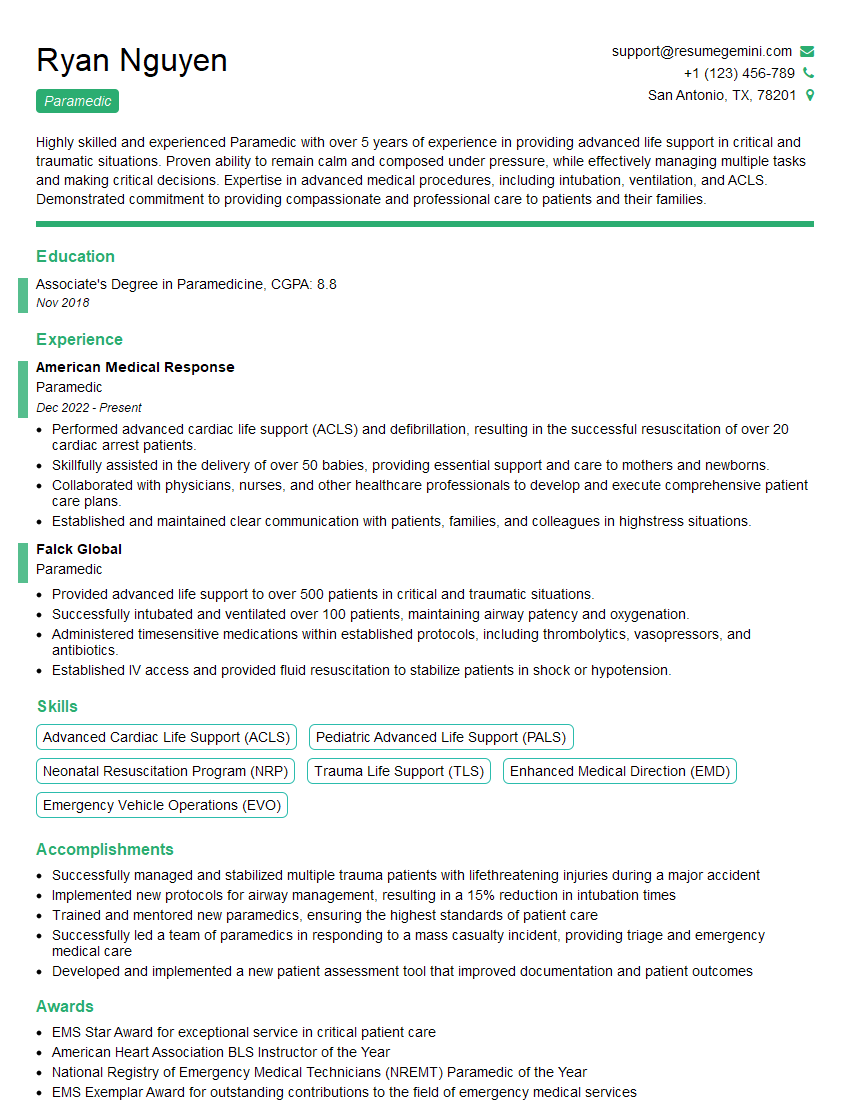
Paramedic Resume Sample
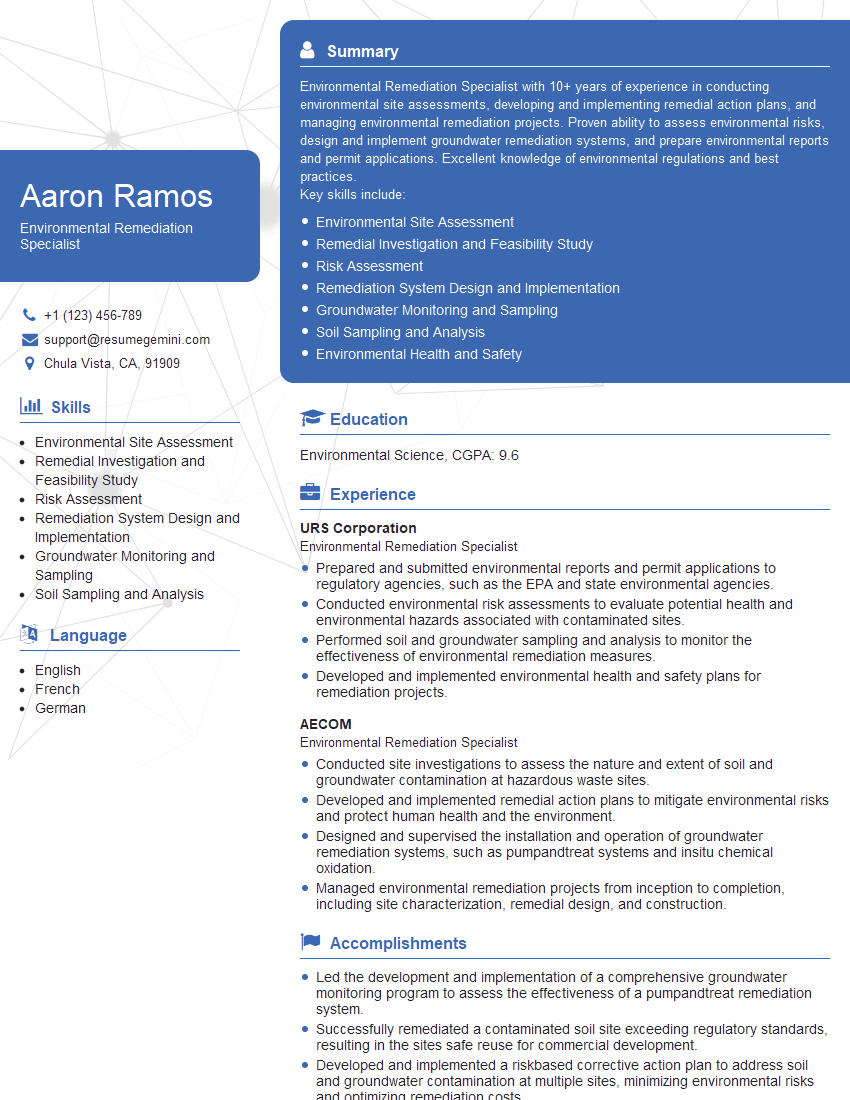
Environmental Remediation Specialist Resume Sample
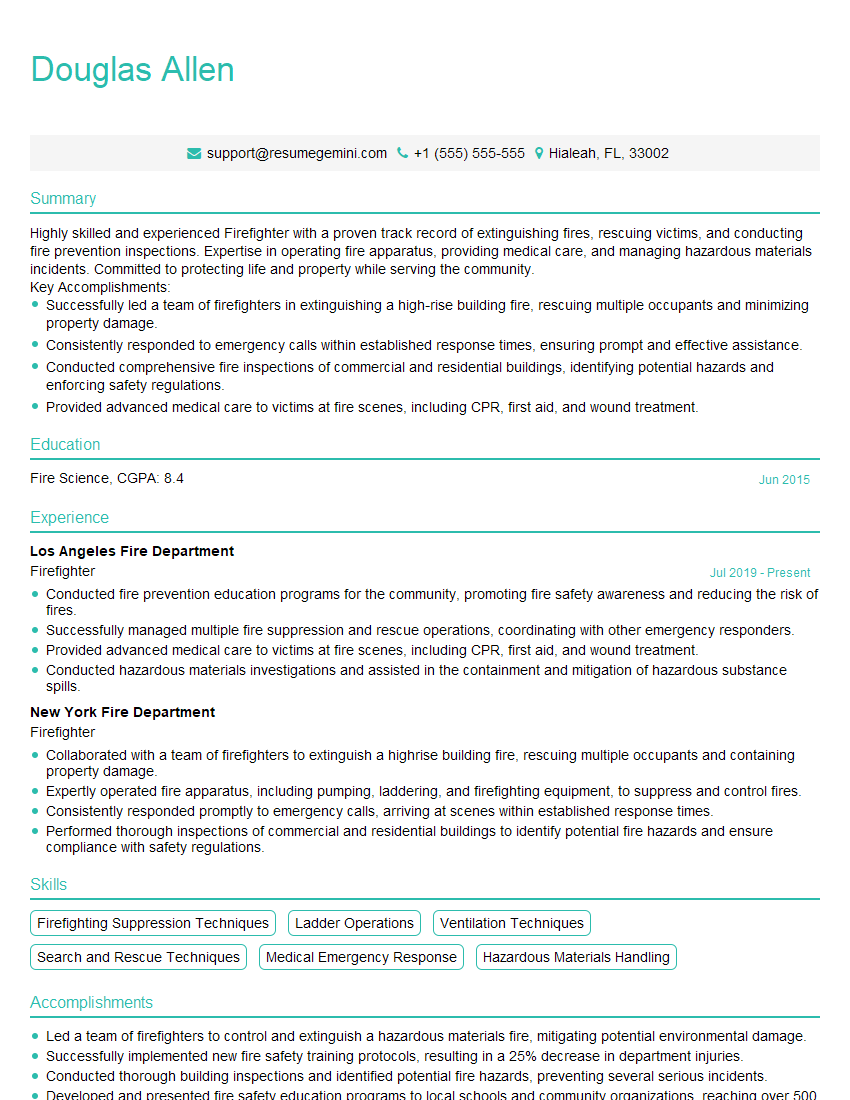
Firefighter Resume Sample
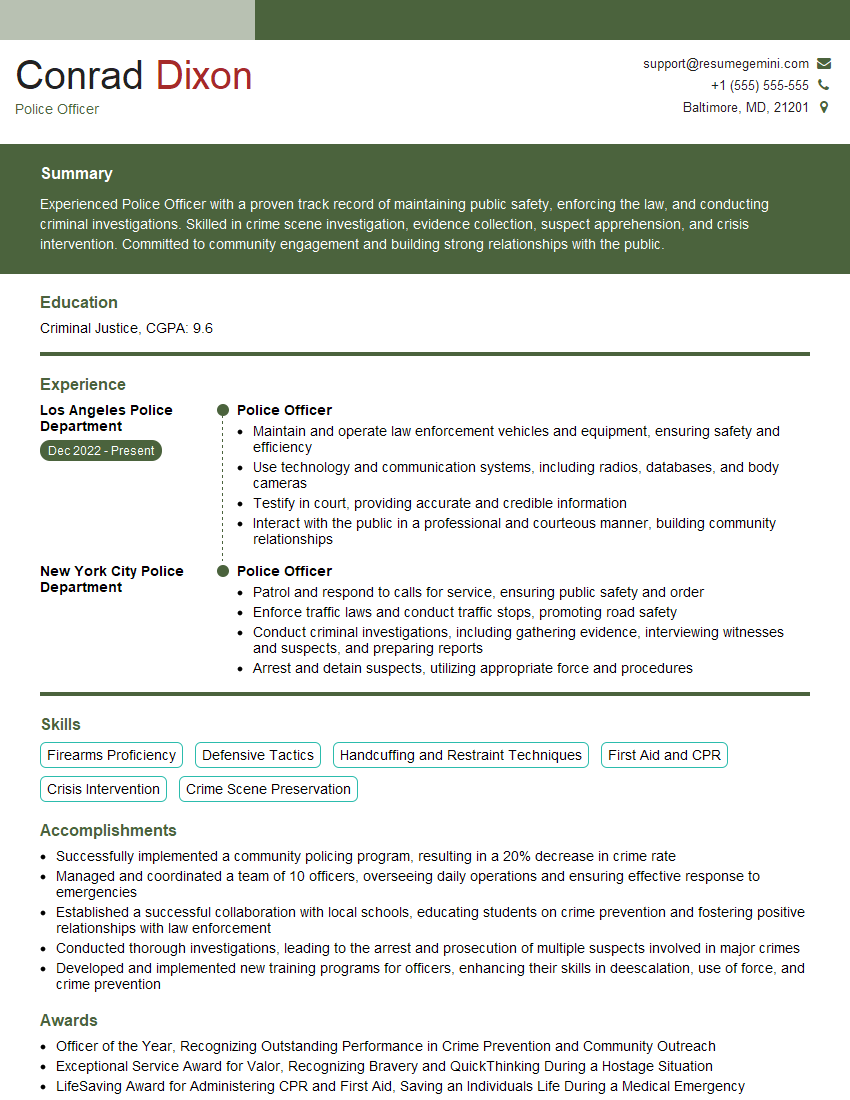
Police Officer Resume Sample
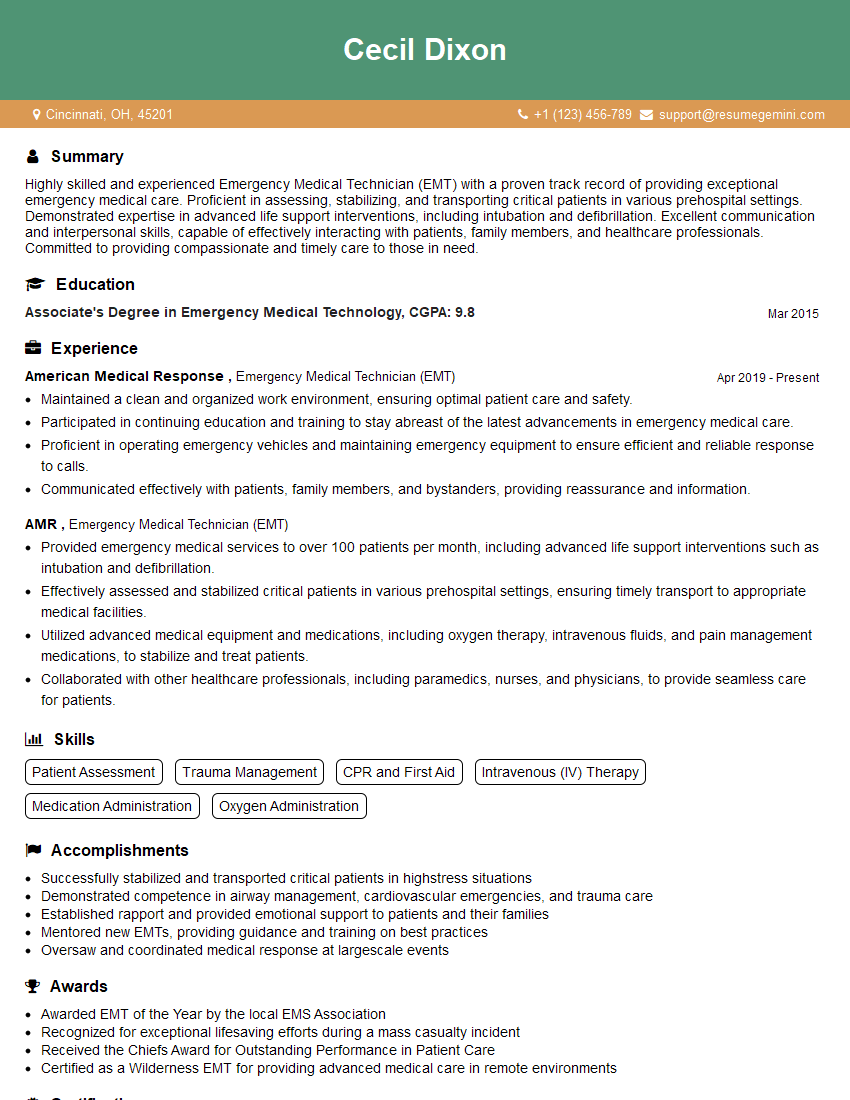
Emergency Medical Technician (EMT) Resume Sample
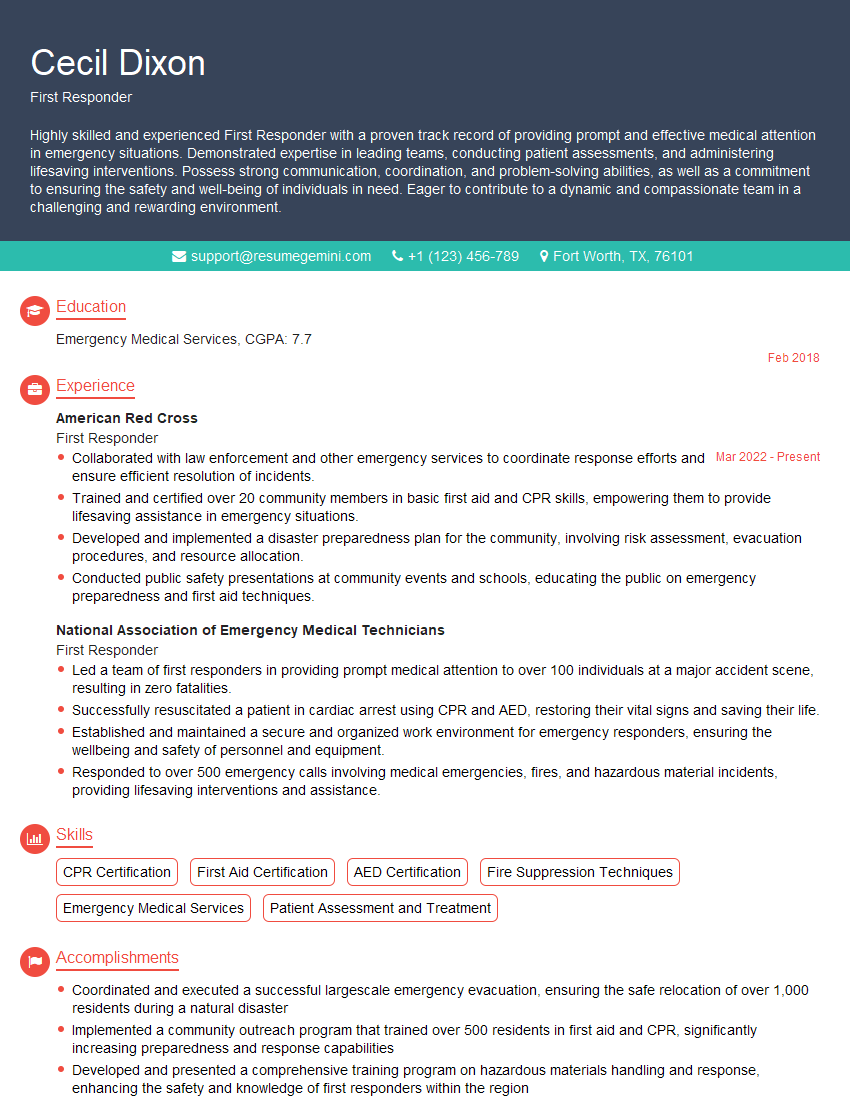
First Responder Resume Sample
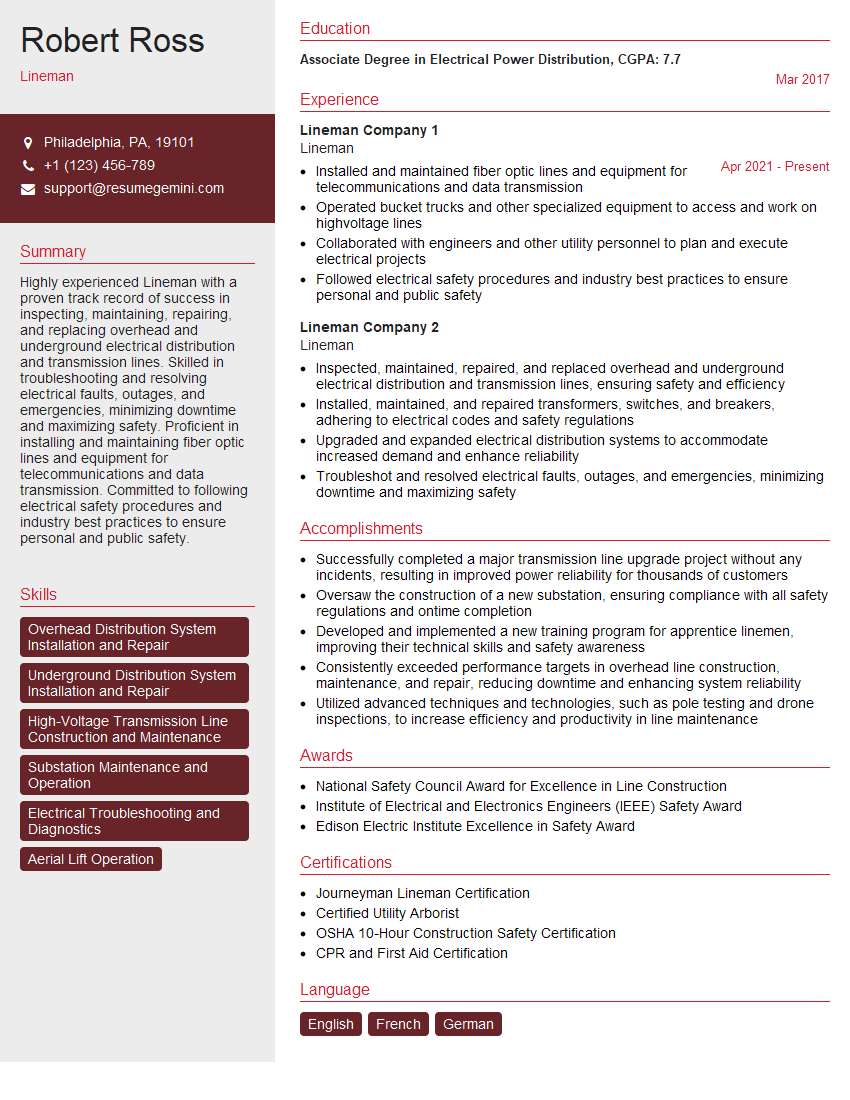
Lineman Resume Sample
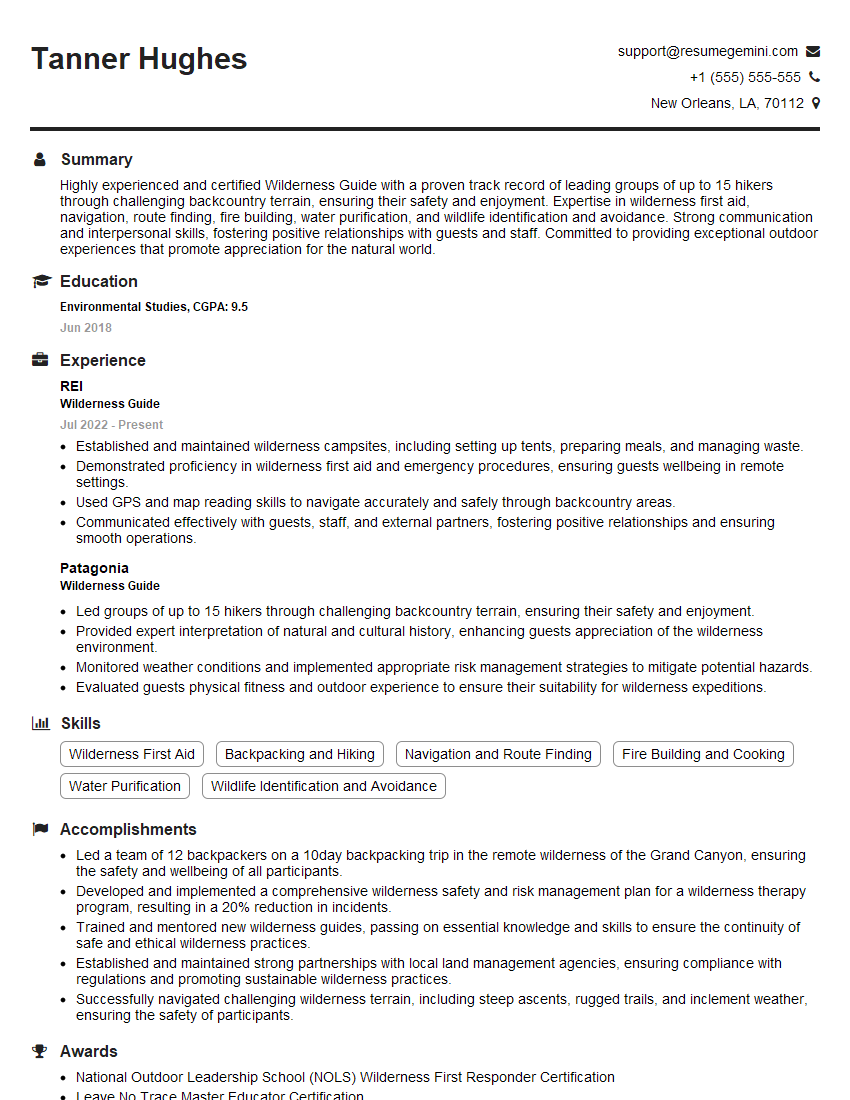
Wilderness Guide Resume Sample
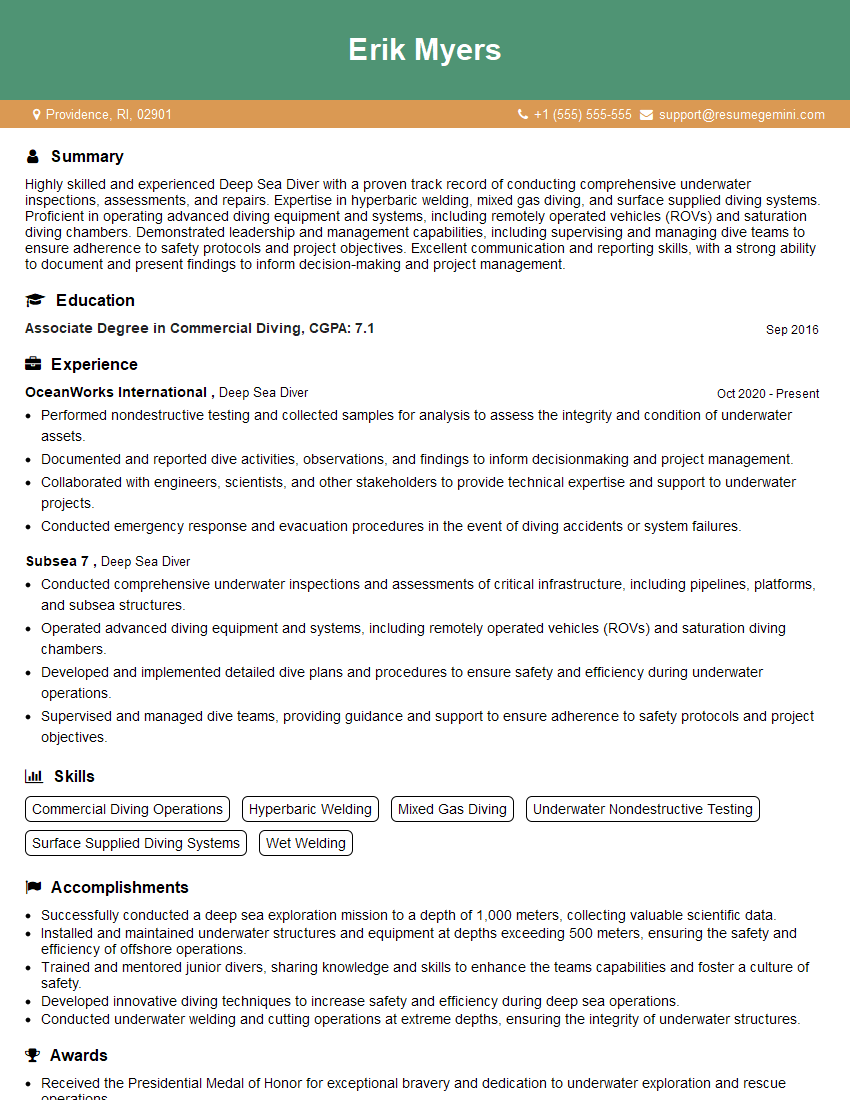
Deep Sea Diver Resume Sample
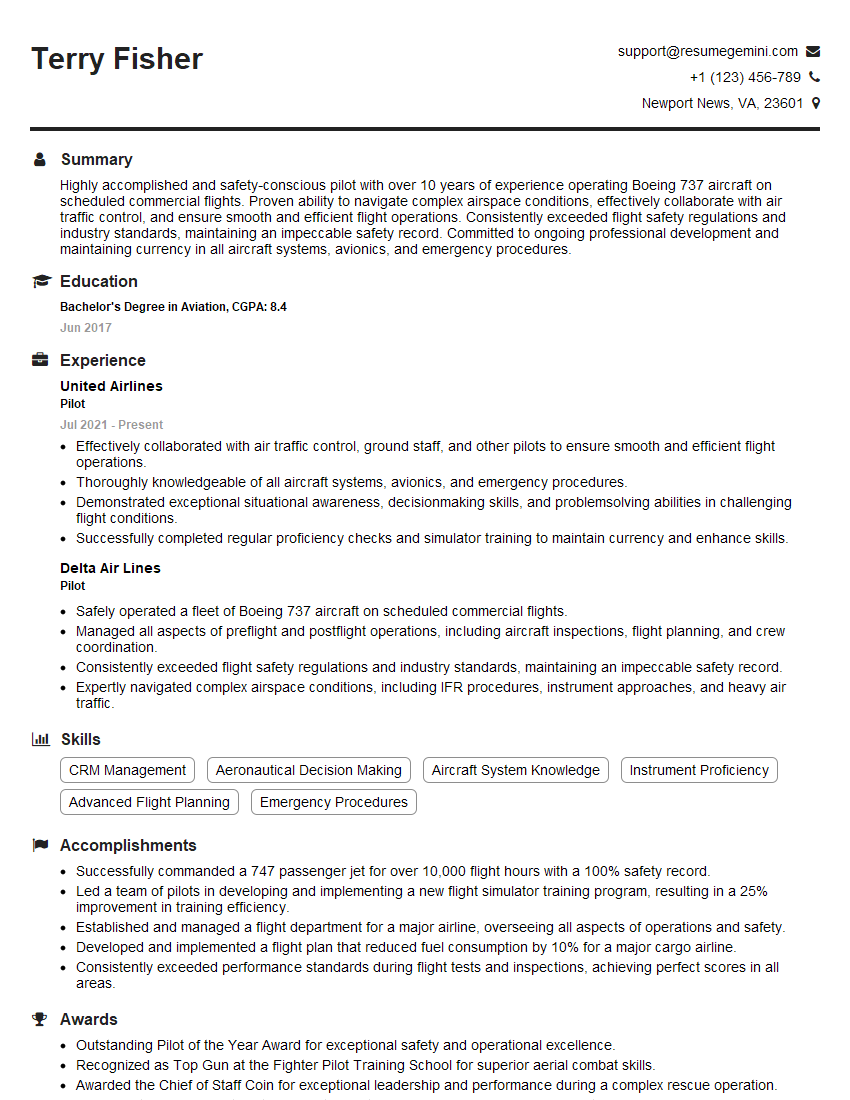
Pilot Resume Sample
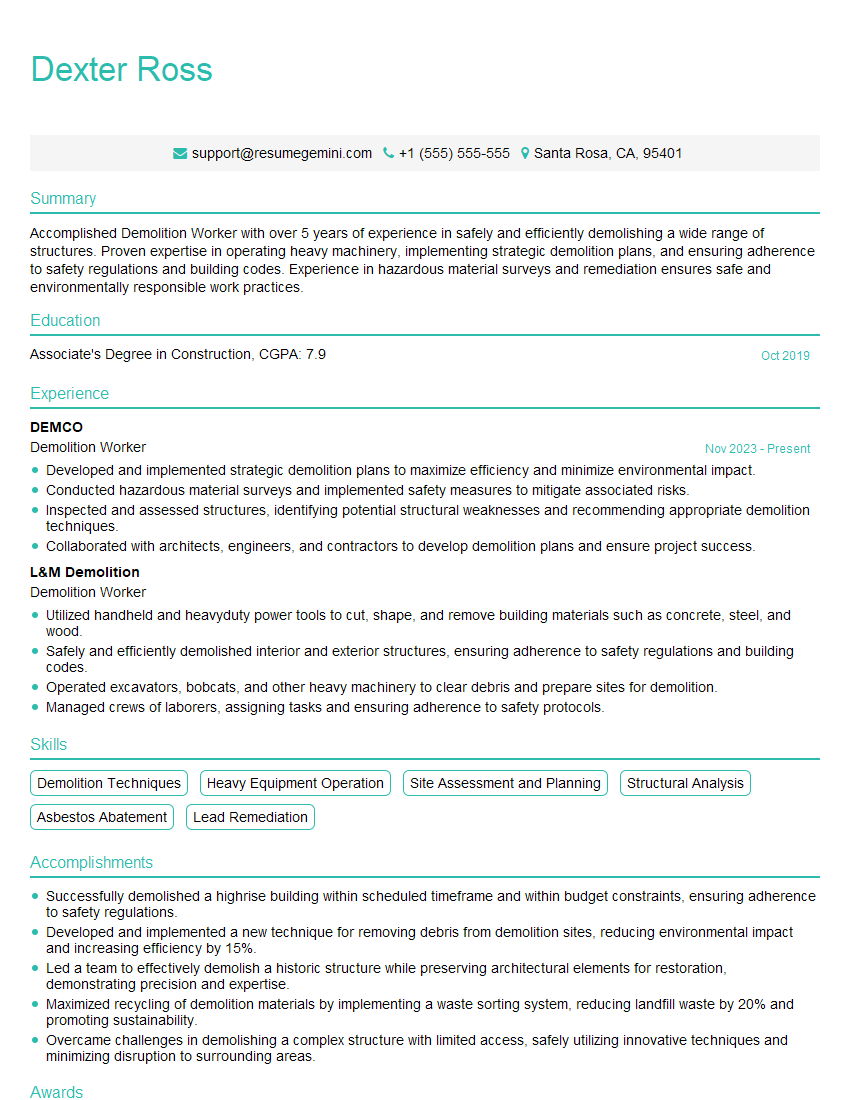
Demolition Worker Resume Sample
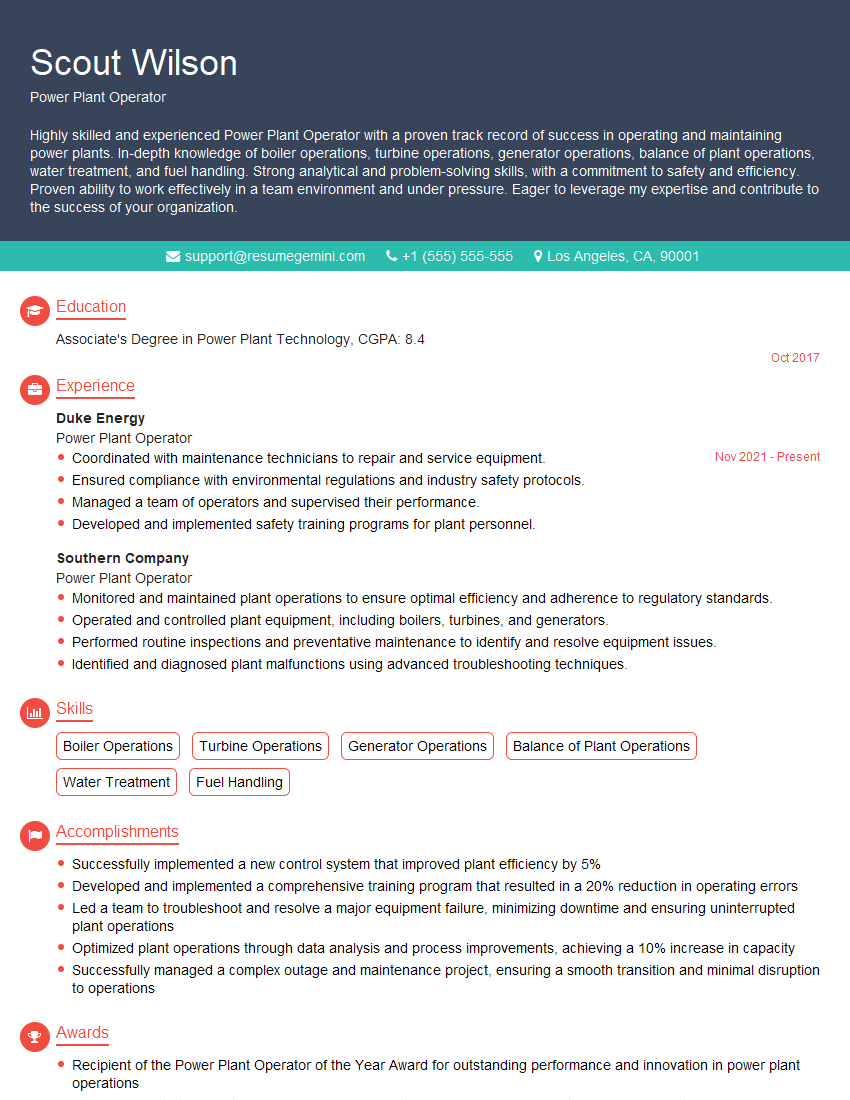
Power Plant Operator Resume Sample
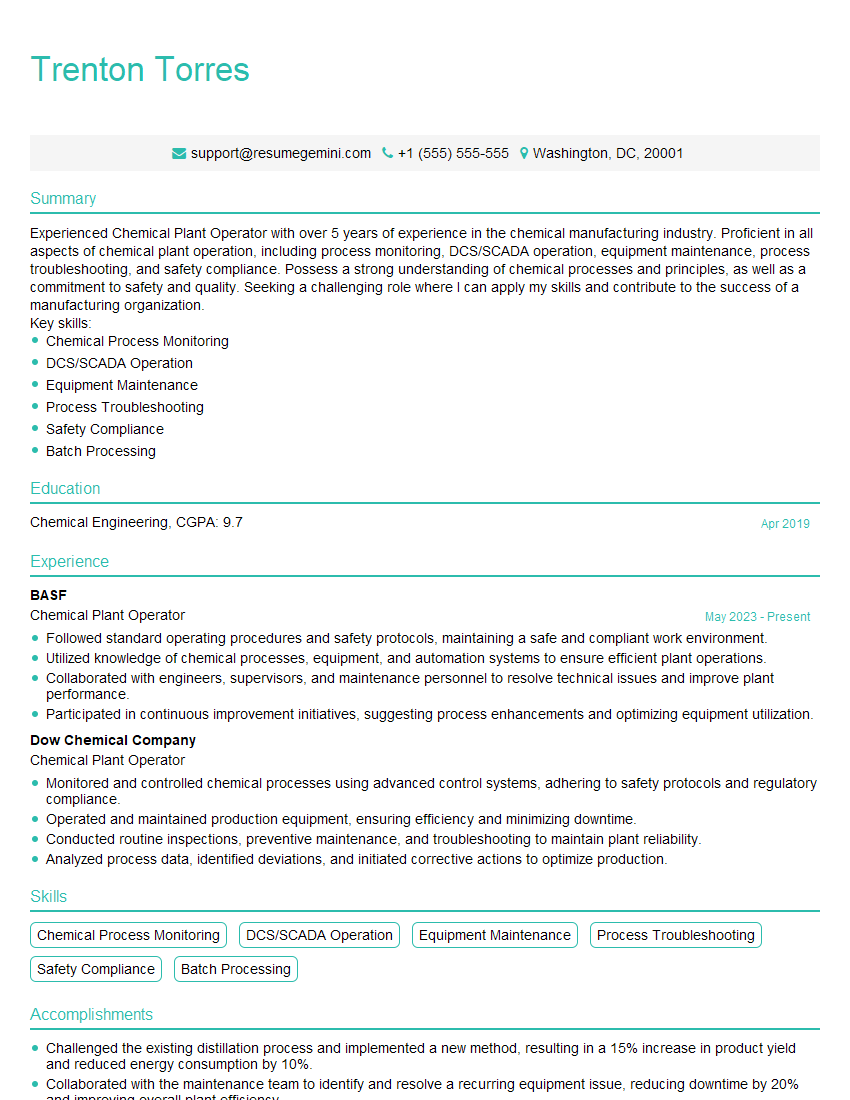
Chemical Plant Operator Resume Sample
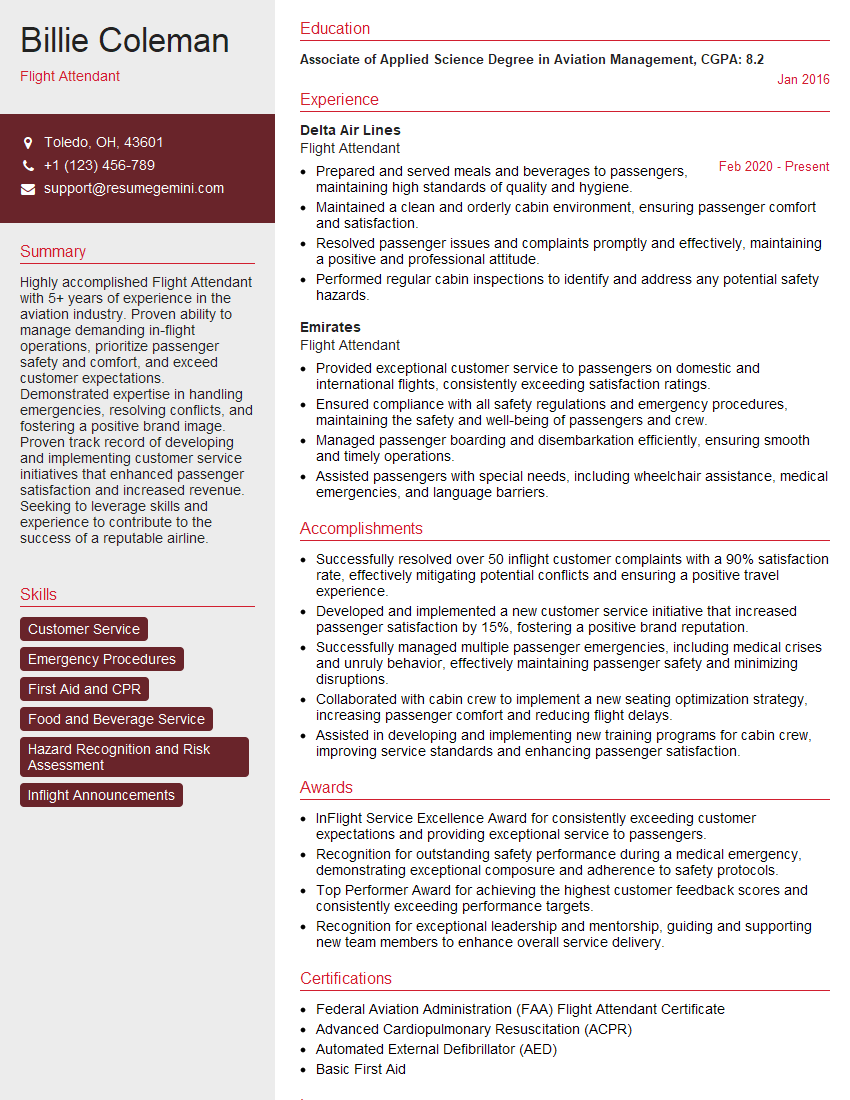
Flight Attendant Resume Sample
Explore more articles
Users Rating of Our Blogs
Share Your Experience
We value your feedback! Please rate our content and share your thoughts (optional).
What Readers Say About Our Blog
Very informative content, great job.
good