Every successful interview starts with knowing what to expect. In this blog, we’ll take you through the top Work Safely in a Warehouse Environment interview questions, breaking them down with expert tips to help you deliver impactful answers. Step into your next interview fully prepared and ready to succeed.
Questions Asked in Work Safely in a Warehouse Environment Interview
Q 1. Describe your experience with OSHA regulations.
My experience with OSHA regulations is extensive. I’ve spent years working in warehouse environments, ensuring compliance with all applicable OSHA standards. This includes a thorough understanding of OSHA’s General Industry standards (29 CFR 1910), which cover a wide range of safety topics relevant to warehouses, such as hazard communication, personal protective equipment (PPE), machine guarding, and emergency action plans. I’m also familiar with specific OSHA standards related to material handling, particularly those concerning forklifts and powered industrial trucks. In my previous role, I was directly responsible for conducting regular safety inspections, developing and implementing safety programs, and maintaining detailed records to demonstrate compliance. I’ve also participated in OSHA-mandated training and have kept abreast of any updates or changes to regulations. My approach is proactive, focusing on preventing accidents before they happen through rigorous training and meticulous adherence to safety protocols.
Q 2. Explain the importance of hazard identification in a warehouse setting.
Hazard identification is paramount in a warehouse setting because it’s the cornerstone of preventing accidents. Think of it like this: you can’t fix a problem if you don’t know it exists. Identifying hazards involves systematically surveying the workplace to pinpoint potential dangers to employees. This includes identifying physical hazards like uneven flooring, poorly stacked materials, and obstructed walkways; chemical hazards from cleaning supplies or stored materials; ergonomic hazards from repetitive tasks or awkward postures; and biological hazards such as mold or pests. A comprehensive hazard identification process would use a combination of methods, such as safety audits, employee feedback, near-miss reporting, and incident investigations. Regular, thorough identification allows for the implementation of preventative measures, reducing the likelihood of injuries and improving overall workplace safety. Ignoring hazard identification increases risks significantly, potentially leading to serious accidents, worker compensation claims, and damage to company reputation.
Q 3. What are the common causes of warehouse accidents?
Warehouse accidents stem from a variety of causes, many of which are preventable. Common causes include:
- Forklift accidents: Collisions, tipovers, and pedestrian injuries are frequently caused by unsafe operating practices, inadequate training, or poor maintenance.
- Falls: Slips, trips, and falls account for a significant number of injuries, often resulting from clutter, poor lighting, damaged flooring, or improper use of ladders.
- Strains and sprains: Manual material handling, especially lifting heavy objects improperly, can lead to musculoskeletal injuries.
- Struck-by hazards: Falling objects from improperly stacked pallets or shelves are a serious risk.
- Caught-in/between hazards: Getting caught in moving machinery or equipment is a potential danger in many warehouse operations.
- Electrocution: Damaged electrical equipment or wiring poses an electrocution risk.
Addressing these causes requires a multi-pronged approach encompassing employee training, equipment maintenance, and a strong safety culture.
Q 4. How do you conduct a workplace safety inspection?
Conducting a workplace safety inspection involves a systematic and thorough review of the warehouse environment. I typically follow a checklist approach, covering key areas like:
- Aisles and walkways: Checking for obstructions, proper lighting, and clear signage.
- Storage areas: Evaluating the stability of stacked materials, ensuring proper racking, and checking for overloaded shelves.
- Equipment: Inspecting forklifts, conveyors, and other machinery for damage, proper functioning, and appropriate safety guards.
- Housekeeping: Assessing the cleanliness of the warehouse, noting any spills, debris, or clutter.
- Emergency exits and equipment: Verifying accessibility and functionality of exits, fire extinguishers, and other emergency equipment.
- PPE usage: Observing whether employees are using appropriate personal protective equipment.
During the inspection, I take photographs of any hazards identified and document findings in a detailed report. This report outlines the identified hazards, their potential consequences, and recommended corrective actions. The report is then shared with management to initiate necessary improvements and prevent future incidents.
Q 5. What are your strategies for preventing forklift accidents?
Preventing forklift accidents requires a comprehensive strategy focusing on training, maintenance, and safe operating procedures. Key strategies include:
- Thorough training: Operators must receive extensive training on safe operating practices, pre-shift inspections, and emergency procedures. This should include both classroom instruction and hands-on practice.
- Regular maintenance: Forklifts must undergo regular maintenance checks to ensure they are in good working order. This includes checking brakes, tires, lights, and other critical components.
- Designated walkways and traffic patterns: Clear pedestrian walkways, separate from forklift traffic, should be established and strictly enforced.
- Speed limits and designated areas: Implementing speed limits and designated operating areas within the warehouse reduces the risk of collisions.
- Proper loading and unloading: Operators must be trained on the correct techniques for loading and unloading, ensuring stability and preventing tipovers.
- Regular inspections: Regular inspections of the work area help identify potential hazards before they lead to accidents.
A strong emphasis on safe operating procedures, coupled with consistent enforcement, is crucial in reducing the frequency and severity of forklift accidents.
Q 6. How would you handle a workplace injury?
Handling a workplace injury requires a prompt and systematic approach. The first step is to ensure the injured person’s safety and well-being. This includes:
- Assessing the situation: Immediately secure the area to prevent further injuries.
- Calling for medical assistance: Contact emergency services or the company’s designated medical personnel.
- Providing first aid: Administering first aid as appropriate and within the scope of my training.
- Documenting the incident: Gathering information about the accident, including witness statements, and photographs of the scene.
- Completing incident reports: Filing all necessary reports as per company policy and legal requirements.
- Following up with the injured employee: Checking on their recovery and providing support as needed.
Throughout the process, maintaining confidentiality and complying with all relevant legal and regulatory requirements are paramount. The goal is to ensure the injured employee receives appropriate medical attention and support while also conducting a thorough investigation to identify contributing factors and prevent similar incidents in the future.
Q 7. Explain your knowledge of Material Safety Data Sheets (MSDS).
Material Safety Data Sheets (MSDS), now known as Safety Data Sheets (SDS), are crucial documents providing comprehensive information about hazardous chemicals. They contain detailed information on the chemical’s composition, physical and chemical properties, health hazards, first aid measures, handling precautions, storage recommendations, and emergency procedures. My knowledge of SDS includes understanding how to locate, interpret, and utilize this information to ensure the safe handling, storage, and use of hazardous chemicals in the warehouse. For instance, I would use an SDS to determine the appropriate personal protective equipment (PPE) required when handling a specific chemical, understand the emergency procedures in case of a spill, and ensure proper storage conditions are maintained to prevent degradation or accidental exposure. Proper understanding and application of SDS information are critical for employee safety and environmental protection.
Q 8. Describe your experience with lockout/tagout procedures.
Lockout/Tagout (LOTO) procedures are critical for preventing accidental energization of machinery during maintenance or repair. It’s a process that ensures equipment is completely de-energized and prevented from being accidentally started before work begins. Think of it as a safety ‘pause’ button on a massive scale.
My experience involves implementing and enforcing LOTO procedures across various warehouse settings. This includes training personnel, conducting regular audits to ensure compliance, and investigating any instances of non-compliance. I’m proficient in identifying energy sources (electrical, hydraulic, pneumatic, etc.) and applying the correct lockout devices. For instance, I’ve worked with facilities using various types of lockboxes to manage multiple employee locks on a single piece of equipment, ensuring that no one can restart it until everyone has completed their tasks and removed their locks.
A typical procedure involves verifying the equipment is off, isolating energy sources, applying appropriate lockout devices (locks, tags), verifying the lockout, performing the work, removing the lockout devices in the reverse order, and verifying the equipment’s safe restart. Failure to adhere strictly to this process can lead to serious injury or fatality.
Q 9. How would you ensure compliance with warehouse safety regulations?
Ensuring compliance with warehouse safety regulations is an ongoing process requiring a multi-faceted approach. It’s like being the captain of a ship, constantly navigating potential hazards.
- Regular Inspections: Conducting routine inspections of the facility, equipment, and work practices identifies potential hazards before they cause incidents. This includes checking for things like damaged equipment, cluttered walkways, and improper storage of materials.
- Training and Education: Providing comprehensive safety training to all employees, covering topics such as hazard identification, safe work procedures, and emergency response. Regular refresher training keeps everyone up-to-date on best practices.
- Documentation and Record Keeping: Maintaining detailed records of inspections, training sessions, incident reports, and safety audits allows us to track performance, identify trends, and demonstrate compliance to regulatory bodies.
- Employee Involvement: Encouraging employees to report hazards and contribute to safety improvements creates a culture of safety. Regular safety meetings provide a platform for discussion and feedback.
- Staying Updated: Regulations change, so staying current on updates and adapting practices accordingly is crucial. This involves attending industry events, reading relevant publications, and attending relevant training courses.
By implementing and consistently monitoring these measures, we can cultivate a culture of safety and maintain a compliant warehouse operation.
Q 10. What are the key elements of a warehouse emergency plan?
A comprehensive warehouse emergency plan is crucial for minimizing harm during unforeseen events. Think of it as your warehouse’s ‘fire drill’, but for a wider range of potential emergencies.
- Hazard Identification: Identifying potential hazards within the warehouse, such as fires, chemical spills, equipment malfunctions, and natural disasters.
- Emergency Response Procedures: Establishing clear and concise procedures for responding to each identified hazard. This includes evacuation plans, procedures for containing spills, and methods for securing equipment.
- Communication Systems: Defining communication channels for alerting personnel during emergencies, including alarms, public address systems, and emergency contact lists. This ensures everyone is informed in a timely manner.
- Emergency Drills and Training: Regularly conducting emergency drills to ensure personnel are familiar with procedures and their roles in an emergency situation.
- Designated Assembly Points: Identifying safe locations outside the warehouse for employees to assemble after evacuation.
- First Aid and Medical Assistance: Having adequate first-aid supplies and procedures in place, along with establishing a relationship with local emergency medical services. Knowing the location of nearest first aid kits and trained personnel is critical.
A well-structured plan should be readily accessible to all employees, clearly outlining their roles and responsibilities during an emergency.
Q 11. How do you train employees on warehouse safety procedures?
Employee training is the cornerstone of a safe warehouse. It’s not just about handing out a manual; it’s about fostering a culture of safety awareness.
My approach involves a multi-faceted training program tailored to different roles and experience levels. This combines classroom instruction, on-the-job training, and regular refresher courses. I utilize various methods like:
- Interactive Presentations: Engaging presentations that incorporate real-world examples and interactive exercises to keep employees engaged.
- Hands-on Training: Providing practical, hands-on experience with equipment and safety procedures under the supervision of experienced personnel. This allows employees to learn by doing.
- Videos and Simulations: Using videos and simulations to demonstrate safe operating procedures and potential hazards. This is particularly effective for illustrating dangerous situations without actual risk.
- Regular Refresher Courses: Periodic refresher courses are critical to maintain competency and address changes in regulations or procedures.
- Feedback and Assessment: Regular feedback and assessments ensure employees understand and retain the information taught. This can be done through quizzes, practical demonstrations, and observation of work performance.
Post-training, I frequently conduct follow-up sessions to address any questions or concerns and ensure effective application of the training in their daily work.
Q 12. What is your experience with personal protective equipment (PPE)?
Personal Protective Equipment (PPE) is the first line of defense against workplace hazards. It’s essential to provide appropriate PPE for all employees and ensure its correct use.
My experience encompasses selecting, fitting, and ensuring the proper use of a wide range of PPE including:
- Safety Footwear: Steel-toe boots or shoes to protect against falling objects.
- Safety Glasses/Goggles: To protect against flying debris and chemicals.
- Hearing Protection: Earplugs or earmuffs in noisy environments.
- Gloves: Appropriate gloves for handling various materials (e.g., chemical-resistant gloves, cut-resistant gloves).
- High-Visibility Clothing: To improve visibility in low-light conditions or when operating machinery.
- Respiratory Protection: Respirators or masks when working with hazardous substances or in dusty environments.
Beyond providing PPE, it’s crucial to ensure employees understand the importance of wearing it correctly, maintaining it, and replacing damaged or worn-out items. Regular inspections and training reinforce this critical aspect of warehouse safety.
Q 13. Describe your familiarity with different types of warehouse equipment and their safety protocols.
Familiarity with warehouse equipment and their safety protocols is paramount. This isn’t simply about knowing how to operate the equipment; it’s about understanding its potential hazards and how to mitigate them.
My experience includes working with a variety of equipment, including:
- Forklifts: Understanding load capacity limits, pre-operational checks, safe operating procedures, and potential hazards associated with operation in confined spaces or near pedestrians.
- Conveyors: Awareness of pinch points, entanglement risks, and safe lockout/tagout procedures during maintenance.
- Stackers: Understanding safe load capacity, proper stacking techniques to prevent collapses, and maintenance protocols.
- Order Pickers: Awareness of height restrictions, weight limits, and safe operating procedures at height.
For each piece of equipment, I ensure employees receive thorough training, understand pre-operational checks, and are aware of emergency stop procedures. Regular maintenance and inspections are crucial to ensure equipment remains in safe working order. I enforce strict adherence to speed limits and safe operating procedures in areas where pedestrian and equipment traffic intersect.
Q 14. How do you manage hazardous materials in a warehouse environment?
Managing hazardous materials requires a rigorous approach to ensure worker safety and environmental protection. This involves a multifaceted approach focusing on storage, handling, and disposal.
- Proper Storage: Hazardous materials must be stored in designated areas according to their classification, ensuring proper ventilation and away from incompatible substances. This often involves specialized containers, cabinets, and signage.
- Safe Handling Procedures: Employees handling hazardous materials must receive specific training on proper handling techniques, including the use of appropriate PPE and the understanding of material safety data sheets (MSDS).
- Spill Response Procedures: A comprehensive spill response plan must be in place, detailing procedures for containing and cleaning up spills of various hazardous materials. This requires having the right equipment readily available and personnel trained in its use.
- Disposal and Recycling: Hazardous materials must be disposed of or recycled according to all applicable environmental regulations. This involves proper labeling, packaging, and contracting with licensed waste disposal companies.
- Inventory Management: Maintaining accurate inventory records allows for better tracking of hazardous materials, preventing accumulation beyond permitted limits and assisting with efficient disposal planning.
Regular audits and inspections ensure that these procedures are followed and that all hazardous materials are correctly labeled, stored, and handled. This meticulous approach minimizes risk and ensures compliance.
Q 15. Explain your understanding of ergonomics in a warehouse setting.
Ergonomics in a warehouse setting focuses on designing the workplace to fit the worker, not the other way around. It’s about minimizing physical strain and discomfort to prevent musculoskeletal disorders (MSDs) like back pain, carpal tunnel syndrome, and repetitive strain injuries. This involves considering factors like workstation setup, material handling techniques, and the overall workflow.
- Workstation Design: Ensuring chairs are ergonomically correct, work surfaces are at the right height, and tools are easily accessible within reach minimizes awkward postures and repetitive movements. For example, a poorly designed packing station could force workers to constantly reach or twist, increasing risk of injury.
- Material Handling: Implementing proper lifting techniques, using mechanical aids like forklifts and pallet jacks, and optimizing the layout to reduce the distance workers need to travel with heavy loads greatly decreases the strain on muscles and joints. Think of it like this: lifting a heavy box improperly is like trying to carry a heavy suitcase with bad posture – it’s much harder and more likely to cause injury.
- Workflow Optimization: Analyzing the workflow to eliminate unnecessary movements and repetitive tasks is crucial. For instance, reorganizing a storage area to place frequently accessed items closer to workstations saves steps and reduces strain.
In short, warehouse ergonomics is about creating a safer, more efficient, and healthier work environment by tailoring the job to the individual’s physical capabilities.
Career Expert Tips:
- Ace those interviews! Prepare effectively by reviewing the Top 50 Most Common Interview Questions on ResumeGemini.
- Navigate your job search with confidence! Explore a wide range of Career Tips on ResumeGemini. Learn about common challenges and recommendations to overcome them.
- Craft the perfect resume! Master the Art of Resume Writing with ResumeGemini’s guide. Showcase your unique qualifications and achievements effectively.
- Don’t miss out on holiday savings! Build your dream resume with ResumeGemini’s ATS optimized templates.
Q 16. How would you address a safety violation by an employee?
Addressing a safety violation requires a calm, professional, and consistent approach. My first step would be to understand the situation. Did the employee understand the safety procedures? Was there a lack of training, or was it a deliberate disregard for safety?
- Private Conversation: I would privately speak with the employee to understand the reason behind the violation. Was it a genuine mistake, a lapse in concentration, or a deliberate action? Open communication helps establish the root cause.
- Reinforce Training: If the violation stems from a lack of understanding or training, I would provide additional training and reinforce the importance of the safety procedure. I might use real-life examples of accidents caused by similar violations to drive home the point.
- Corrective Action: Depending on the severity and recurrence of the violation, corrective action may be needed. This could range from a verbal warning to a written reprimand or, in serious cases, disciplinary action as per the company’s policy.
- Follow-Up: Following up with the employee is vital to ensure they understand the consequences and have implemented the necessary corrections. Regular checks and feedback are essential.
Consistency is key. Every safety violation, regardless of the employee, must be addressed consistently to maintain a culture of safety.
Q 17. What is your experience with incident reporting and investigation?
I have extensive experience in incident reporting and investigation. My approach follows a structured methodology to ensure thoroughness and accuracy.
- Immediate Response: Securing the scene, ensuring the safety of those involved, and providing immediate first aid if required are my top priorities.
- Data Collection: This stage involves collecting all relevant information—witness statements, photographs, videos, and any damaged equipment. Detailed documentation is crucial.
- Root Cause Analysis: This is where I identify the underlying reasons behind the incident, going beyond simply describing what happened. I use techniques such as the “5 Whys” to delve deeper into the contributing factors.
- Report Writing: A detailed, factual report is compiled, summarizing the incident, the investigation process, the root cause analysis, and any recommendations for preventative measures.
- Corrective Actions: Implementing corrective actions identified during the investigation is vital to prevent recurrence. This could involve changes in procedures, equipment upgrades, or additional training.
I’ve been involved in investigations ranging from minor slips and falls to more serious incidents involving machinery. My focus is always on learning from the past to prevent future accidents. For example, a recent incident involving a forklift collision led to a review of our traffic management systems and additional training for forklift operators.
Q 18. Describe your familiarity with fire safety procedures in a warehouse.
Fire safety in a warehouse is paramount due to the presence of flammable materials. My understanding encompasses several key areas:
- Fire Prevention: This includes regular inspections to identify and eliminate potential hazards, such as improper storage of flammable materials, damaged electrical equipment, and blocked fire exits. Regular maintenance of fire suppression systems is also critical.
- Emergency Procedures: Knowing and practicing the warehouse’s evacuation plan, including assembly points and designated escape routes, is vital. All employees should be well-versed in the use of fire extinguishers and their appropriate application (PASS – Pull, Aim, Squeeze, Sweep).
- Fire Detection Systems: Understanding the operation and maintenance of smoke detectors, heat detectors, and sprinkler systems is essential. Regular testing and maintenance are necessary to guarantee their effectiveness.
- Fire Suppression Systems: Familiarization with the type of fire suppression system (e.g., sprinkler system, fire suppression foam system) in place and its limitations is vital.
Regular fire drills and training are crucial to maintain preparedness. For instance, I would ensure that employees understand the difference between various classes of fires (A, B, C) and how to use the correct type of extinguisher for each.
Q 19. What are the best practices for maintaining a safe and organized warehouse?
Maintaining a safe and organized warehouse involves a multifaceted approach focusing on both physical organization and safety protocols.
- Aisle Space: Adequate aisle space is crucial for safe forklift operation and pedestrian traffic. Clear markings and signage guide traffic flow, preventing collisions.
- Proper Stacking and Storage: Following correct stacking procedures prevents collapses and ensures stability. Heavy items should be placed on lower shelves. Clear labeling ensures easy identification of materials.
- Housekeeping: Regular cleaning and organization minimize tripping hazards and prevent clutter. Proper disposal of waste materials prevents fire hazards and promotes hygiene.
- Good Lighting: Sufficient lighting improves visibility, reducing the risk of accidents. Properly functioning lighting prevents shadows and reduces strain on employees’ eyes.
- Equipment Maintenance: Regular maintenance checks on equipment like forklifts, pallet jacks, and other machinery are vital to prevent malfunctions and ensure safety. Only authorized and trained personnel should operate equipment.
- Safety Training: Comprehensive and regular safety training should be provided to all employees, covering topics like hazard identification, proper lifting techniques, and emergency procedures.
Think of it like this: a well-organized warehouse is like a well-organized home – it’s easier to navigate, safer, and more efficient. Regular inspections and proactive measures are vital to maintaining this state.
Q 20. How would you assess and mitigate workplace risks?
Assessing and mitigating workplace risks involves a systematic approach. I would use a risk assessment methodology, typically involving these steps:
- Hazard Identification: This involves systematically identifying all potential hazards within the warehouse, including those related to machinery, materials handling, slips, trips, and falls, and electrical hazards.
- Risk Evaluation: This step assesses the likelihood and severity of each identified hazard. A matrix can be used to categorize risks as high, medium, or low. This determines the urgency of mitigation.
- Mitigation Strategies: This stage involves developing strategies to control or eliminate each identified risk. These strategies can include engineering controls (e.g., installing safety guards on machinery), administrative controls (e.g., implementing safe work procedures), and personal protective equipment (PPE).
- Implementation and Monitoring: Implementing the chosen mitigation strategies and regularly monitoring their effectiveness are crucial to ensure ongoing safety.
- Documentation: Maintaining detailed records of the risk assessment, mitigation strategies, and monitoring results is vital for compliance and continuous improvement. This documentation is helpful for audits and future assessments.
For example, if a risk assessment identifies a high risk of slips and falls in a wet area, mitigation strategies could include improved drainage, non-slip flooring, and providing appropriate footwear. Regular checks would be made to ensure these measures are effective.
Q 21. What is your experience with fall protection in a warehouse setting?
Fall protection in a warehouse is critical, especially in areas with elevated work platforms, mezzanines, or loading docks. My experience encompasses various aspects of fall protection:
- Fall Arrest Systems: This includes the use of harnesses, lanyards, and anchor points. Regular inspections and proper training in the use of these systems are paramount. Only qualified personnel should install and inspect fall arrest systems.
- Guardrails and Handrails: Properly installed guardrails and handrails along elevated work areas prevent falls. Regular inspections are required to ensure their integrity.
- Personal Protective Equipment (PPE): Providing and enforcing the use of appropriate PPE, such as safety harnesses and fall arrest systems, is crucial. Training on the correct use and limitations of PPE is essential.
- Safe Work Practices: Establishing and enforcing safe work practices, including proper use of ladders and steps, is important. Only stable and properly maintained ladders should be used, and employees should be trained on safe ladder climbing techniques.
- Inspections and Maintenance: Regular inspections and maintenance of all fall protection equipment are critical to ensuring its effectiveness. This includes checking for wear and tear and ensuring the equipment is functioning correctly.
For instance, I’ve been involved in implementing a complete fall protection system for a warehouse with a large mezzanine area, including the installation of guardrails, anchor points for fall arrest systems, and comprehensive training for employees working at height.
Q 22. Describe your knowledge of confined space entry procedures.
Confined space entry is a high-risk activity requiring strict adherence to procedures. It involves entering an enclosed area with limited access and egress, often posing risks of oxygen deficiency, toxic gases, or engulfment. Before any entry, a thorough assessment is crucial. This includes identifying potential hazards like lack of ventilation, presence of flammable materials, or structural instability. A permit-to-work system is essential, authorizing entry only after all necessary precautions are in place. This permit outlines the hazards, control measures, emergency procedures, and the names of authorized entrants and attendants.
The entry process typically involves atmospheric testing using gas detection equipment to measure oxygen levels, flammable gases, and toxic substances. Appropriate Personal Protective Equipment (PPE) is mandatory, including respirators, harnesses, and safety lines. A standby attendant remains outside the confined space, monitoring the entrant and ready to provide assistance or initiate rescue if necessary. Continuous monitoring of atmospheric conditions is required throughout the entry, and regular communication between the entrant and attendant is vital. After completion of the task, the area undergoes another atmospheric test to ensure it’s safe for exit. Thorough documentation of the entire process is crucial for record-keeping and future reference.
For example, in a warehouse, a confined space might be a storage tank or a deep pit. Before accessing such a space, we’d conduct a thorough risk assessment, check for hazardous materials, and ensure adequate ventilation is in place before issuing a permit-to-work and allowing entry.
Q 23. How do you ensure proper ventilation and air quality in a warehouse?
Maintaining proper ventilation and air quality is paramount in a warehouse to prevent hazards like oxygen deficiency, the build-up of toxic fumes, or the spread of airborne contaminants. This involves several strategies. First, a regular inspection and maintenance schedule of ventilation systems is crucial. This might include checking for blockages, cleaning filters, and ensuring that exhaust fans are operating correctly.
Secondly, the placement and type of ventilation systems must be appropriate for the warehouse’s layout and the types of materials stored. For areas with potential for high concentrations of hazardous substances, specialized extraction systems might be necessary. Adequate natural ventilation through strategically placed windows and doors can also play a significant role.
Thirdly, air quality monitoring equipment can provide real-time data on oxygen levels, carbon monoxide, and other harmful gases. This allows for prompt identification of any problems and timely interventions. Regular air quality testing, especially in areas where hazardous materials are used or stored, helps prevent any gradual deterioration of air quality going unnoticed.
Finally, it’s crucial to limit the use and storage of materials that release volatile organic compounds (VOCs), which contribute to poor air quality. Proper storage practices and the use of appropriate containment systems can minimize such emissions. Consider, for example, regularly checking for leaks in propane tanks to prevent dangerous gas build-up.
Q 24. What strategies would you employ to reduce slips, trips, and falls?
Slips, trips, and falls are common warehouse accidents, leading to injuries and lost productivity. A multi-pronged approach is crucial to mitigate these risks. Firstly, good housekeeping is essential. This involves regularly clearing walkways of obstructions, spills, and debris. Aisles should be kept clear and properly marked.
Secondly, appropriate flooring is key. Non-slip surfaces in areas prone to spills, such as near loading docks or equipment, significantly reduce the risk of slips. Regular inspection and prompt repair of damaged flooring are equally important.
Thirdly, proper lighting is essential for good visibility, allowing workers to easily identify potential hazards. Well-maintained lighting systems are crucial, especially in dimly lit areas or at night.
Fourthly, implementing strategies to control spills involves prompt clean-up procedures and the use of absorbent materials. The use of spill kits and designated personnel responsible for spill management are crucial.
Finally, employee training on safe walking practices is vital. This might include awareness of proper footwear, avoiding rushing, and reporting any hazards immediately.
For instance, a warehouse might implement a “5S” methodology (Sort, Set in Order, Shine, Standardize, Sustain) to maintain cleanliness and orderliness, reducing the risk of tripping hazards.
Q 25. Explain your understanding of proper lifting techniques.
Proper lifting techniques are fundamental to preventing back injuries in a warehouse environment. The key is to avoid twisting or bending at the waist. Instead, keep the back straight and lift using leg muscles. Before lifting, assess the weight of the object and ensure a clear path to where it needs to go.
The steps involved are: plan the lift, get close to the object, bend at the knees, keep the back straight, lift using leg muscles, keep the object close to the body, and avoid twisting while lifting. Using equipment like pallet jacks, forklifts, or hand trucks, whenever possible, helps avoid manual handling of heavy loads.
Training employees on proper lifting techniques is vital. This can be done through demonstrations, videos, and hands-on practice sessions. Regular reminders and visual aids in the warehouse reinforce safe lifting procedures. If a load is too heavy to lift safely, obtaining assistance is crucial to prevent injury. For example, if a worker needs to lift a heavy box, they should bend their knees, keep their back straight, and lift with their legs, keeping the box close to their body throughout the movement.
Q 26. How would you improve warehouse safety culture?
Improving a warehouse safety culture involves a multifaceted approach that goes beyond rules and regulations. It’s about fostering a shared commitment to safety at all levels. This begins with strong leadership demonstrating a commitment to safety by actively participating in safety initiatives and setting a positive example.
Open communication is vital. Encourage workers to report hazards and near misses without fear of reprisal. Establish a system for recording and investigating incidents, learning from mistakes, and implementing corrective actions.
Regular safety training and refresher courses are important to keep employees updated on best practices and changes in regulations. Involve employees in safety discussions and decision-making, empowering them to identify and suggest solutions for safety concerns.
Recognize and reward safe behaviors. A strong safety culture encourages a sense of ownership and responsibility among all employees. This is not just about avoiding accidents, but actively seeking ways to improve safety continually. For example, a monthly safety meeting allows employees to share ideas and concerns, building team cohesion around safety.
Q 27. Describe your experience working with a safety management system.
My experience with safety management systems involves working with systems that incorporate risk assessments, permit-to-work systems, incident reporting procedures, and regular inspections. I’m familiar with various software solutions designed for managing safety data, tracking inspections, and conducting risk assessments.
These systems typically include features for documenting training records, recording near misses, and generating reports for compliance purposes. My experience includes inputting safety data, conducting audits against safety standards, and analyzing data to identify trends and potential hazards. For example, I’ve used systems that allow for the electronic capture of inspection reports, resulting in improved efficiency and record-keeping compared to paper-based systems. A well-maintained safety management system provides a valuable structure for preventing accidents and ensuring compliance.
Q 28. What is your approach to promoting proactive safety measures?
Proactive safety measures are about anticipating and preventing hazards before they lead to incidents. My approach involves actively searching for potential risks. This goes beyond simply complying with regulations; it’s about identifying leading indicators of potential problems. This might involve regularly inspecting equipment, reviewing incident reports, and conducting safety audits.
Analyzing data from previous incidents is crucial to identifying patterns and taking preventive actions. For instance, if a particular type of equipment is frequently involved in near misses, then implementing additional safeguards or retraining may be necessary. Furthermore, regular safety training and toolbox talks help keep the focus on safety at the forefront and build a proactive safety culture.
Finally, embracing innovation and technology helps in enhancing proactive safety. This could include using sensors to monitor environmental conditions or implementing wearable technology to track worker movements and identify potential hazards. A proactive safety strategy aims at creating a safety-first culture and significantly reducing risks through foresight rather than simply reacting to incidents.
Key Topics to Learn for Work Safely in a Warehouse Environment Interview
- Hazard Identification and Risk Assessment: Understanding common warehouse hazards (e.g., forklifts, slips, falls, heavy lifting) and applying risk assessment methodologies to mitigate them. Practical application: Describe how you’d conduct a risk assessment for a new task or piece of equipment.
- Safe Handling Procedures: Mastering techniques for manual handling, operating machinery safely (e.g., forklifts, pallet jacks), and using personal protective equipment (PPE) appropriately. Practical application: Explain your understanding of proper lifting techniques and the importance of using appropriate PPE for different tasks.
- Emergency Procedures and Response: Knowledge of emergency exits, fire safety procedures, and appropriate responses to accidents or injuries. Practical application: Describe your actions in the event of a fire or a colleague’s injury.
- Warehouse Layout and Logistics: Understanding the importance of organized warehouse layouts, efficient material handling, and traffic flow to prevent accidents. Practical application: Discuss how a well-organized warehouse contributes to safety.
- Legislation and Regulations: Familiarity with relevant health and safety legislation and regulations concerning warehouse environments. Practical application: Explain the importance of complying with OSHA regulations (or relevant local regulations).
- Communication and Teamwork: The crucial role of clear communication and teamwork in maintaining a safe working environment. Practical application: Describe a situation where effective communication prevented an accident.
Next Steps
Mastering safety procedures in a warehouse environment is vital for career advancement. It demonstrates your commitment to a safe workplace and your ability to contribute to a productive and accident-free team. To increase your job prospects, it’s essential to create an ATS-friendly resume that highlights your skills and experience effectively. ResumeGemini is a trusted resource that can help you build a professional and impactful resume, ensuring your application stands out. Examples of resumes tailored to “Work Safely in a Warehouse Environment” are available to help you get started.

Operations Manager Resume Sample

Supply Chain Manager Resume Sample
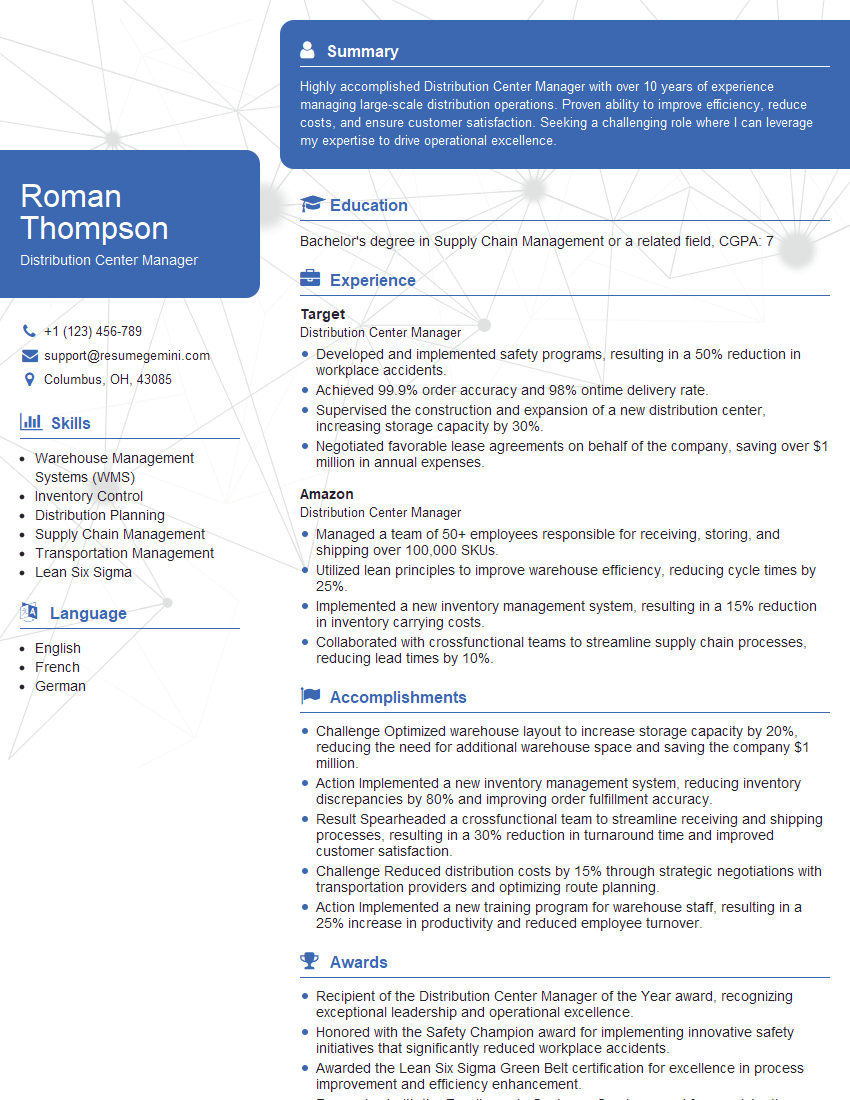
Distribution Center Manager Resume Sample
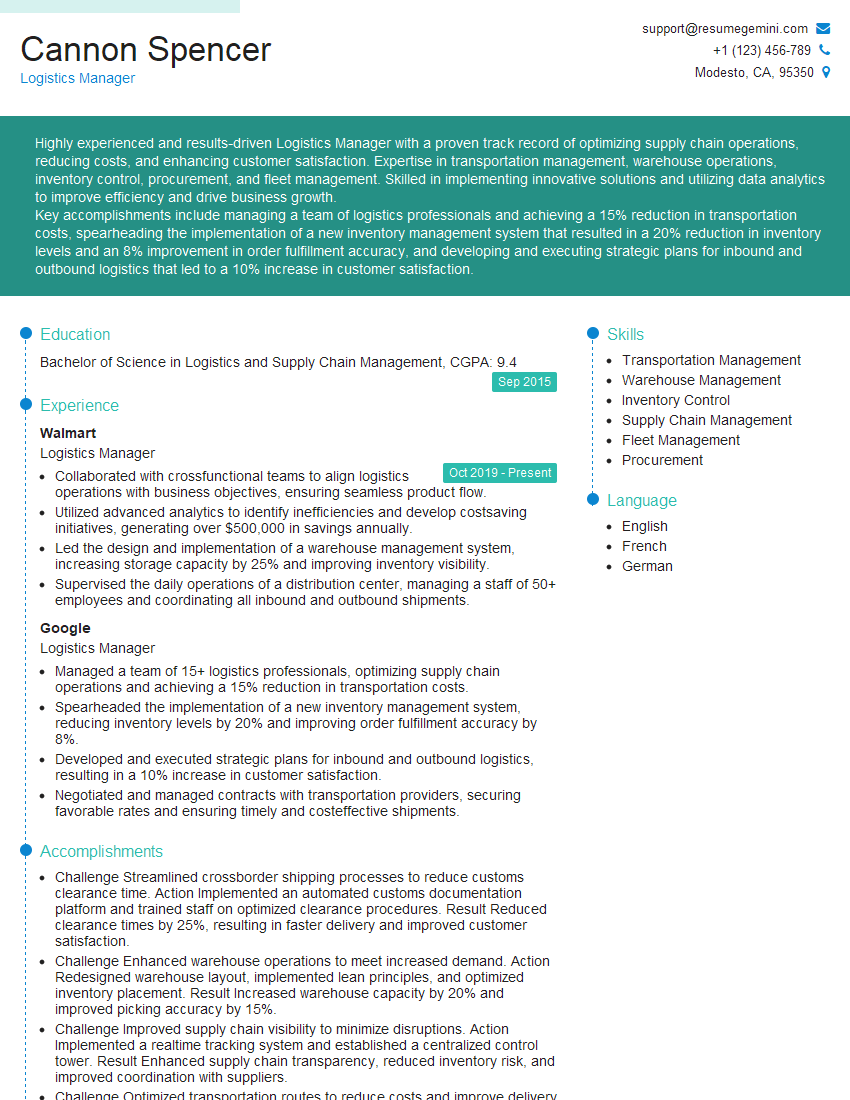
Logistics Manager Resume Sample
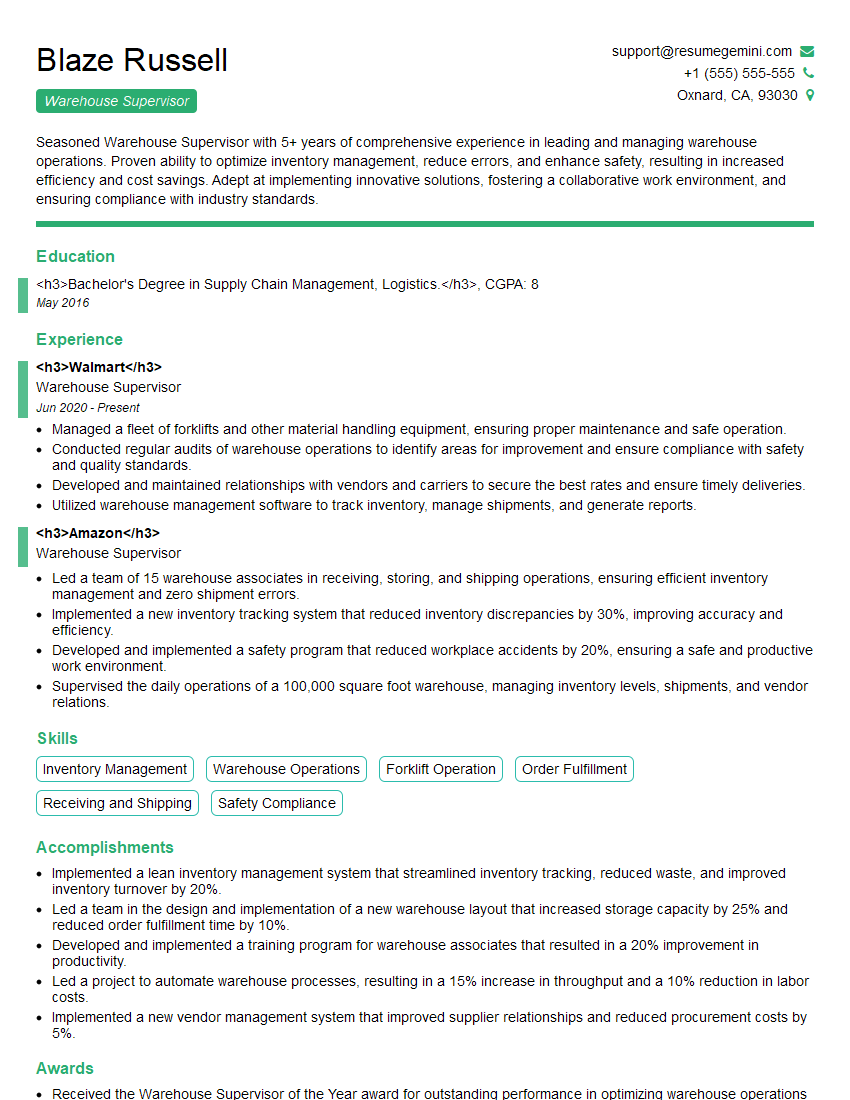
Warehouse Supervisor Resume Sample
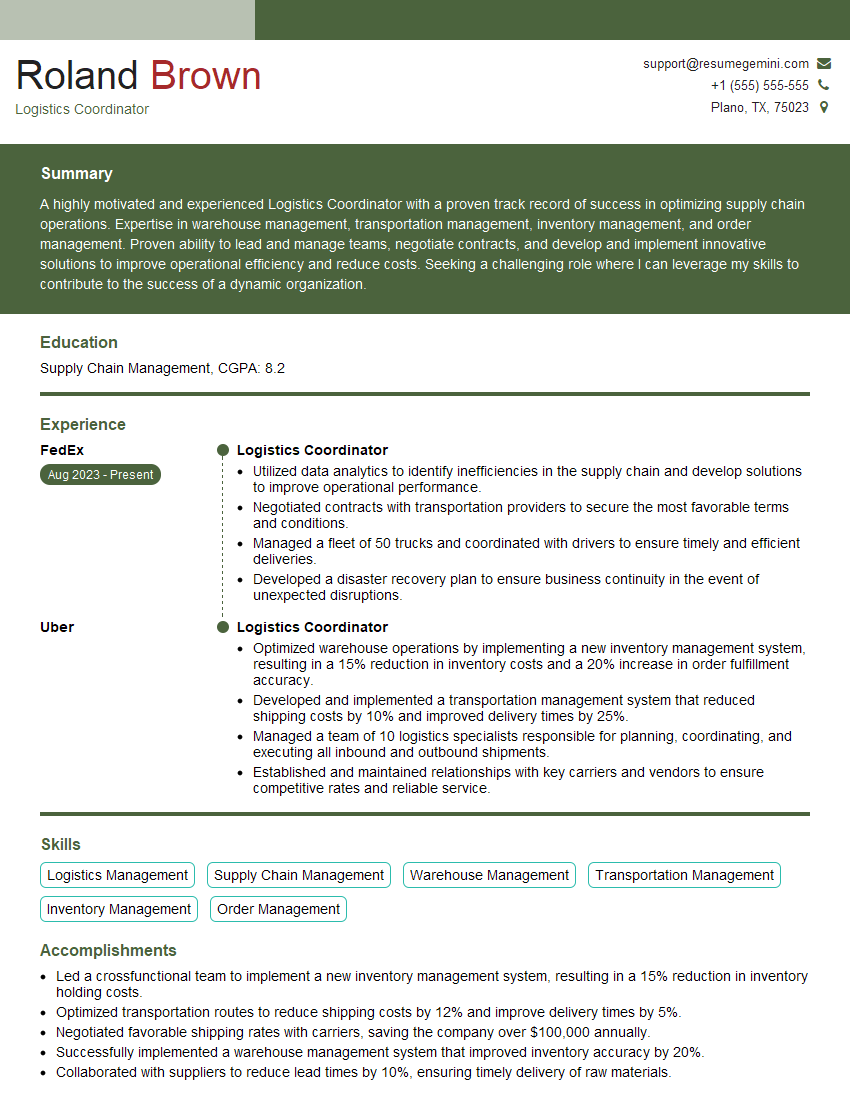
Logistics Coordinator Resume Sample
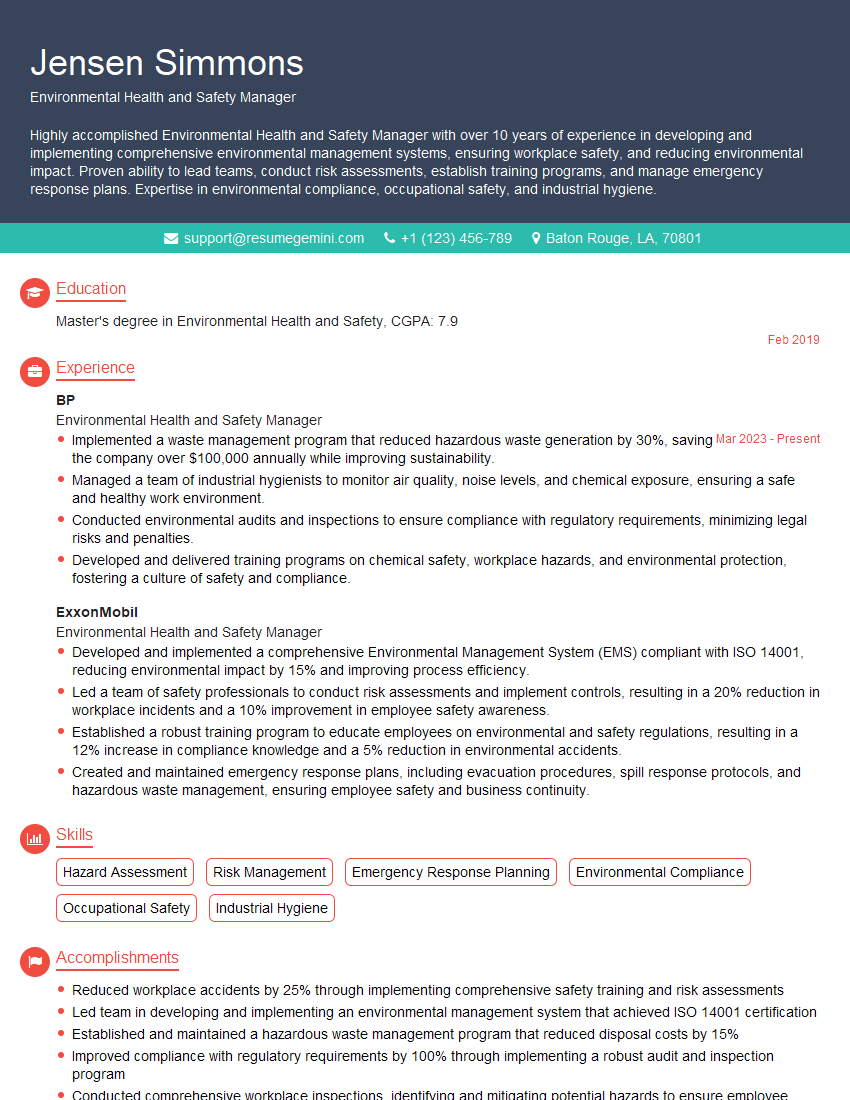
Environmental Health and Safety Manager Resume Sample

Compliance Officer Resume Sample
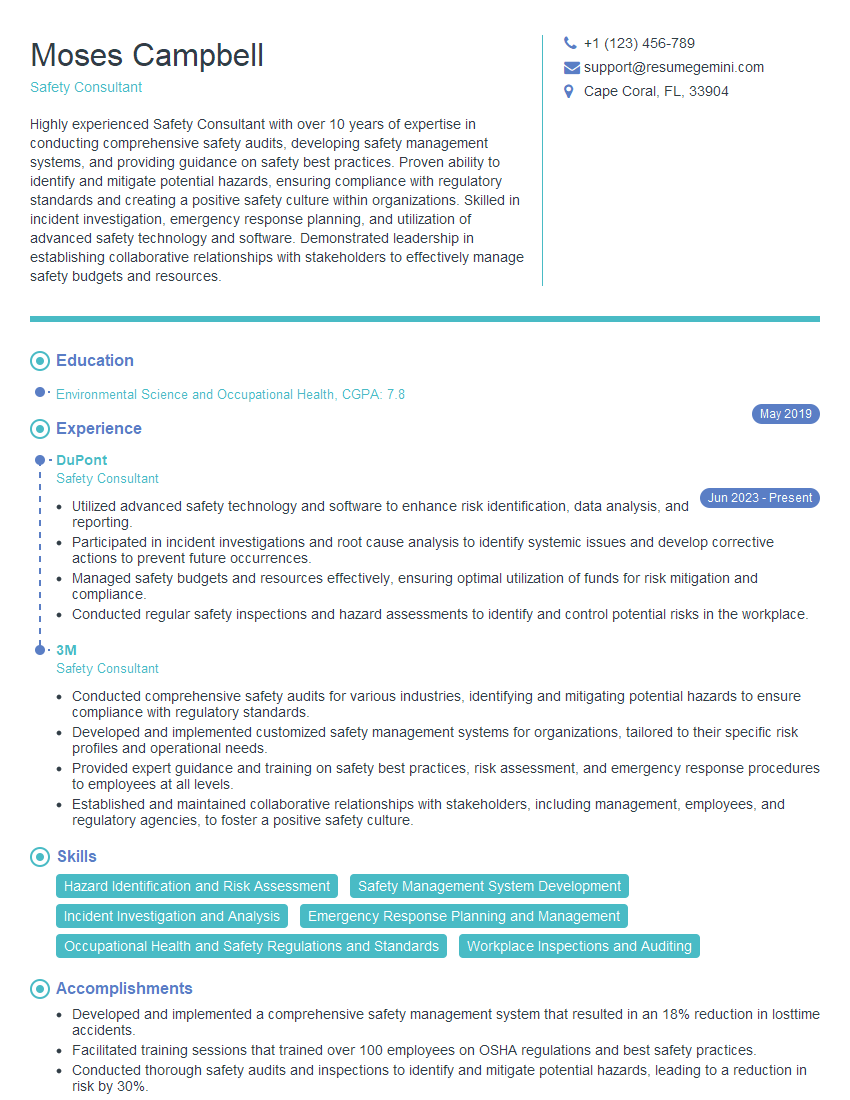
Safety Consultant Resume Sample
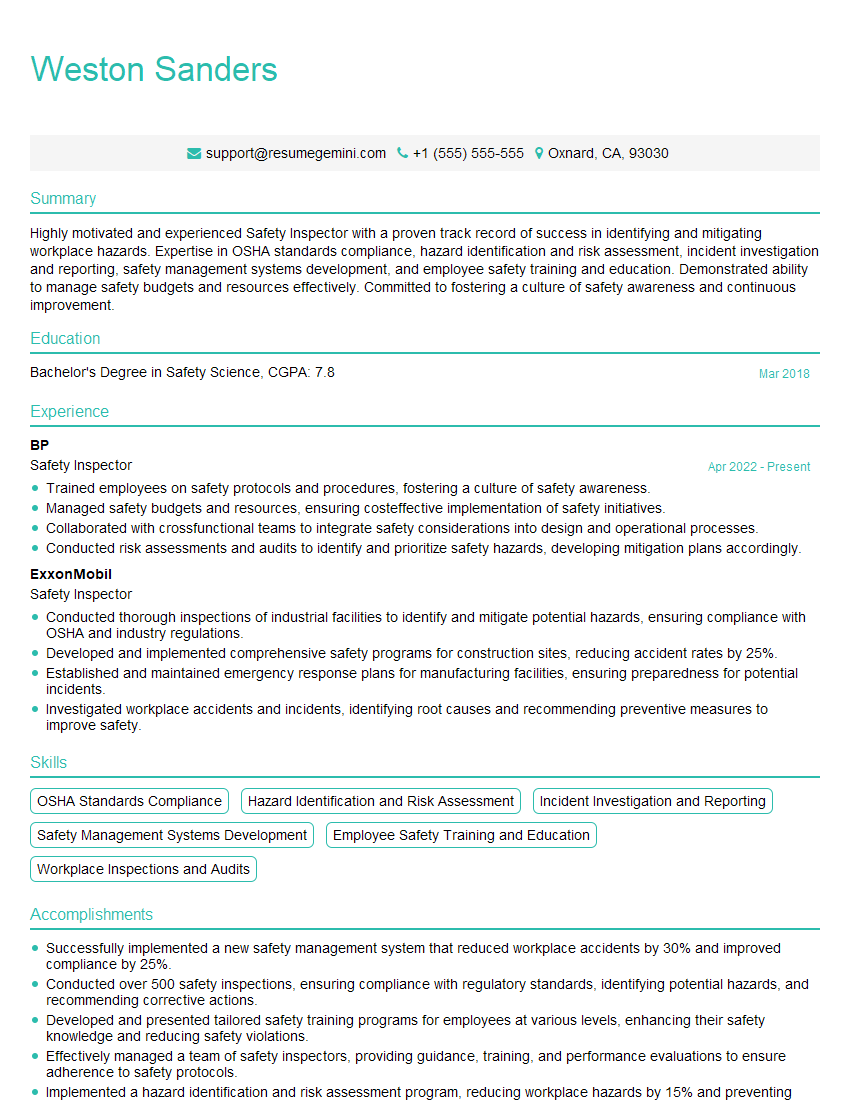
Safety Inspector Resume Sample
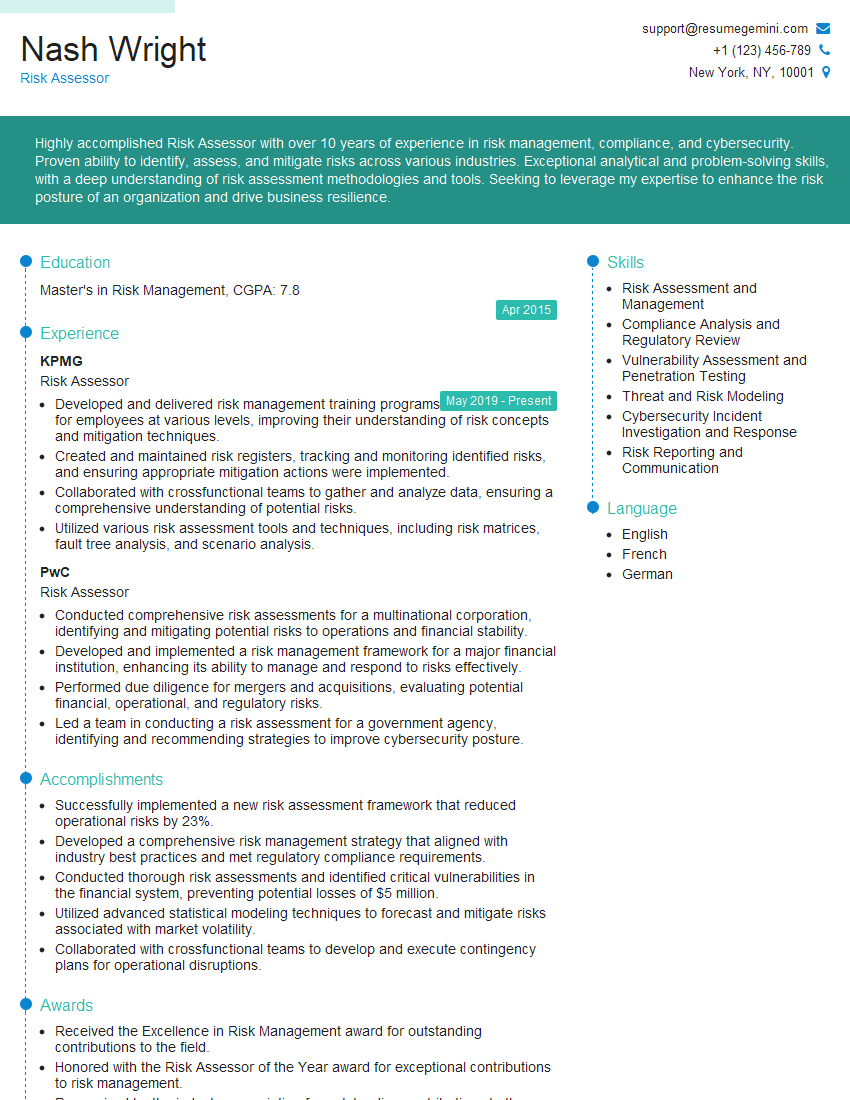
Risk Assessor Resume Sample
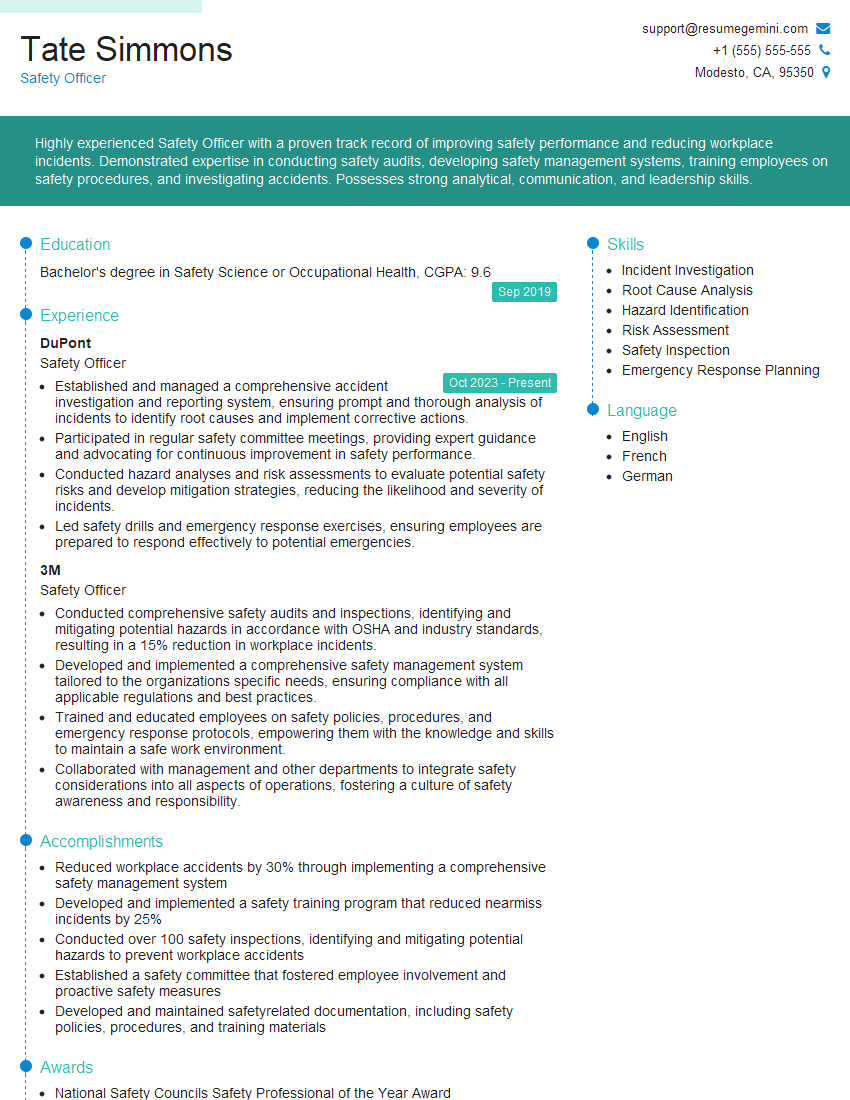
Safety Officer Resume Sample
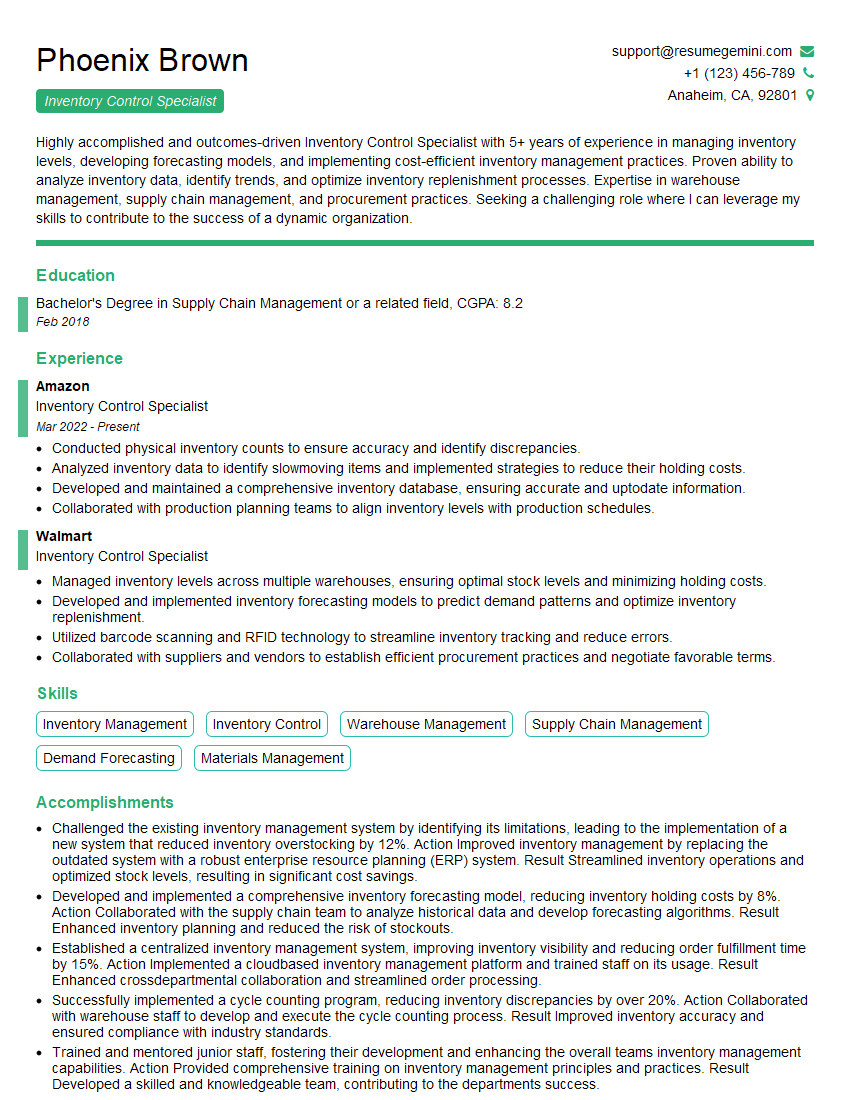
Inventory Control Specialist Resume Sample

Shipping and Receiving Clerk Resume Sample
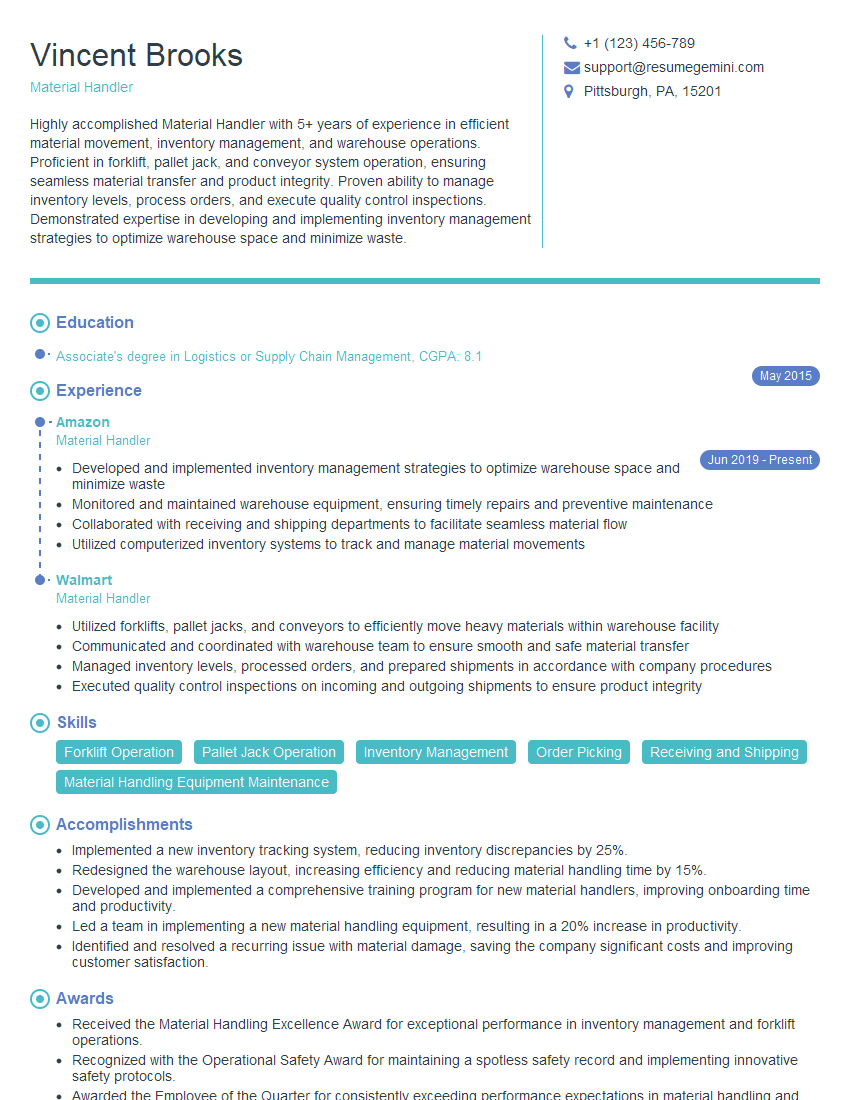
Material Handler Resume Sample
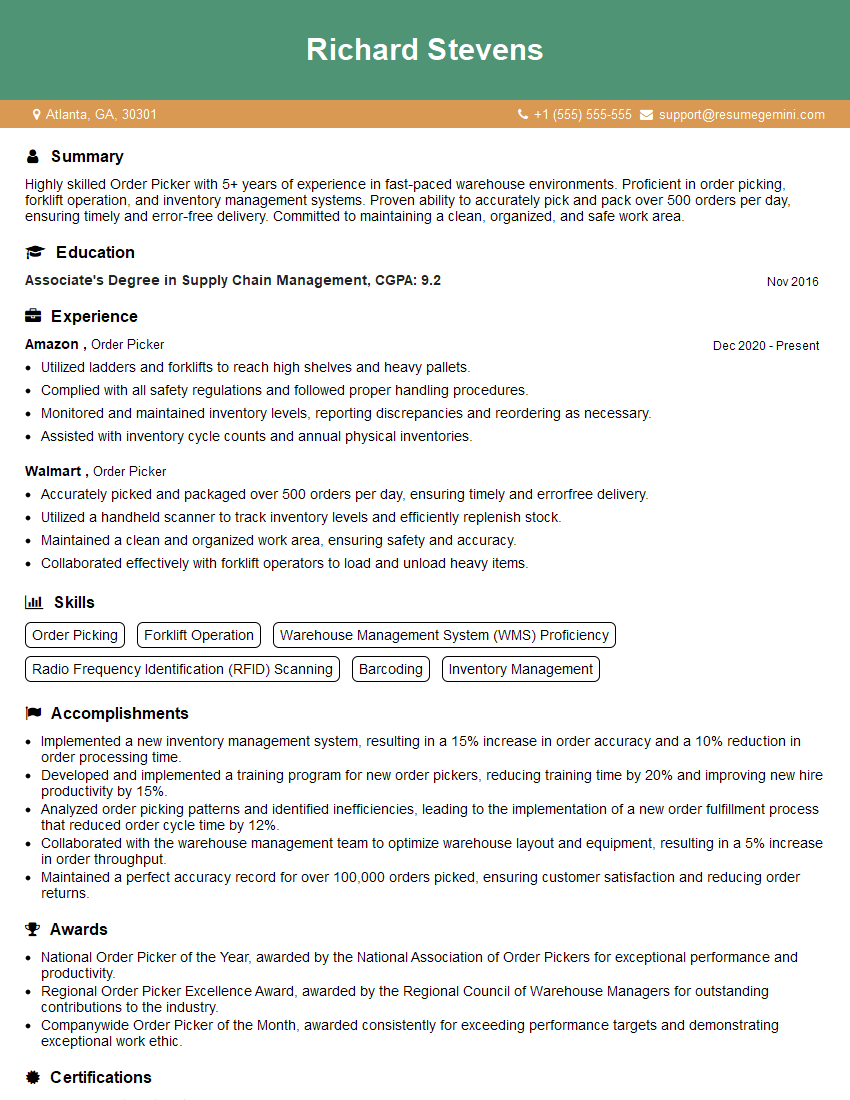
Order Picker Resume Sample
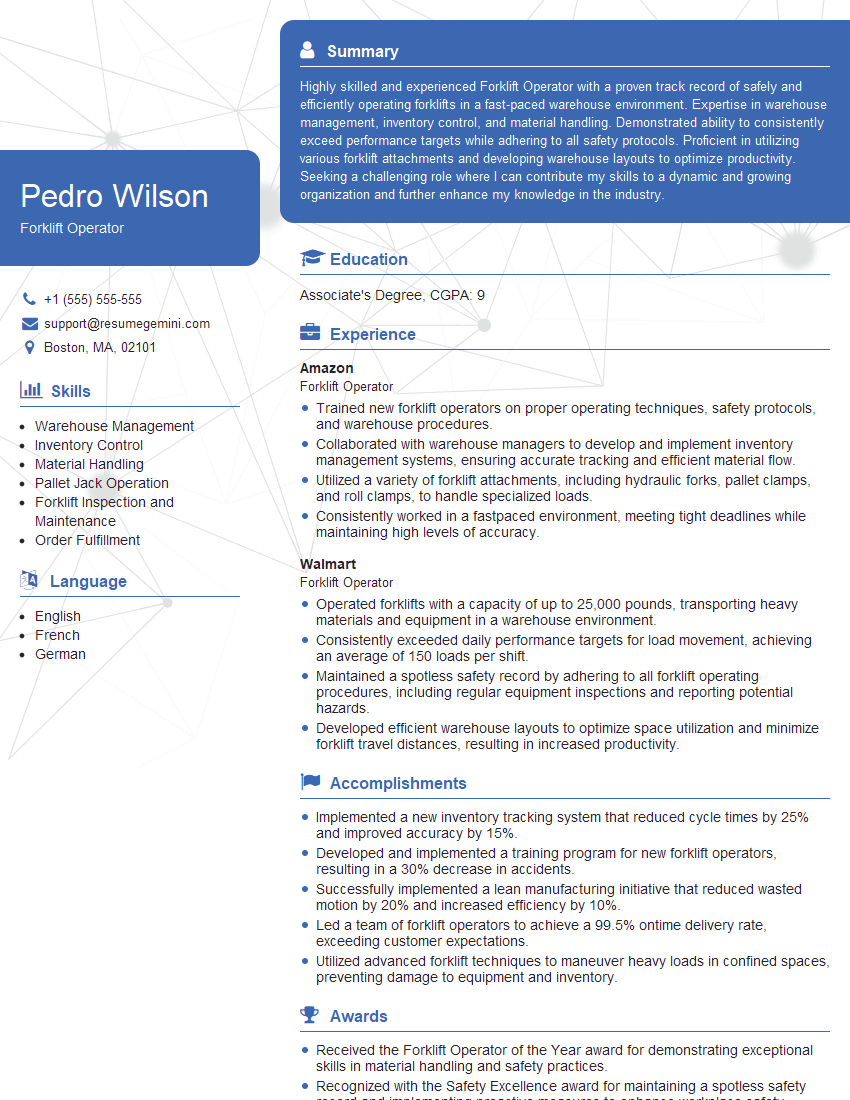
Forklift Operator Resume Sample
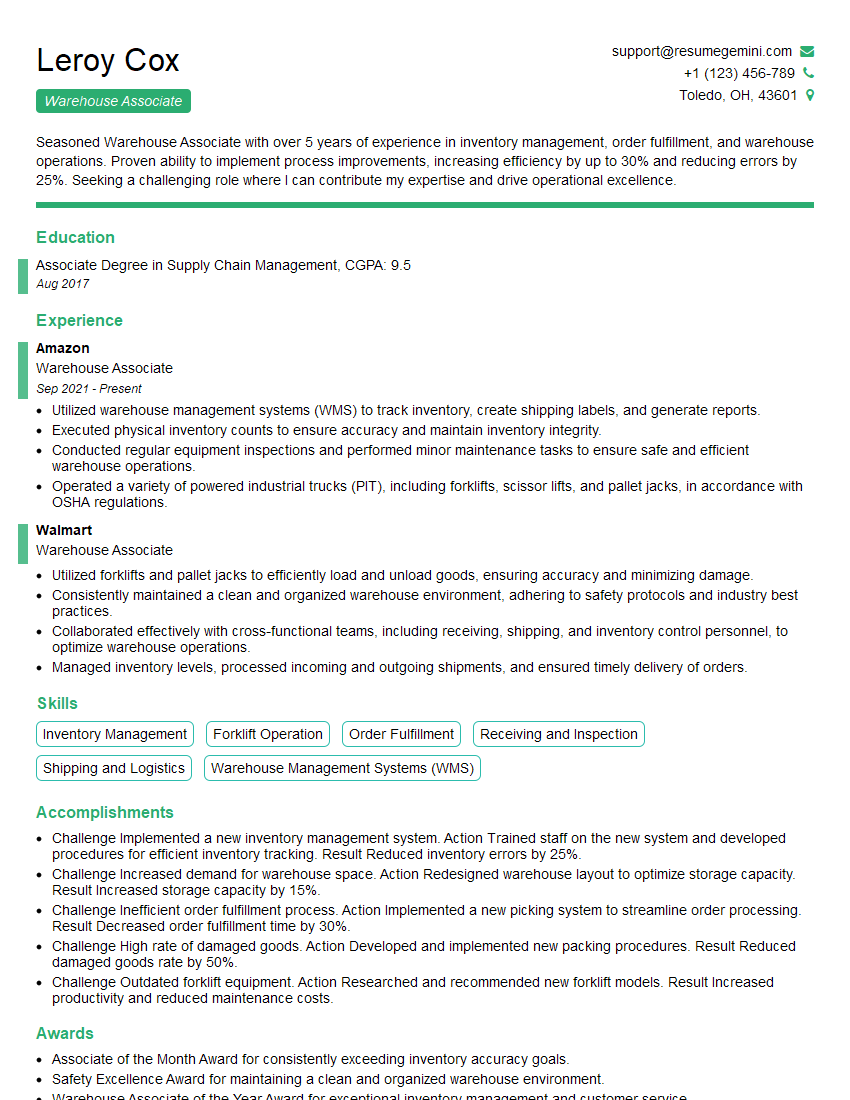
Warehouse Associate Resume Sample
- Operations Manager
- Supply Chain Manager
- Distribution Center Manager
- Logistics Manager
- Warehouse Supervisor
- Logistics Coordinator
- Environmental Health and Safety Manager
- Compliance Officer
- Safety Consultant
- Safety Inspector
- Risk Assessor
- Safety Officer
- Inventory Control Specialist
- Shipping and Receiving Clerk
- Material Handler
- Order Picker
- Forklift Operator
- Warehouse Associate
Explore more articles
Users Rating of Our Blogs
Share Your Experience
We value your feedback! Please rate our content and share your thoughts (optional).
What Readers Say About Our Blog
Very informative content, great job.
good