Every successful interview starts with knowing what to expect. In this blog, we’ll take you through the top Work Sampling interview questions, breaking them down with expert tips to help you deliver impactful answers. Step into your next interview fully prepared and ready to succeed.
Questions Asked in Work Sampling Interview
Q 1. Explain the principles of Work Sampling.
Work Sampling is a statistical technique used to estimate the proportion of time spent by a worker or machine on various activities. It’s based on the principle of random sampling: taking a large number of observations at random times throughout a workday (or a longer period) to obtain a representative picture of activity proportions. Imagine trying to determine the percentage of time a chef spends chopping vegetables – you wouldn’t watch them continuously; instead, you’d take snapshots at random intervals and use these snapshots to estimate the overall time spent chopping.
The key is that the more observations you take, the more accurate your estimate becomes. This approach is much more efficient than continuous time studies, especially for tasks that are highly variable or spread out over long time periods.
Q 2. What are the advantages and disadvantages of Work Sampling compared to other work measurement techniques?
Compared to continuous time study methods (like stopwatch time studies), Work Sampling offers several advantages:
- Cost-effective: Requires less observer time, reducing labor costs.
- Less disruptive: Observations are brief, minimizing interruption to workers’ routines.
- Suitable for diverse activities: Can effectively capture the proportion of time spent on many different tasks simultaneously.
- Better for cyclical processes: Can handle activities that repeat over long periods, rather than short, easily-timed cycles.
However, disadvantages exist:
- Accuracy depends on sample size: Insufficient observations can lead to inaccurate results.
- Requires careful planning and execution: Randomization and data collection must be meticulous.
- Not suitable for short, infrequent tasks: If an activity is very short or happens rarely, it might be missed in the sampling process.
- Subjectivity: Observer bias can affect the accuracy of observations if not carefully managed.
Ultimately, the choice between Work Sampling and other methods depends on the specific context of the work being measured and the resources available.
Q 3. Describe the steps involved in conducting a Work Sampling study.
Conducting a Work Sampling study involves these steps:
- Define objectives: Clearly state what you want to measure (e.g., proportion of time spent on different machine operations).
- Identify activities: List all the activities to be observed and define them precisely to avoid ambiguity.
- Determine sample size: Calculate the necessary number of observations to achieve a desired level of accuracy (we’ll discuss this in the next answer).
- Develop a sampling plan: Determine the observation intervals (random or systematic) and duration of each observation.
- Train observers: Ensure observers understand the activities and observation procedures consistently.
- Collect data: Carry out observations according to the sampling plan, recording the activity observed at each instance.
- Analyze data: Calculate the proportion of time spent on each activity based on the number of observations for each activity.
- Report findings: Present the results in a clear and concise manner, highlighting key findings and potential implications.
Q 4. How do you determine the appropriate sample size for a Work Sampling study?
Determining the appropriate sample size is crucial for accurate results. It depends on several factors:
- Desired precision: How much error are you willing to accept in the estimated proportions? A smaller margin of error requires a larger sample size.
- Confidence level: The probability that the true proportion falls within the calculated range (e.g., 95% confidence level).
- Expected proportion: Your best guess of the proportion of time spent on each activity. A more extreme proportion (close to 0% or 100%) requires a larger sample size.
- Number of activities: More activities require a larger overall sample size.
Several formulas exist to calculate sample size. Statistical software or online calculators can assist with this calculation, often requiring input of the factors mentioned above. For instance, a higher confidence level (e.g., 99%) will necessitate a larger sample size than a 90% confidence level for the same precision.
Q 5. Explain the concept of stratified sampling in the context of Work Sampling.
Stratified sampling enhances the accuracy and efficiency of Work Sampling, particularly when dealing with heterogeneous populations. In this context, it involves dividing the observation period into strata (sub-periods) based on factors that might influence the proportion of time spent on different activities (e.g., time of day, day of the week, or different machines).
For example, if you’re studying a production line with different shifts, you might create strata for each shift. This ensures that you get enough observations from each shift to accurately reflect the activity proportions specific to each shift. Without stratification, if one shift dominates the observation time, its proportions would unduly influence the overall results.
Within each stratum, you then apply random sampling to select observation times. This ensures that you gather representative data from each distinct segment of the process, leading to a more robust and less biased estimate of the overall time spent on different activities.
Q 6. How do you handle interruptions or unexpected events during observation periods?
Interruptions and unexpected events are inevitable. The best approach is to document them accurately. The observer should record the type of interruption, its duration, and the activity that was interrupted. This information should be included in the data analysis. One method is to treat interruptions as a separate activity category so they are not simply excluded or ignored, and their impact on the overall proportions is captured.
For example, if a machine breaks down, this would be recorded. The time spent on the breakdown would be counted as a separate activity, allowing for an accurate reflection of downtime in the overall study results. Using a well-defined coding scheme will ensure consistency in such recordings.
Q 7. What are the potential sources of error in Work Sampling, and how can they be minimized?
Potential sources of error in Work Sampling include:
- Observer bias: Conscious or unconscious bias by the observer can skew the results. Proper training and clear guidelines are essential to minimize this. Regular calibration among observers can also help.
- Sampling error: Random variation inherent in any sampling process. A larger sample size reduces this error.
- Measurement error: Inaccurate recording of observations. Careful training, clear definitions of activities, and standardized recording forms help.
- Poor randomization: Non-random observation times introduce bias. Using a random number generator or a systematic sampling approach with a random starting point helps.
- Inadequate definition of activities: Vague definitions make consistent observations difficult. Detailed and precise descriptions of each activity are necessary.
Minimizing these errors involves careful planning, rigorous execution of the study, and thorough data analysis. Using multiple observers, cross-checking results, and conducting pilot studies can also greatly improve accuracy.
Q 8. How do you ensure the accuracy and reliability of your Work Sampling data?
Ensuring the accuracy and reliability of Work Sampling data is paramount. It hinges on meticulous planning and execution. We begin by defining a clear objective, specifying the activities to be observed, and selecting a representative sample period that captures the typical workday variations. The sample size is crucial and determined using statistical formulas to achieve a desired level of confidence and precision – a larger sample size generally leads to greater accuracy but increases costs.
Random sampling is key to avoid bias. We employ randomized time intervals or observations to prevent focusing on specific times or activities. Observer training is critical; observers need consistent and clear instructions on what constitutes each activity, including detailed definitions to minimize subjective interpretations. Regular checks and calibration sessions among observers help maintain consistency. Finally, data validation is performed to identify and correct any potential errors, such as outliers or inconsistencies, before analysis.
For example, if studying a call center, we might use a random number generator to determine observation times throughout the day to capture the typical variation in call volume. We’d train observers to clearly distinguish between incoming calls, outgoing calls, and breaks, with specific time boundaries defined for each. Data validation would flag any observations taking excessively long or short durations compared to the average.
Q 9. Describe different methods for data analysis in Work Sampling.
Data analysis in Work Sampling employs several methods, primarily focusing on descriptive and inferential statistics.
- Descriptive Statistics: These provide a summary of the data. We calculate the percentage of time spent on each activity, along with measures like mean, median, and standard deviation to understand the distribution of time allocation. Visualizations like bar charts and pie charts effectively communicate these findings.
- Inferential Statistics: This helps us draw conclusions about the population based on the sample data. We use confidence intervals to estimate the true proportion of time spent on each activity, considering the sampling error. Hypothesis testing can help us compare time allocations across different groups or shifts, for instance.
- Statistical Software: Software like SPSS or R provide powerful tools to analyze the data, run statistical tests, and create detailed reports.
For instance, in analyzing a manufacturing process, we might use descriptive statistics to show the percentage of time spent on each stage of production. Inferential statistics would allow us to determine if the observed differences in time allocation between two assembly lines are statistically significant or just due to random variation.
Q 10. How do you present and interpret the results of a Work Sampling study to stakeholders?
Presenting and interpreting Work Sampling results requires clear and concise communication. We begin with a summary of the study’s objectives and methodology to ensure transparency and understanding. The results are then presented visually using charts and graphs that highlight key findings, such as the proportion of time spent on each activity. We focus on easily understandable metrics that directly relate to the stakeholders’ concerns, like overall productivity or efficiency.
We avoid technical jargon and instead use plain language, explaining the implications of the findings for process improvement. For example, we might explain how reducing time spent on a specific non-value-added activity could lead to a significant increase in productivity. Interactive dashboards can enhance engagement and allow stakeholders to explore the data at their own pace.
Finally, we present actionable recommendations based on the results. These might include changes to work processes, allocation of resources, or retraining of staff. We always ensure that our recommendations are supported by the data and feasible within the context of the organization. Following up with stakeholders to address questions and concerns and to monitor the implementation of recommendations is crucial for the success of the study.
Q 11. How can you use Work Sampling to identify bottlenecks and inefficiencies in a process?
Work Sampling excels at identifying bottlenecks and inefficiencies by revealing the time spent on different activities within a process. By comparing the observed time spent on value-added activities (those directly contributing to the final product or service) versus non-value-added activities (those that don’t add value), we can pinpoint areas of waste.
Long durations spent on certain activities, especially non-value-added ones, immediately indicate potential bottlenecks. For example, if a significant portion of time is spent on rework or waiting, it signals process inefficiencies needing attention. Analyzing the flow of activities and identifying points of congestion helps visualize where the bottlenecks occur. Further investigation can be done to uncover the root cause of the delay, which may involve insufficient resources, poor process design, or inadequate training.
Imagine a manufacturing process where Work Sampling reveals a significant proportion of time is spent waiting for materials. This indicates a bottleneck in the material supply chain. This finding directs investigation to the supply chain – investigating potential solutions like better inventory management, streamlined logistics, or improved supplier relationships.
Q 12. Explain how you would use Work Sampling to improve the productivity of a team.
Using Work Sampling to improve team productivity involves a multi-step approach. First, we identify the key activities contributing to the team’s overall output. Work Sampling allows us to measure the time spent on each activity, highlighting where time is effectively utilized and where improvements can be made. We then analyze the data to identify inefficiencies and bottlenecks, focusing on reducing time spent on non-value-added activities. This might reveal issues like excessive downtime, unnecessary meetings, or inefficient workflows.
Once areas for improvement are identified, we work with the team to develop and implement solutions. This might involve process redesign, improved resource allocation, or training to enhance skills. After implementing changes, we conduct another round of Work Sampling to measure the impact of the interventions. This allows us to objectively evaluate the effectiveness of the implemented improvements and provides data-driven evidence to justify further changes or refinements.
For example, if Work Sampling reveals a significant amount of time is spent on searching for information, it may indicate a need for a better knowledge management system or improved training on information retrieval techniques. This data-driven approach ensures that productivity improvements are strategically targeted and measurable.
Q 13. How do you ensure worker participation and buy-in during a Work Sampling study?
Ensuring worker participation and buy-in is vital for the success of a Work Sampling study. We begin by clearly explaining the study’s purpose, benefits, and how the results will be used – emphasizing that the goal is to improve processes and not to evaluate individual performance. Transparency is key; we involve the team in the design of the study, allowing them to contribute their insights and concerns.
We provide training to the observers, and often include team members in the observation process to foster a sense of ownership and shared responsibility. Regular feedback sessions allow for continuous improvement in the observation process and address any concerns. Clear communication channels keep workers informed about the study’s progress and findings. Finally, involving the team in the analysis and interpretation of the data helps ensure that the results are understood and accepted, leading to higher buy-in and collaboration on implementation strategies.
For instance, we might hold a team meeting at the start of the study to explain the methodology and answer questions. Throughout the study we maintain open communication, making sure the team members are aware of the progress, and involve them in identifying improvement opportunities based on the results.
Q 14. What statistical methods are used to analyze Work Sampling data?
Several statistical methods are used to analyze Work Sampling data. The choice depends on the study’s objectives and the nature of the data.
- Descriptive Statistics: This is used to summarize the data, providing measures like percentages, means, standard deviations, and ranges of time spent on each activity. Visualizations like bar charts and pie charts are essential here.
- Confidence Intervals: These help estimate the true proportion of time spent on each activity in the population, accounting for sampling error. The confidence level reflects the degree of certainty in the estimate.
- Hypothesis Testing: This is used to compare time allocations across different groups or periods. For example, we might use a t-test to compare the average time spent on a task before and after a process improvement initiative.
- Chi-Square Test: This test could be useful to examine if there’s an association between different activities and the time of day or day of the week.
- Analysis of Variance (ANOVA): If we are comparing time allocation across more than two groups, ANOVA is a suitable method.
Software packages like SPSS or R are often used to perform these analyses, providing automated calculations and visualizations.
Q 15. What software or tools are commonly used for Work Sampling?
While Work Sampling doesn’t inherently require specialized software, several tools can significantly streamline data collection, analysis, and reporting. Many researchers use spreadsheets (like Excel or Google Sheets) for basic data entry and calculations. This approach is straightforward for smaller studies. For larger or more complex studies, dedicated statistical software packages become invaluable.
- Statistical Packages: Software like SPSS, R, or SAS offer advanced statistical capabilities for analyzing the data collected, performing hypothesis testing, and generating comprehensive reports. These are especially useful for calculating confidence intervals and determining the required sample size.
- Custom Software/Applications: Some organizations develop custom software tailored to their specific Work Sampling needs. This might involve integrating data from existing systems or creating user-friendly interfaces for data entry in the field. This approach is usually used in larger companies or for very specific requirements.
- Mobile Apps: Several mobile applications are now available that simplify data collection in real-time. These often incorporate features like GPS tracking, timestamping, and automated data uploads. This is a convenient solution for studies involving fieldwork.
The best choice ultimately depends on the scale and complexity of your study, your budget, and your organization’s existing IT infrastructure. For example, a small study of a single worker might only need a spreadsheet, while a large-scale study across multiple departments might benefit from a more sophisticated statistical package.
Career Expert Tips:
- Ace those interviews! Prepare effectively by reviewing the Top 50 Most Common Interview Questions on ResumeGemini.
- Navigate your job search with confidence! Explore a wide range of Career Tips on ResumeGemini. Learn about common challenges and recommendations to overcome them.
- Craft the perfect resume! Master the Art of Resume Writing with ResumeGemini’s guide. Showcase your unique qualifications and achievements effectively.
- Don’t miss out on holiday savings! Build your dream resume with ResumeGemini’s ATS optimized templates.
Q 16. How do you handle missing data in a Work Sampling study?
Missing data in Work Sampling is a common challenge that needs careful handling to maintain the study’s integrity. Simply ignoring missing data can bias the results. Here’s a multi-pronged approach:
- Identify the Reason for Missing Data: The first step is to understand *why* the data is missing. Is it due to observer error, equipment malfunction, or perhaps the worker being unexpectedly absent? Different causes necessitate different approaches.
- Data Imputation (with caution): For random missing data, imputation methods can be considered. This involves estimating the missing values based on the available data. Simple methods like replacing missing values with the mean or median are acceptable if the proportion of missing data is small. More sophisticated imputation techniques, like multiple imputation, are better for larger datasets and complex missing data patterns but require statistical expertise.
- Exclusion (last resort): If the missing data represents a significant portion of the observations and its cause is non-random (e.g., consistently missing data for a specific task), it might be necessary to exclude those observations from the analysis. However, this should be done with a clear explanation and justification in the study’s report. The impact on study sample size needs to be carefully evaluated.
- Increase Sampling Rate: One of the best ways to mitigate missing data problems is to initially plan for a slightly higher sampling rate than needed. This provides a buffer against potential data loss and ensures you still have enough valid observations for reliable analysis.
Proper documentation of how missing data was handled is critical for transparency and reproducibility. The method employed should be justified, and its potential impact on the results should be discussed.
Q 17. What are the limitations of Work Sampling?
Work Sampling, while a powerful tool, has some limitations. It’s important to be aware of these limitations to avoid misinterpretations and ensure the study’s validity:
- Observer Bias: The observer’s judgment can influence the results, especially if the observation criteria are not clearly defined. Training and standardization of observation methods are crucial to minimize bias.
- Sampling Error: Work Sampling relies on random sampling, which inherently involves some degree of error. A larger sample size reduces this error, but it doesn’t eliminate it completely. Proper sample size calculations are therefore critical.
- Accuracy of Observations: Short observation periods might not capture the full context of a task, leading to misclassification. The length of each observation interval should be carefully chosen. The frequency and duration need to be sufficient to ensure the data represents the true proportions of activity.
- Suitability for Certain Tasks: Work Sampling may not be suitable for short-duration or highly variable activities. Tasks lasting only a few seconds might be missed or incorrectly categorized. This is why good planning and a clear definition of observation units is extremely important.
- Cost and Time: While generally less expensive than continuous time studies, Work Sampling still requires time and resources for planning, observation, and data analysis.
Addressing these limitations through careful study design, rigorous training, and appropriate data analysis methods is essential to maximize the reliability and validity of Work Sampling results.
Q 18. How do you adapt your Work Sampling methodology for different types of work?
Adapting Work Sampling to different types of work requires careful consideration of the work’s characteristics. The key is to tailor the observation schedule, the definition of work elements, and the data collection methods to the specific context.
- Cyclical vs. Non-Cyclical Work: For cyclical work (e.g., assembly line), a regular sampling interval is often appropriate. For non-cyclical work (e.g., software development), a more flexible sampling strategy, perhaps stratified or clustered sampling, might be necessary.
- Short vs. Long Duration Tasks: The observation interval needs to be adjusted to capture the relevant tasks accurately. For short tasks, a high sampling rate might be needed. For long tasks, a lower sampling rate is appropriate.
- Individual vs. Team-Based Work: The focus of observation may shift from individual workers to teams if the primary interest is in team dynamics and collaboration. The units of observation would change accordingly.
- Mental vs. Physical Work: Observing mental work requires careful definition of observable behaviors that indicate different cognitive states or activities. This often involves a more subjective element in categorization, requiring rigorous training of observers.
Flexibility and adaptability are crucial for successfully applying Work Sampling to diverse workplace settings. The methodology must always align with the specific research questions and the nature of the work being studied.
Q 19. Describe a situation where Work Sampling was particularly effective.
In a manufacturing plant producing automotive parts, Work Sampling was used to optimize the workflow on an assembly line. The plant manager suspected that significant time was being lost due to equipment downtime and material handling inefficiencies. A Work Sampling study was conducted over several weeks, observing randomly selected workers throughout the day.
The results revealed that 15% of the total time was spent waiting for materials, 8% for equipment repairs, and 5% for seeking assistance. This detailed breakdown provided clear evidence to support the plant manager’s suspicions. Based on this data, the plant implemented several improvements:
- Just-in-time material delivery system: This significantly reduced the waiting time for materials.
- Preventive equipment maintenance schedule: This lowered equipment downtime.
- Improved communication protocols: This reduced the time spent seeking assistance.
These changes led to a 20% increase in production efficiency within three months. The effectiveness of Work Sampling in this case was in its ability to quantify hidden inefficiencies and provide objective data to support decisions for process improvement.
Q 20. Explain how Work Sampling can be used to support decision-making.
Work Sampling provides objective data that directly informs many important business decisions. Here’s how:
- Resource Allocation: By identifying time spent on various tasks, organizations can optimize resource allocation. If Work Sampling reveals that a significant portion of time is spent on non-value-added activities, resources can be reallocated to more productive tasks.
- Workforce Planning: The data reveals actual workload distribution, helping in better workforce planning and scheduling. It can identify staffing gaps and areas requiring additional personnel or training.
- Process Improvement: As demonstrated in the previous example, by identifying bottlenecks and inefficiencies, Work Sampling directs improvement efforts. This leads to streamlined processes and increased productivity.
- Capacity Planning: The data on task times and resource utilization can inform capacity planning. This helps determine whether existing capacity is sufficient or if expansion is required.
- Performance Evaluation: While less common, Work Sampling data can be used to evaluate individual or team performance. It’s important to use it in conjunction with other performance metrics to avoid potential misinterpretations.
The key to effective decision-making using Work Sampling is to ensure the data is accurately collected, properly analyzed, and interpreted within the broader business context. The insights gained should inform strategic choices rather than being the sole basis of critical decisions.
Q 21. How can Work Sampling results be used to improve workplace ergonomics?
Work Sampling data can be instrumental in improving workplace ergonomics by identifying activities and postures that contribute to musculoskeletal disorders (MSDs). By observing workers’ activities, the study can reveal the proportion of time spent in various postures (e.g., sitting, standing, bending, reaching). This information is crucial for:
- Identifying High-Risk Activities: If the study reveals a high proportion of time spent in awkward or strenuous postures, these activities can be targeted for ergonomic interventions.
- Evaluating the Effectiveness of Interventions: After implementing ergonomic changes (e.g., workstation adjustments, new tools), Work Sampling can be used to assess their effectiveness by measuring changes in posture and activity patterns.
- Prioritizing Interventions: Work Sampling can help prioritize ergonomic interventions by focusing on the activities that contribute most to MSD risk. The data quantifies the impact, aiding in resource allocation for improvement.
- Training and Education: Data on posture and activity can be used to educate workers about the risks of poor posture and promote good ergonomic practices.
By quantitatively measuring the duration and frequency of different postures and activities, Work Sampling provides concrete evidence to support the need for ergonomic interventions and to evaluate their success. This ensures resources are used efficiently and effectively to improve worker safety and well-being.
Q 22. How do you deal with non-randomness in the observed activities in Work Sampling?
Non-randomness in Work Sampling observations can significantly skew results, leading to inaccurate conclusions about activity proportions. Imagine trying to determine the proportion of red and blue marbles in a jar by only looking at the top layer – you’d get a biased result if the marbles weren’t thoroughly mixed. Similarly, if observations in Work Sampling are clustered at specific times or days, the data won’t reflect the true distribution of activities.
To address this, we employ several strategies. Firstly, we meticulously plan the observation schedule, ensuring randomness through techniques like random number generation to determine observation times and days. Secondly, we use stratified sampling, dividing the observation period into strata (e.g., morning, afternoon, different days of the week) and randomly sampling within each stratum to ensure representation from all periods. Thirdly, we might employ systematic sampling with a random start point; for example, taking an observation every 30 minutes starting at a randomly selected time within the first 30-minute interval. Finally, we carefully examine the data for any patterns or biases. If non-randomness is detected, we may need to collect additional data, adjust the sampling plan, or consider alternative analytical methods.
Q 23. What are the ethical considerations involved in conducting a Work Sampling study?
Ethical considerations are paramount in Work Sampling. The primary concern is maintaining the privacy and dignity of the individuals being observed. We must obtain informed consent before commencing the study, explaining the purpose, methodology, and how the data will be used. Anonymity and confidentiality are crucial; data should be coded to protect the identity of workers. Results should be reported in an aggregate form, preventing the identification of individual performance. Transparency is also vital – participants should be informed of the findings and their implications. Any potential negative consequences, such as job security implications, should be addressed proactively and transparently. Finally, the study should adhere to all relevant organizational policies and legal regulations regarding data collection and employee monitoring.
Q 24. Compare and contrast Work Sampling with Time Study.
Both Work Sampling and Time Study are methods for determining the proportion of time spent on different activities, but they differ significantly in their approach. Time Study involves continuous observation of a single worker performing a task, recording the time spent on each element with a high degree of precision. This is very labor-intensive and disruptive. Work Sampling, on the other hand, involves taking numerous short, random observations of a group of workers over an extended period. It’s less intrusive and more cost-effective for large-scale studies.
- Time Study: Precise, detailed data on individual worker performance; Disruptive, labor-intensive, high cost; Suitable for detailed analysis of specific tasks.
- Work Sampling: Less precise, aggregate data on group performance; Less disruptive, cost-effective, suitable for broad overview of activities.
Imagine you need to analyze the workflow in a large call center. Time study would require continuously observing individual agents, which is impractical. Work Sampling would involve randomly observing agents throughout the day, giving a statistically valid representation of activity proportions across the whole team.
Q 25. How do you ensure the confidentiality of the data collected during Work Sampling?
Confidentiality is a cornerstone of ethical Work Sampling. Data should be anonymized as soon as practically possible. This means replacing identifying information like employee names with unique codes. Data should be stored securely, with access restricted to authorized personnel only. We need to use robust password protection, encryption, and secure data storage systems. All data analysis should be done on anonymized data. Furthermore, the study report should present aggregate data, avoiding the revelation of individual performance. Specific procedures for data handling and storage should be documented and reviewed regularly to ensure compliance with privacy regulations.
Q 26. What is the role of random sampling in Work Sampling?
Random sampling is the cornerstone of Work Sampling’s validity. It ensures that each activity has an equal chance of being observed, preventing bias and providing a representative sample of the overall workload. Imagine trying to assess the popularity of ice cream flavors by only asking people who buy vanilla – you’d have a skewed result! Random sampling avoids this. If observations aren’t random, the results might falsely over- or underrepresent certain activities, leading to inaccurate conclusions about resource allocation, workload balance, and process efficiency. We achieve randomness using techniques like random number generators, stratified random sampling, or systematic sampling with a random start to ensure unbiased representation.
Q 27. How would you justify the cost and time investment of a Work Sampling study?
Justifying the cost and time investment of a Work Sampling study hinges on demonstrating its value in improving operational efficiency. The investment is worthwhile because the insights gained can lead to significant cost savings and productivity improvements. For example, identifying bottlenecks in a production line using Work Sampling can inform decisions about process optimization, equipment upgrades, or workforce allocation, resulting in substantial cost savings. Similarly, understanding the distribution of activities among a team can reveal opportunities for skill development, improved training programs, or a better task assignment strategy. We can build a strong justification by:
- Quantifying potential cost savings (e.g., reduced downtime, optimized resource utilization).
- Estimating the potential increase in productivity (e.g., improved throughput, reduced lead times).
- Highlighting the improved decision-making capabilities.
- Comparing the cost of the study to the potential return on investment.
A well-executed Work Sampling study often pays for itself many times over through the improvements it enables.
Key Topics to Learn for Work Sampling Interview
- Defining Work Sampling: Understand the core principles and methodologies behind Work Sampling, including its purpose and applications in various industries.
- Random Sampling Techniques: Master different random sampling methods and their application in ensuring unbiased data collection. Explore the implications of sample size and frequency.
- Data Analysis and Interpretation: Learn to effectively analyze collected data, calculate percentages, and draw meaningful conclusions. Practice interpreting results in the context of operational efficiency.
- Identifying and Addressing Bias: Understand potential sources of bias in Work Sampling and learn strategies to minimize their impact on the accuracy of results.
- Practical Applications: Explore real-world examples of how Work Sampling is used to improve productivity, optimize processes, and inform management decisions across different sectors (manufacturing, healthcare, etc.).
- Limitations of Work Sampling: Be prepared to discuss the limitations of this technique and situations where alternative methods might be more suitable.
- Software and Tools: Familiarize yourself with common software or tools used for Work Sampling data collection and analysis.
- Cost-Benefit Analysis: Understand how to evaluate the cost-effectiveness of implementing a Work Sampling study.
Next Steps
Mastering Work Sampling opens doors to exciting career opportunities in industrial engineering, operations management, and process improvement. A strong understanding of this technique significantly enhances your value to potential employers. To maximize your job prospects, focus on creating an ATS-friendly resume that highlights your relevant skills and experience. ResumeGemini is a trusted resource for building professional resumes that get noticed. We offer examples of resumes tailored to Work Sampling to help you showcase your expertise effectively. Take the next step in your career journey and craft a winning resume today.

Operations Manager Resume Sample
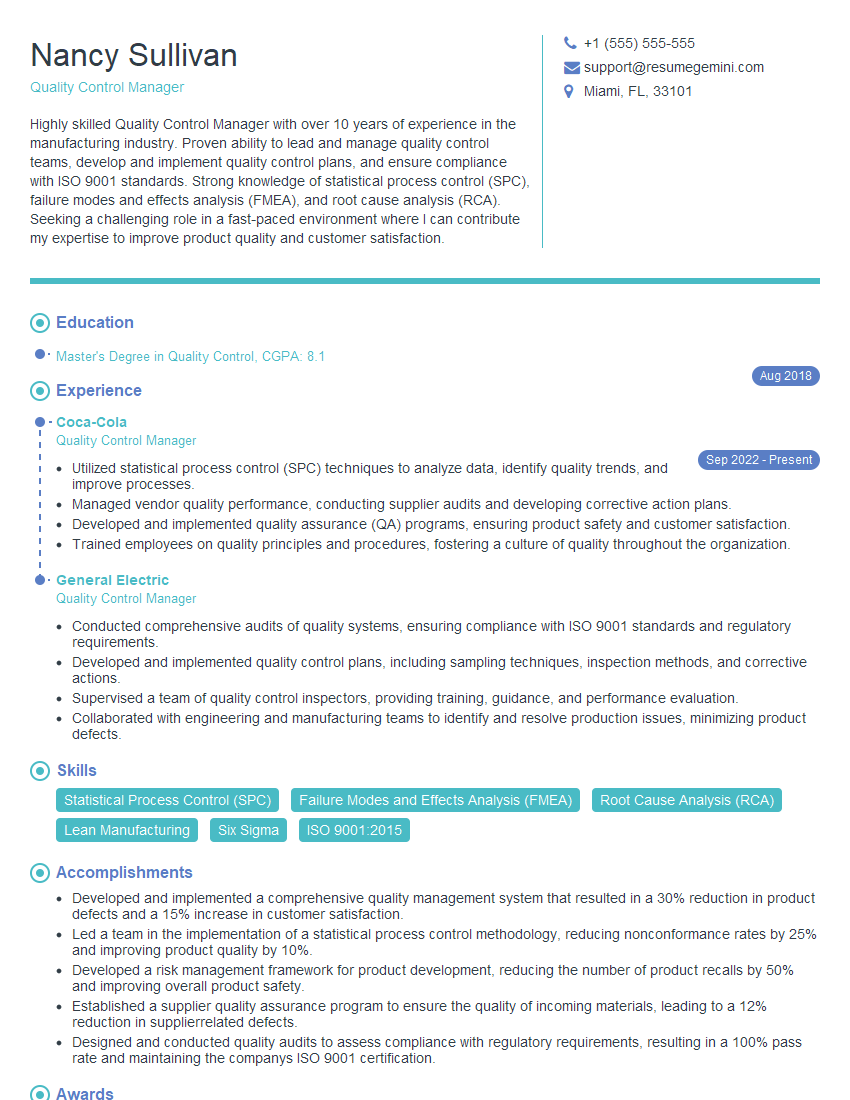
Quality Control Manager Resume Sample

Production Supervisor Resume Sample

Project Manager Resume Sample
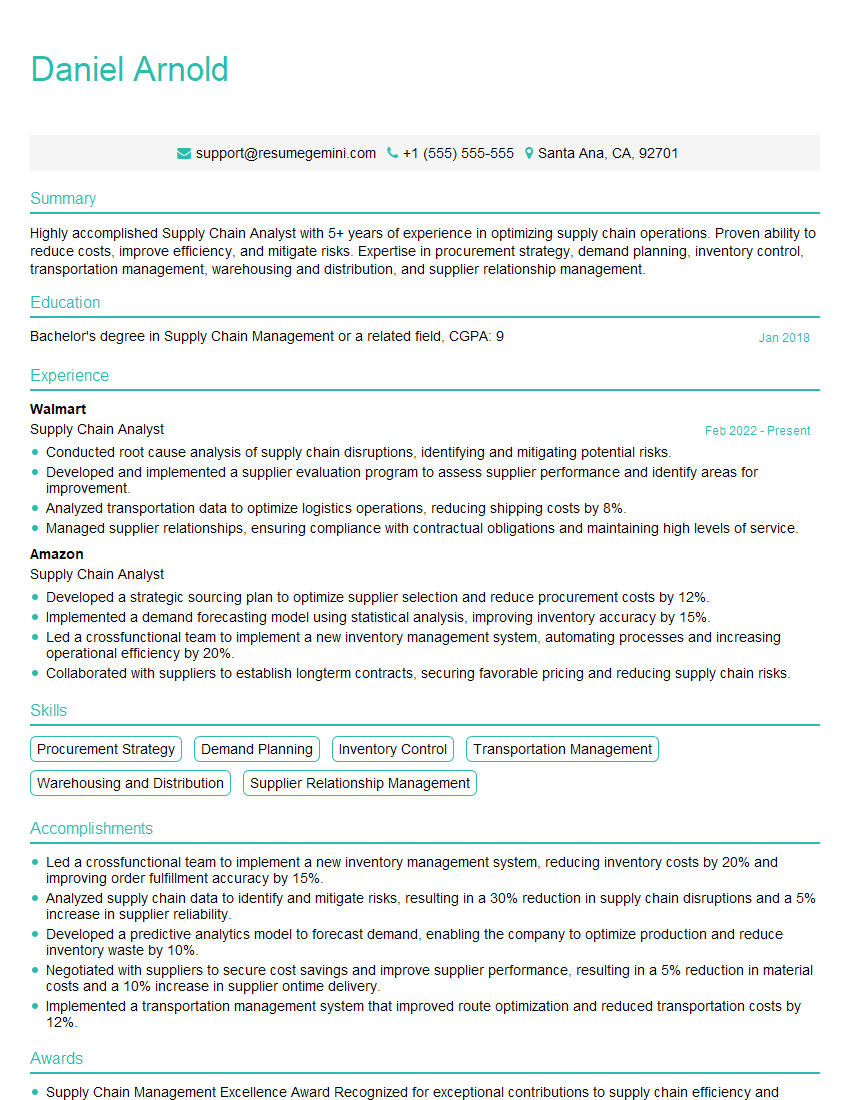
Supply Chain Analyst Resume Sample

Business Analyst Resume Sample
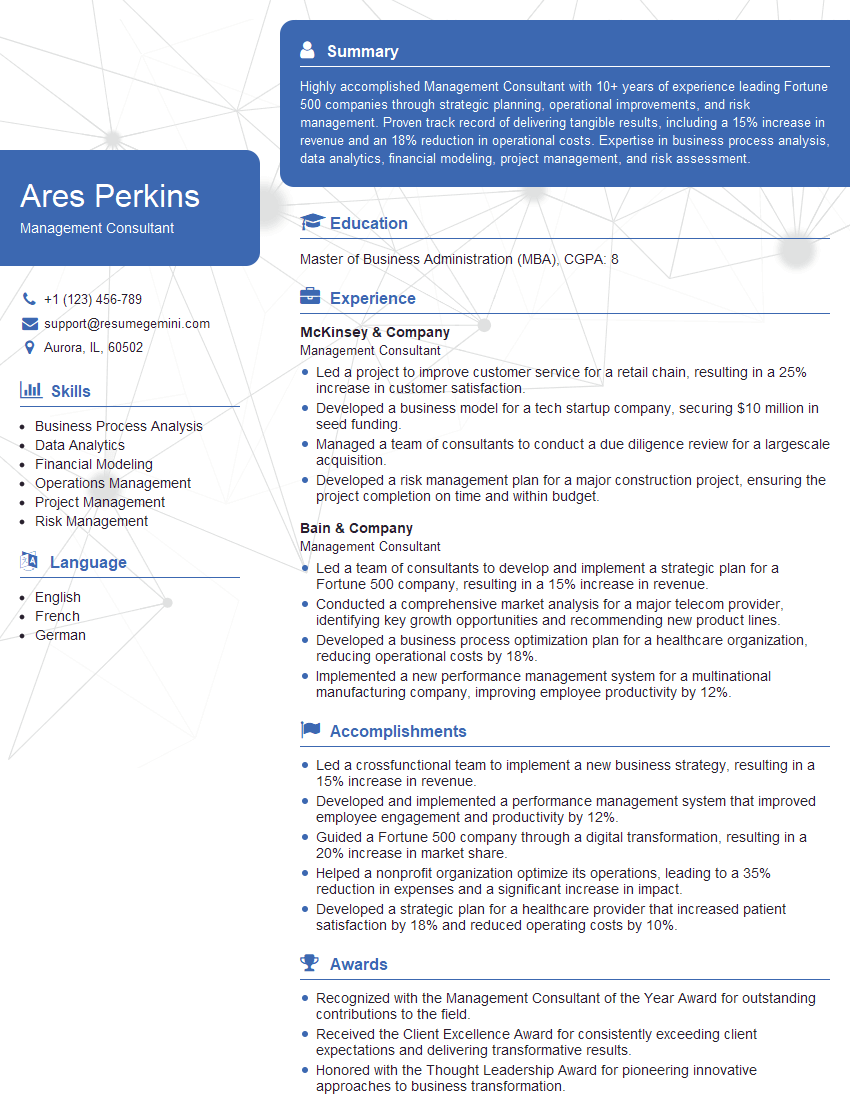
Management Consultant Resume Sample
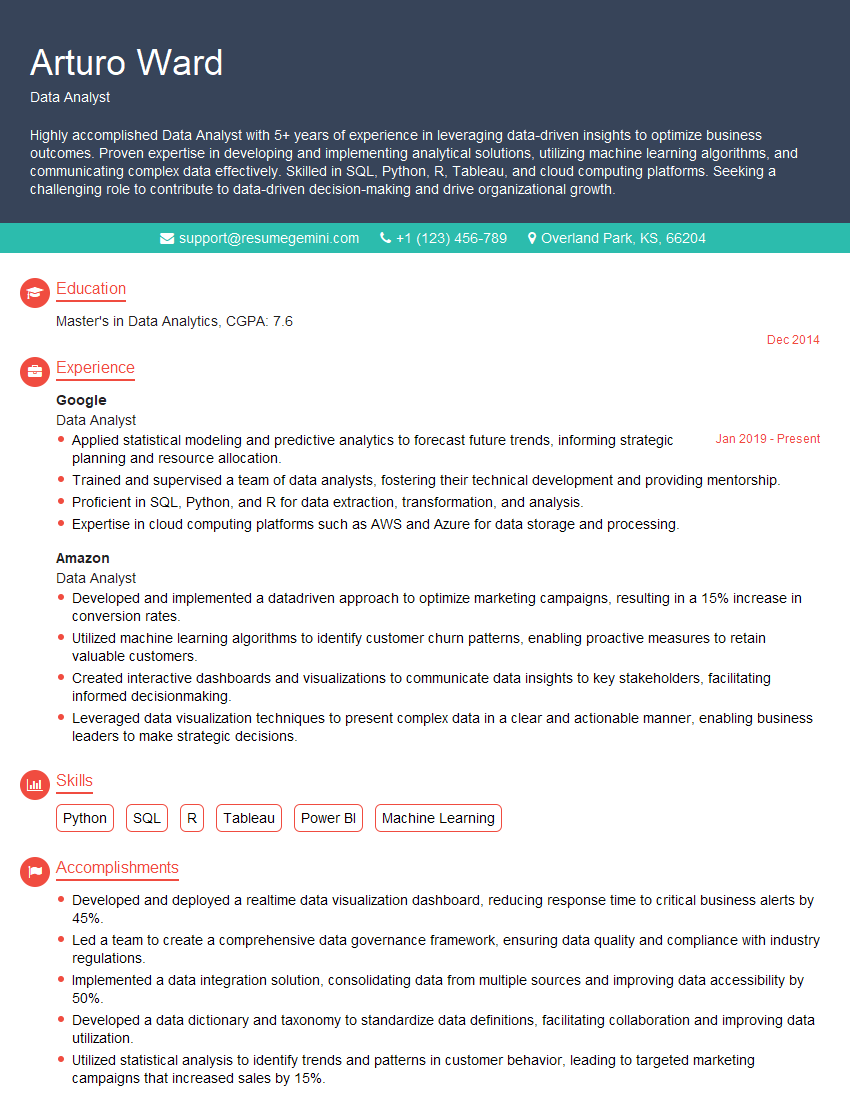
Data Analyst Resume Sample
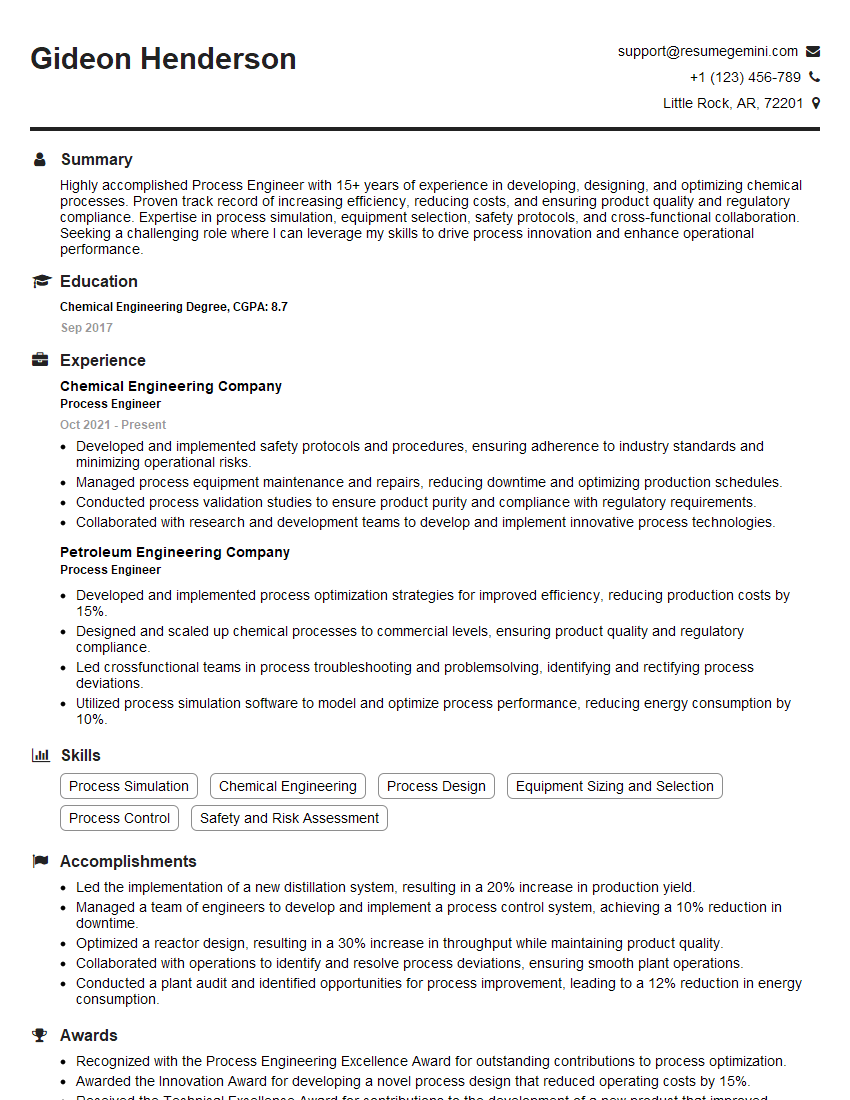
Process Engineer Resume Sample
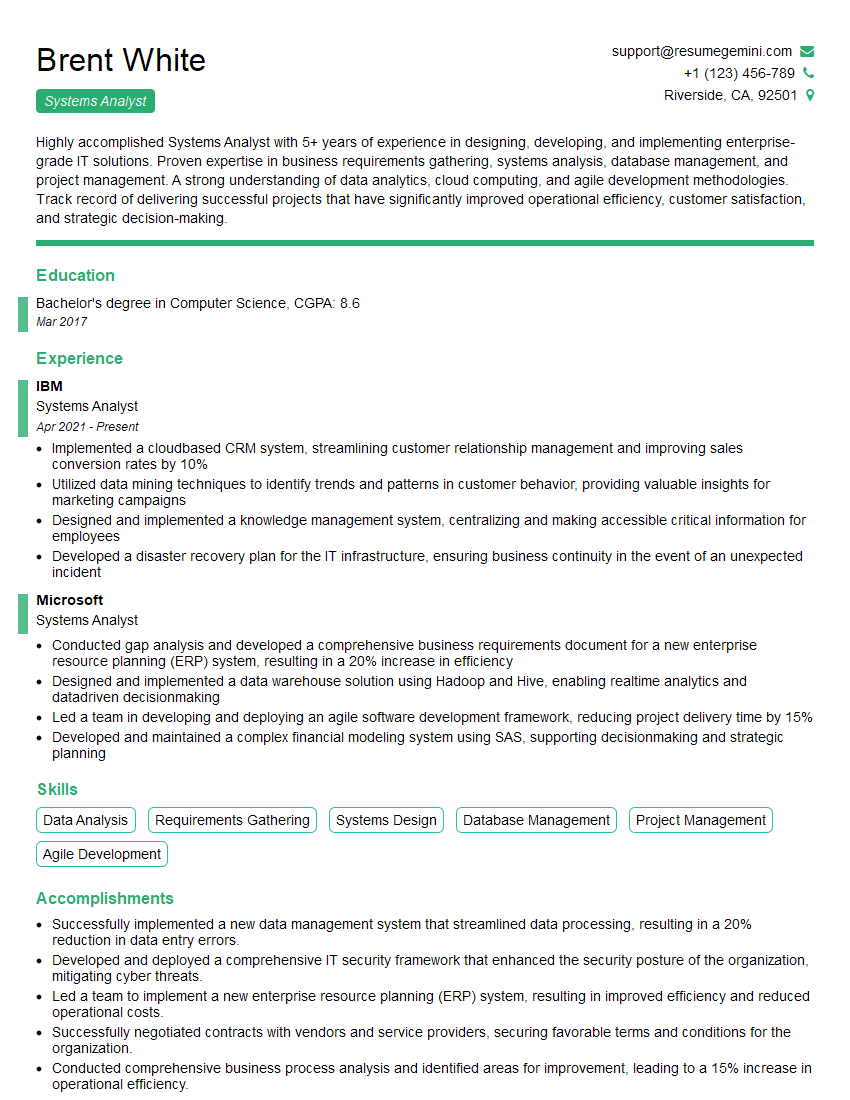
Systems Analyst Resume Sample

Operations Research Analyst Resume Sample
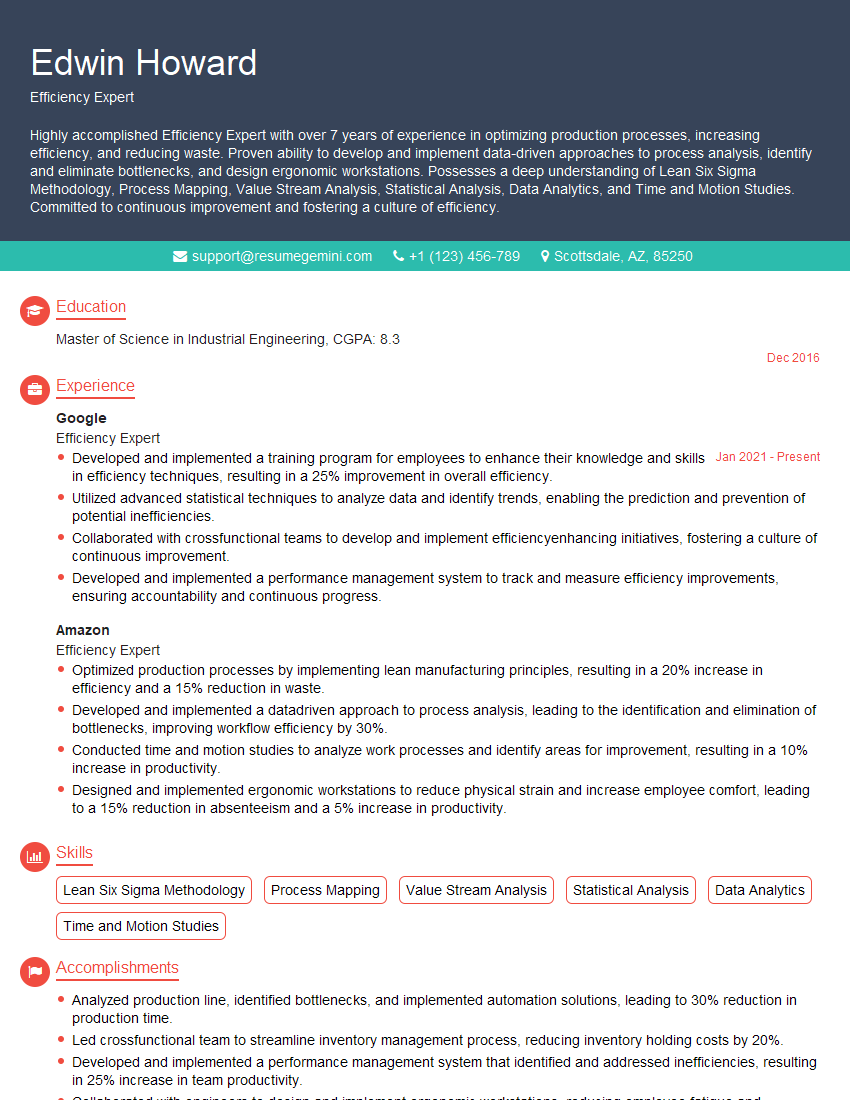
Efficiency Expert Resume Sample
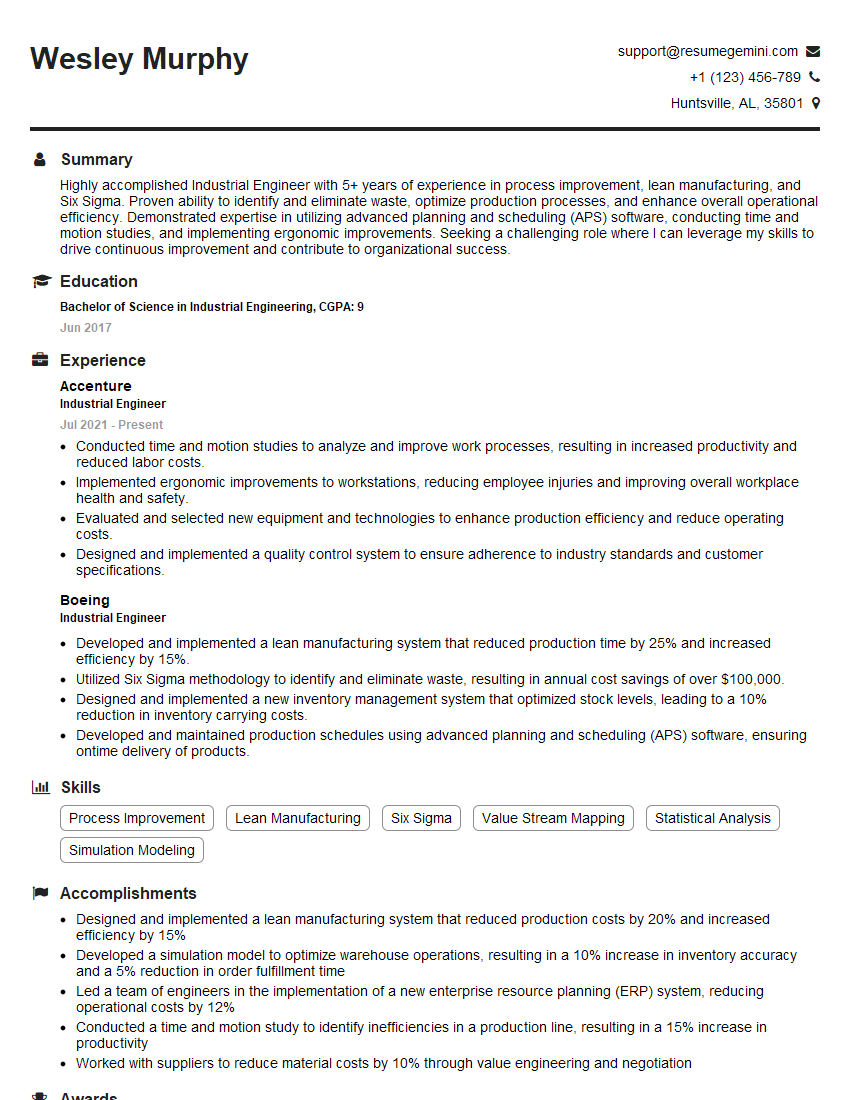
Industrial Engineer Resume Sample
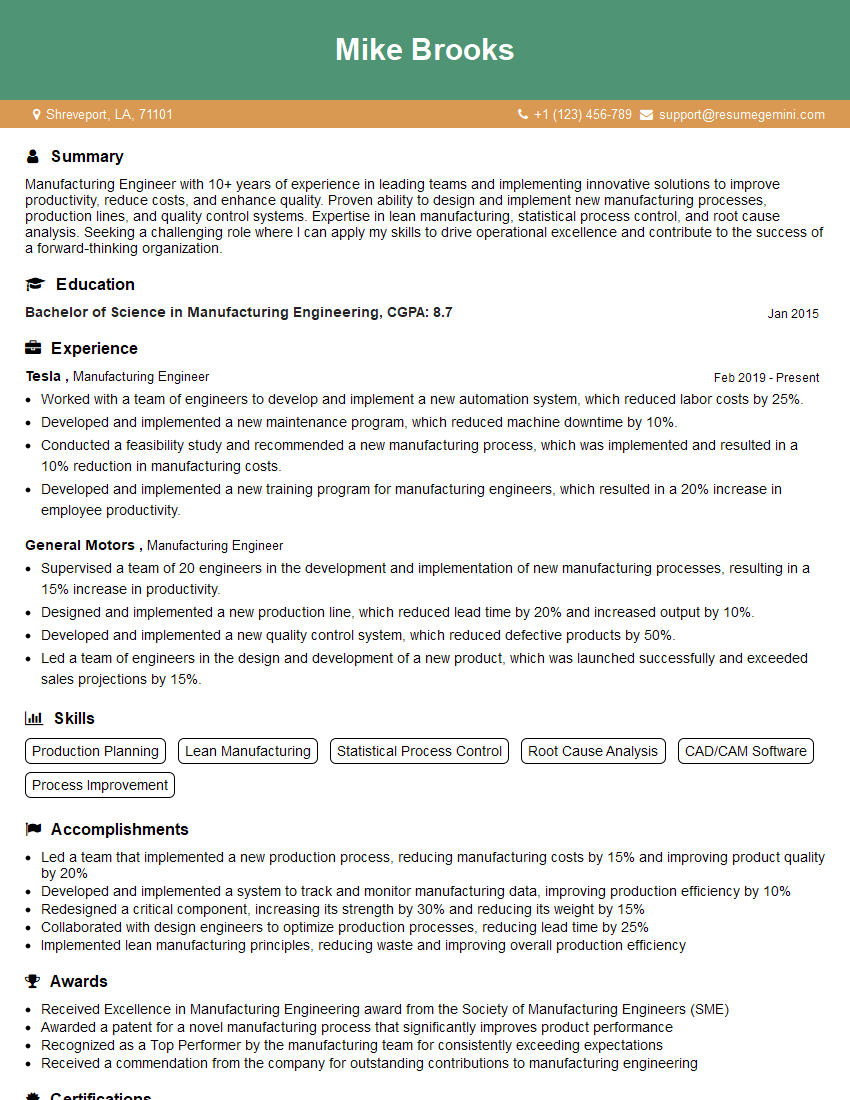
Manufacturing Engineer Resume Sample
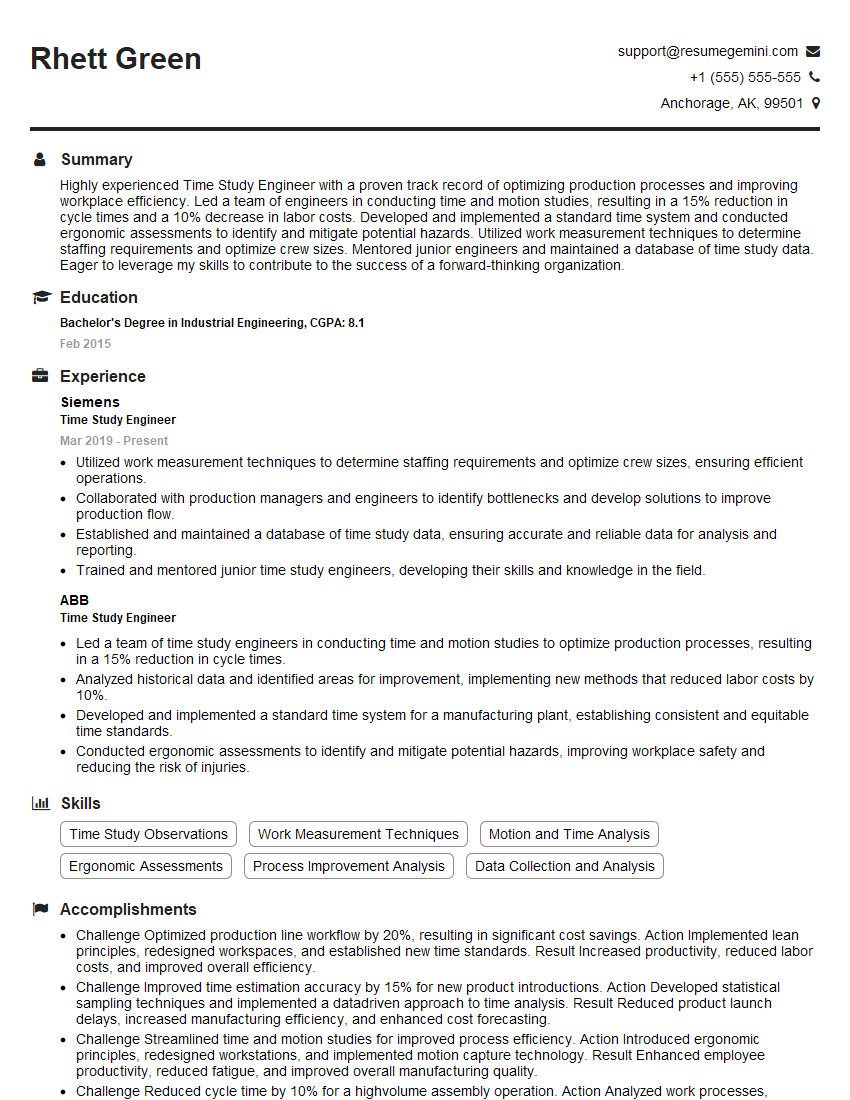
Time Study Engineer Resume Sample

Ergonomist Resume Sample
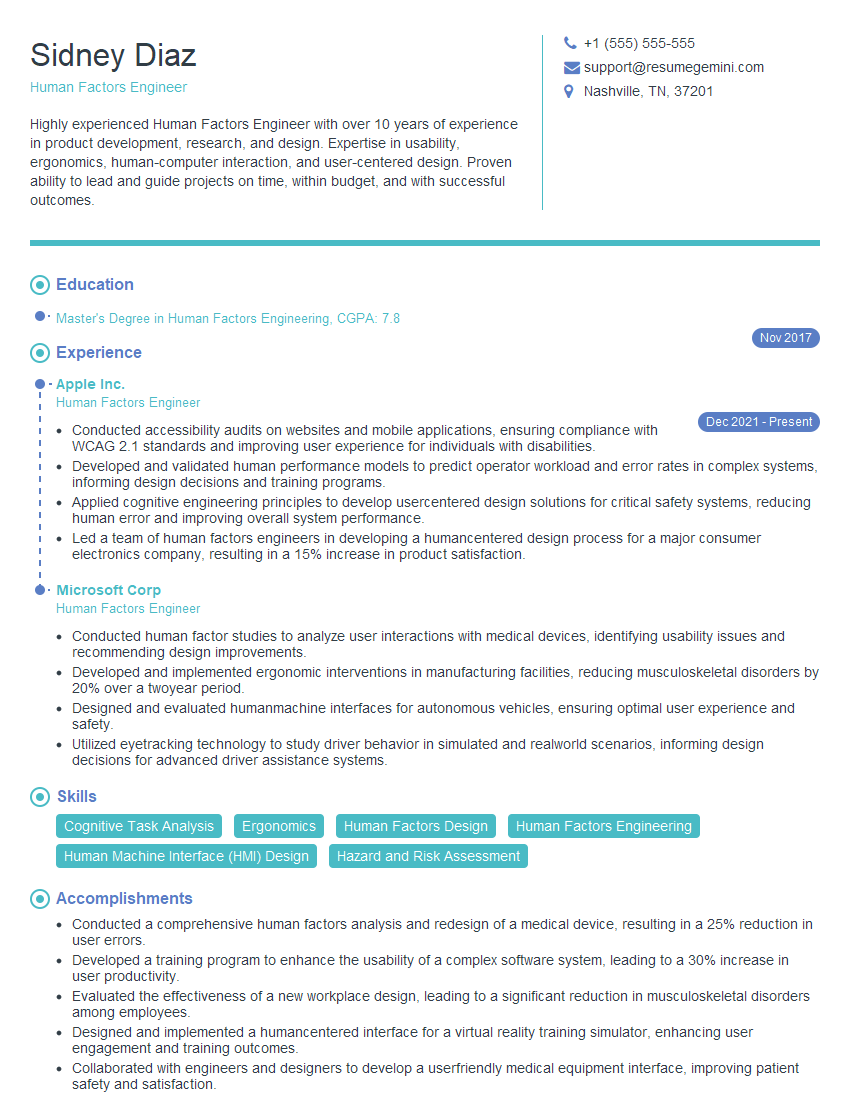
Human Factors Engineer Resume Sample
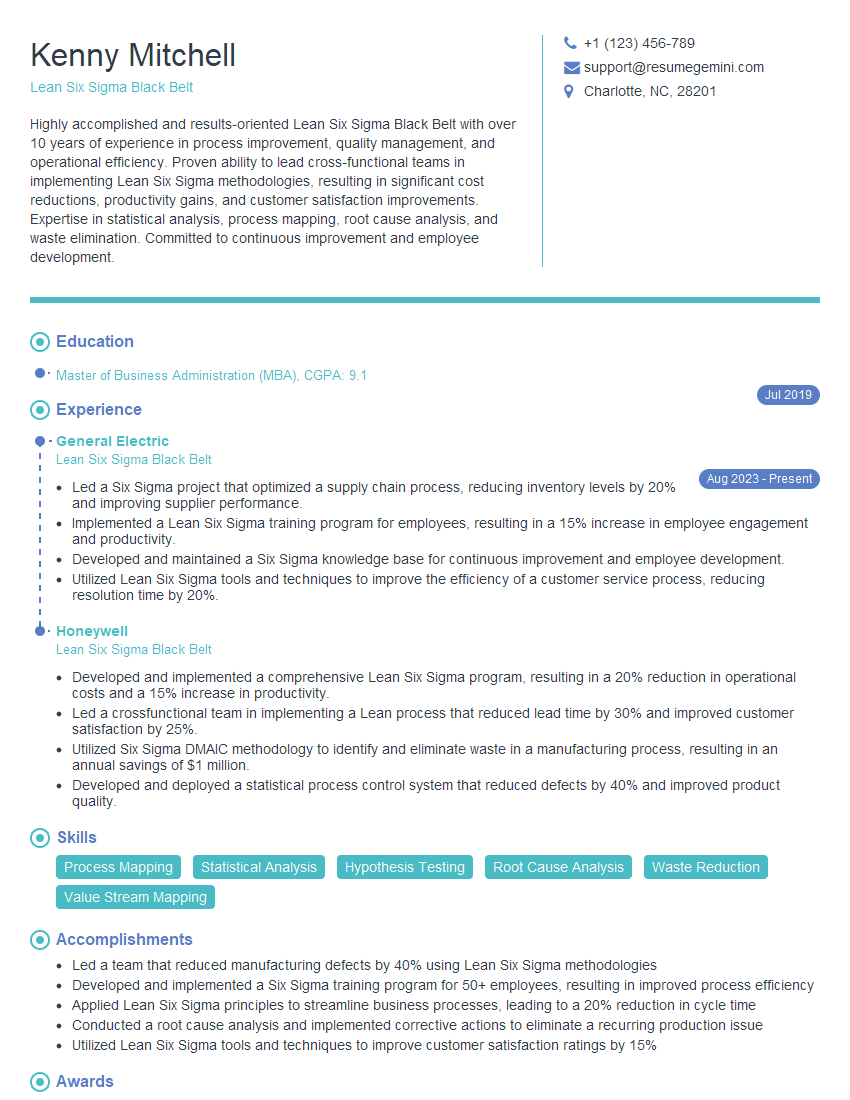
Lean Six Sigma Black Belt Resume Sample
- Operations Manager
- Quality Control Manager
- Production Supervisor
- Project Manager
- Supply Chain Analyst
- Business Analyst
- Management Consultant
- Data Analyst
- Process Engineer
- Systems Analyst
- Operations Research Analyst
- Efficiency Expert
- Industrial Engineer
- Manufacturing Engineer
- Time Study Engineer
- Ergonomist
- Human Factors Engineer
- Lean Six Sigma Black Belt
Explore more articles
Users Rating of Our Blogs
Share Your Experience
We value your feedback! Please rate our content and share your thoughts (optional).
What Readers Say About Our Blog
Very informative content, great job.
good