The thought of an interview can be nerve-wracking, but the right preparation can make all the difference. Explore this comprehensive guide to Workplace Accident Investigation and Prevention interview questions and gain the confidence you need to showcase your abilities and secure the role.
Questions Asked in Workplace Accident Investigation and Prevention Interview
Q 1. Describe your experience conducting root cause analyses of workplace accidents.
Root cause analysis (RCA) is crucial for workplace accident investigation. It’s not enough to identify *what* happened; we need to understand *why*. My approach involves a systematic process, often employing methods like the ‘5 Whys’ technique, fault tree analysis, and fishbone diagrams. I begin by gathering all available data – accident reports, witness statements, photos, video footage, etc. Then, I systematically drill down, asking ‘why’ repeatedly until we uncover the underlying causes, not just the surface-level events. For example, if a worker was injured by a falling object, simply stating ‘the object fell’ isn’t sufficient. We must delve deeper: Why did the object fall? (Faulty securing mechanism). Why was the mechanism faulty? (Lack of regular maintenance). Why was maintenance neglected? (Insufficient training for maintenance personnel). This process helps identify systemic issues, not just individual errors.
I’ve successfully used RCA in several scenarios. One case involved a forklift accident. Initially, the blame was placed on the forklift driver. However, through RCA, we discovered the warehouse layout lacked adequate signage and safety protocols leading to blind spots, which was the true root cause. This led to significant improvements in warehouse design and operator training.
Q 2. Explain the different types of workplace accident investigations.
Workplace accident investigations can be categorized in several ways. One common approach distinguishes between reactive and proactive investigations. Reactive investigations occur after an accident has already happened, aiming to understand the causes and prevent recurrence. Proactive investigations, on the other hand, are conducted to identify potential hazards *before* an accident occurs, usually through safety audits and hazard assessments.
Another categorization focuses on the scope: Incident investigations focus on smaller events that may not have resulted in injury but hold potential for future harm. Accident investigations address events resulting in injury or property damage. Finally, some investigations are near-miss investigations, analyzing situations where an accident almost occurred, allowing preventive measures to be implemented before an actual accident happens.
Q 3. How do you ensure the accuracy and objectivity of your accident investigations?
Ensuring accuracy and objectivity is paramount. I adhere to several key principles. First, I maintain a neutral stance, avoiding pre-conceived notions or biases. I meticulously document all evidence, including photos, videos, and witness statements. Multiple sources of information are crucial to corroborate data. For example, I might compare a witness statement with security camera footage to ensure consistency.
Furthermore, I use standardized investigation forms and checklists to ensure consistency and completeness. This prevents the omission of crucial details. Interviewing techniques are also vital, employing open-ended questions to encourage detailed responses and avoid leading questions. Finally, all findings are reviewed by a second independent party to verify accuracy and eliminate any potential bias.
Q 4. What are the key elements of a comprehensive accident investigation report?
A comprehensive accident investigation report should include several key elements: A detailed description of the accident, including date, time, location, and individuals involved; a factual account of events leading up to the accident; identification of contributing factors (both direct and indirect causes); a list of witnesses and their statements; photographs and/or video recordings of the accident scene; analysis of root causes, using appropriate RCA techniques; recommendations for corrective and preventative actions; a timeline of events; and the names and contact information of all individuals involved in the investigation.
The report should be clear, concise, and easy to understand, avoiding technical jargon wherever possible. It should also be legally sound and protect the confidentiality of individuals involved.
Q 5. How do you identify and mitigate hazards to prevent future accidents?
Hazard identification and mitigation is a continuous process. It begins with a thorough workplace hazard assessment, involving walkthroughs, interviews with employees, and review of existing safety data. Methods like Job Safety Analysis (JSA) and HAZOP (Hazard and Operability Study) are useful tools. Once hazards are identified, we prioritize them based on severity and likelihood of occurrence using a risk matrix. Then, we develop and implement control measures, following the hierarchy of controls: elimination, substitution, engineering controls, administrative controls, and finally, personal protective equipment (PPE).
For example, if a hazard assessment reveals a risk of slips and falls due to spilled liquids, the control measures could include implementing improved housekeeping procedures, providing spill kits, using absorbent mats, and enforcing safety footwear. Regular audits and safety inspections help monitor the effectiveness of the implemented controls and make adjustments as needed.
Q 6. Describe your experience with OSHA regulations and compliance.
My experience with OSHA regulations is extensive. I am thoroughly familiar with OSHA’s general duty clause, specific standards relevant to various industries, and record-keeping requirements. I understand the process of conducting OSHA inspections, responding to citations, and developing corrective action plans. I have been directly involved in several OSHA investigations, ensuring full compliance with all applicable regulations. This includes familiarity with reporting requirements for injuries and illnesses, as well as the implementation of safety programs aimed at preventing workplace hazards.
I regularly update my knowledge on any changes to OSHA regulations and best practices to ensure that my strategies and recommendations remain current and compliant.
Q 7. How do you interview witnesses during an accident investigation?
Witness interviews are critical. I begin by establishing rapport with the witness, ensuring they feel comfortable and understand the purpose of the interview. I conduct the interview in a private setting, allowing for open communication. I use open-ended questions to encourage detailed accounts, avoiding leading questions which might influence their responses. I document everything accurately, including any inconsistencies or uncertainties. The interview is recorded (with the witness’s consent) to maintain a precise record. After the interview, I provide the witness with a summary of their statement for review and confirmation.
It’s crucial to be empathetic and understanding, acknowledging the emotional impact the accident might have had on the witness. By creating a safe and supportive environment, I can gather more accurate and complete information.
Q 8. What methods do you use to collect and analyze evidence?
Evidence collection and analysis in workplace accident investigation is crucial for determining root causes and preventing future incidents. My approach is systematic and thorough, encompassing several key methods.
- Witness Interviews: I conduct structured interviews with all relevant witnesses, using open-ended questions to gather detailed accounts. I carefully document their statements, noting any inconsistencies for further investigation. For example, I might ask, “What did you see immediately before the accident?” and follow up with specific questions based on their responses.
- Physical Evidence Examination: This involves meticulously examining the accident site, photographing the scene from multiple angles, and collecting physical evidence such as broken equipment, tool marks, or spilled materials. I meticulously document the location of each piece of evidence. For instance, a precise diagram showing the position of a fallen ladder relative to a work bench is crucial.
- Document Review: I examine relevant documents, including safety protocols, training records, maintenance logs, and incident reports. This helps establish the context of the accident and identify any potential contributing factors. For example, a maintenance log might reveal a failure to address a known equipment malfunction.
- Data Analysis: Depending on the nature of the accident, I might analyze data from various sources, such as machine sensors, production records, or environmental monitoring systems to identify patterns or trends that might have contributed to the incident.
Analysis involves comparing and contrasting the collected evidence, identifying patterns, and drawing inferences about the sequence of events leading to the accident. This often involves using logic and critical thinking to eliminate alternative explanations and reach a conclusion supported by evidence.
Q 9. How do you handle conflicting accounts or evidence during an investigation?
Conflicting accounts are common in accident investigations. Addressing them requires a neutral and objective approach. I begin by reviewing all accounts carefully, looking for discrepancies. This often requires revisiting the scene and re-examining the physical evidence to see if it supports any particular account. I might also use additional methods to resolve inconsistencies.
- Further Witness Interviews: I may conduct follow-up interviews, providing witnesses with additional information or clarifying previous statements. Sometimes, a witness’s initial recollection might be inaccurate, but further discussion can help clarify the events.
- Expert Consultation: If necessary, I consult with experts in relevant fields (e.g., engineers, safety professionals) to obtain independent opinions on technical aspects of the accident. For instance, if the accident involved a complex piece of machinery, an engineering expert might be needed to determine the cause of a malfunction.
- Reconstructions: In complex cases, I might conduct a physical or computer-aided reconstruction of the accident to simulate the sequence of events and assess the plausibility of different accounts. This might help identify underlying factors not initially apparent.
The goal is not to find fault, but to determine the facts of the accident. Even conflicting accounts can provide valuable insights into the circumstances surrounding the incident. My final report will accurately reflect all perspectives and acknowledge any remaining uncertainties.
Q 10. Explain the importance of documenting each step of the investigation process.
Meticulous documentation is paramount to a credible and legally sound investigation. It ensures accuracy, transparency, and provides a verifiable record of the investigation’s progress. A well-documented investigation protects the company from legal liability and informs the development of effective corrective actions.
- Chronological Record: Every step of the investigation, from initial notification to final report, is documented chronologically. This includes dates, times, names of individuals interviewed, and a summary of their statements.
- Evidence Chain of Custody: If physical evidence is collected, a chain of custody is meticulously maintained, documenting who handled the evidence, when, and under what circumstances. This guarantees the integrity of the evidence presented.
- Photographs and Diagrams: The accident scene is thoroughly photographed, and detailed diagrams are created to show the location of evidence and the layout of the area. This provides a visual record of the accident’s context.
- Interview Transcripts: Interviews are transcribed verbatim or audio-recorded, to ensure accurate and complete recording of witness statements.
Proper documentation protects the organization by providing irrefutable evidence of a thorough investigation. It helps demonstrate compliance with safety regulations and demonstrates a commitment to workplace safety.
Q 11. How do you determine the contributing factors to an accident?
Determining contributing factors requires a systematic approach, often employing a technique like root cause analysis (RCA). This is not about assigning blame but identifying the underlying causes that allowed the accident to occur.
- The ‘5 Whys’ Technique: This iterative approach involves repeatedly asking “Why?” to delve deeper into the causes. For example: Accident: Employee tripped on a loose cable. Why? Cable was not properly secured. Why? Management didn’t provide proper training on cable management. Why? The safety manual was outdated. Why? Lack of budget allocated to training and safety updates. This reveals the root cause: inadequate resource allocation to safety.
- Fault Tree Analysis (FTA): This top-down method graphically represents the events leading to an accident. It starts with the undesired event (the accident) and branches down to identify contributing factors and root causes.
- Fishbone Diagram (Ishikawa Diagram): This tool categorizes potential causes into broad categories (e.g., people, equipment, environment, methods) and then examines specific factors within each category that may have contributed to the accident.
Regardless of the technique used, the goal is to identify not only the immediate causes but also the underlying systemic issues that facilitated the accident. This allows for the development of targeted preventive measures.
Q 12. What are some common causes of workplace accidents?
Workplace accidents stem from a multitude of factors, often intertwined. Some common causes include:
- Unsafe Behaviors: This includes rushing, not following safety procedures, using equipment improperly, and ignoring safety warnings. A classic example is failing to wear personal protective equipment (PPE) like safety glasses or hard hats.
- Unsafe Conditions: These are physical hazards present in the workplace, such as inadequate lighting, slippery floors, exposed wires, poorly maintained machinery, and cluttered walkways. A poorly maintained scaffold could lead to a fall.
- Lack of Training: Insufficient training on safe operating procedures, hazard awareness, and emergency response can significantly increase accident risks. Employees unfamiliar with using machinery correctly are more prone to accidents.
- Inadequate Supervision: A lack of proper supervision can allow unsafe practices to go unchecked, increasing the risk of accidents. If employees are not monitored for safe work practices, they might engage in shortcuts which could lead to injury.
- Poor Ergonomics: Poor workstation design or repetitive movements can cause musculoskeletal injuries like carpal tunnel syndrome or back pain.
It’s important to note that accidents often result from a combination of these factors, and not a single cause. Identifying the specific interplay of factors is crucial for effective accident prevention.
Q 13. How do you prioritize corrective actions after an accident investigation?
Prioritizing corrective actions after an accident investigation involves a risk-based approach. The most critical actions are those that address the highest-risk factors and prevent recurrence of similar incidents. I typically use a combination of approaches:
- Severity and Likelihood: Corrective actions are prioritized based on the severity of the potential consequences (e.g., fatality, injury, property damage) and the likelihood of recurrence. Actions addressing high-severity and high-likelihood risks take precedence.
- Cost-Benefit Analysis: I consider the cost of implementing corrective actions versus the potential cost savings from preventing future accidents. This ensures that resources are allocated effectively.
- Urgency: Actions that address immediate hazards receive immediate attention. For example, if a piece of equipment is found to be malfunctioning, repairs are prioritized to prevent further incidents.
- Feasibility: Actions must be feasible and achievable within the organizational constraints (time, budget, resources). Unrealistic corrective actions are unproductive.
After establishing priorities, I develop a detailed plan outlining the steps needed to implement the corrective actions, including timelines, responsibilities, and resource allocation. Regular progress monitoring is essential to ensure that the actions are implemented effectively and that the workplace becomes safer.
Q 14. Describe your experience using incident reporting software or systems.
I have extensive experience using several incident reporting software systems, including [mention specific software names if you wish, or provide a general description]. These systems typically offer features for:
- Incident Reporting: Employees can easily report incidents through the system, providing detailed information about the event.
- Data Management: The software centralizes incident reports, enabling efficient data management and analysis.
- Trend Analysis: By analyzing the collected data, the system can identify trends and patterns in workplace accidents. This helps to pinpoint areas needing improvement.
- Corrective Action Tracking: The software facilitates the tracking and management of corrective actions, ensuring that implemented measures are effectively addressing the identified risks.
- Reporting and Analytics: Many systems provide comprehensive reporting and analytics features, allowing for the generation of detailed reports and visualizations of accident data.
My proficiency with these systems allows for a more efficient and data-driven approach to accident investigation and prevention, helping to optimize safety programs and minimize workplace hazards. I’m adept at using the data generated by these systems to inform strategies for improving workplace safety.
Q 15. How do you communicate investigation findings to relevant stakeholders?
Communicating investigation findings effectively is crucial for preventing future accidents. My approach involves tailoring the communication to the specific audience and their needs. For example, a report to senior management will focus on high-level findings, recommendations, and their impact on the overall business. Conversely, a report for frontline workers might focus on practical changes to their daily procedures and safety measures.
I use a multi-faceted approach including:
- Formal written reports: These provide a detailed, documented record of the investigation, including methodology, findings, and recommendations.
- Presentations: I deliver presentations to different stakeholder groups, ensuring the information is presented at the appropriate level of detail and in a clear, concise manner using visuals and data to support key findings.
- Interactive workshops: For more in-depth discussions and to foster collaboration, I conduct workshops involving affected workers, managers, and safety personnel to address concerns and ensure buy-in for implemented changes.
- Follow-up communication: I ensure continuous communication to keep stakeholders informed of progress in implementing recommendations and to address any remaining questions or concerns.
For instance, in an investigation involving a near-miss incident, I would not only detail the root cause but also emphasize the importance of reporting near-misses to prevent escalation to a major accident. This would involve clear communication about the revised reporting procedures and the benefits of early hazard identification.
Career Expert Tips:
- Ace those interviews! Prepare effectively by reviewing the Top 50 Most Common Interview Questions on ResumeGemini.
- Navigate your job search with confidence! Explore a wide range of Career Tips on ResumeGemini. Learn about common challenges and recommendations to overcome them.
- Craft the perfect resume! Master the Art of Resume Writing with ResumeGemini’s guide. Showcase your unique qualifications and achievements effectively.
- Don’t miss out on holiday savings! Build your dream resume with ResumeGemini’s ATS optimized templates.
Q 16. What are your strategies for preventing similar accidents in the future?
Preventing future accidents involves a multi-pronged approach that addresses both immediate and underlying causes. My strategies focus on implementing corrective and preventive actions based on the investigation findings. This isn’t just about fixing the immediate problem; it’s about understanding the systemic issues that contributed to the accident.
- Engineering controls: Implementing physical changes to the workplace to eliminate hazards. For example, installing machine guards or improving lighting.
- Administrative controls: Implementing changes to work procedures, training, and supervision. This could involve implementing a new permit-to-work system or enhancing safety training programs.
- Personal protective equipment (PPE): Ensuring workers use appropriate PPE and that it’s properly maintained and fitted.
- Behavioral interventions: Addressing unsafe behaviours through training, reinforcement, and accountability. This might include setting clear safety expectations, providing regular safety briefings, and implementing a safety observation program.
- Regular safety audits and inspections: Conducting routine checks to identify and address potential hazards before they lead to accidents.
For example, if an accident was caused by inadequate training, I would recommend developing a comprehensive training program, providing refresher courses, and implementing a system for tracking employee training completion. I would also suggest implementing a system of regular competency assessments.
Q 17. How do you ensure confidentiality during an accident investigation?
Confidentiality is paramount during accident investigations. Protecting the privacy of individuals involved is both ethically and legally important. My approach adheres to strict confidentiality protocols.
- Limited access to information: Access to investigation materials is restricted to those with a legitimate need to know. This information is securely stored and only accessed with appropriate authorization.
- Anonymization where possible: Whenever possible, I anonymize data to protect the identity of individuals involved, focusing on the events and contributing factors rather than personal details.
- Informed consent: I obtain informed consent from individuals before interviewing them. I clearly explain the purpose of the investigation, the use of information gathered, and their rights.
- Data protection compliance: I ensure all data handling procedures comply with relevant data protection legislation and organizational policies.
- Secure storage and disposal of documents: All investigation documents are securely stored and disposed of according to company policy, ensuring data is not improperly accessed or misused.
For instance, if an employee’s personal health information is relevant to the investigation, I will only access this with explicit consent and only use the minimum necessary information to understand the contributing factors to the accident.
Q 18. Describe a time you had to deal with a complex or challenging accident investigation.
During my career, I investigated a complex incident involving a multi-stage manufacturing process where a worker suffered a serious injury due to a series of interconnected failures. The initial assessment indicated a simple equipment malfunction. However, a deeper dive revealed a more complex chain of events.
The investigation involved:
- Detailed examination of equipment: Thorough inspection of the machinery involved to identify mechanical failures and identify any potential design flaws.
- Witness interviews: Conducting thorough interviews with multiple witnesses, including the injured worker and colleagues, paying attention to inconsistencies and details that might point to underlying issues.
- Review of operational procedures: Analysis of the company’s standard operating procedures and work instructions to identify any gaps or inconsistencies in the training and adherence to procedures.
- Data analysis: Reviewing maintenance logs, production records, and near-miss reports to determine contributing factors and identify any patterns or trends.
Ultimately, the root cause analysis revealed a combination of inadequate training, insufficient equipment maintenance, and a poorly designed safety procedure that contributed to the accident. The solution involved retraining staff, enhancing equipment maintenance protocols, redesigning the safety procedure, and implementing more robust preventative measures. The experience highlighted the critical importance of meticulous investigation and a holistic approach to identifying root causes.
Q 19. What are your familiarity with different investigation methodologies (e.g., TAPROOT, 5 Whys)?
I am familiar with several investigation methodologies including TAPROOT and the 5 Whys. Each methodology offers a unique approach to understanding the root causes of accidents.
TAPROOT (Team-Oriented Process for Investigating Recurring Workplace Events) is a structured approach that systematically investigates incidents by focusing on the underlying causes. It uses a combination of techniques to uncover root causes and develop effective preventive measures.
5 Whys is a simpler technique that involves repeatedly asking “Why?” to drill down to the root cause. While straightforward, it can be less thorough than more structured methods like TAPROOT for complex accidents.
I select the methodology based on the complexity of the incident. For straightforward incidents, the 5 Whys can be sufficient. However, for complex incidents with multiple contributing factors, TAPROOT offers a more comprehensive and structured approach to ensure that no critical factors are overlooked. Often, I will use a combination of techniques to get the most thorough understanding.
Q 20. How do you ensure that your accident investigation findings are actionable and effective?
Ensuring actionable and effective findings is crucial. My approach focuses on generating concrete recommendations that can be implemented easily and monitored effectively.
- Clear and concise recommendations: Recommendations are clear, specific, and measurable, avoiding vague or ambiguous language. They focus on achievable actions, avoiding overly complex or unrealistic solutions.
- Prioritization of recommendations: Recommendations are prioritized based on their potential impact on safety and feasibility of implementation. The most critical actions are addressed first.
- Assignment of responsibility: Each recommendation has a designated owner who is accountable for its implementation and monitoring of effectiveness.
- Development of implementation plans: Detailed plans are developed that outline the steps required to implement each recommendation, including timelines and resources.
- Monitoring and evaluation: The effectiveness of implemented recommendations is regularly monitored and evaluated, with adjustments made as needed. Key performance indicators (KPIs) are established to track progress.
For example, if a recommendation is to improve training, I wouldn’t simply suggest “better training.” Instead, I would suggest a specific training program, identify the trainer, the target audience, and establish measurable criteria for evaluating the training’s effectiveness.
Q 21. What are your skills in using data analysis to identify accident trends?
Data analysis plays a vital role in identifying accident trends and predicting future risks. My skills encompass various techniques for analyzing accident data, including:
- Descriptive statistics: Using basic statistical measures (mean, median, mode, standard deviation) to summarize and understand accident data.
- Trend analysis: Identifying patterns and trends in accident data over time to anticipate potential future incidents.
- Root cause analysis using data: Using data to support and validate the findings from other investigation methods. For example, maintenance records can help corroborate findings related to equipment failure.
- Regression analysis: Exploring relationships between different variables to identify potential contributing factors to accidents (e.g., correlation between overtime hours and accident frequency).
- Data visualization: Creating charts, graphs, and other visual representations to effectively communicate accident trends and patterns to stakeholders. This makes complex information easier to understand.
For example, by analyzing accident data, I might discover a significant increase in accidents involving a particular type of equipment. This would prompt a focused investigation into the equipment’s safety features, maintenance procedures, and employee training related to its use.
Q 22. How do you balance the need for a thorough investigation with the need for a timely resolution?
Balancing thoroughness and timeliness in accident investigations is crucial. A rushed investigation can miss critical details, leading to ineffective preventative measures. Conversely, an overly protracted investigation can disrupt operations and demoralize employees. My approach involves a structured methodology that prioritizes efficiency without sacrificing detail.
I begin with a rapid initial assessment to secure the scene, gather immediate witness accounts, and identify any immediate hazards. This allows us to address immediate risks quickly. Then, a detailed plan is created outlining specific investigative steps, timelines, and responsible parties. This plan uses a combination of techniques like root cause analysis (e.g., the ‘5 Whys’ method), fault tree analysis, and checklist-based assessments, depending on the complexity of the accident.
For example, in investigating a fall from height, I would initially focus on securing the area and getting medical help for the injured worker. Subsequent investigation will delve into the worker’s training, the condition of the equipment, the presence of safety measures (e.g. guardrails), and any contributing factors like environmental conditions. Regular progress reports are crucial to keep stakeholders informed and manage expectations, ensuring timely closure without sacrificing quality.
Q 23. Describe your experience with different types of safety audits and inspections.
My experience encompasses a range of safety audits and inspections, including pre-planned audits, reactive inspections (triggered by accidents or near misses), and regulatory compliance checks.
- Pre-planned audits typically involve a systematic review of safety procedures, equipment maintenance records, employee training documentation, and physical inspections of the workplace to identify potential hazards before they result in incidents. I utilize checklists and standardized auditing tools to ensure consistency and thoroughness.
- Reactive inspections are more focused and triggered by a specific event. These require immediate assessment of the immediate area, collecting evidence, interviewing witnesses, and documenting the sequence of events. Here, I use investigative techniques to pinpoint root causes and contributing factors.
- Regulatory compliance checks focus on adherence to specific industry standards and legal requirements. These usually involve verifying the implementation of safety protocols, conducting safety training records reviews, and ensuring compliance with relevant legislation.
For example, in a manufacturing setting, a pre-planned audit may focus on evaluating machine guarding, lockout/tagout procedures, and emergency response plans. A reactive inspection following an injury may involve investigating specific equipment malfunction, employee training deficiencies, or inadequate emergency procedures.
Q 24. How do you manage the emotional impact of investigating serious workplace accidents?
Investigating serious workplace accidents can be emotionally challenging, both for the victims and their families, as well as for the investigators themselves. My approach emphasizes empathy and professionalism.
I prioritize the safety and well-being of those involved. This includes ensuring appropriate medical attention, providing support and resources to affected individuals, and respecting their privacy. I work closely with the organization’s HR and support services to ensure comprehensive care. To manage my own emotional response, I maintain a professional distance while showing compassion. It is vital to conduct investigations objectively, focusing on factual data and avoiding emotional biases.
Post-investigation, I engage in debriefing sessions with my team to discuss the emotional impact and to identify strategies for managing stress. Maintaining open communication and having access to peer support or professional counseling is vital.
Q 25. How proficient are you in using various data analysis tools for accident investigation?
I am proficient in using various data analysis tools for accident investigation. This includes statistical software packages such as SPSS and R, as well as spreadsheet programs like Excel, which I use extensively for data organization and analysis.
For instance, I utilize statistical methods to analyze accident trends, identify high-risk areas, and evaluate the effectiveness of safety interventions. I can perform regression analyses to identify correlations between factors and accident rates. I also create visualizations such as charts and graphs to present findings clearly. Furthermore, I’m familiar with specialized software designed for incident reporting and analysis, which helps streamline data collection and improve the overall efficiency of accident investigations.
Example: If a manufacturing plant experiences an increase in hand injuries, I would use data analysis tools to examine historical injury data, identify patterns, and explore potential correlations with factors like machine operation, employee experience level, or safety equipment usage. This analysis will guide recommendations for safety improvements.
Q 26. What safety standards and regulations are you most familiar with?
My familiarity with safety standards and regulations is extensive, covering a range of industries and jurisdictions. I have a solid understanding of OSHA (Occupational Safety and Health Administration) standards in the US, as well as relevant international standards like ISO 45001 (Occupational health and safety management systems). My knowledge includes regulations related to hazardous materials handling, machine guarding, personal protective equipment (PPE), fall protection, confined space entry, and emergency response.
I understand that regulatory compliance is not a mere checklist; it forms the foundation of a strong safety culture. I regularly review updates and amendments to these regulations to ensure my practices remain current and effective. Knowing the specific regulations applicable to a given workplace is critical for conducting thorough and legally compliant investigations.
Q 27. Explain your experience with creating and delivering safety training programs.
I have extensive experience in developing and delivering safety training programs. My approach involves needs assessments, curriculum development, instructional design, and program evaluation. I focus on tailoring training to specific job roles, incorporating interactive methodologies, and using various training delivery methods.
For example, when developing training on lockout/tagout procedures, I would conduct a needs assessment to identify knowledge gaps and tailor the training to the specific equipment used within the organization. I would then create a training program incorporating demonstrations, hands-on practice, and interactive scenarios. Post-training evaluation methods would include written tests, observation of performance, and feedback sessions to measure effectiveness and identify areas for improvement.
My training programs aim not only to convey safety information but also to foster a positive safety culture, where employees feel empowered to identify and report hazards. This includes engaging employees in discussions, providing opportunities for feedback, and recognizing and rewarding safe work practices.
Q 28. How do you stay up-to-date with best practices in workplace accident investigation and prevention?
Staying current with best practices is vital in this field. I achieve this through various methods:
- Professional memberships: I actively participate in professional organizations dedicated to workplace safety, such as (mention relevant professional organizations, e.g., ASSE – American Society of Safety Professionals). These memberships provide access to industry publications, conferences, and networking opportunities.
- Continuing education: I regularly attend conferences, workshops, and seminars to learn about new technologies, research findings, and emerging trends in safety management.
- Industry publications: I subscribe to and regularly read industry journals and publications that report on best practices, accident case studies, and new regulatory developments.
- Online resources: I leverage online resources such as professional websites, databases, and online courses to stay informed about new research and advancements in workplace safety.
This multifaceted approach ensures that my knowledge remains current, allowing me to utilize the most effective investigation and prevention strategies in my work.
Key Topics to Learn for Workplace Accident Investigation and Prevention Interview
- Accident Investigation Methodologies: Understanding various investigative techniques, from root cause analysis (RCA) to fault tree analysis (FTA), and their practical application in different workplace settings.
- Legal and Regulatory Compliance: Familiarity with relevant health and safety legislation, reporting procedures, and the importance of maintaining accurate records. Practical application involves knowing how to ensure compliance and handle potential legal ramifications.
- Hazard Identification and Risk Assessment: Mastering techniques for proactively identifying potential hazards, conducting thorough risk assessments, and developing effective control measures. Practical application includes demonstrating experience in using risk matrices and implementing control strategies.
- Human Factors in Accidents: Understanding the role of human error, fatigue, and organizational culture in contributing to workplace accidents. Practical application includes knowing how to identify and mitigate human factors in accident investigations.
- Accident Prevention Strategies: Developing and implementing effective safety programs, including training, safety audits, and emergency response plans. Practical application focuses on showcasing experience in designing and delivering safety initiatives.
- Investigative Report Writing and Presentation: Clearly and concisely documenting findings, conclusions, and recommendations from accident investigations. Practical application involves showcasing strong communication and report writing skills.
- Safety Management Systems (SMS): Understanding the principles and application of SMS frameworks (e.g., ISO 45001) for improving workplace safety performance. Practical application might involve experience in implementing or auditing SMS.
Next Steps
Mastering Workplace Accident Investigation and Prevention is crucial for career advancement in safety-critical industries. A strong understanding of these principles demonstrates your commitment to a safe and productive work environment, enhancing your value to any organization. To significantly boost your job prospects, you need a compelling resume that highlights your skills and experience effectively, optimized for Applicant Tracking Systems (ATS). ResumeGemini is a trusted resource to help you craft a professional and ATS-friendly resume that showcases your expertise. We offer examples of resumes tailored to Workplace Accident Investigation and Prevention to help guide you. Take the next step towards your dream career – build a standout resume with ResumeGemini.
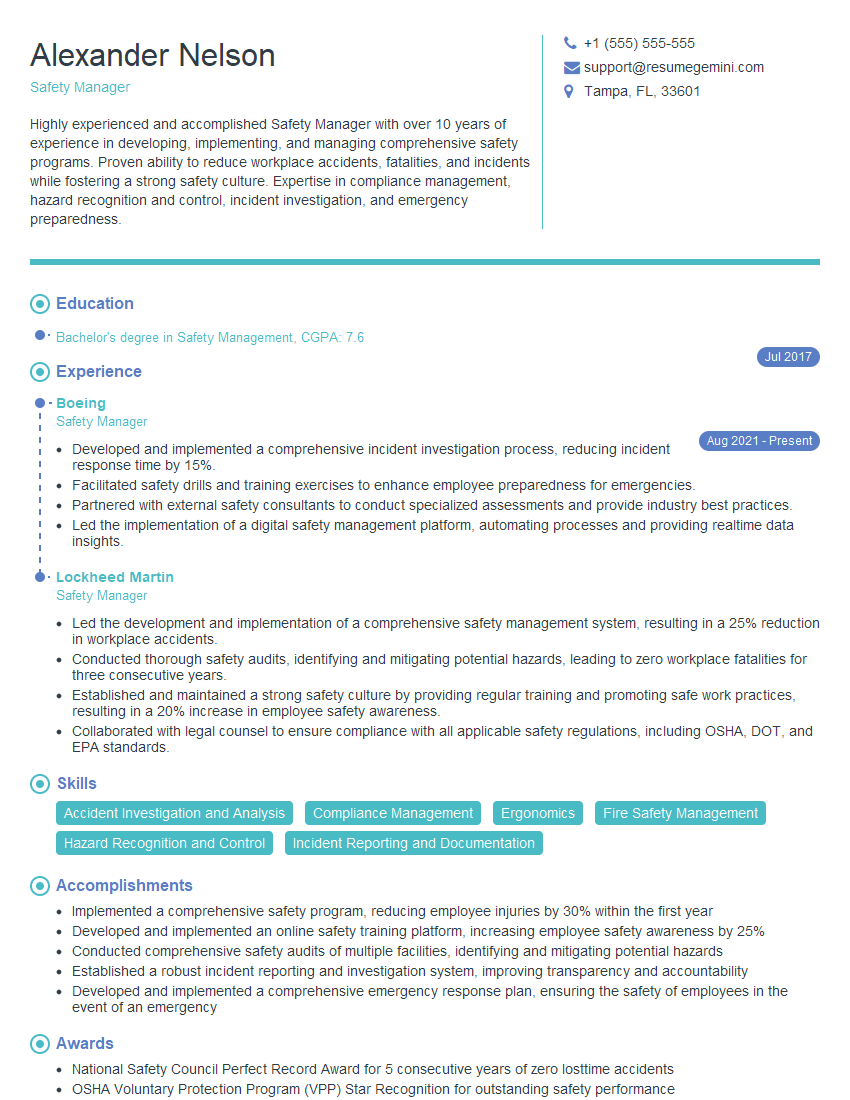
Safety Manager Resume Sample
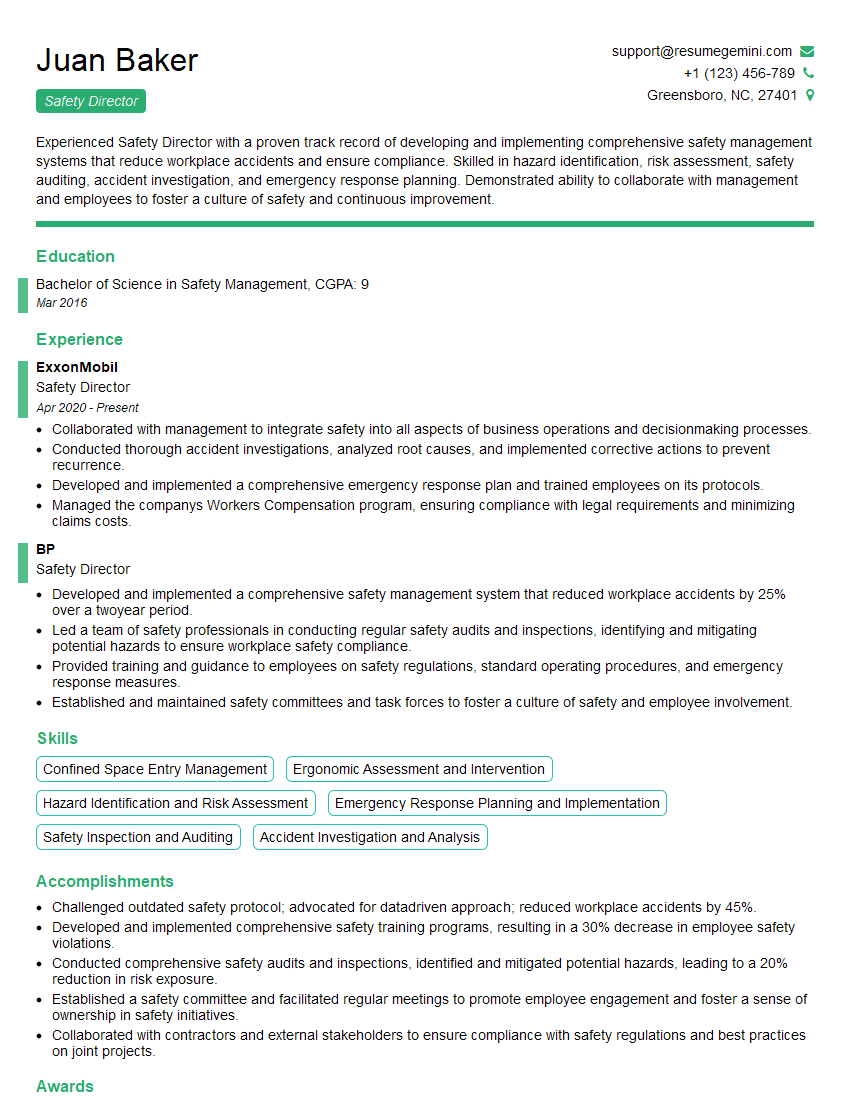
Safety Director Resume Sample
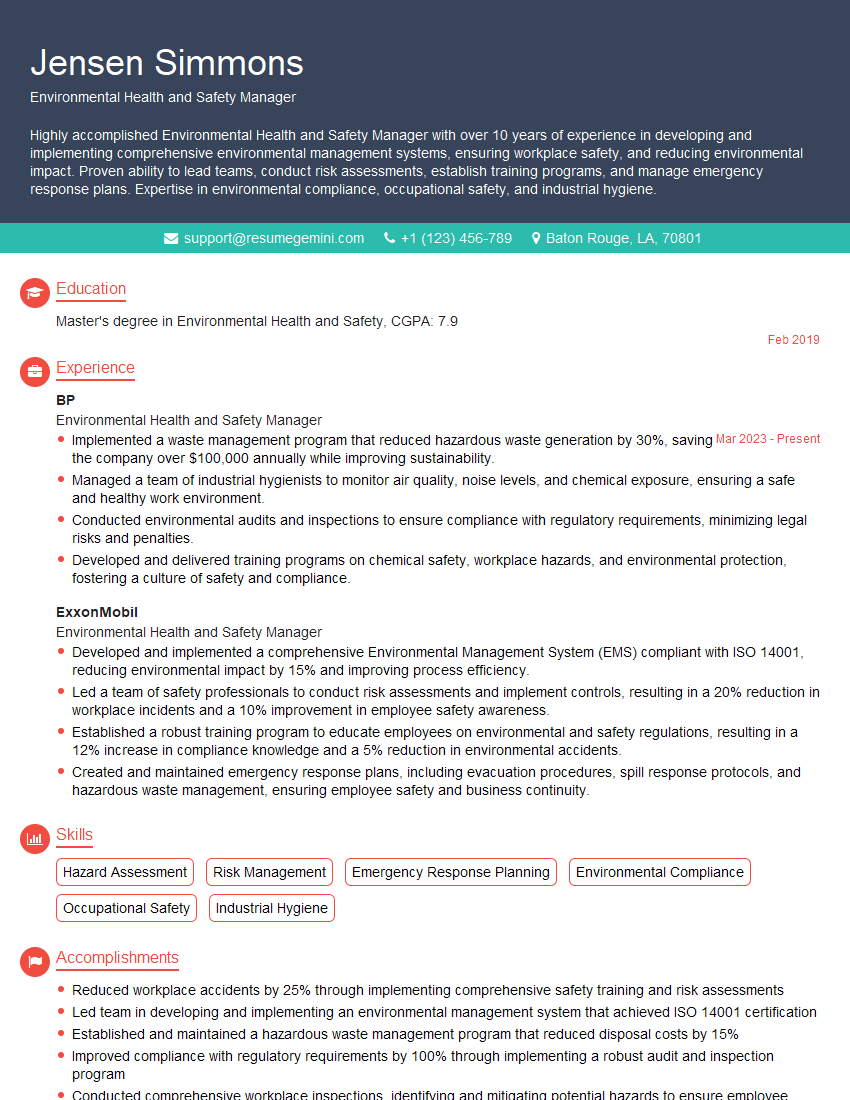
Environmental Health and Safety Manager Resume Sample

Compliance Officer Resume Sample
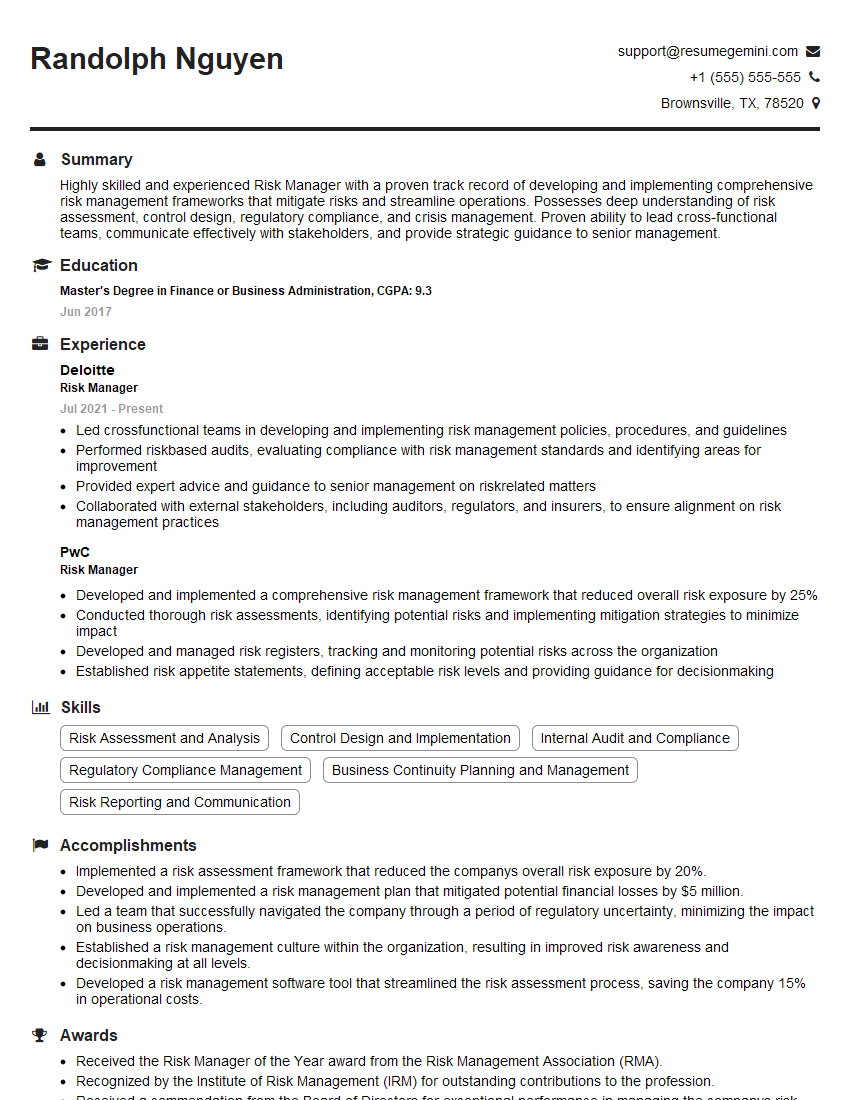
Risk Manager Resume Sample
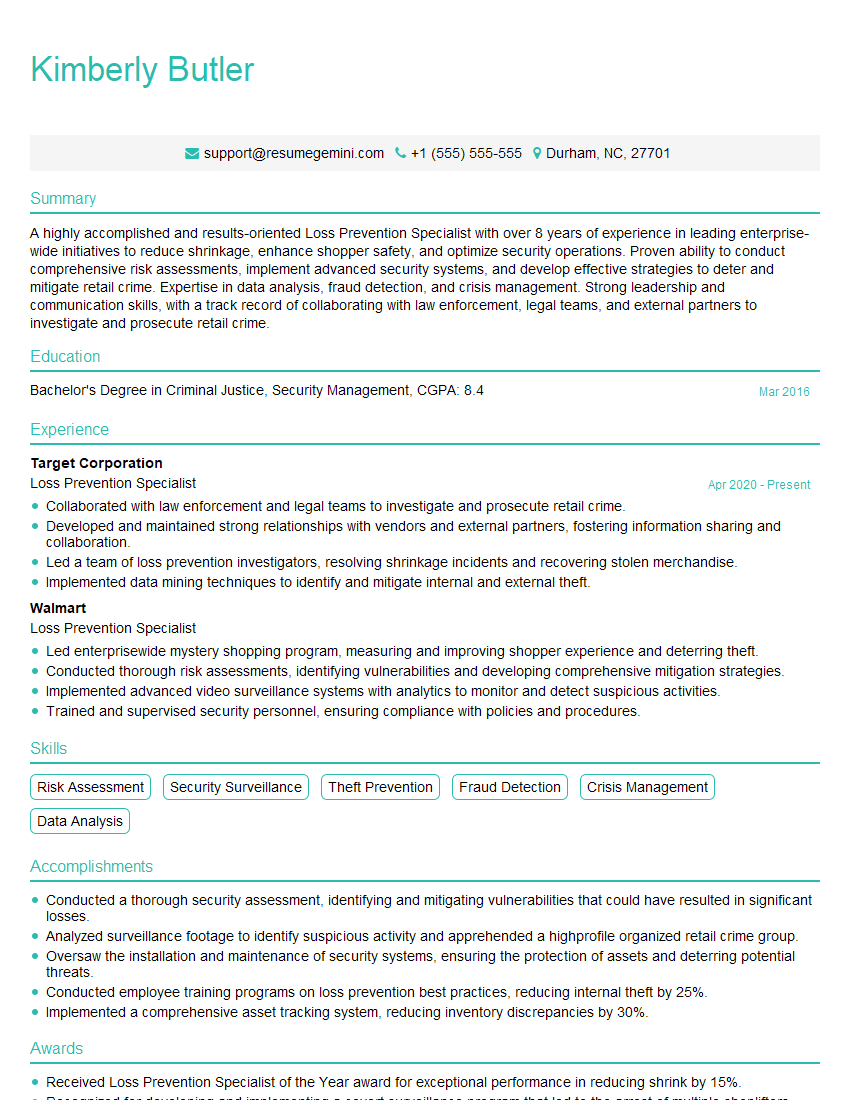
Loss Prevention Specialist Resume Sample
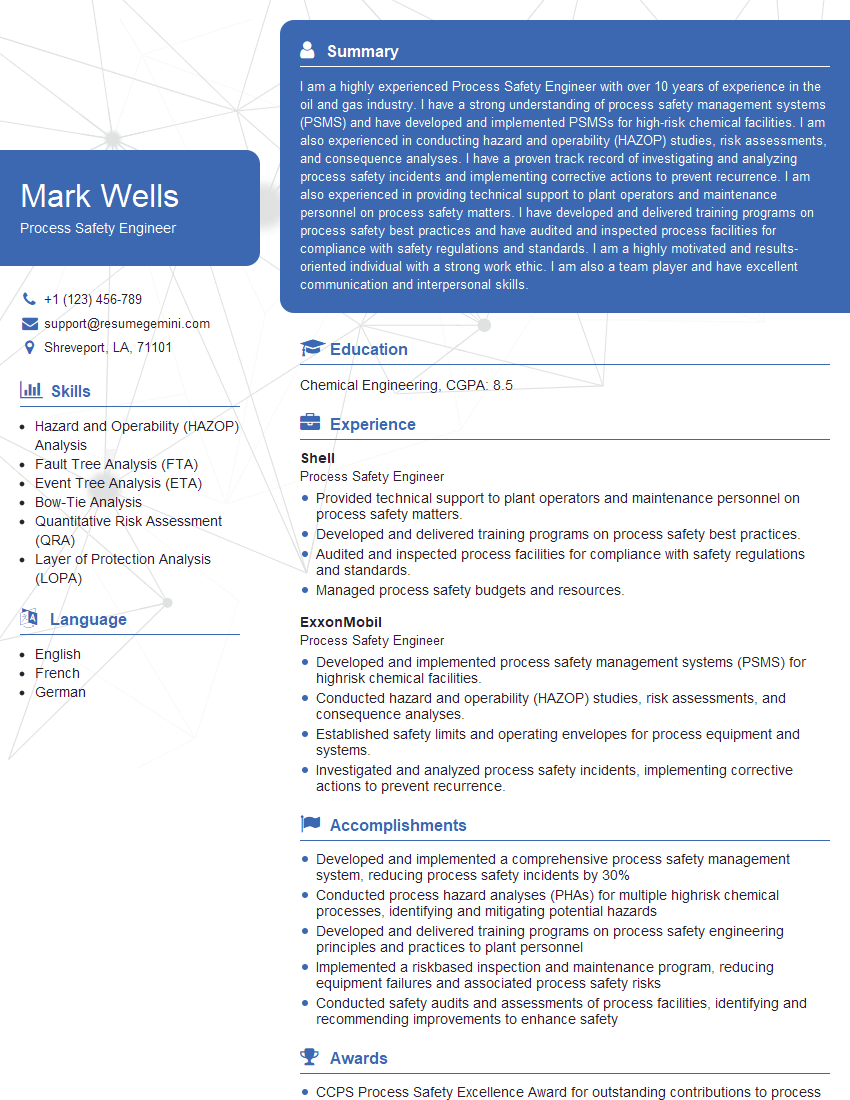
Process Safety Engineer Resume Sample
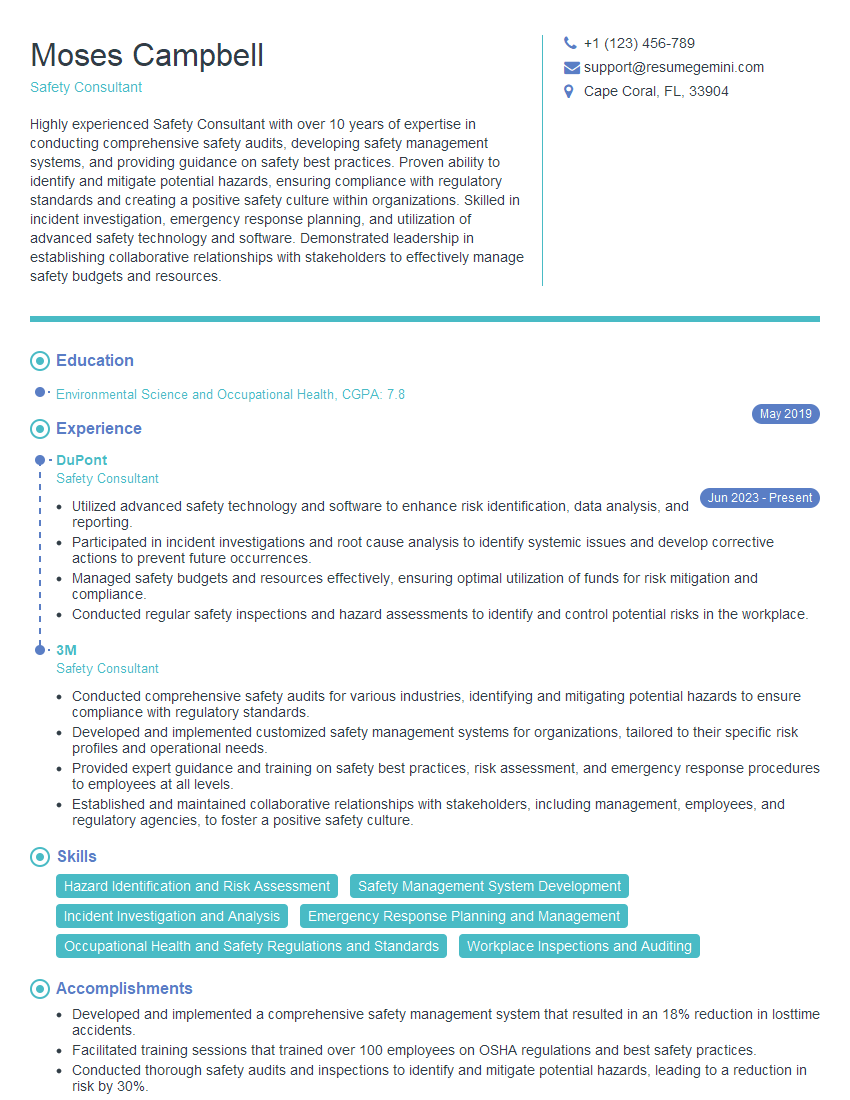
Safety Consultant Resume Sample
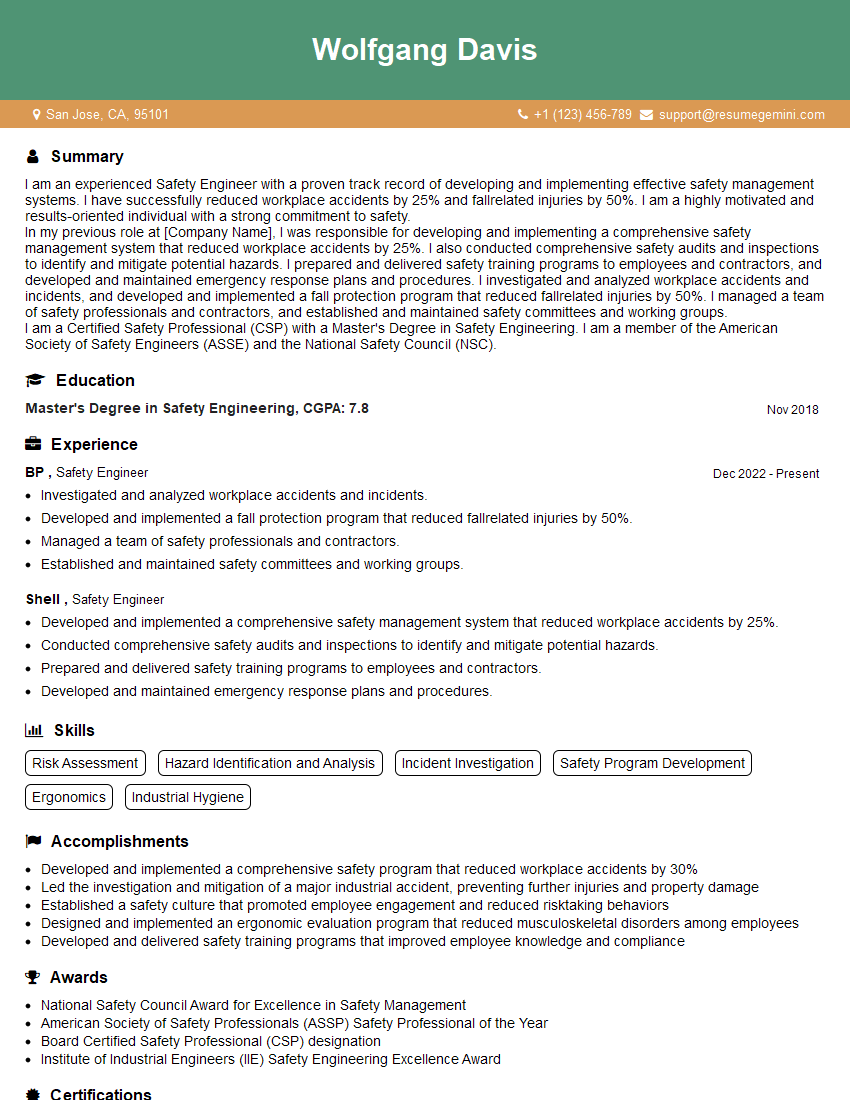
Safety Engineer Resume Sample
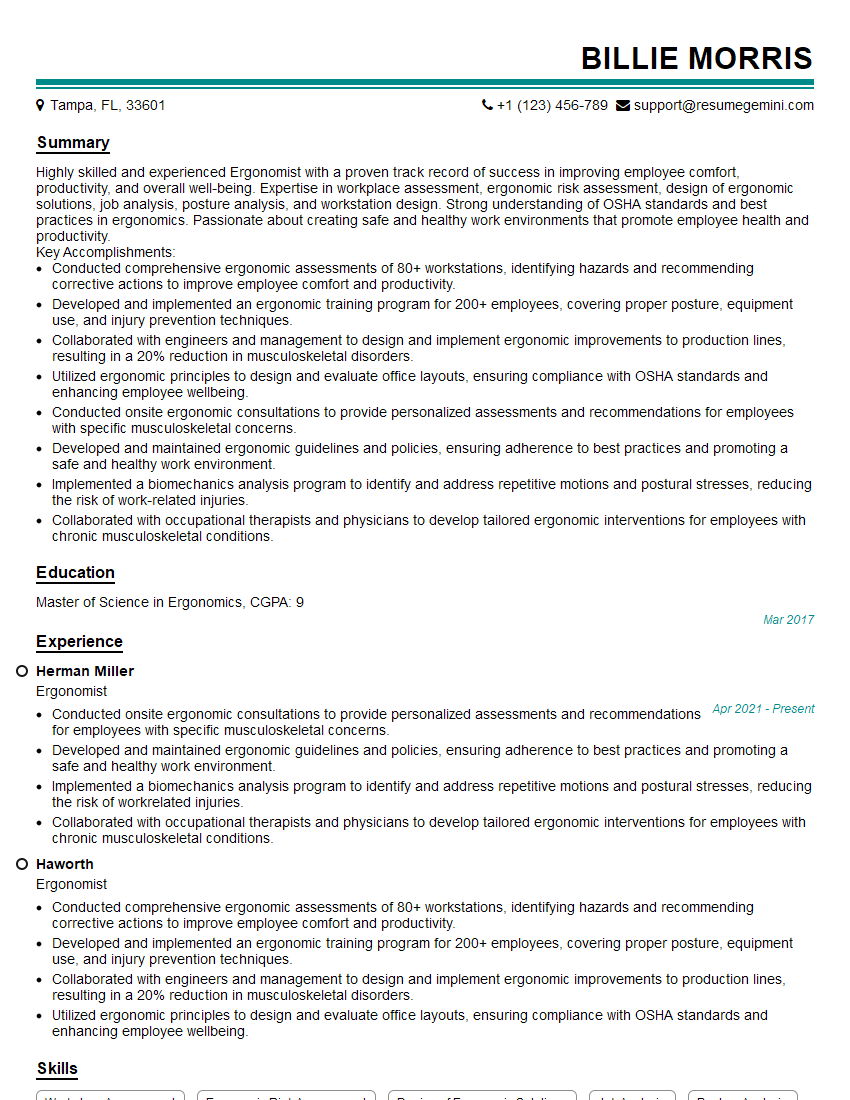
Ergonomist Resume Sample
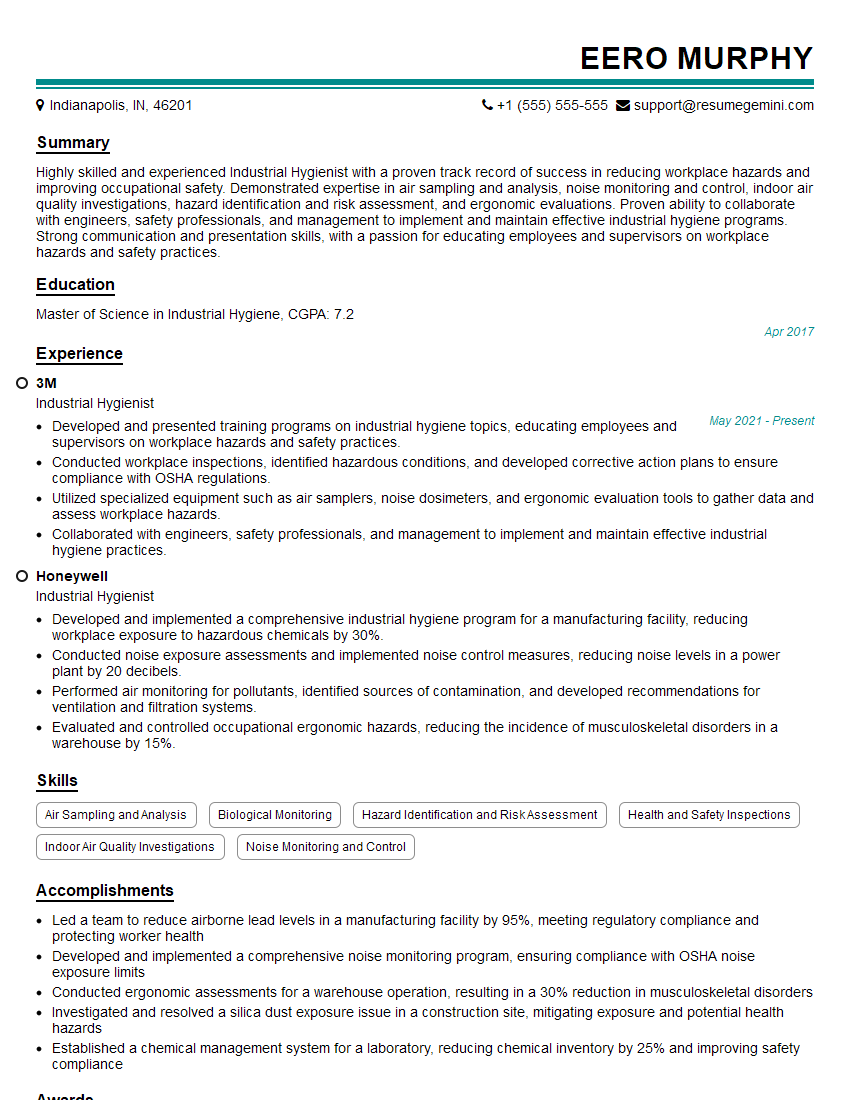
Industrial Hygienist Resume Sample
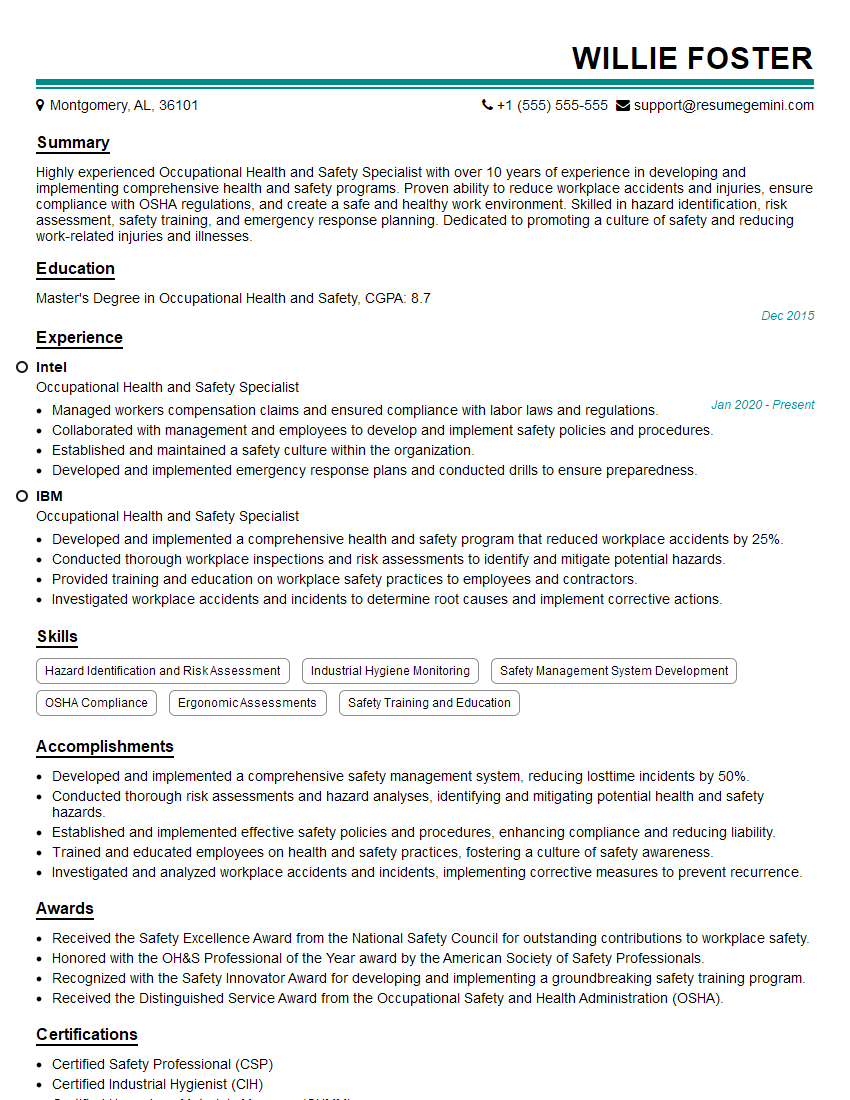
Occupational Health and Safety Specialist Resume Sample
Explore more articles
Users Rating of Our Blogs
Share Your Experience
We value your feedback! Please rate our content and share your thoughts (optional).
What Readers Say About Our Blog
Very informative content, great job.
good